亜 真里男「日本で最も優れた油彩を制作する画家の一人、いや唯一の一人」を巡って、ロスコとライマンの比較 "Mario A, one of the most brilliantly gifted–or perhaps I should say, the single most brilliantly gifted––oil painting artist in Japan" compares paintings by Rothko and Ryman
明らかに、年を取れば取るほど謙虚さが失われていく。なぜこのような結論になるのか?
分析的で鋭い批評的な目を通して、
グローバルなアートワークの幅広い経験を通して、
異なる文化圏との複数の比較を通して、
自分自身が日本で創作した作品の美術史的価値を評価し、認識しているからである。
私は自分を日本で最も重要で影響力のある現代アーティストの一人だと考えている。日本美術史の一部となり、「日本(人)アーティストとは何か」という文脈でパイオニアとして認知されている。「日本の社会化(socialisation)は、どの時点、どのタイミングで、 Mario A を日本(人)アーティストにしたのか?」
なぜ私は日本人のように感じ、行動するのか?
500年の西欧油絵史を背負っている以上、日本の画家としての影響力の及ぶ範囲は日本美術史に宿命的な要素を含んでいる。
ここで2人の美術評論家の言葉を引用する。市原研太郎氏「永遠の革命家としての日本の芸術家マリオ・A」、故 名古屋覚氏「マリオ・A、日本で最も優れた才能を持った、いや、最も優れた唯一の油彩画家」。
Obviously, the older you get, the less humble you become. How do I arrive to this conclusion?
Because you appreciate and recognise, via analytical, sharp, critical eye, via the extensive global art work experiences, via the multiple comparisons with different cultural environments, the art historical value of your created works in Japan.
Recapitulating, I consider myself as one of the most important and influential contemporary artists in Japan.
Becoming part of Japanese art history, recognised as a pioneer in the context of “what does it mean to be a Japanese artist?”. “At what point, at what time, did the Japanese socialisation make Mario A a Japanese artist?”
Why do I feel and act like a Japanese person?
Since as a Japanese artist, I also carry 500 years of European oil painting history on my shoulders, the scope of my influential work takes on a fateful component of Japanese art history.
May I quote art critic ICHIHARA Kentaro “Mario A. An Artist of Japan as an Eternal Revolutionary” and the late art critic NAGOYA Satoru “Mario A, one of the most brilliantly gifted–or perhaps I should say, the single most brilliantly gifted––oil painting artist in Japan”.
美術批評家 市原研太郎 「マリオ・A 永久革命家としての日本のアーティスト」,
美術批評家 名古屋覚により「日本で最も優れた油彩を制作する画家の一人、いや唯一の一人」.
私のウェブサイトを通じて、油絵における微妙な変化の進化過程を追うことができます。
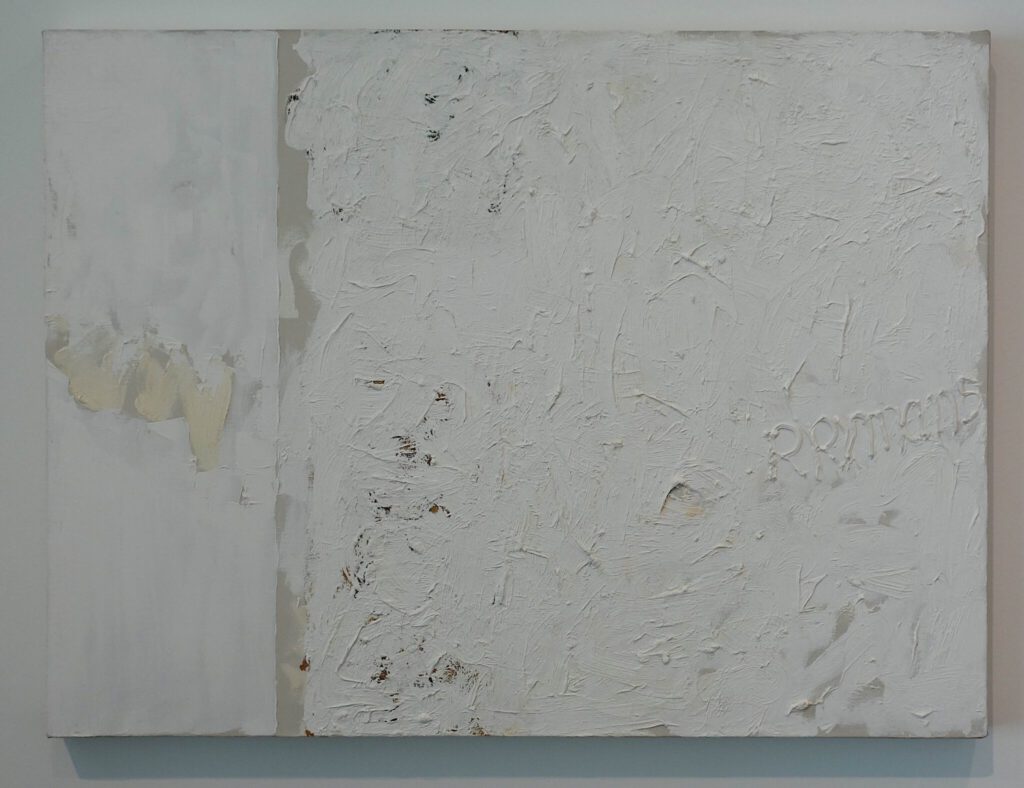
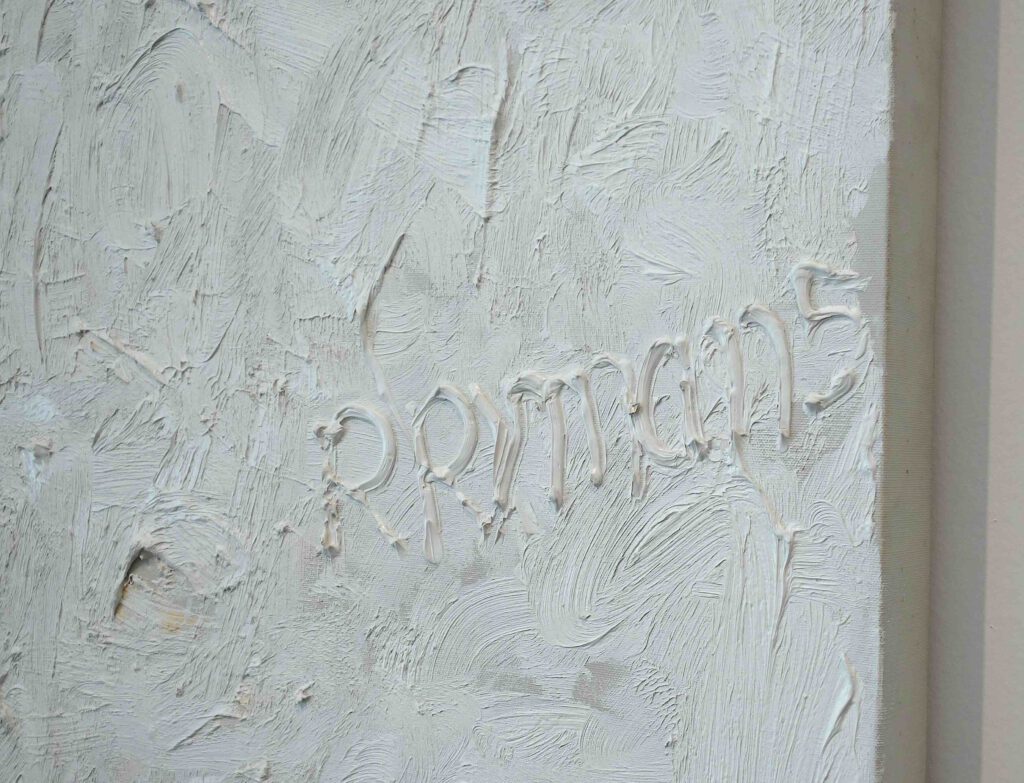
昨年、スイスのチューリッヒでロスコとライマンの興味深い「絵画対話」を鑑賞する機会を得ました。この展覧会(all works were for sale)は非常に成功していたと感じたため、ART+CULTUREの読者の皆様にもご紹介したいと思います。
Through my website you can follow the evolutionary process of the subtle changes in my oil paintings.
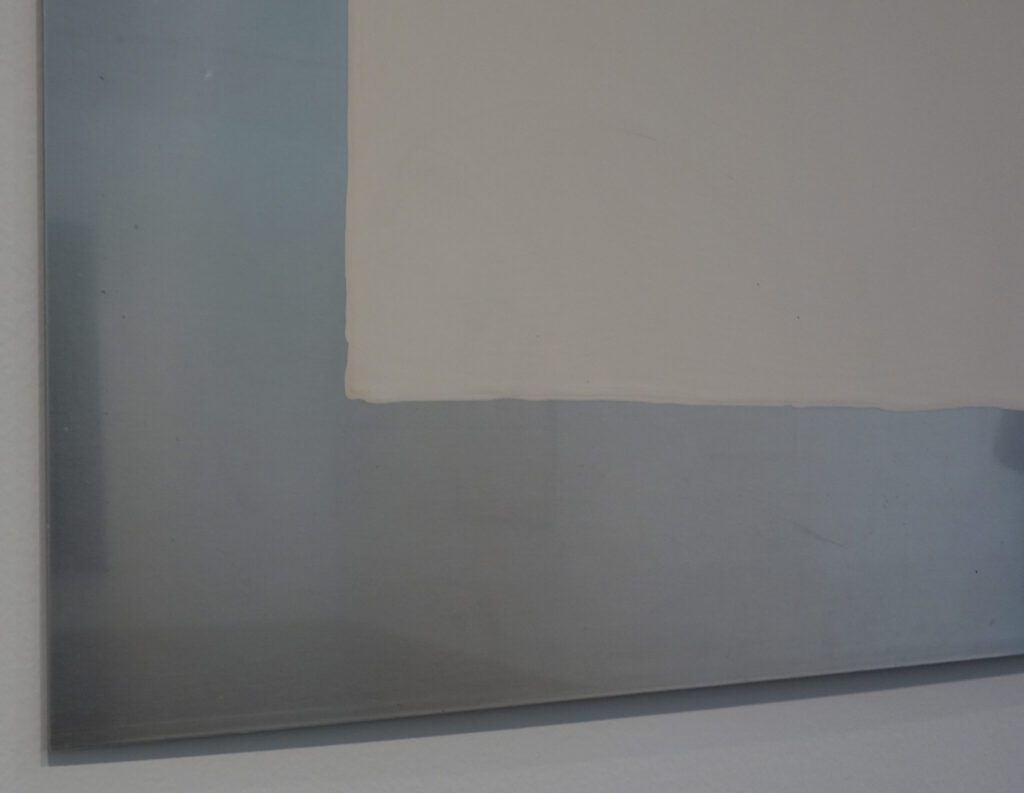
Last year I had the opportunity to view an interesting ‘painting dialogue’ between Rothko and Ryman in Zürich, Switzerland. I found the exhibition (all works were for sale) quite successful and therefore would like to present it to the ART+CULTURE readers.
ロスコの技法は、絵具を層を重ねて塗り重ね、各層を互いに溶け込ませることで、今日に至るまで観る者を魅了する独特の艶やかな表面を生み出した。しかし、主にマットで非常に暗い色彩の領域は、あらゆる種類の機械的衝撃に極めて敏感である。ごくわずかな引っかき傷や、ほんのわずかな接触でさえ、光沢を引き起こすのに十分である。輸送中の振動によって加速されるひび割れ(クラケリュール)の形成も、絵画の視覚的インパクトを著しく損なう。ロスコ作品の極めて良好な保存状態を損なうリスクを避けるため、キュレーターや収集家は(世界中への)他所への移動を極力避けている。
Rothko’s technique of applying paint layer upon layer and allowing the layers to blend into each other created the unmistakeable, lustrous surfaces that fascinate viewers to this day. However, the predominantly matt and very dark colour fields are extremely sensitive to mechanical effects of all kinds. The smallest scratch and the slightest touch are enough to cause shininess. The formation of craquelure accelerated by vibration during transport also severely impairs the painting’s visual impact. To avoid jeopardising Rothko’s exceptionally good state of preservation, curators and collectors avoid to let the paintings be travelled to other places (around the world).
東京、2026年2月
亜 真里男
more about Robert Ryman on ART+CULTURE:
ロバート・ライマン展 @ 新空間「ファーガス・マカフリー東京」ギャラリー (2018/5/11)
Robert Ryman @ New Gallery Space of Fergus McCaffrey Tokyo
https://art-culture.world/reviews/robert-ryman-new-gallery-space-of-fergus-mccaffrey-tokyo/
ロバート・ライマン Robert Ryman R.I.P. (2019/2/10)
https://art-culture.world/reviews/robert-ryman-r-i-p/
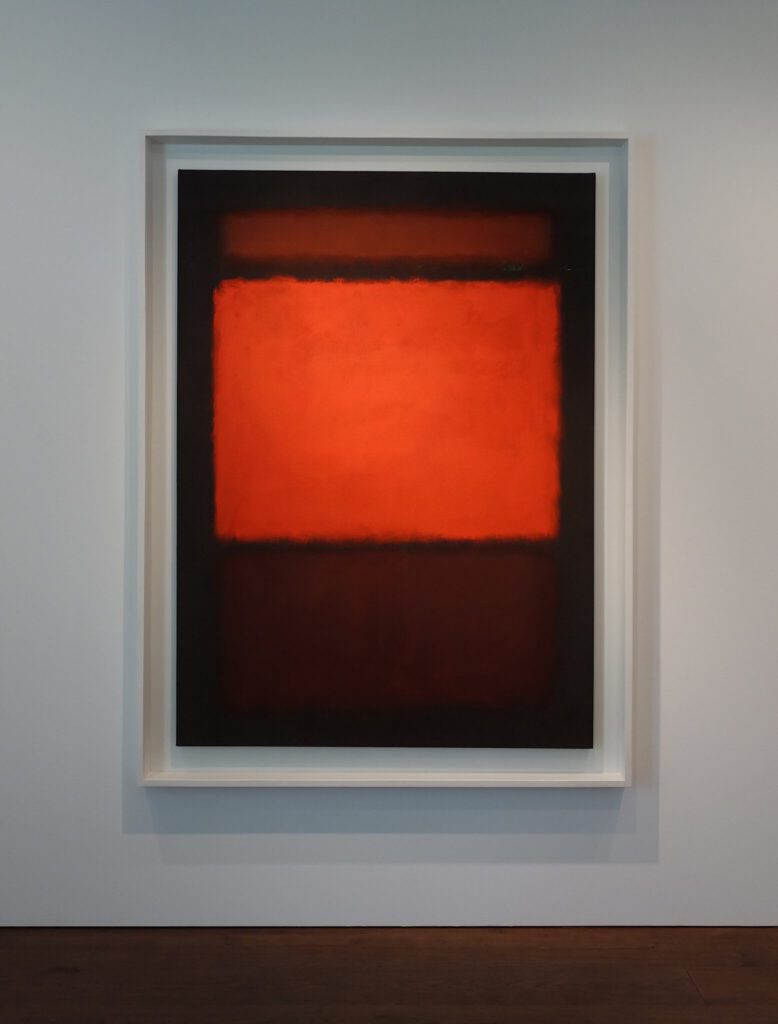
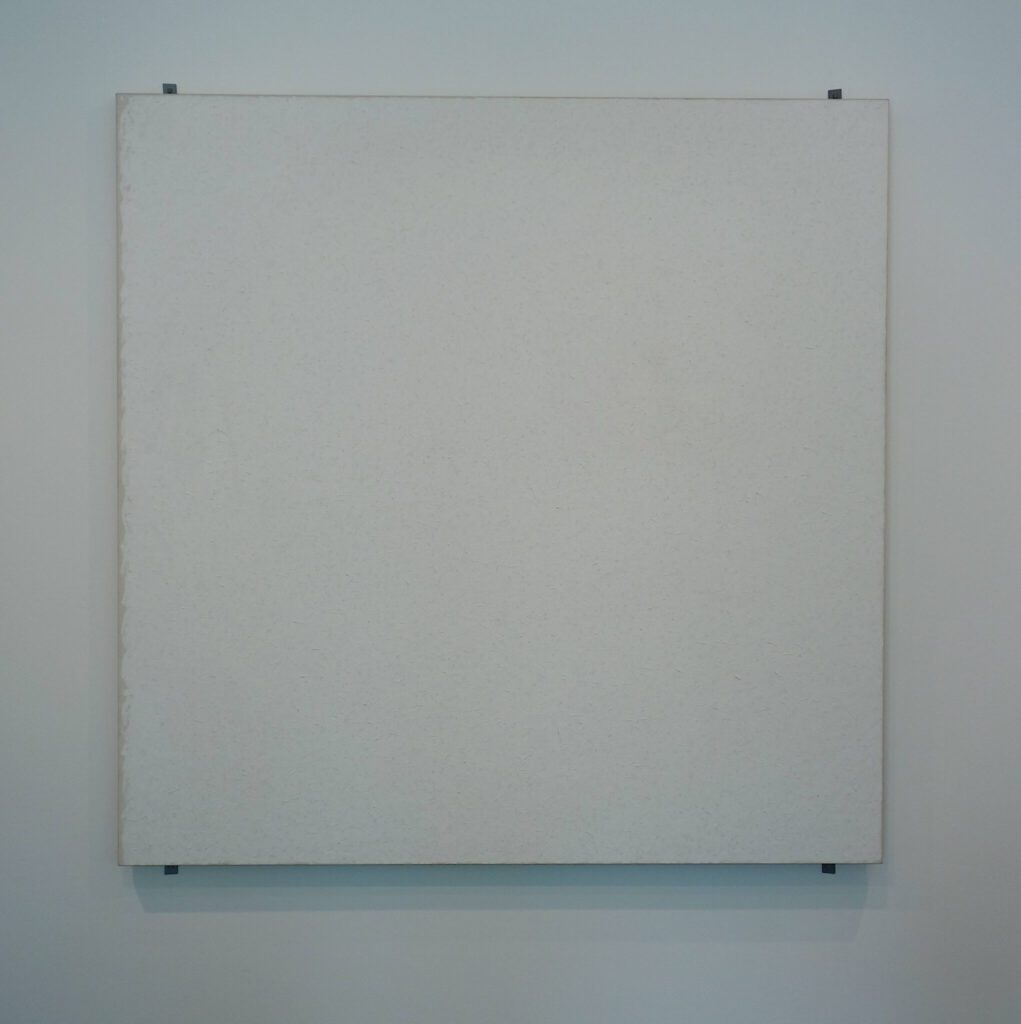
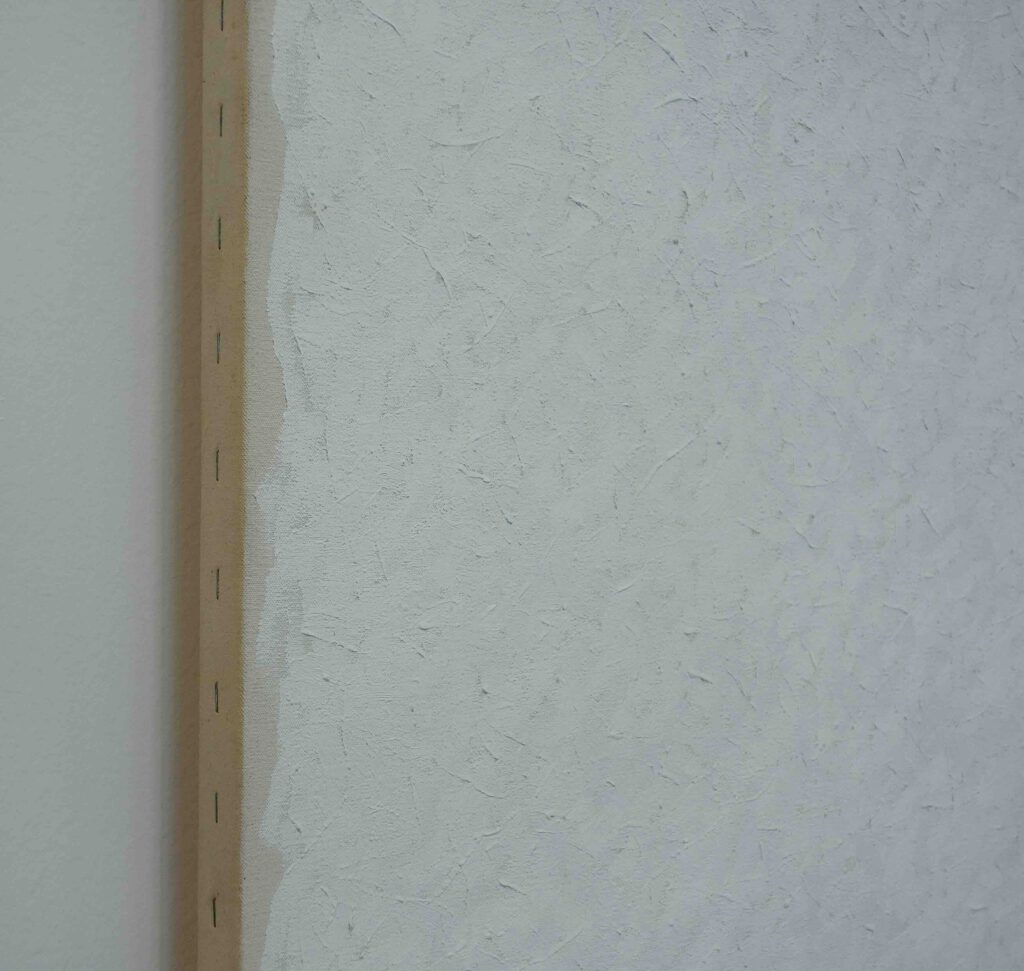
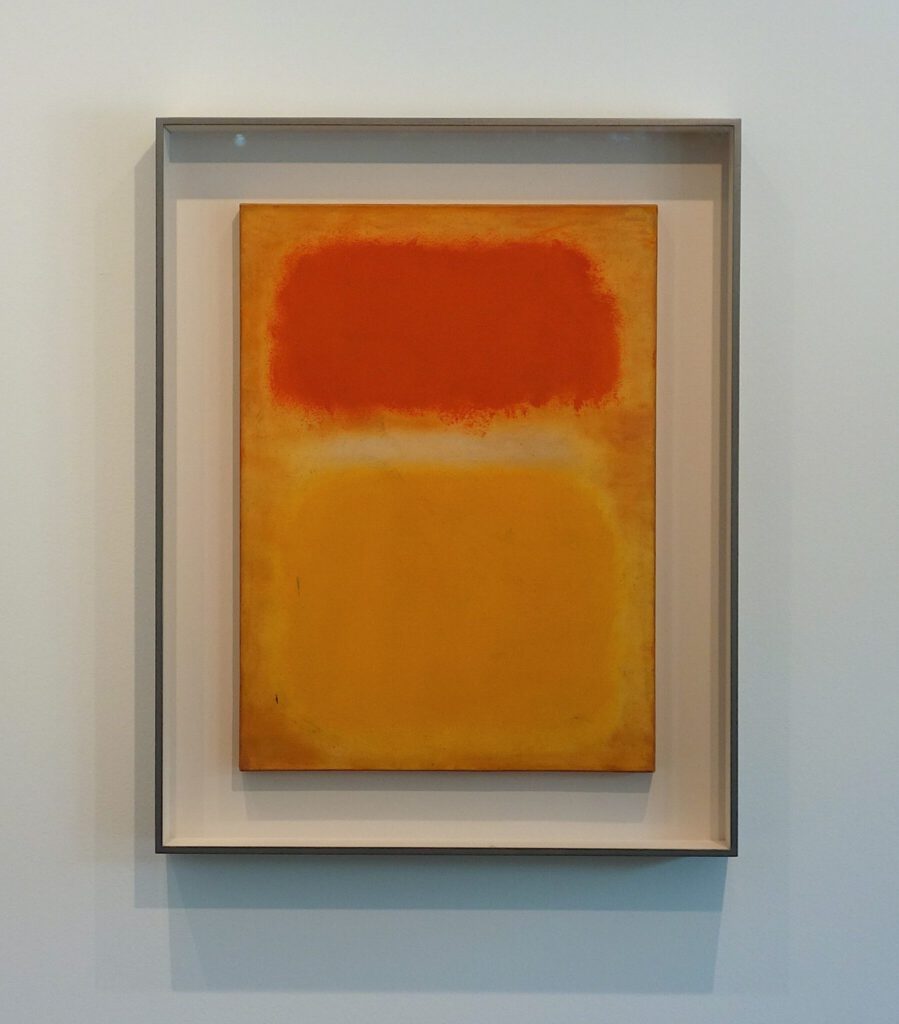
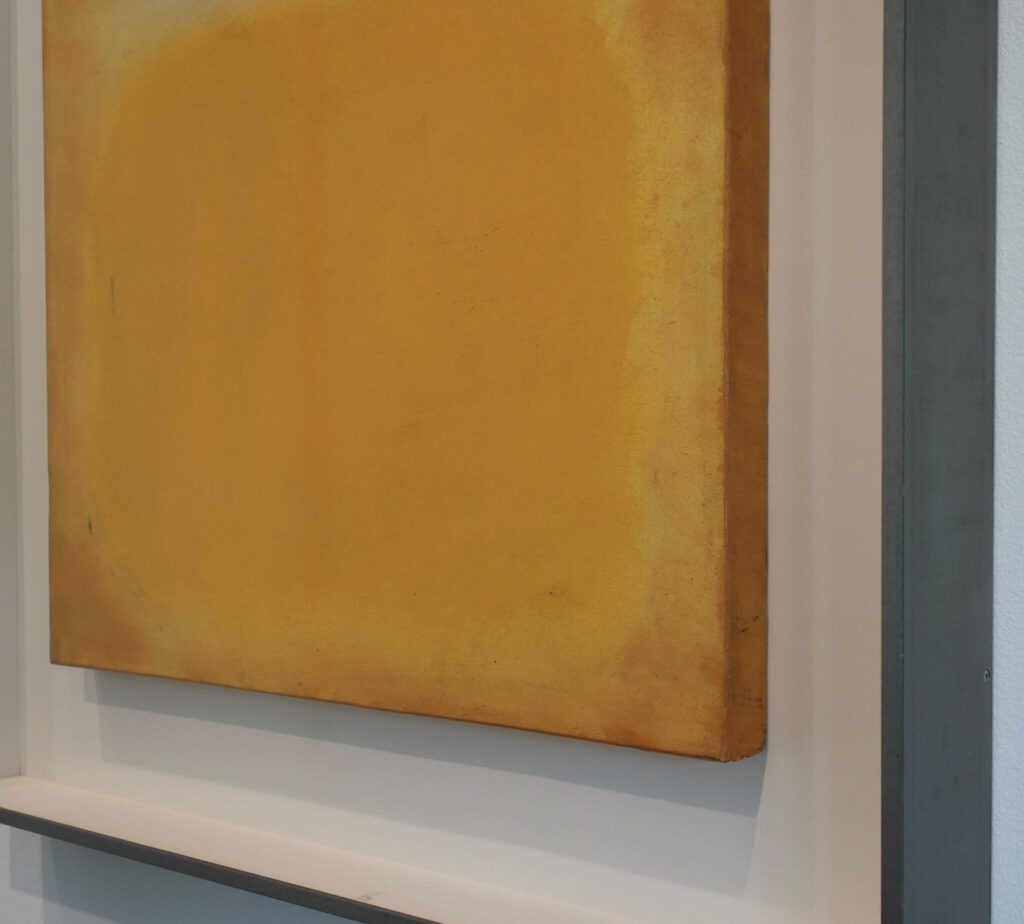
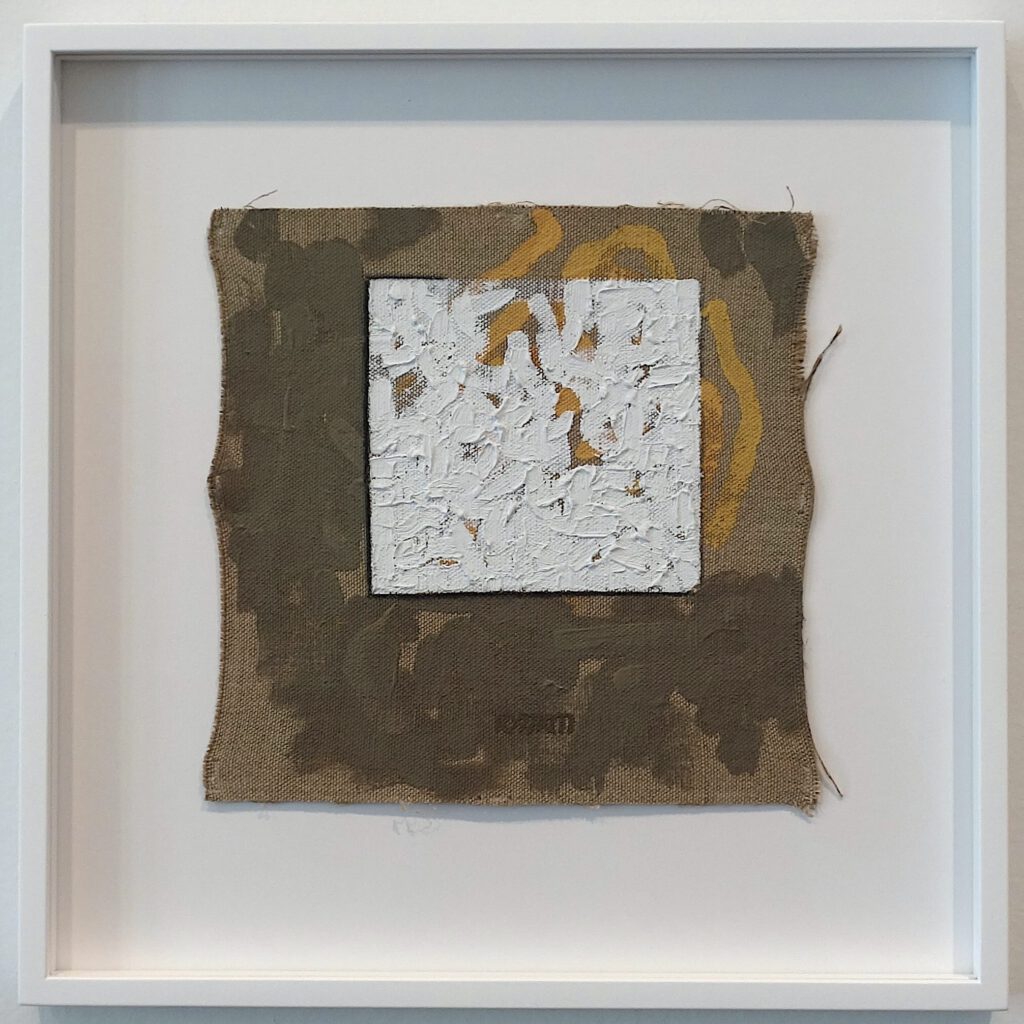
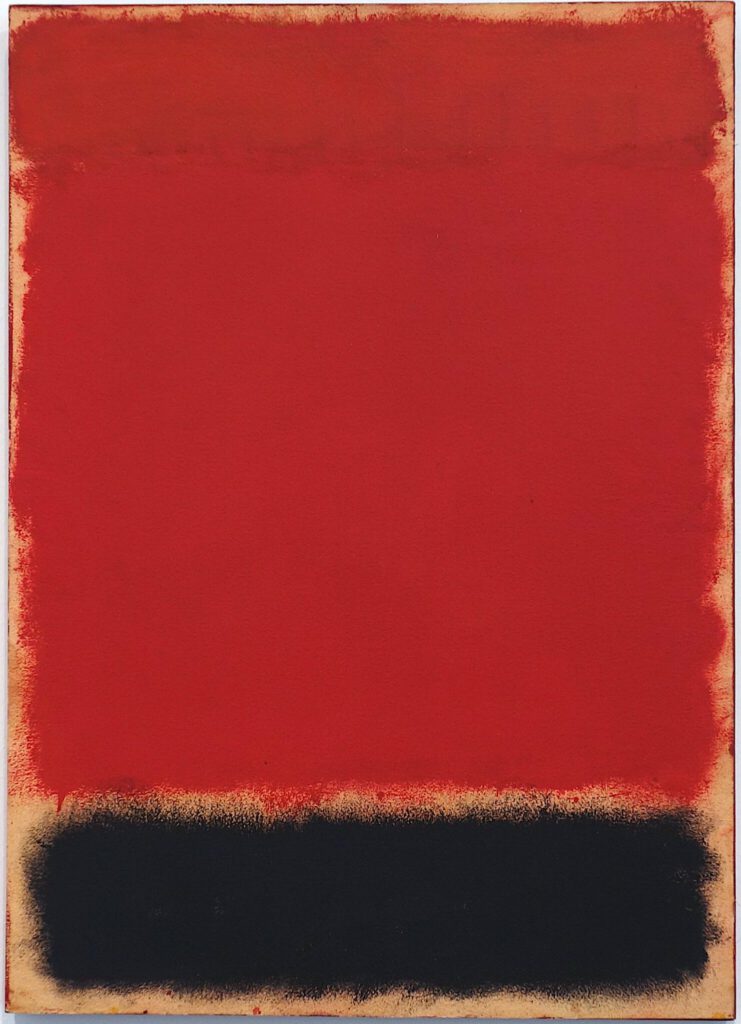
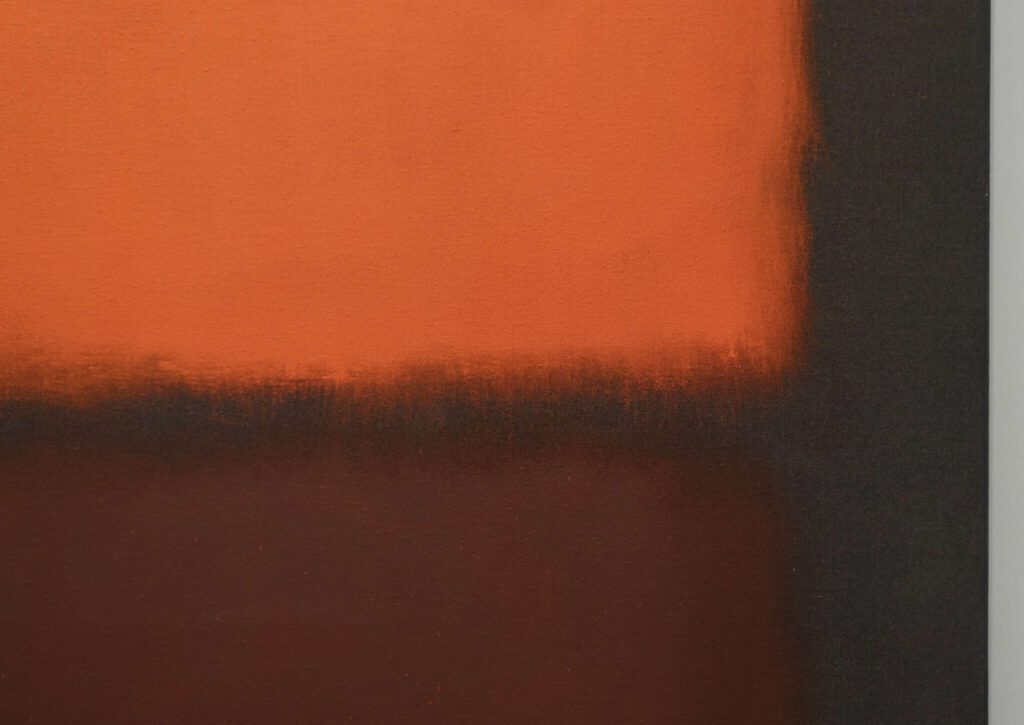
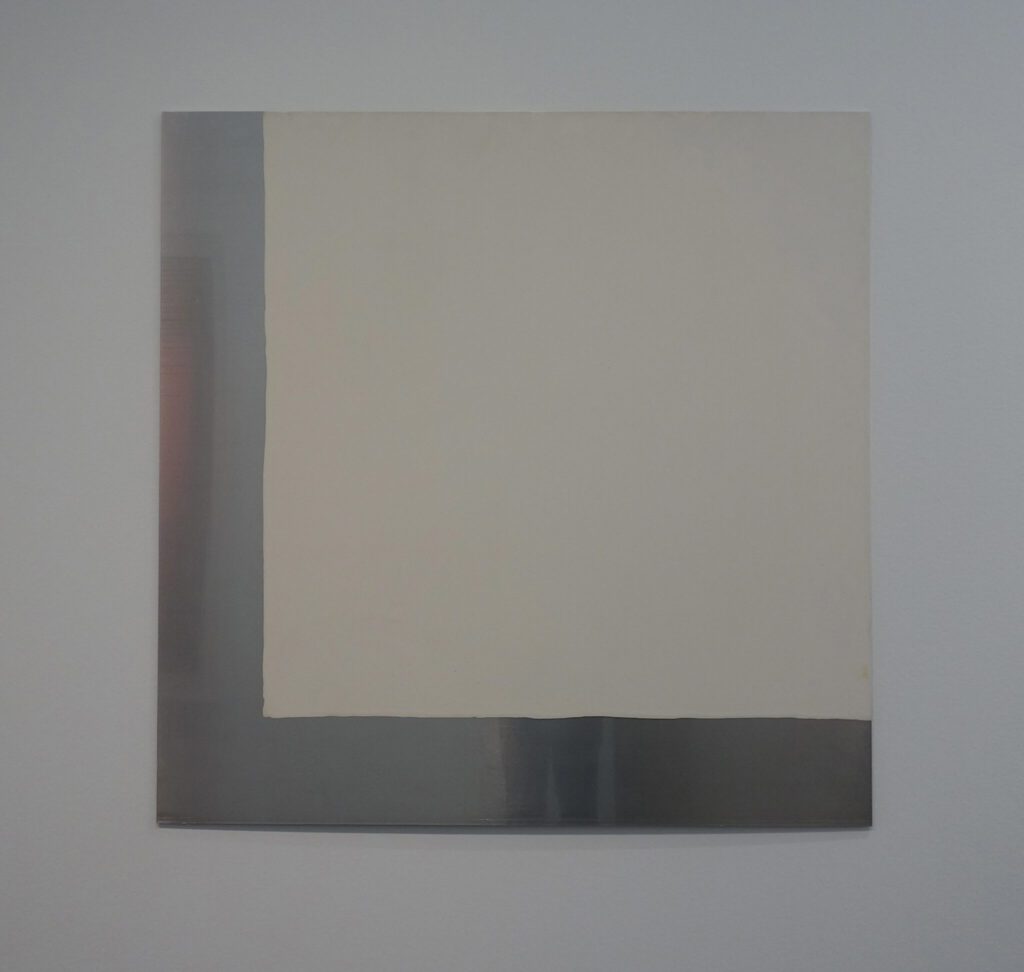
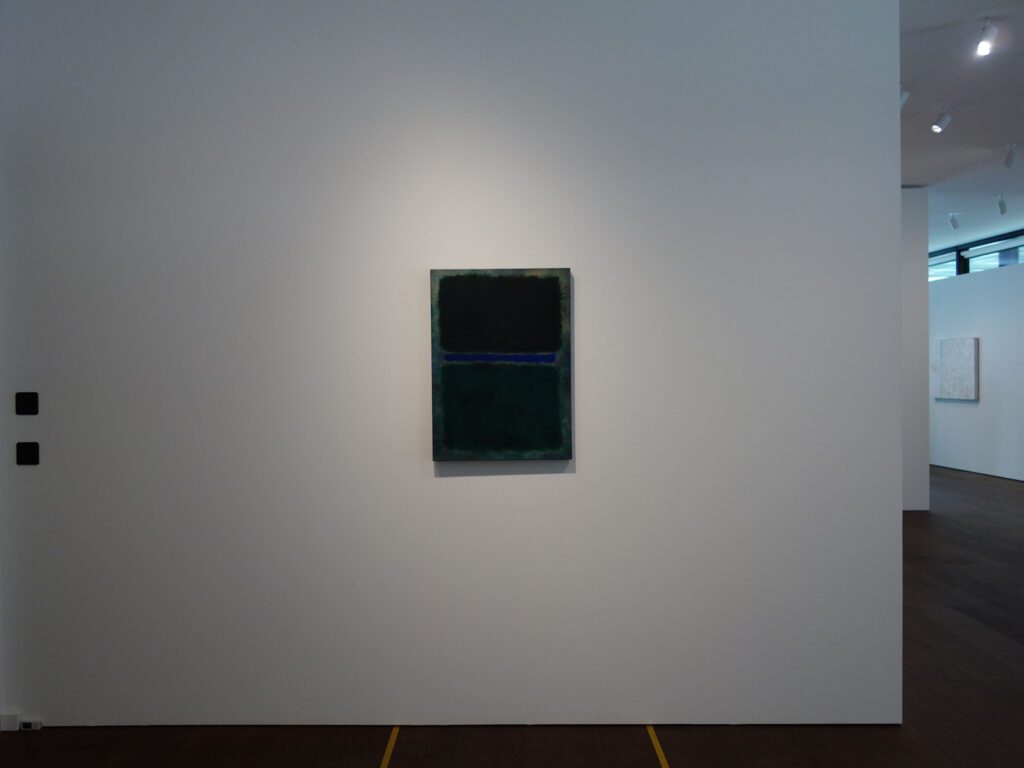
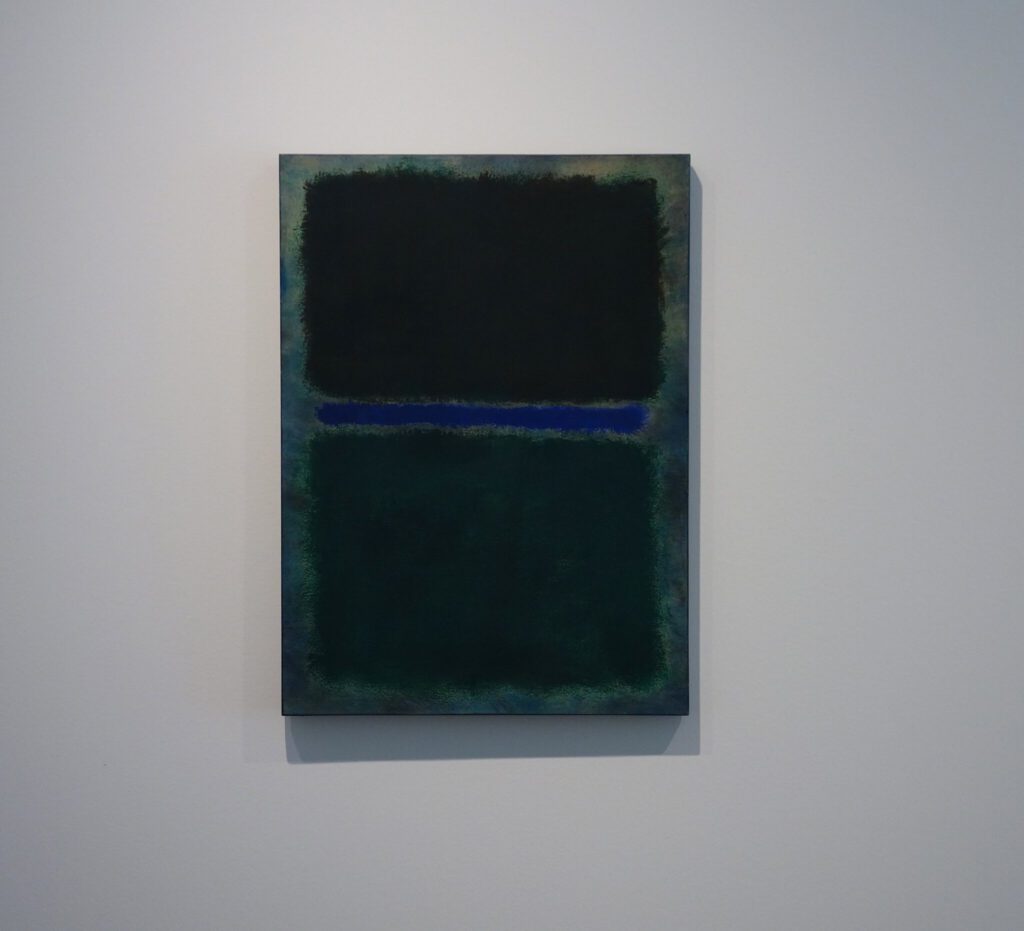
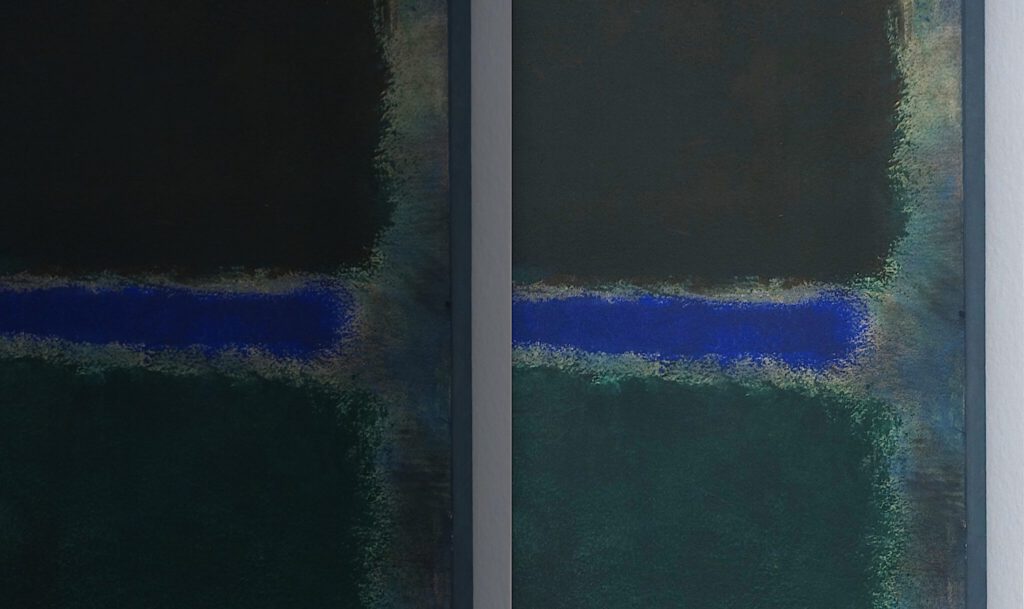
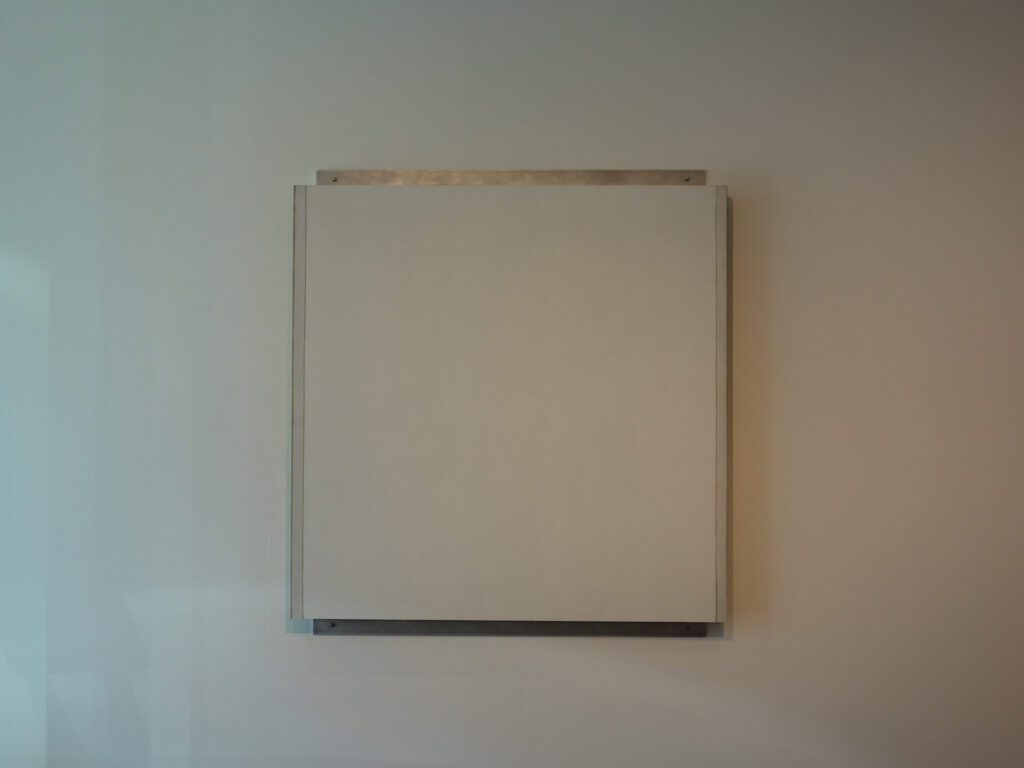
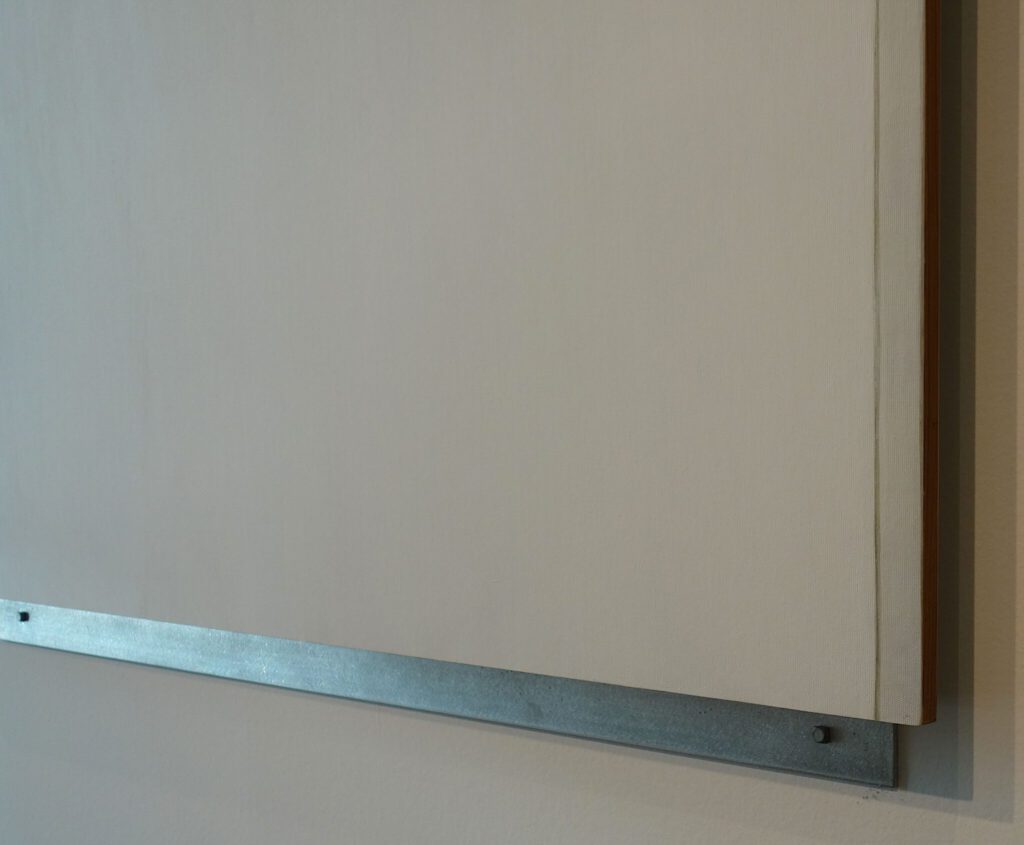
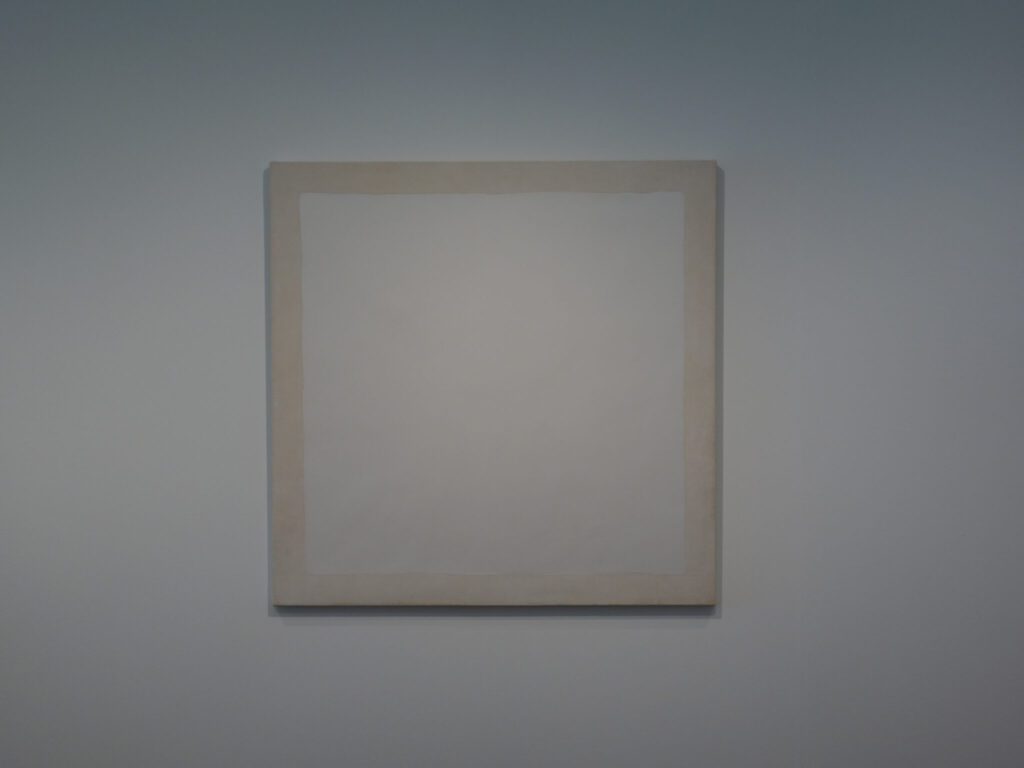
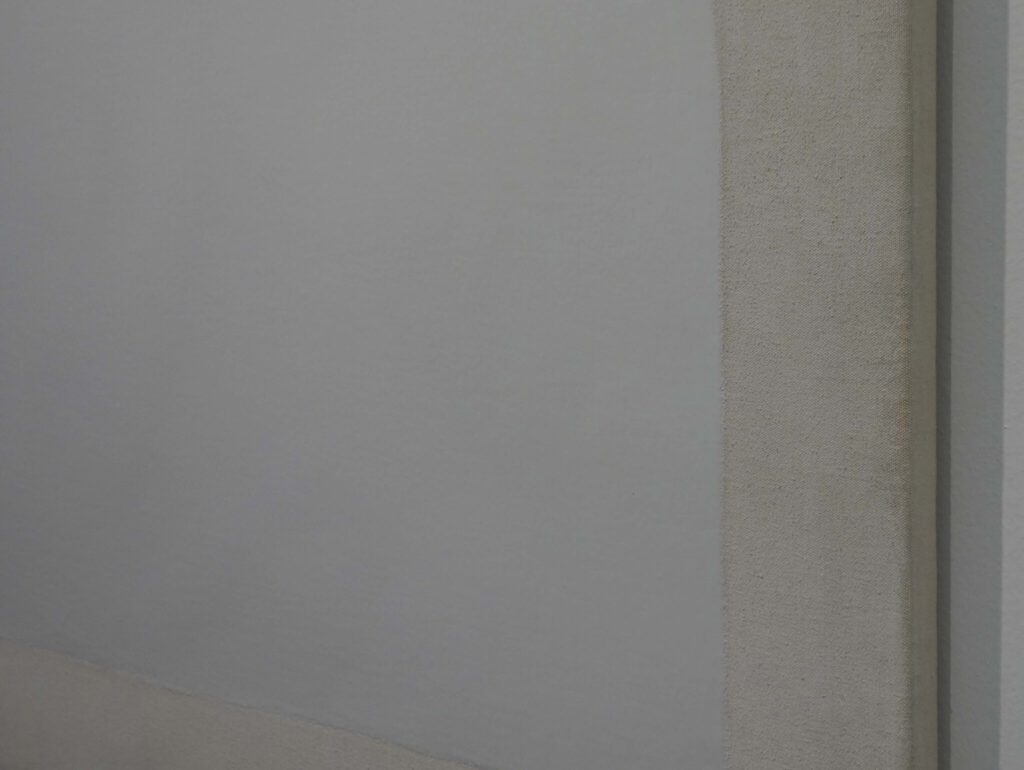
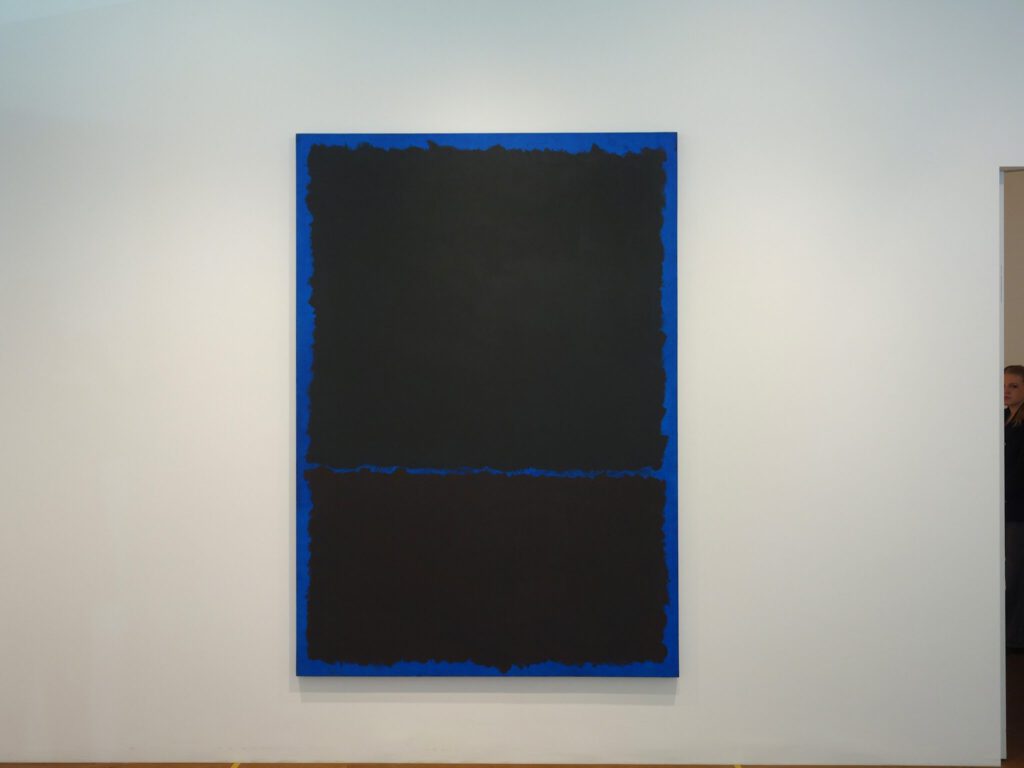
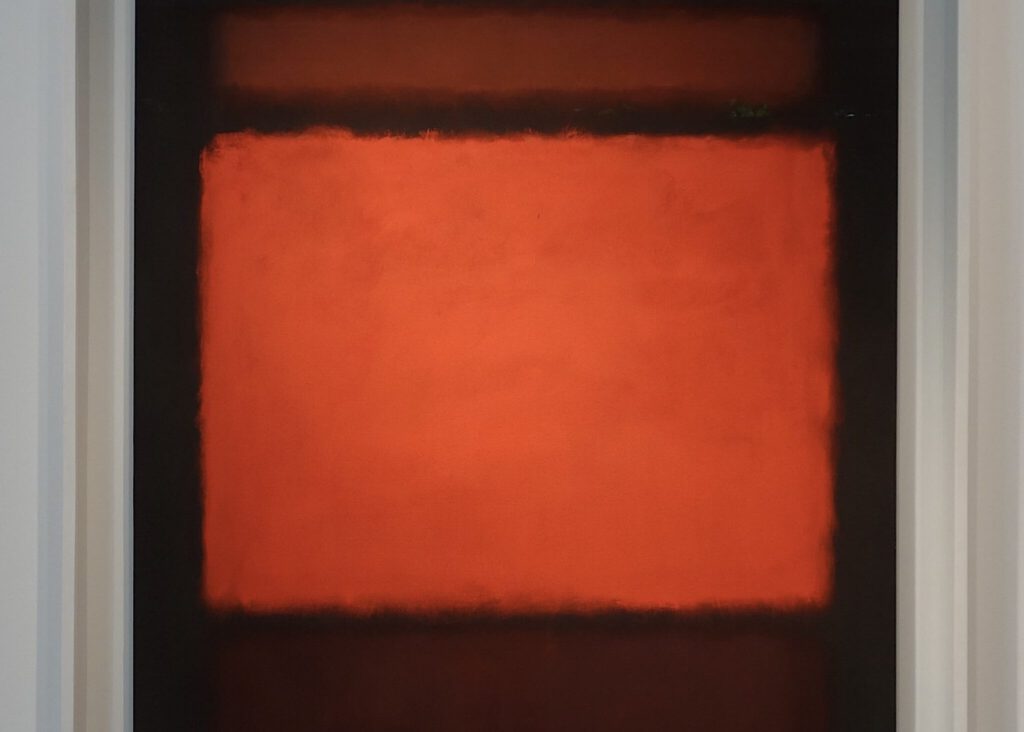
チューリッヒ美術館では、1963年のこの稀少なロスコ作品を撮影することができた。この作品は、後に米国ヒューストンの有名な「ロスコ・チャペル」へとつながる、暗色調の作品群の始まりを告げるものである。
In the Kunsthaus Zürich I could take pictures of this rare Rothko from 1963. It marks the start of a series of dark works that led some time later to the famous ‘Rothko Chapel’ in Houston, US.
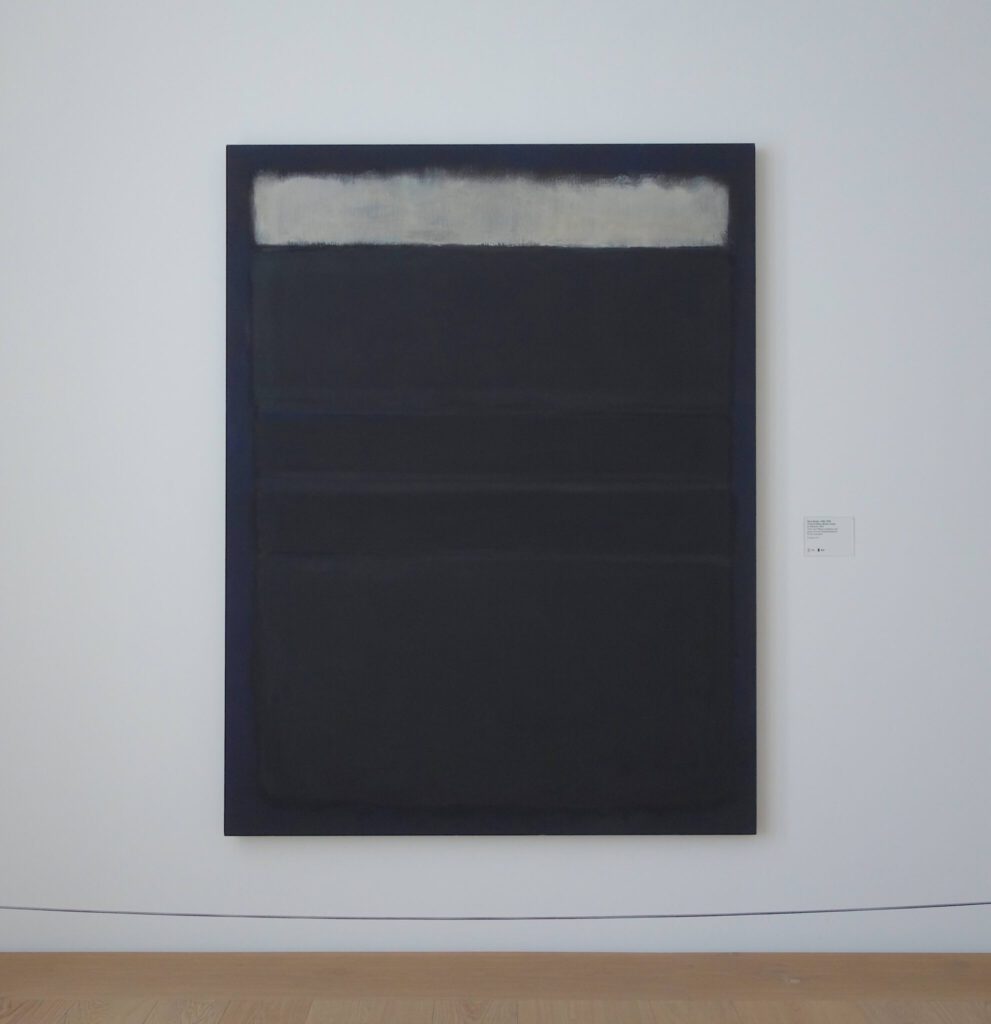
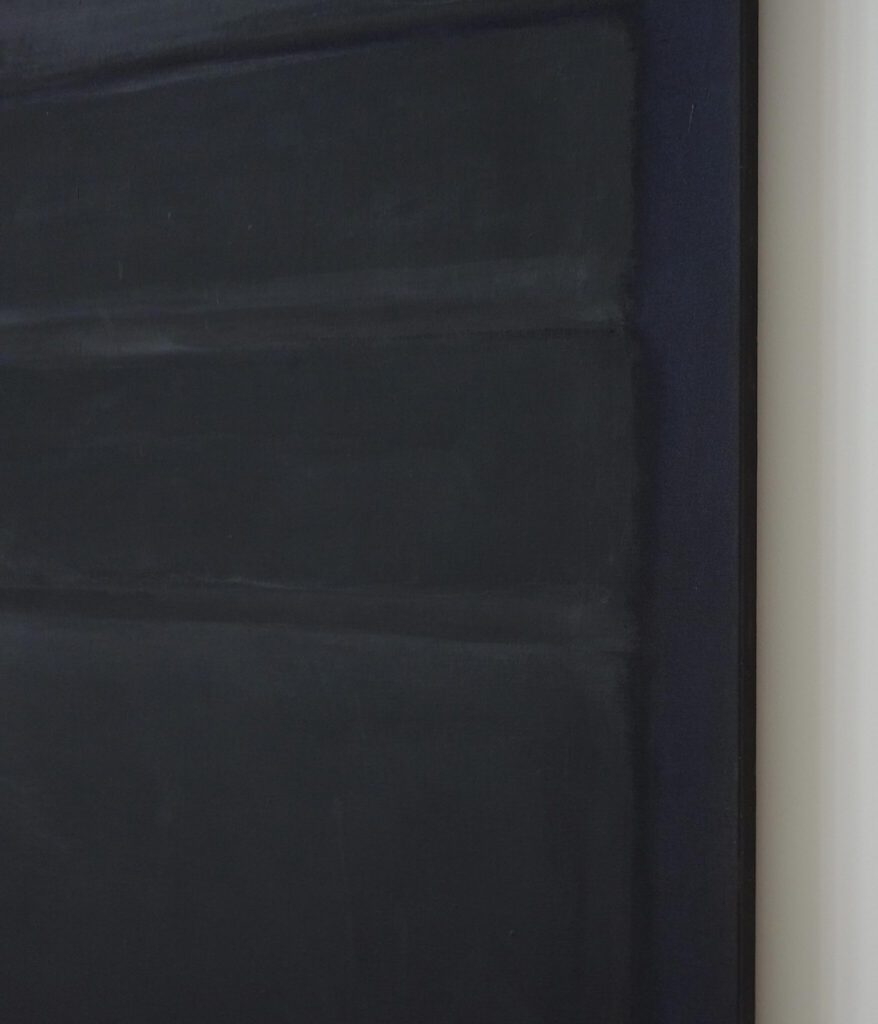
Compare the painting with one from the “Menil Collection”, put up on auction in 2018:
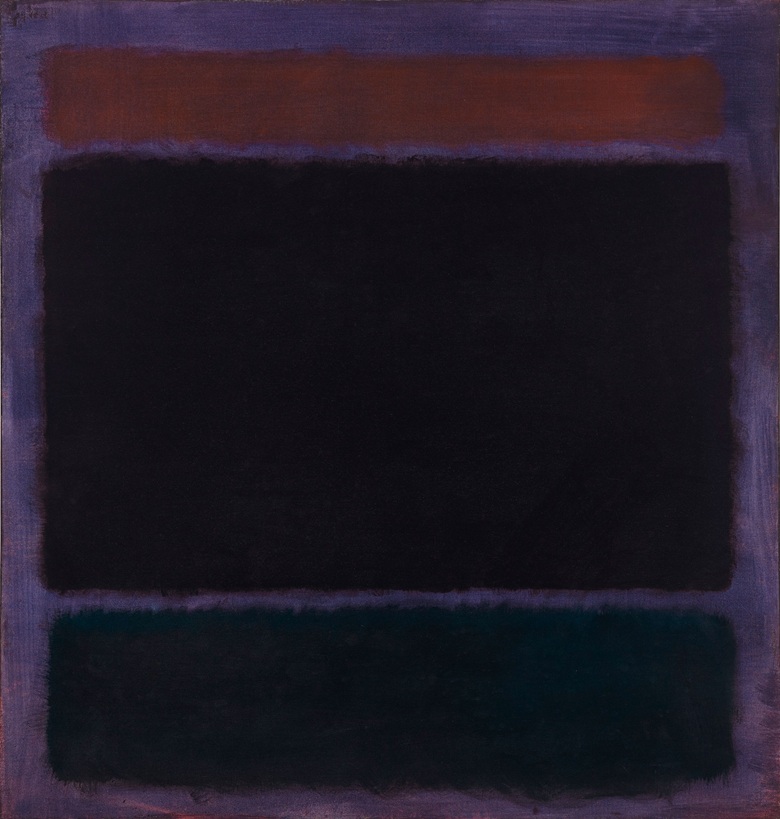
Mark Rothko (1903-1970), Untitled (Rust, Blacks on Plum), 1962. Oil on canvas. 60 x 57 in (152.4 x 144.8 cm). Estimate: $35,000,000-45,000,000. Offered in the Post-War and Contemporary Art Evening Sale on 15 November at Christie’s in New York © 1998 Kate Rothko Prizel & Christopher Rothko ARS, NY and DACS, London
https://www.christies.com/features/Property-from-the-Collection-of-Francois-and-and-Susan-de-Menil-9437-3.aspx
YouTubeでは、絵画表面の繊細な洗浄作業が記録されていた。様々な実験が繰り返され、最終的に柔らかいブラシと制御された空気噴射を組み合わせた洗浄法が開発・改良された。フラットスプレーノズルから噴出する気流は、ブラシ毛の先端と絵画の繊細な表面の間に微小な空気クッションを形成し、毛先が表面にほとんど接触しない状態を実現した(動画参照)。この組み合わせにより、表面に付着した塵をほぼ非接触で除去でき、摩擦による光沢の発生を回避。結果として、本来の艶やかな表面効果と深みのある暗部が復元された。
On youtube the delicate task of cleaning the painting’s surface had been documented. Various series of experiments were conducted which ultimately led to the development and refinement of a cleaning method involving a soft brush, complemented by a controlled jet of air. The stream of air emerging from a flat spray nozzle caused a small cushion of air to form between the ends of the brush hairs and the painting’s sensitive surface, so that the hairs barely touched it (see video). This combination allowed the dust adhering to the surface to be removed almost without contact, avoiding friction and therefore shininess, and restoring the lustrous surface effect and dark depth.
2008/11/5
How the Tate made a £1bn mistake over Rothko
When the artist offered 30 paintings to the Tate, trustees feared he would want them hung permanently.
Mark Rothko, the late American painter whose work commands multimillion-pound prices, offered Tate Gallery a gift of 30 paintings which was not accepted because trustees feared he would expect to see them on permanent display.
An investigation into Tate’s archives reveals how the generous 1967 offer included work from the artist’s 1961 retrospective at New York’s Museum of Modern Art and his mural paintings from 1958. If the Tate had accepted the work, it would most likely be worth $1bn in the current art market.
The Tate’s then director, Norman Reid, who became friends with the artist after visiting his studio in October 1965, eventually accepted nine of the 30 paintings by Rothko, who was known to be particular about where his work was hung. The offer included pieces from his commission in 1958 to create a series of mural paintings for New York’s Four Seasons restaurant. But Rothko pulled out of that project after he deemed the restaurant as “a place where the richest bastards of New York will come to feed and show off”.
The nine works gifted to Tate led to the creation of the gallery’s “Rothko Room”, which is one of the most popular visitor spaces. Tate Modern is running a special exhibition of Rothko’s work, which further illustrates its enduring public appeal.
The investigation by The Art Newspaper also reveals that, according to Reid’s notes, the artist had pledged to donate other works over the years before his suicide in 1970.
Reid, who died last December aged 91, wrote: “Over the years, his paintings became darker and darker in tone and he seemed pleased when I told him I liked the dark ones. ‘If this room is a success’, he said, ‘I will give you another room of the light ones’.” The original suggestion of a gift seemed to falter in August 1966, when Rothko made a visit to London to speak to Reid. Rothko felt that Tate trustees avoided discussing his offer in detail and he returned to New York feeling slighted. He wrote to Reid: “Your complete personal neglect of my presence in London and your failure to provide adequate opportunities for these discussions posed for me the following question: was this simply a typical demonstration of tradition English hospitality, or was it your way of indicating to me that you were no longer interested in these negotiations?”
Reid composed a masterful reply to soothe his ego, which pointed out that only Turner, Picasso and Matisse had dedicated rooms at the gallery, an argument which won over the artist. It was shortly after this letter, in February 1967, that Rothko offered to give Tate a total of 30 works, with up to 10 paintings coming as an immediate gift and the remainder as an irrevocable bequest.
But trustees feared the artist would expect all the works to be hung permanently, so they accepted nine because they could easily be displayed in one room. Reid later recalled in a private note: “He [Rothko] touched on the possibility of giving all the paintings to the Tate but my trustees thought this would raise considerable problems so we stayed with the idea of a single room.”
Eight of the nine paintings were then valued at $330,000, a hefty sum at the time. Today, their price would be higher, especially in light of the auction records his paintings have set and broken. In November 2005, Homage to Matisse, painted in 1953, broke the record selling price of any post-war paint ing at auction at $22.5m. In May 2007, his 1950 painting White Center (Yellow, Pink and Lavender on Rose), broke this record again, selling at $72.8m.
Rothko’s gift to Tate arrived on the same day as Rothko took his own life, 25 February, 1970. A spokeswoman for the Tate said that the gallery had never “formally” turned down the offer of 30 paintings. Discussions had moved on to a more “focused” gift of nine paintings which could be displayed in a dedicated room.
https://www.independent.co.uk/arts-entertainment/art/news/how-the-tate-made-a-163-1bn-mistake-over-rothko-992272.html
Appendix:
On February 25, 1970, Oliver Steindecker, Rothko’s assistant, found the artist lying dead on the kitchen floor in front of the sink, covered in blood. He had overdosed on barbiturates and cut an artery in his right arm with a razor blade. There was no suicide note. He was 66.
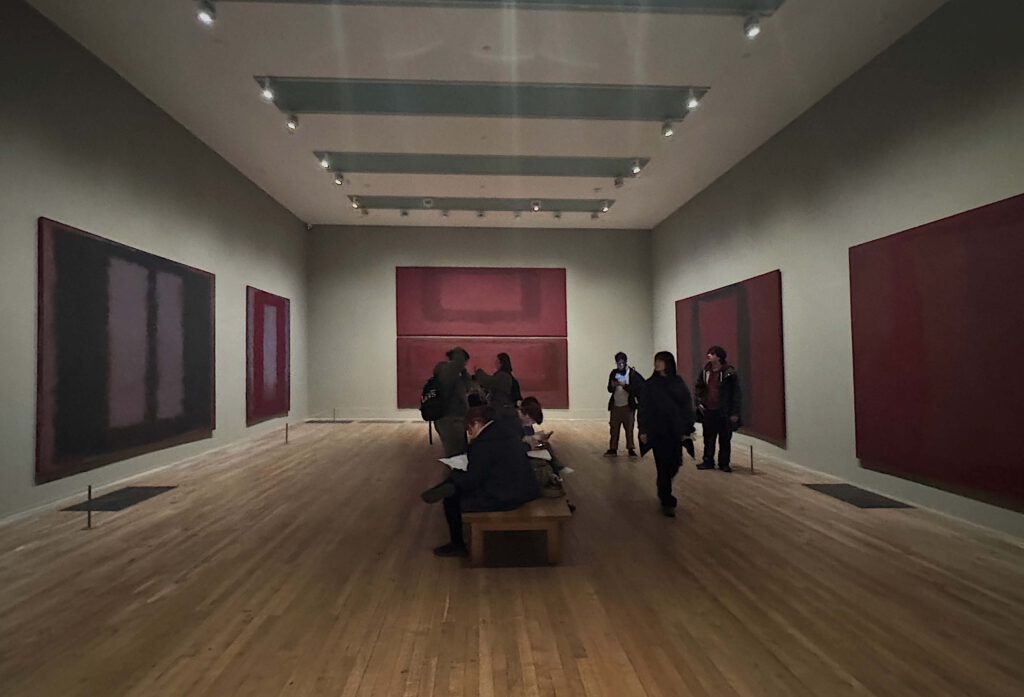
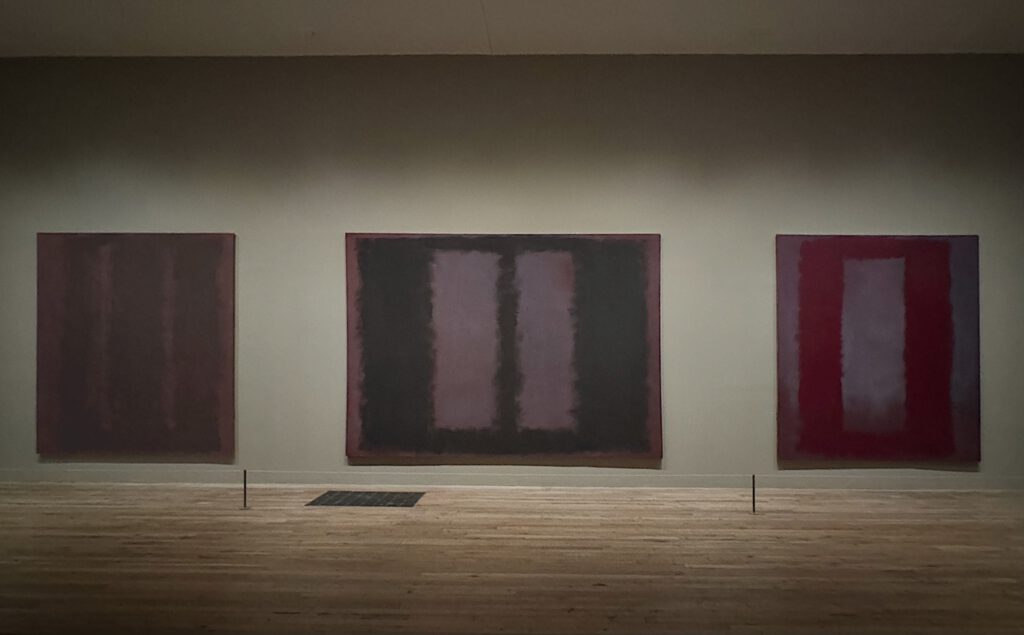
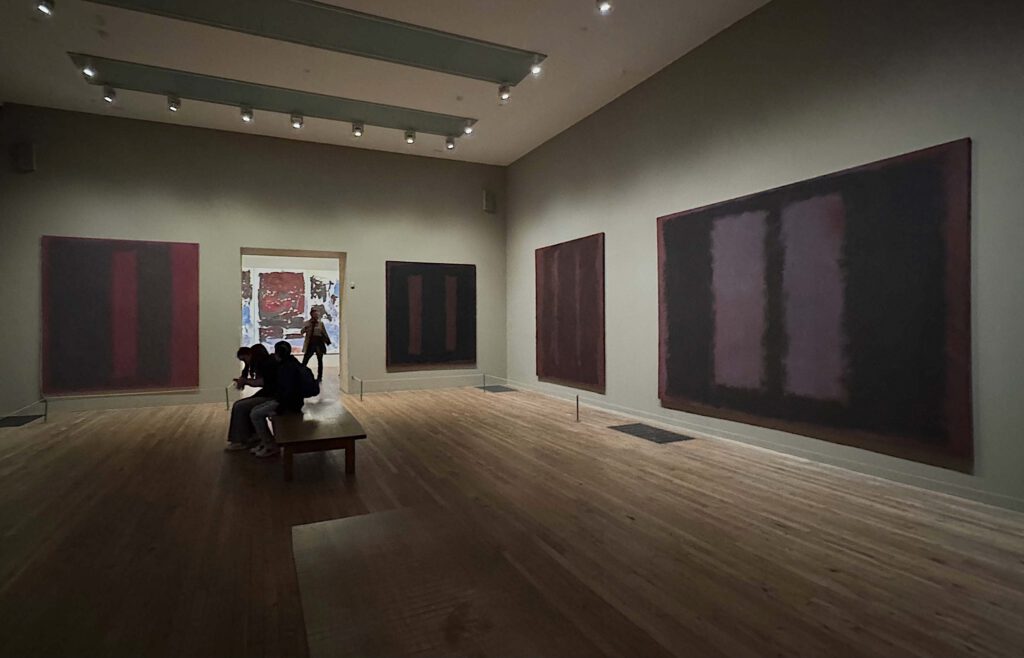
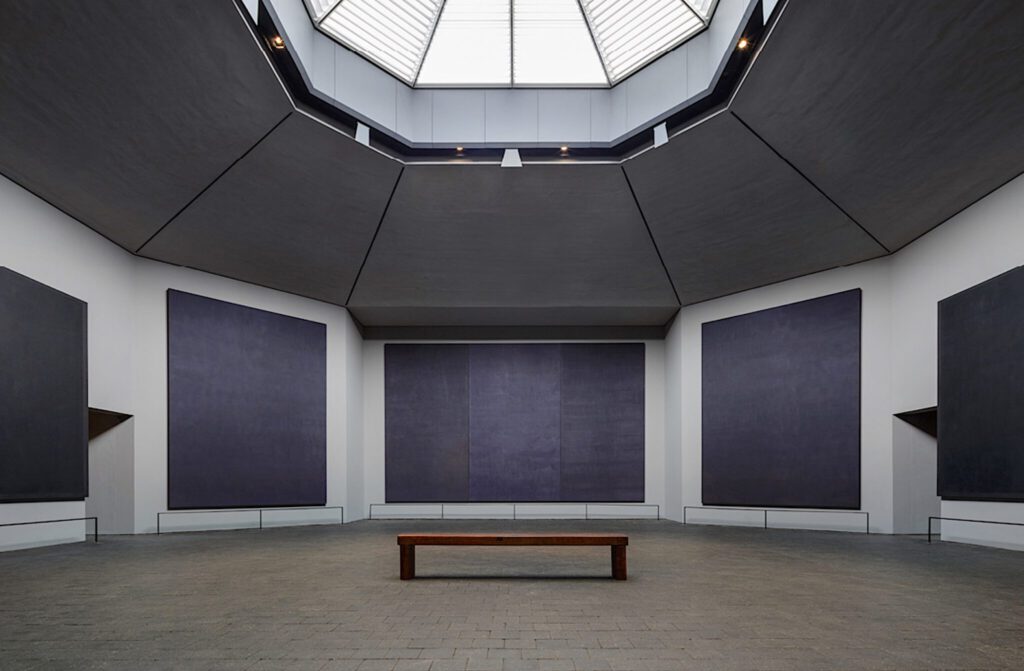
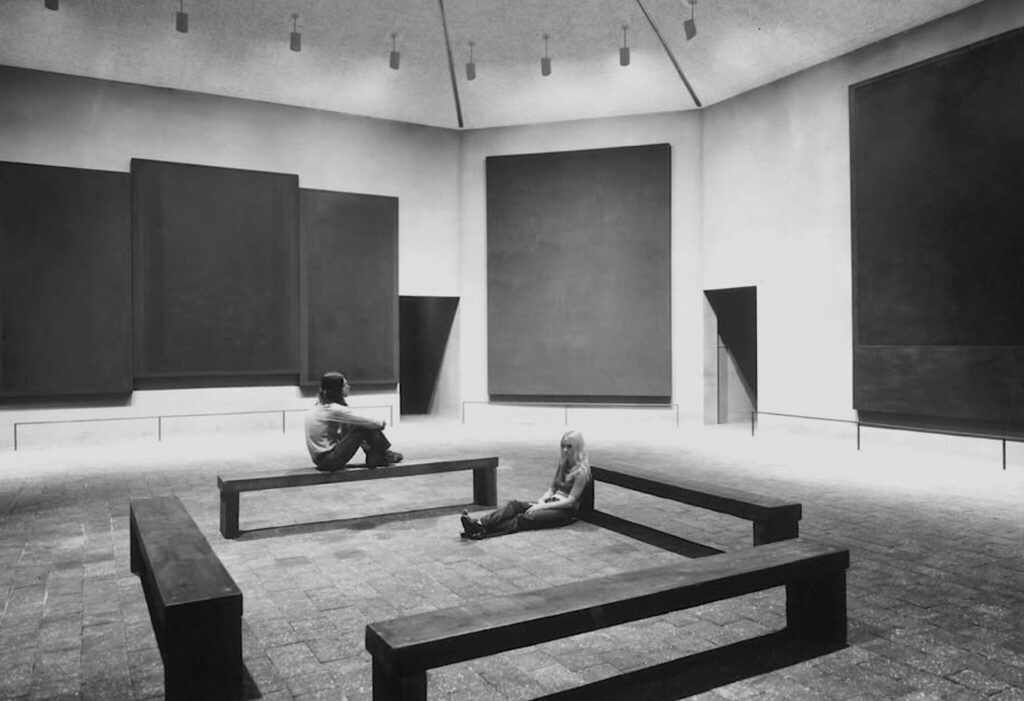
この関係で、「ロスコ・ルーム」構想が明らかに。DIC川村記念美術館の所蔵品は2030年に六本木へ
“Rothko Room” plan revealed: Kawamura Memorial DIC Museum of Art’s collection to move to Roppongi in 2030
-1024x600.jpg)
建築ユニットSANAAによる「ロスコ・ルーム」デザイン構想の発表
―アートと建築を起点とした協業の象徴 ―
国際文化会館の新西館に開設する常設展示室「ロスコ・ルーム」の設計を手掛ける建築ユニットSANAAには、DIC川村記念美術館や米国のロスコ・チャペル、英国のテート・モダンのロスコ空間をご訪問いただき、作品と空間の在り方について深く理解を深めていただきました。
新たな「ロスコ・ルーム」は、アートと建築を起点とした協業の象徴です。国際文化会館が誇る、唯一無二の日本モダニズム建築と近代日本庭園が調和する環境を最大限に生かしていただきました。
デザインコンセプト
●庭園から連続するアプローチ
「ロスコ・ルーム」へは、新設される緑豊かなエントランス庭園に囲まれたエントランスホール、自然光を感じることのできる地下のメディテーションスペースからアプローチします。国際文化会館新西館建設計画(仮称)のメインコンセプトの一つである親自然空間体験と、「ロスコ・ルーム」の単独的な空間体験のふたつを両立させ、ひと続きの体験となる構成を目指します。
●展示室の中で独立した空間
「ロスコ・ルーム」は、地下の展示室内にあります。他の展示と連続しながらも、独立した場となるように計画します。「ロスコ・ルーム」自体が明確な存在感を持ち、訪れる人に象徴的な体験をもたらす空間を目指します。
https://ihj.global/news/new/pressrelease_20260205_01/
Announcement of the “Rothko Room” Design Concept by Architectural Firm SANAA
―A Symbol of Collaboration Rooted in Art and Architecture―
The architectural firm SANAA, responsible for designing the permanent exhibition The “Rothko Room” in the International House of Japan’s New West Wing, visited The Kawamura Memorial DIC Museum of Art, the Rothko Chapel in the United States, and Tate Modern in the United Kingdom to deepen their understanding of the relationship between the artwork and its surrounding space.
The new “Rothko Room” symbolizes collaboration rooted in art and architecture. It highlights the unique environment where the International House of Japan’s unparalleled Japanese modernist architecture harmonizes with its modern Japanese garden.
Design Concept
―Approach from the Garden―
Access to the “Rothko Room” will be through a newly created entrance hall surrounded by a lush garden, followed by the underground “Meditation Space”, designed to invite a sense of natural light. This design seeks to harmonize two key elements: the immersive, nature-oriented spatial experience at the heart of the International House of Japan’s new West Wing, and the singular, self-contained spatial experience of the “Rothko Room”— and bringing them together into one continuous and cohesive flow.
―An Independent Space Within the Exhibition Hall―
The “Rothko Room” will be located within the underground gallery space. While maintaining continuity with the surrounding exhibitions, it is designed as an independent and self-contained environment. The aim is for the “Rothko Room” itself to possess a clear and distinctive presence, offering visitors a powerful and symbolic spatial experience.
https://ihj.global/en/news/new-en/pressrelease_20260205_01/
Today’s bonus 今日のおまけ:
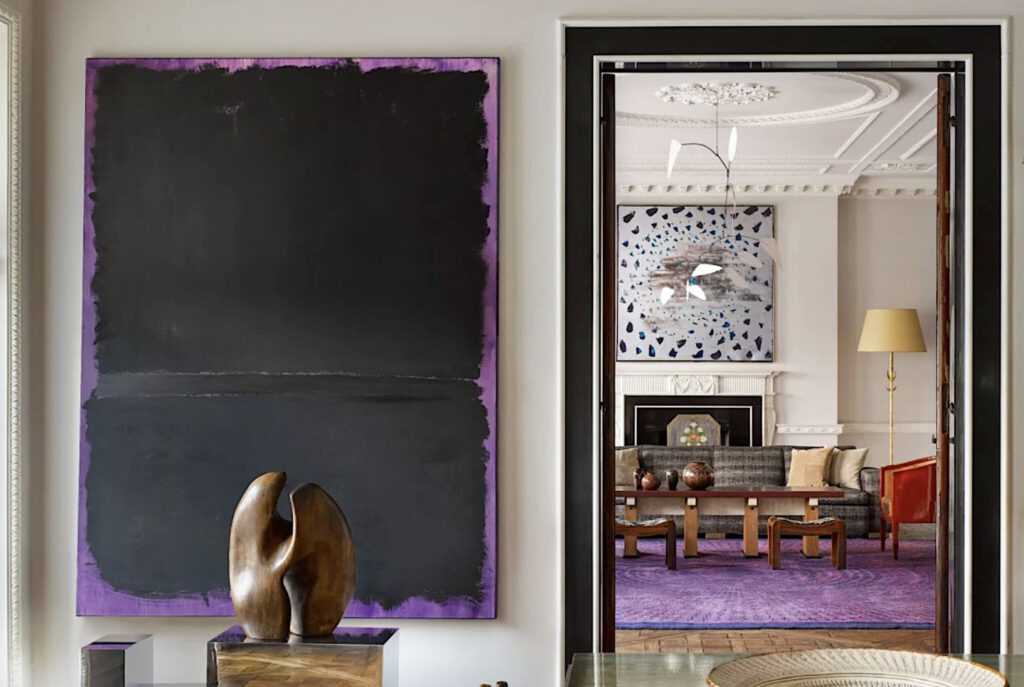
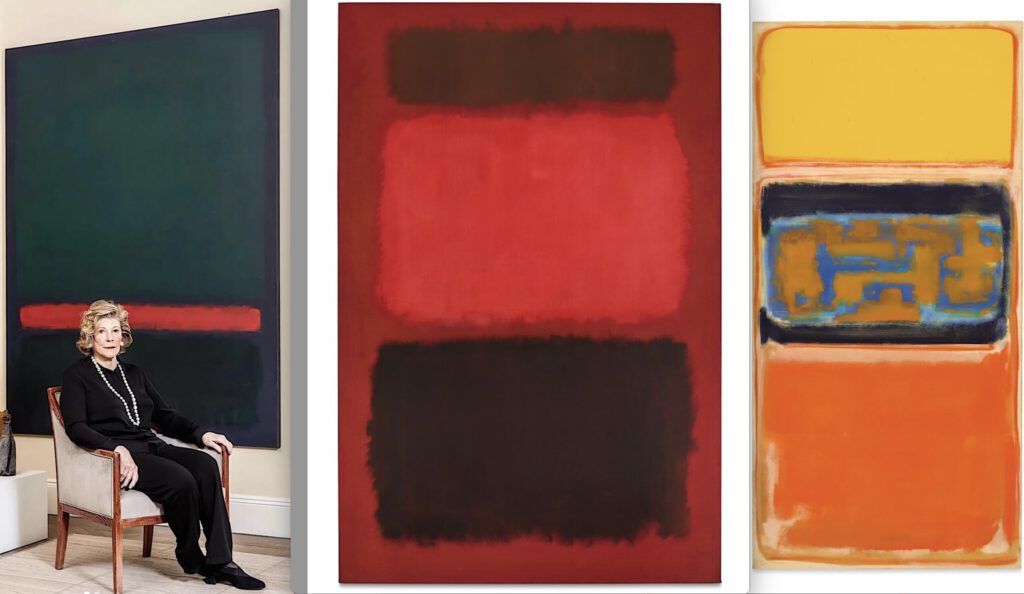
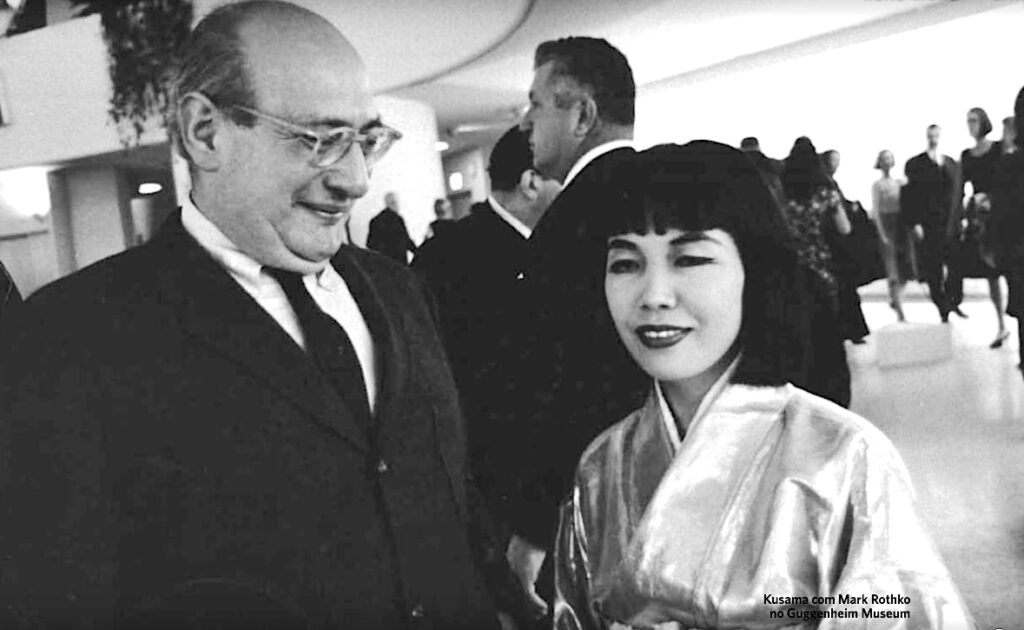
Update 17.3.2026
“Rothko in Florence” 14 March – 23 August 2026
The City That Inspired Rothko (It’s Not New York)
What the American painter saw during his trips to Florence molded his vision and his understanding of space and color.
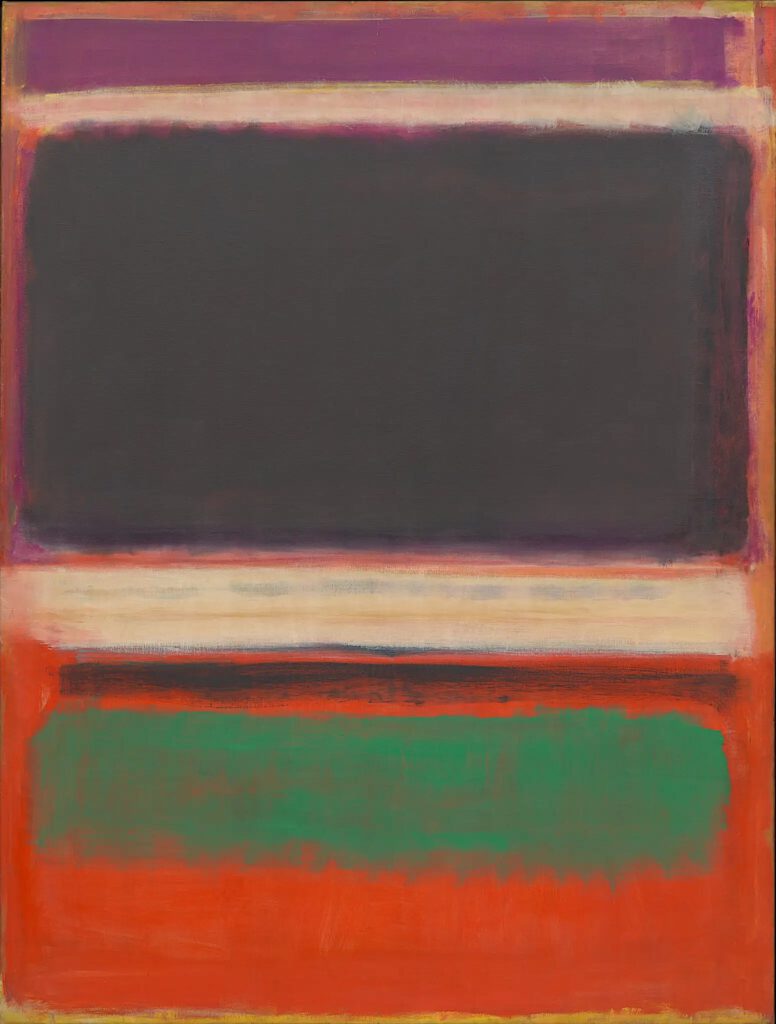
Mark Rothko “No.3/No.13” 1949
In 1950, the American artist Mark Rothko traveled to Florence, Italy, with his wife, Mell, the first of two trips he would make to the city during his lifetime. By his own account, he was especially struck by two Renaissance-era monuments: the devotional frescoes by Fra Angelico at the former Convent of San Marco and the vestibule in the Laurentian Library, designed by Michelangelo.
Both sites are hosting works for a major Rothko exhibition that opens in Florence on Saturday, with a robust core of more than 60 works installed at the 15th-century Palazzo Strozzi.
At San Marco, five Rothkos are placed in monk’s cells, which enchanted Rothko so much in 1950 that he couldn’t drag himself away from the convent, and came back the next day. At Michelangelo’s vestibule, the curators have placed two studies for the Seagram Murals, a commission for the Four Seasons restaurant in New York that Rothko pulled out of.
Rothko was influenced “by the art of the Florence,” said Christopher Rothko, the artist’s son and a co-curator of the exhibition — not just the paintings, but also the city’s “atmosphere and “broader scope.”
“It’s not like you come and see ‘Rothko in Florence’ and he’d done sketches of every piazza or the hillsides,” he said. “It’s more what has gotten into his head.”
In the exhibition catalog, the show’s other co-curator, Elena Geuna, writes that early Renaissance artists in Florence believed that “geometry was a pathway to grace, that proportion might reflect a divine order, and that the placement of color on a wall could alter the soul.”
During a recent tour of the show at the Palazzo Strozzi, Geuna said that Rothko’s paintings had “this spiritual humanistic desire to communicate with the viewer” that is rooted in European art. He “transfused” that into postwar New York art, she added, with “large canvases and color — not at all what was happening in Europe at the time.”
Along with painters like Jackson Pollock, Barnett Newman and Willem de Kooning, Rothko is considered one of the principal artists of the New York School, which radically changed American art after World War II.
The exhibition brings together Rothko works spanning more than three decades, tracking how his figurative works of the mid-1930s pass through a neo-surrealist phase to gradually dissolve into swaths of color — a change that was the artist’s leap into history.
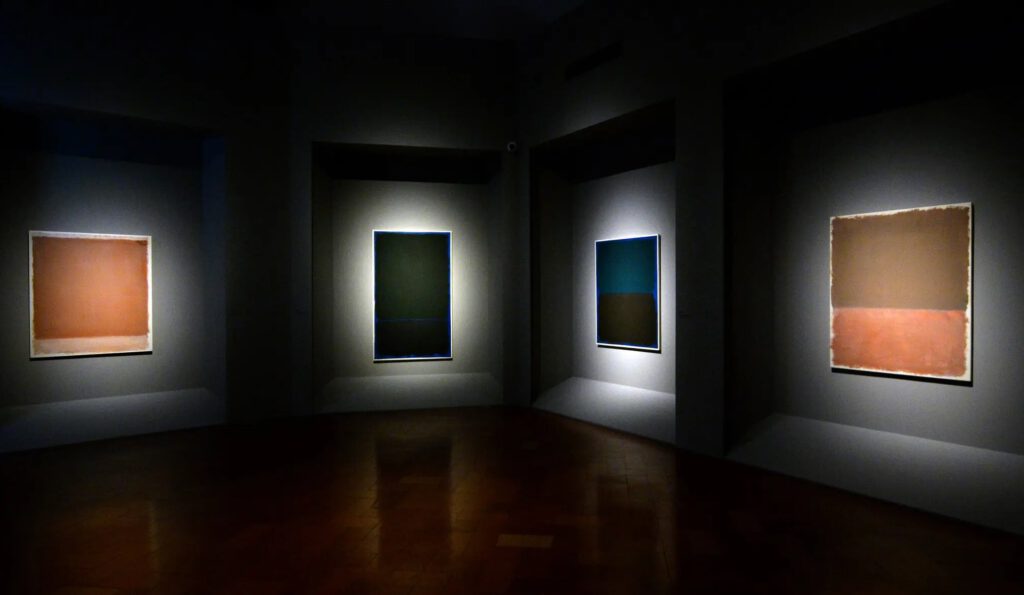
The curators suggest that even those early works, painted years before Rothko visited Europe, emulate the art and architecture of the continent and its understanding of space through balance and scale.
Rothko was largely self-educated, his son said, but knowledgeable of European art via the Metropolitan Museum of Art and the Frick Collection in New York. He was also a voracious reader, “generating his own philosophy, his own point of view, through the process,” he said.
During Rothko’s three trips to Italy — in 1950, 1959 and 1966 — the artist was fascinated by history and art history, his son said, and also “the passage of time as that’s reflected in the landscape, as that is reflected in cityscape.” Walking the streets of Rome and “literally seeing layers of architectural history built one upon the other” shaped Rothko’s thinking as he simplified the format of his paintings, which were increasingly characterized by large flat areas of color, Christopher said.
Geuna added that “the classical ruins of Paestum and the deep reds of the frescoed villas in Pompeii” were also “very important.”
In Florence, Rothko found the self-contained universes he sought in spaces like the vestibule or the cells where friars prayed in San Marco. Speaking of Michelangelo’s entrance to the library — where the interior walls are treated as if they were an exterior facade turned inside out — Rothko told a friend: “He achieved just the kind of feeling I’m after — he makes the viewers feel that they are trapped in a room where all the doors and windows are bricked up, so that all they can do is butt their heads forever against the wall.”
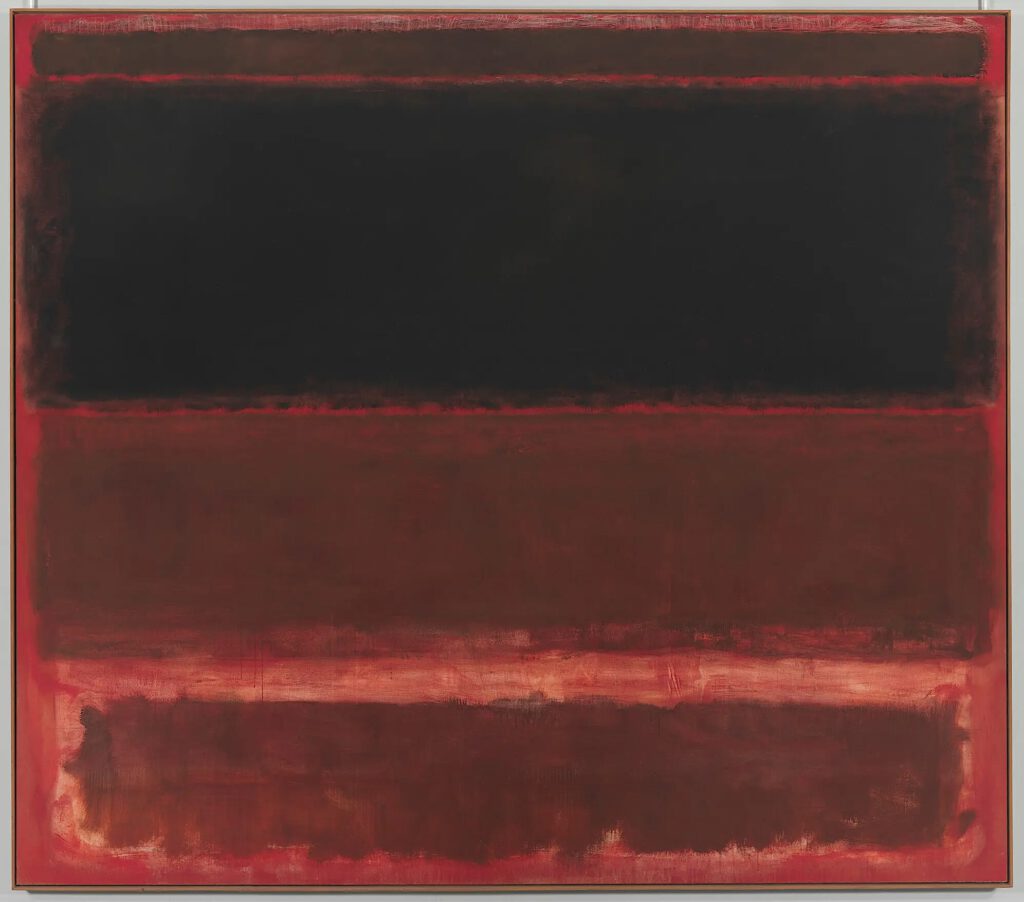
Mark Rothko “Four Darks in Red” (1958)
Rothko similarly sought to envelop the viewer.
In the last decade of his career, Rothko worked on several large-scale mural commissions, including the Rothko Chapel in Houston. “But rather than making a tremendous space,” Christopher said, “he tries to make these spaces as intimate as possible and have you surrounded by the artwork and really sort of lose yourself in that kind of space, much as you do on a smaller scale in San Marco,.”
The exhibition in Florence was many years in the making as Christopher — who gave up a profession as a clinical psychologist to oversee his father’s legacy — and his sister, Kate Rothko Prizel, sought an appropriate venue in the city. They finally found what they were looking for in the Palazzo Strozzi and its proportioned, vaulted rooms defined by plaster and the gray stone used in many Renaissance spaces.
“The galleries themselves are so beautiful and so quiet. It’s the perfect marriage,” Christopher said. “The galleries both stay out of the way of the paintings and, I think, add some support,” he said.
The show comes three years after a major retrospective at the Fondation Louis Vuitton that was one of the hits of the Paris season. That show was “grand opera,” Christopher said, whereas in the new display “each room is like a movement of a string quartet.”
At the Strozzi, the exhibition is on the heels of another blockbuster show of works by Fra Angelico split between the Palazzo and San Marco. That was intentional, said Arturo Galansino, the director of the Fondazione Palazzo Strozzi, who added that work on both exhibitions began about five years ago. “There’s a strong connection, clearly,” he said.
It is the first time that paintings have been placed in the cells of San Marco, honoring “this centuries-old relationship between the great American master and the great Florentine master,” Galansino said. And by placing works in the Laurentian Library, “for the first time, we are creating a concrete link between this relationship, this strong inspiration with this claustrophobic architecture,” he added. “A very powerful moment.”
Many of the works in the exhibition come from the private collections of Christopher Rothko and Kate Rothko Prizel, which they came into after a notorious lawsuit after their father’s death that became known as an epic, cautionary tale about greed and the art market.
Sixty years after his last trip to Florence, Rothko is back in a way he might never have imagined. Laili Nasr, who has been working on a scholarly compilation of his work at the National Gallery of Art in Washington, wrote to Christopher to say that she could imagine how excited the artist would have been about the show. “To hang in a place that’s this historic” is “amazing,” Christopher said.
“He was so clear that his art was not a break with what came before, it was an evolution,” he added. “It allows that context to continue.”
https://www.nytimes.com/2026/03/14/arts/design/rothko-in-florence-palazzo-strozzi.html
注意!ATTENTION!
All pictures and texts have to be understood in the context of “Creative Commons Attribution Noncommercial-NoDerivative Works.” ここに載せた画像やテクストは、すべて「好意によりクリエーティブ・コモン・センス」の文脈で、日本美術史の記録の為に発表致します。 Creative Commons Attribution Noncommercial-NoDerivative Works, photos: cccs courtesy creative common sense
All these texts and pictures are for future archival purposes, in the context of Japanese art history writings.