亜 真里男の無限の可能性:「第5回 亜 銀座・コンセプト展」でトレンドを牽引、長島有里枝や小泉明郎の優れた作品と共に Mario A’s Unlimited Potential: Trendsetting via “5th A GINZA CONCEPT EXHIBITION” Together with NAGASHIMA Yurie & KOIZUMI Meiro's Excellent Works
あけましておめでとうございます。皆様にとって良き一年となりますように。今年もよろしくお願いいたします。
私たちは人工知能の時代というAI-Zeitgeistの中に生きている。大学では学生たちがアート市場でプロとしてのキャリアを築けるよう「アート&ビジネス」を教える。AI用の資産分析と経済性の称賛が新たな常識となった。
ニューヨークのアーモリーショーでローランド・オーガスティンが私たち(私とMさん)を迎え、こう尋ねたのを今も鮮明に覚えている:「ビジネスはどうだ?」
美術史はアートワーカーであるKAWSと村上から始まったと信じる者は少なくない。彼らは忘れてしまっている——芸術とは人間の根源的な衝動、すなわち愛と情熱、悲しみ、フェティシズム、知性、そして創造的で子供のような表現形態についてのものであるということを。
2026年、我々は依然として異常な世界に生きている。そこでは第二次世界大戦が永遠に続かなければならないと信じる男性独裁者たちが支配している。
日本国民の大半は選挙でこうした精神異常者たち (aka 自民党〜共産党) に投票し、その結果として認知症に苦しんでいる。
偉そうなことを言うつもりはないが、平均的な日本人には地域史意識が欠けていると言えるだろう。しかし、仮にいわゆる「地域史意識」が彼らの集合的記憶の中に存在するとしても、そこには大きな歪みと欠落が見られる。
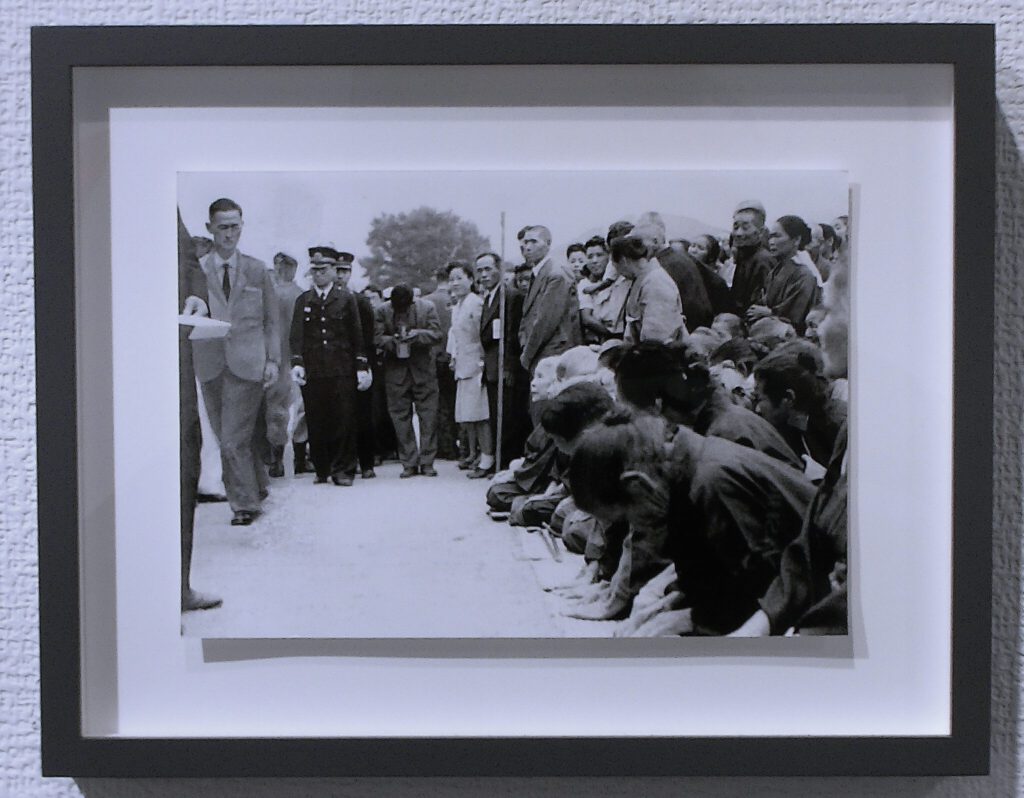
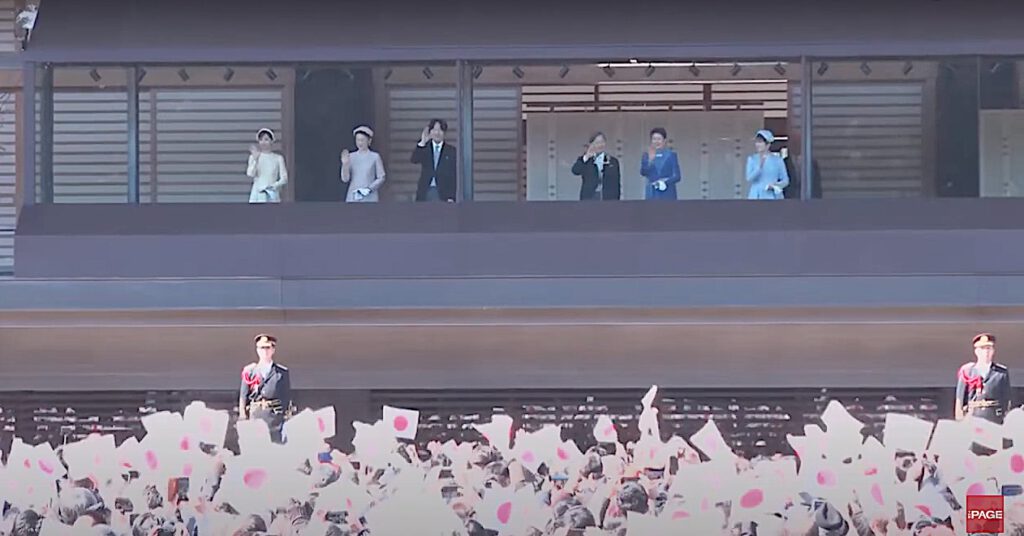
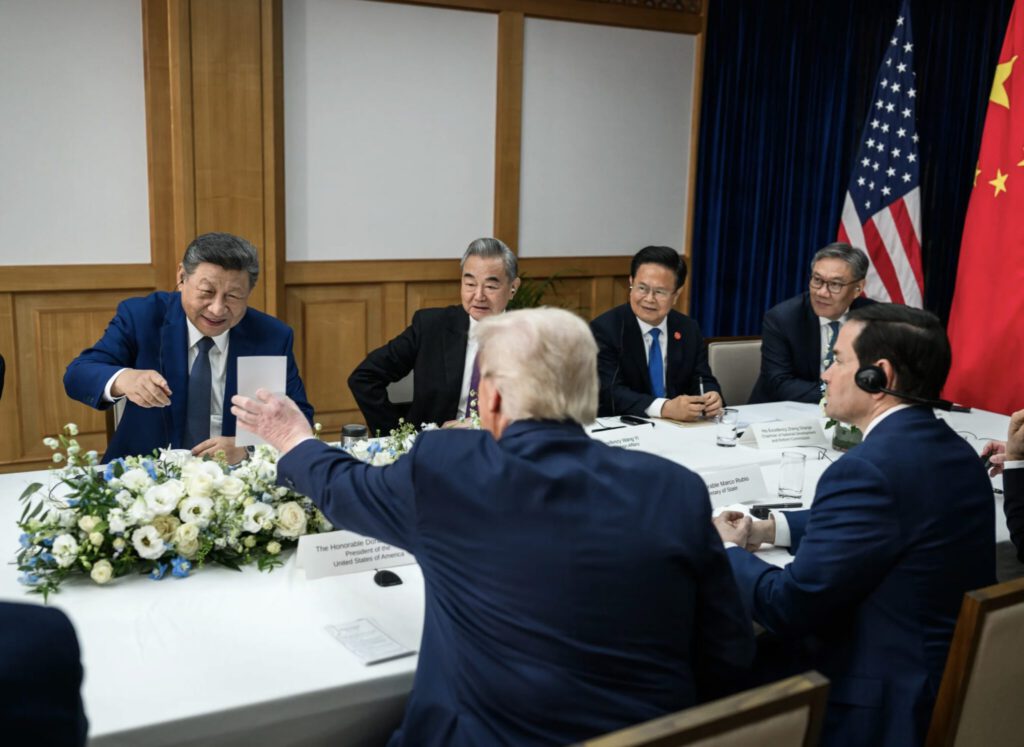
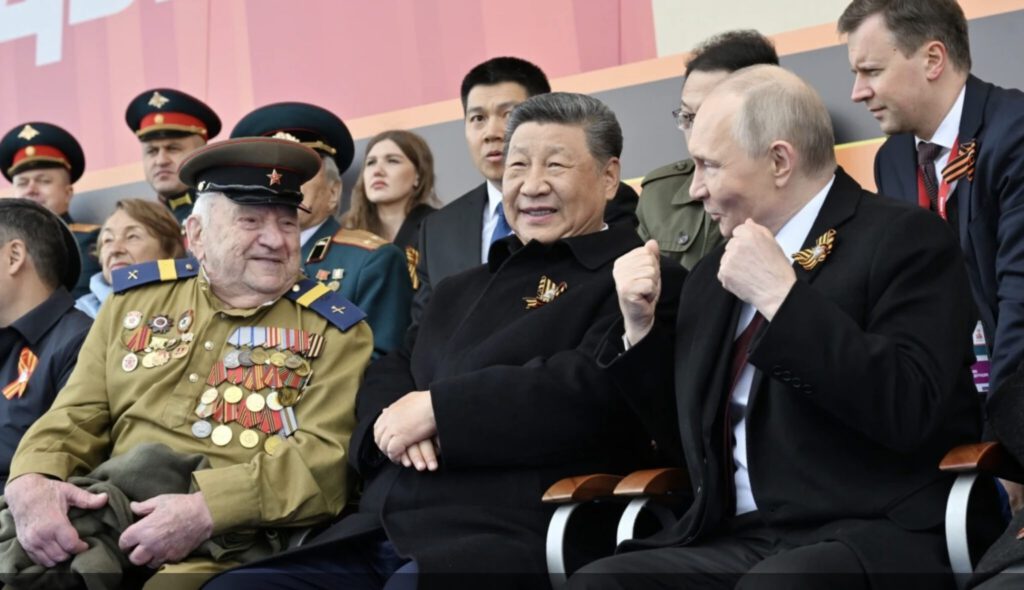
以下の現代史に関する画像について、日本の一般市民は解読も、コードを解除することも、ましてや分析的に説明することもできないと言えるでしょう。「現代のニュース・ナラティブ」は過剰なテストステロンと「イスラム教のマチスモ」に支配されており、日本は野蛮人でいっぱいの異教の国であると「宣言」しているところ。🤣
Happy New Year. I hope this year will be a good one for you all. Thank you for your continued support this year. (AI translation of the first 3 Japanese written sentences above.)
We live in the Zeitgeist era of AI. Universities teach ‘art & business’ to help students launch professional careers in the art market. The analysis via AI of assets and the exaltation of economics became the new normal.
I still remember very well the Armory Show in New York, where Roland Augustine greeted us (me & M.-san) with the question: How’s business?
There are quite a few who believe that art history begins with the art workers KAWS and Murakami. They forget that art is about primal human urges: love and passion, sorrow, fetishism, intellect, and creative, childlike forms of expression.
In 2026, we still live in a world of anomalies, ruled by male dictators for whom World War II must continue to exist.
The majority of the population in Japan votes for these psychopaths (aka LDP〜CP) in elections and thus suffers from dementia.
Without wanting to sound overbearing, one can state that the average Japanese citizen lacks a regional historical consciousness. However, if a so-called “regional historical consciousness” does exist in their collective memory, it exhibits immense distortions and gaps.
The average Japanese citizen cannot decipher, decode, let alone analytically explain the following images of contemporary history. The “contemporary news narrative” is dominated by too much testosterone and “Muslim machismo”, which “proclaims” Japan is a pagan land full of barbarians. lol 🤣


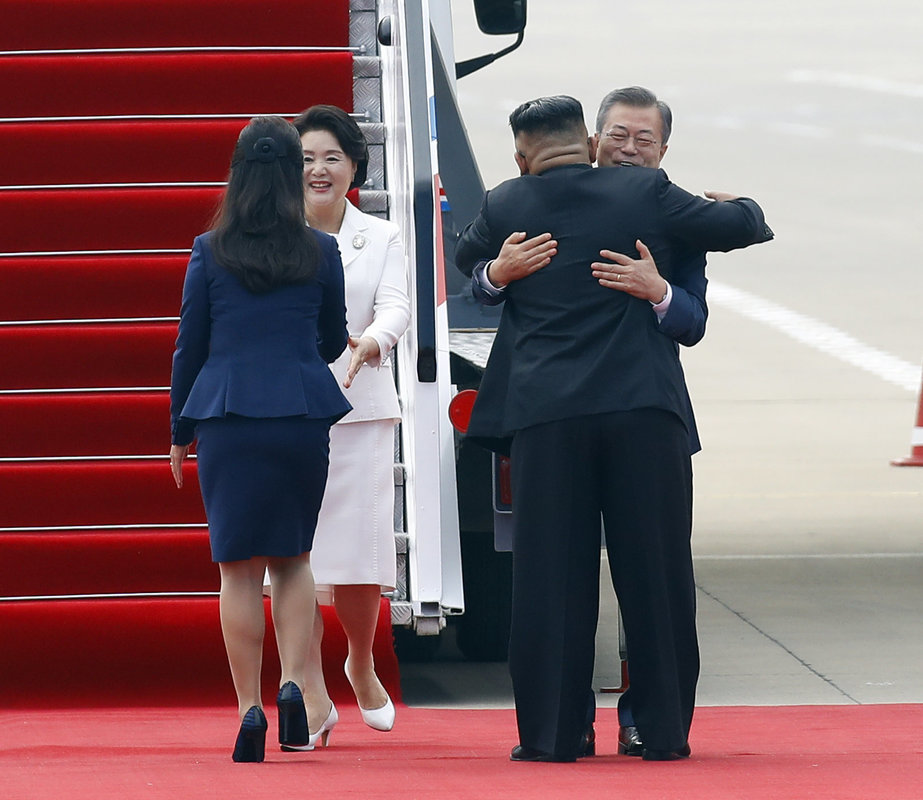
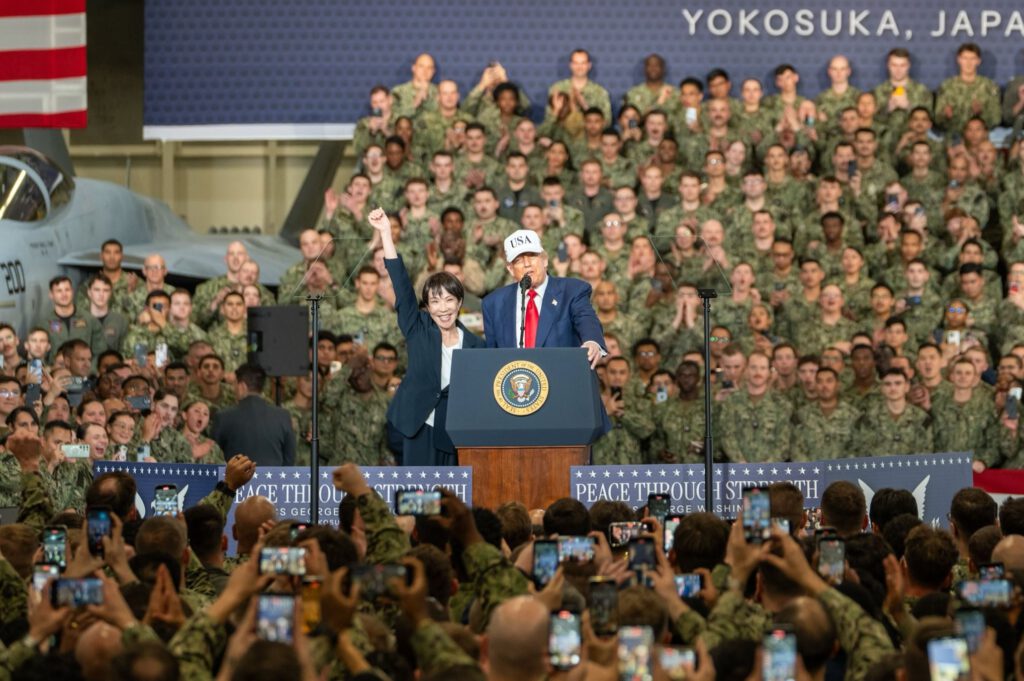
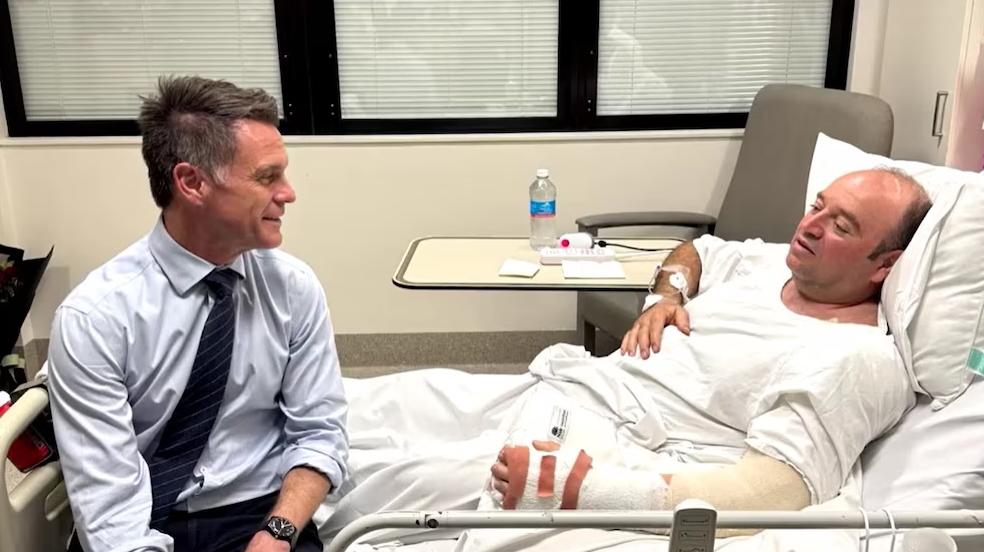
私は祖国である日本を愛している。なぜなら40年間、国民は自分たちがどれほど貧しいかを愚痴り続けているからだ。日本銀行は先月、株価上昇を背景に日本の家計が保有する金融資産が9月末時点で2,286兆円(15兆ドル)に増加し、前年比4.9%増で過去最高を記録したと発表した。
わが国を愛する理由は、建設業で法外な高給を得ようとする日本人が一人もいないからだ。
わが国を愛する理由は、社会は巨大ロボットの活躍を崇拝し、深い心理的トラウマや実存的恐怖、複雑な神道思想、疑似哲学的テーマを内包しているからだ。共感できる欠点だらけのキャラクターたちがマンガやアニメの定型を覆すため、日本という国全体が時折鬱状態に陥り、自殺をほのめかすような物語的雰囲気を帯びる。曖昧で後戻りできない終末論的仮説が若者の間で果てしない議論を呼び、豊かな視覚的偽象徴が彼らを引きつける。日本人男女の心身症的な生活様式は、痛み・アイデンティティ・孤独というテーマと共鳴している。
わが国を愛する理由は、一部の地域で若者の失業率が20%にも達するドイツと比べて、40年間完全雇用が維持され、トヨタが世界一であり、誰も長い夏休みを取れないからである。フランスは8月いっぱい休暇となる。
わが国を愛する理由は、普遍的基準は常に疑問を投げかける必要がある。
わが国を愛する理由は、マンスプレイニング、20歳からのみ飲酒・喫煙。
わが国を愛する理由は、GDPでは世界で最も豊かな都市にランクされているものの、醜い街並みを抱える首都東京が、健全な医療・社会福祉制度と、タクシー運転手の少ない優れた交通機関を備えているからだ。
わが国を愛する理由は、特に東京の日本人女性と男性は、結婚して子供を持つことを望まなくなっている。
わが国を愛する理由は、公立博物館や美術館に差別的な「二重価格」を設けるからであり、これは国民のわずか17.5%しかパスポートを持っていなく、外国人排斥の象徴である。
これほどローフレーション、税金が低くて、家賃も安いのに、どうして冷笑主義が生まれるだろうか?
否定的な側面、自己矛盾した側面、肯定的側面のリストは延々と続くだろう。
日本では芸術が「娯楽・エンタメ」の範疇に置かれ、あらゆる歌手やパフォーマーが自らをアーティストと称するため、日本のコレクターが高額で購入する本物の美術作品に嫌味や皮肉、冗談を浸透させることが重要だ。
政治的意図を追求する者やアートワーカーとしての政治活動家は、日本の幼稚な御坊ちゃん・お嬢ちゃん画家たちよりも当然ながら困難な立場にある。
AIが「私は誰か」という問いに返した答えは滑稽だ。本来は自己発見の哲学的プロセスとして意図されたものが、いかに世界がひっくり返っているかを証明している。
I love my country, Japan, because for 40 years the population has been complaining about how badly off they are. Financial assets held by households in Japan rose to 2,286 trillion yen ($15 trillion) at the end of September 2025 on higher stock prices, up 4.9 percent from a year earlier to a fresh record high, the Bank of Japan said last month.
I love my country because no Japanese person wants to work in construction for an exorbitantly high salary.
I love my country because its society fetishes giant robot actions with deep psychological traumatas, existential dread, complex Shintoism and pseudo-philosophical themes. Relatable, flawed characters subvert manga and anime tropes, so Japan as a whole country falls from time to time into depression and potential suicide atmospherical narrative. Ambiguous, end-of-no-return apocalyptic hypothesises spark endless debate amongst the youth, and rich visual fake-symbolism keep them engaged. Japanese women and men’s psychosomatic lifestyles resonate with themes of pain, identity, and loneliness.
I love my country because, compared to Germany with a youth unemployment rate of 20% in some areas, there has been full employment for 40 years, Toyota is No.1 in the world, and nobody gets long summer holidays. France is on holiday for the entire month of August.
I love my country because universal standards must be constantly questioned.
I love my country because of mansplaining, alcohol and cigarette consumption only from age 20.
I love my country because the capital Tokyo, ranked as world’s richest city by GDP, but with an ugly cityscape, has intact health and social care systems, fine transportation systems with few taxi drivers.
I love my country because Japanese women and men, especially in Tokyo, no longer want to get married and have children.
I love my country because it will have discriminatory “dual pricing” for its public museums and art museums, a symbol of xenophobia, since only 17.5% of its citizens have passports.
With such low inflation, low taxes and rents, how can cynicism arise?
The list of negative, oxymoron and positive aspects could go on and on.
Since art in Japan is placed in the category of ‘entertainment’ and every singer and performer calls themselves an artist, it is important to infiltrate sarcasm, irony and humour into genuine works of art that are bought for a lot of money by Japanese collectors.
Those who pursue a political agenda or are political activists as art workers naturally have a harder time than Japanese, infantile Obocchama and Ojousama (spoiled, rich boy and girl) painters.
I find the answer given by AI to the question of who I am amusing. Actually intended as a philosophical process of self-discovery, it proves how the world is turned upside down.
who is japanese artist mario a ?
AI Overview
Mario A. is a Swiss-born visual artist who has lived and worked in Japan since the mid-1980s, where he is considered one of the most influential and provocative contemporary artists. Although he is not ethnically Japanese, he is often referred to as a “Japanese artist” and his work explores themes of identity, culture, and politics, often through photography and installation art.
• Background: Born in Switzerland in 1959 to an Italian mother and German father, he is of European heritage but has spent most of his adult life in Japan. He is a graduate of the Free University of Berlin and his work has been exhibited internationally.
• Artistic style: Mario A.’s work often incorporates photography, performance, and installation art. He is known for using provocative and challenging imagery to explore social and political commentary.
• Notable themes: His art has explored the complexities of cultural identity, the impact of Western influence on Japan, and the political ideologies of the 20th century. His “Roberto” installation, for example, reimagines a world where the Axis powers won World War II.
• Recognition: He is a highly recognized and influential artist in Japan. He has been featured on TV and radio, and his work is held in numerous public and private collections.
(end of AI)
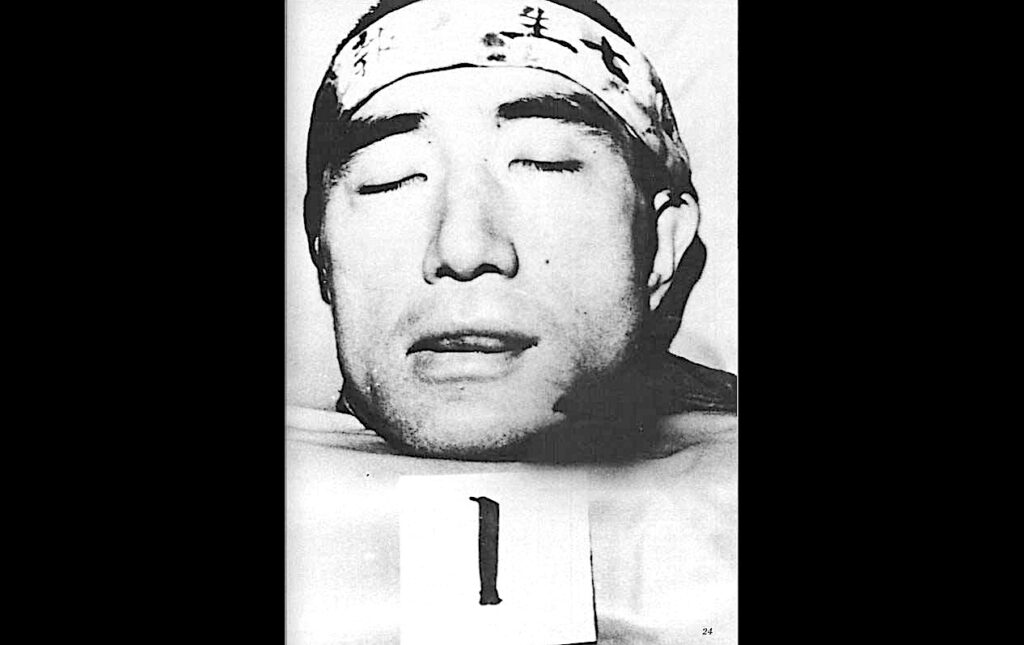
日本No.1 無料現代アートウェブサイト「ART+CULTURE」の熱心な読者の皆様は、私が過去3年間、アーティストとしてのキャリアの終わりへのカウントダウンを宣言し続けてきたことをご存知でしょう。
たとえ「無限の可能性」を秘めていたとしても、70歳で止めるべきだろう。三島風のパフォーマティブな祭りは、惚け、日本の低能者のための芸だと私は考えている。
三島の切腹が公に認められていることは、文人を含む、一部の日本人の愚かさを如実に示している。
Attentive readers of ART+CULTURE, Japan’s No. 1 free contemporary art website, know that for the past 3 years I have been announcing the countdown to the end of my artistic career.
Even though I possess “unlimited potential,” I should stop at 70. I consider a performative festival à la Mishima to be an act for imbeciles, Japanese idiots.
The public approval of Mishima’s Seppuku 切腹 demonstrates the stupidity of a segment of the Japanese population, including literati.
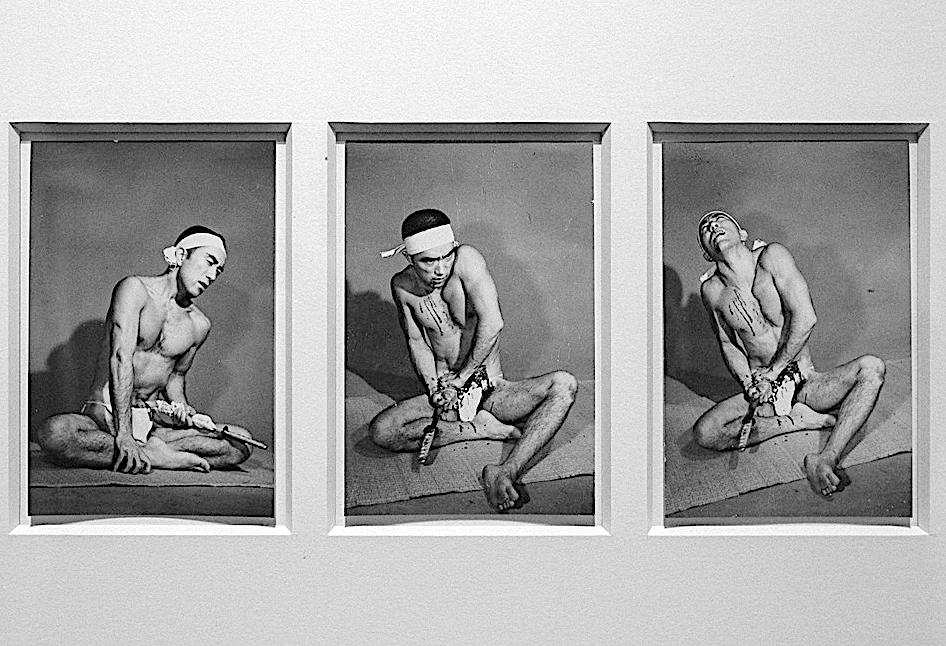
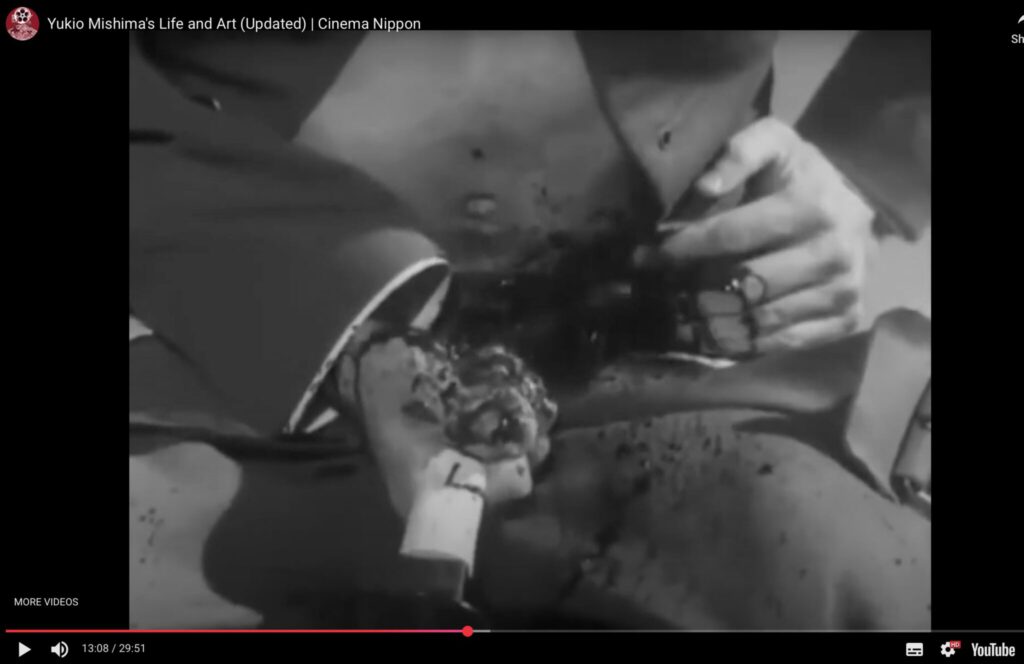
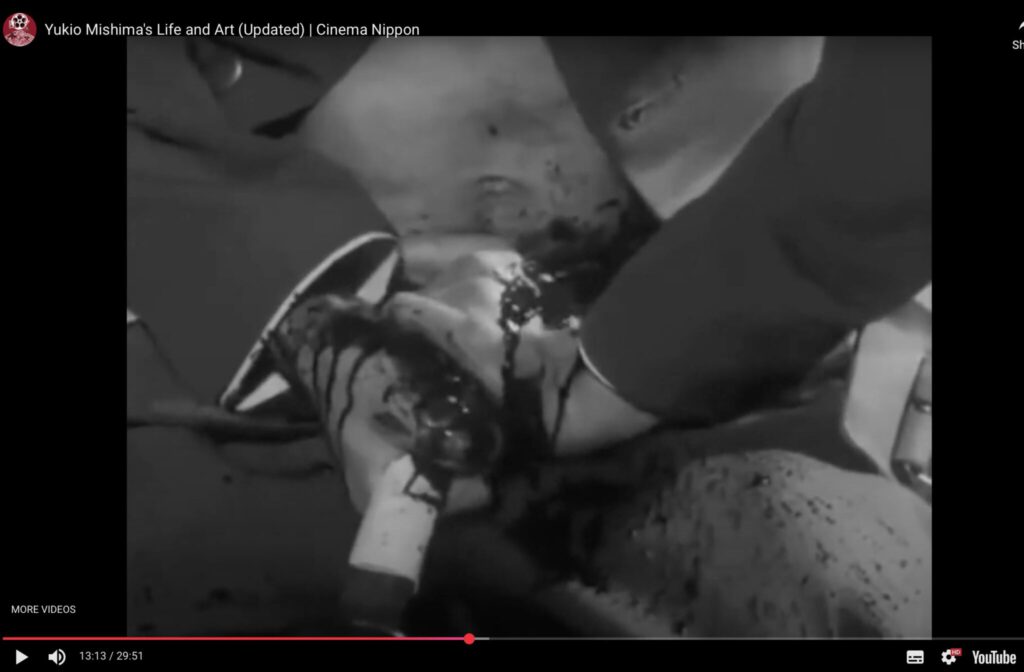
ポール・シュレイダー監督作品『MISHIMA』を巡って:極右、ファシストの三島由紀夫は、排外主義の馬鹿で、同性愛者であることを公表しない臆病者であり、女性を嘲笑し、滑稽で笑える日本の芸能人だった。 三島は冗談のような存在だ。三島とジェームズ・ボールドウィンを比較してみよう。
Ultra right wing, fascist MISHIMA Yukio, a chauvinist idiot, a coward for not coming out as a homosexual, who mocked women and played the ridiculous, laughable Japanese showman. Mishima IS a joke. Compare Mishima with James Baldwin.
https://art-culture.world/cultural-essays/mishima-paul-schrader/
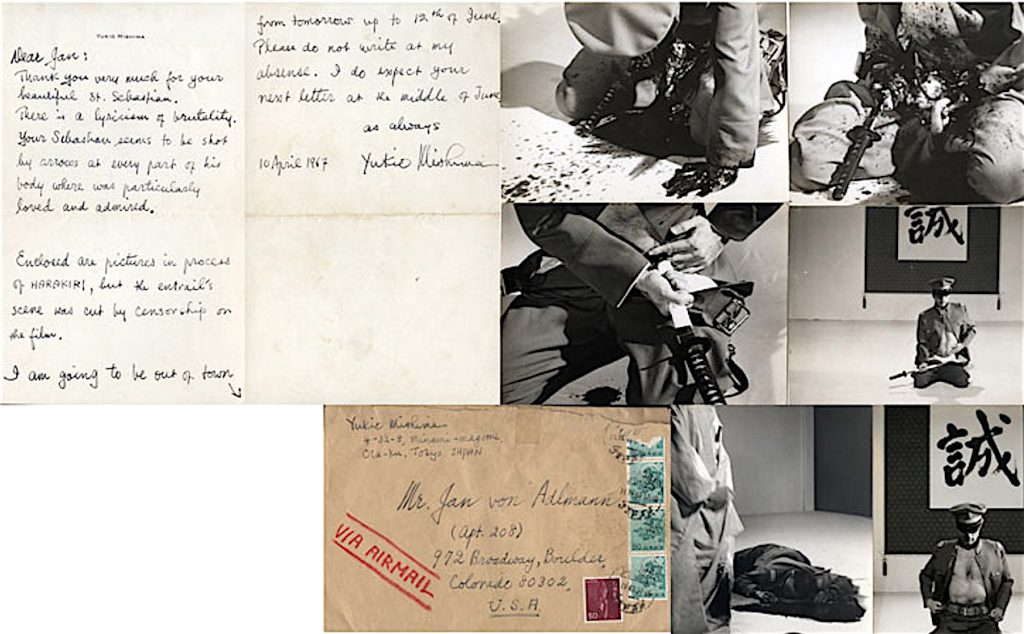
Dear Jan,
Thank you very much for your beautiful St. Sebastian.
There is a lyricism of brutality. Your Sebastian seems to be shot by arrows as every part of his body where was particularly loved and admired.
Enclosed are pictures in process of HARAKIRI, but the entrails’ scene was cut by censorship on the film.
I am going to be out of town from tomorrow up to 12th of June. Please do not write at my absence. I do expect your next letter at the middle of June.
as always
Yukio Mishima
10 April 1967
美術評論家の言葉を引用する。市原研太郎氏「永遠の革命家としての日本の芸術家マリオ・A」、故 名古屋覚氏「マリオ・A、日本で最も優れた才能を持った、いや、最も優れた唯一の油彩画家」。
おかげさまで、昨年の展覧会は大変盛況で(時折混雑することもあり、ご迷惑をおかけしました)、私の作品やコレクション(日本のアーティストとしては村上隆に次ぐ?)について、幅広いご意見が交わされました。
先駆的な「亜 銀座・コンセプト展」(抽象 vs. 写実)は理解され、小泉と長島へのコメントからは、日本の現代美術に関する来場者の知識の高さが伺えました。
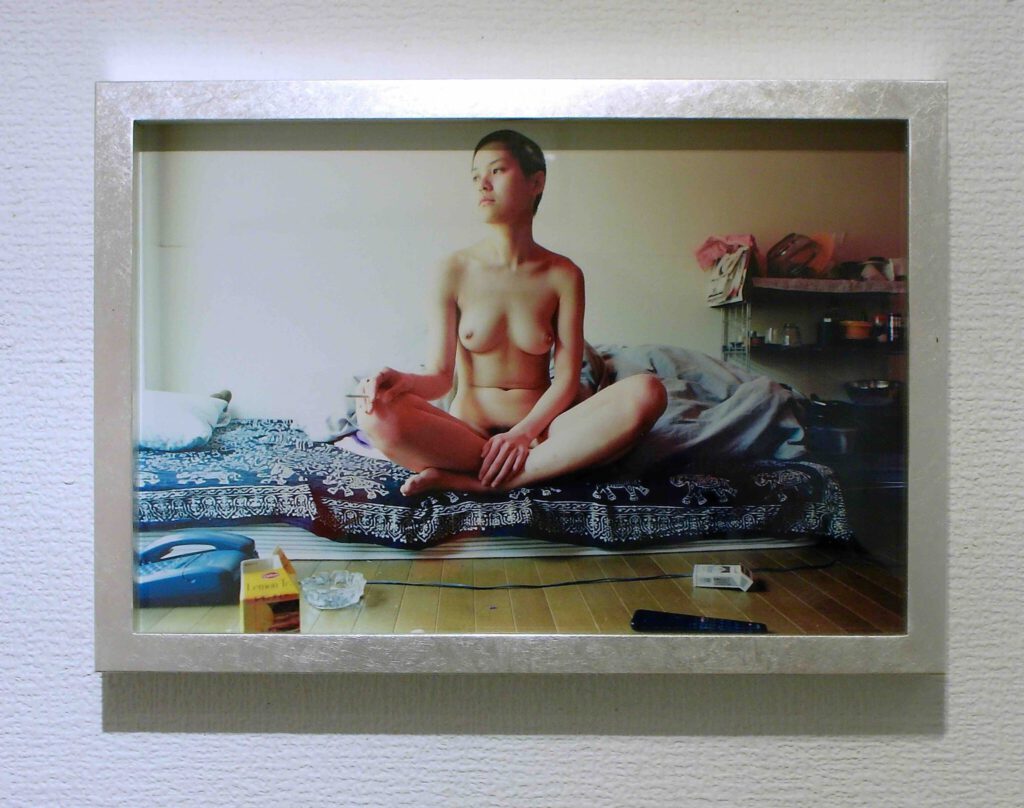
当然のことながら、天皇制について、佐藤忠良の発言に対する意見交換、解放されたフェミニストの芸術実践と同様に、オープンに議論されました。タブーや建前は一切ありませんでした。
今の時代を決定づける問題は、アイデンティティ・ポリティクスではありません。40年間日本に住んできた私にとって、その議論は退屈で、自己中心的で、ほとんどの日本人が一方的にファシズム的に捉えているように感じます。使い古された、実在しない問題であり、娯楽としての価値しかありません。私はそれに賛同できる時もあれば、そうでない時もあります。
いいえ、現代社会を決定づける問題は、資本主義主導による不必要な食習慣であり、健康に有害です。日本には不健康な飲み物や食品が溢れています。「毎日」ラーメンを食べるのは不健康です。簡単に言えば、日本人は歯並びが悪い(きちんと歯を磨いていない)、視力が悪い(暗い場所で小さな文字を読む)、睡眠時間が短い、喫煙する、そしてお酒を飲み過ぎる、といった問題です。
これらの健康問題は、特に男性にとっての「アニメ」的精神の幼稚さを反映しており、レイプ、DV、ハラスメント、自殺、心身症といった事件が数多く発生しています。日本文化のナラティブにおいては、知的あるいは娯楽的に刺激を与えるかもしれませんが、こうした悲劇的なユーモアは一時的なものです。残念ながら、不満を訴える日本人は、自ら招いた不健康な食生活と愛情のない育ちといった幼少期や青年期を振り返ることはありません。
忘れないでください。今は 1980年ではなく、2026年です。
健全な人もそうでない人も、神経質な人もそうでない人も、社会意識の高いアートワーカーは今、パートナーシップと交流、所有権ではなく相互コミュニケーションを求めています。つまり、制作支援、組織戦略、説得力のあるストーリーテリング、そして柔軟性です。彼らはコレクターに直接リーチできることを知っているので、コマーシャル・ギャラリーは真の戦略的価値を提供しなければなりません。まさにこれが日本に欠けているものです。
日本のコンテンツ産業におけるコンテンツパワーのパイオニアとして、アート界におけるデジタル化はもはや「マーケティング」だけにとどまらないと断言できます。私の予測通り、それは正式に「ギャラリー」へと進化しました。
一方で、近年、油絵の領域をさらに広げてきました。幸いなことに、昨年展示した作品はすべて売れました。これは戦略的な「ギャラリー・コンセプト」の文脈においてです。さあ、次の展覧会がどんなものになるか楽しみです。
啓示的な芸術活動には、銀座での毎日の夜遊びも含まれていて、そういう意味では楽しかったです。小泉さんと長島さんの素晴らしい作品に対するフィードバックには満足しています。
2026年に向けて:銀座でまたワイルドで行こうぜ!
Anarchy in DA house!
東京、令和8年元日
亜 真里男
Art critic Kentaro Ichihara: “Mario A. An Artist of Japan as an Eternal Revolutionary”. Art critic Satoru Nagoya: “Mario A, one of the most brilliantly gifted–or perhaps I should say, the single most brilliantly gifted––oil painting artist in Japan”.
Last year’s exhibition was well attended (occasionally overcrowded; please excuse the inconvenience), and a wide range of opinions were exchanged about my works and my collection (for a Japanese artist, the second best after MURAKAMI Takashi’s?).
The trendsetting “A Ginza Concept Exhibition” (Abstract vs. Realism) was understood; the visitors’ comments on Koizumi and Nagashima reflected the high level of knowledge about Japanese contemporary art.
Naturally, the Emperor was discussed openly, opinion on SATO Churyo’s remarks exchanged, as was emancipated feminist artistic practice. Without taboo or public façade (Tatemae 建前).
The defining issue of the present moment is not about identity politics. After 40 years in Japan, I do find that discussion boring, self-referential, and one-sidedly fascistic by most Japanese people. A worn-out, non-existent problem that only has entertainment value. I can sometimes join that, or sometimes not.
No, the defining issue of the present moment is the capitalist-driven, unnecessary dietary practices that are detrimental to health. Japan has an overabundance of unhealthy drinks and unhealthy foods. Eating Ramen ‘every day’ is unhealthy. Simply said, Japanese people have bad teeth (they don’t brush their teeth properly), poor eyesight (they read small print in poor light), too little sleep, smoke, and drink too much alcohol.
These health problems are reflected in the infantile “Anime”-psyche; for men: hence the numerous rapes, DV and harassment cases, suicides and psychosomatic disorders. It may be intellectually or entertainingly stimulating for the Japanese cultural narrative. But this kind of tragic humour is time-limited. Those complaining Japanese, unfortunately, don’t look back at their childhood and adolescence, with their self-inflicted poor diet and upbringing without love.
Don’t forget, it’s 2026, not 1980.
Social conscious art workers, healthy and non-healthy, neurotic and non-neurotic, nowadays desire partnership and exchange, intercommunication not ownership: production support, institutional strategy, compelling storytelling, and flexibility. They know they can reach collectors directly, so the commercial gallery must offer genuine strategic value. This is precisely what is lacking in Japan.
As a pioneer of content power in the Japanese content industry, I can announce that digitization in the art world is no longer just about “marketing.” As I predicted, it has officially evolved into a “gallery.”
On the other hand, in recent years, I’ve further expanded the boundaries of oil painting. Fortunately, all the works exhibited last year were sold. In the context of a strategic “gallery concept”. Now let’s see what the next exhibition brings.
Revelatory arty practice also included everyday nighttime outings in Ginza (yoru asobi 夜遊び), in this sense I had my fun. Satisfied with the feedback about the outstanding works of Koizumi and Nagashima.
For 2026: Let’s go WILD in Ginza again!
Anarchy in DA house!
Tokyo, New Year’s Day 2026
Mario A
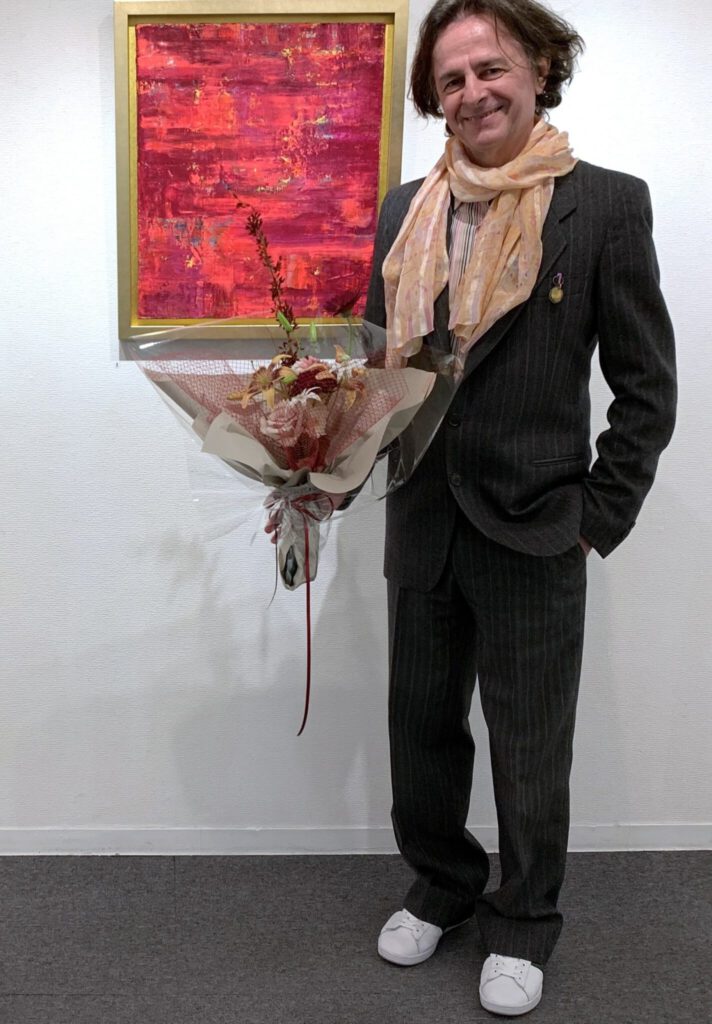
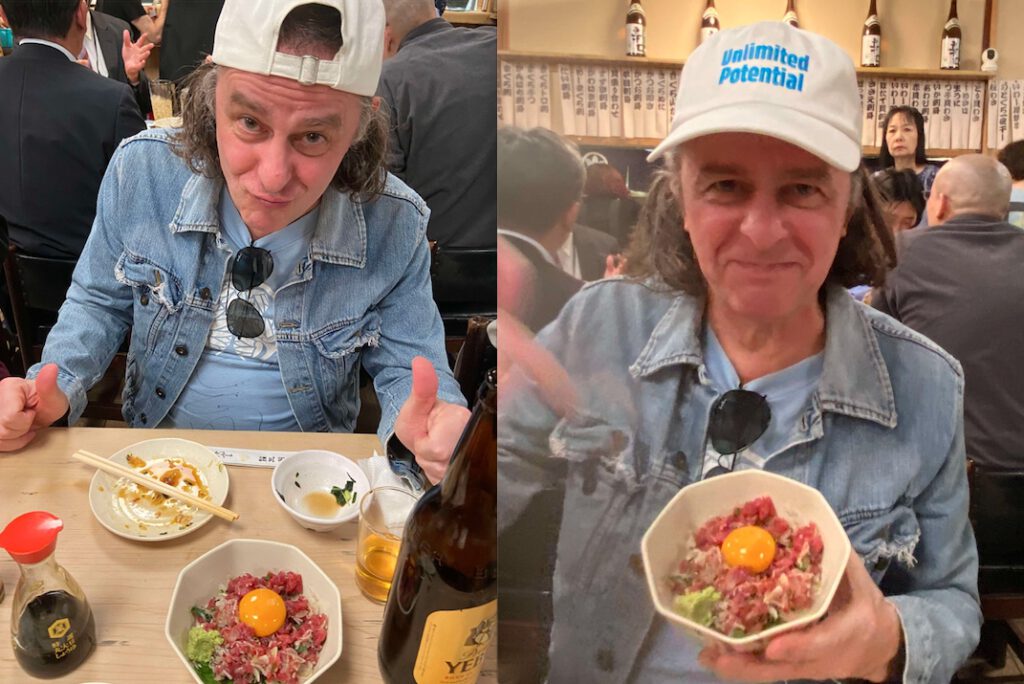
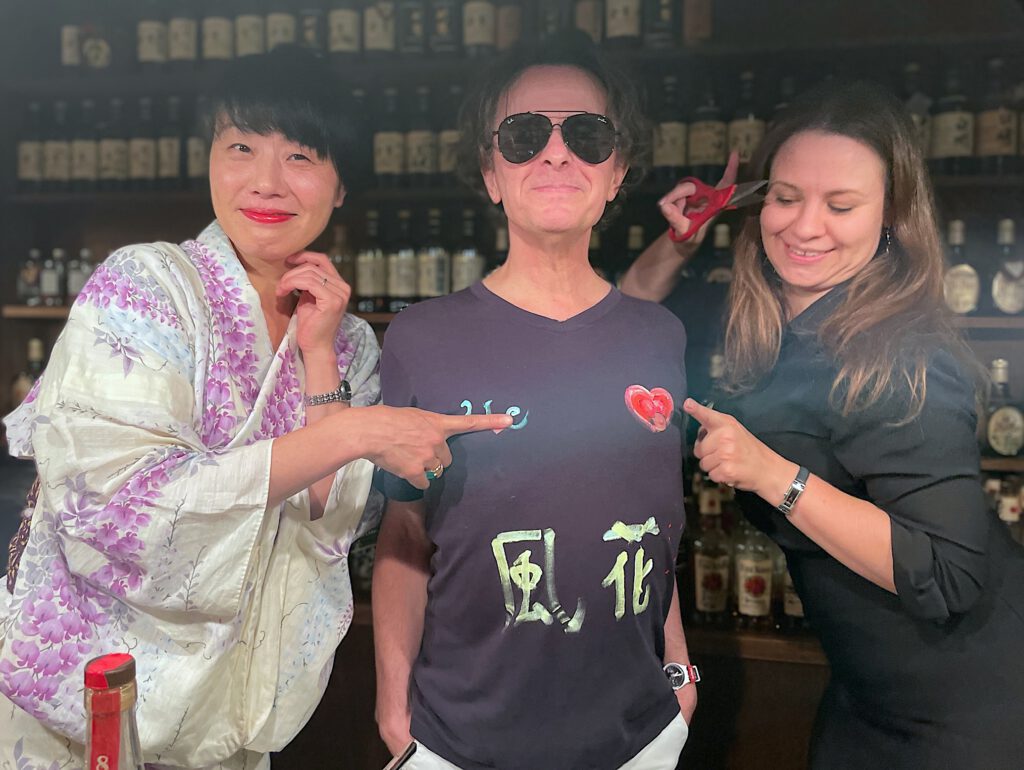
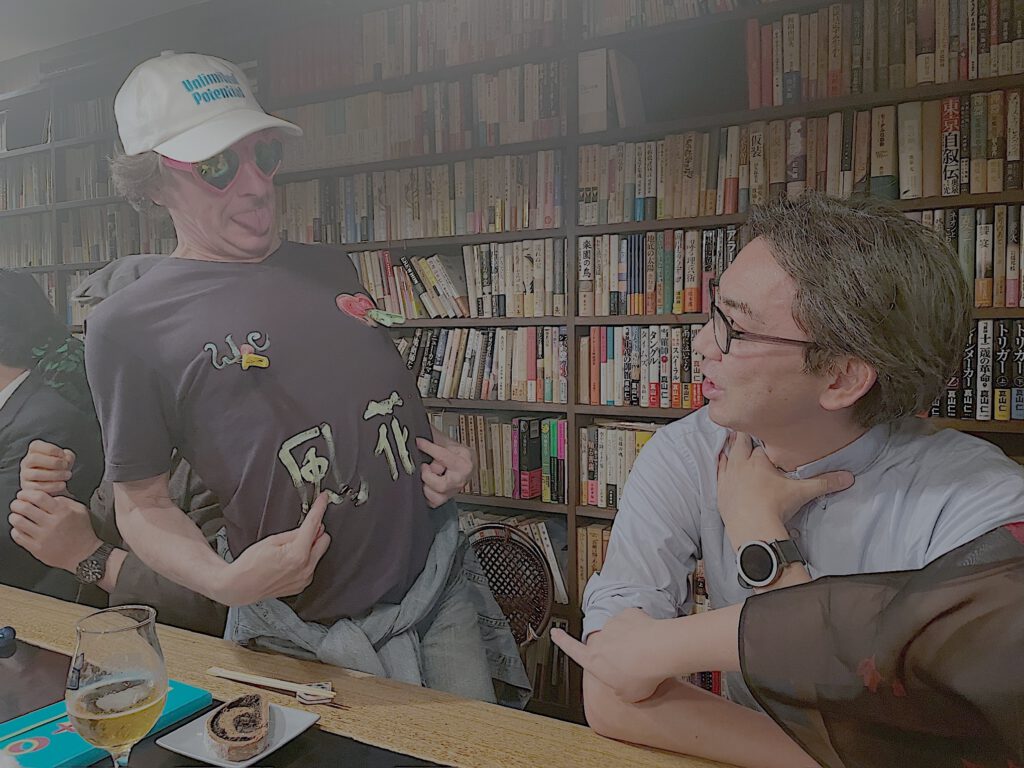
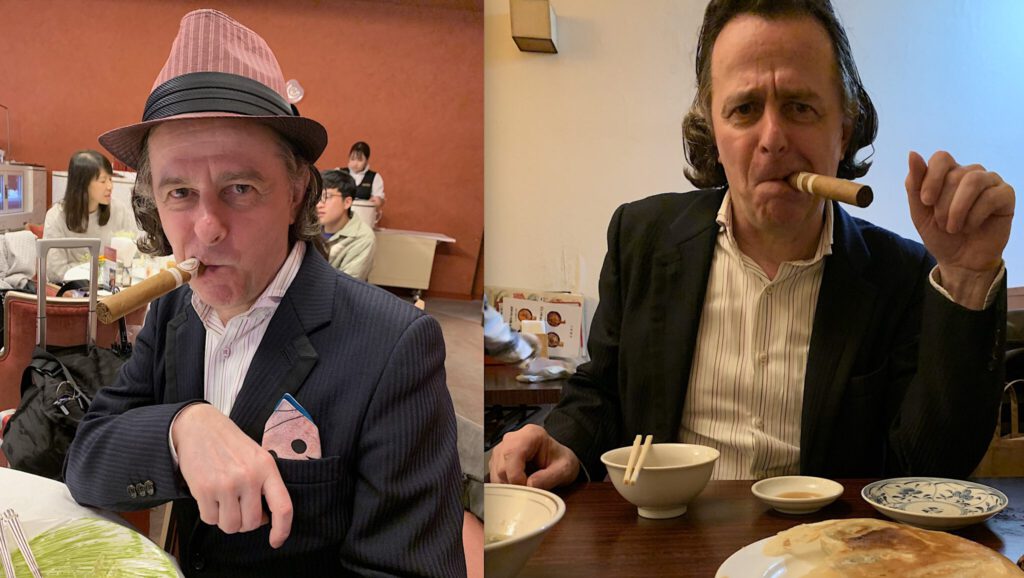
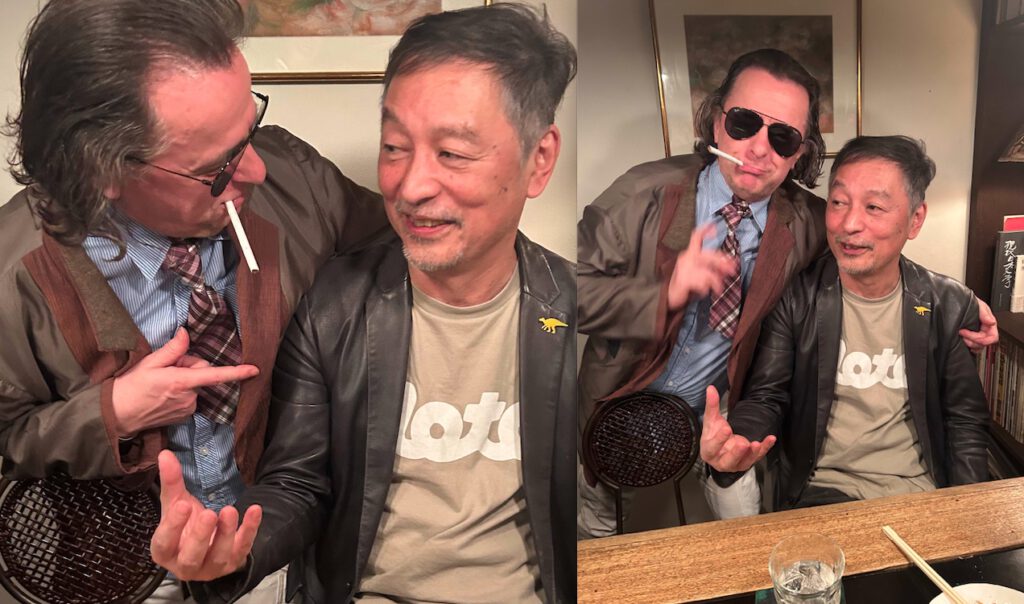
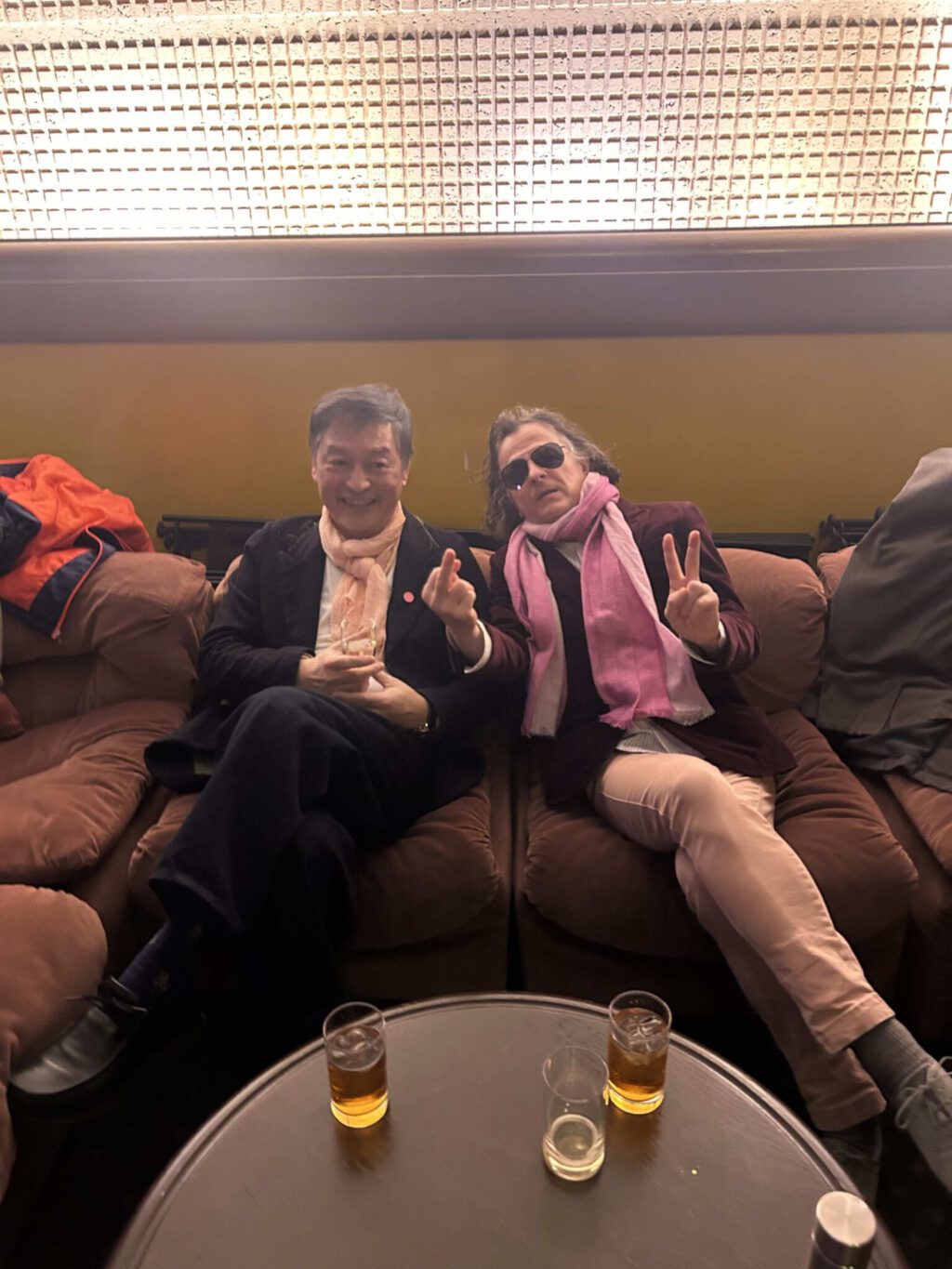
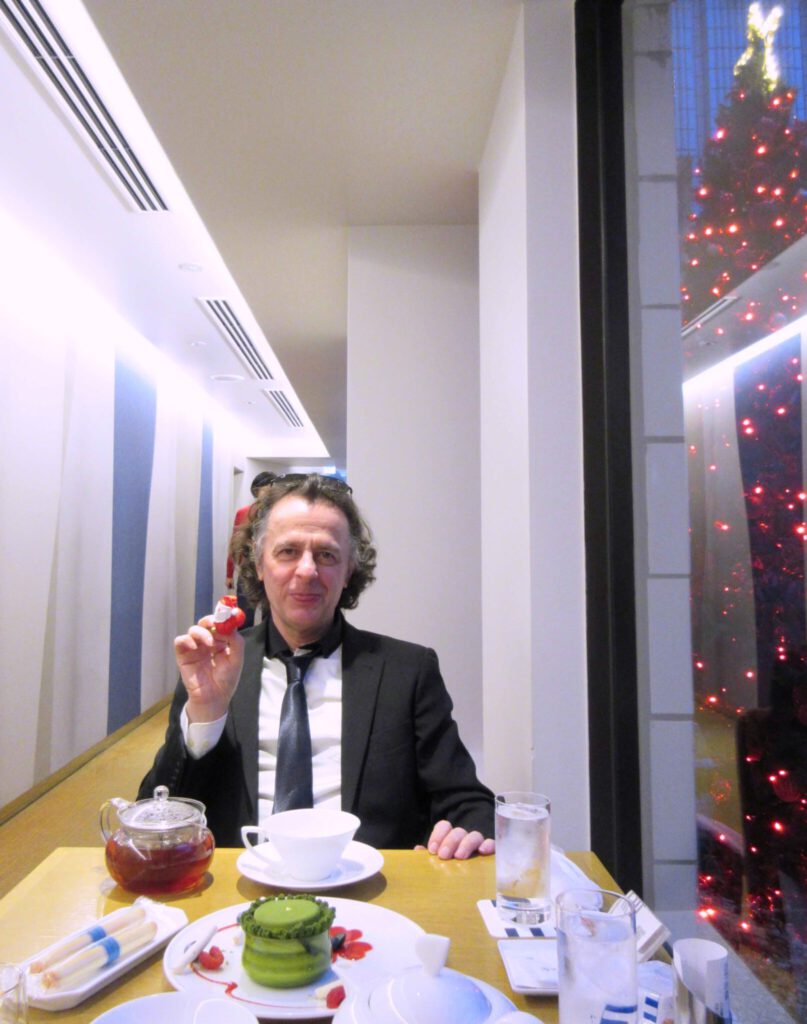
最近の、recent pics: