日本人が育って上げた盗作文化「パクリ作品、他のアーティスト作を真似ている」アートワーカー村上隆や江口寿史 Japanese Plagiarism Culture Art Workers MURAKAMI Takashi and EGUCHI Hisashi
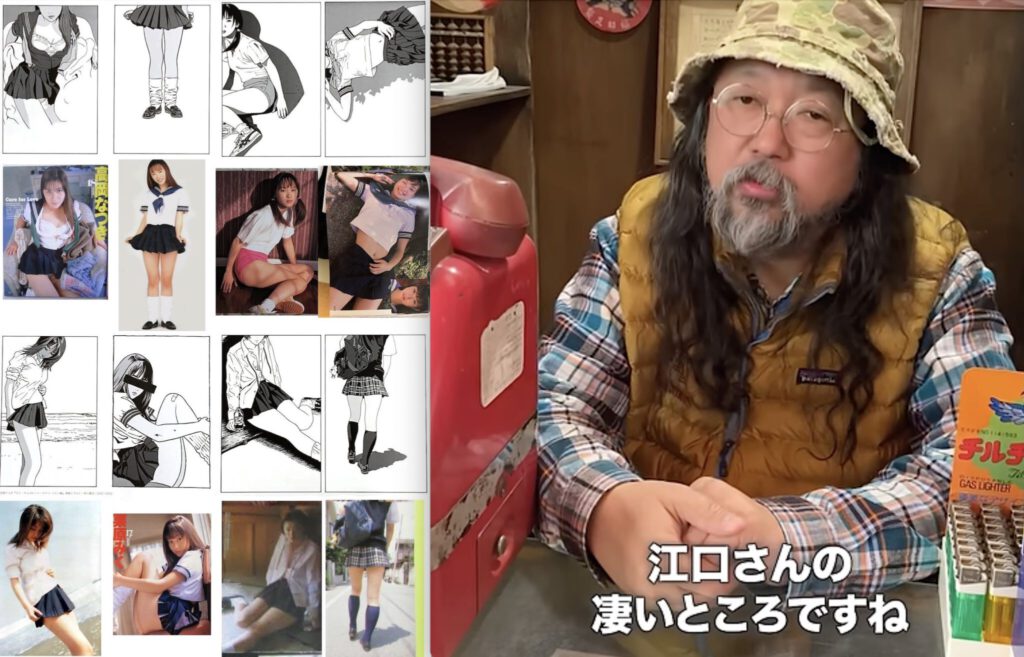
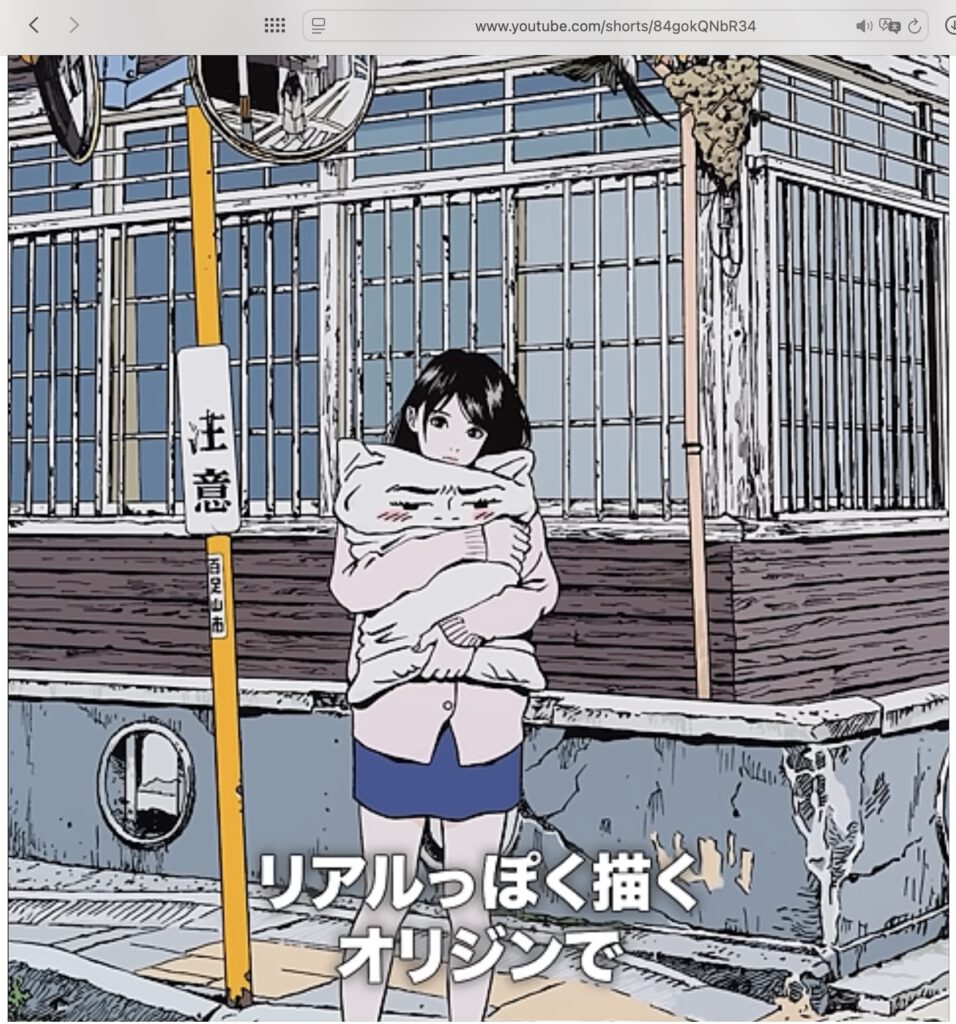
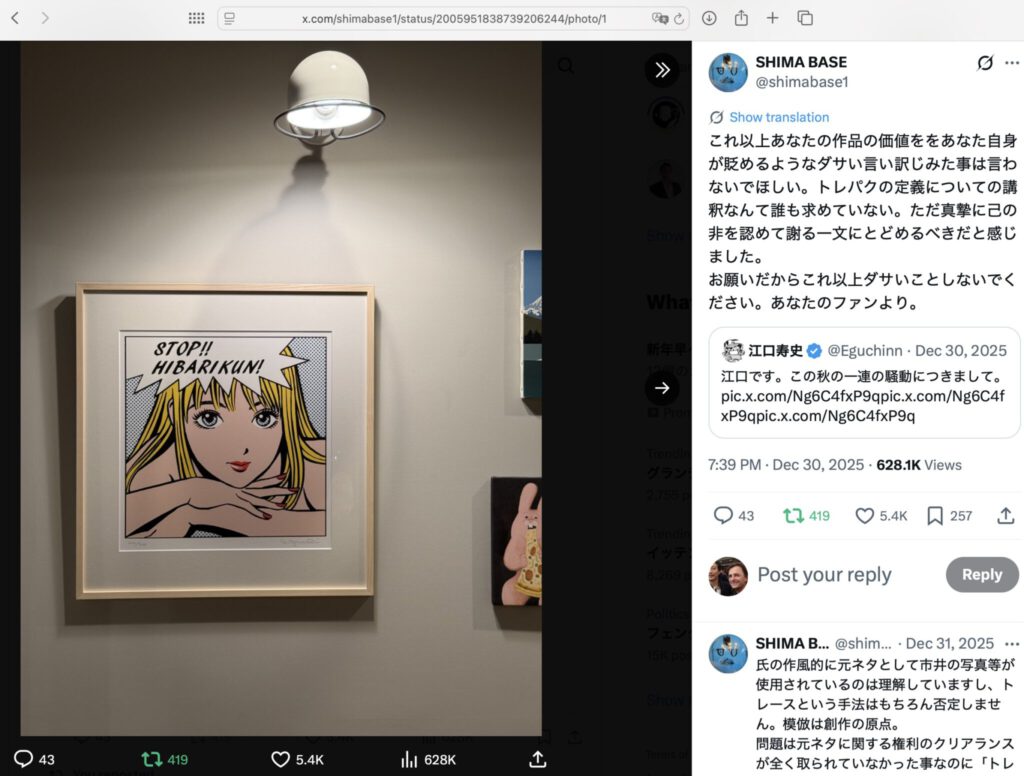
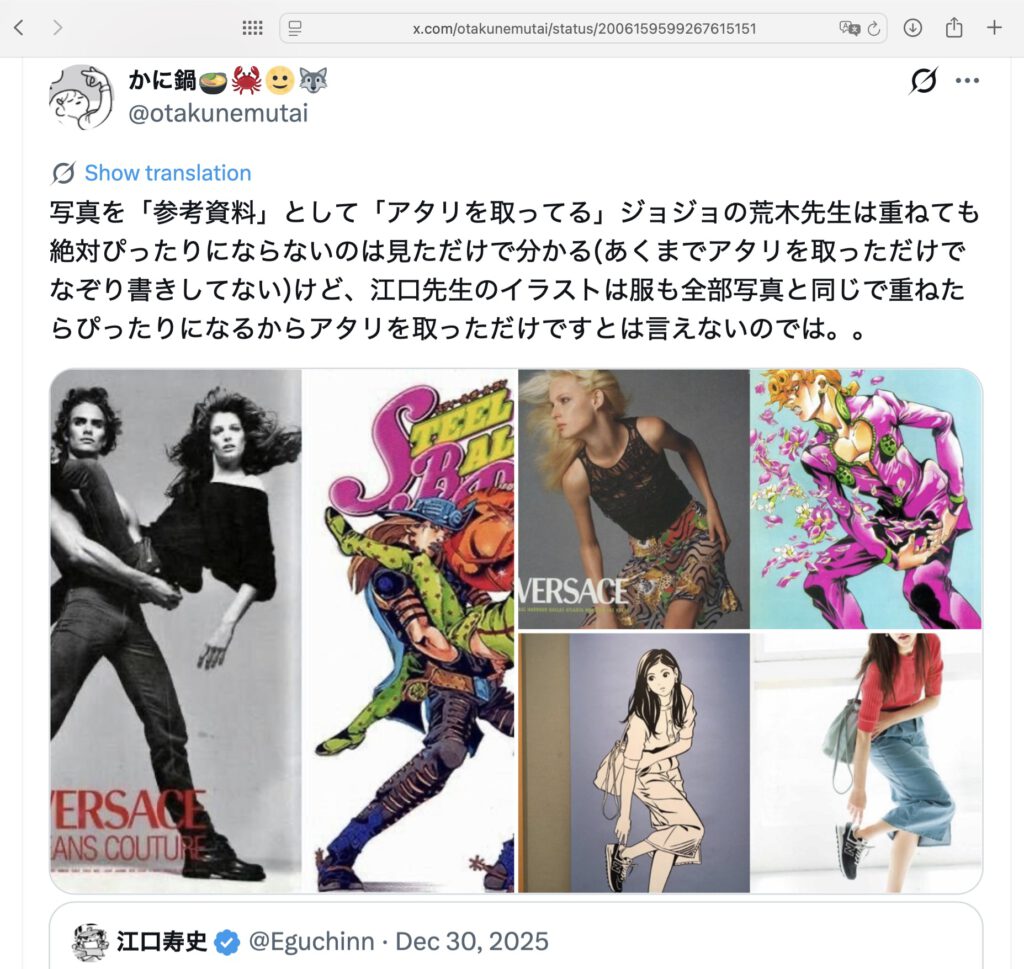
日本の美術愛好家や若いクリエイティブな日本人たちの純真さに、時に首を傾げたくなる。
村上隆や江口寿史のようなアートワーカーが偽物であることは、何年も前から明らかだった。
日本では盗作が常態化している。あらゆる漫画家、あらゆるアニメクリエイターが他作品から盗み、模倣しているのだ。
こうした偽善は、一部の日本人若者の幼稚な純真さを露呈している。同時に彼らが現代美術に関心を持たない証左でもある。そうでなければ、あからさまに驚きを表明するのではなく、「作品」に込められたコンセプトを探求するはずだ。
にっぽん、令和8年1月4日
亜
Sometimes one shakes one’s head at the naivety of Japanese art lovers, young creative Japanese people.
It has been clear for years that art workers like MURAKAMI Takashi and EGUCHI Hisashi are fake artists.
In Japan, plagiarism is the norm. Every Manga artist, every Anime creator steals and copies from other sources.
This kind of hypocrisy reveals the childish naivety of some Japanese young people. It also shows that they are not interested in contemporary art. Otherwise, they would not express their surprise so loudly, but would instead seek out the concept behind the arty “work”.
Nippon, 4 Jan 26
A


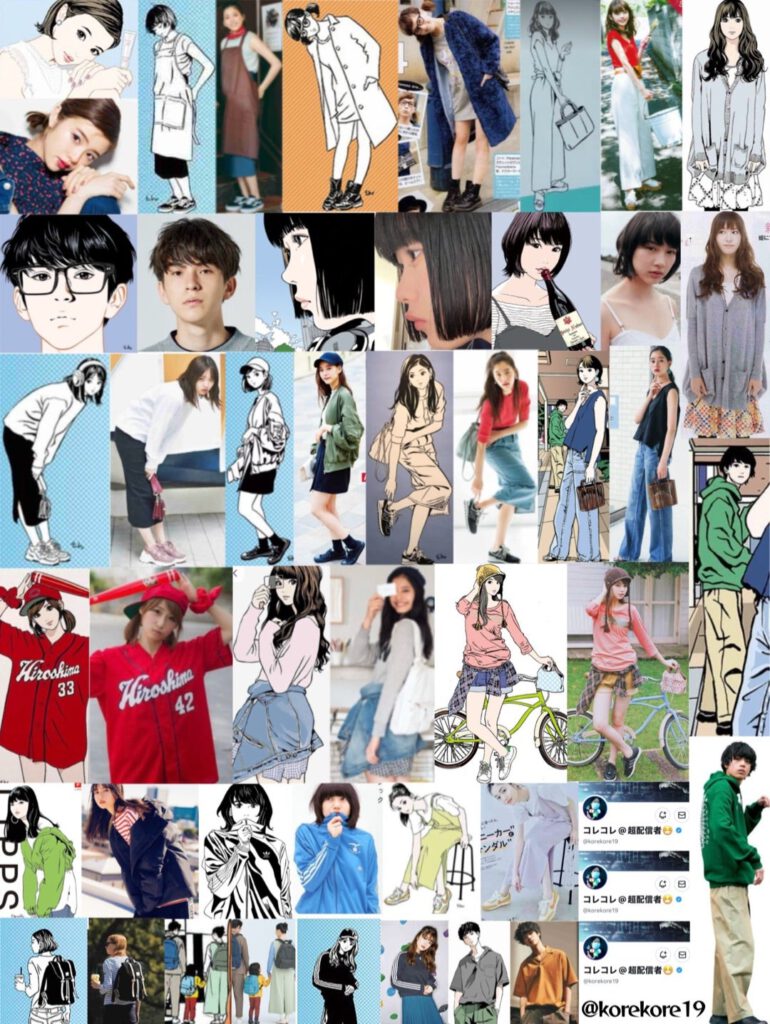


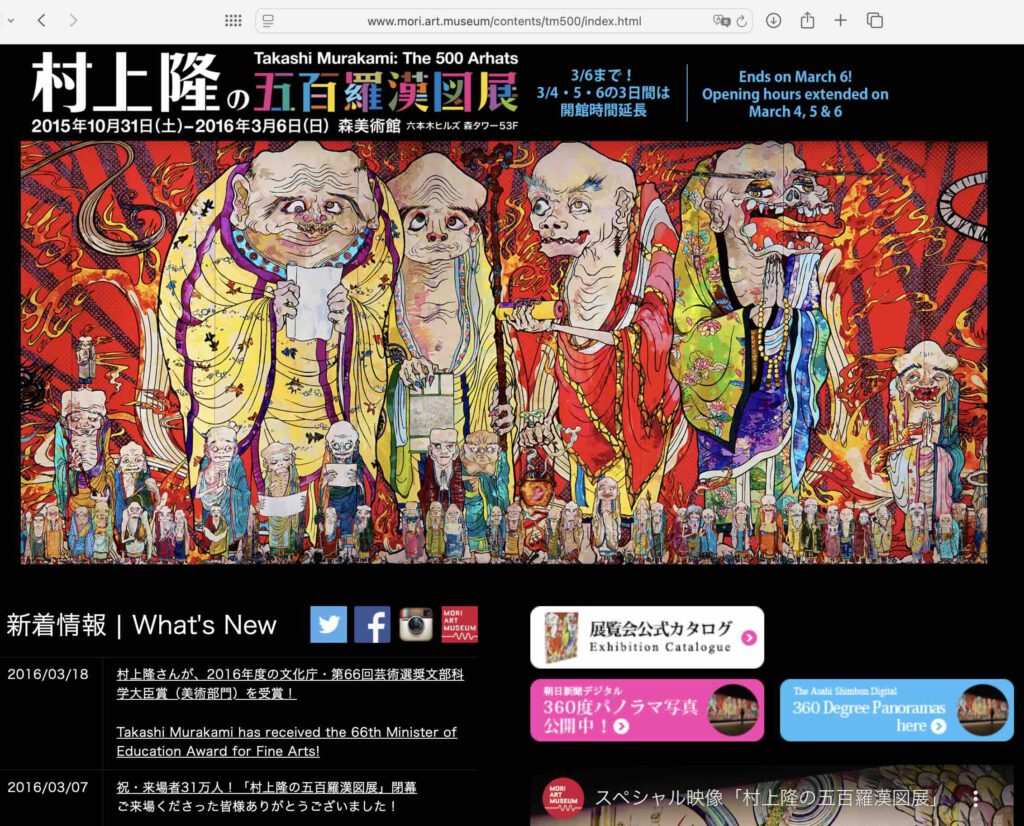
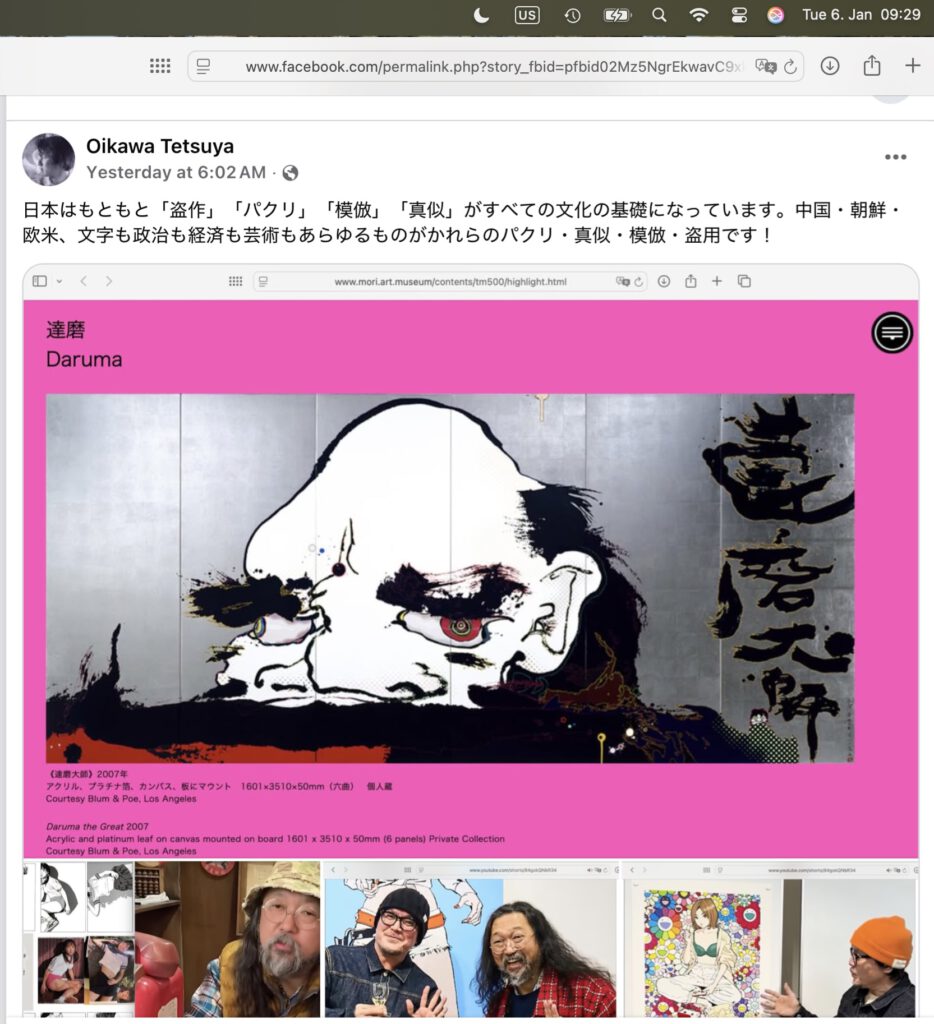
村上隆の五百羅漢図 @ 森美術館、東京
Takashi Murakami: The 500 Arhats @ MORI ART MUSEUM, Tokyo
https://www.mori.art.museum/contents/tm500/index.html
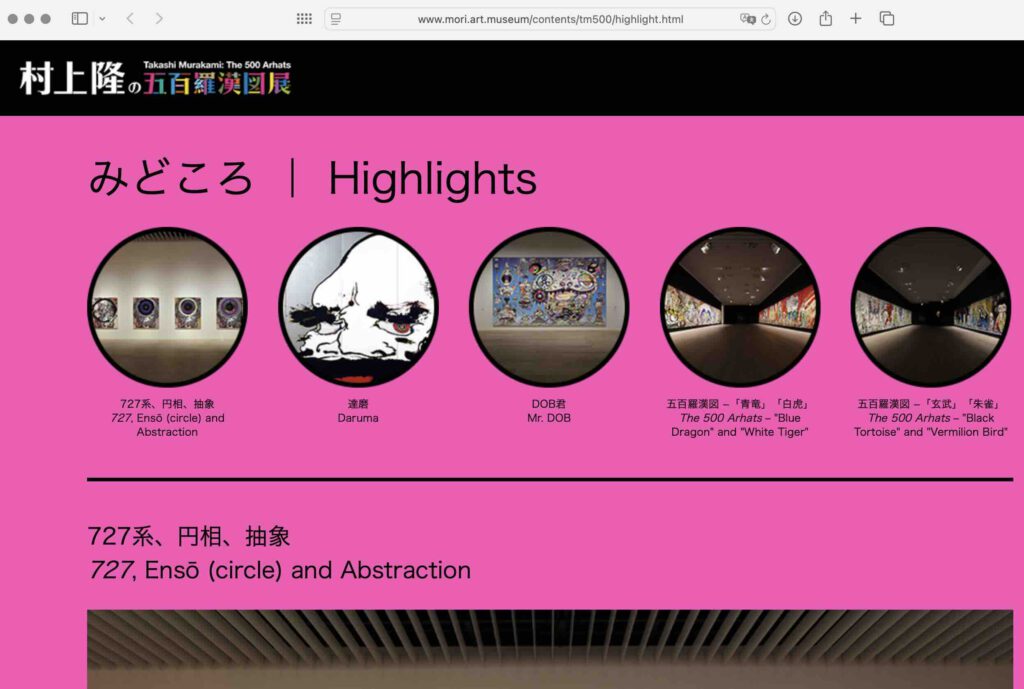
https://www.mori.art.museum/contents/tm500/highlight.html
達磨
Daruma

《達磨大師》2007年
アクリル、プラチナ箔、カンバス、板にマウント 1601×3510×50mm(六曲) 個人蔵
Courtesy Blum & Poe, Los Angeles
Daruma the Great 2007
Acrylic and platinum leaf on canvas mounted on board 1601 x 3510 x 50mm (6 panels) Private Collection
Courtesy Blum & Poe, Los Angeles
©2007 Takashi Murakami/Kaikai Kiki Co., Ltd. All Rights Reserved.
みどころ | Highlights
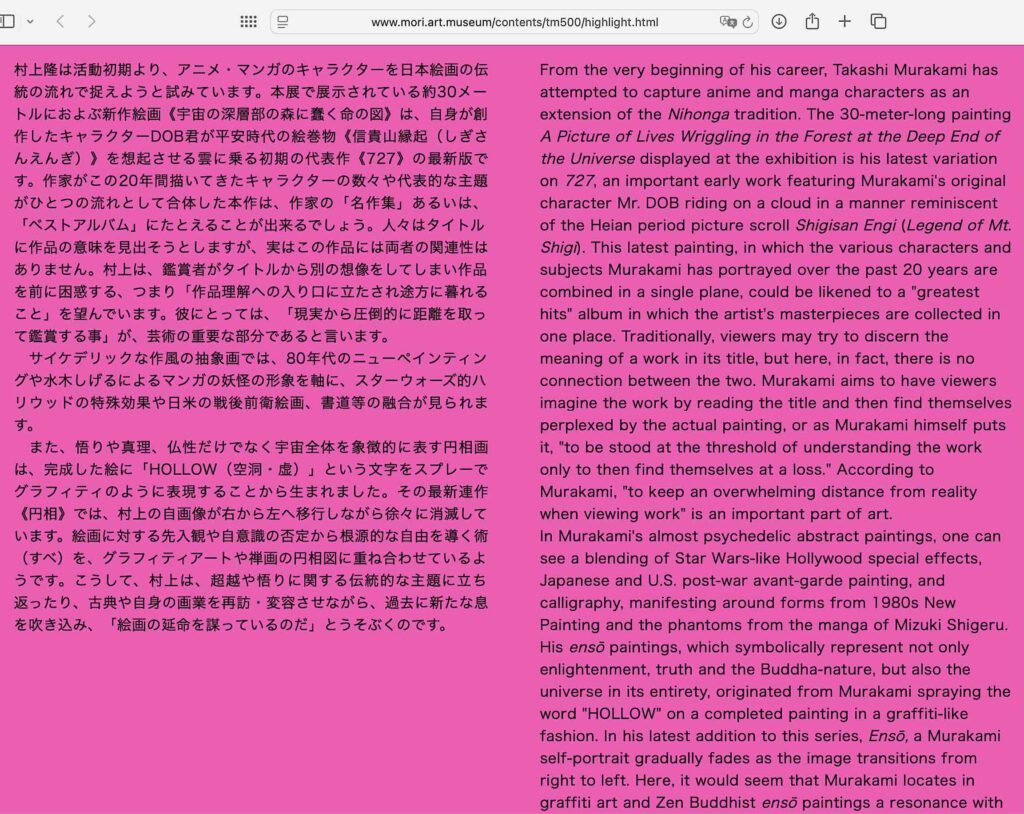
村上隆は活動初期より、アニメ・マンガのキャラクターを日本絵画の伝統の流れで捉えようと試みています。本展で展示されている約30メートルにおよぶ新作絵画《宇宙の深層部の森に蠢く命の図》は、自身が創作したキャラクターDOB君が平安時代の絵巻物《信貴山縁起(しぎさんえんぎ)》を想起させる雲に乗る初期の代表作《727》の最新版です。作家がこの20年間描いてきたキャラクターの数々や代表的な主題がひとつの流れとして合体した本作は、作家の「名作集」あるいは、「ベストアルバム」にたとえることが出来るでしょう。人々はタイトルに作品の意味を見出そうとしますが、実はこの作品には両者の関連性はありません。村上は、鑑賞者がタイトルから別の想像をしてしまい作品を前に困惑する、つまり「作品理解への入り口に立たされ途方に暮れること」を望んでいます。彼にとっては、「現実から圧倒的に距離を取って鑑賞する事」が、芸術の重要な部分であると言います。
サイケデリックな作風の抽象画では、80年代のニューペインティングや水木しげるによるマンガの妖怪の形象を軸に、スターウォーズ的ハリウッドの特殊効果や日米の戦後前衛絵画、書道等の融合が見られます。
また、悟りや真理、仏性だけでなく宇宙全体を象徴的に表す円相画は、完成した絵に「HOLLOW(空洞・虚)」という文字をスプレーでグラフィティのように表現することから生まれました。その最新連作《円相》では、村上の自画像が右から左へ移行しながら徐々に消滅しています。絵画に対する先入観や自意識の否定から根源的な自由を導く術(すべ)を、グラフィティアートや禅画の円相図に重ね合わせているようです。こうして、村上は、超越や悟りに関する伝統的な主題に立ち返ったり、古典や自身の画業を再訪・変容させながら、過去に新たな息を吹き込み、「絵画の延命を謀っているのだ」とうそぶくのです。
From the very beginning of his career, Takashi Murakami has attempted to capture anime and manga characters as an extension of the Nihonga tradition. The 30-meter-long painting A Picture of Lives Wriggling in the Forest at the Deep End of the Universe displayed at the exhibition is his latest variation on 727, an important early work featuring Murakami’s original character Mr. DOB riding on a cloud in a manner reminiscent of the Heian period picture scroll Shigisan Engi (Legend of Mt. Shigi). This latest painting, in which the various characters and subjects Murakami has portrayed over the past 20 years are combined in a single plane, could be likened to a “greatest hits” album in which the artist’s masterpieces are collected in one place. Traditionally, viewers may try to discern the meaning of a work in its title, but here, in fact, there is no connection between the two. Murakami aims to have viewers imagine the work by reading the title and then find themselves perplexed by the actual painting, or as Murakami himself puts it, “to be stood at the threshold of understanding the work only to then find themselves at a loss.” According to Murakami, “to keep an overwhelming distance from reality when viewing work” is an important part of art.
In Murakami’s almost psychedelic abstract paintings, one can see a blending of Star Wars-like Hollywood special effects, Japanese and U.S. post-war avant-garde painting, and calligraphy, manifesting around forms from 1980s New Painting and the phantoms from the manga of Mizuki Shigeru.
His ensō paintings, which symbolically represent not only enlightenment, truth and the Buddha-nature, but also the universe in its entirety, originated from Murakami spraying the word “HOLLOW” on a completed painting in a graffiti-like fashion. In his latest addition to this series, Ensō, a Murakami self-portrait gradually fades as the image transitions from right to left. Here, it would seem that Murakami locates in graffiti art and Zen Buddhist ensō paintings a resonance with the artist’s attempts to find fundamental freedom through the denial of self and preconception about paintings. By returning in this way to traditional subjects such as transcendence and enlightenment and revisiting classical paintings as well as his own work Murakami is breathing new life into the past and professes to be “extending the life of painting.”
https://www.mori.art.museum/contents/tm500/highlight.html
森美術館のインチキ、ふざけている文章。MORI ART MUSEUM’s fraudulent and ridiculous text.
作家の「名作集」the artist’s masterpieces
まー、こんなもんです。
6. Jan 2026 up-date
Oikawa Tetsuya
Yesterday at 6:02 AM
·
日本はもともと「盗作」「パクリ」「模倣」「真似」がすべての文化の基礎になっています。中国・朝鮮・欧米、文字も政治も経済も芸術もあらゆるものがかれらのパクリ・真似・模倣・盗用です!
Japan’s culture has always been founded upon plagiarism, copying, imitation and mimicry. Everything — from Chinese, Korean and Western influences to writing systems, politics, economics and the arts — is its plagiarism, copying, imitation and appropriation!
Refer also to 他のご参考:
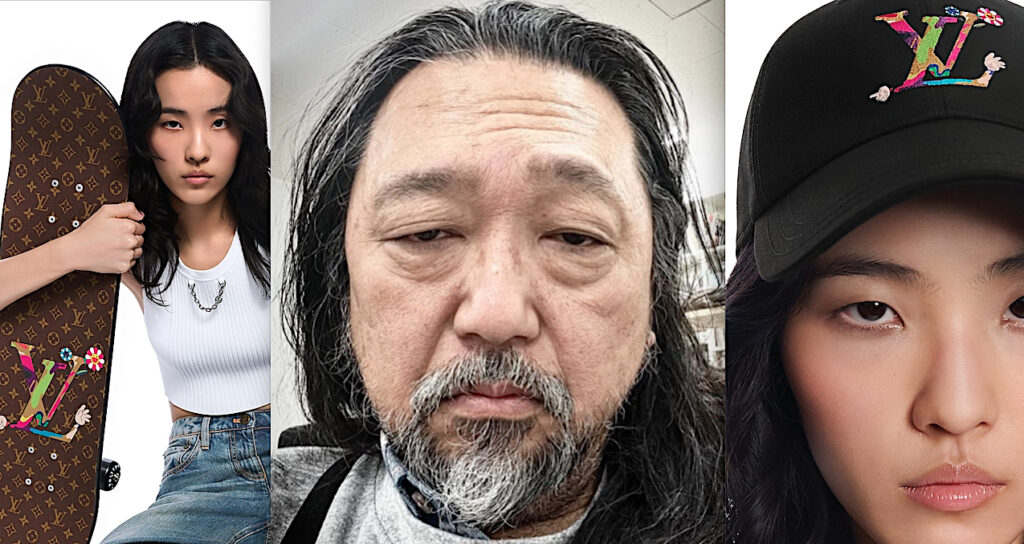
あなたが財布を開けたら、私は足を開く:日本一unhappy美術家村上隆とルイ・ヴィトン (2/2)
If you open your wallet, I’ll open my legs: Japan’s No. 1 unhappy artist Takashi Murakami + Louis Vuitton (2/2)
https://art-culture.world/art-world/louis-vuitton-ルイ・ヴィトン-村上隆-takashi-murakami/
高市首相と世界一のアーティスト (アートワーカー) 村上隆くん @ 首相官邸、令和7年12月22日
Prime Minister Takaichi with World’s No.1 Artist (Art Worker) MURAKAMI Takashi @ the Prime Minister’s Office, Reiwa 7, December 22
https://art-culture.world/art-world/pm-takaichi-murakami-takahashi/
日本のアート界を駄目にした男? 不幸な村上隆、、、
The Man Who Ruined The Japanese Art World? An Unhappy MURAKAMI Takashi…
https://art-culture.world/art-world/takashi-murakami-kaikai-kiki-japanese-art-world/
Radiohead Perform “Creep” Live on September 14, 1993 | Late Night with Conan O’Brien
注意!ATTENTION!
All pictures and texts have to be understood in the context of “Creative Commons Attribution Noncommercial-NoDerivative Works.” ここに載せた画像やテクストは、すべて「好意によりクリエーティブ・コモン・センス」の文脈で、日本美術史の記録の為に発表致します。 Creative Commons Attribution Noncommercial-NoDerivative Works, photos: cccs courtesy creative common sense
All these texts and pictures are for future archival purposes, in the context of Japanese art history writings.