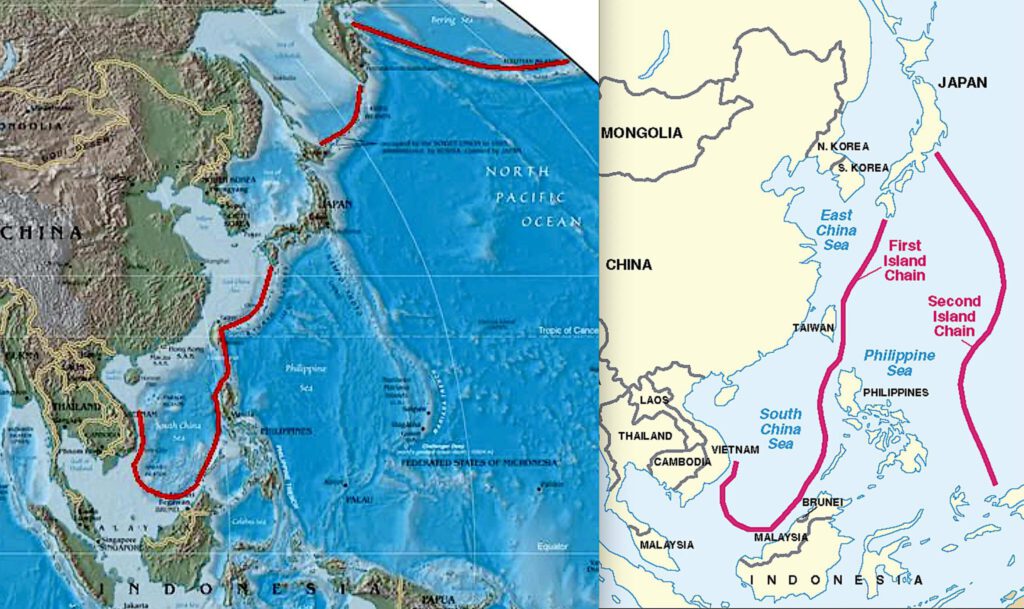
米国における超党派の法案:「台湾保証実施法案」 (Taiwan Assurance Implementation Act) / (第一列島線 First Island Chain) Bipartisan Bill in the US: The Taiwan Assurance Implementation Act / (第一列島線 First Island Chain)
Continuation of
(16. August 2025)
グリンゴ帰れ!アメリカ帝国主義者は日本国内の軍事基地を閉鎖すべき時が来た!
GRINGO GO HOME! It’s high time the American Imperialists close their Military Bases in Japan!
https://art-culture.world/politics/gringo-go-home/
(27. February 2022)
Taiwan is lost. So will be Okinawa, too.
台湾、沖縄。これで諦めるか。
https://art-culture.world/politics/taiwan-is-lost-and-next-will-be-okinawa-too/
(20. August 2025)
ドイツの空中発射巡航ミサイルを巡って、侵略者ロシアに対するドイツの兵器
German Air-launched Cruise Missiles: German Weapons against Aggressor Russia
https://art-culture.world/politics/taurus/
(31. October 2025)
習近平国家主席:「中国と米国は、主要国としての責任を共に担い、両国と世界全体の利益のために、より多く、より偉大で、より具体的な成果を共に達成できるはずです。」
President of the People’s Republic of China Xi Jinping: “China and the US can jointly shoulder our responsibility as major countries and work together to accomplish more, great, and concrete things for the good of our two countries and the whole world.”
https://art-culture.world/politics/trump-xi/
(27. November 2025)
2025年の現状:アメリカ帝国主義、ロシア帝国主義、中国帝国主義。だから台湾やウクライナを攻撃するのは価値がある。そして日本の左派も右派も知らんぷりし、愚かな態度を取っている。
Imperialism by America, Russia, China in today’s 2025. Invading Ukraine and Taiwan. The Japanese Left-Wing and Right-Wing are turning a blind eye and behaving foolishly.
https://art-culture.world/articles/imperialism-by-america-russia-china/
(15.August 2025)
「Victory over Japan Day」 「対日戦勝記念日」 「終戦の日」:どちらが正しい? 石破首相 千鳥ヶ淵戦没者墓苑で献花 対 高市早苗 元内閣府特命担当大臣 (クールジャパン戦略) 靖国神社に参拝「日本人として当たり前」
Yasukuni Shrine 靖国神社 vs. 対 千鳥ヶ淵戦没者墓苑 Chidorigafuchi National Cemetery
Quote:
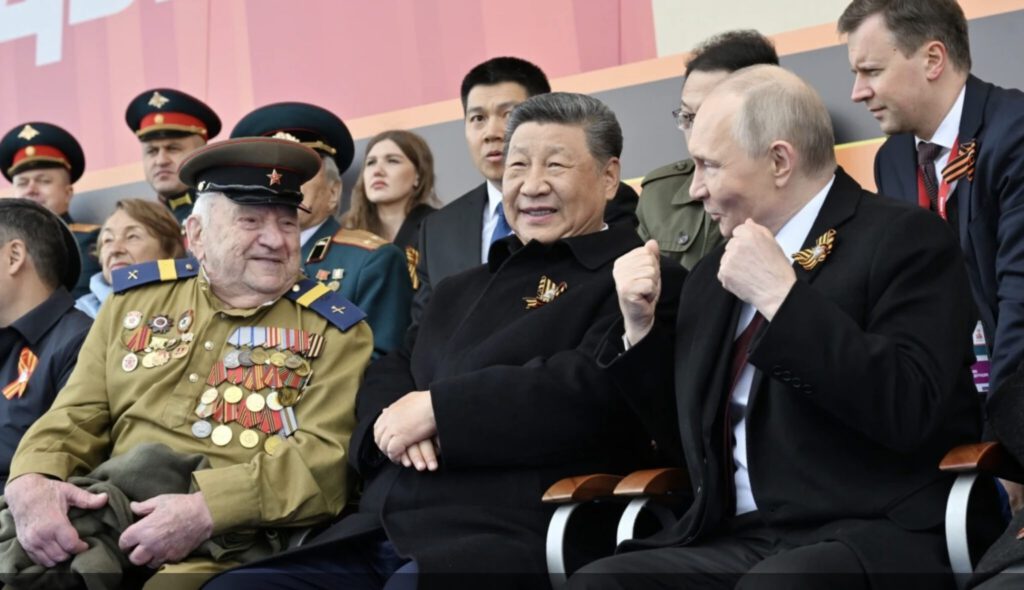
On May 8, 2025, Chinese President Xi attended the celebrations of the 80th anniversary of the end of World War II in Moscow, see photo above. No European (except extremely right-wing politicians), Japanese or American Representatives.
During his talks with Xi, Putin announced his return visit to Beijing at the end of August and the beginning of September to celebrate with China the victory over the Japanese aggressors in Asia 80 years ago, also with a military parade. “We are developing our strategic relations for the benefit of the people of both countries,” Putin declared in the Kremlin on Thursday, “but not against third parties,” he added.
Furthermore, Xi wants to secure Russia’s unconditional support, including military support, in the event of an escalating and potentially armed conflict with Taiwan. The island is considered a breakaway province by Beijing and recognized as part of Chinese territory by nearly 200 states, including Germany and the United States.
Taiwan, with a population of 23 million, is now governed by President William Lai (or Lai Ching-te), who described himself before his election as a “politician committed to Taiwan’s independence.” This would cross China’s red line. The Chinese anti-separation law would then legitimize military intervention. However, Taiwan is under the protection of the United States, ergo, like Japan, a vassal state of the US. In 1979, the United States passed the Taiwan Relations Act, which would oblige the US government to provide military assistance if Taiwan were attacked.
This means, Japan would “eventually” participate in the war against China.
On the 9th of May 2025, Taiwan vehemently protested, denounced Russia and China for distorting World War II history, saying Chinese communist forces made “no substantial contribution” to fighting Japan and instead took the opportunity to expand their own forces.
Taiwan has this year sought to cast the war as a lesson to China in why aggression will end in failure, reminding the world it was not the government in Beijing that won the war.
The Chinese government at the time was the Republic of China, part of the US, British and Russian-led alliance, and its forces did much of the fighting against Japan, putting on pause a bitter civil war with Mao Zedong’s Communists whose military also fought the Japanese.
The republican government then fled to Taiwan in 1949 after finally being defeated by Mao, and Republic of China remains the democratic island’s official name.
Responding to comments by Russian President Vladimir Putin to Chinese President Xi Jinping that the war was won under the leadership of China’s communist party, Taiwan’s Mainland Affairs Council said it was the Republic of China government and people who fought and ultimately won.
“The Chinese communists only took the opportunity to expand and consolidate communist forces, and made no substantial contribution to the war of resistance, let alone ‘leading’ the war of resistance,” it said.
On the 8th of May 2025, in a joint statement with China, Russia reaffirmed that Taiwan was an “inseparable part of the People’s Republic of China” – a position the government in Taipei strongly disputes.
The government in Beijing says that as it is the successor state to the Republic of China it has a legal right to claim Taiwan under the text of the 1943 Cairo Declaration and 1945 Potsdam Declaration, the island at the time being a Japanese colony.
Taiwan’s foreign ministry said those documents confirmed that it was the Republic of China which had sovereignty over Taiwan. “At the time, the People’s Republic of China did not exist at all,” it said. “Any false statements intended to distort Taiwan’s sovereign status cannot change history, nor can they shake the objective facts recognised by the international community.”
China labels Taiwan President Lai Ching-te a “separatist”. He rejects Beijing’s sovereignty claims, saying only Taiwan’s people can decide their future.
https://art-culture.world/politics/chidorigafuchi-national-cemetery/
の続き。
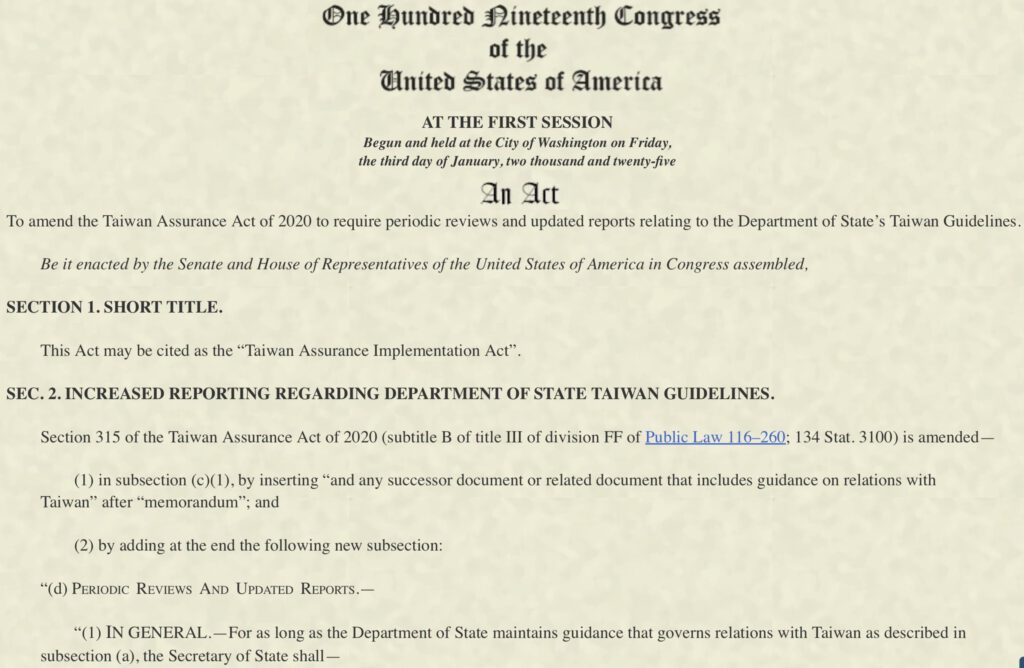
昨日、米国で日本と台湾の将来にとって重要な法律が可決された。政治的背景を強調すべきだ:民主党と共和党がこの新法に賛成票を投じた。
知性に欠ける日本の極右・極左のすべての人々へ:これは超党派の法案である。
Yesterday, a law important to the future of Japan and Taiwan was passed in the United States. The political context should be emphasised: both Democrats and Republicans voted in favour of this new law.
To all those on the far right and far left in Japan who lack intelligence: this is a bipartisan bill.
ご参照:
(A)
H.R.1512 — 119th Congress (2025-2026)
H.R.1512 – Taiwan Assurance Implementation Act
This bill modifies an existing requirement for the Department of State to review and report on its guidance to federal agencies on the U.S.-Taiwan relationship. (The U.S.-Taiwan relationship has been unofficial since 1979, when the United States established diplomatic relations with China and broke them with Taiwan.)
Current law requires the State Department to conduct a one-time review of its guidance governing relations with Taiwan and report to Congress on this review. Under this bill, the State Department must review that guidance and report to Congress every two years while the guidance is in effect.
The reports to Congress must (1) describe how the guidance takes into account certain considerations, such as the sense of Congress that Taiwan is governed by a representative government peacefully constituted through free and fair elections; and (2) identify opportunities and plans to lift self-imposed restrictions on relations with Taiwan.
Link:
https://www.congress.gov/bill/119th-congress/house-bill/1512/text
(B)
H.R.2002 – Taiwan Assurance Act of 2019
This bill directs the Department of State to review its guidance governing U.S.-Taiwan relations and to reissue such guidance to the relevant executive branch departments and agencies. It also directs the State Department to report to Congress on the results of the review and on the implementation of the Taiwan Travel Act, which states that it is U.S. policy to allow and encourage engagement between U.S. and Taiwanese officials.
The bill states that Taiwan is an important part of U.S. strategy in the region and urges the United States to conduct regular transfers of defense articles to enhance Taiwan’s self-defense capabilities.
Link:
https://www.congress.gov/bill/116th-congress/house-bill/2002
Up-date 2025/12/10
Japan PM Takaichi’s blunt remarks on Taiwan just latest in long string of controversies
December 9, 2025
TOKYO — Since its launch, Prime Minister Sanae Takaichi’s administration had enjoyed a strong start, but her recent Diet remarks on a potential Taiwan crisis have soured Japan-China relations. Known as one of the most outspoken conservatives in Japanese politics, Takaichi had a history of controversial statements even before becoming prime minister. With the House of Representatives Budget Committee set to begin deliberations on the supplementary budget on Dec. 9, her direct speaking style could become a liability for her government.
‘Even Abe never touched this issue’
On Nov. 7, during a lower house budget committee session, Takaichi was asked about how Japan would respond if China imposed a maritime blockade on Taiwan. She replied, “If it involves the use of warships and the exercise of force, it would, by any measure, constitute a survival-threatening situation (for Japan).” Previous administrations had always avoided directly linking the exercise of collective self-defense to a Taiwan contingency. Takaichi’s unprecedentedly explicit statement sent shock waves through political and diplomatic circles.
China, which regards Taiwan as its “core of core interests,” responded swiftly with “countermeasures,” including urging its citizens to refrain from traveling to Japan and effectively halting imports of Japanese seafood. On Dec. 6, Japan Air Self-Defense Force fighter planes were intermittingly targeted by radar from a Chinese military jet over international waters southeast of Okinawa Prefecture, further worsening bilateral relations.
A senior member of the ruling Liberal Democratic Party (LDP) commented, “Even former Prime Minister Shinzo Abe never touched this issue during his tenure, but Takaichi went there. China’s reaction is only natural. The responsibility is huge.” A former Cabinet minister lamented, “Why did she say that? She needs to consider not just domestic but also diplomatic influences when answering questions.”
Past controversies over broadcaster suspension remarks
Takaichi’s Diet remarks have sparked controversy before.
In February 2016, as internal affairs minister with authority over broadcast licenses, she told the lower house budget committee that if a broadcaster repeatedly aired politically biased content, she could order a suspension of its signal under the Broadcast Act. While this was in line with the ministry’s previous interpretation, her repeated references in the Diet to such a powerful sanction that leads to the survival or demise of broadcasting stations drew a fierce reaction from opposition parties. Even a senior official from then coalition partner Komeito urged her to “respond with a sense of caution.”
‘If it’s real, will you resign?’ ‘Fine.’
Debate over political fairness in broadcasting reignited in the 2023 ordinary Diet session, with Takaichi at the center. This followed the revelation of Ministry of Internal Affairs and Communications documents detailing exchanges within the second Abe administration. The documents described how then-Prime Minister Abe’s aide, Yosuke Isozaki, pressured the ministry to change its interpretation of the law in 2014-15. They also recorded a briefing to Takaichi, then internal affairs minister, in which she allegedly said, “Does TV Asahi have any fair programs?” and other such remarks.
Takaichi insisted all references to her were “fabrications,” and when asked if she would resign as a minister or lawmaker if the documents were genuine, she replied, “Fine.” However, when the ministry later acknowledged that the briefing “most likely took place,” Takaichi countered that the documents were “inaccurate.” The dispute devolved into a “he said, she said” argument, causing turmoil in the Diet.
During the exchanges, Takaichi shot back at an opposition lawmaker who said, “I can’t trust your answers at all,” by saying emotionally, “If you can’t trust my answers, then please stop asking questions.” The session was suspended, and Takaichi was forced to withdraw her remarks.
Supplementary budget debate looms
From Dec. 9, the opposition plans to grill the government over the supplementary budget, with Constitutional Democratic Party of Japan leader Yoshihiko Noda saying, “It’s all about the size. There are plenty of items that don’t belong in a supplementary budget from the standpoint of urgency.” The opposition is also considering submitting a motion to revise the budget. With the end of the Diet session approaching, Takaichi’s answers could have a significant impact on the fate of the supplementary budget.
https://mainichi.jp/english/articles/20251209/p2a/00m/0na/008000c
高市首相、「率直な語り口」が不安要素? 物議たびたび国会答弁
Summary
高市首相の率直な語り口が懸念材料に。台湾有事に関する答弁が日中関係を悪化させ、補正予算審議で再び論戦が展開される。
2025/12/8
発足以来、好調な滑り出しを見せてきた高市早苗政権だが、台湾有事を巡る高市首相の国会答弁を機に日中関係が悪化した。政界きっての保守派論客として知られる高市氏だが、首相就任前の閣僚時代にも答弁が物議を醸したことがたびたびあった。9日からは衆院予算委員会で補正予算案の審議が始まり、一問一答の論戦が再び展開されるが、首相の率直な語り口が政権運営の不安要素になる可能性もはらむ。
「安倍元首相さえ触れなかった」
高市氏は11月7日の衆院予算委で、中国による台湾の海上封鎖が発生した場合の事態認定を巡り、「戦艦を使って武力の行使も伴うものであれば、これはどう考えても存立危機事態になり得るケースだ」と答弁した。歴代政権は集団的自衛権を行使できる「存立危機事態」について、台湾有事と直接関連付けて明言することを避けてきた。これまでにない踏み込んだ発言だけに波紋は一気に広がった。
台湾問題を「核心的利益の核心」と位置付ける中国は、自国民に対する日本への渡航自粛要請や、日本産水産物の輸入の事実上の停止など「対抗措置」を矢継ぎ早に講じた。今月6日には、航空自衛隊の戦闘機が沖縄本島南東の公海上空で、中国軍の戦闘機から断続的にレーダー照射を受けるなど日中関係は悪化の一途をたどっている。
自民党ベテランは「安倍晋三元首相でさえ、任期中は触れなかった問題に高市氏は踏み込んだ。…
full text:
https://mainichi.jp/articles/20251208/k00/00m/010/180000c
Up-date 2025/12/12
Hegseth Eyes Increased Pacific Basing Access, Deterrence Efforts Along First Island Chain
By AARON-MATTHEW LARIOSA, DECEMBER 8, 2025
Defense Secretary Pete Hegseth laid out the Trump administration’s vision to reinforce U.S. military posture in the first island chain to deter Chinese aggression against Taiwan while speaking at the Reagan National Defense Forum over the weekend.
“We’re not trying to strangle China’s growth, we’re not trying to dominate or humiliate them,” Hegseth said during his keynote at the annual national security conference. “Nor are we trying to change the status quo over Taiwan. Our interests in the Indo-Pacific are significant, but also scoped and reasonable. This includes the ability for us, along with allies, to be postured strongly enough in the Indo-Pacific to balance China’s growing power.”
The defense secretary’s remarks came in tandem with the release of the 2025 National Security Strategy, which emphasized burden-sharing and economic security. On the Indo-Pacific, the document noted the need “to deter adversaries and protect the First Island Chain” via American conventional military overmatch, increased cooperation with partners and basing access.
“That’s why we will ensure that our military can – if, God forbid, necessary – project sustained capabilities along the first island chain and throughout the Indo-Pacific,” Hegseth said.
American commitments to station U.S. forces and invest in the defense of the region has increased in recent years due to China’s military modernization efforts.
Hegseth noted that Washington’s efforts against China were not meant to constrain the country’s rise, but to ensure that Beijing will not have “the ability to dominate us or our allies.”
The rapid expansion of the People’s Liberation Army has put Taiwan, which Beijing views as a “renegade province,” under an increased threat of invasion. China has also doubled down on its South China Sea territorial claims against the Philippines, a mutual defense treaty ally of the United States, with its vast maritime militia and Coast Guard.
Chinese military deployments have also impacted Tokyo amid its recent row with Beijing on Taiwan. Over the weekend, Chinese fighter jets launched from the Liaoning Carrier Strike Group were involved in two incidents with Japanese aircraft near Okinawa, USNI News reported. Japan’s Ministry of Defense reported that the flattop and its escorts were northbound, heading toward Japan’s main islands.
In response to Beijing’s military buildup and ambitions, Washington in the last decade has taken steps to improve its position in the Western Pacific. Within the last five years, the U.S. has formed its posture against China through the strategic deployment of American missile forces and targeted defense cooperation at locations between Australia and Japan.
The 2025 National Security Strategy advocated for the use of diplomatic means to increase forward deployment locations across the region to deter a conflict against American allies as well as a Chinese invasion of Taiwan.
“This will interlink maritime security issues along the First Island Chain while reinforcing U.S. and allies’ capacity to deny any attempt to seize Taiwan or achieve a balance of forces so unfavorable to us as to make defending that island impossible,” reads the document.
With the looming threat from China, Taipei has pledged to modernize its military with a multi-billion defense supplemental and field more asymmetric capabilities to defeat Beijing’s overwhelming conventional advantage.
https://news.usni.org/2025/12/08/hegseth-eyes-increased-pacific-basing-access-deterrence-efforts-along-first-island-chain
COMMENTARY / JAPAN
China’s heavy-handed attack on Takaichi is backfiring
How Beijing’s pressure campaign on Taiwan failed and strengthened regional ties
BY EDO NAITO, Japan Times, Dec 11, 2025
After Sanae Takaichi answered a hypothetical question on Taiwan in parliament last month, China’s response was explosive, crudely lashing out at the Japanese prime minister and weaponizing trade to try to damage the country’s economy with new fish import bans and travel warnings.
Beijing then proceeded in an effort to cause reputational damage with letters to the United Nations and direct pleas to World War II allies, attempting to resurrect memories of the long-dead specter of 1930s Japanese militarization. Beijing issued daily threats that more repercussions would follow unless Takaichi retracted her accurate statement.
Yet after a month, little to no economic or reputational damage was inflicted on Japan and no retraction has been issued or will be.
What is truly remarkable is how the law of unintended consequences emerged to undermine the red lines China set as the price for “good relations.”
After its surrender in August 1945, Japan relinquished control of Taiwan (then called Formosa) and the Pescadores. Unlike several other territorial transfers imposed on Japan in the Treaty of San Francisco of 1951, no country was designated to receive Taiwan.
Taiwan’s Foreign Ministry reaffirmed last week that the 1951 Treaty of San Francisco did not transfer the island’s sovereignty to China. Beijing then unwisely retorted that it has “never recognized anything” in the treaty, including sovereignty over Taiwan, per China’s state-run Xinhua News Agency. I say unwisely, as the treaty also covered transfers such as those of Manchuria and Mongolia, among others. Regarding Japan, the Chinese Communist Party spokesperson cited the 1972 agreements.
In the 1972 “Japan-China Communique,” which led to the peace treaty with Beijing six years later, Japan said it “respects” Beijing’s “One China Policy” (that the People’s Republic of China is China, and Japan understands that the PRC considers this to include Taiwan — but for Japan, the status of Taiwan remains undecided).
Like the formal position of the United States and many other countries, this is “diplomatese” for we heard you, but do not necessarily agree. Japan said it respects but has never agreed to the One China Principle.
In short, Japan has never formally accepted that Taiwan is part of the PRC and Taiwan has never, for one day, been under the Communist Party’s control. Japan’s policy has remained unchanged since 1972. Beijing’s outburst has inadvertently reconfirmed that many countries do not accept China’s description of Taiwan’s current legal status as being formally a part of the PRC.
A far bigger hit to China’s “red lines” just arrived in the updated U.S. National Security Strategy. Most commentary is focused on Taiwan’s “independence” and minor wording changes in the strategy around “opposing” or “not supporting” that concept. Taiwan knows it is independent and needs no declarations that will only provoke China — it is focused on its own security. And that is where the NSS may have made major changes.
The first major change is a new focus on Taiwan being the center of the “First Island Chain,” which starts with Japan’s Northern Territories, moves through Okinawa, Taiwan, the Philippines, Malaysia, Indonesia and curls along Vietnam’s coast.
The critical new addition to the security strategy is this bombshell of a statement:
“We will build a military capable of denying aggression anywhere in the First Island Chain. But the American military cannot, and should not have to, do this alone. … America’s diplomatic efforts should focus on pressing our First Island Chain allies and partners to allow the U.S. military greater access to their ports and other facilities, to spend more on their own defense, and most importantly to invest in capabilities aimed at deterring aggression. This will interlink maritime security issues along the First Island Chain while reinforcing U.S. and allies’ capacity to deny any attempt to seize Taiwan or achieve a balance of forces so unfavorable to us as to make defending that island impossible.”
The concept of “strategic ambiguity” — leaving vague how the U.S. (and Japan) would respond to an attack on Taiwan — has been in place for decades. Beijing blasted Takaichi for even suggesting there could be circumstances under which Japan could resort to its right of collective self-defense if the United States were attacked outside of Japanese territory while China was attempting to seize Taiwan.
This new declaration from the U.S. is far more explicit than Takaichi’s highly qualified verbal response.
So explicit, in fact, that in the face of China’s constant threats and endless aggression, the question now arises whether “strategic ambiguity” has been replaced with “strategic clarity.” The last sentence highlighted above is a powerful clarion call not just for the U.S. and Japan, but for the entire First Island Chain of nations.
Adding to Beijing’s ire, Trump just signed into law the Taiwan Assurance Implementation Act, which requires the U.S. State Department to review and regularly update every five years the guidelines governing official American interactions with Taiwan. The intent is to remove any restrictions on America’s relations and contacts with the self-governing island that are no longer necessary. Taiwan celebrated this invitation to significantly increase the number, broaden the content and free up the location of such visits and discussions. China responded with outrage.
Taiwan President Lai Ching-te said just recently that he will introduce a $40-billion supplementary defense budget to underscore Taiwan’s determination to defend itself amid a rising threat from China.
And in kind, Trump signed off on the sale of $330 million in weapons to Taiwan, the first new agreement since the U.S. leader returned to office in January. Cue more furious protests from Beijing.
While buried in the flurry of protests and threats from China, Taiwan took several steps to demonstrate its deep friendship and support for Japan. Their ban on Japanese agricultural products was lifted immediately and Taiwan has started adding new flights to Japan to offset those that China canceled.
While likely dismissed as a small gesture, I found one final announcement among those issued in an extraordinary week to have deep symbolic value.
Starting this month, Taiwan will launch a scheduled ferry service from the port of Keelung to Japan’s Ishigaki Island, with three round-trips per week. The newly built Yaima Maru will transport over 500 passengers, plus vehicles and containers. While all ferry services halted in 2020 due to COVID-19, service had been sporadic or only seasonal even before then. The Keelung-Ishigaki ferry will be the first scheduled service since 1945. Other routes connecting Yonaguni and other Japanese islands to Taiwan are also planned.
As China has desperately launched a futile campaign to question the “legal status of Okinawa,” the deep people-to-people contacts that have flourished between Taiwanese and Japanese over the many centuries are a striking rejection of China’s efforts to divide, while reconfirming the reality of an ancient friendship.
Edo Naito is a commentator on Japanese politics, law and history. He is a retired international business attorney and has held board of director and executive positions at several U.S. and Japanese multinational companies.
https://www.japantimes.co.jp/commentary/2025/12/11/japan/chinas-takaichi-attack-backfires/
Maritime security issues along the First Island Chain (FIC) center on rising China-U.S. tensions, particularly regarding Taiwan, leading to increased Chinese military presence (gray zone tactics, A2/AD), intensified U.S.-ally defense cooperation (Japan, Philippines, South Korea), and growing risks of conflict from territorial disputes (Senkaku/Diaoyu, South China Sea), all complicated by China’s “dual-use” civilian-military strategy and disinformation campaigns. Key issues include China’s challenge to Japanese sovereignty, potential Taiwan blockade, North Korea’s destabilization, and the strategic vulnerability of island nations within the chain, demanding greater burden-sharing and enhanced deterrence from allies.
Key Security Challenges
China’s Assertiveness: China uses its Coast Guard (CCG) and People’s Liberation Army (PLA) for “gray zone” tactics (e.g., near Senkaku/Diaoyu Islands, South China Sea) and “dual-use” civilian vessels to assert control, project power, and complicate responses.
Taiwan Contingency: The potential for a Chinese invasion or blockade of Taiwan is a central concern, driving U.S. and allied efforts to enhance defense capabilities to deny such actions.
Territorial Disputes: Ongoing clashes in the East China Sea (Senkaku Islands) and South China Sea escalate tensions, with China challenging Japanese administration and challenging other claimants.
“Dual-Use” Strategy: China integrates civilian and military assets (like fishing fleets and coast guard vessels) to control maritime spaces, making attribution difficult and challenging responses.
North Korea’s Role: A potential North Korean conflict could quickly involve China and the U.S., drawing the FIC into a multi-front crisis, with South Korea acting as a crucial anchor.
U.S. & Ally Responses
Strengthened Deterrence: The U.S. and allies (Japan, Philippines) are increasing defense spending and capabilities (missiles, bases) to deter aggression, particularly in areas like Batanes (Philippines) and Okinawa (Japan).
Burden-Sharing: The U.S. National Security Strategy emphasizes allies taking on more responsibility for regional security, requiring increased defense investment from Japan, South Korea, and others.
Allied Cooperation: Joint exercises (e.g., Balikatan with the U.S. and Philippines) and increased military basing (like in Batanes) enhance interoperability and posture.
Strategic Implications
Increased Militarization: Islands within the FIC, like Batanes and Okinawa, are becoming forward military outposts, raising local concerns about becoming targets.
Information Warfare: China uses social media and disinformation to fuel internal dissent (e.g., in Okinawa) to weaken alliance cohesion.
Gaps in Capabilities: Despite efforts, gaps remain, particularly in expeditionary surface capabilities, creating potential vulnerabilities that adversaries could exploit.
https://ja.wikipedia.org/wiki/第一列島線
第一列島線
第一列島線(だいいちれっとうせん)および第二列島線(だいにれっとうせん)は、中華人民共和国の安全保障分野においての概念のことであり、武力介入の指標でもあり、対米防衛線でもある[1]。
本来はアメリカ合衆国の中国封じ込め政策(英語版)において設定された戦略ラインのことであった。
概要
もともとは1982年に、当時の最高指導者である鄧小平の意向を受けて、中国人民解放軍海軍司令員(司令官)・劉華清(1989年から1997年まで中国共産党中央軍事委員会副主席)が打ち出した中国人民解放軍近代化計画のなかの概念だが、1990年代以降の外交事情の変化によって殊更に重視される様になった。すなわち、1990年代までは、広大な国境線を接していたソビエト連邦への備えから、中国人民解放軍は陸軍を中心として組織されており[1]、海軍は、沿岸防備を行う程度の沿岸海軍であったが、冷戦が終結してソ連が崩壊し、東欧同盟国を失ったロシアが中国との関係改善に動き国境問題が解決した結果、中国人民解放軍の課題は台湾問題となり、一方で、第二次天安門事件や台湾海峡危機の結果、中国人民解放軍の第一潜在仮想敵国はロシアから、台湾を支援するアメリカ合衆国に変わったからである。1993年には、李鵬首相が全国人民代表大会で「防御の対象に海洋権益を含める」と表明した。1997年に石雲生が海軍司令員に就任すると、沿岸海軍から「近海海軍」への変革を本格化させた。その中で打ち出された「海軍発展戦略」の中でも、第一列島線および第二列島線の概念が強調された[要出典]。
法制面では、1992年に、尖閣諸島・西沙諸島・南沙諸島を中国の領土であると規定した「領海および接続水域法」(領海法)を施行し、海洋の管理権と海洋権益等に関する独自の法整備を行った。さらに1997年、国防の範囲に海洋権益の維持を明記した「国防法」を施行、さらに現在、国家海洋局が中心となって、島嶼の管理を強化する「海島法」の立法作業を進めている。
計画の目的
短期的には対米国防計画、長期的には中国が世界に同盟国を持つ覇権国家に成長するための海軍建設長期計画。具体的には、2010年までは第一列島線に防衛線を敷き、その内側の南シナ海・東シナ海・日本海へのアメリカ海軍・空軍の侵入を阻止することである。[要出典]
計画の位置づけ
中国人民解放軍の最高意思決定機関は国務院(内閣)ではなく、国家中央軍事委員会であるが、1997年まで中央軍事委員会常務副主席であった劉華清が、鄧小平の意向に従って打ち出した方針と言われる。通例、中央軍事委員会主席は中国共産党中央委員会総書記が兼任するので、副主席は事実上軍のトップである。陸軍主導の中国人民解放軍にあって、劉華清は異例の海軍出身の副主席であり、当然海軍の最高実力者でもあった。鄧小平も劉華清も引退したが、中越戦争で陸・空軍近代化が、台湾海峡危機で海軍の近代化・強化が重要な事、及び米海軍が台湾武力併合の障壁になる事は誰の目にも明らかになり、計画の方向性の正しさが実証された為、現在も継続して推進されている[要出典]。
但し当然の事ながらこれら第一、第二列島線概念は公式に対外的にアナウンスされた方針ではなく[1]、あくまで人民解放軍内部の国防方針である。
同副主席が掲げた海軍建設のタイムスケジュール
「再建期」 1982-2000年 中国沿岸海域の完全な防備態勢を整備 ほぼ達成済み
「躍進前期」 2000-2010年 第一列島線内部(近海)の制海権確保。
「躍進後期」 2010-2020年 第二列島線内部の制海権確保。航空母艦建造
「完成期」 2020-2040年 アメリカ海軍による太平洋、インド洋の独占的支配を阻止
2040年 アメリカ海軍と対等な海軍建設
現在までの進捗状況
躍進期前期が5年ほどずれ込み2015年頃に近代化が一巡する見込みである。
新型の潜水艦発射弾道ミサイル搭載潜水艦である晋型原子力潜水艦の進水は2004年までずれ込み、1番艦実戦化は2010年前後、2-3番艦就役は2015年頃まで掛かりそうな状況
J-6戦闘機(MiG-19)/Q-5攻撃機の寿命切れ・Su-27・J-10戦闘機・JH-7攻撃機等、新鋭機でのリプレースによる近代化が2015年に漸く一巡し、本土から1,500 kmまでは陸上航空兵力によって海上航空優勢が取れるようになる
2015年までにミサイル潜水艦が現状の28隻から40隻以上に増え、対地巡航ミサイル打撃力が増え、現在開発中の国産有線誘導魚雷Yu5の普及が進む。
2015年までに玉亭型揚陸艦などで構成される揚陸艦隊輸送力が米太平洋揚陸艦隊に追いつく見込み
第一列島線
第一列島線は、九州を起点に、沖縄、台湾、フィリピン、ボルネオ島にいたるラインを指す[2]。中国海軍および中国空軍の作戦区域・対米国防ラインとされる。マスコミ発表ではこの第一列島線に日本列島の一部が含まれており、日本と中国の間には完全な相互不可侵条約である日中平和友好条約が有り両国間に問題は存在しないと信じている日本の一般国民には寝耳に水であったため、一時期問題となった。
中国海軍にとっては、台湾有事の際の作戦海域であり、同時に対米有事において、南シナ海・東シナ海・日本海に米空母・原子力潜水艦が侵入するのを阻止せねばならない国防上の必要のため、有事において、このライン内においては、制海権を握ることを目標として、戦力整備を行っており、また作戦活動もそれに準じている。
中国側の対米国防・生存権の立場から見るならば、少ない守備海空軍力で優勢な米海・空軍相手に米空母・原潜の南シナ海・東シナ海・日本海侵入阻止をするには島嶼線を天然の防波堤として利用するのは「軍事的地形利用としては」当然であるが、中国人民解放軍が想定した島嶼線は(中国の同盟国でもない)日本・台湾・フィリピン・インドネシアの領土/領海である。中国人民解放軍を統帥する国家中央軍事委員会の副主席であり中国海軍を掌握する劉華清提督がそのような「内部国防方針」を打ち出した事は、その話を聞いたこれら島嶼各国を困惑させた。
また、この区域内には、南沙諸島問題、尖閣諸島問題や東シナ海ガス田問題など、領土問題が存在しているため、第一列島線に関連する戦力整備・軍事行動は関連諸国の警戒を呼び起こしている。
中国は区域内の海域を「海洋領土」と呼称しており、海洋事業は国家発展戦略であるとしている。その原則に従って、1980年代より、中国の海洋調査船により、第一列島線区域において、海底の地形や水温などの緻密な海洋調査が行われてきた。 このことの背景としては海底資源調査だけでなく、海底地形や海水温分布、海水密度分布などのデーターの蓄積が(機雷戦を含む)潜水艦戦を有利に進めるために必須なこととも密接に結びついていると考えられている。
こうした流れの中で発生した2004年の漢級原子力潜水艦領海侵犯事件では、領海侵犯前に浮上航行を行って海上保安庁に写真を撮影され、領海侵犯後は日本の海上自衛隊の対潜哨戒機及び護衛艦にその行動を常に追跡され続けるという、1968-1972年設計の習作原子力潜水艦で、騒音対策が古い(140〜150デシベル)にしても錬度を疑われる失態を演じた。後にアメリカのロサンゼルス級原子力潜水艦によって、出航から帰港までを完全に追跡されていたことが明らかになり、同級原子力潜水艦の設計の古さと戦闘能力の低さを裏付ける結果となった。
ただし中国海軍は原子力潜水艦部隊を含めた戦力の拡充に対する意欲を未だ失っておらず、漢級原子力潜水艦領海侵犯事件時点では既に米ロサンゼルス級後期型、露ヴィクターIII級同等といわれる後継艦の商型が海上試験にはいっており、フランクアレイ・無反響タイル付の潜水艦だけでもキロ型11隻、元型2隻、宋型10隻(日本はおやしお型9隻。はるしお型には付いていない)なので、人民解放軍海軍の錬度がどうなのかは疑問だが、中国に於いてさえ1960年代末に設計された艦を探知したからといって油断できる状況ではなく、同海軍が今後日本に対する脅威に発展する可能性は十分にあるといえる。中国海軍は、2005年に「鄭和航海600年」を記念して、『500カイリ制海圏』構想を発表した。
中国の中学校歴史教科書には、かつて朝貢貿易を行っていた地域(シンガポールからインドシナ半島全域、タイ、ネパール、朝鮮半島、琉球など広大な地域)は、「清の版図でありながら列強に奪われた中国固有の領土である」と明記されており[3]、中国では、これらの地域を本来の国境とは別の「戦略的辺疆」と呼んでいる。中国政府が東シナ海ガス田問題等の国際問題で発言する「争いのない中国近海」とは、「戦略的辺疆」の内側海域を指しており、中国固有の領土であるこの地域の安全保障・海洋権益は、中国の手により保全すべきというのが、中国の考えである。第一列島線とは、まさに「戦略的辺疆」のラインである。
しかし中国海軍の艦艇建造状況の遅延もあり、第一列島線を2010年までに完成させることはできなかった。
第二列島線
第二列島線は、伊豆諸島を起点に、小笠原諸島、グアム・サイパン、パプアニューギニアに至るラインである。近年に至るまで、中華人民共和国の海洋調査は、第一列島線付近までに留まっていたが、このところは第二列島線付近でも調査を行っている。海洋調査は他国の排他的経済水域内では行えないため、第二列島線付近にある沖ノ鳥島問題が持ち上がっている。
この第二列島線は、台湾有事の際に、中国海軍がアメリカ海軍の増援を阻止・妨害する海域と推定されている。中国海軍は従来、沿岸海軍であったが、日本や台湾を含む諸外国・諸政権の実効支配下にある第一列島線を突破して第二列島線まで進出することは、すなわち外洋海軍への変革を目指していると考えられ、その動向が国内外で注目されている。
中国海軍は、第二列島線を2020年までに完成させ、2040-2050年までに西太平洋、インド洋で米海軍に対抗できる海軍を建設するとしている。
現在、中国海軍は、インド洋においてはミャンマーと軍事協力関係にあり、ミャンマー西端のバングラデシュ国境近くのシュトウェとアンダマン諸島に接する大ココ島の港湾を借りて、自国の海軍基地にしている。シュトウェには通信施設を設置し、国境紛争や核開発で対抗関係にあるインドに対する情報収集を行っていると言われる。現在、パキスタン西部のオマーン湾の入口に当たるグワーダルでは、パキスタン国内およびカラコルム山脈を越えて中国新疆ウイグル自治区へと通じる物流ルートの起点とすべく、中国の援助で港湾整備を行っている。そして港が完成した暁には、商用・民間用途にとどまらず、グワーダル港を間借りして中国の海軍基地をも置く見込みであるといわれる。しかし、米中対立や新型コロナウイルスなどにより2020年までに第二列島線を完成させることはできなかった。
海軍発展戦略の要旨
海軍の使命は、外敵による海上からの侵略の阻止、国土と海洋権益の防御、祖国統一である。
「近海」とは戦略上の概念であり、その範囲は、中国が管理する全海域のみならず、以下の海域に存在する『中国固有の領土』も防衛範囲に含む。具体的には、日本から台湾、フィリピンにいたるラインを「第一列島線」と称し、このラインの内側を中国近海と位置づける。小笠原諸島からグアム・サイパンにいたるラインを「第二列島線」と称し、各種作戦を実行できるものとする。
近海防御の目的は、中国の統一、領土及び海洋権益の保全である。中国を対象とする戦争に対処し、中国が平和で安定した環境の中で社会主義の現代化を進め、アジア太平洋地域及び世界の平和を保障する。
注釈
^ a b c 中国安全保障レポート2011 – 防衛省防衛研究所
^ http://www.defenselink.mil/pubs/pdfs/070523-China-Military-Power-final.pdf “Military Power of the People’s Republic of China 2007” P16 ほかに宝島社『自衛隊vs中国軍』(ISBN 4-7966-4802-X)55ページでは千島列島を起点としスラベシ島・ジャワ島までいたるとしている
^ 1953年度北京政府発行国定教科書「現代中国簡史」
https://en.wikipedia.org/wiki/First_island_chain
First island chain
The first island chain is the first string of major Pacific archipelagos out from the East Asian continental mainland coast. It is principally composed of the Kuril Islands, the Japanese archipelago, the Ryukyu Islands, Taiwan (Formosa), the northern Philippines, and Borneo, hence extending all the way from the Kamchatka Peninsula in the northeast to the Malay Peninsula in the southwest. The first island chain forms one of three island chain doctrines within the island chain strategy in the U.S. foreign policy.[1][2] It is considered a strategic military barrier to accessing the wider Pacific Ocean given the relative shallowness of waters to the west of the first island chain, which has important implications for submarine detection.[3]
Much of the first island chain is roughly situated in waters claimed by the People’s Republic of China (PRC).[4] These include the South China Sea, within the disputed nine-dash line, as well as the East China Sea west of the Okinawa Trough.
Strategic value
China
Further information: Territorial disputes in the South China Sea and Regional reactions to China’s maritime activities in the South China Sea
PRC military strategists view the first island chain as part of a cordon sanitaire by the U.S. and its allies to encircle the country and limit its strategic depth and maritime security.[5]: 138–139 According to a 2018 United States Department of Defense report to Congress, the People’s Liberation Army’s Anti-Access/Area Denial military capabilities aimed at the first island chain are its most robust.[6] The report also stated that the People’s Liberation Army Navy’s ability to perform missions beyond the first island chain is “modest but growing as it gains experience operating in distant waters and acquires larger and more advanced platforms.”[6]
The first island chain is often cited by both U.S. and PRC military strategists as a natural barrier and perceived constraint to the PRC’s access to the Pacific Ocean.[3][7] Within the first island chain, the PRC’s access to the South China Sea is viewed as crucial for its navy, as the Yellow Sea and East China Sea are considered too shallow for clandestine submarine operations.[8] Control over Taiwan and its deeper eastern waters would provide the People’s Liberation Army Navy’s ballistic missile submarines with less detectable access to the wider Pacific where they would serve as an important component of a credible second strike capability for the PRC.[9][5]: 148–149
Japan
Around 2009 Japanese military strategist Toshi Yoshihara and Naval War College professor James R. Holmes suggested the American military could exploit the geography of the first island chain to counter the People’s Liberation Army Navy build-up.[10] The Cabinet of Japan has also passed defense white papers emphasizing the threat posed by the People’s Liberation Army Navy in the first island chain.[11][12][13]
In the later years of the 2010s, Japan started deploying military assets to Yonaguni and its other islands to counter China’s presence along that area of the first island chain.[14][15]
Japan’s strategic position in the first island chain began with US-Japan joint efforts to counter Soviet expansion. The Japan Self-Defense Forces currently plays the role of protecting US military bases and preserving military strength in East Asia. As for Japan’s Territorial Protection Self-Defense Forces, which mainly rely on islands in southern Japan adjacent to the Yellow Sea and the East China Sea, Japan has military advantages in anti-submarine, air defense and sea mine technologies.[16]
Philippines
Further information: United States bases in the Philippines, Philippines–United States Visiting Forces Agreement, and Enhanced Defense Cooperation Agreement
In 2021, Lloyd Austin, on behalf of the United States, thanked his counterpart in the Philippines Delfin Lorenzana for retaining the 70-year-old visiting forces agreement between the two nations.[17] In 2023 four new bases were announced in the Philippines.[18]
Taiwan
Further information: American defense of Taiwan and Geostrategy in Taiwan
In the first island chain, Taiwan is considered of critical strategic importance.[19] It is located at the midpoint of the first chain and occupies a strategic position.[19] Submarine detection and tracking is less difficult on Taiwan’s western coast where the waters are shallower than on Taiwan’s eastern coast.[20]
United States
U.S. General Douglas MacArthur pointed out that before World War II, the US protected its western shores with a line of defense from Hawaii, Guam, to the Philippines. However, this line of defense was attacked by Japan with the Pearl Harbor bombing of 1941, thereby drawing the U.S. into the war. The US subsequently launched the air Raid on Taipei (called Taihoku under Japan’s empire) and launched the atomic bombings of Hiroshima and Nagasaki. The WW2 victory allowed the US to expand its line of defense further west to the coast of Asia, and thus the US controlled the first island chain.[21] Between the end of WW2 and the Korean War, MacArthur praised Taiwan, located at the midpoint of the first island chain, as an ‘unsinkable aircraft carrier’.[22]
In April 2014, the United States Naval Institute (USNI) assessed that the first island chain is the most effective point to counter any Chinese invasion.[23] The US could not only cut off the People’s Liberation Army Navy from entering the western Pacific, but also predict where they may move before trying to break through in the first place. The US and first island chain countries are able to coordinate because of the US military’s freedom of navigation in the first chain block.[24] A June 2019 article published by the United States Naval Institute (USNI) called for the navy to establish and maintain a blockade around the first island chain if the US was go to war with China.[23]
Andrew Krepinevich argued that an “archipelagic defense” of the countries that make up the first island chain would make up a big part of the implementation of the national defense strategy of 2018.[25] A 2019 report by the Center for Strategic and Budgetary Assessments “proposes a U.S. military strategy of Maritime Pressure and a supporting joint operational concept, “Inside-Out” Defense, to stabilize the military balance in the Western Pacific and deny China the prospect of a successful fait accompli.” The first island chain plays a central role in the report.[26] In 2020, the United States Marine Corps started shifting its tactics in conjunction with the United States Navy to be deployed along or near the first island chain.[10] In 2021, the United States Marine Corps announced a goal of three additional Pacific-based regiments.[27][18]
Up-date, 2025/12/15
INTERVIEW: Ex-U.S. Official Calls for Collective Defense Pact in Indo-Pacific
Washington, Dec. 13 (Jiji Press)–It is necessary for Japan, the United States, Australia and the Philippines to conclude a “collective defense pact” to contain China and ensure regional peace and stability, Ely Ratner, former U.S. assistant secretary of defense for Indo-Pacific security affairs, said in a recent interview with Jiji Press.
Ratner, who served as assistant defense secretary in former U.S. President Joe Biden‘s administration, urged Japan to overcome constitutional issues in order to fully exercise the right to collective self-defense, which would be a premise of the proposed pact.
Earlier this year, Ratner contributed to the U.S. journal Foreign Affairs an article calling for the realization of a “Pacific defense pact” among the four countries.
In explaining his own arguments from the article during the interview, Ratner said that deterring China’s aggression is the most important national security priority for the United States.
“Given the nature of the growing threat, it was going to require more integration between the United States and its allies to make the whole greater than the sum of the parts, and to evolve away from the United States just having bilateral alliances to a future in which U.S. allies could operate and act together,” he said. “We ought to consider building a collective defense pact in the Indo-Pacific.”
https://jen.jiji.com/jc/i?g=eco&k=2025121300326
2025/12/18 up-date:
Japan PM Takaichi reflects on Taiwan crisis remarks, but offers no retraction
December 17, 2025
TOKYO — Prime Minister Sanae Takaichi stated Dec. 16 that she had reflected on her past Diet remarks on a potential Taiwan crisis, which she said were perceived as exceeding the government’s traditional stance, but she did not offer a retraction.
During a Nov. 7 House of Representatives Budget Committee session, Takaichi was asked about how Japan would respond if China imposed a maritime blockade on Taiwan. She replied, “If it involves the use of warships and the exercise of force, it would, by any measure, constitute a survival-threatening situation (for Japan).”
Regarding these remarks, it was revealed that the Cabinet Secretariat’s prepared materials for her parliamentary answers did not include relevant sections and explicitly stated that the government would not answer questions concerning a Taiwan contingency.
During the Dec. 16 House of Councillors Budget Committee session, Hajime Hirota, a member of the opposition Constitutional Democratic Party of Japan (CDP), referred to this document and pressed the prime minister, asking, “Why did you refrain from responding?”
Takaichi stressed that her remarks were the result of a back-and-forth with CDP member Katsuya Okada on various scenarios. She disclosed that there had been no “preparation meeting for the (Diet) response,” and added, “I recognize that my answer was understood as going beyond the government’s established stance, and I will take this as a point for reflection as I approach future Diet debates.” Hirota criticized this, stating, “The responsibility should not be put on the people listening to the statements.”
Additionally, Takaichi stated that regarding “a foreign country that has a close relationship with Japan” being under attack, which is a requirement for declaring a survival-threatening situation allowing Japan to exercise collective self-defense, “the possibility of countries other than the United States qualifying is quite limited in reality.” Regarding whether Taiwan would fall under this category, she stated only that “it is not predetermined and would be judged based on individual and specific situations.”
A survival-threatening situation is defined as when “an armed attack against a foreign country that has a close relationship with Japan occurs,” and that it “threatens Japan’s survival and poses a clear danger of fundamentally overturning people’s right to life, liberty and the pursuit of happiness.” This allows the Self-Defense Forces to use force under the right of collective self-defense.
https://mainichi.jp/english/articlas/20251217/p2a/00m/0na/004000c
高市首相「従来の立場超えたと受け止められ反省」 存立危機発言巡り
2025/12/16
高市早苗首相は16日の参院予算委員会で、台湾有事について「存立危機事態になり得る」と国会で答弁したことについて「従来の政府の立場を超えて答弁したように受け止められたことを反省点として捉える」と述べた。答弁の撤回には応じなかった。
首相の国会答弁を巡っては、内閣官房が作成した答弁資料に該当する部分が存在せず、台湾有事について「政府として答えない」と明記されていたことが判明。16日の予算委で、立憲民主党会派の広田一氏がこの資料を取り上げ「なぜ答弁を慎まなかったのか」と追及した。
首相は11月7日の衆院予算委で立憲の岡田克也氏と「さまざまな想定を交えて議論した結果だ」と強調。事前に「答弁の打ち合わせは行っていない」と明かした上で「従来の政府の立場を超えて答弁したように受け止められたことを反省点として捉えて、今後の国会での議論に臨んでいきたい」と語った。広田氏は「答弁を聞く側の責任にすべきではない」と批判した。
また首相は存立危機事態の要件となる「我が国と密接な関係にある他国」について「米国以外が該当する可能性は現実には相当限定される」との認識を示した。その上で、台湾が該当するかどうかに関しては「あらかじめ特定されているものではなく、個別具体的な状況に即して判断される」と述べるにとどめた。
存立危機事態とは「我が国と密接な関係にある他国」に攻撃が発生し、「我が国の存立が脅かされ、国民の生命、自由、幸福追求の権利が根底から覆される明白な危険がある」と政府が判断した事態で、集団的自衛権として自衛隊の武力行使が可能になる。
https://mainichi.jp/articles/20251216/k00/00m/010/059000c
US approves $11.1 billion arms package for Taiwan, largest ever
– Largest U.S. arms package for Taiwan includes HIMARS, howitzers, drones
– Taiwan aims for asymmetric warfare with U.S. support
– U.S.-Taiwan arms sales strain U.S.-China relations
– Taiwan plans $40 billion in extra defence spending
TAIPEI/WASHINGTON, Dec 18 – The United States on Wednesday approved $11.1 billion in arms sales to Taiwan, the largest ever U.S. weapons package for the island which is under increasing military pressure from China.
The Taiwan arms sale announcement is the second under U.S. President Donald Trump’s current administration, and comes as Beijing ramps up its military and diplomatic pressure against Taiwan, whose government rejects Beijing’s sovereignty claims.
The proposed arms sale covers eight items, including HIMARS rocket systems, howitzers, Javelin anti-tank missiles, Altius loitering munition drones and parts for other equipment, Taiwan’s defence ministry said in a statement.
“The United States continues to assist Taiwan in maintaining sufficient self‑defence capabilities and in rapidly building strong deterrent power and leveraging asymmetric warfare advantages, which form the foundation for maintaining regional peace and stability,” it added.
The ministry said the package is at the Congressional notification stage, which is where Congress has a chance to block or alter the sale should it wish, though Taiwan has widespread cross-party support.
In a series of separate statements announcing details of the weapons deal, the Pentagon said the arms sales serve U.S. national, economic and security interests by supporting Taiwan’s continuing efforts to modernise its armed forces and to maintain a “credible defensive capability”.
Pushed by the United States, Taiwan has been working to transform its armed forces to be able to wage “asymmetric warfare”, using mobile, smaller and often cheaper weapons which still pack a targeted punch, like drones.
“Our country will continue to promote defence reforms, strengthen whole‑of‑society defence resilience, demonstrate our determination to defend ourselves, and safeguard peace through strength,” Taiwan presidential office spokesperson Karen Kuo said in a statement, thanking the United States for the sales.
Taiwan President Lai Ching-te last month announced a $40 billion supplementary defence budget, to run from 2026 to 2033, saying there was “no room for compromise on national security”.
China’s foreign ministry did not immediately respond to a request for comment.
Rupert Hammond-Chambers, president of the U.S.-Taiwan Business Council, said weapons like the HIMARS, which have been used extensively by Ukraine against Russian forces, could play an essential role in destroying an invading Chinese force.
“This bundle of congressional notifications, a record in U.S. security assistance for Taiwan, is a response to the threat from China and the demand from Mr. Trump that partners and allies do more to secure their own defence,” he added.
FOREIGN MINISTER’S U.S. VISIT
The announcement followed an unannounced trip by Taiwan’s Foreign Minister Lin Chia-lung to the Washington-area last week to meet U.S. officials, according to two sources who spoke to Reuters on condition of anonymity.
https://www.reuters.com/world/china/taiwan-says-us-has-initiated-111-billion-arms-sale-procedure-2025-12-18/
2025/12/19
中華文明?漢民族最後の王朝は明で、その後は満洲人の治めた清国だろうが(笑)その前の元はモンゴル人、宗の時代は一地方政権程度で、唐も隋も鮮卑系だろ。いつのどの民族の事を言ってるんだ?そして、聖徳太子は中国を拒み、日本は基本的に大陸の文明を拒絶した。取り入れて吸収したものもあるが、日本文明は変わっていない。それは言語も同じ。漢字なども取り入れたが、日本語がそれを吸収した形になり、言語体系としては今も全く別系統。
https://x.com/6LEjH8DcDxuhN1s/status/2001871419584712979
どうやら日本は本当に衰退してきており、日本人は中国の歴史や文化を持ち出して自らを誇示するようになったようだ。
中国の歴史と文化は、あなたたちの祖先が夢にまで見て求めていたものだ。
あなたたちの祖先は、100年以上前から中国に取って代わり、中華文明の正統になろうとしていた。だからこそ、あなたたちの祖先は中国侵略戦争を引き起こしたのだ。
なぜなら、あなたたちの祖先は、日本のあらゆるものが中国に由来していることを知っていたからであり、それは日本人が世代を超えて向き合わざるを得ない現実だからだ。
https://x.com/douxiaoluo/status/2001826646706556979
中国語は何千年も前からあった。
日本語も何千年も前からあった。言語学的には両者は全く異なる体系で、日本語は他の言語から孤立しているとされる。日本語は中国語より前から存在した可能性も高いが、日本語が中国語の影響を受けずに形成された事は間違いない。漢字などはずっとあと。
660年頃までは朝鮮南部は日本語圏だった。なにせ朝鮮には文字というものがなかった。日本に何かを伝えるとかいう次元ではなかった。
https://x.com/6LEjH8DcDxuhN1s/status/2001659298284487062
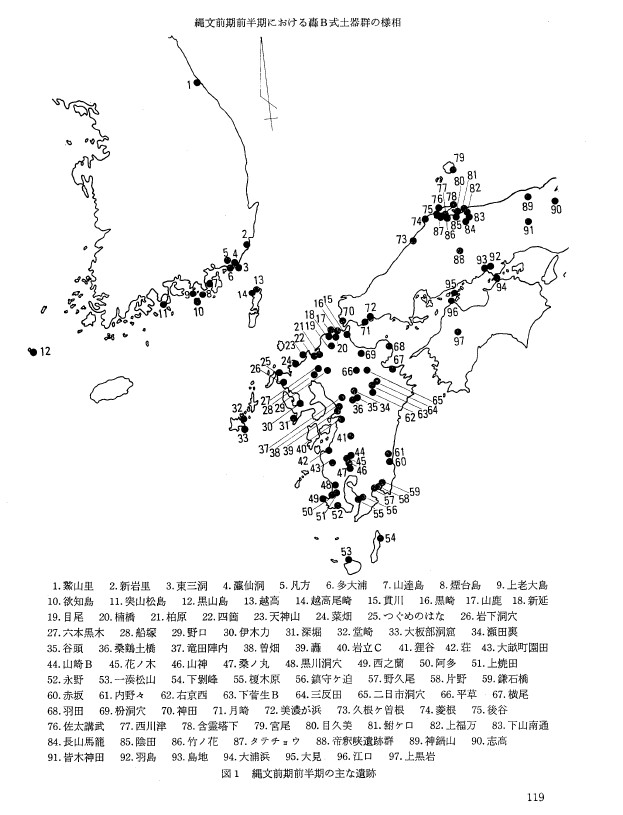
6000年前とされる轟B式土器の出土地は九州・中国に加えて朝鮮半島南部もある。
朝鮮海峡を隔てた言語接触が数千年続いた可能性が大きいと考えられるので、渡来系弥生人が列島に渡来したときに在地の縄文人と意思疎通を図ることができた蓋然性を考えるべきでしょう。
https://x.com/k2Bo5rRSaaJaDk5/status/2001715186206675401/photo/1
2025/12/20 up-date
Trump signs record $901 billion defense policy bill for 2026
December 19, 2025
WASHINGTON (Kyodo) — U.S. President Donald Trump on Thursday signed into law a record $901 billion defense policy bill for 2026, increasing funding for advanced technologies to deter China, for Taiwan to reinforce its defense capabilities and for military exercises with Indo-Pacific allies.
The National Defense Authorization Act, outlining security priorities and authorizing budgetary plans, includes a 3.8 percent pay raise for all service members and $400 million in assistance to Ukraine for each of the next two fiscal years.
Regarding Asia, the law spanning over 3,000 pages contains a provision requiring the Trump administration to maintain the number of U.S. troops deployed in South Korea at 28,500 and a $1.5 billion commitment to new security support for the Philippines.
The package for the fiscal year to September 2026, which turned out to be about $8 billion more than Trump had requested, extends the Pacific Deterrence Initiative, part of U.S. efforts to enhance its posture in the Indo-Pacific through military exercises with its allies and partner countries in the region.
The law authorizes more than $2.7 billion of essential military construction projects in the Indo-Pacific and $1 billion in funds for security cooperation with Taiwan that is facing increased military pressure from China, which regards the self-governing democratic island as part of its own territory.
Under the law, the Pentagon is required to establish a joint program with Taiwan by March 1 to enable “the fielding of uncrewed systems and counter-uncrewed systems,” including “co-development and co-production” of such capabilities.
With regard to Japan, a key ally in the region, the United States reaffirms its commitment to “developing advanced military capabilities, upgrading command and control relationships, fostering interoperability across all domains and improving sharing of information and intelligence.”
注意!ATTENTION!
All pictures and texts have to be understood in the context of “Creative Commons Attribution Noncommercial-NoDerivative Works.” ここに載せた画像やテクストは、すべて「好意によりクリエーティブ・コモン・センス」の文脈で、日本美術史の記録の為に発表致します。 Creative Commons Attribution Noncommercial-NoDerivative Works, photos: cccs courtesy creative common sense
All these texts and pictures are for future archival purposes, in the context of Japanese art history writings.