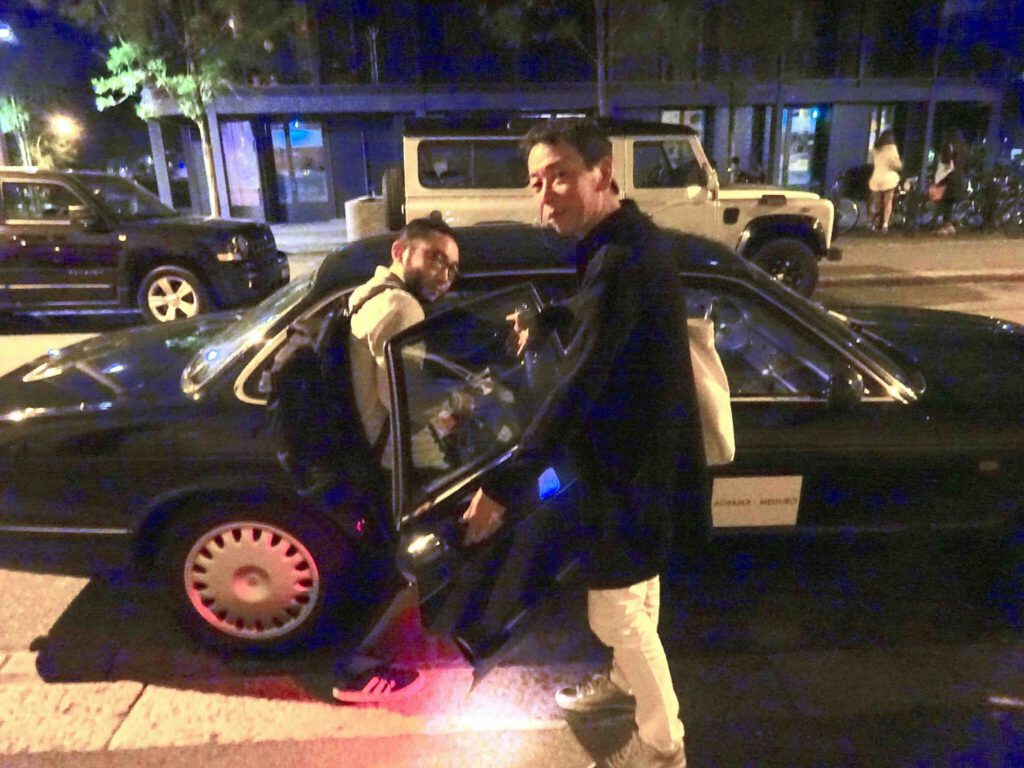
華麗で傑出している芸術家、荒木悠 (無人島プロダクション) Brilliant, outstanding artist ARAKI Yu (MUJIN-TO Production)
The question of what an artist wants to express with her/his artistic practice is open and depends heavily on the work in question. The artist can use her/his artistic output to convey feelings, thoughts, experiences or a specific message, which is often related to her/his personal world view, social criticism or engagement with the Zeitgeist. Artistic statements can range from celebrating the beauty of life to depicting the horrors of war. Often, the deeper meaning of a work is not immediately clear and is completed through individual interpretation and reflection.
In this context, what does the artist ARAKI Yu 荒木悠 want to tell us with his body of works? Where should the audience start to decode the thought-provoking messages by Araki? Where do his semi-fictional, semi-utopias artistic constructions bring us to?
What does it mean to slurp delicious oysters at a bar installed in the gallery MUJIN-TO Production?
What does it mean to jog around the Acropolis several times?
What does it mean to dance the waltz in Tokyo in an atmosphere reminiscent of Japan’s Meiji era?
These are all exemplary questions that crystallise when viewing ARAKI Yu’s installation-related works, equivalent to metaphysical experiences.
My task here is not to write down eclectic answers, but merely to provide food for thought. The IRL perception on site is of course much more important than an archival review intended for Japanese art history writing.
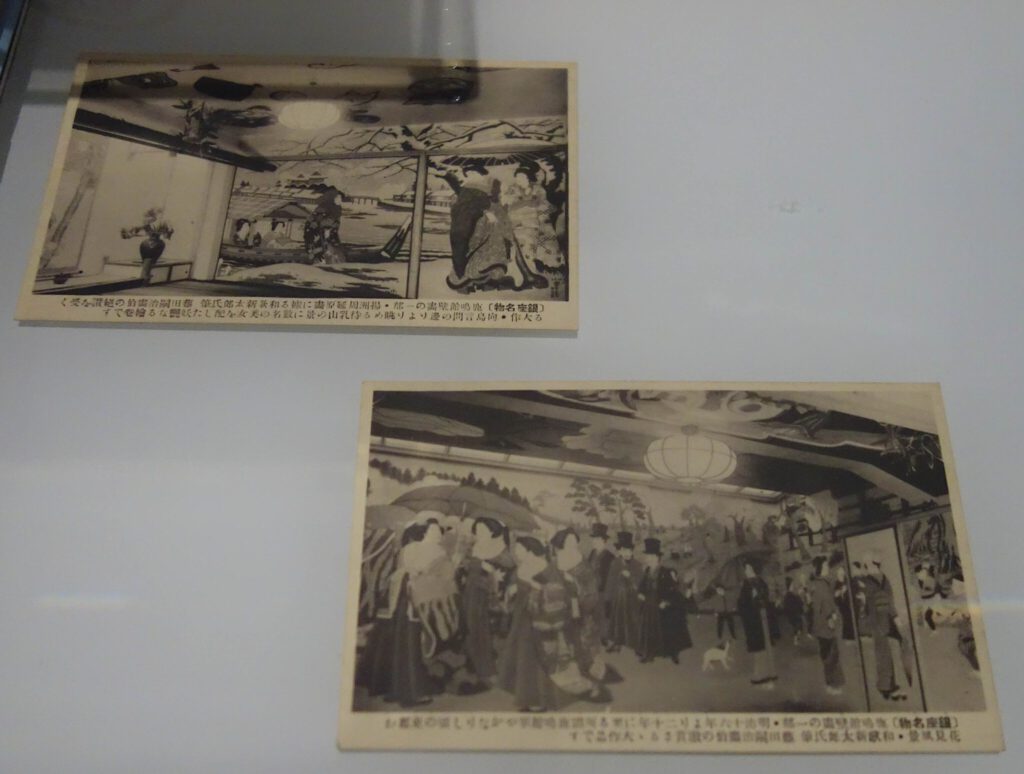
Araki’s current exhibition in the National Museum of Modern Art, Kyoto (1) reveals his intellectual ability to infiltrate complex historical contexts without becoming melodramatic. The examination of the works of Japanese-American painters such as KUNIYOSHI Yasuo 国吉康雄 (1889–1953), ISHIGAKI Eitaro 石垣栄太郎 (1893-1958) and NODA Hideo 野田英夫 (1908-1939) came from the proposal of curator WATANABE Ayumi 渡辺亜由美.
During this exhibition, the audience learns that Araki wanted to become an American citizen in 2006 and would therefore have to give up / throw away his Japanese passport. Japan does not allow dual-citizenship; watch Araki’s arty “suicide attempt” (“Suicide Piece” 2007) with a yellow fuckin’ banana. Very much in the spirit of “Just do it with your Banana”, indeed.(2) In other words, in his search for identity, he realised that Japan did not give him that warm feeling of home. This is quite the opposite of me. Although I have a German passport, my mother language is German, I feel very safe, emotionally satisfied and happy in Japan (despite the numerous ‘obstacles’ and disasters I have experienced during the last 40 years).
In art historian IKEGAMI Yuko’s 池上裕子 excellently written review on the BT 美術手帖 website, Araki is described as a ‘con artist’.(3) As the narrator refers to himself within his video-work, Araki is deceiving and betraying the audience as an “untrustworthy” artist. This is a very bold and provocative analysis by Ikegami, which of course applies to most Japanese artists / art workers. As “we all know”: ambiguity rules in Japanese art (and Japanese Art History Writing).(4)
In this context, the following quote by Ikegami’s review should be added, which can be applied perfectly to Contemporary Japan’s society:
“Whether aware of this background or not, the narrator of “Nanban Tōeirokku” 南蛮諜影録 acrobatically interprets the folding screen as a ‘device for “seeing”’ and ‘an intelligence report adorned with gold leaf,’ concluding that ‘to see was already to dominate.’ Then, the ‘I/me’ who had remained entirely unseen until that point appears at the end of the film as the depicted ‘Southern Barbarian’. Saying, ‘I am watching you’. This figure, wearing a gentle smile, possesses an unspy-like charm, yet this very smile may embody the duality that is the film’s central theme. As the narrator states, ‘People have two faces’ – namely, ‘the face they show and the face they hide.’” (5)
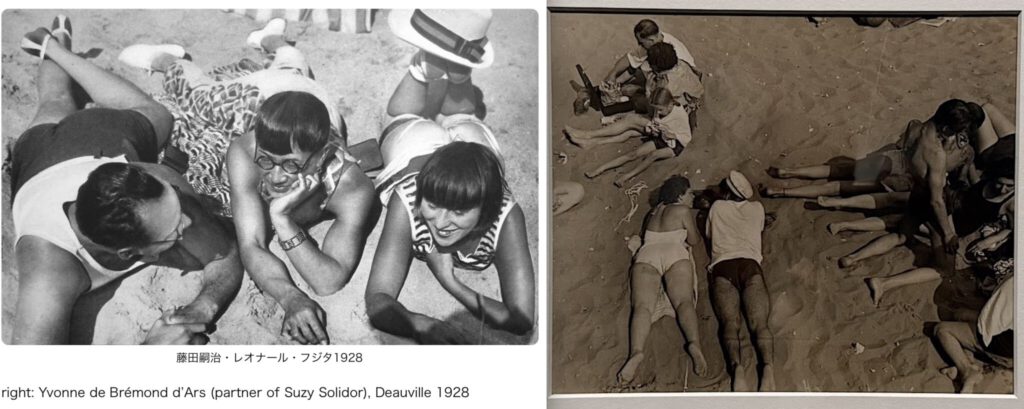
As I am a specialist on the War Criminal, French Léonard Foujita, I would have liked Araki to have quoted KUNIYOSHI Yasuo in the context of Japan’s pop-pet-painter. Alongside Ben Shan, Kuniyoshi also denounced Foujita as a War Criminal and fascist during his unsuccessful stay in New York in 1949.(6)
Our loyal readers know why ART+CULTURE can call itself No. 1. We are the only ones in the world who also show Japanese artists behind the official scenes / curtains. With charm and humanity. And all gratis. Freely available and accessible to everyone in the world.(7)
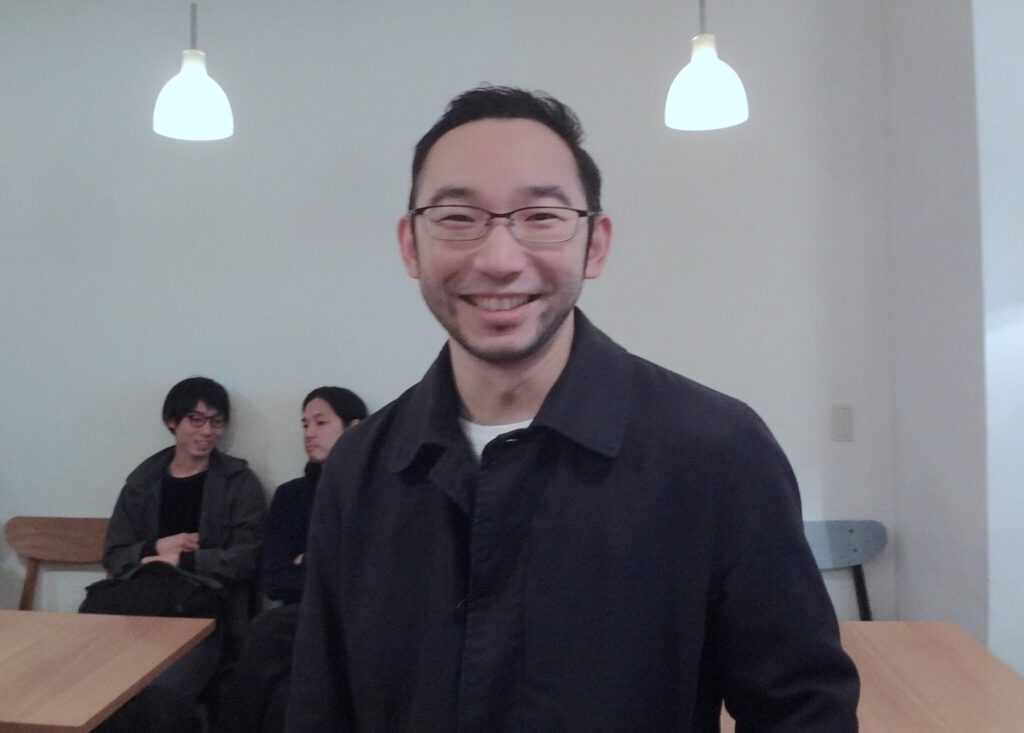
In addition to Araki’s current Kyoto exhibition, we also present pictures from his past exhibitions that are not shown on the official websites. As a side effect, you can also discover other people from the Japanese art world in the pictures, e.g. the gallery owner Rodney Nonaka-Hill of the contemporary art gallery Nonaka-Hill L.A., or, the young, actually ‘hottest Japanese artist’ NISHIMURA Yu 西村有, whose oil paintings sell for a whopping 100 million yen (1億1055万円 / US$711,200). See cover pic, seated on the left.(8)
Without batting an eyelid, I can say at this point that I consider ARAKI Yu to be one of my favourite Japanese artists. His exhibitions always sparkle with challenging knowledge of global art history that needs to be grasped and decoded. With his analytical intellect, he creates works that sophisticatedly conceal black humour. His personal life story (America-Japan) makes his artistic practice, which can also be understood as a kind of cultural bridge and catharsis, highly interesting.
In contrast to the eternally lamenting, self-inflicted ‘unhappiness’ of MURAKAMI Takashi 村上隆 (9) or the pathetic-looking criticism of the West by AIDA Makoto 会田誠 (10), Araki masters the balancing act between West and East with intellectual bravura. Because he does not approach this subject matter abstractly, but connects it with personal experience, therefore he remains credible, respected and beloved.
Tokyo, 2025, 2nd of December
Mario A 亜 真里男
Check the artist @ MUJIN-TO Production:
https://www.mujin-to.com/en/artist/araki/
(1)
Curatorial Studies 16:
Yu Araki: Reorienting ― Across the Pacific, a Century Apart
キュレトリアル・スタディズ 16:
荒木悠 Reorienting ― 100年前に海を渡った作家たちと―
2025.10.07 – 12.07
MoMAK (The National Museum of Modern Art, Kyoto) 京都国立近代美術館
https://www.momak.go.jp/Japanese/curatorialstudiesarchive/16.html
https://www.momak.go.jp/English/curatorialstudiesarchive/16.html
(2)
“Just do it with your Banana” © Mario A 「Just do it with your Banana」© 亜 真里男
https://art-culture.world/art-world/just-do-it-with-your-banana/
(3)
「信頼できない語り手」によるモノローグ。池上裕子評「キュレトリアル・スタディズ16 荒木悠 Reorienting ─100年前に海を渡った作家たちと─」
Quote:
つまり、「信頼できない」のはこの映像の語り手であり、つくり手(=映画監督)でもある荒木だ。語り手が作中で自らをそう呼ぶように、荒木自身が「欺術家(con artist)」として観客をだまし、裏切っているのだ。
https://bijutsutecho.com/magazine/review/31752
(4)
日本の美術史家たちの愚かさ。 The stupidity of Japanese art historians.
https://art-culture.world/art-world/japanese-art-history/
(5)
「信頼できない語り手」によるモノローグ。池上裕子評「キュレトリアル・スタディズ16 荒木悠 Reorienting ─100年前に海を渡った作家たちと─」
Quote:
こうした背景を知ってか知らずか、《南蛮諜影録》の語り手は、折りたためる形式の屏風を「“見る”ための装置」であり「金箔で飾られた諜報報告書だった」とアクロバティックに解釈し、「見ることはすでに支配だった」と結論づける。そして、それまでは一切姿を見せなかった「私/俺」は、映像の最後にそこに描かれた「南蛮人」として姿を現すのだ。「I am watching you」と言いながら。穏やかな微笑を浮かべるこの人物にはスパイらしからぬ愛嬌があるが、この笑顔こそが本作の主題である「二面性」を体現しているのかもしれない。語り手が言うように、「人には二つの顔が」、すなわち「表の顔と、隠すための顔」があるのだから。
https://bijutsutecho.com/magazine/review/31752
ザ・外人問題、ウンコ外人、クソ外人、ヘンタイ外人、嫌い外人、怖い外人、汚い外人、臭い外人、野蛮外人
外人出ていけ!にっぽん第一!
https://art-culture.world/jp-society/nippon-gaijin/
(6)
2021年5月8日の認知症予防。「ロベール・デスノス、藤田嗣治、藤田ユキ、藤田君代。レジスタンス 対 戦争犯罪人。」
Dementia Prevention on 8th of May 2021. “Robert Desnos, Tsuguharu Foujita, Youki Foujita, Kimiyo Foujita. Résistance vs War Criminal.”
https://art-culture.world/art-world/robert-desnos-tsuguharu-foujita-youki-foujita-kimiyo-foujita-resistance-vs-war-criminal/
新作 「レオナール・ツグハル・フジタの行方不明パズルピース 『藤田嗣治 天皇陛下伊勢の神宮に御参拝、皇紀2603年 (1943) 』」
New Work “Léonard Tsuguharu Foujita’s missing puzzle piece ‘The Japanese Emperor worshipping at Ise Shrine, Japanese imperial year 2603 (1943)’”
https://art-culture.world/art-world/leonard-tsuguharu-foujita-japanese-emperor-worshipping-at-ise-shrine-japanese-imperial-year-2603/
美術史家 林 洋子氏に2020年の日本現代アート透明賞 JCATP
Art Historian Ms. HAYASHI Yoko wins 2020 Japanese Contemporary Art Transparency Prize
https://art-culture.world/art-world/2020-japanese-contemporary-art-transparency-prize-hayashi-yoko/
(7)
なぜ「art-culture.world」サイトは日本のアート界でNo.1なのか?
Why is “art-culture.world” website the No.1 in the Japanese art world?
https://art-culture.world/art-world/art-culture-world/
(8)
アート・フリッパーの為。超ダサくて、くだらない、にっぽんアートワーカー西村有:2024年展示、2025年オークションへ。
For art flippers. Crappy, trashy Japanese art worker NISHIMURA Yu: Exhibited in 2024, auctioned in 2025.
https://art-culture.world/reviews/nishimura-yu-西村有/
(9)
日本のアート界を駄目にした男? 不幸な村上隆、、、
The Man Who Ruined The Japanese Art World? An Unhappy MURAKAMI Takashi…
https://art-culture.world/art-world/takashi-murakami-kaikai-kiki-japanese-art-world/
(10)
日本一現代美術家: 会田誠 (上)(平成25年3月16日)
http://www.art-it.asia/u/sfztpm/PNGoCV8r0sFzpv3tTWUM/
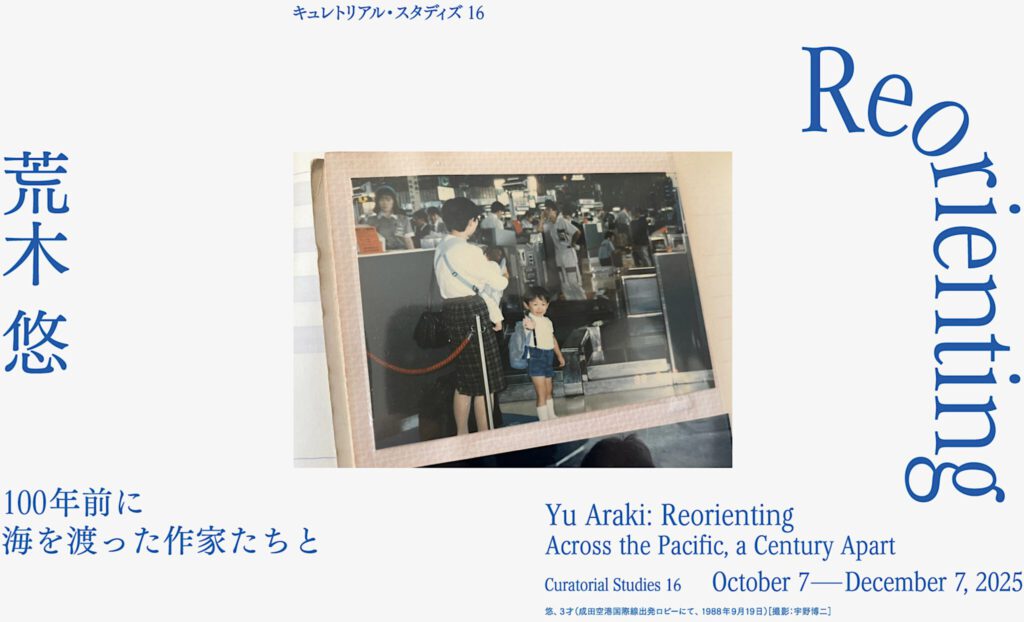
Yu Araki: Reorienting ― Across the Pacific, a Century Apart キュレトリアル・スタディズ 16:
荒木悠 Reorienting ― 100年前に海を渡った作家たちと― 2025.10.07 – 12.07 MoMAK (The National Museum of Modern Art, Kyoto) 京都国立近代美術館
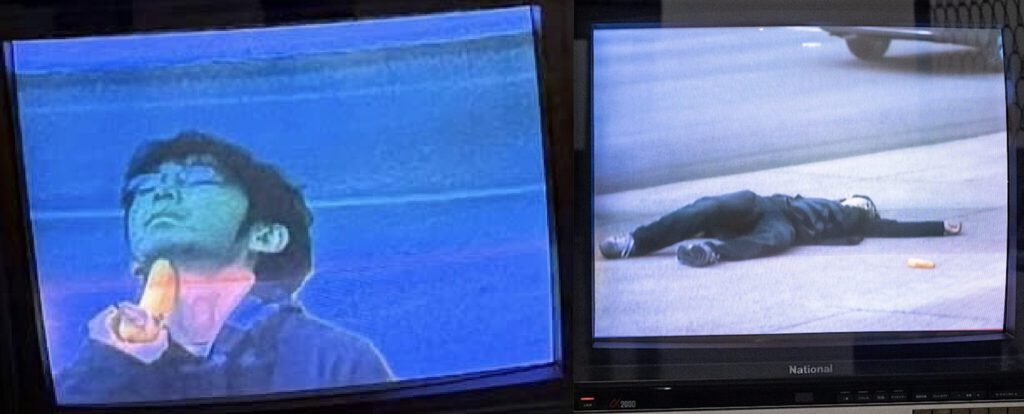

荒木悠 Reorienting – 100年前に海を渡った作家たちと – @ MoMAK (The National Museum of Modern Art, Kyoto) 京都国立近代美術館, exhibition view
Comparative studies by the author: Foujita in France 1928 vs Kuniyoshi in the U.S. 1938
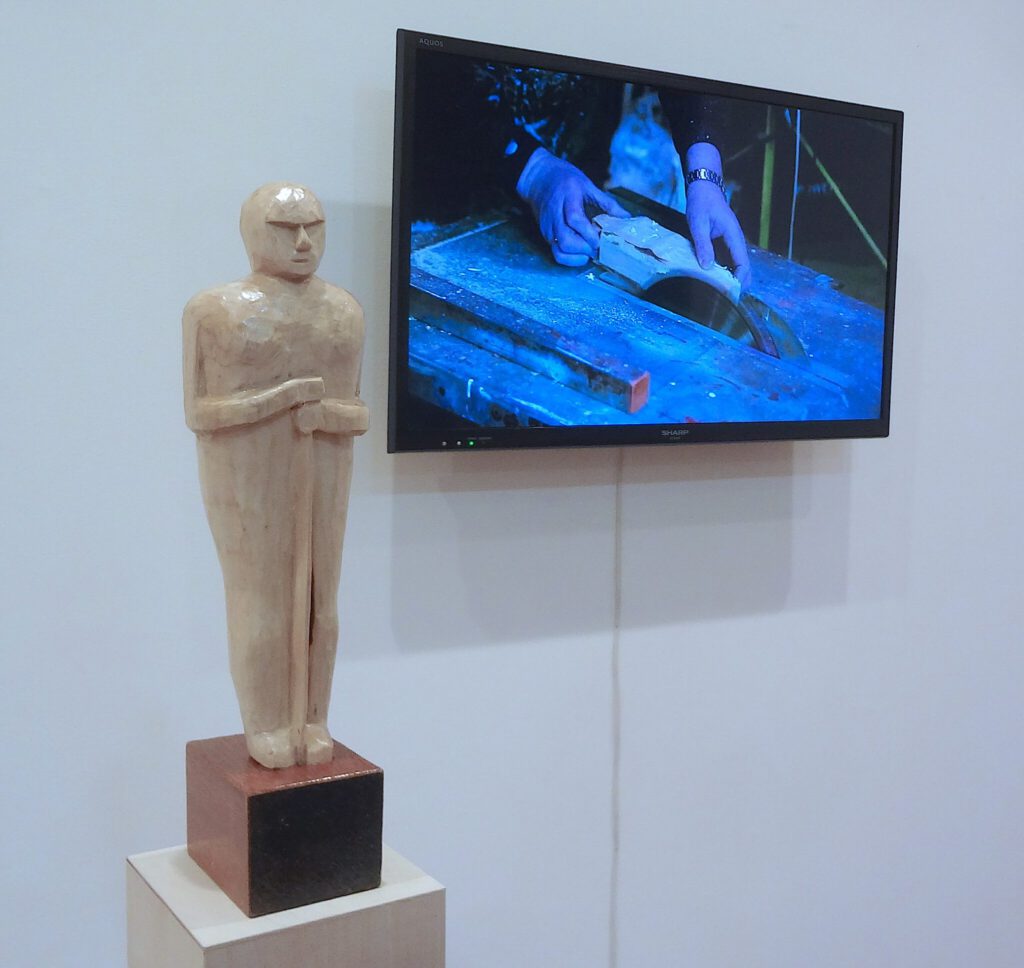
Sculpture: Wood, Varnish
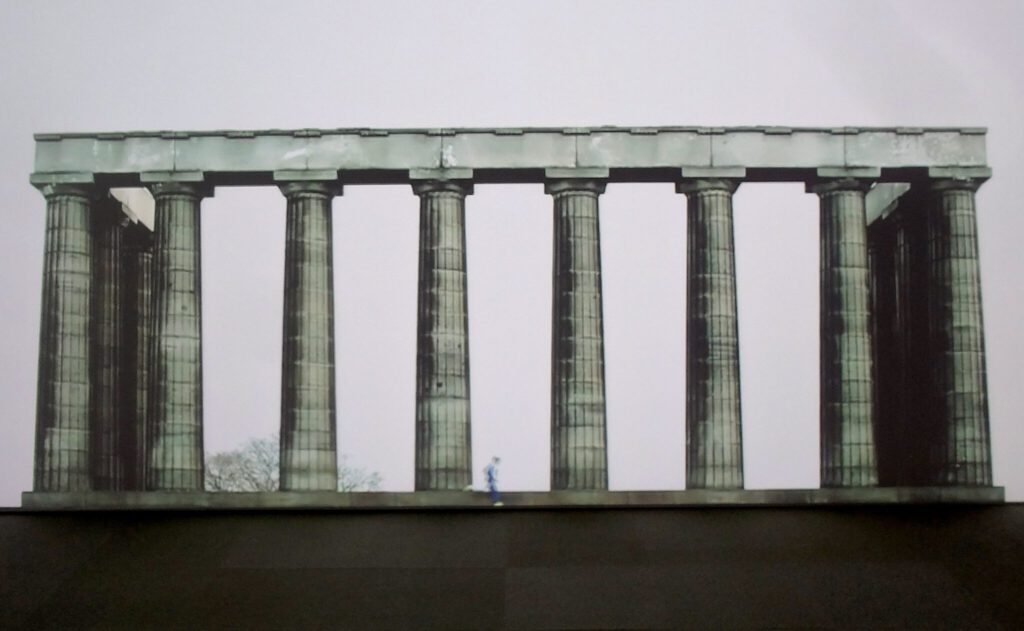
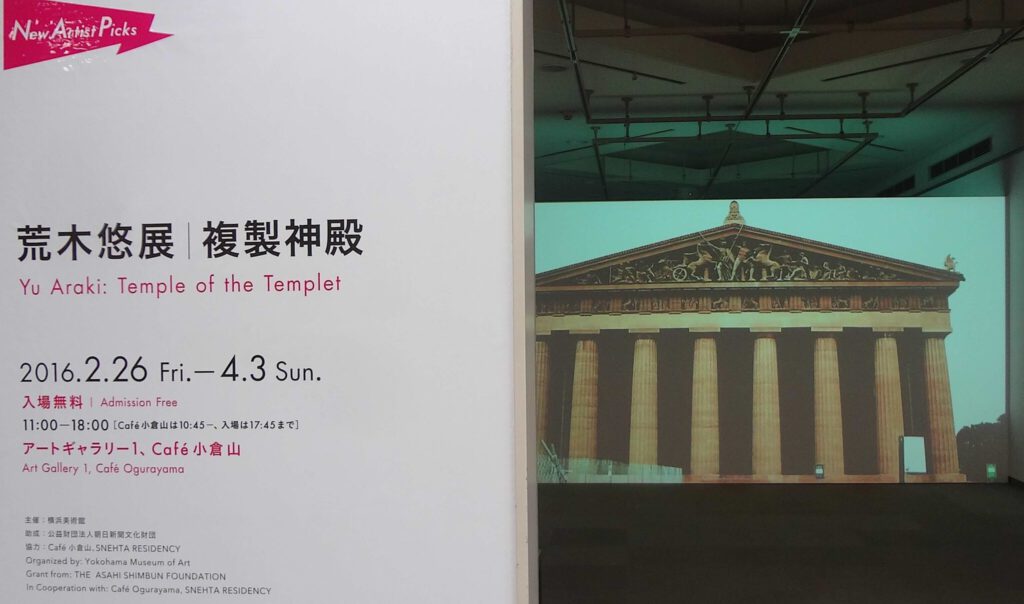

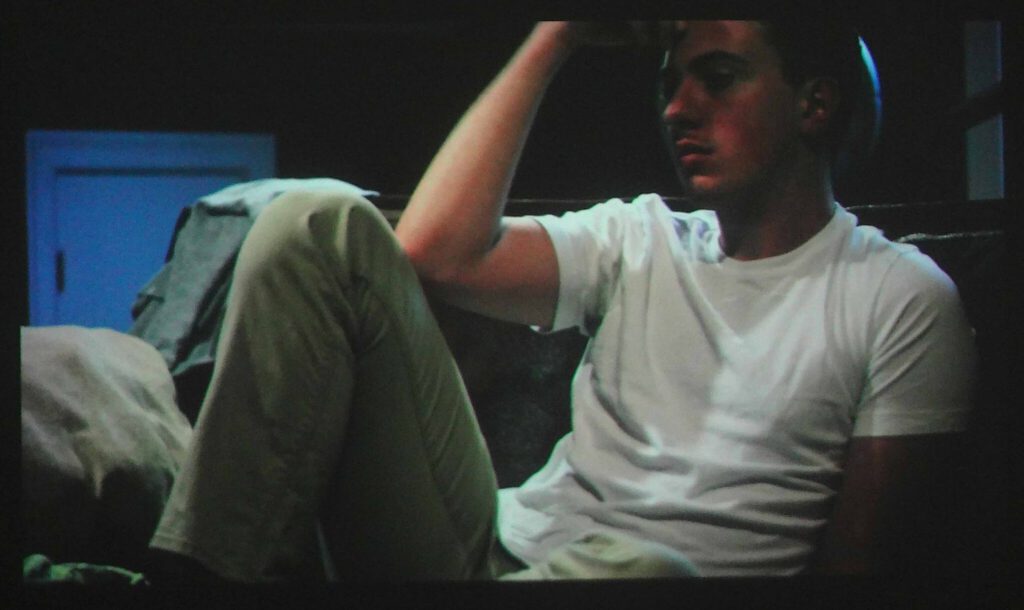
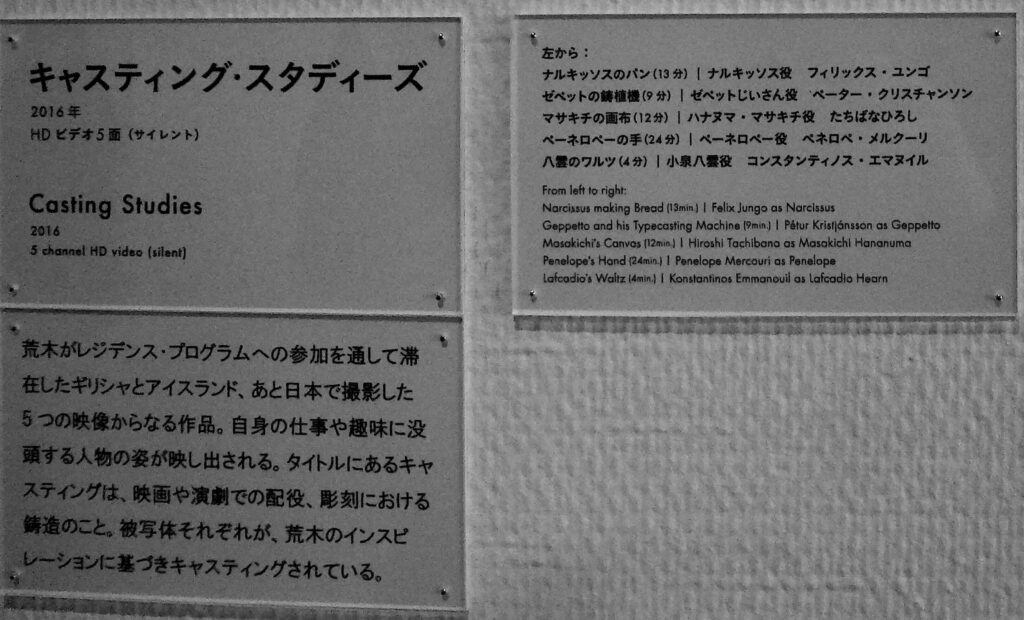
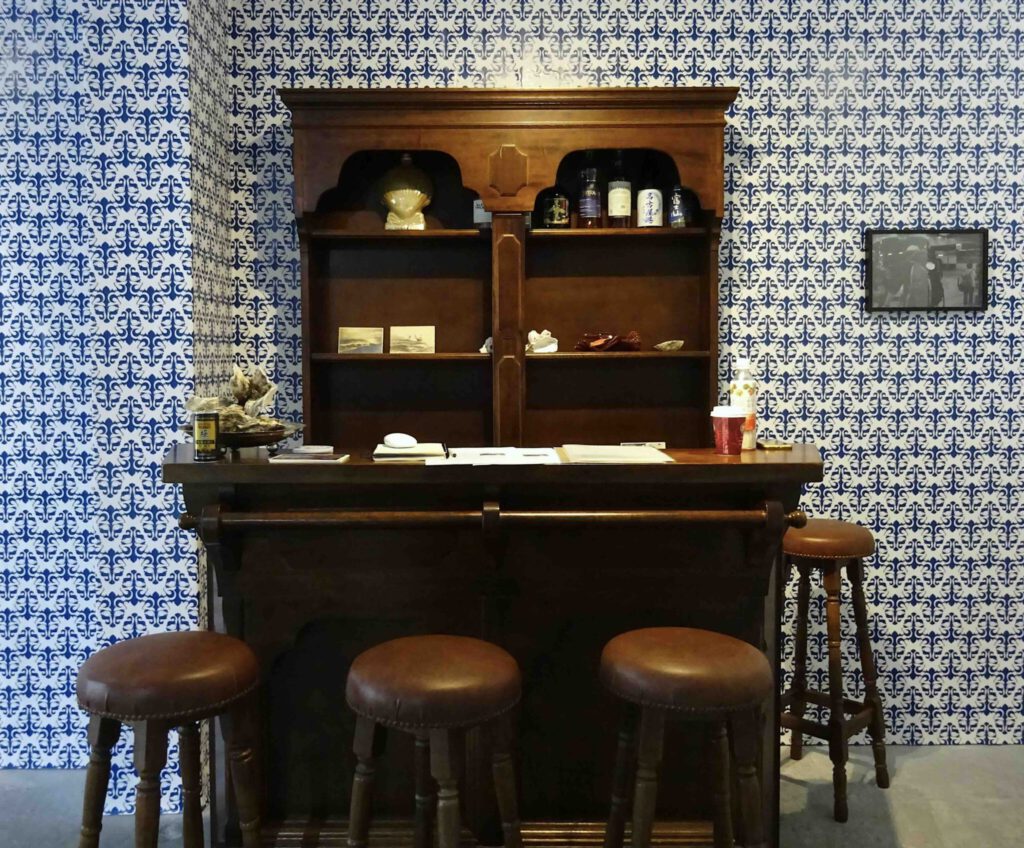

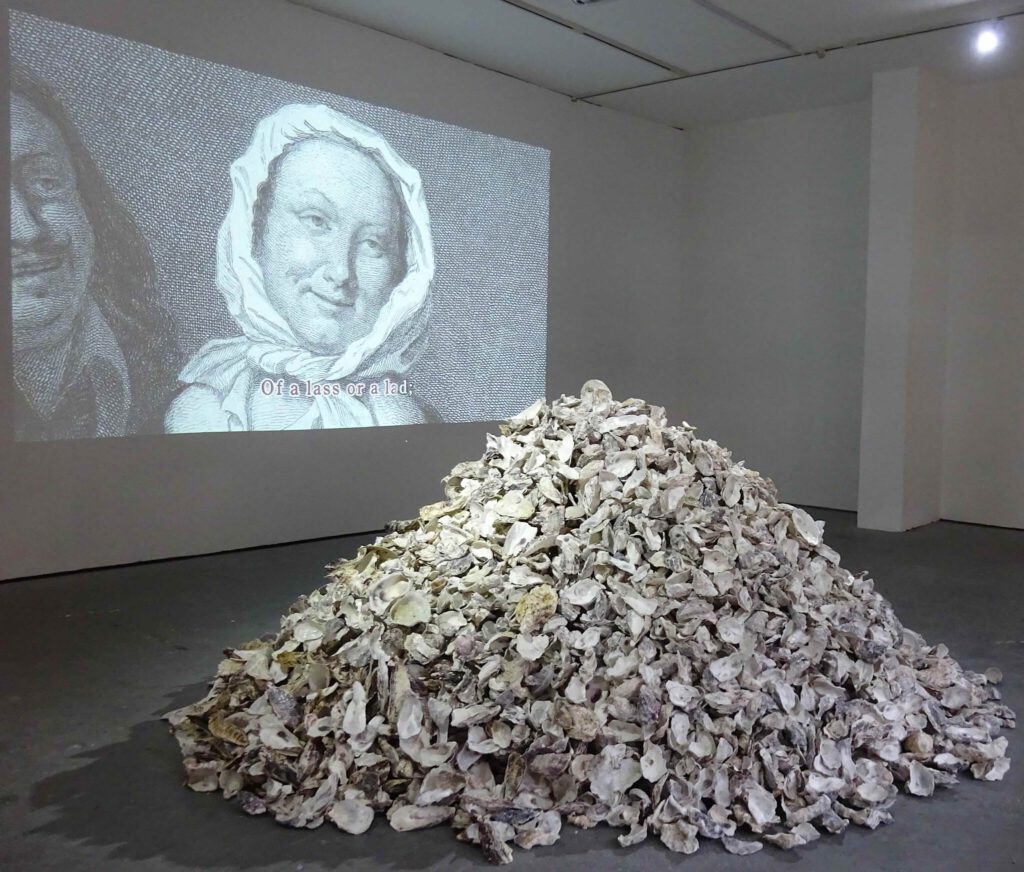
20 min. 20 sec. Installation view @ MUJIN-TO Production 2017
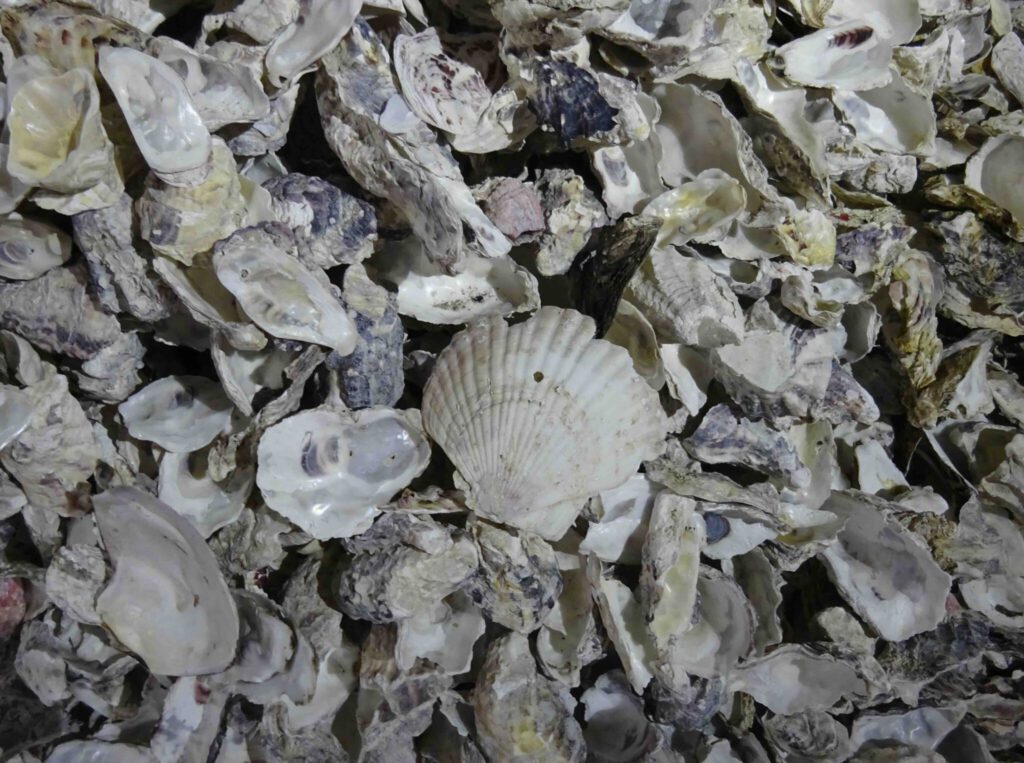

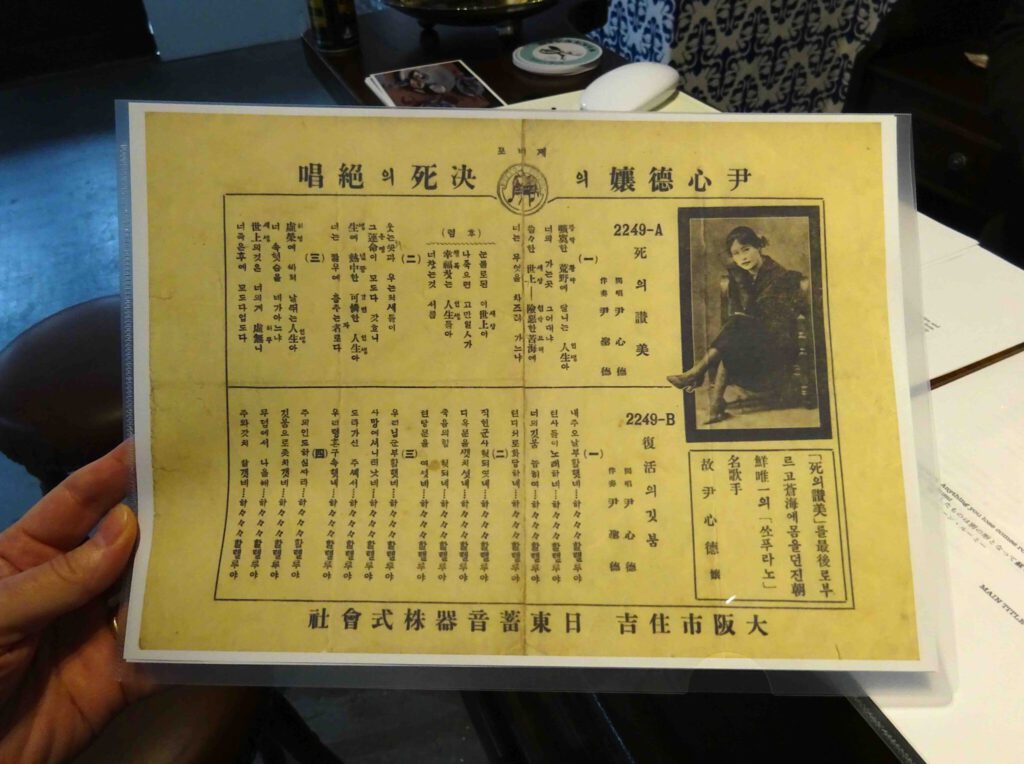
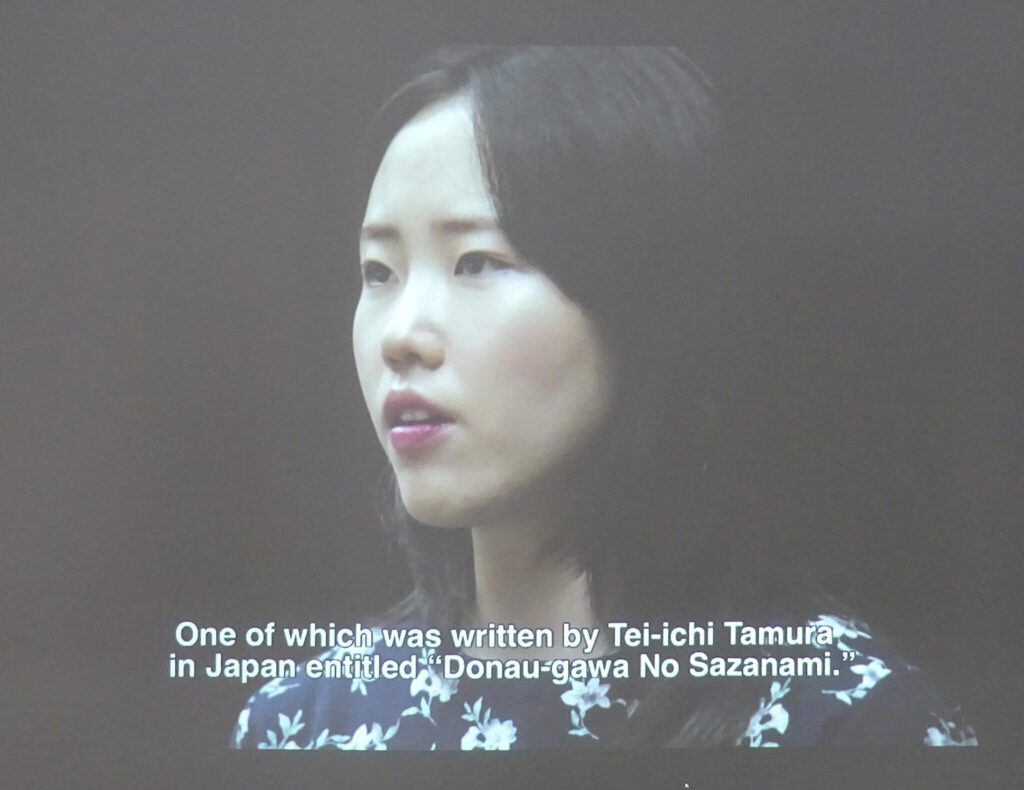
20 min. 20 sec.
more @
https://www.mujin-to.com/en/artwork/bivalvia-act-i/
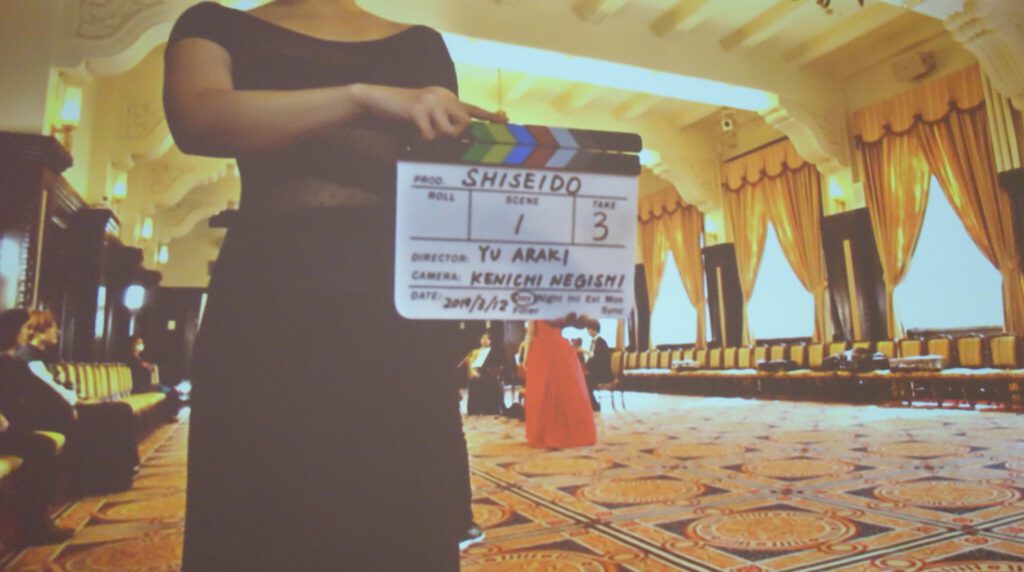
荒木悠 展 : LE SOUVENIR DU JAPON ニッポンノミヤゲ 2019 @ 資生堂・銀座
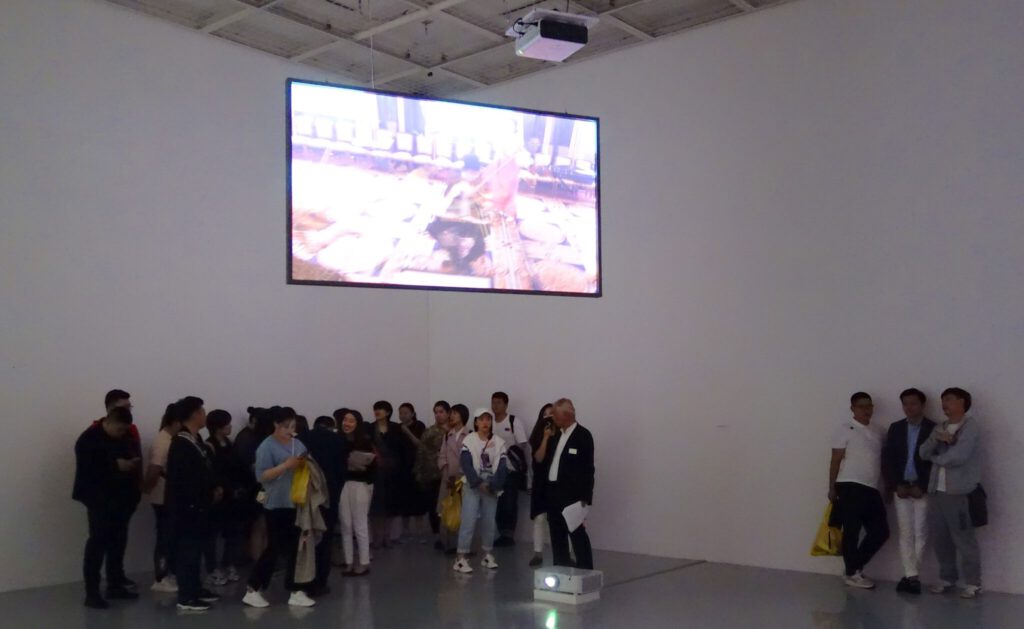
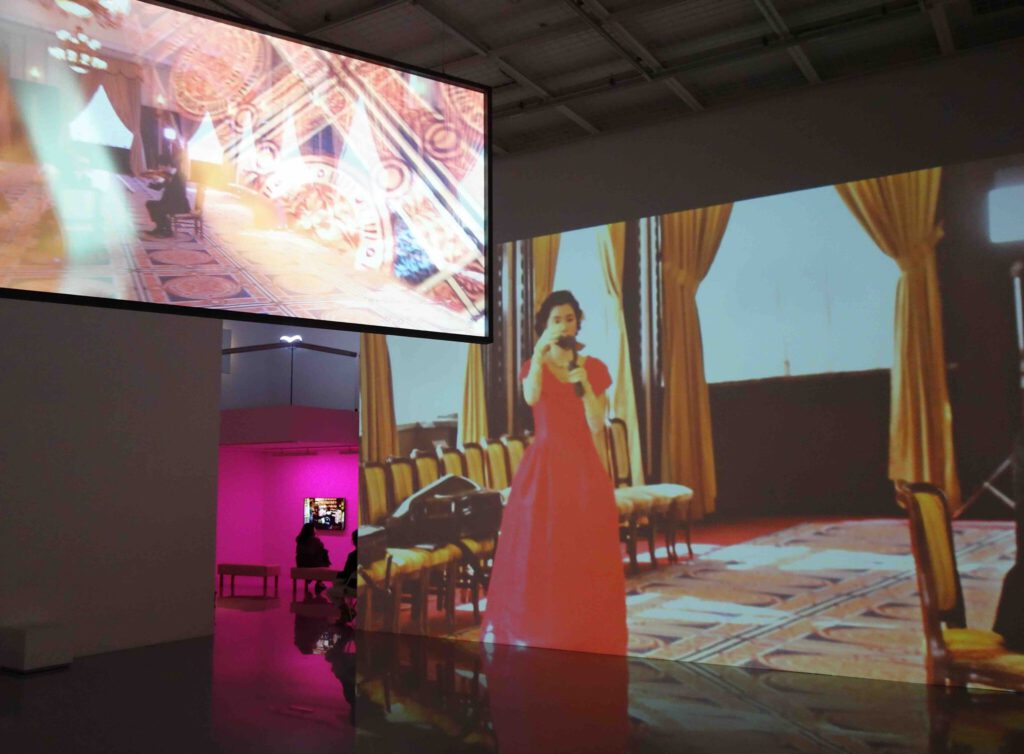

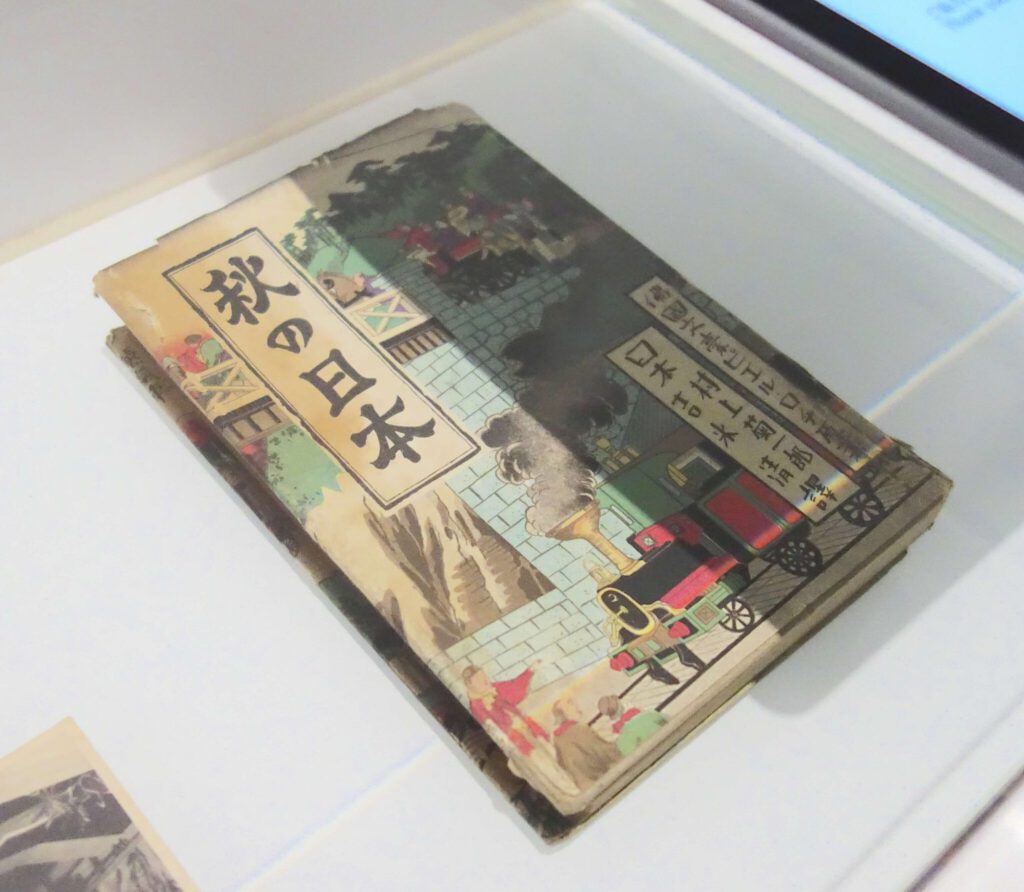

more @
https://aoyamameguro.com/artists/imprisoned-jailbreak-imprisoned-jailbreak-time-tunnel/