美輪明宏 MIWA Akihiro R.I.P 美輪明宏さん死去 91歳 (と 三島由紀夫との関係)
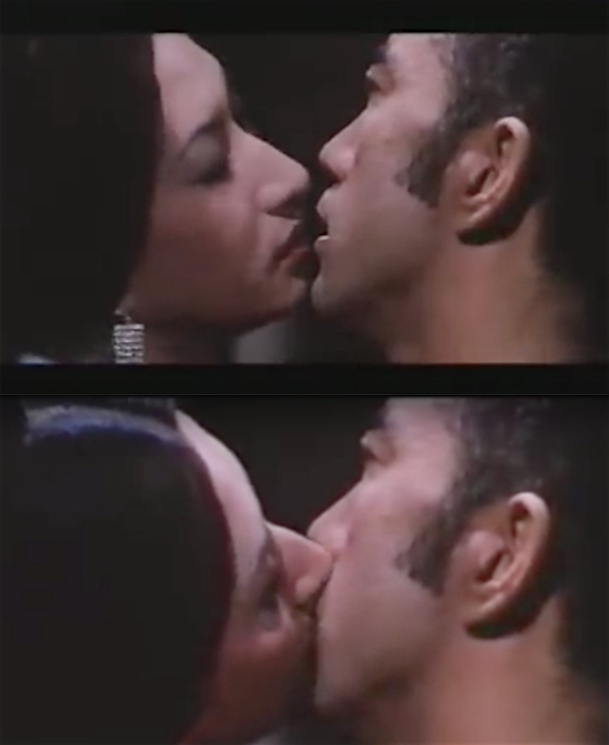
美輪明宏 MIWA Akihiro
https://ja.wikipedia.org/wiki/美輪明宏
https://en.wikipedia.org/wiki/Akihiro_Miwa
MIWA Akihiro, a flamboyant Japanese icon, chanson singer and actor whose real name was Akihiro Maruyama, died of old age on June 20. He was 91.
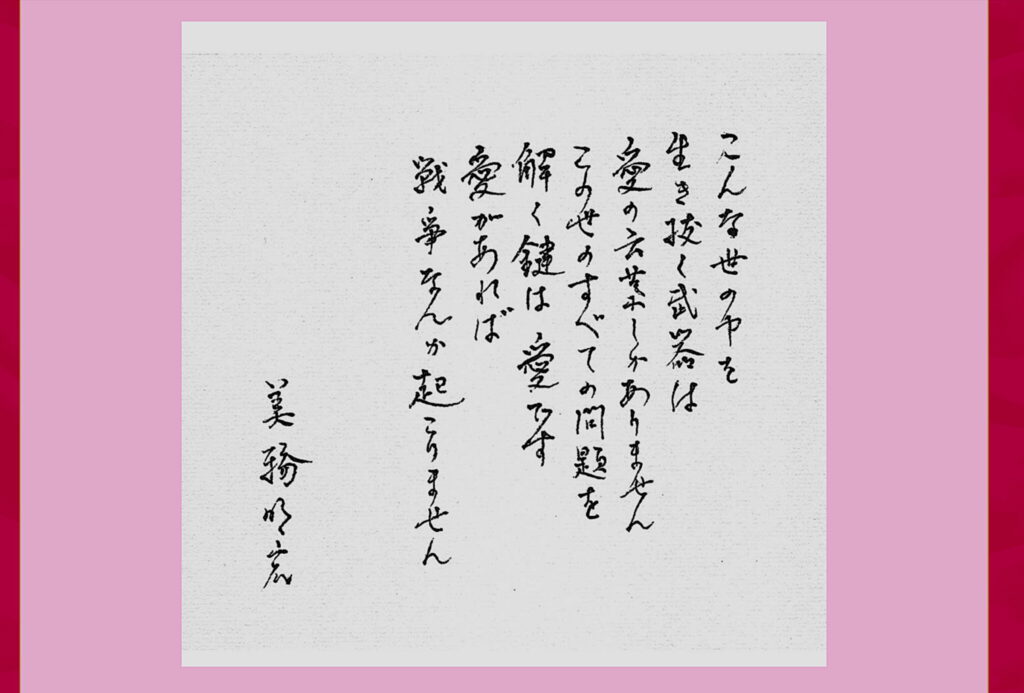
Born in Nagasaki, Miwa survived the atomic bombing at age 10 and rose to fame as a cabaret singer with hits like ‘Meke Meke’ and ‘Yoitomake no Uta,’ embracing open self-expression as a gay performer in conservative Japan. His commanding voice brought iconic anime characters to life, including Moro in ‘Princess Mononoke’ and the Witch of the Waste in ‘Howl’s Moving Castle.’ A trailblazer in music, theater, and TV, he left a handwritten note preaching love as the solution to the world’s problems; a private family funeral honored his wishes.
美輪明宏が6月20日、9:30、老衰のため91歳で亡くなったことが美輪の公式サイトで発表された。
小学校の頃から声楽を習い、16歳にしてプロの歌手として活動を始めた美輪。クラシック、シャンソン、タンゴ・ラテン、ジャズを歌う美輪は「メケメケ」や「ヨイトマケの唄」などの楽曲をヒットさせた。2012年からは4年連続で「NHK紅白歌合戦」に出場。俳優や声優、作家など多方面で活躍してきたが、ここ1年は高齢のため仕事をセーブし、約3カ月前に体調を崩してからは自宅で静養していた。最期は「ありがとう」と感謝を伝え、静かに目を閉じたという。葬儀・告別式は本人の意向により近親者のみで執り行われ、都内での告別式には美輪が好きだった黄色いバラが祭壇に飾られ、棺にはファンの手紙も納められた。
オフィシャルサイトには、「こんな世の中を生き抜く武器は愛の言葉しかありません」という生前の美輪の直筆メッセージを掲載。全文は公式サイトで確認を。
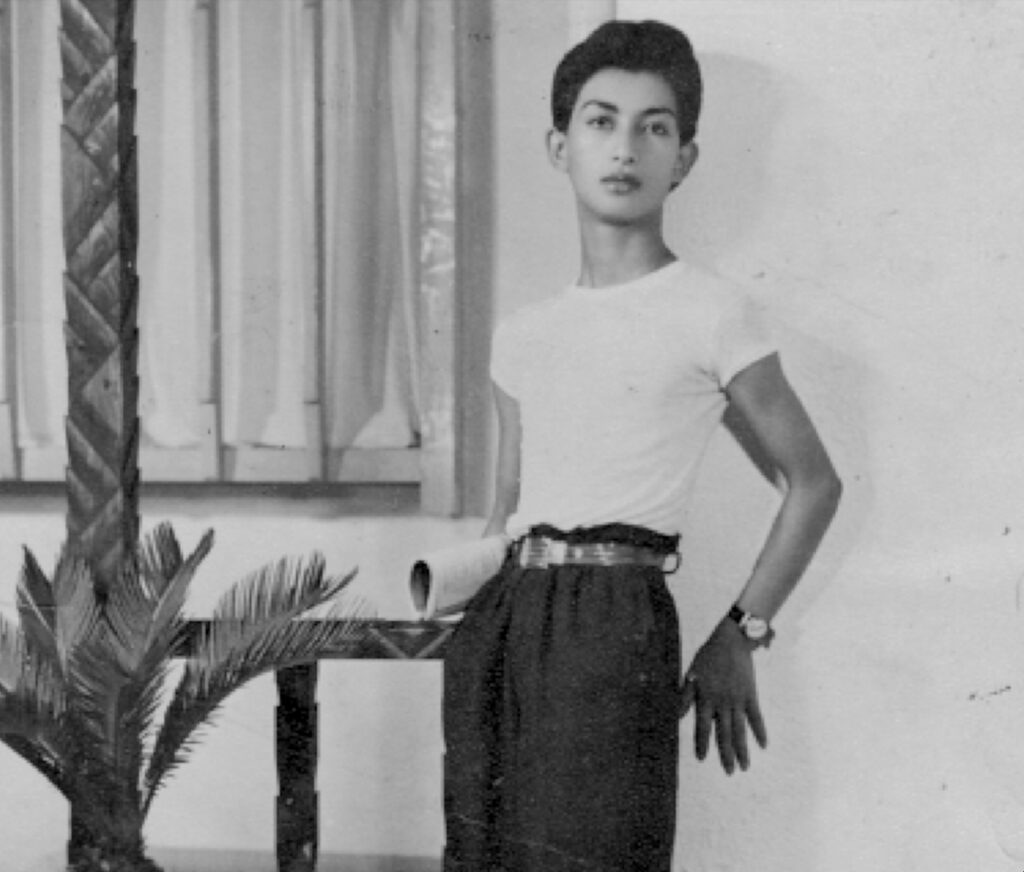
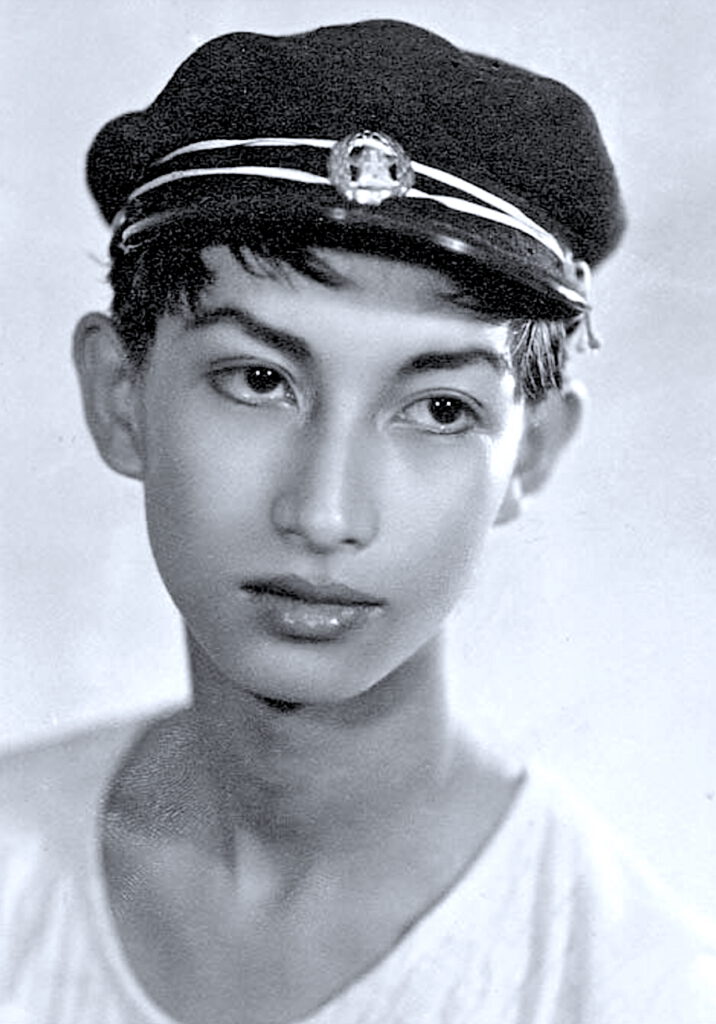
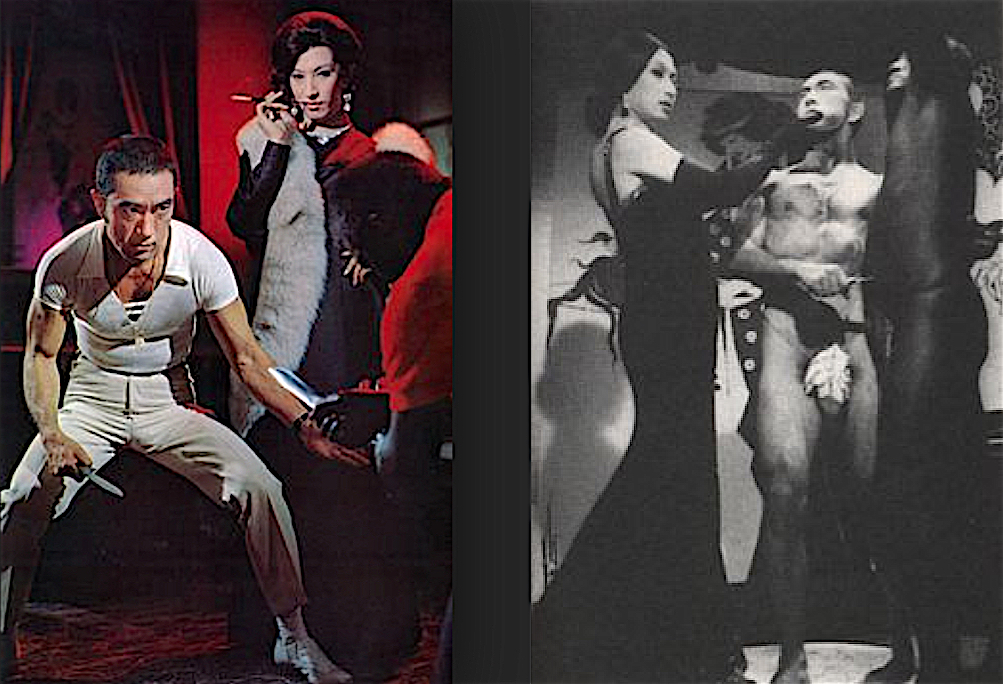
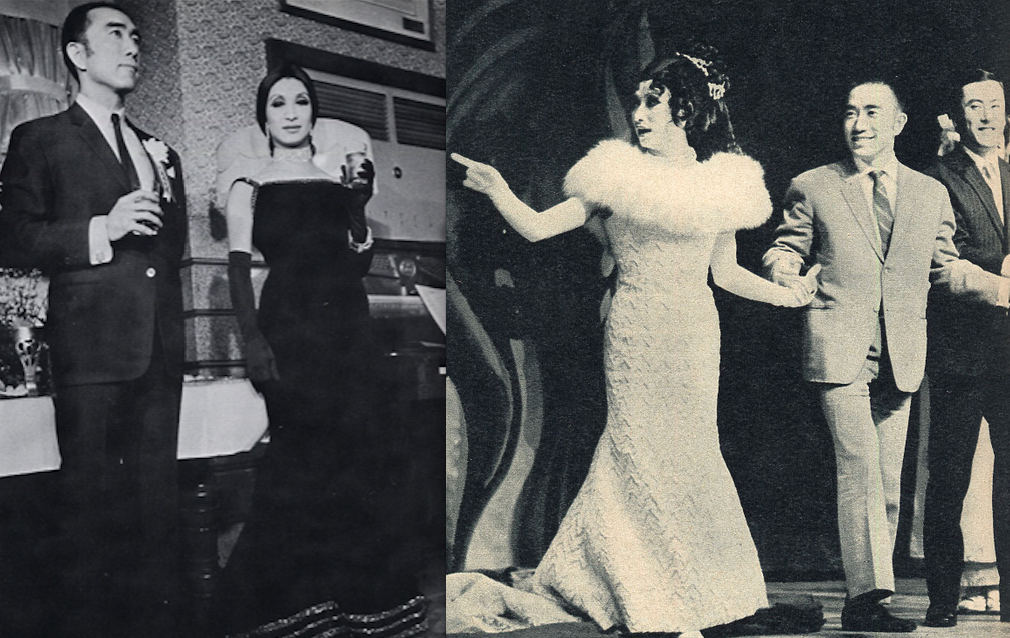
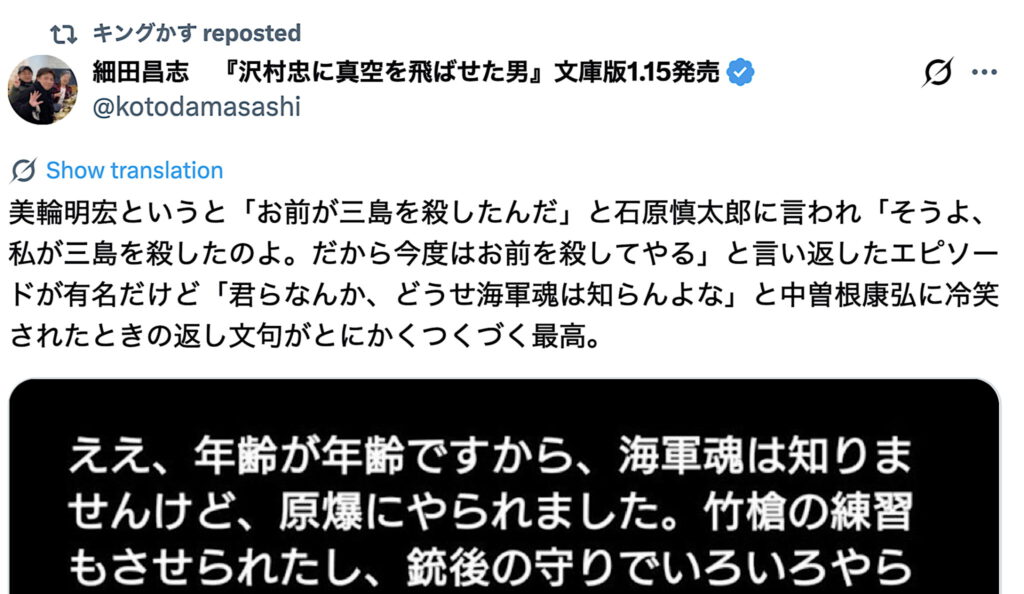
美輪明宏というと「お前が三島を殺したんだ」と石原慎太郎に言われ「そうよ、私が三島を殺したのよ。だから今度はお前を殺してやる」と言い返したエピソードが有名だけど「君らなんか、どうせ海軍魂は知らんよな」と中曽根康弘に冷笑されたときの返し文句がとにかくつくづく最高。
When it comes to Miwa Akihiro, the famous episode where Shintaro Ishihara said to him, “It was you who killed Mishima,” and he shot back, “That’s right, I killed Mishima. So now it’s your turn—I’m going to kill you,” is well-known, but his comeback when Yasuhiro Nakasone sneered, “You lot wouldn’t know the spirit of the navy anyway,” is just utterly, profoundly the best.
https://x.com/kotodamasashi/status/2071156205926658191
…
美輪明宏さんと石原慎太郎さんの間で交わされたとされるその痛烈なやり取りは、文壇や芸能界の語り草となっている有名な逸話です。
このエピソードの背景と正確なニュアンスは以下の通りです。
逸話の背景と詳細
1970年の三島事件(三島由紀夫の自決)の後、三島と親交の深かった石原慎太郎氏が、同じく三島と深い絆で結ばれていた美輪明宏さん(当時は丸山明宏)に対し、非難の言葉をぶつけたことが発端とされています。
石原慎太郎氏の発言
「お前のような化け物に取り憑かれたから、三島は死んだんだ(三島を殺したのはお前だ)」
美輪明宏さんの切り返し
「ああそうよ、私が三島を殺したのよ。だから今度はあんたに取り憑いて殺してあげようか?」
このエピソードが示すもの
美輪さんの圧倒的な肝の据わり方:並み居る論客や政治家を相手にしても一歩も引かない、美輪さんの強烈な一徹さとユーモアを交えた凄みが表れています。
三島由紀夫を巡る人々の感情:天才作家・三島由紀夫の衝撃的な自決が、当時の知識人や友人たちの間でどれほど大きな精神的動揺と、お互いへのぶつかり合いを生んでいたかを物語るエピソードでもあります。
…
亡くなる1週間前に渡された、100本の薔薇の意味とは――。
三島由紀夫が自決のわずか1週間前、美輪明宏さんの楽屋に届けた抱えきれないほどの深紅の薔薇(エピソードによっては100本、あるいは数百本とも言われます)。
それは単なるファンや友人としての贈り物ではなく、三島がその生涯の最後に残した「言葉なき遺言」であり、美輪さんへの究極の賛辞と決別のメッセージでした。
美輪さん自身がのちに語った、その薔薇に込められた意味と背景は以下の通りです。
1. 「気づいてほしかった」という決別のサイン
その日、三島はいつも連れているボディガードも同行させず、めずらしくたった一人、正装で日劇の楽屋を訪れました。そして、普段は決して口にしない家族の話など、プライベートな世間話を静かに語ったそうです。美輪さんは後年、「あの人はこれから死ぬことを、私に気づいてほしかったのだと思う」と振り返っています。薔薇の圧倒的な赤は、自らの命を燃やし尽くす直前の、最後の輝きを告げるシグナルでもありました。
2. 「もうここへは来ない」という永遠の別れ
話の終わりに、三島は振り返って「もう君の楽屋には来ないからね」と言い残しました。美輪さんが「どうして? 今日も綺麗だったなんて嘘をつきに来てくれればいいじゃない」と冗談交じりに返すと、三島は「君はいつも綺麗だよ。嘘なんか言ったことはない」と真面目な顔で答え、去っていきました。それが二人の今生の別れとなりました。
3. 三島が認めた「美」への降伏
三島は、美輪さんを「天上界の美」と高く評価しており、薔薇の贈り物には自身の「負け」を認めるような敬意や、最期のロマンティシズムが込められていたと解釈されています。
一方で、石原は、三島が自衛隊に向けて行った演説や割腹という形式を、本物の政治的クーデターではなく、三島自身が作り上げた劇的な「虚構の物語」を完結させるためのパフォーマンスだったと捉えました。三島の本質を「すべてがバーチャルだった」と表現し、現実の政治を動かすためではなく、自らの文学的・審美的世界観を完成させるために死を選んだと批判しています。
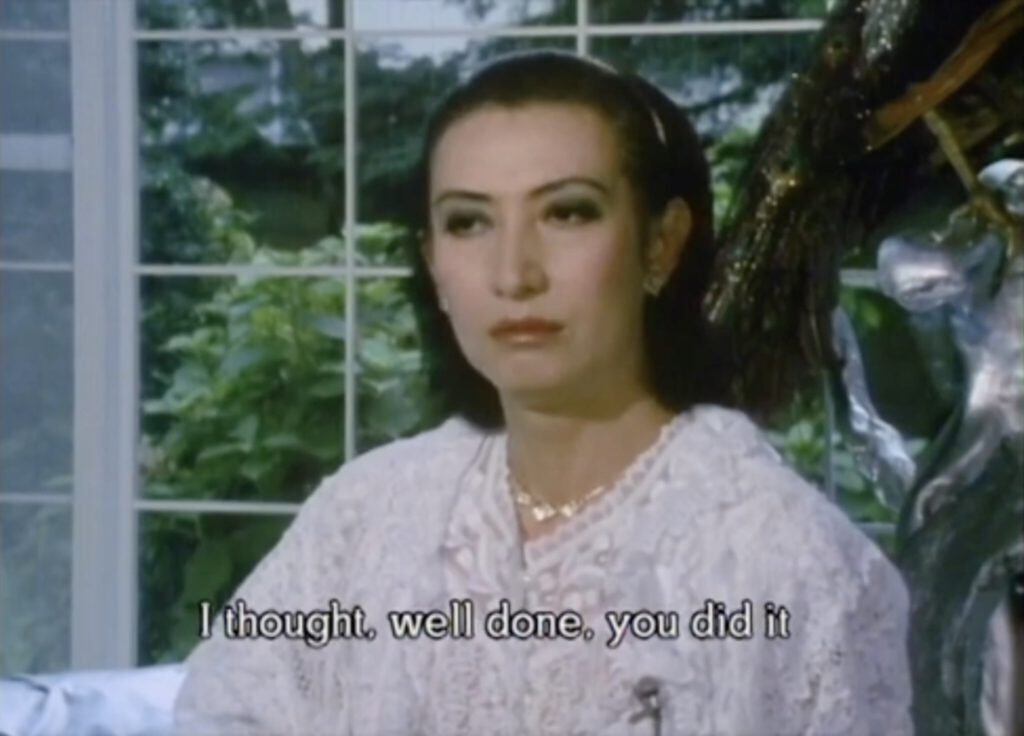
俳優であり、歌手であり、日本のLGBTの走りでもある美輪明宏さんがお亡くなりになられた。美輪さんと言えばやはり故:三島由紀夫との親密な関係だろう。
昭和の大スターが次々と消えていく。
謹んでご冥福をお祈りします。
R.I.P Akihiro Miwa.
The Strange Case of Yukio Mishima (1990)
『黒蜥蜴』(1968)
原作:江戸川乱歩 × 戯曲化:三島由紀夫 × 主演:美輪明宏 × 監督:深作欣二
https://x.com/FreeAll_protest/status/2071136672511918358
美輪明宏:三島由紀夫、身長155cm、が醜い男 (アグリー)、非常に痩せた
https://x.com/flowerdrums/status/2071083778068431060
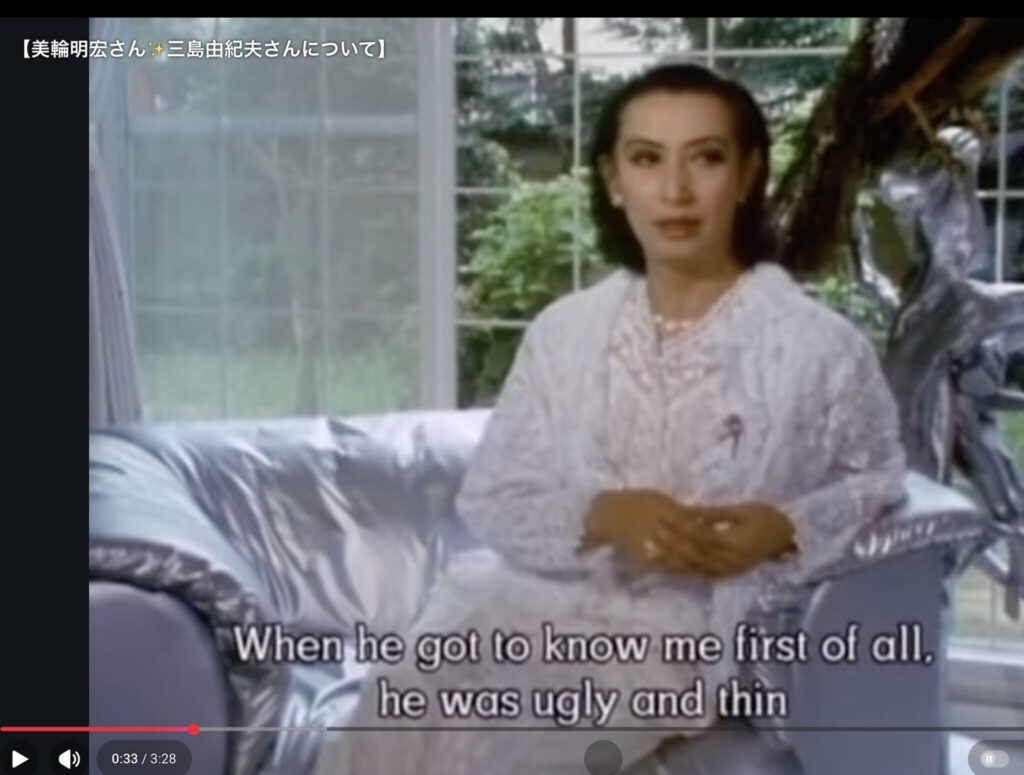
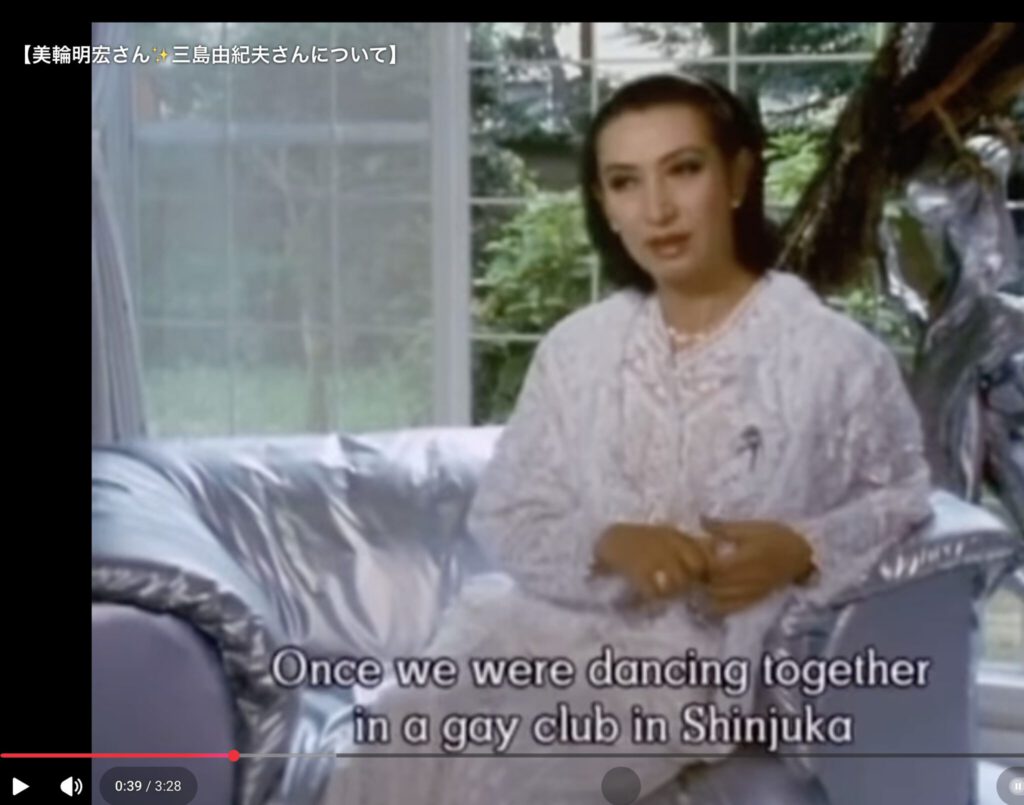
Ex-Link_https://www.youtube.com/watch?v=LkSs8WSkxy4
【美輪明宏さん✨三島由紀夫さんについて】
Link_https://www.youtube.com/watch?v=gm61yIBLS-0
【勘九郎】美輪明宏、三島由紀夫を語る (1991)
more @
https://art-culture.world/reviews/mishima-yukio-homoerotic-photoworks-eikoh-hosoe/
ポール・シュレイダー監督作品『MISHIMA』を巡って:極右、ファシストの三島由紀夫は、排外主義の馬鹿で、同性愛者であることを公表しない臆病者であり、女性を嘲笑し、滑稽で笑える日本の芸能人だった。 三島は冗談のような存在だ。三島とジェームズ・ボールドウィンを比較してみよう。
Ultra right wing, fascist MISHIMA Yukio, a chauvinist idiot, a coward for not coming out as a homosexual, who mocked women and played the ridiculous, laughable Japanese showman. Mishima IS a joke. Compare Mishima with James Baldwin.
https://art-culture.world/cultural-essays/mishima-paul-schrader/
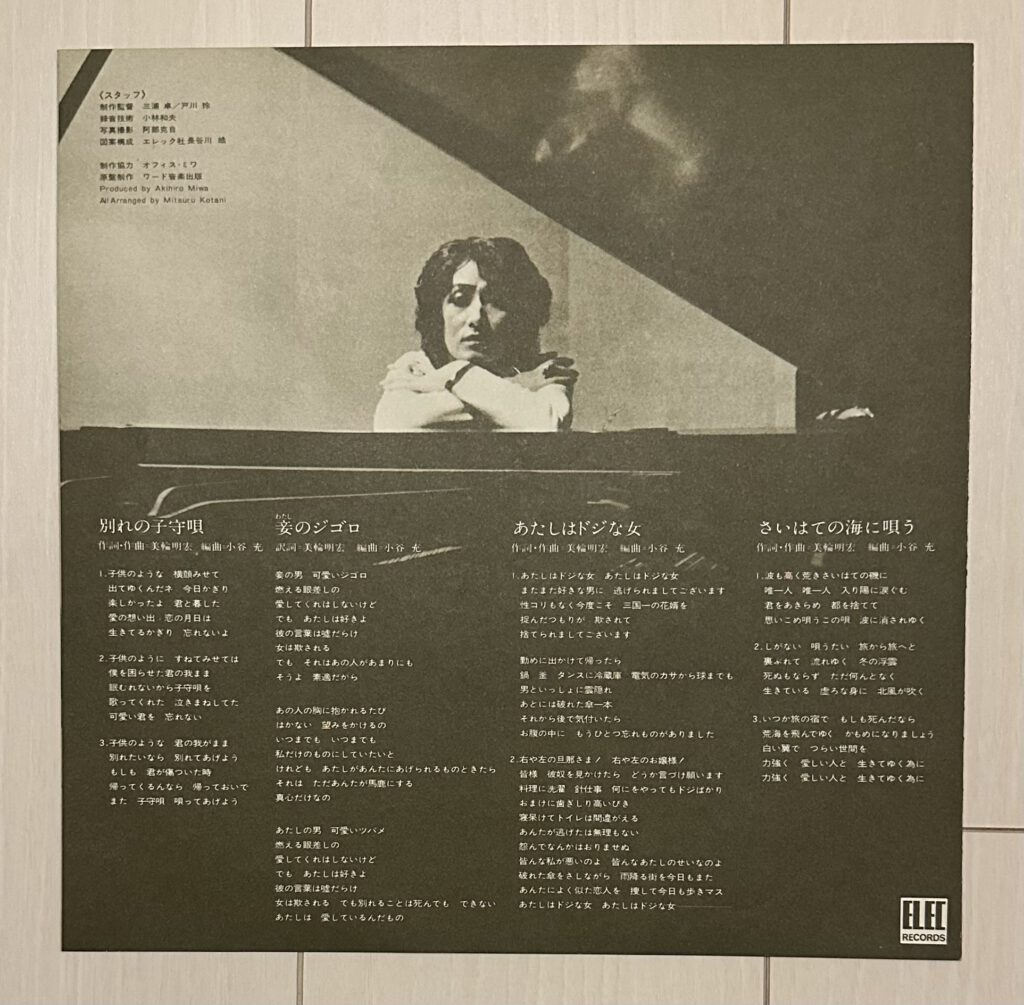
ヨイトマケの唄
Released on: 1965-06-10, Composer: 美輪明宏, Lyricist: 美輪明宏, Arranger: 川上英一
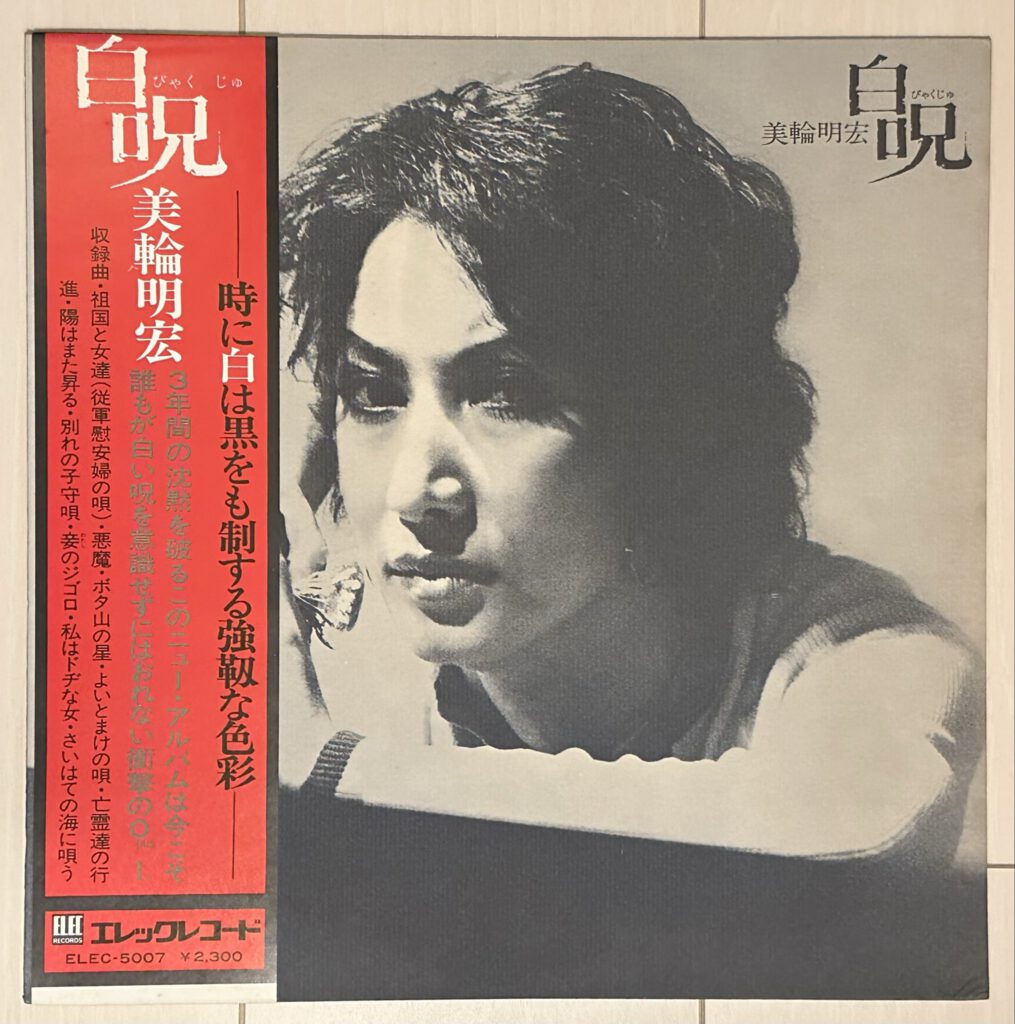
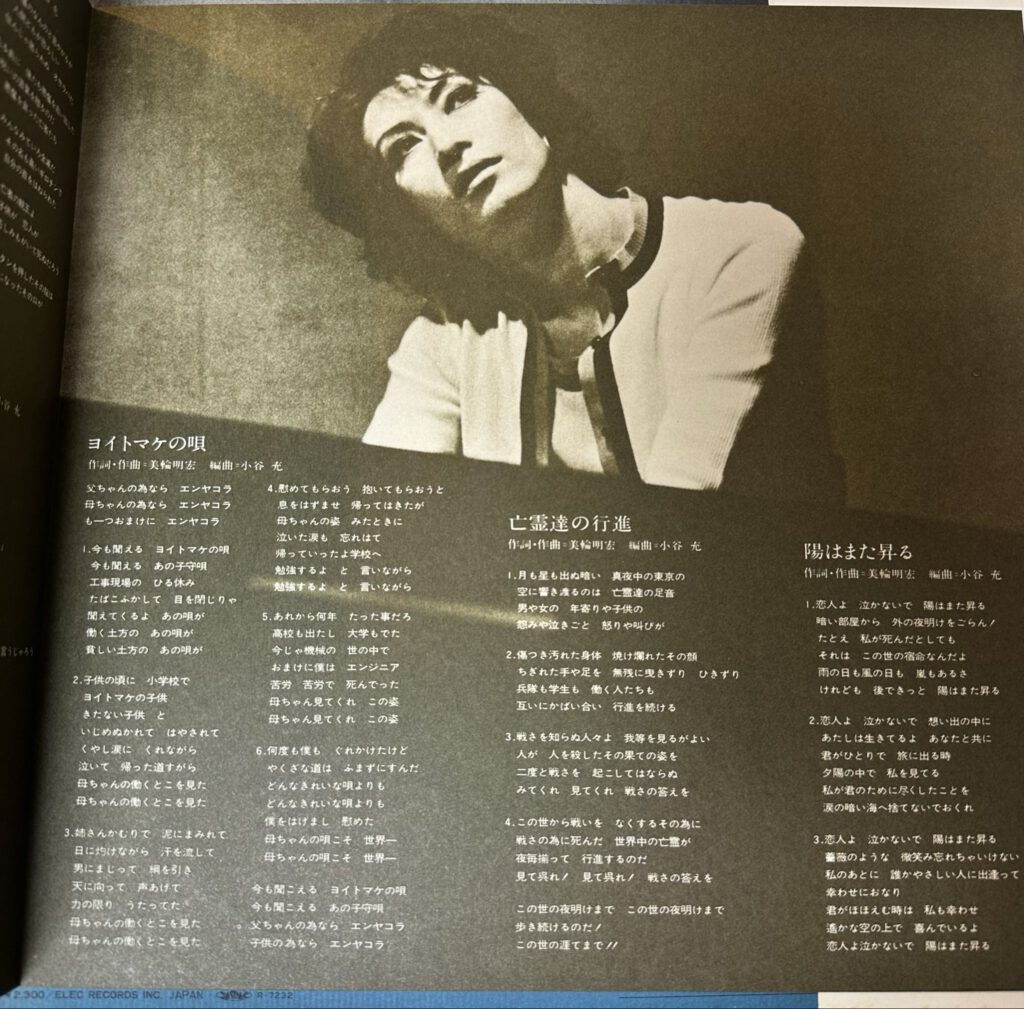
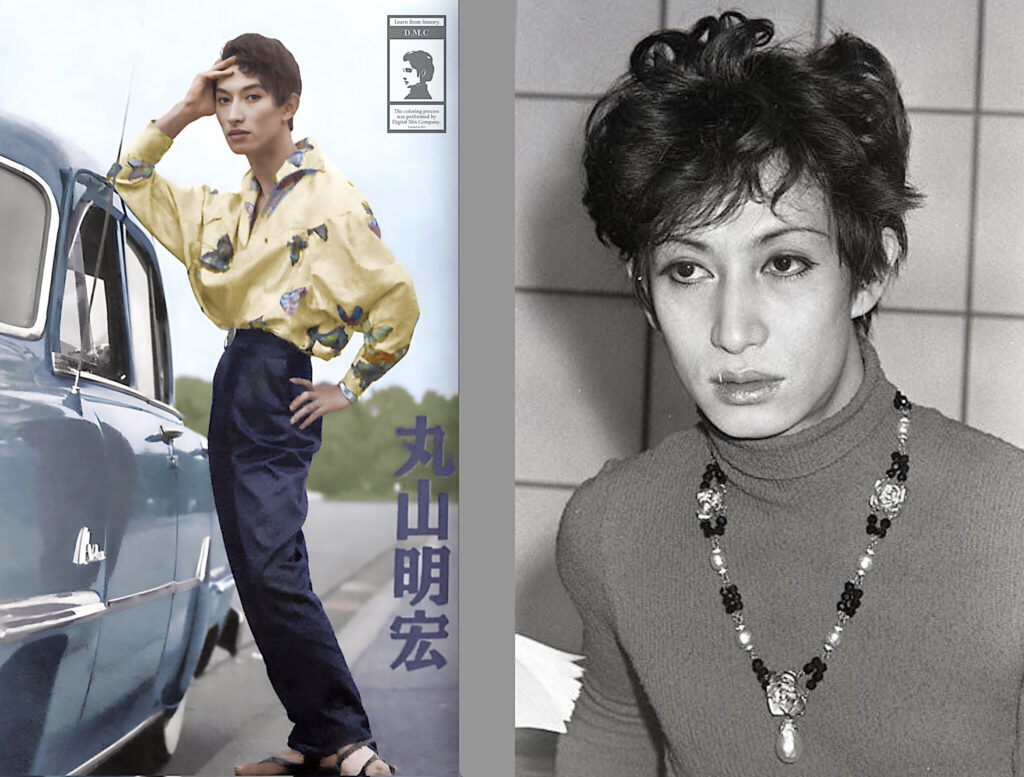
今またキナ臭い輩が大口叩き始めたようなので。
【美輪明宏vs中曽根康弘】
<中曽根(康弘)に会って、いきなり、
「キミらみたいなのは海軍魂を知らんだろうな」
… と言われた美輪は、
「ええ、年齢が年齢ですから、海軍魂は知りませんけど、原爆にやられました。竹槍の練習もさせられたし、銃後の守りでいろいろやらされました」
と返し、さらにこう反論した。
「でも、おかしいですね。そんなに海軍魂とやらが大層なものだったら、何で負けたんですか。向こうが原爆つくってる時に何で私たちは竹槍をつくらされてたんですか」
中曽根の無礼に対する美輪の怒りは、これでとどまらない。
「自分の同僚を見殺しにして、おめおめと帰って来て、腹も切らないでのうのうとしている。そういう面汚しの厚かましいのが海軍魂なら、私は知らなくて結構です」
トドメを刺されて中曽根は憮然として席を立っていったという。
その後、新幹線に乗ったら、中曽根が先に座っていた。美輪の席はその真後ろである。それでも仕方ないから知らん顔をして座っていると、秘書が次の車両に行き、老夫婦を連れてきて交代した。逃げたわけである。この逸話を紹介した後の美輪のタンカがまた気持ちがいい。
「男の風上にも置けない。てめぇ、キンタマついてんのかよですよ。たかが芸能人風情に対してね」
『サンデー毎日』コラム、佐高信の『政経外科』2013年2月10日付よりの転載
It seems some shady characters have started talking big again.
Akihiro Miwa vs. Yasuhiro Nakasone
When Miwa met Nakasone (Yasuhiro), he was suddenly told,
“People like you probably don’t know anything about the spirit of the Navy,”
…to which Miwa replied,
“Well, given my age, I don’t know anything about the spirit of the Navy, but I was exposed to the atomic bomb. I was made to practice with bamboo spears, and I was put through all sorts of things defending the home front.”
He then countered further:
“But that’s strange, isn’t it? If this so-called ‘naval spirit’ was such a great thing, why did we lose? Why were we made to make bamboo spears while they were building atomic bombs?”
Miwa’s anger at Nakasone’s rudeness didn’t stop there.
“Leaving your comrades to die, returning home with a straight face, and living comfortably without even committing seppuku. If that kind of shameless disgrace to one’s honor is what you call ‘Naval Spirit,’ then I’d rather not know anything about it.”
Having been dealt the final blow, Nakasone reportedly stood up and walked away, looking dejected.
Later, when Miwa boarded the Shinkansen, Nakasone was already seated there. Miwa’s seat was directly behind him. Resigned to the situation, Miwa sat down and pretended not to notice, but Nakasone’s secretary went to the next car, brought back an elderly couple, and had them switch seats with him. In other words, he had fled. Miwa’s retort after recounting this anecdote is particularly satisfying.
“He’s not even worthy of being called a man. ‘Do you even have a pair, you bastard?’—and that’s how he treated a mere entertainer.”
Reprinted from SATAKA Makoto’s column “Political and Economic Surgery” in *Sunday Mainichi*, dated February 10, 2013.
美輪明宏さんにおける「タブー」というワードは、彼女が歩んできた時代背景、表現活動、私生活における信念など、複数の文脈で語られます。
戦後の日本社会において、美輪明宏さんは常にパイオニアとして既成概念や社会的タブーに挑み続けました。その主な要素は以下の通りです。
1. 性別やセアリティの社会的タブーへの挑戦美輪さんはまだ同性愛への偏見が極めて強かった1950年代の日本において、自らが同性愛者(ゲイ)であることをオープンにカミングアウトしました。
•「シスターボーイ」としての先駆者:中性的な美貌と衣装でステージに立ち、当時のジェンダーバイアスや男尊女卑の風潮という最大のタブーに正面から抗議し、独自の地位を築きました。
2. 人生や表現における独自の「禁忌(タブー)」美輪さん自身が発信してきたメッセージの中には、運気を下げないための「やってはいけないこと」や独自の美意識によるタブーがいくつか存在します。
・「黒」と「グレー」の服を避ける:公式ファンクラブ 美輪明宏 麗人だより などでも発信されている通り、黒やグレーは「闇、死、不安、憂鬱、貧困」を連想させるネガティブな色として嫌い、私生活でも周囲の人にもできるだけ明るい色を身につけるよう勧めていました。
・愚痴、悪口、妬みの禁止:言葉には言霊(ことだま)が宿るとし、他人の悪口や後ろ向きな発言を口にすることを強く戒めていました。
3. メディアや世論のタブーへの切り込み
美輪さんはテレビ番組や文化活動を通じ、世間が直視したがらない社会問題や歴史のタブーに臆せず物申すスタンスを貫きました。
・原爆や戦争の悲惨さの告発:長崎での被爆体験を持つ当事者として、戦後の社会が風化させようとしていた戦争の残酷さや政治の矛盾を厳しく批判し続けました。
・メディアの常識への問題提起:過去にはテレビ番組『坂上・美輪のニュースにダマされるな!』などで、マスコミが報道しない「ニュースのタブー」や世論の盲点に斬り込む姿勢を見せていました。
美輪明宏さんにとっての「タブー」とは、恐れて避けるものではなく、「人々を縛る偏見として打ち破るべきもの」であり、同時に「自らの魂の気高さを保つために厳しく守るべき一線」でもありました。
For Akihiro Miwa, the term “taboo” is discussed in multiple contexts, including the historical backdrop of the era in which she lived, her artistic endeavors, and her personal beliefs.
In postwar Japanese society, Akihiro Miwa consistently challenged conventional wisdom and social taboos as a pioneer. The main elements of this are as follows:
1. Challenging Social Taboos Regarding Gender and Sexuality: In 1950s Japan, when prejudice against homosexuality was still extremely strong, Miwa openly came out as gay.
・A pioneer as a “Sister Boy”: Taking the stage with androgynous beauty and costumes, he directly protested the greatest taboos of the time—gender bias and the prevailing culture of male supremacy—and established a unique position for himself.
2. Unique “Taboos” in Life and Expression Among the messages Miwa himself has conveyed are several “things you must not do” to avoid bringing bad luck, as well as taboos based on his unique aesthetic sensibilities.
・Avoiding “black” and “gray” clothing: As shared in publications such as the official fan club newsletter *Akihiro Miwa: Reijin Doyo*, he disliked black and gray as negative colors associated with “darkness, death, anxiety, melancholy, and poverty,” and even in his private life, he encouraged those around him to wear as many bright colors as possible.
• Prohibition of Complaining, Slander, and Envy: Believing that words possess a spiritual power known as “kotodama,” he strongly cautioned against speaking ill of others or making negative remarks.
3. Challenging Taboos in the Media and Public Opinion
Through her television programs and cultural activities, Miwa consistently took a stance of speaking out fearlessly about social issues and historical taboos that society was reluctant to confront.
・Exposing the Atrocities of the Atomic Bombings and War: As a survivor of the atomic bombing in Nagasaki, he continued to harshly criticize the cruelty of war and the contradictions of politics that postwar society was trying to sweep under the rug.
・Challenging Media Conventions: In the past, on television programs such as *Don’t Be Fooled by the News with Sakagami and Miwa!*, he demonstrated a willingness to cut through “news taboos” ignored by the media and blind spots in public opinion.
For Akihiro Miwa, “taboos” were not things to be feared or avoided, but rather “prejudices that bind people and must be shattered”; at the same time, they were also “lines that must be strictly upheld to preserve the nobility of one’s own soul.”
朝日新聞デジタル
生と死を往還、自由の旗を振った
美輪明宏さんを悼む
現代美術家・横尾忠則
2026年7月1日
僕が寺山修司主宰の「天井桟敷」に参加して、1967年初演の「青森県のせむし男」の舞台美術の制作時に美輪明宏さんに会ったが、この時点では彼はまだ丸山明宏さんだった。
彼がシスターボーイとして「メケ・メケ」(57年)で衝撃の登場を果たした時、神戸新聞会館の大劇場で僕は彼の舞台を観(み)ていた。そんな彼の出演する芝居のポスターを何年か後に描くなんて想像だにしていなかった。
だけど美輪さんとの邂逅(かいこう)は同時に決別でもあった。というのは「毛皮のマリー」の舞台美術の装置のサイズを寺山修司の助手の勘違いで間違って発注したために舞台に装置が設置できなくなった。その責任を美術の僕に転嫁したので、僕は怒ってその場で作業を放棄したために、美輪さんとの関係が終わってしまった。
ところがそのトラブルを知った彼は僕の妥協を許さない態度が気に入ったと、二人の濃密な交遊が再開することになった。彼とのコラボは「黒蜥蜴(とかげ)」のポスターをはじめ、お互いの家を訪ね合う創造と生活が一致する関係が始まるのだが、彼の純粋で素朴、無垢(むく)な生き方に僕は共鳴、共感、示唆され続けることになっていった。
また彼の霊能力と思える力によって、僕の画家転向を前もって暗示し、作品のイメージまで具体的にビジョン化して見せた。彼は時間を自由自在にコントロールするかのように、僕の未来にタイムスリップして、次々と偶然を必然に変えていった。まるで生きながら死者の領域を自由自在に往還しているように見えた。
そして自らの霊的能力をメディアを通して社会化していった。そして現時点を超えたような神秘的な存在と化していくのだが、このような自らの存在に対しては彼は常に因果応報を恐れながらも、その罪を覚悟しているようにも思えた。
彼の演出する舞台作品の「黒蜥蜴」や「双頭の鷲(わし)」や三島由紀夫作「『近代能楽集』より 葵上(あおいのうえ)・卒塔婆(そとば)小町」には毎回のように身の毛もよだつ不思議な怪異があった。30年ほど前、「卒塔婆小町」を見終えると同時に突然、僕の目から涙があふれ出した。感きわまったわけでも、悲しいわけでもない。
一体僕に何が起こっているのかわからないまま、美輪さんの楽屋に駆け込んだ。そんな僕を見た美輪さんは顔色ひとつ変えないで、「きっと三島さんが芝居に感動して、喜んで、横尾ちゃんの身体を借りて感涙したのよ」と、当然のような顔をして嬉(うれ)しそうに笑った。
小町を演じた美輪さんを、僕は最後まで別の俳優が演じているとばかり思っていた。一種の心霊的な憑依(ひょうい)現象のように思えて恐ろしくなった。だから僕の目からあふれる涙は三島霊の憑依と決めていた美輪さんは、僕の涙にぬれた顔を見て、満面嬉しそうな笑みを浮かべた。
美輪さんはアールデコや大正ロマンが好きで、情緒とか、ノスタルジーなどの一見後ろ向きの思想を機会あるごとに主張しながら、その想念を前向きの社会的通念としての思想に変容していくのだった。
美輪さんはまるでこの世をあの世のシミュレーションのように考えているのか、それとも自分自身も死者であるかのように振るまい、一方現実では核を否定しながら美の伝道者として民衆の最前線でドラクロアの旗を振る「自由の女神」を見事に演じるのだった。
美輪さん「ありがとう」。
Asahi Shimbun Digital
He traversed the realms of life and death, waving the banner of freedom
In memory of MIWA Akihiro
Contemporary artist Tadanori Yokoo
1 July 2026
I met Akihiro Miwa whilst working on the set design for *The Hunchback of Aomori Prefecture*, which premiered in 1967 as part of Shuji Terayama’s ‘Tenjo Sanshiki’ theatre group; at that time, however, he was still known as Akihiro Maruyama.
When he made his sensational debut as a ‘Sister Boy’ in *Meke Meke* (1957), I was watching his performance at the Grand Theatre of the Kobe Shimbun Hall. I could never have imagined that, a few years later, I would be designing posters for plays in which he appeared.
However, my encounter with Mr Miwa was, at the same time, a parting of ways. This was because, due to a misunderstanding by Shuji Terayama’s assistant, the set pieces for *Marie in Fur* had been ordered in the wrong size, making it impossible to install them on stage. The blame was shifted onto me, the set designer, so I became furious and walked off the job on the spot, bringing my relationship with Mr Miwa to an end.
However, upon learning of this incident, he came to appreciate my uncompromising attitude, and our close friendship was rekindled. Our collaboration began with the poster for *The Black Lizard*, marking the start of a relationship in which creativity and daily life became one as we visited each other’s homes; I found myself continually resonating with, empathising with, and being inspired by his pure, simple and innocent way of life.
Furthermore, through what appeared to be his psychic abilities, he foreshadowed my transition to becoming a painter and even showed me concrete visions of the images in my future works. As if he could control time at will, he slipped into my future, transforming one coincidence after another into inevitability. It seemed as though he were freely travelling back and forth between the realm of the living and that of the dead whilst still alive.
He then began to share his spiritual abilities with society through the media. As he gradually transformed into a mysterious presence that seemed to transcend the present moment, it appeared that, whilst constantly fearing the law of cause and effect regarding his own existence, he was also resigned to the consequences of his sins.
His stage productions—‘The Black Lizard’, ‘The Two-Headed Eagle’ and Yukio Mishima’s ‘Aoi-no-Ue and Sotoba Komachi’ from *The Modern Noh Plays*—were almost invariably imbued with a spine-chilling, uncanny atmosphere. About thirty years ago, the moment I finished watching *Sotoba Komachi*, tears suddenly welled up in my eyes. It was neither because I was deeply moved nor because I was sad.
Without understanding what on earth was happening to me, I rushed into Miwa-san’s dressing room. Seeing me like that, Miwa-san, without so much as a flicker of emotion, smiled happily as if it were the most natural thing in the world and said, ‘I’m sure Mr Mishima was so moved and delighted by the play that he borrowed Yokoo-chan’s body to shed these tears of emotion.’
I had been under the impression right up until the very end that Miwa-san, who played Komachi, was actually being portrayed by another actor. It struck me as a kind of spiritual possession, and I was terrified. Convinced, therefore, that the tears streaming from my eyes were the result of Mishima’s spirit possessing me, Ms Miwa, upon seeing my tear-stained face, broke into a beaming smile.
Ms Miwa was fond of Art Deco and Taishō Romanticism; whilst she advocated seemingly backward-looking ideas such as sentimentality and nostalgia at every opportunity, she transformed those sentiments into forward-looking social conventions.
It was as though Miwa-san regarded this world as a simulation of the afterlife, or perhaps behaved as if she herself were among the dead; yet in reality, whilst rejecting nuclear power, she masterfully played the role of the ‘Statue of Liberty’, waving Delacroix’s flag at the forefront of the people as a preacher of beauty.
Miwa-san: ‘Thank you.’
https://www.asahi.com/articles/DA3S16493554.html
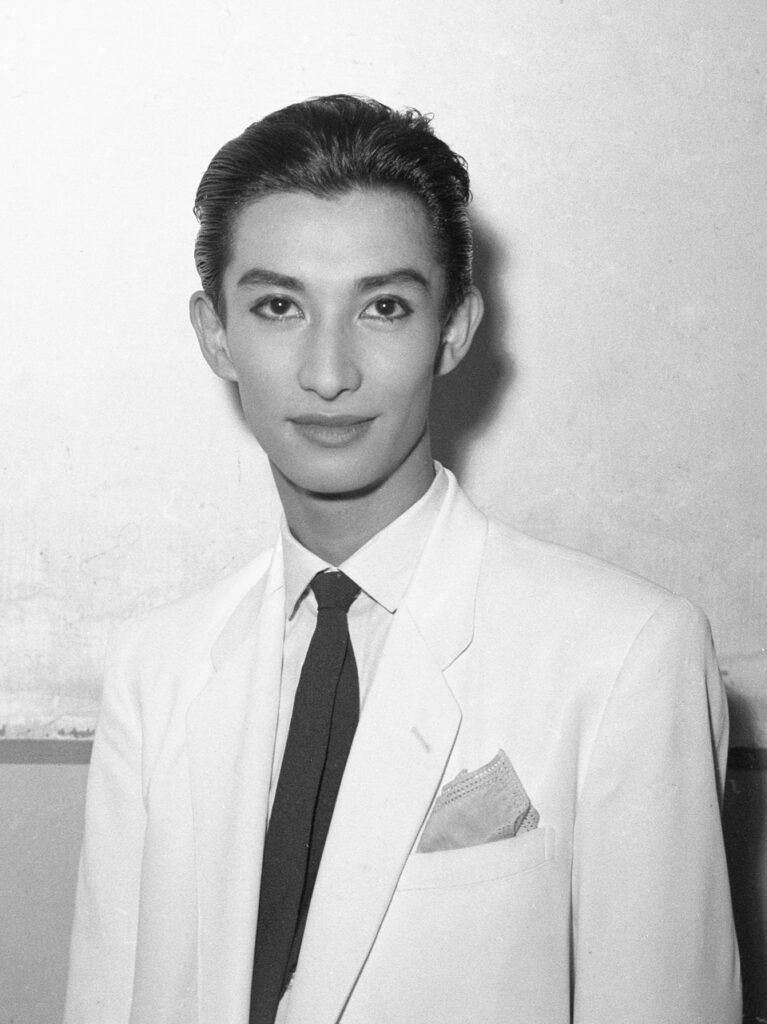
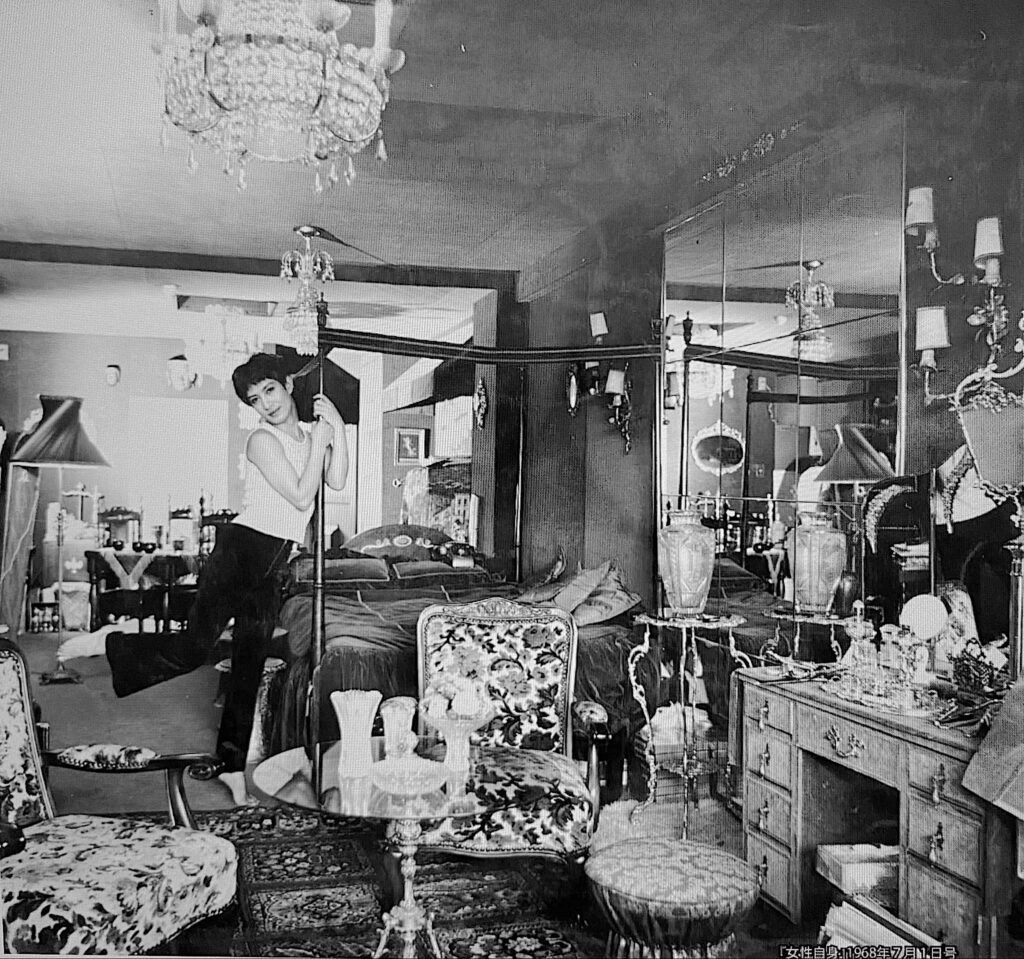
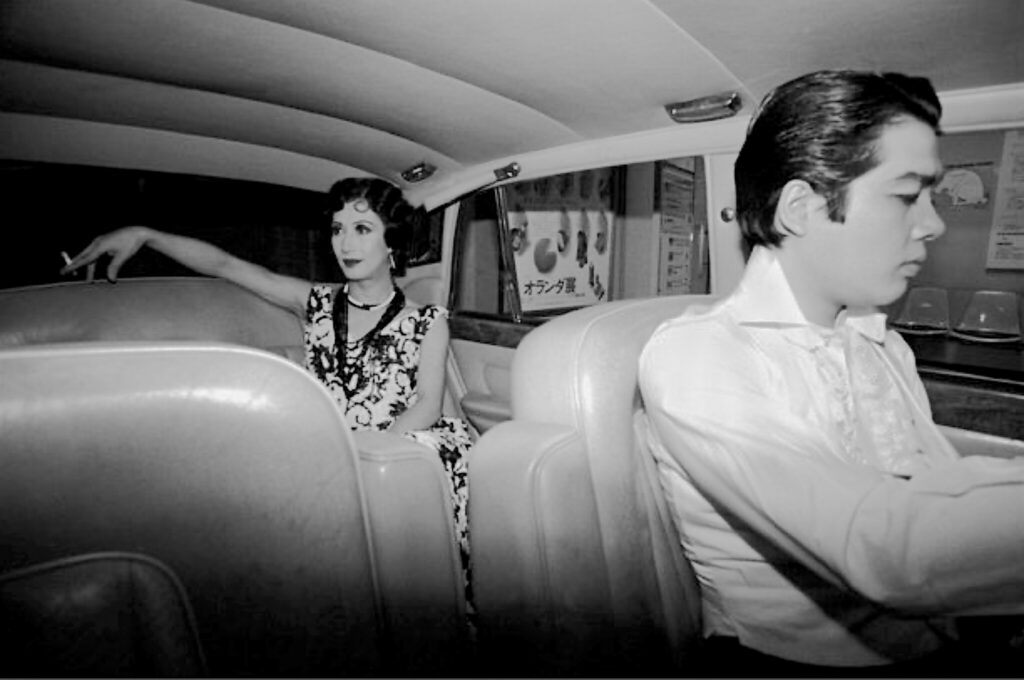
美輪明宏/愛の讃歌 HYMNE A L’AMOUR