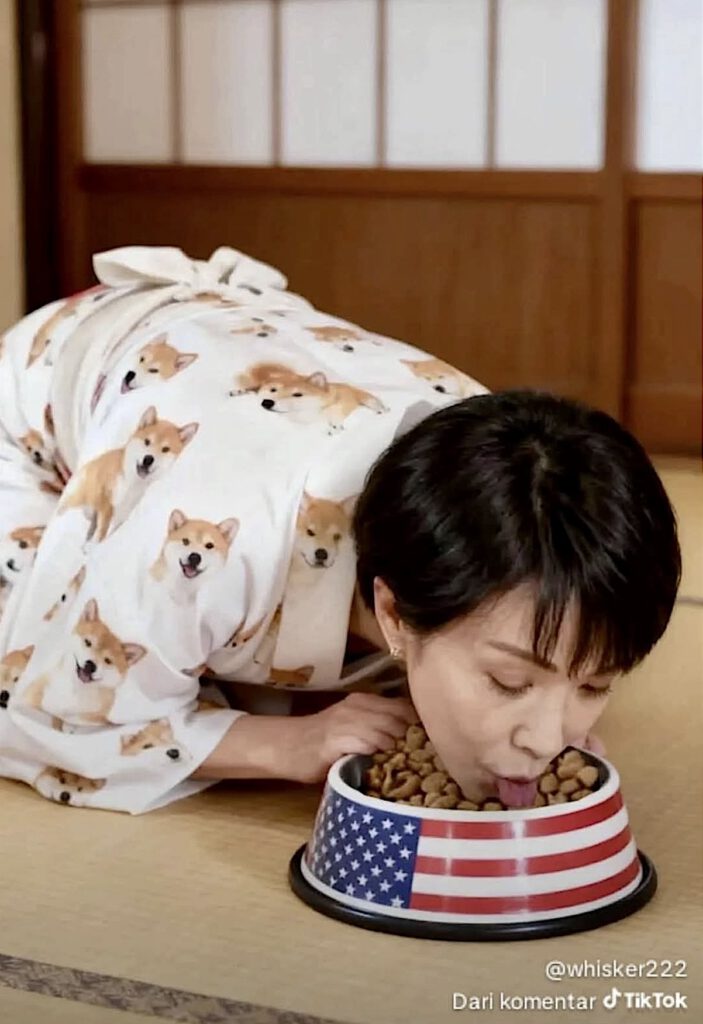
「日本の天皇制の廃止」への道 (1) The Path to "Abolishing the Japanese Emperor System" (1)
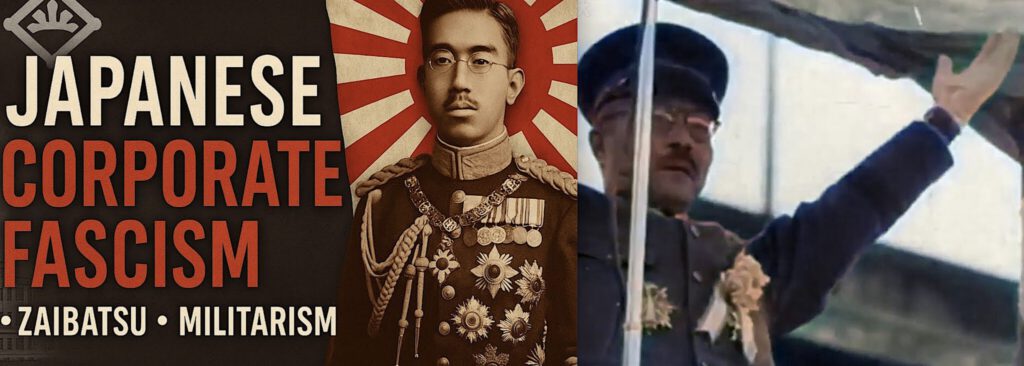
さて、45年にわたる学術的研究の成果であるこのテーマについて、今こそART+CULTUREで取り上げてみてはいかがでしょうか。
Well, regarding this subject — which is the result of forty-five years of scholarly research — would it not be appropriate to introduce it in ART+CULTURE at this time?
日本人が自国の歴史を知らないというのは周知の事実です。さて、日本の天皇制について少し光を当ててみましょう。
ご存知の通り、ヨーロッパ諸国のほとんどは君主制を廃止しました。ヨーロッパでは君主制は公式には消滅しており、政治的な権力は持っていません。
そのため、1945年の終戦直後、日本では天皇とその家族を殺害し、天皇制・皇室制度を廃止すべきだという風潮がありました。
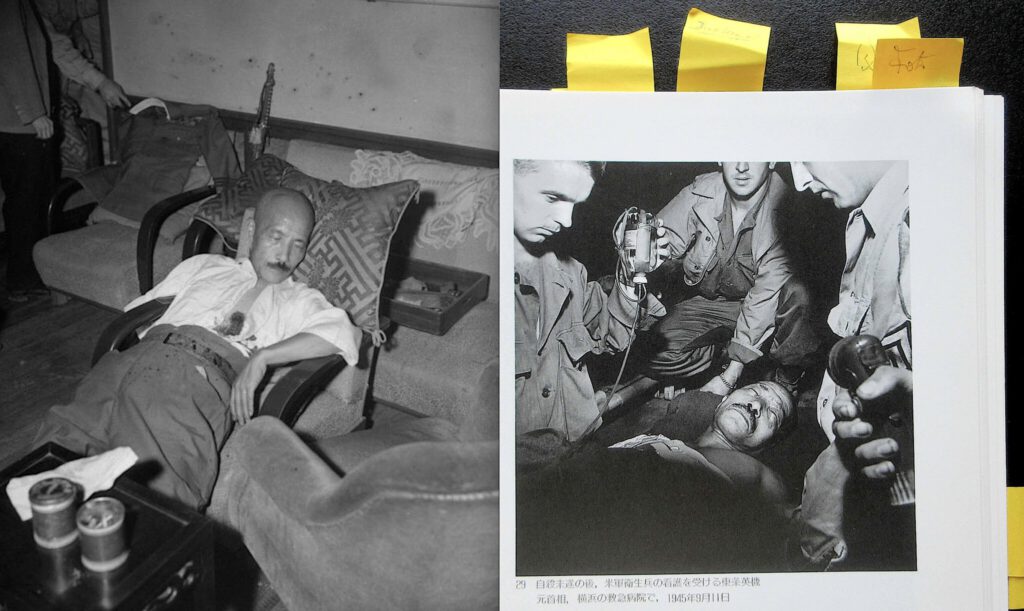
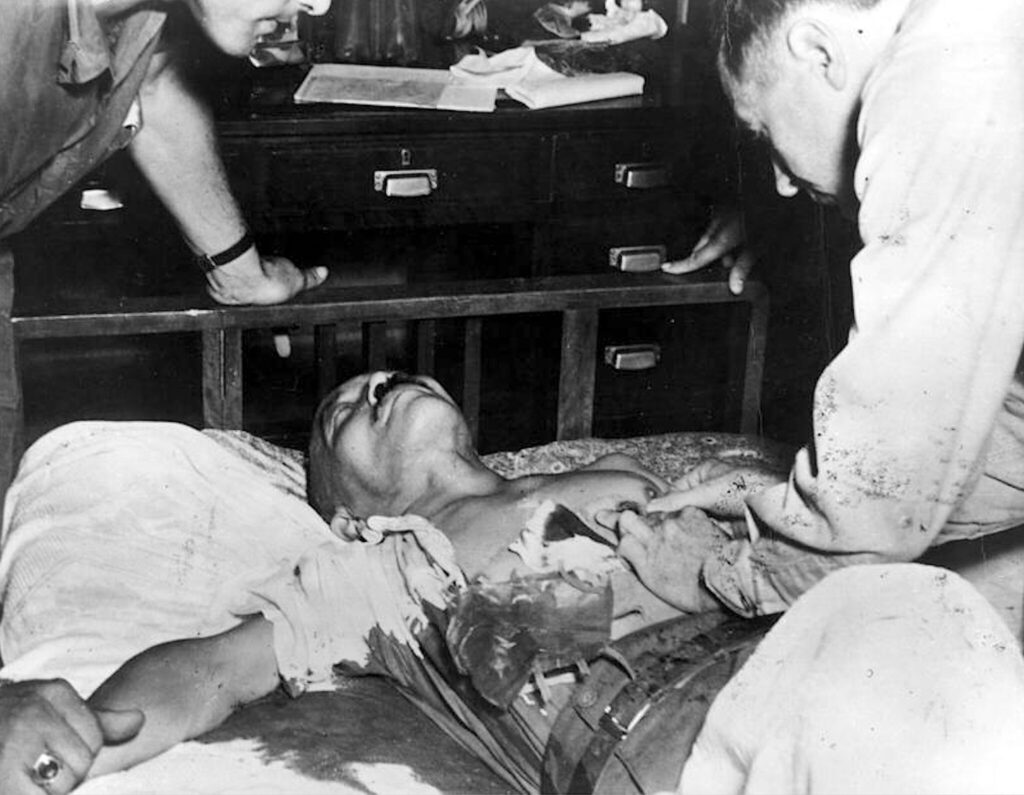
多くの日本人は、東條英機が自殺未遂を起こしたことを知りません。しかし、アメリカ軍が彼を救出しました。天皇も自殺すべきだったのではないでしょうか?
日独伊三国同盟調印式 昭和15年9月
ドイツ週刊ニュース 松岡外相のベルリン訪問【日独同盟】 日本語字幕
1937-1941 : Japan’s war in China | PURE WW2
天皇陛下万歳 TENNO HEIKA BANZAI
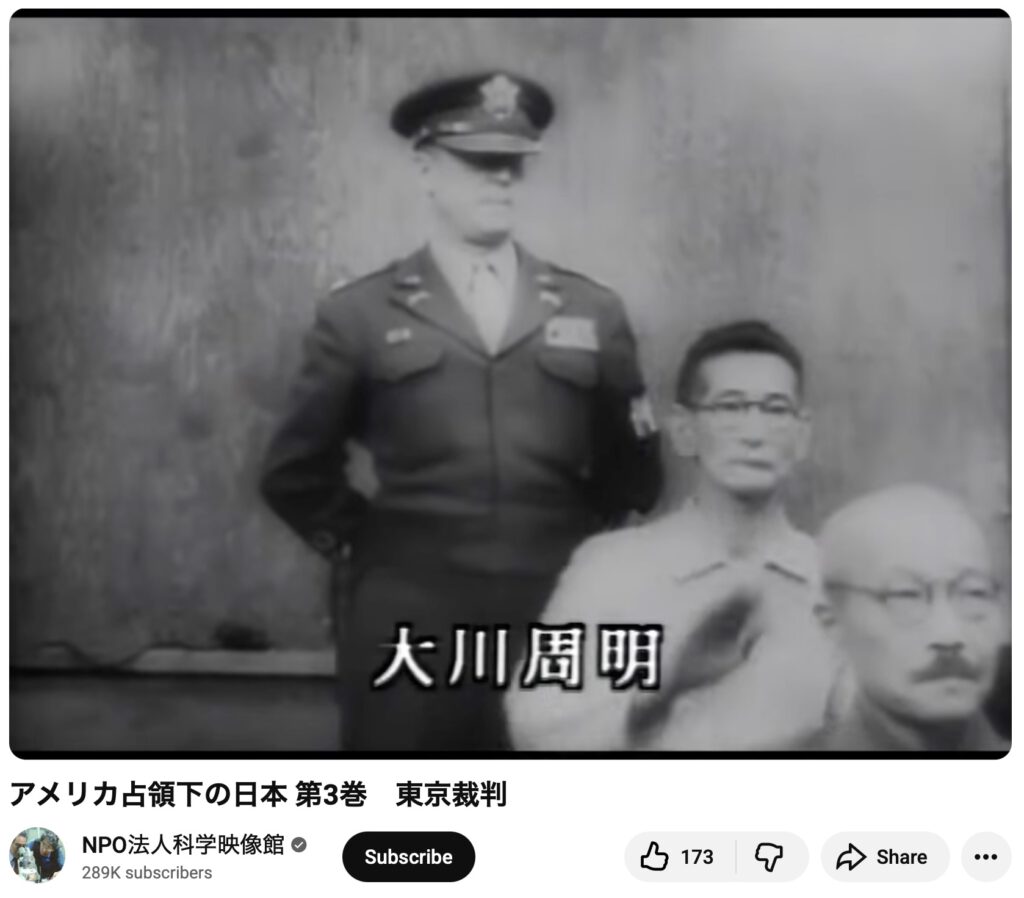
Link_https://www.youtube.com/watch?v=jnlsX9EiFdw
It is a well-known fact that Japanese people are unfamiliar with their own country’s history. Now, let’s shed some light on the Japanese Imperial System.
As you know, most European nations have abolished their monarchies; in Europe, the monarchy has effectively ceased to exist in any official capacity and holds no political power.
Consequently, in the immediate aftermath of the war in 1945, there was a prevailing sentiment in Japan that the Emperor and his family should be killed and the Imperial System / the Imperial Household abolished.
Many Japanese people are unaware that TOJO Hideki attempted suicide, only to be saved by the U.S. military. One might ask: shouldn’t the Emperor have committed suicide as well?
親軍国主義的な姿勢をとる読売新聞は本日、日本の政治家たちに対し、激しく声高な批判を繰り広げ、怒りを露わにしました。以下の記事を参照のこと。
これを、今後不定期に公開される日本の天皇制に関する「アート+カルチャー」の連載記事の、本日の出発点とします。
The pro-militarist Yomiuri Shimbun expressed its anger today toward Japanese politicians with vehement and vocal criticism. See the article below.
This serves as today’s starting point for upcoming ART+CULTURE articles on the Japanese Imperial System, which will be published at irregular intervals.
皇室典範改正案 根幹変える質疑が3時間とは
読売新聞、社説、2026/07/11
「立法府の総意」にない重大な変更が盛り込まれたにもかかわらず、質議はわずか1日、しかも3時間で終結した。
女性皇族が結婚後も皇室に残る案と、旧宮家の一般男性を皇族の養子に迎える制度を柱とする皇室典範改正案が、賛成多数で衆院を通過した。
あまりに拙速で、政府・与党と、賛成した野党の見識を疑う。
養子に生まれた男子が皇位継承資格を持つ規定が論点になった。衆参両院正副議長がまとめた「立法府の総意」は、養子の子の身分に触れていなかったからだ。
一部の党が「国民を 愚弄 ぐろう するやり方だ」と批判した以外、野党から養子制度の問題点への追及がなかったことは疑問だ。
木原官房長官は「総意」が養子の子の身分に言及していないため「男系男子が皇位を継承する」という現行法規定により継承資格を持つ、との見解を繰り返した。
だが、皇室典範が禁じる養子制度を導入し、象徴天皇制の根幹を変える重大な改正なのに、その子にだけは現行法規定を適用する、との理屈は 詭弁 きべん にすぎない。
改正案は「男系男子による継承の維持が目的か」と聞かれたのに対し、木原氏は「皇族数の確保」だと、通り一遍の答弁を繰り返した。改正案が旧宮家の系統による皇位継承に道を開くことを明言は避けながら事実上認めた形だ。
最も理解し難いのは中道改革連合の動きだ。養子の子の皇位継承資格について是非を「速やかに検討する」と付帯決議に明記すれば賛成するとして修正を求めた。党内に反対論があるためだ。
与党は拒否し、木原氏は「立法府の将来の検討を縛るような趣旨ではない」と答えた。それだけで中道改革は納得して賛成した。
答弁は、「縛る」までもない、皇位継承資格を決めてしまったのだから後で何を言おうとご自由にどうぞ、という趣旨なのに。
日本維新の会の藤田文武共同代表は「女性皇族が自らの意思で皇籍を離脱しても公務はお支えいただくようお願いする方策もあり得る」とし、木原氏も肯定した。
皇族を離れても公務分担を求めるとは身勝手が過ぎる。皇室の方々の立場や思いへの配慮が欠けてはいないか。
改正案が、議事日程などを所管する議院運営委員会で審議されたことも 腑 ふ に落ちない。参院では野党の要求通り特別委員会が置かれた。立憲民主党などは改正案に反対する方針という。改正案の問題点を厳しくただす必要がある。
https://www.yomiuri.co.jp/editorial/20260710-GYT1T00401

Proposed Amendment to the Imperial House Law: Only Three Hours of Questioning on a Fundamental Change?
Yomiuri Shimbun, Editorial, July 11, 2026
Despite the inclusion of major changes that do not reflect the “consensus of the legislature,” the debate lasted only one day—and concluded in just three hours.
The bill to amend the Imperial House Law—centered on a proposal allowing female members of the Imperial Family to remain in the Imperial Household after marriage and a system to adopt ordinary men from former imperial families into the Imperial Family—passed the House of Representatives by a majority vote.
This process was far too hasty, and it calls into question the judgment of the government, the ruling parties, and the opposition parties that voted in favor.
The provision granting eligibility for the imperial succession to male children born through adoption became a point of contention. This is because the “consensus of the legislature” compiled by the Speakers and Vice Speakers of both the House of Representatives and the House of Councillors did not address the status of adopted children.
It is puzzling that, aside from some parties criticizing the move as “an approach that mocks the people,” there was no scrutiny from opposition parties regarding the problems with the adoption system.
Chief Cabinet Secretary Kihara reiterated the view that, since the “consensus” did not mention the status of children born through adoption, such children are eligible to succeed to the throne under the current legal provision that “the male-line male shall succeed to the throne.”
However, given that this is a major amendment that introduces the adoption system—which is prohibited by the Imperial House Law—and alters the very foundation of the symbolic imperial system, the argument that current legal provisions apply only to that child is nothing more than sophistry.
When asked whether the purpose of the amendment was “to maintain succession by male-line descendants,” Mr. Kihara repeated the standard response that it was to “ensure the number of Imperial Family members.” While he avoided explicitly stating that the amendment would pave the way for Imperial succession through the lineages of former Imperial Houses, he effectively acknowledged it.
The most difficult to understand is the stance of the Centrist Reform Alliance. They requested an amendment, stating they would support the bill if a supplementary resolution explicitly stated that the eligibility of adopted children to succeed to the throne would be “promptly examined.” This was due to opposition within their own party.
The ruling party rejected this, and Mr. Kihara responded, “The intent is not to restrict the legislature’s future deliberations.” With that alone, the Centrist Reform Alliance was satisfied and voted in favor.
Yet the essence of his response was that there was no need to “restrict” anything—since the eligibility for the imperial throne had already been decided, they were free to say whatever they wanted afterward.
Fumitake Fujita, co-leader of the Japan Innovation Party, stated, “There could be measures to request that female members of the Imperial Family continue to support official duties even if they renounce their imperial status of their own volition,” a view that Mr. Kihara also endorsed.
To demand that members of the Imperial Family continue to share in official duties even after leaving the Imperial Family is far too self-serving. Does this not lack consideration for the position and feelings of the Imperial Family members?
It is also hard to fathom why the amendment was deliberated by the House Steering Committee, which oversees the legislative agenda and other matters. In the House of Councillors, a special committee was established as requested by the opposition parties. The Constitutional Democratic Party of Japan and others have announced their intention to oppose the amendment. It is necessary to rigorously scrutinize the problematic aspects of this amendment.
Entwurf zur Änderung des Kaiserhausgesetzes – Nur drei Stunden für die Aussprache über grundlegende Änderungen?
Yomiuri Shimbun, Editorial, 11.07.2026
Obwohl der Entwurf gravierende Änderungen enthält, die nicht dem „allgemeinen Konsens der Legislative“ entsprechen, dauerte die Debatte nur einen Tag und endete zudem bereits nach drei Stunden.
Der Entwurf zur Änderung des Kaiserhausgesetzes, dessen Kernpunkte darin bestehen, dass weibliche Mitglieder des Kaiserhauses auch nach der Heirat im Kaiserhaus verbleiben können und dass Männer aus ehemaligen Fürstenhäusern als Adoptivkinder in das Kaiserhaus aufgenommen werden können, wurde mit großer Mehrheit vom Unterhaus verabschiedet.
Das Vorgehen war viel zu übereilt, sodass man an der Urteilsfähigkeit der Regierung, der Regierungsparteien und der zustimmenden Oppositionsparteien zweifeln muss.
Umstritten war die Bestimmung, wonach ein als Adoptivsohn geborener Junge das Recht auf die Thronfolge besitzt. Denn der von den Vorsitzenden und stellvertretenden Vorsitzenden beider Kammern zusammengefasste „allgemeine Konsens der Legislative“ ging nicht auf den Status von Adoptivkindern ein.
Es ist fragwürdig, dass es von Seiten der Opposition keine kritischen Fragen zu den Problemen des Adoptionssystems gab, abgesehen von der Kritik einiger Parteien, dies sei „eine Art, das Volk zu verhöhnen“.
Kihara, der Chef des Kabinettssekretariats, wiederholte seine Auffassung, dass diese Kinder gemäß der geltenden gesetzlichen Bestimmung, wonach „ein männlicher Nachkomme in männlicher Linie den Thron beerbt“, die Thronfolgeberechtigung besitzen, da der „allgemeine Konsens“ den Status adoptierter Kinder nicht erwähne.
Doch angesichts der Tatsache, dass es sich um eine gravierende Änderung handelt, die das System der Adoption einführt – was das Kaiserhausgesetz verbietet – und damit die Grundlagen des symbolischen Kaisertums verändert, ist die Argumentation, dass die geltenden gesetzlichen Bestimmungen nur auf dieses Kind angewendet werden sollen, nichts weiter als eine Sophistik.
Auf die Frage, ob das Ziel des Änderungsentwurfs die „Aufrechterhaltung der Thronfolge durch männliche Nachkommen in männlicher Linie“ sei, wiederholte Herr Kihara die stereotype Antwort, es gehe um die „Sicherung der Anzahl der Mitglieder der kaiserlichen Familie“. Damit räumte er faktisch ein, dass der Änderungsentwurf den Weg für eine Thronfolge durch Nachkommen ehemaliger kaiserlicher Häuser ebnet, ohne dies ausdrücklich zu bestätigen.
Am schwersten zu verstehen ist das Vorgehen der „Allianz für gemäßigte Reformen“. Sie forderte eine Änderung des Entwurfs und erklärte, sie werde zustimmen, wenn in einem Zusatzbeschluss ausdrücklich festgehalten werde, dass die Frage der Thronfolgeberechtigung von Adoptivkindern „umgehend geprüft“ werde. Grund dafür sind gegenteilige Meinungen innerhalb der Partei.
Die Regierungspartei lehnte dies ab, und Herr Kihara antwortete: „Es ist nicht beabsichtigt, die künftigen Überlegungen des Gesetzgebers einzuschränken.“ Allein damit gab sich die „Allianz für gemäßigte Reformen“ zufrieden und stimmte zu.
Die Antwort lautete jedoch im Sinne von: „Es geht nicht darum, etwas ‚einzuschränken‘ – da die Thronfolgeberechtigung bereits festgelegt wurde, steht es jedem frei, später zu sagen, was er will.“
Fumitake Fujita, Mitvorsitzender der Japanischen Partei für Erneuerung, erklärte: „Es könnte Maßnahmen geben, mit denen weibliche Mitglieder der kaiserlichen Familie gebeten werden, weiterhin öffentliche Aufgaben zu übernehmen, auch wenn sie aus eigenem Willen aus dem kaiserlichen Stand austreten“, was auch Herr Kihara bejahte.
Es ist überaus egoistisch, von Mitgliedern der kaiserlichen Familie zu verlangen, öffentliche Aufgaben zu übernehmen, auch wenn sie aus dem kaiserlichen Stand ausgetreten sind. Fehlt es hier nicht an Rücksichtnahme auf die Lage und die Gefühle der Mitglieder des Kaiserhauses?
Es ist auch nicht nachvollziehbar, dass der Änderungsentwurf im Ausschuss für Parlamentsangelegenheiten beraten wurde, der für die Tagesordnung und Ähnliches zuständig ist. Im Oberhaus wurde gemäß den Forderungen der Opposition ein Sonderausschuss eingerichtet. Die Konstitutionelle Demokratische Partei und andere Parteien beabsichtigen, den Änderungsentwurf abzulehnen. Die problematischen Punkte des Änderungsentwurfs müssen streng hinterfragt werden.
朝日新聞、連載、社説digital記事
【社説】皇室典範改正 無体な可決に同調した中道の不実
2026年7月10日
この社説のポイント
●皇室典範改正案がわずか3時間の審議で衆院を通過した
●中道改革連合は、是非を深く論じないまま、旧宮家の男系男子による養子縁組を法制化する改正案に同調した
●多様な民意を立法に反映させる野党の責任を果たしたとは、とても言えない
皇室典範改正案の国会審議が始まり、衆院の委員会、そして本会議で即日、可決された。与党のほか、中道改革連合などの各党も賛成した。国のかたちに関わる重大テーマが様々な疑問を抱えたまま、わずか3時間余で質疑を終えた。成立へとひた走るさまは、立法府の責任をまっとうしたとはとても言えない。
強引な国会運営の責任が政権にあるのは言うまでもない。一方、野党には政府案の問題点をただし、国民の多様な意見を立法に反映させる責任がある。衆院野党第1党の中道や、第2党の国民民主党が、その役割を果たしたとは評価できない。
中道は10日、小川淳也代表が「苦渋だが賛成したい」と表明した。ただ、その過程で迷走し、賛成にまわる理由も透明性を欠いた。
改正案は、旧宮家の男系男子を養子として皇族に迎えることを可能とし、養子の男性子孫は皇位継承の資格を持つことが明示された。
本来は、皇位継承のあり方に踏み込まず「皇族数の確保策」を決めるはずだった。男系男子への急旋回に野党は反発。中道は「女性天皇の是非や女性宮家創設の検討」などを付帯決議案に盛り込むよう求めたが、自民は拒否した。
それなのに中道は、政府が養子の子孫の条項について、将来の検討を縛らないなどと答弁したことを理由に賛成に回った。だが、これは政府が以前から明示していた見解だ。中道が改正案に賛成するための方便というほかない。
養子案について、中道には賛成、反対、様子見が混在する。党内に亀裂が走ることを懸念する執行部は、その是非を深く論じることなく改正案に同調したのが実情だ。
そのツケは、本会議の採決で数人の議員が退席する足並みの乱れに表れた。参院では、立憲民主党が改正案への反対方針を決めている。ちぐはぐな対応が、中道と参院の立憲、公明の3党による合流協議に悪影響を与えるのは必至だ。税財政や安全保障政策など今後の重要テーマへの対応にも不安を残した。
「ジェンダー後進国脱却」を掲げる国民民主にも反省を求めたい。女性・女系天皇への道を妨げつつ、男系男子の養子縁組を法制化してしまう重みを、どこまで自覚しているのか。政府案の矛盾や将来への影響を十分にたださないまま賛成するなら、安易な追随とみられよう。
皇位継承のあり方を、国民的な議論なくして既成事実化していいはずがない。来週からの参院審議では、衆院の拙速を追認しないよう、望む。
Asahi Shimbun, Series, Editorial (digital article)
[Editorial] Amendment to the Imperial House Law: The Hypocrisy of the Centre-Left in Going Along with an Unreasonable Passage
10 July 2026
Key points of this editorial
● The bill to amend the Imperial House Law passed the House of Representatives after a mere three hours of debate
● The Centrist Reform Alliance went along with the amendment—which would legalise adoption by male-line descendants of former imperial families—without engaging in any in-depth debate on its merits
● It is simply impossible to say that they fulfilled the opposition’s responsibility to reflect the diverse will of the people in legislation
Parliamentary deliberations on the amendment to the Imperial House Law began, and it was passed on the very same day by a House of Representatives committee and then in plenary session. In addition to the ruling party, various other parties, including the Centre-Reform Alliance, voted in favour. Debates on this critical issue concerning the very structure of the nation concluded in just over three hours, whilst numerous questions remained unanswered. The rush to pass the bill can in no way be described as the legislature fulfilling its responsibilities.
It goes without saying that the government bears responsibility for this high-handed conduct of parliamentary proceedings. Meanwhile, the opposition has a responsibility to challenge the flaws in the government’s bill and to ensure that the diverse views of the public are reflected in the legislation. It cannot be said that the Centre Party, the largest opposition party in the House of Representatives, or the Democratic Party for the People, the second-largest, fulfilled that role.
On the 10th, Junya Ogawa, leader of the Centre Party, stated, ‘It is a painful decision, but we wish to vote in favour.’ However, the party wavered in the process, and the reasons for its decision to support the bill lacked transparency.
The amendment bill makes it possible to welcome male-line descendants of former imperial families into the Imperial Family as adopted members, and explicitly states that the male descendants of such adoptees are eligible to succeed to the throne.
Originally, the intention was to decide on ‘measures to ensure the number of Imperial Family members’ without delving into the specifics of the succession to the throne. The opposition parties reacted strongly against this sudden shift towards male-line succession. The Centre Party called for the inclusion of ‘consideration of the pros and cons of a female Emperor and the establishment of female imperial houses’ in a supplementary resolution, but the Liberal Democratic Party refused.
Nevertheless, the Centre Party switched to supporting the bill on the grounds that the government had stated in its response that the provision regarding the descendants of adopted sons would not preclude future consideration. However, this was a view the government had already made clear. It can only be described as a pretext for the Centre Party to support the amendment.
Within the Centre Party, views on the adoption bill are mixed, ranging from support to opposition to a wait-and-see stance. The reality is that the party leadership, concerned about internal divisions, went along with the amendment without engaging in any in-depth debate on its merits.
The consequences of this were evident in the lack of unity during the plenary session vote, with several members walking out. In the House of Councillors, the Constitutional Democratic Party of Japan has decided to oppose the amendment bill. This inconsistent approach is bound to have a negative impact on the merger talks between the Centre Party, the Constitutional Democratic Party and Komeito in the House of Councillors. It has also left doubts regarding their handling of future key issues, such as fiscal and tax policy and security policy.
I would also call on the National Democratic Party, which advocates ‘moving away from being a gender-backward nation’, to reflect on its actions. To what extent are they aware of the gravity of obstructing the path to a female or matrilineal Emperor, whilst at the same time legalising the adoption of male-line heirs? If they vote in favour without thoroughly scrutinising the contradictions in the government’s bill and its future implications, it will be seen as mere blind conformity.
It is unacceptable to treat the method of imperial succession as a fait accompli without a national debate. I hope that during the House of Councillors’ deliberations starting next week, they will not rubber-stamp the House of Representatives’ hasty decision.
Asahi Shimbun, Serie, Leitartikel (Digitalausgabe)
[Leitartikel] Änderung des Kaiserhausgesetzes: Die Heuchelei der „Mitte“, die sich der unzumutbaren Verabschiedung angeschlossen hat
10. Juli 2026
Kernpunkte dieses Leitartikels
● Der Entwurf zur Änderung des Kaiserhausgesetzes wurde nach nur dreistündiger Beratung vom Unterhaus verabschiedet
● Die „Allianz der Gemäßigten für Reformen“ schloss sich dem Änderungsentwurf zur gesetzlichen Regelung der Adoption durch männliche Nachkommen aus der männlichen Linie ehemaliger kaiserlicher Familien an, ohne dessen Vor- und Nachteile eingehend zu erörtern
● Man kann keineswegs sagen, dass die Oppositionsparteien ihrer Verantwortung nachgekommen sind, die vielfältigen Meinungen der Bevölkerung in der Gesetzgebung widerzuspiegeln
Die parlamentarische Beratung zum Änderungsentwurf des Kaiserhausgesetzes begann, und der Entwurf wurde noch am selben Tag im Ausschuss des Unterhauses sowie in der Plenarsitzung verabschiedet. Neben der Regierungspartei stimmten auch verschiedene andere Parteien, darunter die „Allianz der Gemäßigten für Reformen“, dafür. Die Debatte über dieses wichtige Thema, das die Gestalt des Staates betrifft, wurde nach nur etwas mehr als drei Stunden beendet, obwohl noch zahlreiche Fragen offen waren. Diese Eile, das Gesetz auf den Weg zu bringen, lässt sich keineswegs als Erfüllung der Verantwortung der Legislative bezeichnen.
Es versteht sich von selbst, dass die Verantwortung für diese forcierte Führung der Parlamentssitzungen bei der Regierung liegt. Andererseits haben die Oppositionsparteien die Verantwortung, die Probleme des Regierungsentwurfs aufzuzeigen und die vielfältigen Meinungen der Bevölkerung in die Gesetzgebung einfließen zu lassen. Es lässt sich nicht sagen, dass die „Zentrumspartei“, die größte Oppositionspartei im Unterhaus, oder die „Demokratische Volkspartei“, die zweitgrößte Oppositionspartei, dieser Rolle gerecht geworden sind.
Am 10. erklärte Junya Ogawa, Vorsitzender der „Zentrumspartei“, man wolle „zwar schweren Herzens, aber dennoch zustimmen“. Allerdings geriet die Partei in diesem Prozess ins Straucheln, und die Gründe für den Sinneswandel hin zur Zustimmung waren nicht transparent.
Der Änderungsentwurf ermöglicht es, männliche Nachkommen aus ehemaligen Kaiserfamilien als Adoptivkinder in die kaiserliche Familie aufzunehmen, und es wurde ausdrücklich festgelegt, dass männliche Nachkommen dieser Adoptivkinder Anspruch auf die Thronfolge haben.
Eigentlich sollte man sich nicht in die Frage der Thronfolge einmischen, sondern lediglich „Maßnahmen zur Sicherung der Anzahl der Mitglieder der kaiserlichen Familie“ beschließen. Die Opposition lehnte diese plötzliche Kehrtwende hin zu männlichen Nachkommen in der männlichen Linie ab. Die Partei „Chūdō“ forderte, „die Frage einer weiblichen Kaiserin sowie die Prüfung der Gründung weiblicher Kaiserfamilien“ in einen Zusatzbeschluss aufzunehmen, doch die LDP lehnte dies ab.
Dennoch stimmte „Chūdō“ dafür, mit der Begründung, die Regierung habe in ihrer Stellungnahme erklärt, dass die Klausel über die Nachkommen von Adoptivkindern künftige Überlegungen nicht einschränke. Dies ist jedoch eine Haltung, die die Regierung bereits zuvor deutlich gemacht hatte. Es handelt sich dabei um nichts anderes als einen Vorwand, damit „Chūdō“ dem Änderungsentwurf zustimmen kann.
Was den Entwurf zur Adoption betrifft, so gibt es innerhalb der Naka-no-Michi-Partei sowohl Befürworter als auch Gegner sowie diejenigen, die abwarten wollen. Die Parteiführung, die eine Spaltung innerhalb der Partei befürchtet, hat sich in Wirklichkeit dem Änderungsentwurf angeschlossen, ohne dessen Vor- und Nachteile eingehend zu erörtern.
Die Folgen davon zeigten sich in der Uneinigkeit bei der Abstimmung im Plenum, als mehrere Abgeordnete den Saal verließen. Im Oberhaus hat die Konstitutionelle Demokratische Partei beschlossen, den Änderungsentwurf abzulehnen. Es ist unvermeidlich, dass diese uneinheitliche Haltung die Gespräche über einen Zusammenschluss zwischen der Naka-no-Michi-Partei, der Konstitutionellen Demokratischen Partei im Oberhaus und der Kōmeitō negativ beeinflussen wird. Auch hinsichtlich der künftigen Haltung zu wichtigen Themen wie Steuer- und Finanzpolitik sowie Sicherheitspolitik bleiben Bedenken bestehen.
Auch von der Nationaldemokratischen Partei, die sich das Ziel gesetzt hat, „den Rückstand in Geschlechterfragen zu überwinden“, ist eine Selbstreflexion gefordert. Inwieweit ist ihr die Tragweite bewusst, dass sie einerseits den Weg für eine weibliche Thronfolge versperren und andererseits die Adoption männlicher Nachkommen aus der männlichen Linie gesetzlich verankern? Wenn sie dem Regierungsentwurf zustimmen, ohne dessen Widersprüche und zukünftige Auswirkungen ausreichend zu hinterfragen, wird dies als leichtfertiges Mitlaufen angesehen werden.
Es darf nicht sein, dass die Regelung der Thronfolge ohne eine nationale Debatte zu einer vollendeten Tatsache wird. Ich hoffe, dass bei den ab nächster Woche beginnenden Beratungen im Oberhaus die übereilte Entscheidung des Unterhauses nicht einfach bestätigt wird.
コメント
中北浩爾
政治学者・中央大学法学部教授
視点
この朝日新聞の社説に同意しかありません。読売新聞ですら社説で反対しているのに、何をやっているんだ、中道改革連合と叫びたい。国会の答弁なんて全く将来を拘束しないことは国旗損壊罪で明らかです。
Hiroji Nakakita
Political scientist and Professor at the Faculty of Law, Chuo University
Viewpoint
I cannot but agree with this editorial in the Asahi Shimbun. I feel like shouting at the Centrist Reform Alliance: ‘What on earth are you doing, when even the Yomiuri Shimbun has come out against this in its editorial?’ It is clear from the offence of desecrating the national flag that statements made in the Diet are in no way binding for the future.
Hiroshi Nakakita
Politikwissenschaftler, Professor an der juristischen Fakultät der Chuo-Universität
Standpunkt
Ich kann diesem Leitartikel der Asahi Shimbun nur zustimmen. Selbst die Yomiuri Shimbun spricht sich in ihrem Leitartikel dagegen aus – da möchte ich der „Allianz der gemäßigten Reformer“ zurufen: Was macht ihr da eigentlich? Dass Antworten im Parlament keinerlei bindende Wirkung für die Zukunft haben, wird durch den Straftatbestand der Beschädigung der Nationalflagge deutlich.
#皇室典範改正、2026年7月10日
https://www.asahi.com/articles/ASV7B2S24V7BUSPT005M.html
社会>皇室政治共同通信【速報】旧宮家と天皇陛下は36~38親等の隔たり
2026年07月10日
宮内庁の緒方次長は衆院議運委で、1947年に皇籍離脱した旧11宮家の男系男子と天皇陛下は「36親等から38親等の隔たりがある」と語った。
https://www.47news.jp/14602188.html
樺島万里子 Mariko Kabashima@海外ニュース翻訳情報局 @KNHjyohokyoku
つくづく思う。36~38親等なんて、普通に考えれば「知らんがな」「誰それ?」というレベルの赤の他人だよね。たとえば、まったく自分の知らない36親等の男性が突然現れて、「私は男系男性だから、あなたの家や財産は私が継ぐべきです」なんて言い出したら、「何を言ってるの?」と思う人がほとんどじゃないだろうか。それくらい現実感のない話に聞こえる。そんな話を堂々と主張し、それを前提に制度まで変えようとしているのだから、正直、呆れてしまう。
https://x.com/KNHjyohokyoku/status/2076513104742248629
アップデート:
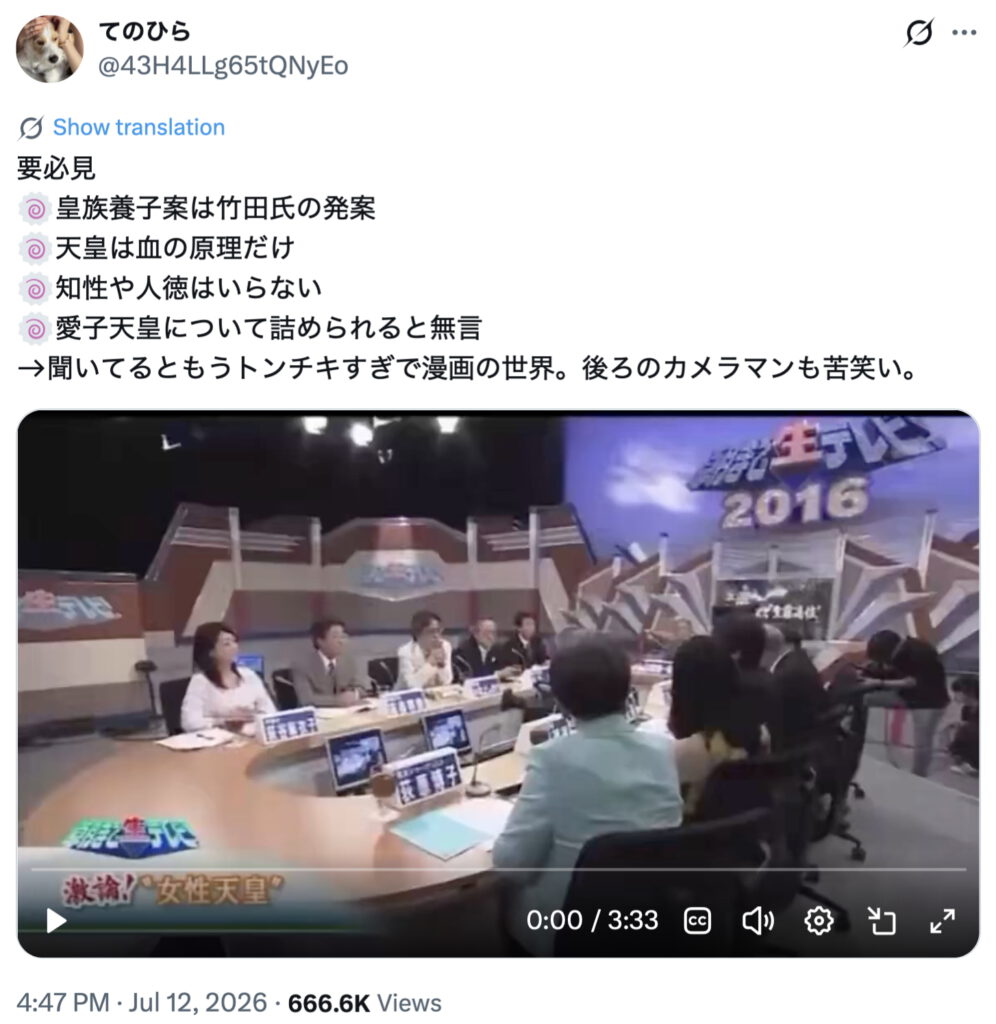
てのひら @43H4LLg65tQNyEo
20h
要必見
🍥皇族養子案は竹田氏の発案
🍥天皇は血の原理だけ
🍥知性や人徳はいらない
🍥愛子天皇について詰められると無言
→聞いてるともうトンチキすぎで漫画の世界。後ろのカメラマンも苦笑い。
Must-see
🍥The imperial family adoption case was proposed by the Takeda family
🍥The Emperor is only about the principle of blood
🍥Intelligence or moral virtue aren’t needed
🍥When pressed about Empress Aiko, he falls silent
→Listening to this, it’s already so absurd it’s like a manga world. Even the cameraman behind is giving a wry smile.
https://x.com/43H4LLg65tQNyEo/status/2076211840946999709
こんな狂ったバカが皇族になるってそれこそ日本滅亡だよ
やはり旧宮家は旧だけあってこいつの家系は狂ってるな
そのまま皇族にしておかなくてよかったよ
それにこいつ盗撮して捕まってるよね
そんな奴の血を引いた皇族なんて血を汚すだけだろ
養子案なんてなしなのがよくわかる
If a lunatic idiot like this becomes part of the imperial family, that’s exactly what would bring Japan to ruin.
As expected, the former imperial houses are “former” for a reason—this guy’s lineage is totally deranged.
It’s a good thing we didn’t keep them in the imperial family as-is.
Plus, this guy got caught for upskirt photography, right?
Having an imperial family member with that kind of blood would just taint the bloodline.
No wonder the adoption proposal is a total non-starter.
5:14 PM · Jul 12, 2026
https://x.com/narayamaku/status/2076218611929379055
竹田氏→自分の周りも従兄弟も沢山子供を産んでいる。双方がオッケーなら、赤ちゃんから養子に出しても問題ない!とか常識のように話す内容が異常すぎて、カルト的で怖いんだよぉ!
Takeuchi-san → Even people around me and my cousins are having lots of kids. If both sides are okay with it, it’s no problem to give the baby up for adoption! The fact that he talks about stuff like this as if it’s just common sense is so abnormal, it’s cult-like and scary!
https://x.com/43H4LLg65tQNyEo/status/2076228460000018866
皆よく見て方がいいよ
こんな狂った男の血を引く養子なんていらんだろ
https://x.com/narayamaku/status/2076219084585459763
Siena @QuatroOgen
おまけに、この方の従兄弟の1人は逮捕歴あり。海外紙がすでに発表してる。😭🤬いい加減にこの人に草案を書かせた人出てこい!
On top of that, one of this person’s cousins has a criminal record. It’s already been reported by overseas media. 😭🤬Come out already, whoever it was that let this person draft it!
https://x.com/QuatroOgen/status/2076349969468911728
天皇陛下は、ご自分の育った家庭に秘密があったなら、今言ったらいいのに。まさか、浩宮様がラストエンペラーになるとは、誰も思ってないわけじゃん😭主権在民の我々は、信じていたものが、ガラガラと崩れますよ。天皇は政治には首突っ込まないことになってるけど、男系男子の秋篠宮と悠仁のことを💢
His Majesty the Emperor should just come out and say it now if there was some secret in the family he grew up in. No one’s thinking that Prince Takamado is going to become the Last Emperor, duh 😭 We, the sovereign people, will watch everything we believed in come crashing down with a rumble. The Emperor isn’t supposed to stick his neck into politics, but when it comes to the male-line guys, Akishino and Hirotomo? 💢
https://x.com/1BC3FXM0Vv74224/status/2076230252377059793
CHACK @CHACK36488765
竹田恒泰、コイツの祖父竹田宮常徳は悪名高き731部隊の参謀。高市が信奉する晋三の祖父岸信介は旧満州国国務院実業部総務司長で731部隊の事実上の責任者。二人は戦後、死刑を免れ方や総理に方やオリンピック委員会会長。この二人の血筋が未だに日本国をあらぬ方向に導いている。国民よ早く目覚めよう。
Takeda Tsuneyasu, this guy’s grandfather, Prince Takeda Tsuneyasu of the Takeda Palace, was the infamous chief of staff of Unit 731. Shigeru Ishiba reveres Anami’s grandfather, Kishi Nobusuke, who served as the Director-General of the General Affairs Department of the State Council of the former Manchukuo and was the de facto person in charge of Unit 731. After the war, these two men escaped the death penalty—one became Prime Minister, the other Chairman of the Olympic Committee. The bloodlines of these two are still leading Japan astray. Citizens, awaken quickly.
https://x.com/CHACK36488765/status/2076271784954138735
ポリン @RQpqx7zsXd29036
アメリカも詰めが甘いよね 戦後731部隊のデーター欲しさにコイツら無罪にしちゃったんだから
America’s got some sloppy follow-through too, right? They let these guys off scot-free just to get their hands on the Unit 731 data after the war.
https://x.com/RQpqx7zsXd29036/status/2076422249796763996
CHACK @CHACK36488765
仰る通り。GHQはその他に防共の砦を築く為に当時の巣鴨プリズンに収監されていた岸信介、笹川良一、児玉譽士夫を利用して反共保守政治を推進。この3人は戦前、戦中のキャリアから戦後の保守体制への「逆コース」を歩む中で結び付き、戦後日本の政治・裏面史を形作った。
You’re absolutely right. In addition to that, GHQ utilized Kishi Nobusuke, Sasagawa Ryoichi, and Kodama Yoshio—who were imprisoned at the time in Sugamo Prison—to build a bulwark against communism, thereby promoting anti-communist conservative politics. These three, drawing from their prewar and wartime careers, forged connections while navigating the “reverse course” toward the postwar conservative establishment, ultimately shaping the political and underworld history of Japan after the war.
https://x.com/CHACK36488765/status/2076466332925911070
あっこのパパ @ken6375
彼の爺さん、ソ連参戦で戦犯が怖いと満州から帰国した人。
His grandpa was someone who returned from Manchuria because he was scared of being labeled a war criminal when the Soviet Union entered the war.
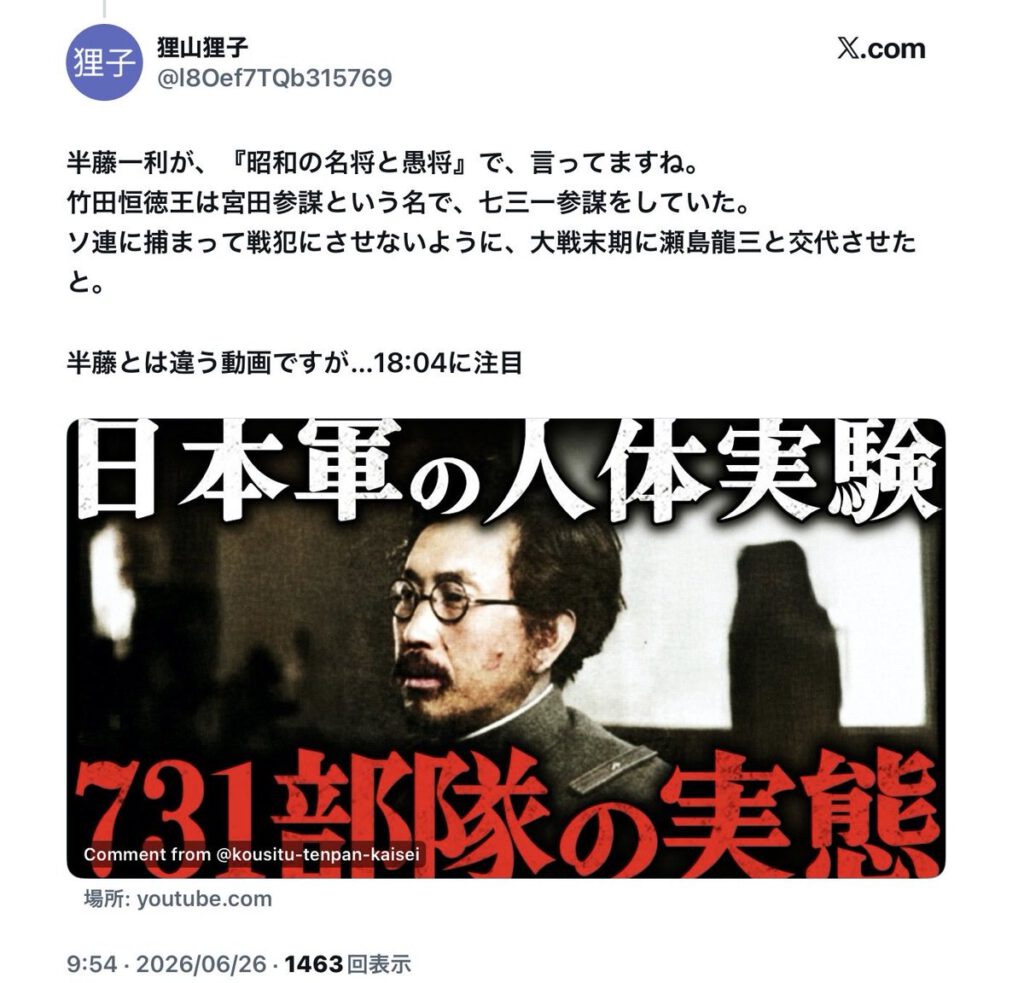
https://x.com/ken6375/status/2076296482593157467
血って(笑)今の血で一番信頼できるのは愛子内親王の血に決まってる。ケケ田の血に何で国民が税金払わないといけないのか。理由が全くない。
Blood, huh (lol)? Among the current bloodlines, it’s obviously Princess Aiko’s blood that’s the most trustworthy. Why the hell should the public have to pay taxes for Keke’s blood? There’s absolutely no reason for it.
https://x.com/6912taka/status/2076242370572820804
てのひら @43H4LLg65tQNyEo
日本を支える米農家に対する政策は後回しで、日本会議の30周年に合わせるため皇室典範改正を急いだって?私利私欲まみれの議員達は早急に辞めろ。
Policies to support rice farmers who sustain Japan are put on the back burner, and the revision of the Imperial House Law is being rushed to coincide with the 30th anniversary of Nippon Kaigi? Self-serving, greedy politicians should resign immediately.
https://x.com/43H4LLg65tQNyEo/status/2076329620920824072
コペル君 @coperuku
酷いこと言ってる。私が竹田さんの話を理解しようとすると、こう言うこと?
男子の家系は血が汚れない、女子の家系は汚い、結婚相手の男がどこの馬の骨かわからないと血が汚れる。
だから、天皇の皇位継承は養子をとっても良いから、男系男子が良いよ?
酷い男尊女卑。それと、人として最低の人間。
You’re saying such awful things. When I try to understand what Takeshita-san is saying, it comes to this?
The male line doesn’t taint the blood, the female line is tainted, and if the man you marry is some unknown scoundrel, the blood gets tainted.
So, for the Emperor’s imperial succession, it’s okay to adopt, but male-line males are preferable, right?
That’s some awful male-chauvinist piggishness. And on top of that, the lowest kind of human being.
https://x.com/coperuku/status/2076305529845235790
玄孫ってもはや他人ですよね…
Great-grandchildren are basically strangers at this point, right…?
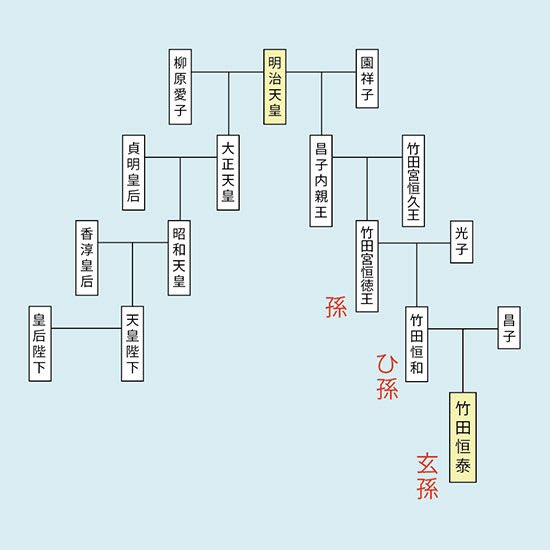
https://x.com/Pw4aStxKvKF8QvO/status/2076436212009853193/photo/1
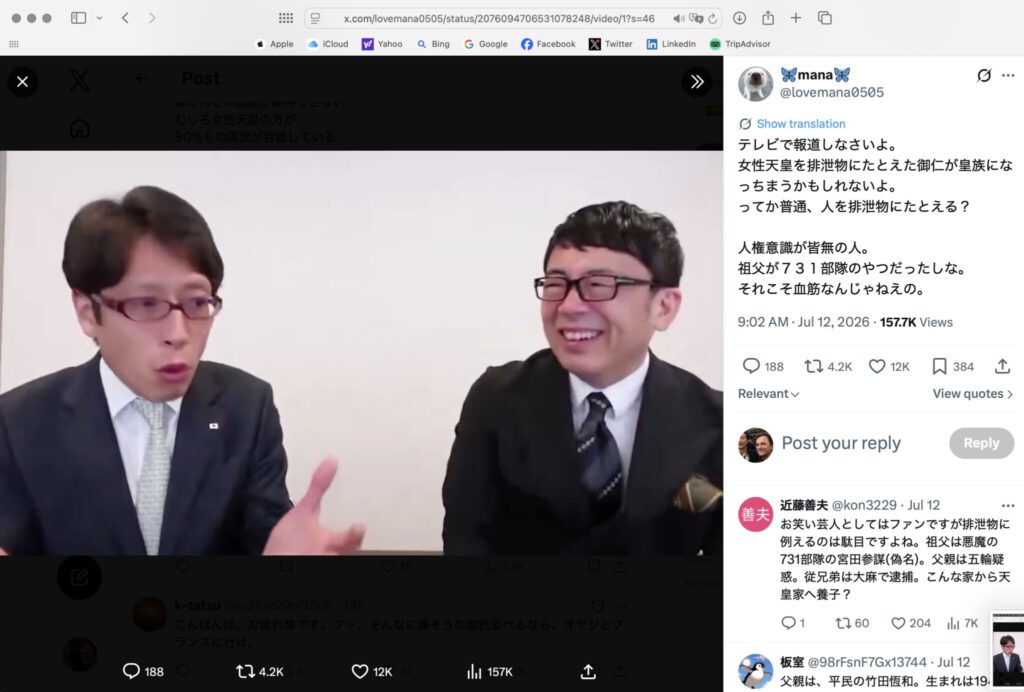
🦋mana🦋 @lovemana0505
テレビで報道しなさいよ。
女性天皇を排泄物にたとえた御仁が皇族になっちまうかもしれないよ。
ってか普通、人を排泄物にたとえる?
人権意識が皆無の人。
祖父が731部隊のやつだったしな。
それこそ血筋なんじゃねえの。
Jul 12, 2026
You should report this on TV, seriously.
That guy who compared a female emperor to excrement might end up becoming a member of the imperial family, you know.
I mean, normally, who even compares people to excrement?
A person with zero human rights awareness.
His grandfather was one of those 731 Unit guys, after all.
That, right there, is the real bloodline, isn’t it?
https://x.com/lovemana0505/status/2076094706531078248/video/1?s=46
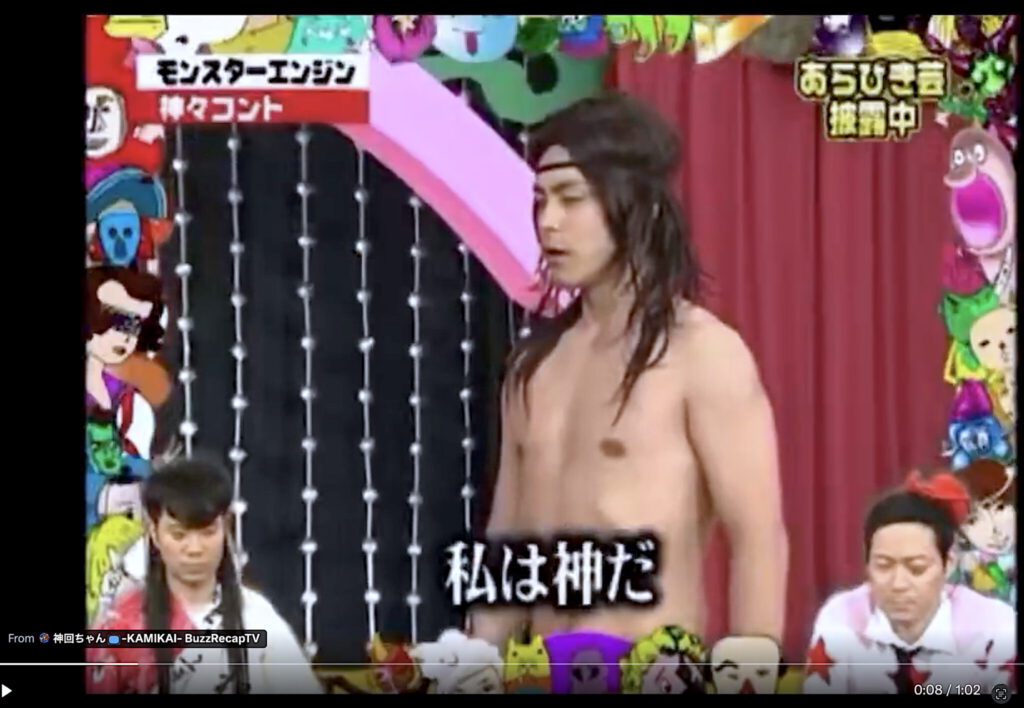
KM 流風(ルーフ)モーション デザイン代表 @北九州 @murakengmail
神武天皇直系登場のイメージ
「私は神だ」
Image of the direct descendant of Emperor Jimmu appearing
“I am a god”
https://x.com/murakengmail/status/2076164222011195442
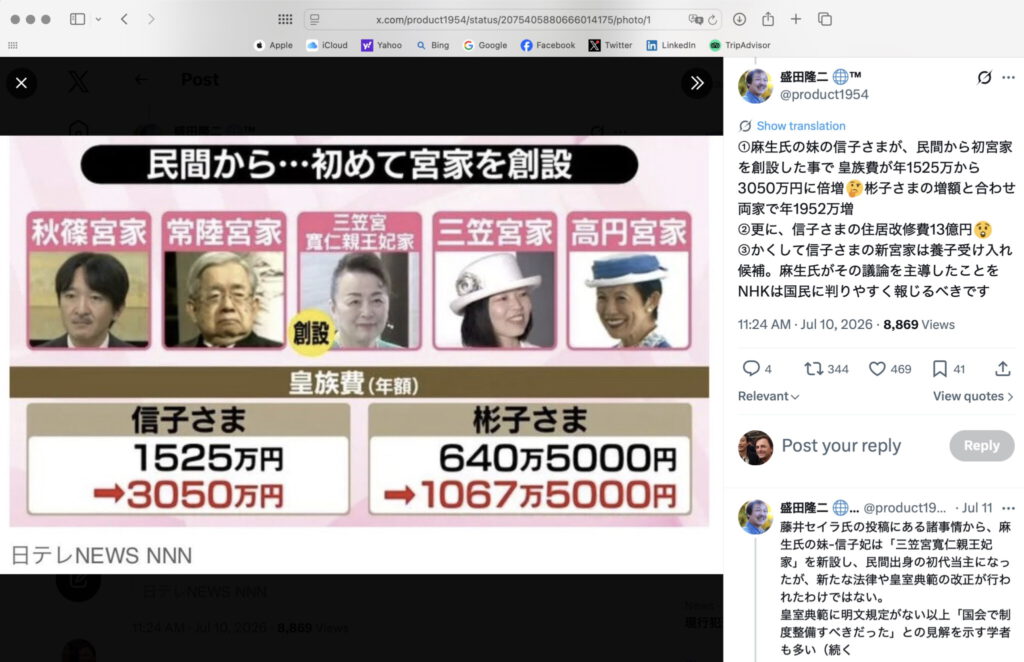
盛田隆二 🌐™ @product1954
①麻生氏の妹の信子さまが、民間から初宮家を創設した事で 皇族費が年1525万から3050万円に倍増🤔彬子さまの増額と合わせ両家で年1952万増
②更に、信子さまの住居改修費13億円😲
③かくして信子さまの新宮家は養子受け入れ候補。麻生氏がその議論を主導したことをNHKは国民に判りやすく報じるべきです
①Mr. Aso’s sister, Nobuko-sama, established the first private imperial branch family from the private sector, doubling the imperial family expenses from 15.25 million yen to 30.5 million yen per year 🤔 Combined with the increase for Akiko-sama, the two families see an annual increase of 19.52 million yen
②Furthermore, 1.3 billion yen for renovations to Nobuko-sama’s residence 😲
③Thus, Nobuko-sama’s new branch family becomes a candidate for adopting heirs. NHK should report to the public in an easy-to-understand way that Mr. Aso led the discussions on this
https://x.com/product1954/status/2075405880666014175/photo/1
up-date:
社説
典範改正案が衆院通過 男系養子は撤回すべきだ
朝刊オピニオン面、毎日新聞、2026/7/11
憲法1条は天皇の地位について「国民の総意に基づく」と定める。そこから乖離(かいり)した制度を作れば、将来に禍根を残すことは必至だ。
皇室典範改正案が衆院を通過した。天皇陛下の長女愛子さま(24)ら女性皇族が結婚後も皇室に残れるようにする。旧宮家出身の男系男子を養子として皇族に迎える規定も盛り込まれた。
養子案は問題が多く、世論調査で賛否が拮抗(きっこう)している。にもかかわらず、委員会審議はわずか3時間余りで終了し、その日のうちに本会議で採決された。
不可解なのは野党第1党の中道改革連合の対応だ。養子案に慎重な立場から付帯決議案の修正を求めていたが、うやむやのうちに賛成に回った。
総意崩した政府の責任
来週に審議が行われる参院では、野党第1党の立憲民主党が反対方針を決めている。上皇さまの退位を実現する特例法が成立した際は、衆参両院ともほぼ全会一致だったが、今回は国会としての総意に至っていない。
養子案には与野党双方に異論があり、衆院での採決を棄権・欠席する議員も出た。
皇室制度の改正は本来、幅広い合意形成が欠かせない。「国民統合の象徴」である天皇の正統性に関わるからだ。
にもかかわらず、高市早苗首相は「国論を二分する政策」の一つに典範改正を位置づけている。見識を疑わざるを得ない。世論や与野党の見解が割れる養子案を、数の力に任せて成立させることは許されない。
養子案には天皇の血を引く男系男子を確保する目的がある。ただ、約80年前に皇室を離れた旧宮家の子孫が対象で、今の皇室とは室町時代までさかのぼらなければ男系ではつながらない。
旧宮家の男子だけが皇族になれる特別な身分を持つことになり、憲法14条の門地による差別に当たるとの見解もある。改正案には30年後に見直す規定があるものの、典範に明記されれば恒久化しかねず、違憲の疑いが強まる。
ただでさえ問題が指摘される中、養子に男子が生まれれば皇位継承資格を持つとの条文が盛り込まれた。「立法府の総意」と称する衆参正副議長見解は、皇族数確保策に絞ってまとめられたが、これを逸脱したものだ。
皇位継承問題に踏み込めば対立を招くのは明らかだった。男系継承を将来も堅持する条文を一方的に潜り込ませた形となり、野党は「だまし討ち」と反発した。
この案は与野党の意見取りまとめで行司役だった森英介衆院議長(自民党)が言及していた。「総意」を崩した責任は政府・自民にある。養子案は撤回すべきだ。
一方、女性皇族の身分保持は与野党でおおむね合意が得られている。未婚皇族の人生に関わるため、早急に実現しなければならない。
女性皇族の身分保持を
ただ、制度設計のゆがみは看過できない。結婚後の女性皇族は住民基本台帳に登録され、天皇や他の皇族とは扱いが異なる。
与野党で見解が分かれる夫と子の身分は棚上げされたはずだったが、政府案では事実上、夫と子は皇族にならない。自民の主張を既成事実化するものだ。
女性・女系天皇誕生の可能性を封じようとしているのは明白だ。男系継承の維持にこだわった結果、女性皇族と家族が不合理な扱いを受けることになる。
国民的な議論がないまま、男系継承を今後も続ける内容にまで踏み込んだのが実態だ。木原稔官房長官は「将来の検討を先取りしたり、縛るような趣旨のものでもない」と答弁したが、額面通りに受け取るわけにはいかない。
女性配偶者に男子出産の重圧がかかり続ける現状のままでは、いずれ天皇制そのものが行き詰まる。皇室制度は生身の人間が支えていることに思いをはせなければ、維持することも、共感を得ることもできない。
持続可能な制度とするには、さまざまな選択肢を残さなければならない。政府の有識者会議をやり直したり、国会に参考人として専門家を呼んだりするなど、仕切り直しが必要だ。
男女平等の意識が国民に浸透し、女性の社会進出も拡大している。男系に固執する養子案は時代錯誤だ。国民とともに歩むことで受け入れられてきた戦後の象徴天皇像と、あまりにかけ離れている。
参院での修正を求める。
https://mainichi.jp/articles/20260711/ddm/005/070/157000c
Editorial: Withdraw male-line adoption plan amid Japan Imperial law revision debate
July 13, 2026
Article 1 of Japan’s Constitution states that the Emperor’s status is based on “the will of the people.” If a system is created that departs from that, it is certain to leave deep trouble for the future.
A bill to revise the Imperial House Law has passed the House of Representatives. It would allow female members of the Imperial Family — including Princess Aiko, 24, the only daughter of Emperor Naruhito — to remain in the Imperial Household after marriage. It also includes a provision to adopt male-line males from former Imperial Family branches into the Imperial Household.
The adoption plan has many problems, and opinion polls show that public support and opposition are evenly split. Regardless, committee deliberations in the lower house ended after only a little more than three hours, and the bill was put to a vote in a plenary session that same day.
What is baffling is the response of the largest opposition Centrist Reform Alliance. From a cautious standpoint on the adoption plan, it had sought revisions to a supplementary resolution, but in the end it drifted into supporting the bill.
Gov’t bears responsibility for breaking consensus
In the House of Councillors, which will begin deliberations on the bill this week, the largest opposition Constitutional Democratic Party of Japan has decided to oppose the legislation. Previously, when a special bill allowing the abdication of then Emperor Akihito (currently Emperor Emeritus Akihito) was enacted, both chambers were almost unanimous. This time, by contrast, the Diet has not reached any such overall consensus.
There were dissenting views on the adoption plan in both the ruling and opposition camps, and some lawmakers abstained or were absent from the vote in the lower house.
Changes to the Imperial system, by their very nature, require broad agreement. That is because they bear on the legitimacy of the Emperor as the “symbol of the unity of the people,” as provided for in the Constitution.
And yet, Prime Minister Sanae Takaichi has positioned revision of the Imperial House Law as one of the “policies that divide national opinion.” One cannot help but question her judgment. It is unacceptable to force through the adoption plan simply by resorting to strength in numbers, given that it has split public opinion and the views of both ruling and opposition parties.
The purpose of the adoption plan is to secure male-line males whose paternal lineage traces back to an emperor. However, it would apply to descendants of former Imperial Family branches that left the Imperial Household about 80 years ago, and in terms of the male line, they are not connected to today’s Imperial Family unless one goes all the way back to the Muromachi period (approx. 1336-1573).
That would give only men from former Imperial Family branches a special status under which they could become members of the Imperial Household, and some argue that this would amount to discrimination based on family origin in violation of Article 14 of the Constitution. The bill contains a provision for a review after 30 years, but once it is written into the Imperial House Law, it could become effectively permanent, deepening the suspicion that it is unconstitutional.
As if the problems already identified were not enough, the bill also includes a provision stating that if a son is born to an adoptee, he would have eligibility for Imperial succession. The view issued by the heads and vice heads of both chambers of the Diet — dubbed as the “consensus of the legislature” — was compiled narrowly around measures to secure the number of Imperial Family members, but the provision goes beyond that.
It was obvious that stepping into the question of Imperial succession would provoke a conflict. The result is effectively that a provision maintaining patrilineal succession into the future has been slipped in unilaterally, prompting the opposition to denounce it as a “surprise attack.”
This plan had been referred to by lower house speaker Eisuke Mori from the Liberal Democratic Party (LDP), who served as a moderator in consolidating ruling and opposition views. The responsibility for breaking the “consensus” lies with the government and the LDP. The adoption plan should be withdrawn.
By contrast, there is broad agreement between the ruling and opposition blocs on preserving the status of female members of the Imperial Family after marriage. Because it concerns the lives of unmarried Imperial Family members, it must be realized without delay.
Preserve the status of female Imperial Family members
Still, distortions in the proposed system’s design cannot be overlooked. Upon marriage, female Imperial Family members would be entered into the basic resident register and treated differently from the Emperor and other members of the Imperial Household.
The status of husbands and children — on which the ruling and opposition parties differ — was supposed to have been shelved. But under the government’s bill, husbands and children would in effect not become members of the Imperial Family. That would turn the LDP’s position into a fait accompli.
It is obvious that this is meant to block any possibility of a female Emperor or a female-line Emperor. As a result of clinging to preservation of patrilineal succession, female Imperial Family members and their families would be subjected to irrational treatment.
The reality is that, without any national debate, the bill has gone so far as to lock in the continuation of patrilineal succession from here on out. Chief Cabinet Secretary Minoru Kihara told the Diet that it was “not intended to prejudge or constrain future consideration,” but that cannot be taken at face value.
If the current situation continues, in which female spouses remain under heavy pressure to bear a son, the Emperor system itself will eventually run into a dead end. Unless we remember that the Imperial system is sustained by living, flesh-and-blood people, it can neither be maintained nor acquire empathy.
If the system is to be sustainable, various options must be left open. A reset is needed — whether by revisiting the government’s expert panel discussions or by inviting specialists to testify before the Diet as witnesses.
Awareness of gender equality has spread among the public, and women’s participation in society has expanded. The adoption plan, with its fixation on the male line, is out of step with the times. It is far too distant from the post-World War II image of the symbolic Emperor, which has been accepted because the successive emperors have walked together with the people.
The upper house should revise the bill.
https://mainichi.jp/english/articles/20260713/p2a/00m/0op/021000c
森暢平 @mori_yohey
Jul 13, 2026
そもそも、「皇室に入る」「皇族となる」という概念は、明治典範以降のものです。明治典範前は、「皇族」という概念はなく、あるには「皇親」です。「皇族」は身分ですが、「皇親」は、天皇の血縁がつながった親族であることを示すだけです。男性だろうが、女性だろうが、結婚により「皇親」でなくなること、逆に「皇親」になることもありません。ちなみに「皇室」という概念も、江戸時代以前にはありません(宮中という似た概念はあります)。
「歴史上、皇統と無関係な一般男性に皇族身分を付与した前例はない」という言い方が、当てはまるのは、明治22年以降のことです。逆にいえば、皇統と無関係な一般女性が、皇親となったこともありません。徳川家から中宮となった和子さんも、宮中入りはしましたが、皇親であったかと言えば、そうではありません。
To begin with, the concepts of “entering the Imperial House” or “becoming a member of the Imperial Family” are those that emerged after the Meiji Constitution. Before the Meiji Constitution, there was no concept of “Imperial Family”; instead, there was “Imperial Kin.” “Imperial Family” refers to a status, whereas “Imperial Kin” simply indicates relatives connected by blood to the Emperor. Whether male or female, one does not cease to be “Imperial Kin” through marriage, nor does one become “Imperial Kin” through it. Incidentally, the concept of “Imperial House” also did not exist prior to the Edo period (though there was a similar concept called “the Court”).
The phrasing “there is no historical precedent for granting Imperial Family status to an ordinary man unrelated to the Imperial line” applies only from 1889 onward. Conversely, there has never been a case of an ordinary woman unrelated to the Imperial line becoming “Imperial Kin.” Even Kazuko, who came from the Tokugawa family and became the Empress, entered the Court, but it cannot be said that she was “Imperial Kin.”
https://x.com/mori_yohey/status/2076520299261198558
楊井人文 Hitofumi Yanai @yanai_factcheck
Jul 13
用語等のご教示ありがとうございます。ただ「皇親」はなじみにくい用語ですから、ほぼ同義の「皇族」で近世のことに言及した方がわかりやすいと思いますが、問題があるでしょうか。臣籍降下という制度もあるわけで、臣籍でない身分=(現代でいう)皇族という捉え方で理解しています。
「皇室」は古くから使われたことがあり、明治典範以後にできたわけではないように思います(→ https://kotobank.jp/word/%E7%9A%87%E5%AE%A4-62184)。臣籍でない身分の共同体が「皇室」と捉えています。
「皇統と無関係な一般女性が、皇親となったこともありません」とおっしゃいますが、藤原氏など、皇統と無関係な女性が、「臣籍でない身分=皇族(皇室構成員)」になった事例はあるのではないでしょうか。
反対に、皇統と無関係な男性が「臣籍でない身分=皇族」になった例はあるのでしょうか。あればご教示ください。
(画像出典: コトバンク)
Thank you for your guidance on the terminology. However, “kōshin” is a term that feels unfamiliar, so I think it would be easier to understand if we use the nearly synonymous “kōzoku” when referring to early modern matters. Would there be any issue with that? There is also the system of shin-seki kōka, and I understand it in the sense that a status not subject to shin-seki = (in modern terms) imperial family member.
“Kōshitsu” seems to have been used since ancient times and does not appear to have been created after the Meiji Constitution (→ https://kotobank.jp/word/%E7%9A%87%E5%AE%A4-62184). I view it as a community of individuals with a status not subject to shin-seki being regarded as the “kōshitsu.”
You say that “there has never been a case of an ordinary woman unrelated to the imperial line becoming a kōshin,” but aren’t there examples where women unrelated to the imperial line, such as from the Fujiwara clan, attained the status of “not subject to shin-seki = imperial family member (kōshitsu constituent)”?
Conversely, are there any examples of men unrelated to the imperial line becoming “not subject to shin-seki = imperial family member”? If so, please enlighten me.
(Image source: Kotobank)
https://x.com/yanai_factcheck/status/2076549929443741735
森暢平 @mori_yohey
続日本記に「殆傾皇室 将滅臣宗」(奈良麻呂の乱)という記述は確かにあります。ただし六国史には、他の例があるかといえば、ない、あったとしても稀ではないかと思います。もう1点、たしかに幕末期には皇族、皇室、皇家という用例は散見されます。これは、尊王攘夷思想の流れで、徳川幕府に対する王家をどのように位置づけるかという思想史的な背景があるかと思います。
皇統、皇室、王朝、皇族という呼び方や定義も、その言葉をどのように定義するかで、さまざまな問いに対する答えは変わってくるかと思います。臣籍に正式に下り、姓を賜ってはいないのに、王を世襲していた家もあり、臣籍と皇籍が明確に線引きされるというのは、理念系としては理解できますが、実態とは異なっています。
In the *Zoku Nihongi*, there is indeed a description stating “The imperial house is nearly overturned; the ministerial clans will be destroyed” (referring to the rebellion of Prince Nagaya). However, when it comes to the Six National Histories, one might ask if there are other examples, and the answer is no; even if there were, they would be rare, I believe. One more point: it is true that during the late Edo period, terms like “kōzoku” (imperial family), “kōshitsu” (imperial house), and “ōke” (imperial line) can be found scattered in usage. This seems to stem from the ideological and historical background of the sonnō jōi (Revere the Emperor, Expel the Barbarians) movement, particularly in how it positioned the imperial house against the Tokugawa shogunate.
The terms and definitions such as “kōtō” (imperial lineage), “kōshitsu” (imperial house), “ōchō” (dynasty), and “kōzoku” (imperial clan) will yield different answers to various questions depending on how one defines those words. There were families that inherited the title of king without formally descending into ministerial status or receiving a family name, so while it is ideologically understandable to draw a clear line between ministerial registers and imperial registers, this does not align with historical reality.
https://x.com/mori_yohey/status/2076561999929184537
楊井人文 Hitofumi Yanai @yanai_factcheck
ご教示ありがとうございます。森さんも、皇統と無関係な男性が皇籍(皇室構成員)に迎え入れられた前例はないという点は同じご認識と受け止めました。
Thank you for your guidance. I understand that Mr. Mori shares the same recognition on the point that there is no precedent for a man unrelated to the imperial lineage being incorporated into the imperial register (members of the Imperial Family).
https://x.com/yanai_factcheck/status/2076575748484468903
金子勝 @masaru_kaneko
【恥を知れ】神武天皇以来の万世一系で男系男子世襲だという前近代な非科学的根拠で法律を作るな。神武天皇以来10代ほどは神話、その後10代ほどは有力豪族の話し合いで決まり、北陸の有力豪族であった継体天皇以来、世襲制になった。その後も推古天皇はじめ女性天皇はいた。
【Shame on you】Don’t make laws based on pre-modern, unscientific grounds that it’s a 10,000-generation unbroken male-line succession since Emperor Jimmu. The first 10 or so generations since Emperor Jimmu are mythology, the next 10 or so were decided by discussions among powerful clans, and it became hereditary starting with Emperor Keitai, a powerful clan leader from the Hokuriku region. Even after that, there were female emperors, starting with Empress Suiko.
Jul 14, 2026
https://x.com/masaru_kaneko/status/2076820769406173335
4126mine @4126min
記紀神話ロマンを社会科学としての日本史に接合する危険性を知らねばならない
神武以降20数代が男系男子継承との記紀の記述は捏造であり、これに依拠した2600年以上に亘る万世一系説は、天皇制を権威づけるための世迷言に過ぎない
神話は神話として愉しみ、天皇制論議には不要
We must recognize the danger of grafting the romanticism of the Kojiki and Nihon Shoki myths onto Japanese history as a social science.
The descriptions in the Kojiki and Nihon Shoki claiming that from Emperor Jimmu onward, for over 20 generations, succession was by male-line male heirs, are fabrications, and the theory of an unbroken imperial line spanning more than 2600 years based on this is nothing more than a delusion to legitimize the imperial system.
Myths should be enjoyed as myths, and are unnecessary for discussions of the imperial system.
https://x.com/4126min/status/2076858919889289331
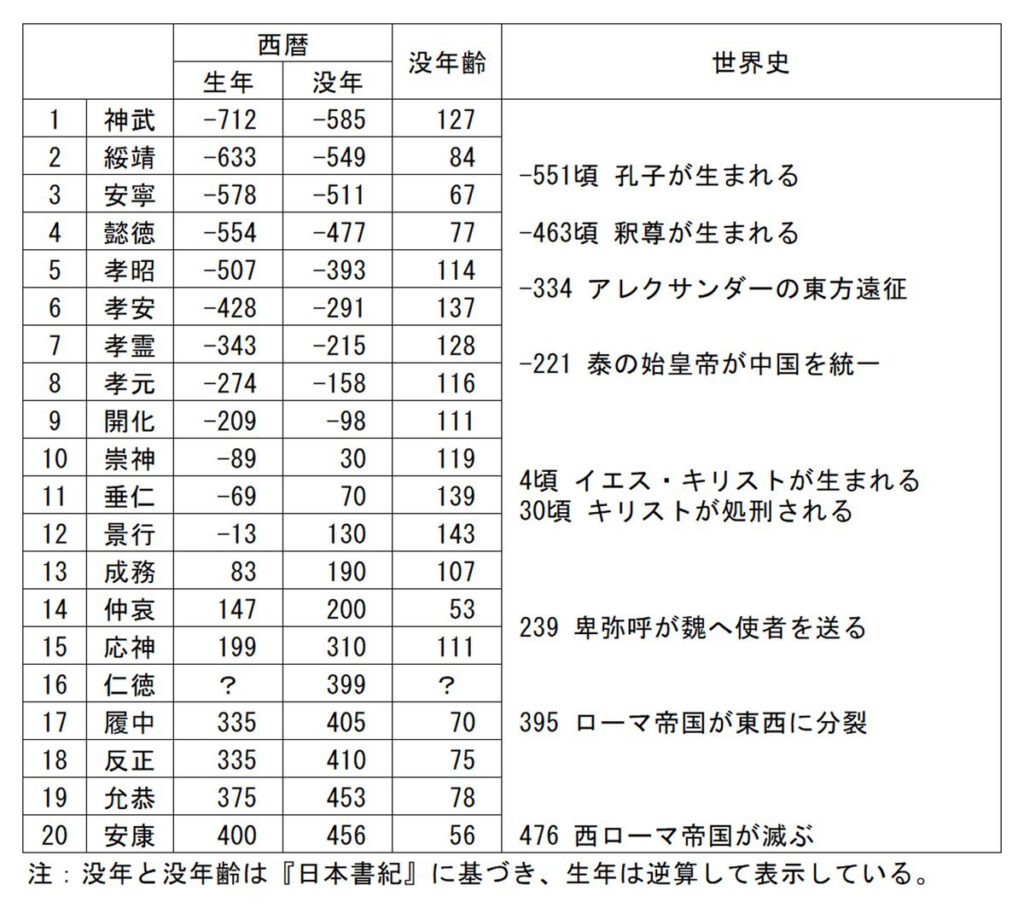
昨今の皇室典範を巡る国会やマスメディア、SNSの状況を苦々しく思うのは当方だけではあるまい
万世一系とか2600年以上続く伝統とか、はたまた神武のY1染色体の継承とか… 妄想と非科学的言説がごちゃ混ぜでうんざり
神話上の天皇は超長生きで100歳以上が11代もいる
まともな対話になり得ない所以だ
I’m surely not the only one who feels bitter about the current state of affairs in the Diet, mass media, and SNS regarding the Imperial House Law these days.
Talk of an unbroken imperial line for ages, or a tradition spanning over 2,600 years, or even the inheritance of Emperor Jimmu’s Y1 chromosome… It’s a tiresome jumble of fantasies and unscientific rhetoric.
The emperors in mythology are absurdly long-lived, with eleven generations living over 100 years.
That’s exactly why any proper dialogue is impossible.
https://x.com/4126min/status/2076296183690232005
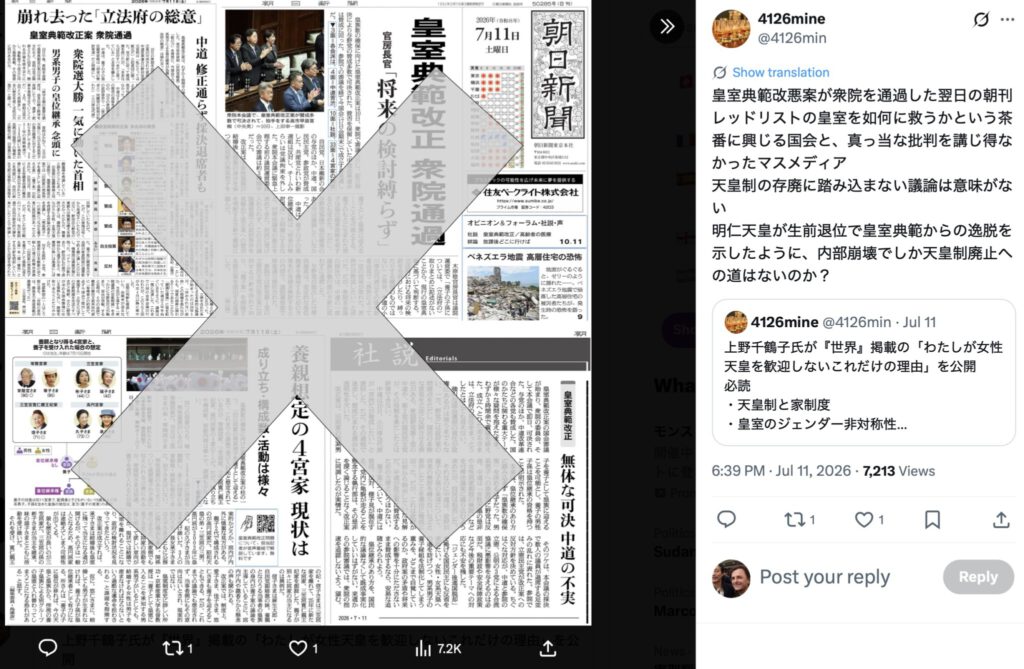
皇室典範改悪案が衆院を通過した翌日の朝刊
レッドリストの皇室を如何に救うかという茶番に興じる国会と、真っ当な批判を講じ得なかったマスメディア
天皇制の存廃に踏み込まない議論は意味がない
明仁天皇が生前退位で皇室典範からの逸脱を示したように、内部崩壊でしか天皇制廃止への道はないのか?
The morning edition the day after the Imperial House Law revision bill passed the House of Representatives
The farce in the Diet of debating how to save the endangered royal family on the red list, and the mass media that failed to offer any proper criticism
Discussions that do not touch on the survival or abolition of the emperor system are meaningless
Just as Emperor Emeritus Akihito showed a deviation from the Imperial House Law through his abdication during his lifetime, is the only path to abolishing the emperor system through internal collapse?
https://x.com/4126min/status/2075877654029533204/photo/1
4126mine @4126min
Jul 11, 2026
上野千鶴子氏が『世界』掲載の「わたしが女性天皇を歓迎しないこれだけの理由」を公開
必読
・天皇制と家制度
・皇室のジェンダー非対称性
・保守とリベラルのねじれ
・天皇制への国民的関心
・「護憲」天皇の功績
・皇族の人権
・権威の源泉としての天皇
・「国体護持」の謎
Ueno Chizuko publishes “All the Reasons Why I Do Not Welcome a Female Emperor” featured in *Sekai*
Essential reading
・The Emperor System and the Family System
・Gender Asymmetry in the Imperial Family
・The Twist Between Conservatism and Liberalism
・Public Interest in the Emperor System
・The Achievements of the “Constitutional” Emperor
・The Human Rights of Imperial Family Members
・The Emperor as the Source of Authority
・The Mystery of “Protecting the National Polity”
https://x.com/4126min/status/2075768563294781882
上野千鶴子:わたしが女性天皇を歓迎しないこれだけの理由
2026.07.10
https://websekai.iwanami.co.jp/posts/9748
※『世界』2026年8月号収録の記事を特別公開します。
天皇制について発言を求められるたびに、わたしは断ってきた。論じれば論じるほど、賛否共に国民の関心が集まることを怖れたからだ。それより、関心が徐々に薄れていって、皇統が絶えると共にフェイドアウトしていってくれたらよいが、と感じていた。
その皇統の継続が危ぶまれている。皇太弟の秋篠宮のほかは、次世代の男系皇位継承者はその息子の悠仁のみ。皇室典範の改正は待ったなし、という危機感を煽って、今国会での成立が議論されている。改正案の内容は二択である。あくまで男系男子に固執するか、それとも女性天皇を容認するか。前者が提示したのは、皇統男子の養子縁組の制度。後者が提示したのは女性皇族の結婚後の皇籍保持。どちらも、という選択肢もある。
皇位継承者の選択肢を増やすもうひとつの奥の手は側室制である。古代の天皇には采女という側女がいたし、明治天皇には正室2人、側室5人に合計15人の子どもがいた(1)。天皇に側室がいなくなったのは大正天皇からである。天皇の男系継承は側室制によってしか維持できないと唱える保守派もいるが、これは重婚を禁じる近代民法のもとでは禁じ手。国内世論も国際世論も許容しないだろう。
保守系の政党はあくまで男系男子に固執するが、維新、国民民主はいずれも可のグレー路線、中道は意見のとりまとめすらできず、あとから女性天皇容認を唱えた。中道は「法の下の平等」を唱えるが、そもそも天皇制そのものが「法の下の平等」に反している。かつて天皇制の廃止を唱えた共産党でさえ、いまや女性天皇容認を求めている。いつから天皇制支持にまわったのだろうか。
男系男子の継承が日本の伝統でもなんでもなく、明治時代からの「創られた伝統」であることは、歴史家の多くがつとに証言している(2)。憲政史上初の女性首相が誕生したにもかかわらず、その女性首相が率先して男系男子継承にこだわるという皮肉な事態が起きている(3)。
天皇制と家制度
養子縁組も女性皇族の皇籍離脱も、いずれも「家制度」に基づいている。日本の家が血縁原理ではなく、加入したメンバーによる経営体として維持されてきたことはよく知られている。非血縁者を擬制的家族関係(親方・子方、義兄弟等)にとりこむのが家制度であり、その点では日本の家は、大陸のような血縁を基にした家族主義にもとづいていない。養子縁組制度は、そのような融通無碍な家の延命に貢献してきた。
他方、女性皇族の婚姻による皇籍離脱も、父系家族原理による。「嫁げば他家の人」になる娘は、婚姻によって氏を変えることで所属を変える。氏とは婚姻から生まれた子どもの帰属を示す記号であり、したがって父の氏を継ぐ子どもは父の氏族に属する。なぜかといえば、家族にとって子どもとは、婚姻によって得られる最大の成果だからである。長い間、女にとって離婚とは、子どもを婚家に置いてひとりで去ることを意味していた。ために、子どもと生き別れになりたくない気持ちが女性にとって離婚の抑止力になっていた。だが、残された子どもを父親が父子家庭で育てたわけではない。家制度のもとでは舅姑、小姑等の養育力があったからこそ、長らく父方が単独親権を行使してきた。
この単独親権が父方から母方へ急速に移行したのが1960年代である。その時期は核家族化にともなって、三世代同居率が低下し、祖父母世代の養育力が期待できない時代に一致していた。日本の父親の多くはそれ以前もそれ以後も、子育てに積極的に関わってきたとはいえないにもかかわらず、一昨年「共同親権」が法制化されてしまった。
この婚姻の父系血統主義は、1985年改正までの国籍法に明確に示されていた。それまでの国籍法では、日本人女性と外国人男性との結婚から生まれた子どもは自動的に父親の国籍となった。逆に日本人男性と外国人女性との結婚による子どもは日本国籍となった。85年、国連女性差別撤廃条約の批准に間に合わせて、このジェンダー非対称な国籍法は国会で改められたが、それまでの国籍法が、家制度のもとにおける氏族の帰属原理にしたがって成り立っていたことがよくわかる。
そう考えれば、夫婦同氏の原則に固執する人々が保守したいのが父系家族原理であることがよく見えてくる。彼らは性差別を維持したいのだろう。
皇室のジェンダー非対称性
養子縁組も女性皇族の皇籍保持も、二次的、三次的な問いを孕んでくる。旧宮家の中からの養子縁組なら、どの親等まで認めるか、そもそも該当者がいるのか、いたとしても本人の同意が得られるのか、またそれまで民間人だった者が立場を利用して政治活動や営利活動をすることを防止できるのか? 「立法府の総意」をまとめる立場にいる森英介衆議院議長が、養子は皇位継承権を持たないが、その子は皇位を継承できると踏みこんだ発言をしたことで反発を受けたが、男系養子を採用すれば当然の帰結だろう。だとすれば皇族男子は種付け馬なみの扱いになる。女性皇族も「産む機械」として男子出産の圧力のもとに置かれている。現皇后が女児しか産まなかったことで、周囲から追いつめられたことは周知のとおりである。
女性皇族の皇籍保持については、女性皇族の配偶者と子に皇籍を与えるかどうかが問題になっている。これまで男性皇族が民間人女性と結婚したらその配偶者と子は皇族となったが、女性皇族が民間人男性と結婚したら配偶者が皇族にならないのは、あきらかなジェンダー非対称性である。また皇籍を持たない民間人配偶者が選挙に立候補したりする政治活動をする権利を妨げられない。そもそも民間人との婚姻によって男性皇族の皇籍は影響を受けないが、女性皇族が皇籍を失うこと自体が性差別的である。裏返しにいえば、女性皇族の皇籍保持が立法化されれば、女性皇族は婚姻によって皇籍を離脱する自由を失うことになる。秋篠宮家の長女、眞子さんが小室圭さんと結婚することによってただちに「眞子さま」から「小室眞子さん」になるメディアの敬称の変化を、わたしたちは目の当たりにした。眞子さんは、国外へと「亡命」しなければ自由を得ることもできなかったのだ。
現状では皇統の次世代男性継承者は秋篠宮家の長男1人、女性継承者は天皇家の長女と秋篠宮家の次女の2人。この女性皇族2人が婚姻によって皇籍離脱をしてしまえば、候補者はますます減少する。彼女たちにとっては、立法化の前に皇籍離脱をするチャンスはどんどん失われている。
保守とリベラルのねじれ
皇室典範の改正については男系男子に固執する保守派と、女性天皇容認のリベラル派(と呼んでよいか疑わしいが)とのあいだに、妙なねじれが起きている。保守派は天皇を尊崇すると言いながら、実のところ継承者の選択肢を狭めることで天皇制の衰退に手を貸していることになる。反対に、リベラル派のほうが天皇制のジェンダー平等を主張することで、天皇制の延命に貢献する結果になる。保守派の中には「天皇は何もしなくてよい」「天皇に人権はない」と言う人もいるぐらいで、彼らは天皇制という制度を保守したいが、天皇という人格を尊崇するようには見えない。
皇室典範の改正が、当事者抜きで行われていることは奇妙なことである。平成の天皇の退位にあたって、彼は「おことば」で生前退位の意思を示すことで、死を以てしか退位を認められない現行の皇室典範からの逸脱を示唆し、国民世論の支持を得て、法律に例外を作った。天皇は政治的行為をしないという規範に、自ら違反したのである。この生前退位をめぐっても議論がまきおこった。政府は「おことば」を憲法からの逸脱として無視することもできたはずである。だが「おことば」は、天皇が世論を喚起することのできる大きな影響力を逆に示した。
平成の天皇、すなわち現上皇がこの逸脱行為をした理由は、昭和天皇の死に学んだからであろう。自粛に次ぐ自粛で国民の不満と反発が強まるのを目の当たりにして、この愚は冒すまいと思ったにちがいない。天皇制のプロデューサーというべき人物がいるとしたら……それは上皇自身や聡明な上皇后かもしれないが……まことに賢い戦略だったと思う。
天皇制への国民的関心
敗戦後81年、新憲法発布からも80年、天皇に対する国民世論の動向は、時代にともなって変化してきた。だが敗戦後から一貫して天皇制に対する関心と支持、天皇に対する親しみやすさなどの経年変化を追える検証可能なデータは存在しないといってよい。意識調査の質問項目が違うからだ。その中でも信頼できる1973年以降のNHKによる「日本人の意識」調査を検討してみよう(4)(図)。
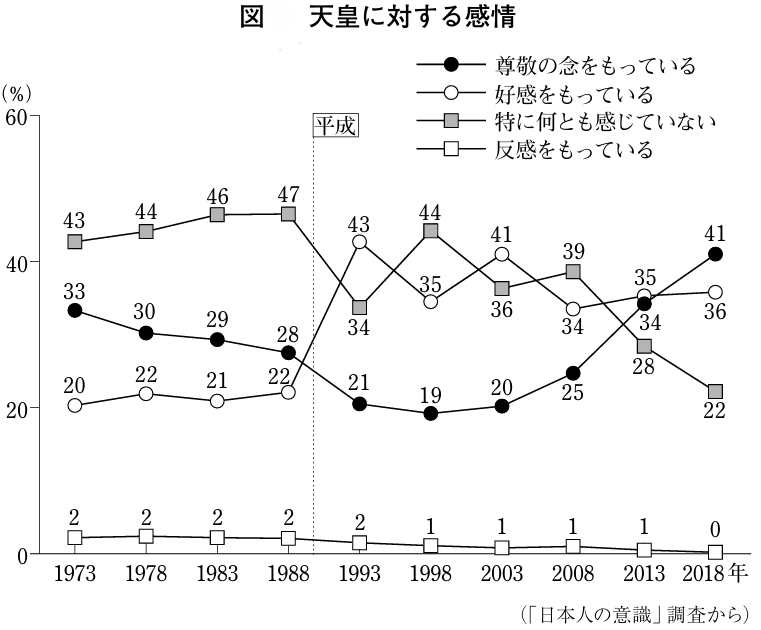
このデータでは1973年以前に遡ることはできないが、天皇制についての関心は戦後順調に低下をつづけてきた。戦後生まれの若い世代ほど関心は薄く、このままフェイドアウトしていけば、というわたしの期待も故(ゆえ)なきわけではなかった。80年代あたりから高齢の昭和天皇は「平和天皇」としてメディアにフレーミングされ、「空虚な中心」として海外の識者に論じられたり(5)、「少女たちのかわいい天皇(6)」のようにアイドル化するようになった。
天皇に対する関心が高まったのは昭和から平成への代替わりの時期である。新聞紙面で毎日のように報道される昭和天皇の「下血」騒ぎで、関心はいやでも高まったが、敬意はかえって低下した。千代田の森の奥深くにいるひとりの高齢男性の容態に一喜一憂して、なぜ国民がコンサートやパーティを自粛しなければならないのか、ネオンの消えた街を見て不満に思った人は多いはずだ。
それよりもっと昔、敗戦直後の天皇については、ネガティブな関心が強かったといえる。天皇の名の下の戦争にいやおうなしに動員された庶民のあいだには、天皇に対する恨みや憎しみが渦巻いていた。終戦の詔勅を聞いて、宮城前で慚愧の涙を流した国民もいたが、それ以上に多くの国民が天皇は退位せよ、天皇制を廃止せよ、と思ったことは、当時の世論からも明らかだ。
東北在住の農民詩人の木村迪夫は、息子二人を戦争で失った恨みを詠った「祖母のうた」を記録している。
「にほんのひのまるなだてあかい かえらぬおらがむすこのちであかい(7)」
これを読めば、国旗に対して平静な気持ちでいられない人々の気持ちがわかるだろう。日の丸の赤を殺された息子の血の色と形容することは、いまどきのことばで言えば、言語的な遂行による「国旗損壊罪」にあたるのだろうか?
その同じ民衆が、敗戦後数年経ってからの昭和天皇の地方巡幸を熱狂的に迎えた。沖縄を除く全国46都道府県をくまなく行幸したこのイベントの仕掛け人は、占領軍と宮内庁だった。占領軍が天皇の統治権力と戦前からの官僚機構を上手に利用したことはよく知られている。東條英機大将以下、天皇を「輔弼」した軍部の中枢に責を負わせ、東京戦犯法廷で死刑に処したあと、天皇は戦争責任を免責された。対ファシスト戦争だった第二次世界大戦のうち、イタリアのムッソリーニは処刑され、ドイツのヒトラーは自殺し、責任を問われなかったのは日本のヒロヒトだけである。
敗戦後の焼け野原を菊の紋章をつけたお召し列車で巡幸した昭和天皇は、各地で日章旗の小旗や提灯行列などで熱狂的に迎えられた。内地は戦場にこそならなかったものの、空襲の惨状を天皇はつぶさに自分の目で見たはずだ。天皇を暗殺したいテロリストだっていたにちがいないのに、むしろこの巡幸は天皇制の延命に手を貸した(8)。各地の庶民の崇敬と熱狂に直面した占領軍は、天皇制の根の深さにかえっておののいたにちがいない。これを「草の根天皇制」「一木一草天皇制」と呼んだのは、民衆史家である(9)。
この天皇制の根の深さは、のちに水俣病患者の病室を厚生大臣が訪れたとき、患者が官製企業のチッソがもたらした汚染に苦しみぬきながら、ベッドのうえで「天皇陛下万歳!」と叫んだというエピソードからも知られる(10)。しかしそれは自分を救ってくれるかもしれない超越権力への期待であって、決して親しみの感情ではなかった。
しかし、その神通力も戦後生まれには通用しない。
「護憲」天皇の功績
平成の天皇アキヒト、今の上皇の時代になって、天皇への親しみの感情は急速に上昇した。平成の天皇は、皇太子時代に民間人、正田美智子さんを皇太子妃に迎え、側室を置かず、一夫一婦の近代家族をモデル的に実践したことで国民のアイドルとなった。民間人皇太子妃は自分の手で子育てをしたいと乳人を置かず、そのライフスタイルやファッションは女性週刊誌のグラビアに登場した。平成の天皇が皇后とともに、天皇制を戦略的に演出したことは大きな効果を持った。彼らは頼まれもしないのに、国内外の戦跡を訪れてふかく哀悼の念を示し、また災害があるとただちに現地へ赴いて被災者を慰めた。被災者のまえに膝をつく天皇像を、国民は初めて見たはずである。「平和を願い、国民の安寧を祈る」天皇像は、平成の天皇カップルのおかげで定着した。
平成の天皇は折にふれ、「憲法を守る」とくりかえした。当然であろう。天皇の地位の根源は憲法第一条に依拠しているからだ。「憲法を守る」のなかには、平和憲法を守る、も含まれていた。一九九九年に国旗国歌法が成立したとき、園遊会で天皇が「強制にならないように」と発言したことも報じられた。ためにリベラル左派ですら、天皇を護憲の庇護者のように見なすようになった。國分功一郎は最近の著書で、これを『天皇への敗北(11)』といささかセンセーショナルな表現で指摘した。「九条を守り抜こうとする護憲派の立場を、一条を根拠として存在している天皇が支持する」という”ねじれ”を意味する。
天皇制が現上皇と上皇后のふるまいによって親近感を持たれたことはデータからもわかるが、令和になってからは、関心も親近感も低下している。今の若い世代にとっては天皇制はたんにすでにそこにあるものにすぎない。あのクラシックな皇室ファッションでは、ファッションリーダーにもアイドルにもならない。これまで女性週刊誌の鉄板ネタは皇室特集だったが、その効果ももはや失われていることだろう。世論調査によれば直近の天皇制への関心はやや増加しているというが、それも皇室典範改正問題がメディアを賑わしているからであろう。天皇制について語れば語るほど、賛否含めて天皇制への関心は高まる。語らぬにしくはなし、とわたしが感じたのも理由がある。
天皇制を伝統文化財の一種と見なす戦後世代にとって、残る判断基準は、天皇制を維持するコストがその効果に見合うかどうかであろう。天皇制を維持するコストは皇室費126億円、宮内庁経費130億円、これに警備費を加えると年間およそ340億円(2025年度)である。
皇族の人権
皇族に人権はあるか?
彼らには職業選択の自由も移動の自由もない。プライバシーは監視され、籠の鳥状態である。民主主義というものが多数決で決まるものなら、少数者はつねに多数者の意思に従わなければならないことになる。障害者は少数者だが、障害者の国際運動は「私たち抜きに私たちについて何ごとも決めないで」という標語を掲げてきた。障害者以上に絶対的な少数者である皇族についても、その当事者の意見がまったく聞かれないままに、皇室典範の改正が行われようとしている。
憲法学者は天皇制を人権の「飛び地」と呼ぶ。つまり「例外」である。「女性の人権」の名において皇位継承の男女平等を言うなら、まずこの「飛び地」の解消から手をつけるべきだと憲法学者が言うのは理にかなっている(12)。だが「人権」概念には本来、「例外」はないし、あってはならない。基本的人権とは「自然権」つまり国家によっても法律によっても保証される必要のない、言い換えれば、国家以前、法以前的な権利をいう。だからこそ「天賦人権」というのだ。
天皇制は皇族の人権を無視することで成り立っている。皇族の方々が制度のもとでどのくらいつらい思いをしているかは、上皇后がストレスから失声症になったり、現皇后が適応障害になったりしたことからもうかがえる。現天皇が皇后にプロポーズしたときの決めぜりふがメディアで紹介されていたが、それによると「一生全力でお守りします」というものだった。天皇が会見で「雅子の人格を否定するような動きもありました」と発言するように、天皇はこの約束を守ることができなかった。
権威の源泉としての天皇
だが、この少数者は特権的な少数者たちである。国民の税金で生活を保障され、権威の源泉として機能している。国会は天皇の召集がないと開催できないし、総理大臣も閣僚も任命されない。そもそも総理大臣という用語そのものが律令制の「大臣」から来ている。各省の「大臣」はいまでも天皇の臣下なのである。
国民のあいだに身分格差をつけるこの権威主義の秩序は、平等主義の原則に反している。敗戦後、華族、士族、平民等の身分が撤廃されたのに、皇族だけが特権階級として残った。天皇は権威の源泉である。この権威からの距離によって、勲一等、二等などの序列が決まる。戦争中日本の諸都市を戦略爆撃したアメリカ軍のカーティス・ルメイ元空軍大将が勲一等旭日大綬章を授与された時には、多くの国民が唖然とした。
政府は叙勲制度を巧妙に運用している。毎年春秋の2回、年間約9000人の有名無名の人々が国家への貢献に応じて大勲位菊花章から旭日章、瑞宝章などの勲章を受ける。文化人には文化勲章というものがある。叙勲者の名簿を見ていると、その草の根に至るまでの目配りのよさに感心する。天皇から授与される叙勲式に出席するための旅費を出してくれるわけでもない。配偶者を同行し、そのためにモーニングや訪問着を誂え、叙勲後にはお祝いの席を設ける費用はすべて受勲者の自弁である。勲章の実物を見せてもらったことがあるが、原価のたいしてかからない安っぽいしろものだった。そのちっぽけな形代を受け取ってこれだけ感激してもらえるのだから、政府の事業としてはコスパがよいというものだ。
勲章を断る人はめったにいない、と聞いたことがあるが、日本には叙勲を辞退した著名人たちがいる。宮内庁は叙勲辞退者の名簿を発表しないので、過去に何人いたかを確認することはできないが、本人が明らかにした限り、ノーベル文学賞受賞作家、大江健三郎をはじめとして、城山三郎、杉村春子、中野好夫、鶴見俊輔らは勲章を辞退した。
ことほどさように天皇制は権威主義の源泉、それもいちじるしく父系原理に偏った家父長制の権化ともいうべきものだ。新憲法によって廃止されたはずの父系家族制度が、皇室を例外として生き延びた。これを日本の家族の範とする限り、どのような平等主義的な言説も空疎に響くだろう。何より日本の法体系のもとに、身分格差を含むダブルスタンダードが存続することになる。
「国体護持」の謎
2024年、国連女性差別撤廃委員会(CEDAW)は、日本政府に対する「勧告」のなかで、「夫婦別姓」の実現に加えて、皇室典範の改正を求めた。男系継承をめぐるあからさまなジェンダー非対称性は、国際的に見ても性差別と認められたからだが、この「勧告」に対して、日本政府の外務省はただちに懲罰的な反応を示した。政府はCEDAWの「勧告」を内政干渉と見なし、CEDAWに対する日本政府の分担金の拠出を停止するという、トランプ政権なみの対応をしたのだ。その直後に、それ以前から日本政府のCEDAWへの拠出金の支払いが滞っていたことが判明し、もともと払っていないものをさらに払わない、と言い募るという恥ずかしいことになった。これまでの「勧告」のなかにあった日本軍「慰安婦」問題の解決や選択議定書の批准などについてはこんな反応を示さなかったのに、こと皇室典範に及ぶと政府はきわめて敏感に反応した。自民党の国会議員の発言のなかに「国体」という概念が登場したことにも驚いた(13)。
ゾンビのような「国体」ということばが生きているとは思わなかったが、「国体」とはいったいなんだろうか? ポツダム宣言受諾に至る過程で、日本政府が最後までこだわったのが「国体護持」だった。よくわからないこの「国体」ということばが意味するものは、天皇制統治機構にほかならない。敗戦にあたって政府は天皇制という「国体護持」を強く求めた。「無条件降伏」と言いながら、現状の統治機構を変えないまま占領を迎えるという選択を、占領軍政府もまた採用した。その意味で、新憲法第一条は、保守派がどのように言いつくろうとも、日本とアメリカとの「合作」なのである。
結論ははっきりしている。天皇制は制度そのものが、権威主義によって国民にとって抑圧的であり、父系継承原理は日本の「伝統」でないばかりか、そのジェンダー非対称性によって性差別的であり、皇族の人権を無視することによって非人間的である。この制度がジェンダー非対称からジェンダー対称になって、女性天皇が実現したからといって、それを喜ぶ理由はフェミニストにはまったくない。また上皇と上皇后とが信頼できる人格者であろうがなかろうが、あるいは天皇の長女の愛子さんが天皇にふさわしい資質の持ち主であろうがなかろうが、いっさい関係がない。問題は人格ではなく制度なのだ。この制度を二一世紀に延命させる理由はない。民主主義国家日本は、立憲君主制ではなく、共和制を選ぶこともできたのだし、これからもその可能性は開かれている。
憲法改正をするなら、第1条から手をつけるべきであろう。
(1)うち成人したのは五人のみ。
(2)最近では、落合恵美子「皇室典範改正で皇室の「中国化」が進む可能性─じつは「父系相続」は「日本古来の伝統」ではなかった」(現代ビジネス、2026年6月7日)など。
(3)保守派であったはずの小林よしのりは愛子天皇を支持している(小林よしのり『ゴーマニズム宣言SPECIAL 愛子天皇論』扶桑社、2023年)。
(4)荒牧央「新時代の皇室観 「皇室に関する意識調査」から」『放送研究と調査』2020年3月号、NHK放送文化研究所。
(5)ロラン・バルト『表徴の帝国』筑摩書房、1996年
(6)大塚英志『少女たちの「かわいい」天皇─サブカルチャー天皇論』角川書店、2003年
(7)木村迪夫『村への道』書肆山田、2017年
(8)八木公生『天皇と日本の近代』講談社現代新書、2001年
(9)色川大吉『昭和史と天皇』岩波書店、1991年
(10)石牟礼道子『苦海浄土 わが水俣病』講談社、1972年
(11)國分功一郎『天皇への敗北』新潮新書、2026年
(12)長谷部恭男『憲法と平和を問いなおす』ちくま新書、2004年
(13)2025年2月10日衆議院予算委員会で、自民党議員、鈴木隼人が「条約を守ることと国体を守ることのどちらが大事なのか」と質問した。
Automatic English translation via the website of
https://websekai.iwanami.co.jp/posts/9748
UENO Chizuko: This is the only reason why I don’t welcome the female emperor
2026.07.10
※Articles included in the August 2026 issue of “World” will be released specially.
Every time I was asked to say something about the emperor system, I refused. Because the more I argued, the more I was afraid that the public’s interest would be gathered for both pros and cons. Rather than that, I felt that it would be nice if the interest gradually faded, and it would be good if it would fade out as the imperial line disappeared.
The continuation of the imperial line is in danger. In addition to Akishinonomiya, the younger brother of the emperor, the only heir to the next generation of the male imperial throne is his son Yujin. The establishment of the Imperial Diet is now being discussed, fueling a sense of crisis that there is no waiting for the revision of the Imperial Family Code. The content of the amendment is two choices. Do you stick to male men, or do you tolerate female emperors? The former proposed the system of adoption of the imperial men. The latter proposed the retention of imperial status after marriage of the female royal family. There is also an option for both.
Another way to increase the choice of heirs to the throne is the concubine system. The ancient emperor had a concubine named Saina, and the Meiji Emperor had two law-law and five concubines, a total of 15 children (1). It was from Emperor Taisho that the emperor’s concubine disappeared. Some conservatives advocate that the male succession of the emperor can only be maintained through the concubine system, but this is prohibited under the modern civil law that prohibits bigamy. Not domestic public opinion or international public opinion will be tolerated.
Conservative political parties insist on male men, but the Restoration and the National Democratic Party are both acceptable gray lines, and the middle road could not even summarize opinions, and later advocated the acceptance of female emperors. The middle way advocates “equality under the law”, but the emperor system itself is contrary to “equality under the law” in the first place. Even the Communist Party, which once advocated the abolition of the emperor system, is now seeking the acceptance of female emperors. When did he turn to support the emperor system?
Many historians have testified to the fact that the succession of male men is not a Japanese tradition or anything, but a “created tradition” from the Meiji period (2). Despite the birth of the first female prime minister in the history of constitutional government, there is an ironic situation that the female prime minister takes the lead in insisting on male succession (3).
Emperor system and family system
Both adoption and the separation of female royal family members are based on the “family system”. It is well known that Japanese families have been maintained as management bodies by members who have joined, not the principle of blood relationship. It is a family system that takes non-blood relatives into pseudo-family relationships (oyakata, children, brothers-in-law, etc.), and in that respect, Japanese families are not based on familyism based on blood ties like the continent. The adoption system has contributed to the extension of the life of such flexible and unhindered homes.
On the other hand, the separation of the imperial family due to the marriage of the female royal family is also based on the principle of the paternal family. A daughter who becomes a “member of another family if she gets married” changes her affiliation by changing her family by marriage. The clan is a symbol indicating the attribution of a child born from marriage, and therefore the child who inherits the father’s clan belongs to the father’s clan. The reason is that for the family, children are the greatest achievement of marriage. For a long time, for women, divorce meant leaving their children at home and leaving them alone. For this reason, the feeling of not wanting to be separated from children has been a deterrent to divorce for women. However, the father did not raise the remaining children in a father-son family. Under the family system, the father has been exercising sole custody for a long time because there was the support power of the mother-in-law, mother-in-law, etc.
It was in the 1960s that this single custody quickly shifted from the father’s side to the mother’s side. At that time, with the nuclear family, the rate of three generations living together decreased, and the parenting power of the grandparents generation was not expected. Although many Japanese fathers have not been actively involved in raising children before and after that, “joint custody” was legislated the year before last.
The paternal lineageism of this marriage was clearly stated in the Nationality Act until the 1985 revision. According to the previous nationality law, children born from marriage between a Japanese woman and a foreign man automatically became the nationality of their father. On the contrary, children who marry Japanese men and foreign women become Japanese nationals. In 1985, in time for the ratification of the United Nations Convention on the Elimination of Discrimination against Women, this gender-asymmetrical nationality law was revised in the Diet, but it is clear that the previous nationality law was based on the principle of clan affiliation under the family system.
If you think about it that way, it can be seen that it is the principle of paternal family that people who stick to the principle of husband and wife want to maintain. They probably want to maintain sexism.
Gender asymmetry of the imperial family
The adoption of children and the retention of the imperial status of the female royal family are secondary and tertiary questions. If it is an adoption from the old Miya family, which parent will be recognized, whether there is an applicable person in the first place, whether the person’s consent can be obtained even if there is, and whether a person who was a civilian until then can use his position to use political and for-profit activities. Is it? Eisuke Mori, the Speaker of the House of Representatives, who is in a position to summarize the “general opinion of the legislature”, received a backlash for his statement that the adopted child does not have the right to inherit the throne, but that the child can inherit the throne, but it will be a natural consequence if an adopted male child. In that case, royal men will be treated like seed horses. The female royal family is also placed under the pressure of giving birth to boys as a “machine to give birth”. It is well known that the current empress was chased by those around her because she only gave birth to a girl.
Regarding the retention of imperial status in the female royal family, the question is whether to give the spouse and child of the female royal family an imperial family. Until now, if a male royal family married a civilian woman, their spouse and children would become royal family members, but if a female royal family married a civilian man, the spouse would not become a royal family, which is an obvious gender asymmetry. In addition, it does not interfere with the right of civilian spouses who do not have imperial status to run for elections and other political activities. In the first place, the imperial status of the male royal family is not affected by marriage with a civilian, but the loss of the imperial status of the female royal family itself is sexist. On the other tone, if the retention of the imperial family of women’s royal family is legislated, the female royal family will lose the freedom to leave the imperial family through marriage. We witnessed the change in the media’s honorific from “Mako-sama” to “Mako Komuro” when she married Kei Komuro, the eldest daughter of the Akishinonomiya family. If Mako had not been “exiled” outside the country, she would not have been able to gain freedom.
Currently, the next male heirs of the imperial line are the eldest son of the Akishinonomiya family, and the female heirs are the eldest daughter of the Imperial family and the second daughter of the Akishinonomiya family. If these two female royal family members leave the imperial family by marriage, the number of candidates will decrease more and more. For them, the opportunity to leave the imperial family before it was legislated is being lost.
Conservative and liberal twists
Regarding the revision of the imperial code, there is a strange twist between the conservatives who insist on male men and the liberals who accept female emperors (it is doubtful whether it can be called). While conservatives say they respect the emperor, in fact they are helping the decline of the emperor system by narrowing down the choice of successors. On the other hand, liberals insist on gender equality in the imperial system, which will contribute to the extension of the life of the imperial system. Some conservatives even say that “the emperor doesn’t have to do anything” and “the emperor has no human rights”, and they want to maintain the system of the emperor system, but they don’t seem to respect the personality of the emperor.
It is strange that the revision of the Imperial Family Code is being carried out without the parties. On the occasion of the abdication of the emperor in Heisei, he expressed his intention to abdicate during his lifetime in “voworm”, suggesting a deviation from the current imperial code, which could only be allowed to abdicate by death, and with the support of public opinion, he made an exception to the law. The emperor himself violated the norm of not engaging in political acts. There was a lot of debate over this addication before his death. The government could have ignored the “spert” as a deviation from the Constitution. However, the “Okoto” showed the great influence that the emperor could arouse public opinion.
The reason why the emperor of Heisei, that is, the current retired emperor, committed this deviant act was probably because he learned from the death of Emperor Showa. Seeing the dissatisfaction and backlash of the people intensiate due to self-restraint after self-restraint, I must have thought that I would not risk this foolishness. If there is a person who should be called a producer of the emperor system … it may be the retired emperor himself or the brilliant retired empress … but I think it was a really smart strategy.
National interest in the imperial system
81 years after the defeat, 80 years after the promulgate of the new constitution, the trend of public opinion towards the emperor has changed with the times. However, it can be said that there is no verifiable data that can trace changes over time, such as interest and support for the emperor system and friendliness to the emperor since the defeat. Because the question items of the awareness survey are different. Among them, let’s consider the reliable “Japanese consciousness” survey by NHK since 1973 (4) (Figure).
Although this data cannot be traced back to 1973, interest in the imperial system has continued to decline steadily after the war. The younger generation born after the war, the less interest, and my expectation that it would fade out like this was not without me. From around the 1980s, the elderly Emperor Showa was framed in the media as “Emperor Heiwa” and was discussed by overseas experts as an “empty center” (5) and became an idol like “the cute emperor of girls (6)”.
Interest in the emperor increased during the period of substitution from the Showa to the Heisei period. The “bloodshed” commotion of Emperor Showa, which was reported daily in newspapers, increased attention, but respect decreased. There must be many people who are unhappy with the condition of an elderly man deep in the Chiyoda forest, and why the public has to refrain from concerts and parties, seeing the city where the neon lights have disappeared.
It can be said that there was a strong negative interest in the emperor immediately after the defeat. Resentment and hatred for the emperor swirled among the common people who were reluctantly mobilized in the war under the name of the emperor. Hearing the edict of the end of the war, there were people who shed tears of shame in front of Miyagi, but it is clear from the public opinion at that time that more people wanted the emperor to abdicate and abolish the emperor system.
Tobuo Kimura, a peasant poet living in Tohoku, recorded “Grandmother’s Song”, which wrote a poem about the resentment of losing his two sons in the war.
“Nihonhinomaru Nadate Akai Kaeruna Oragamuskochide Akai (7)”
If you read this, you will understand the feelings of people who can’t be calm about the national flag. In today’s terms, does describing the red of the sun’s circle as the color of the blood of the son who was killed fall under the crime of “damage to the national flag” by linguistic execution?
The same people enthusiastically welcomed Emperor Showa’s local tour several years after the defeat. The Occupying Army and the Imperial Household Agency were the instigat of this event, which was held in all 46 prefectures across the country except Okinawa. It is well known that the occupying forces made good use of the emperor’s governing power and the bureaucracy before the war. After being held accountable to the center of the military department that “auxiliated” the emperor, under General Hideki Tojo, and sentenced him to death at the Tokyo War Criminal Court, the emperor was exempted from responsibility for the war. During World War II, which was a war against fascists, Mussolini of Italy was executed, Hitler of Germany committed suicide, and Hirohito of Japan was the only one who was not held accountable.
Emperor Showa, who visited the burnt fields after the defeat on a chrysanthemum crest on a same train with a chrysanthemum emblem, was enthusiastically welcomed in various places with small flags of the Japanese flag and lantern procession. Although the inland did not become a battlefield, the emperor must have seen the disaster of the air raid with his own eyes. There must have been terrorists who wanted to assassinate the emperor, but this tour helped extend the life of the emperor system (8). Facing the reverence and enthusiasm of the common people in various places, the occupying army must have been sindulted by the depth of the emperor’s system. It was a popular historian who called this the “grassroots emperor system” and “Ichiki Ichikusa Emperor system” (9).
The depth of the roots of this emperor system was that when the Minister of Health and Welfare later visited the hospital room of a patient with Minamata disease, the patient was suffering from the pollution brought about by the government-made company Chiso, and said on the bed, “Long live the Emperor!” It is also known from the episode where he shouted (10). However, it was an expectation of transcendental power that might save me, and it was by no means a feeling of familiarity.
However, that divine power is also not valid for post-war births.
“Protection” Emperor’s achievements
In the era of Emperor Akihito in Heisei and the current Retired Emperor, the feeling of familiarity with the emperor rose rapidly. The Heisei emperor welcomed Michiko Shoda, a civilian, as the crown princess during the Crown Prince’s era, and became the idol of the nation by practicing the modern family of monomached with one wife as a model. The civilian crown princess did not put a baby in her child to raise her child with her own hands, and her lifestyle and fashion appeared in the women’s weekly magazine Gravure. The fact that the emperor of the Heisei period, together with the empress, strategically directed the emperor system had a great effect. Even though they were not asked, they visited the site of wars at home and abroad to express their deepest condolences, and when there was a disaster, they immediately went to the site to comfort the victims. It must be the first time that the people have seen the statue of the emperor kneeling in front of the victims. The emperor statue, which prays for peace and the well-hallness of the people, was established thanks to the Heisei emperor couple.
The emperor of Heisei came to it from time to time and repeated “protect the constitution”. Of course. Because the root of the emperor’s status is based on Article 1 of the Constitution. “Protecting the Constitution” also included protecting the Constitution of peace. It was also reported that when the National Flag and National Anthem Act was passed in 1999, the emperor said at the garden party “so that it would not be forced”. As a reason, even liberalists began to see the emperor as a protector of the constitution. In a recent book, Koichiro Kokubun pointed out this with a somewhat sensational expression of “Defeat by the Emperor (11)”. It means “twist” that the emperor, who exists on the basis of Ichijo, supports the position of the constitutionalists who try to protect Kujo.
It can be seen from the data that the emperor system has become close to the current retired emperor and the retired empress, but since Reiwa, interest and familiarity have decreased. For today’s younger generation, the emperor system is just something that already exists. In that classic imperial fashion, you can’t be a fashion leader or an idol. Until now, the iron plate story of women’s weekly magazines has been a special feature on the imperial family, but its effect has already been lost. According to public opinion polls, interest in the most recent emperor system has increased slightly, but that is also because the issue of the revision of the imperial code is buzzing in the media. The more you talk about the emperor system, the more interest in the emperor system, including pros and cons, increases. There is a reason why I felt that it was a story without saying it.
For the post-war generation that sees the emperor system as a kind of traditional cultural property, the remaining criterion for judgment is whether the cost of maintaining the emperor system is commensurate with the effect. The cost of maintaining the emperor system is 12.6 billion yen for the imperial family, 13 billion yen for the Imperial Household Agency, and about 34 billion yen per year (FY2025) if you add security costs.
Human rights of the royal family
Does the royal family have human rights?
They have no freedom to choose their careers or move. Privacy is monitored and in a cage state. If democracy is determined by a majority vote, the minority must always follow the will of the majority. Although there are a few people with disabilities, the international movement for people with disabilities has put up the slogan “Don’t decide anything about us without us”. The Imperial Family, which is also an absolute minority more than the disabled, is about to be revised without hearing the opinions of the parties at all.
Constitutional scholars call the imperial system an “enclave” for human rights. In other words, it is an “exception”. It makes sense for constitutional scholars to say that if we talk about gender equality in the succession to the throne in the name of “women’s human rights”, it makes sense for constitutional scholars to say that we should first start with the elimination of this “enclave” (12). However, there are no and should not be “exceptions” in the concept of “human rights”. Fundamental human rights refer to “natural rights”, that is, rights that do not need to be guaranteed by the state or by law, in other words, pre-state and pre-law rights. That’s why it’s called “natural human rights”.
The imperial system is based on ignoring the human rights of the royal family. The reason how much the royal family is having a hard time under the system can be seen from the fact that the former empress became aphasia due to stress and the current empress became an adaptation disorder. The decision when the current emperor proposed to the empress was introduced in the media, and according to it, it was “I will do my best to protect you for the rest of my life”. As the emperor said at the press conference, “There was also a move that denied Masako’s personality,” the emperor could not keep this promise.
The emperor as a source of authority
However, this minority is a privileged minority. It is guaranteed livelihood by the people’s taxes and functions as a source of authority. The Diet cannot be held without the summons of the emperor, and the prime minister and ministers are not appointed. In the first place, the term prime minister itself comes from the “minister” of the ritsuryo system. The “ministers” of each ministry are still vassals of the emperor.
This authoritarian order, which establishes a disparity between the people, is contrary to the principle of egalitarianism. After the defeat, the status of the nobility, the warriors, commoners, etc. was abolished, but only the royal family remained as a privileged class. The emperor is the source of authority. Depending on the distance from this authority, the hierarchy of first and second class is determined. Many people were stunned when former U.S. Air Force General Curtis Lemay, who strategically bombed Japanese cities during the war, was awarded the Order of the Rising Sun.
The government is cleverly operating the awarding system. Every year, twice in spring and autumn, about 9,000 famous and unknown people receive medals such as the Grand Order of the Grand Order of the Chrysanthemum, the Order of the Rising Sun, and the Order of the Treasure of the Treasure, according to their contributions to the country. Cultural people have something called a cultural medal. When I look at the list of the memorates, I am impressed by the good care of them to the grassroots. It does not mean that they will pay for the travel expenses to attend the ordination ceremony awarded by the emperor. The cost of accompanying his spouse, making morning and visiting clothes, and setting up a celebration table after the ordination is all at the expense of the recipient himself. I’ve been shown the real thing of the medal, but it was cheap and cheap, which was not very cost. It is said that the cost-effectiveness is good as a government project because they are so impressed by the small amount of money.
I’ve heard that it’s rare for people to refuse medals, but there are celebrities in Japan who declined to be awarded. The Imperial Household Agency does not announce the list of those who declined the ordination, so it is impossible to confirm how many people there were in the past, but as far as the person himself has revealed, including Kenzaburo Oe, the Nobel Prize-winning writer Saburo Shiroyama, Haruko Sugimura, Yoshio Nakano, Shunsuke Tsurumi, and others declined the medal.
As the case, the imperial system is the source of authoritarianism, and it should also be said that it is the incarnization of the patriarchal system, which is biased towards the patriarchal principle. The paternal family system, which should have been abolished by the new constitution, survived with the exception of the imperial family. As long as this is used as a model for the Japanese family, any egalitarian discourse will resonate empty. Above all, under the Japanese legal system, double standards including status disparities will survive.
The mystery of “national sports protection”
In 2024, the United Nations Committee on the Elimination of Discrimination against Women (CEDAW) called for an amendment to the Imperial Family Code in addition to the realization of “marital separation” in the “recommendation” to the Japanese government. This is because the blatant gender asymmetry over male succession is internationally recognized as sexism, but the Ministry of Foreign Affairs of the Japanese government immediately showed a punitive reaction to this “recommendation”. The government regarded the CEDAW’s “recommendation” as interference in internal affairs and responded in the trump administration of the Trump administration by suspending the Japanese government’s contribution to the CEDAW. Immediately after that, it turned out that the payment of the Japanese government’s contribution to the CEDAW had been delayed before that, and it was embarrassing to argue that he would not pay further what he had not originally paid. Although it did not show such a reaction to the solution of the Japanese military “comfort women” problem and the ratification of the Optional Protocol in the previous “recommendations”, the government reacted very sensitively when it came to the Imperial Family Code. I was also surprised that the concept of “national sports” appeared in the remarks of the members of the Diet of the Liberal Democratic Party (13).
I didn’t think the word “national body” like a zombie was alive, but what exactly is “national body”? In the process of accepting the Potsdam Declaration, the Japanese government was obsessed with “protecting the national body” until the end. What this word “national body” means, which I don’t understand well, is none other than the imperial governance mechanism. In the defeat, the government strongly demanded the “protection of the national body” of the emperor system. ” While saying “unconditional surrender”, the occupation army government also adopted the choice of welcoming the occupation without changing the current governance mechanism. In that sense, Article 1 of the new constitution is a “cooperation” between Japan and the United States, no matter how conservatives say it.
The conclusion is clear. The imperial system itself is oppressive to the people due to authoritarianism, and the principle of paternal succession is not only not a Japanese “tradition”, but also sexist due to its gender asymmetry, and it is inhumane by ignoring the human rights of the imperial family. Ru. There is no reason for feminists to be happy about this system from gender asymmetry to gender symmetry and the female emperor has been realized. Also, it has nothing to do with whether the Retired Emperor and the Retired Empress are trustworthy personalities, or whether the emperor’s eldest daughter, Aiko, has the qualities worthy of the emperor or not. The problem is not personality, but the system. There is no reason to extend the life of this system to the twenty-first century. Japan, a democratic country, could have chosen a republic instead of a constitutional monarchy, and the possibility of that will continue to be open.
If the constitution is to be amended, it should be started from Article 1.
(1) Only five of them were adults.
(2) Recently, Emiko Ochiai “Possibility of “Chineseization” of the imperial family will advance with the revision of the Imperial Family Code – in fact, “paternal inheritance” was not an “ancient Japanese tradition”” (Gendai Business, June 7, 2026), etc.
(3) Yoshinori Kobayashi, who should have been a conservative, supports Emperor Aiko (Yoshinori Kobayashi “Gomanism Declaration SPECIAL Emperor Aiko Theory” Fusosha, 2023).
(4) Osao Aramaki “The View of the Imperial Family in the New Era “From the Survey of Awareness of the Imperial Family” “Broadcast Research and Survey” March 2020 issue, NHK Broadcasting Culture Research Institute.
(5) Roland Barth “The Empire of Representation” Chikuma Shobo, 1996
(6) Hideshi Otsuka “The “cute” Emperor of Girls – Subculture Emperor Theory” Kadokawa Shoten, 2003
(7) Tomio Kimura “The Road to the Village” Shosha Yamada, 2017
(8) Kisei Yagi “The Emperor and Modern Japan” Kodansha Gendai Shinsho, 2001
(9) Daikichi Ikokawa “Showa History and the Emperor” Iwanami Shoten, 1991
(10) Michiko Ishimure “Kumi Jodo: My Minamata Disease” Kodansha, 1972
(11) Koichiro Kokubun “Defeat to the Emperor” Shincho Shinsho, 2026
(12) Yasuo Hasebe “Questioning the Constitution and Peace” Chikuma Shinsho, 2004
(13) On February 10, 2025, at the House of Representatives Budget Committee, Hayato Suzuki, a member of the Liberal Democratic Party, asked, “Which is more important, protecting the treaty or protecting the national sports?”
ふっちゃん@戦争反対 @ashitawawatashi
Jul 14, 2026
宮内庁ホームページに天皇系図があります
確かに神武天皇が初代
しかし、女性天皇もいらっしゃる
女性天皇を認めない言い訳に「万世一系」は無理筋
The Imperial Household Agency’s homepage has the lineage of the Emperor.
Indeed, Emperor Jimmu is the first.
However, there are also female emperors.
Using “eternal lineage” as an excuse to deny female emperors is a weak argument.
https://x.com/ashitawawatashi/status/2076881091076731098/photo/2
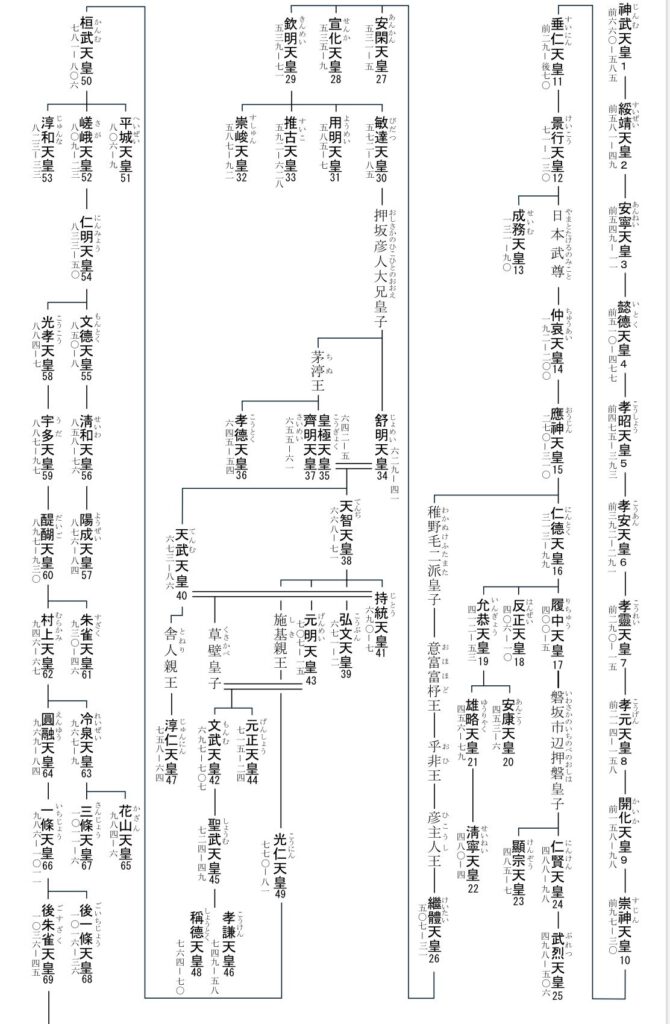
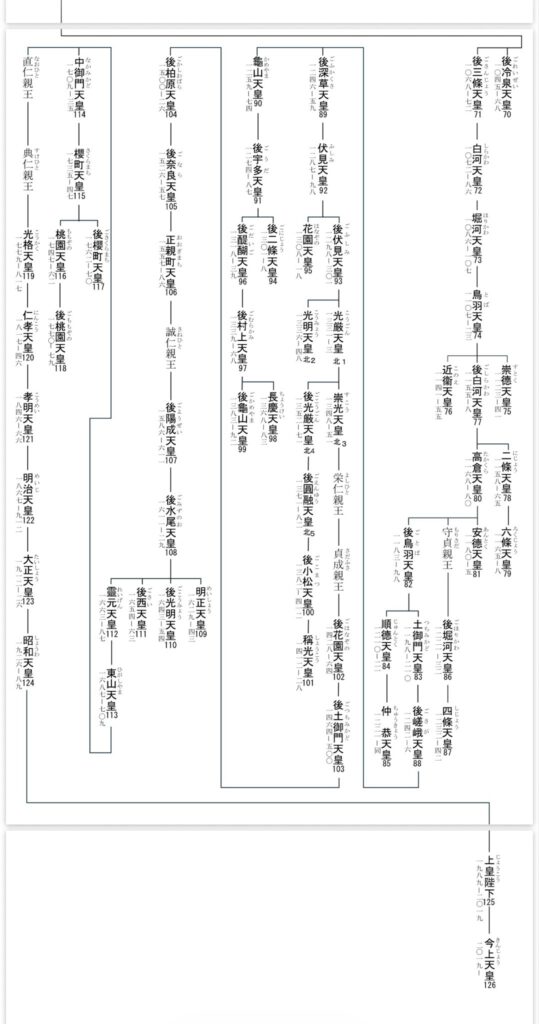
これも、明治政府の思惑がめっちゃ反映されてますからね…。
仲哀天皇(14代)から応神天皇(15代)の間、70年間も空いてますし。
ホントはここに神功皇后(女性)がホントは天皇だった説があるけど明治政府が女性・女系を隠したかったから外したみたいです。
This really reflects the Meiji government’s intentions to a massive degree, you know…
There’s a whopping 70-year gap between Emperor Keikō (14th) and Emperor Ōjin (15th).
The real story is that Empress Jingū (a woman) was supposedly the true emperor here, but it seems the Meiji government wanted to downplay female and matrilineal lines, so they removed her.
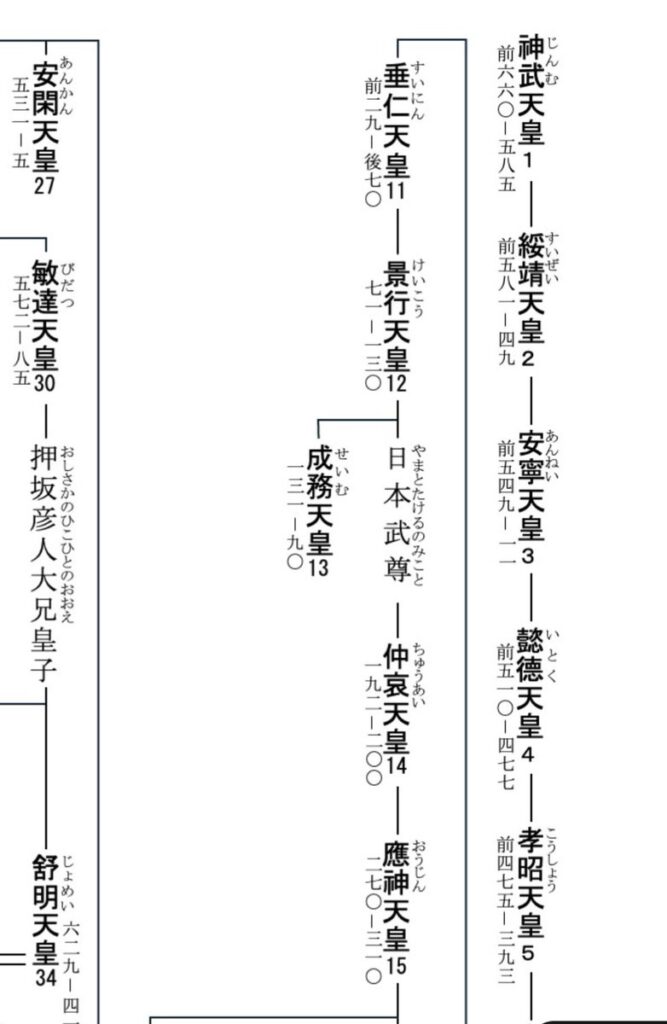
https://x.com/SHOCKJapan_YK3/status/2076953952336466223
のの @nanonanout
寬仁親王は父の三笠宮様より先に亡くなった。寬仁親王には男子がいなかった。だから三笠宮様が亡くなった時点で三笠宮家は断絶のはず。未亡人のための寬仁親王妃家が残るのは制度的に正しい。おかしいのは彬子さんが三笠宮家の当主になれていること。現行典範では不可能。麻生太郎の横暴は寧ろこっち。
Prince Kan’in passed away before his father, Prince Mikasa. Prince Kan’in had no male heirs. Therefore, at the time of Prince Mikasa’s death, the Mikasa no Miya house should have become extinct. It is institutionally correct that only the Kan’in Prince Consort Household for the widow remains. What’s strange is that Princess Akiko has been able to become the head of the Mikasa no Miya house. This is impossible under the current Imperial House Law. Rather, Taro Aso’s high-handedness is the real issue here.
11:56 AM · Jul 16, 2026·222.2K Views
https://x.com/nanonanout/status/2077588182531797129
てのひら@43H4LLg65tQNyEo
麻生太郎実妹の信子妃は独立した女性宮家を、麻生の仕切りであっという間に作った。前代未聞。歴史上あり得ないことを政治家の権力使って強行するのに、
歴史上いた女性天皇は認めない。
この歪みは小学生でもわかる。
Taro Aso’s own younger sister, Princess Nobuko, established an independent female imperial house in no time flat, thanks to Aso’s maneuvering. Unprecedented. Something that could never happen in history, yet he forces it through using a politician’s power—
and for that,
the female emperors who existed in history are not recognized.
This distortion is something even an elementary schooler can see through.
8:39 AM · Jul 16, 2026·397.2K Views
https://x.com/43H4LLg65tQNyEo/status/2077538596563927341
NCC「天皇制の終焉を求める」 皇室典範改正案の衆院通過で声明 2026年7月13日
日本キリスト教協議会(NCC、吉髙叶議長・大嶋果織総幹事)は7月13日、「戦争責任と戦後責任の告白に立ち、天皇制の終焉を求めます――皇室典範改正法の衆議院通過にあたって」と題する声明を発表した。
「皇室典範等の一部を改正する法律案」は10日、衆議院本会議で与野党の賛成多数により可決され、参議院に送付された。一般男性と結婚した内親王・女王が皇族の身分を保持できるようにするとともに、旧皇族の男系男子に当たる民間人を皇族の養子として迎える制度などを盛り込んでいる。
声明はまず、戦後50年に当たる1995年にNCCが発表した二つの声明を振り返った。当時、戦前・戦中の日本のキリスト教会が天皇制国家に迎合し、植民地支配や侵略戦争を容認、擁護、あるいは積極的に加担した罪を告白。戦後もその過去を十分に反省せず、天皇制の問題性を見抜けなかったとして悔い改めを表明していた。今回の声明は、これを「過去の歴史研究ではありません。私たち自身の歴史認識であり、悔い改めです」と位置付け、現在も受け継ぐ姿勢を明らかにした。
その上で、戦後も天皇制が維持されたため、植民地主義や侵略戦争の責任が社会全体として問い直されず、日本軍「慰安婦」問題などの戦後責任も果たされていないと指摘。1995年の声明に示された歴史認識に立つならば、「天皇制を維持するための制度改正を支持することはできない」とし、その延長線上にあるのは天皇制の維持ではなく「終焉を求めること」だと訴えた。
また、今回問うべきなのは皇位継承の方法ではなく、天皇制そのものだと強調。天皇制は生まれや家系によって特定の人を特別な存在とし、人間を序列化する制度だと批判した。「万世一系」や男系継承を重視する思想が、排外主義や国家への忠誠、家父長制とも結び付き、人間の多様性を否定してきたとの認識を示した。
声明は「人間は国家のために存在するのではありません。国家は、一人ひとりの人間の尊厳を守るためにあります」と表明。すべての人が等しく「神のかたち」として創造されたとの信仰に立ち、皇室典範の改正によって天皇制を維持するのではなく、制度そのものを終わらせ、誰もが尊厳をもって生きられる平等な共生社会を目指すとしている。
NCC Calls for “An End to the Imperial System”: Statement Following the Lower House’s Passage of the Imperial House Law Amendment Bill—July 13, 2026
The National Council of Churches in Japan (NCC; Chairperson Kanade Yoshitaka, General Secretary Kaori Oshima) issued a statement on July 13 titled “Standing on the Confession of War Responsibility and Postwar Responsibility, We Call for the End of the Imperial System—Upon the Passage of the Imperial House Law Amendment Bill by the House of Representatives.”
The “Bill to Partially Amend the Imperial House Law and Other Laws” was passed by a majority vote of both ruling and opposition parties at a plenary session of the House of Representatives on the 10th and sent to the House of Councillors. The bill includes provisions allowing princesses and princesses of the blood who marry commoners to retain their imperial family status, as well as a system to accept male descendants in the male line of former imperial family members as adopted members of the imperial family.
The statement began by looking back on two statements issued by the NCC in 1995, marking the 50th anniversary of the end of World War II. At that time, the NCC confessed to the sins of Japanese Christian churches during the pre-war and wartime periods, which had pandered to the imperial system, condoned, defended, or actively participated in colonial rule and wars of aggression. It also expressed repentance for failing to sufficiently reflect on that past after the war and for failing to recognize the problematic nature of the imperial system. The current statement positions this as “not merely historical research into the past, but our own historical understanding and repentance,” making clear that this stance continues to this day.
Furthermore, the statement pointed out that because the imperial system was maintained after the war, society as a whole has not reexamined its responsibility for colonialism and wars of aggression, and postwar responsibilities—such as those regarding the issue of “comfort women” forced to serve the Japanese military—have not been fulfilled. Stating that, based on the historical understanding set forth in the 1995 statement, “we cannot support institutional reforms aimed at maintaining the imperial system,” the group argued that the logical extension of this stance is not the maintenance of the imperial system but “seeking its end.”
They also emphasized that what should be questioned this time is not the method of imperial succession, but the imperial system itself. They criticized the imperial system as an institution that elevates specific individuals to a special status based on birth and lineage, thereby establishing a hierarchy among people. They expressed the view that the ideology emphasizing “the unbroken line of emperors” and male-line succession has been linked to xenophobia, loyalty to the state, and patriarchy, and has denied human diversity.
The statement declared, “Human beings do not exist for the sake of the state. The state exists to protect the dignity of each and every individual.” Grounded in the belief that all people were created equally in the “image of God,” the group stated that rather than maintaining the imperial system through amendments to the Imperial House Law, they aim to end the system itself and strive for an equal, harmonious society where everyone can live with dignity.
Translated with DeepL.com (free version)
https://www.kirishin.com/2026/07/13/91764/
天皇陛下は神道の最高祭祀なので、日本のキリスト教団体が求める「天皇制の終焉」は、他国の国教破壊。これはもう宗教戦争。Shintonistとして抗議し、豪州でも問題提起します。
His Majesty the Emperor is the supreme priest of Shinto, so the “abolition of the Imperial system” demanded by Japanese Christian groups is the destruction of another country’s state religion. This is nothing less than a religious war. As a Shintoist, I protest, and I will raise the issue in Australia as well.
8:56 AM · Jul 17, 2026·293.1K Views
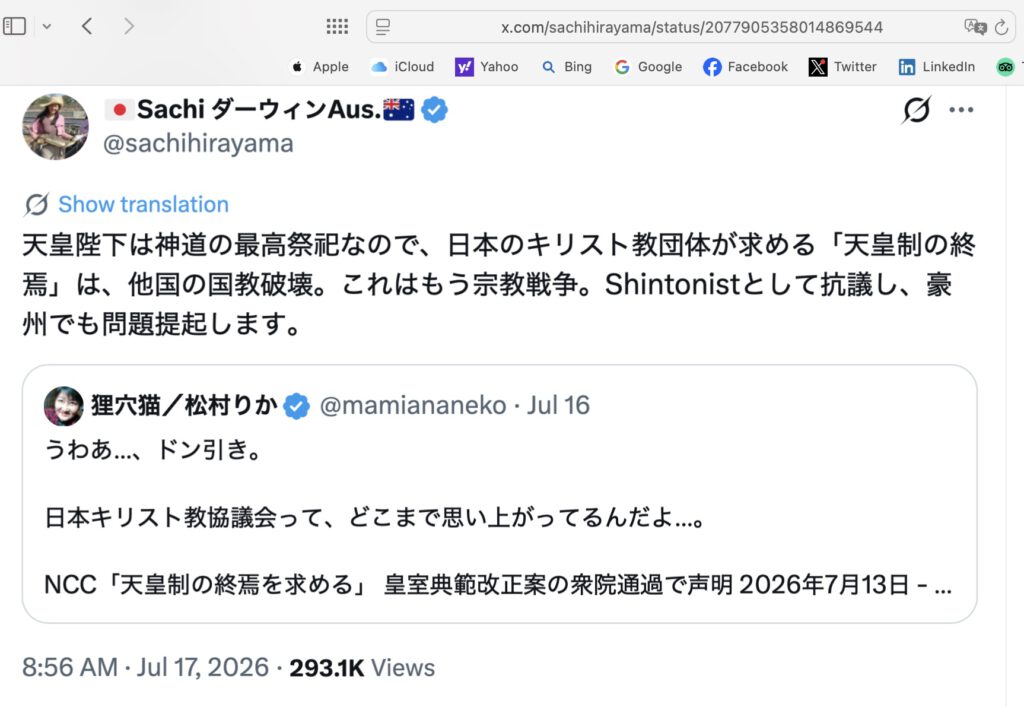
https://x.com/sachihirayama/status/2077905358014869544
昨夜の報道番組で、辻元議員が「愛子様はなんでだめなんですか」と聞くと、神谷宗幣氏は「遺伝子が変わるから」と答えました。
「女性天皇はいいんですか」「いい」「では愛子様の子は」「遺伝子が変わるから」
遺伝子が、変わる? どういうことでしょう。
男系で受け継がれるのはY染色体です。これは人の全遺伝情報の「2%」。残りの98%は男系でも世代ごとに入れ替わります。
そもそも「遺伝子」は近代科学の概念です。皇位継承の伝統がそれを根拠に設計されたはずがありません。
伝統には伝統の論理がある。それを「遺伝子」という科学の言葉で装う必要はないはずです。
「遺伝子が変わるから」。この一言で議論を終わらせるのは、伝統に対しても、科学に対しても不誠実ではないでしょうか。
猫シール @akasa_tanashin
Translated from Japanese
Last night’s news program featured Representative Tsujimoto asking Representative Kamiya Sohei, “Why is it not acceptable for Princess Aiko?” to which he replied, “Because the genes would change.”
“Is a female emperor okay?” “Yes.” “Then what about Princess Aiko’s child?” “Because the genes would change.”
Genes… change? What on earth does that mean?
What is passed down through the male line is the Y chromosome. This accounts for just “2%” of a person’s total genetic information. The remaining 98% gets replaced with each generation, even in the male line.
The very concept of “genes” is a product of modern science. There’s no way the traditions of imperial succession were designed based on it.
Traditions have their own logic. There’s no need to dress them up in the scientific language of “genes.”
“Because the genes would change.” Ending the debate with that one phrase—isn’t it dishonest, both to tradition and to science?
11:08 AM · Jul 17, 2026·1.1M Views
https://x.com/akasa_tanashin/status/2077938494148931668
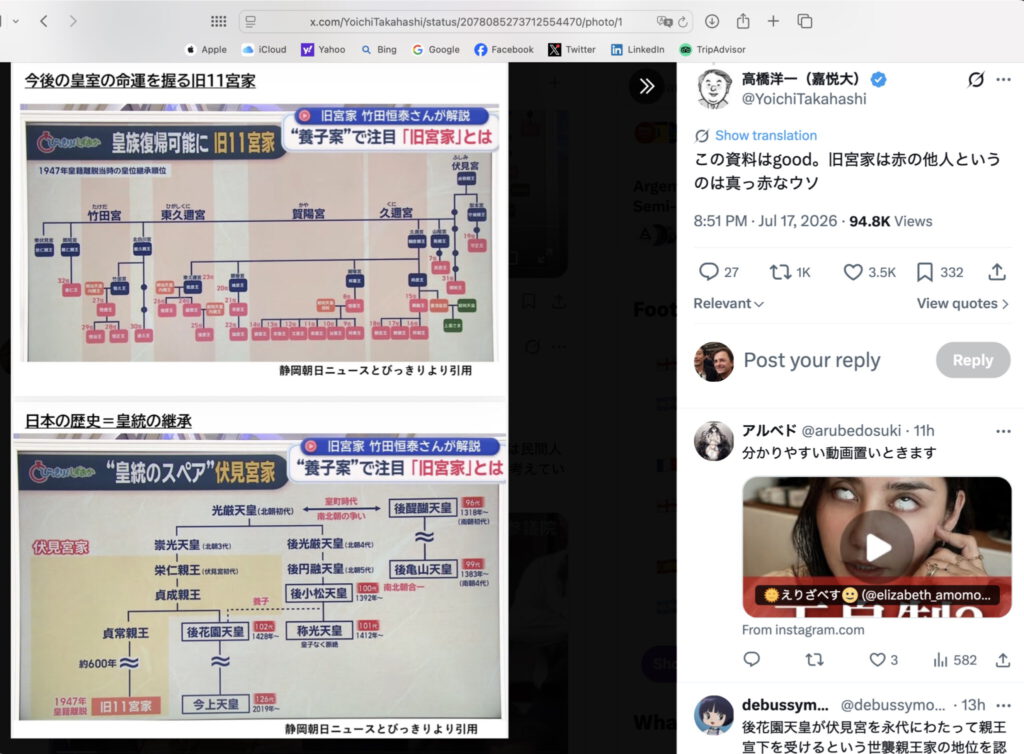
この資料はgood。旧宮家は赤の他人というのは真っ赤なウソ
This material is good. The claim that the former imperial house members are complete strangers is a blatant lie.
https://x.com/YoichiTakahashi/status/2078085273712554470/photo/1
後花園天皇が伏見宮を永代にわたって親王宣下を受けるという世襲親王家の地位を認められました。その伏見家の血統が旧宮家です。男系男子のバトンを繋ぐために何百年も血統を受け継ぎ控えている存在。一時の政治家や国民の一時の考えではなく、身内の先代皇族方の遺言が当然優先されるべきです。
The Emperor of the Rear Palace was granted the status of a hereditary princely house, whereby the Fushimi no Miya would receive the declaration of princehood in perpetuity. The lineage of that Fushimi house constitutes the former imperial house. It is an entity that has preserved its bloodline for centuries, awaiting the moment to pass on the baton of male-line male descendants. Rather than the fleeting opinions of politicians or the public at a given time, the wills of the preceding imperial family members should naturally take precedence.
https://x.com/debussymooon/status/2078104563186544689
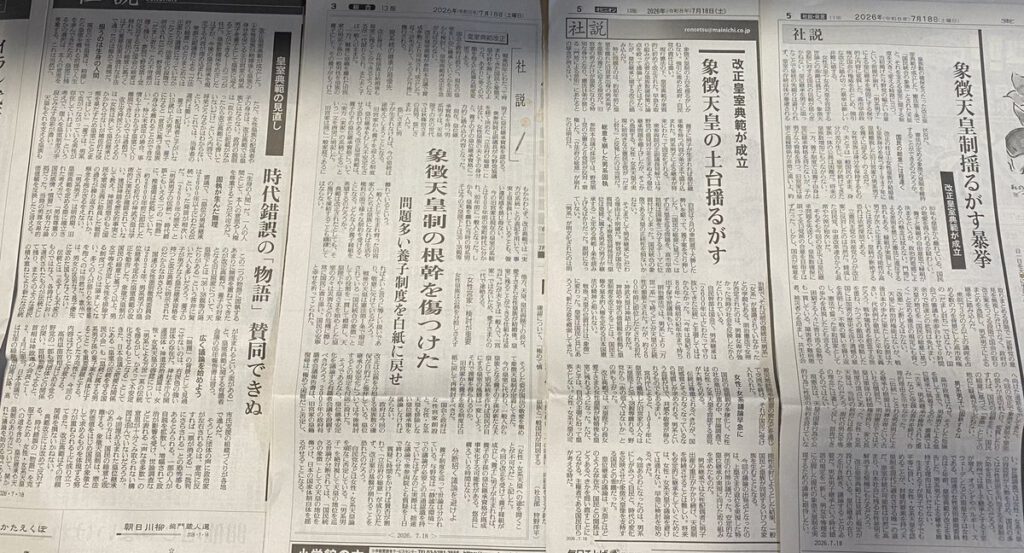
宮本徹 @miyamototooru
8:08 AM · Jul 18, 2026·94.2K Views
皇室典範改定を受け、各紙大型社説をだし、怒り続けてます。
読売‥象徴天皇制の根幹を傷つけた 問題多い養子制度を白紙に戻せ
朝日‥時代錯誤の「物語」賛同できぬ
毎日‥象徴天皇の土台揺るがす
日経‥皇室の未来へ総意探る議論を続けよ
東京‥象徴天皇制揺るがす暴挙
Translated from Japanese
In response to the revision of the Imperial House Law, major newspapers have published large editorials and continue to express anger.
Yomiuri… It damages the foundation of the symbolic emperor system. Revert the problematic adoption system to square one.
Asahi… Cannot endorse this anachronistic “narrative.”
Mainichi… It shakes the foundation of the symbolic emperor.
Nikkei… Continue discussions to seek consensus on the future of the Imperial House.
Tokyo… An outrageous act that shakes the symbolic emperor system.
https://x.com/miyamototooru/status/2078255673041981584
谷口 @AD8aeXyJcSrRr5k
テレビ、新聞、まだまだ影響力のある(特にネットをあまり見ない層に対して)マスメディアが、もっと前からこういうキャンペーンを張るべきだった。事後にやかましく言っても遅い。
Television, newspapers, and other mass media that still wield considerable influence (especially over demographics that don’t use the internet much) should have launched campaigns like this much earlier. Making a fuss about it after the fact is too late.
https://x.com/AD8aeXyJcSrRr5k/status/2078280906083901723
Facebook 2026/7/18 Koichi Nakano
7h
選択的夫婦別姓は「家」を崩壊させるけど、誰かわからない遠縁男子を種馬としてその妻に男を産ませる目的だけで養子にさせること、あるいは女性皇族が一般人の夫や子どもと暮らすことが、皇室という「家」を崩壊させずにむしろ維持するためというなら、一般人に押し付け続けてる「家」の本質は明らか。
というか、結婚しても女性皇族が身分維持したら苗字ないままなわけでしょ。しかしその配偶者とその子どもは一般人だから苗字はあると。ある意味、強制的夫婦別姓じゃね?
If the argument is that allowing married couples to keep separate surnames would destroy the “family” unit, yet adopting a distant male relative—whom no one really knows—solely to act as a stud and father a son with a female royal, or allowing a female royal to live with a commoner husband and children, serves to *preserve* the Imperial “family” rather than destroy it, then the true nature of the “family” concept being forced upon ordinary citizens becomes glaringly obvious.
Come to think of it, if a female royal retains her status after marriage, she effectively remains without a surname, doesn’t she? Meanwhile, her spouse and children—being commoners—*do* have surnames. In a sense, isn’t that essentially a system of forced separate surnames?
Osamu Kiyohara
法治国家を辞めるだけでなく、論理的な整合性も破壊して、恣意的な判断だけの社会にするのは異常ですね。
野田静枝
総て自分たちの都合さ💥
Yasuhiro Kanaitsuka
天皇(家)が、日本国の象徴、国民統合の象徴と考えられて来たが、日本の家族の象徴ないし本質がとんでもないものであることが見事に可視化されたわけですね。
Carola Hommerich
娘の言葉で言うと「それな!」🤯
Facebook つじもと清美
18h
【宮内庁に確認しました】
高市総理が持ち出した「かつては32親等離れた養子もあった」という前例。
宮内庁に直接確認したところ、該当するのは「2例」。
しかし、調べてみると、どちらも
・「旧皇室典範」制定前の事例で、制定後はこうした養子縁組が廃止された
・今回焦点となっている「皇位継承権」とは直接関係のない養子縁組だった
というものだった。養子縁組を禁じたのは「旧皇室典範」以降なのに、なぜそれ以前の事例を出してきたのか疑問だ。
皇室典範改正案の養子制度の正当性を強調するため、としたら意味がない。
私はむしろ、「旧皇室典範」が養子制度を廃止したのは、こうした養子縁組によって皇統に混乱が生じることを防ぐためだったのでは、と考える。
やはり、「旧皇室典範」でも認めてこなかった「養子縁組の復活」はリスクが伴う。
(Deepl Translation)
[Confirmed with the Imperial Household Agency]
Prime Minister Takaichi cited a precedent stating, “There were once cases of adoption involving individuals three or two generations removed.”
Upon direct confirmation with the Imperial Household Agency, it was found that there were “two such cases.”
However, upon investigation, it turned out that both:
・Occurred before the enactment of the “Former Imperial House Law,” and such adoptions were abolished after its enactment;
・These adoptions were not directly related to the “right of succession to the throne,” which is the focus of the current debate.
It is puzzling why she cited cases from before the “Old Imperial House Law” was enacted, given that the ban on adoption took effect after that law was enacted.
If the purpose was to emphasize the legitimacy of the adoption system under the proposed amendment to the Imperial House Law, it serves no meaningful purpose.
Rather, I believe that the “Old Imperial House Law” abolished the adoption system precisely to prevent confusion in the imperial line caused by such adoptions.
After all, the “revival of adoption”—which was never permitted even under the “Old Imperial House Law”—carries inherent risks.
————-
今日の予算委員会。
立憲民主党の蓮舫議員による高市総理への質疑は見応えがあった。
蓮舫議員「38親等離れた遠い遠い親戚の男子を見つけて養子にして、その子に皇位継承権を渡すのであれば、陛下の1親等、直系長子であられる内親王殿下への皇位継承を認めることこそ、憲法に規定する世襲の原則に沿うものではないでしょうか。
38親等より1親等の方が、世襲原則、憲法に沿っていて、国民の理解と支持が得られると私たちは考えていますがいかがでしょうか。」
高市総理「例えば過去にですね、第122代、明治天皇の御代でございますが、天皇と32親等の隔たりのある皇族たる男系男子が養子になられた例があるものと承知をいたしております。」
高市総理はあえてこの例を持ち出し、「遠い親等からの養子も不自然ではない」と言いたかったのだろうか。
しかし、明治22年に制定された「旧皇室典範」は、養子縁組を禁じている。
では、高市総理の言う「32親等離れた養子」とは、いったい何なのか。
宮内庁に確認したところ、高市総理が挙げたのは、以下の2例だという。
①明治7年
山階宮晃親王の王子である菊麿王(明治天皇から32親等離れた皇族男子)を梨本宮守修親王の養子とし、梨本宮家を相続させた。
▶目的は宮家の存続だったが、皇族の範囲を規定する「旧皇室典範」が制定され、こうした養子縁組は廃止された。
②明治16年
華頂宮博経親王の王子である博厚王(明治天皇から32親等離れた皇族男子)を明治天皇の養子とし、「親王宣下」を行い、華頂宮博厚親王とした。
▶これは手続き上のものであり、親王を定める規定が「旧皇室典範」に別途設けられたため、以後、天皇との養子縁組を伴う「親王宣下」は廃止された。
※「旧皇室典範」制定前には、その他にも宮家同士の養子縁組は行われていたが、親等はもっと近かった。
つまり、①②ともに、明治22年の「旧皇室典範」制定後には廃止された「養子縁組」の例なのである。
そして、重要なのはここだ。
なぜ、養子縁組は廃止されたのか。
伊藤博文・初代内閣総理大臣は、『皇室典範義解』でこう述べている。
「養子を為すことを禁ずるは、宗系紊乱(ぶんらん)の門を塞(ふさ)ぐなり」(『皇室典範義解』(明治22年))
こうした養子縁組によって皇統に混乱が生じることを防ぐ、という趣旨だったと考えられる。
これを受けて5年前、皇位継承問題に関する有識者ヒアリングでも、次のような意見が出されている。
「(上記・伊藤博文の)趣旨は、現在の皇室典範9条にも流れている」
「世襲という人の行為が入り込む余地のない原則で皇位継承を定めようとしているところに人為的な親子関係が入り込んでくるとき、様々な人の思惑などが入り、家同志の争いなどを反映して継承順位や皇統の正当性に争いが生じる種になる」(岡部喜代子・元最高裁判事、令和3年5月10日)
問われたのは、「32親等離れた養子の前例があるか」ではない。
「38親等離れた男子と1親等の女性。どちらが『国民の理解と支持』を得られるのか」という問いだ。
しかも、高市総理が持ち出した2つの前例は、いずれも今回焦点となっている皇位継承権とは直接関係のない養子縁組だった。
蓮舫議員の問いに正面から答えず、すでに廃止された制度の「32親等」という数字だけを持ち出して、議論を横道にそらしたのではないか。
「32親等の前例」を持ち出すなら、その前例が「なぜ廃止されたのか」まで説明するのが、誠実な答弁ではないか。
高市首相、養子批判に「32親等の例がある」 会期は25日まで延長(朝日新聞)
https://digital.asahi.com/articles/ASV7K02J6V7KUTFK020M.html
以下参考文献です
▶所功著『日本の宮家と女性宮家』(2012/9/25発行、新人物往来社)
Today’s Budget Committee meeting.
The questioning of Prime Minister Takaichi by Representative Renho of the Constitutional Democratic Party was quite compelling.
Representative Renho: “If we were to find a male relative who is a distant relative—38 degrees of kinship removed—and adopt him to grant him the right to succeed to the throne, wouldn’t it be more in line with the principle of hereditary succession stipulated in the Constitution to recognize the succession of His Majesty’s first-degree relative—His Imperial Highness the Princess, who is the eldest child in the direct line?
We believe that the first degree of kinship is more in line with the principle of hereditary succession and the Constitution—and would garner greater public understanding and support—than the 38th degree. What are your thoughts on this?”
Prime Minister Takaichi: “For example, in the past—during the reign of the 122nd Emperor, Emperor Meiji—I understand there was a case where a male-line descendant of the Imperial Family, separated from the Emperor by 32 degrees of kinship, was adopted.”
Did Prime Minister Takaichi deliberately bring up this example to suggest that “adoption from a distant degree of kinship is not unnatural”?
However, the “Old Imperial House Law,” enacted in Meiji 22, prohibits adoption.
So, what exactly is this “adopted son separated by 32 degrees of kinship” that Prime Minister Takaichi refers to?
Upon confirmation with the Imperial Household Agency, it was revealed that Prime Minister Takaichi cited the following two examples.
① Meiji 7
Prince Kikumaro, the son of Prince Akira of the Yamashina Palace (a male member of the Imperial Family 32 degrees of kinship removed from Emperor Meiji), was adopted by Prince Moronobu of the Nashimoto Palace and made the heir to the Nashimoto Palace line.
▶ The purpose was to ensure the survival of the palace line, but with the enactment of the “Former Imperial House Law,” which defined the scope of the Imperial Family, such adoptions were abolished.
② Meiji 16
Prince Hiroatsu (a male member of the Imperial Family 32 degrees of kinship removed from Emperor Meiji), the son of Prince Kachō Hirotsune, was adopted by Emperor Meiji and granted the title of “Prince,” becoming Prince Kachō Hiroatsu.
▶This was a procedural formality; since separate provisions defining the status of “Prince” were established in the “Old Imperial House Law,” the practice of granting the title of “Prince” through adoption by the Emperor was subsequently abolished.
*Prior to the enactment of the “Old Imperial House Law,” adoptions between imperial houses did occur, but the degrees of kinship were much closer.
In other words, both cases ① and ② are examples of “adoption” that were abolished after the enactment of the “Old Imperial House Law” in Meiji 22.
And this is the crucial point.
Why was adoption abolished?
Hirobumi Ito, Japan’s first Prime Minister, stated the following in his *Explanation of the Imperial House Law*:
“Prohibiting adoption serves to block the path to disruption of the imperial lineage” (*Explanation of the Imperial House Law* (Meiji 22))
It is believed that the intent was to prevent confusion in the imperial line caused by such adoptions.
In light of this, five years ago, during expert hearings on the issue of imperial succession, the following opinion was expressed:
“The intent (of Hirobumi Ito’s statement above) is also reflected in Article 9 of the current Imperial House Law.”
“When artificial parent-child relationships intrude into a system that seeks to establish imperial succession based on a principle leaving no room for human intervention such as hereditary succession, various personal motives come into play. This can reflect conflicts between families and sow the seeds of disputes over the order of succession and the legitimacy of the imperial line.” (Kiyoko Okabe, former Supreme Court Justice, May 10, Reiwa 3)
The question posed was not, “Is there a precedent for an adopted child 32 degrees of kinship removed?”
The question was, “A man 38 degrees of kinship removed versus a woman one degree of kinship removed—which would garner ‘the understanding and support of the people’?”
Furthermore, the two precedents cited by Prime Minister Takaichi were both adoptions that had no direct relation to the right of succession to the Imperial Throne, which is the focus of this discussion.
Rather than answering Representative Renho’s question head-on, did Prime Minister Takaichi not divert the discussion by merely citing the figure “32 degrees of kinship” from a system that has already been abolished?
If one is going to cite a “precedent involving 32 degrees of kinship,” wouldn’t it be a sincere response to also explain “why that precedent was abolished”?
Prime Minister Takaichi Responds to Criticism of Adoption by Citing “32-Degree Precedent”; Session Extended Through the 25th (Asahi Shimbun)
https://digital.asahi.com/articles/ASV7K02J6V7KUTFK020M.html
The following are the references:
▶ Isao Tokoro, *The Imperial Households of Japan and the Female Imperial Households* (Published September 25, 2012, Shin Jinbutsu Oraisha)
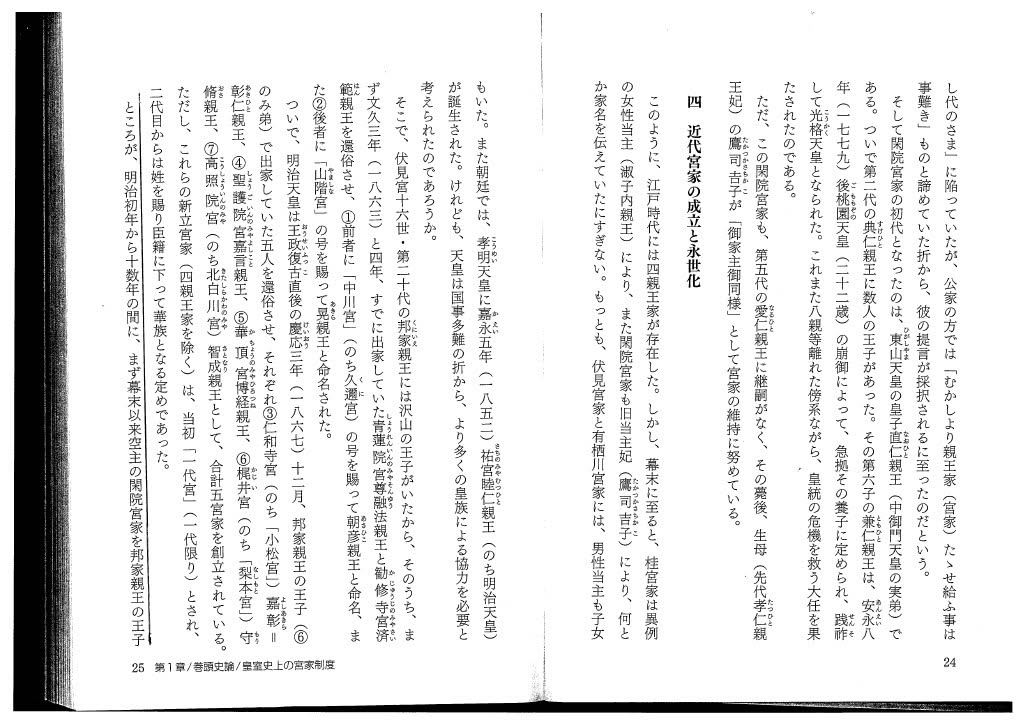
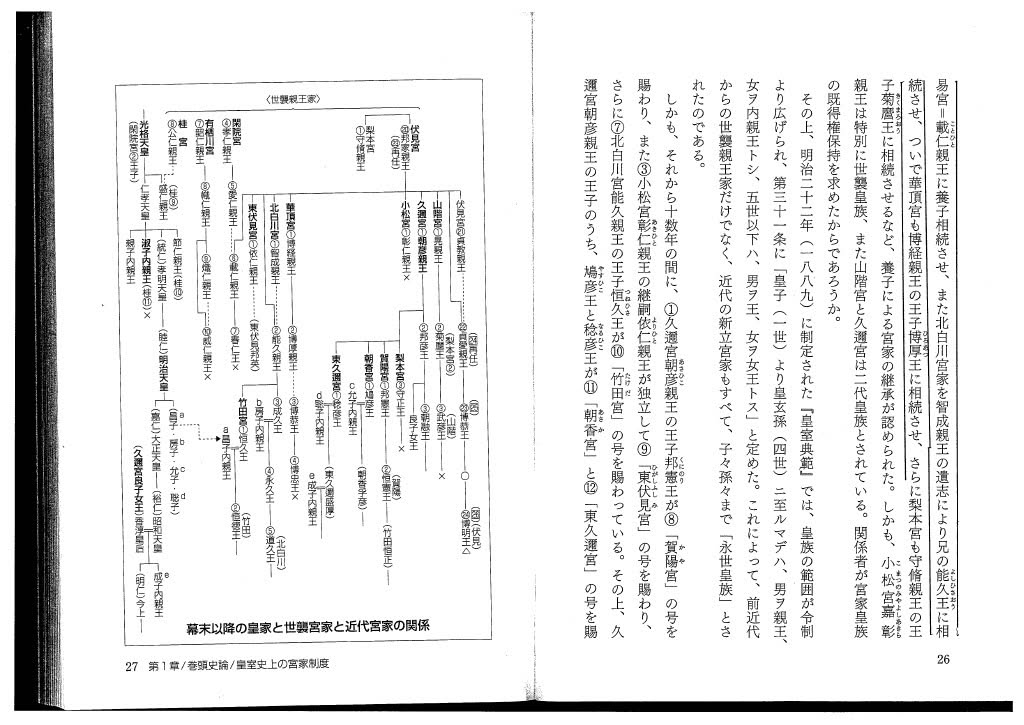
https://www.facebook.com/photo?fbid=1049053141068925&set=pcb.1049054794402093
「過去の日本人が持っていたあらゆるものを…
毎日新聞、2026/7/16
Summary
津田左右吉は、国家主義を批判し、日本思想の国際性を主張。古事記などの記述の創作性を指摘し弾圧された。
「過去の日本人が持っていたあらゆるものを日本思想と呼び、現代日本人の生活に即した思想を排撃しようとする」。日本が国際連盟から脱退した1933年。歴史学者の津田左右吉が批判したのは台頭した国家主義だ▲「世界の思潮と無関係な、日本人だけの独りよがりの日本思想が存立し得るはずがない」。今なら真っ当な主張だが津田は7年後、歴史研究で弾圧を受けた▲古事記や日本書紀の記述の多くは後代の創作。そう結論づけた実証的研究を「皇室の尊厳の冒とく」と非難され、起訴された。津田が実在を認めなかった神武天…
https://mainichi.jp/articles/20260716/ddm/001/070/141000c
Are Japanese people today being left out of Imperial succession debate?
July 17, 2026
It was in 1933, the year Japan withdrew from the League of Nations, that historian Sokichi Tsuda publicly criticized the nationalism then on the rise in the country.
“They refer to everything the Japanese people of the past possessed as ‘Japanese thought,’ while rejecting ideas grounded in the lives of Japanese people today,” he said, adding, “There is no way a self-satisfied Japanese thought belonging only to Japanese people, unrelated to the currents of thought in the world, can exist.”
Today, that would be a perfectly reasonable assertion, but seven years later, Tsuda was persecuted for his historical research.
Many of the accounts in the “Kojiki” and the “Nihon Shoki” — ancient accounts of the origins of Japan and the Imperial Family — were creations of later generations. Tsuda’s empirical research, which reached the aforementioned conclusions, was denounced as “an affront to the dignity of the Imperial Household” and he was indicted. It was the Imperial year 2,600 — counted from the accession of Emperor Jimmu, whose existence Tsuda did not acknowledge.
A bill to revise the Imperial House Law is being deliberated in the House of Councillors and is expected to be passed. The phrase “Imperial Household tradition that has continued for more than 2,600 years” seems to have become the rallying cry of conservative factions within the ruling Liberal Democratic Party (LDP) in support of male-line male Imperial succession. There is something unsettling about the repeated statements in the Diet that are not grounded in historical fact.
At an LDP convention in April, Prime Minister Sanae Takaichi described male-line succession since Jimmu as a “historical fact,” and Finance Minister Satsuki Katayama used the phrase “Imperial year 2,686” at the opening ceremony of the year’s first stock trading session. Surely the “policies that split national opinion in two” that the prime minister aims to pursue do not go so far as to include the revival of the Imperial calendar.
“In the modern age, when the people themselves should preside over the whole state, the Imperial Household is the people’s Imperial Household, and it is the people who will make ‘our emperor’ beautiful or fail to do so.” These are the words of Tsuda, who ardently defended the postwar system of the emperor as a symbol. Diet deliberations related to Imperial succession have been rushed. Are they not missing the perspective of “Japanese people today”? Doubts continue to grow.
https://mainichi.jp/english/articles/20260717/p2a/00m/0op/006000c
2026/7/21 update
デューク🇯🇵 @6LEjH8DcDxuhN1s
男系男子は押し付けだ!という者がいる。しかし、男系男子を規定した旧皇室典範は明治大帝のご意思で裁定された皇室の家法。
明治大帝が、この旧皇室典範の規定を
「朕の子孫に守らせる」
とある。皇族方がこれを曲げられるはずなど絶対にないのである。男系男子継承は偉大な先祖の直接の願い。
偉大な名君中の名君であられせられた明治大帝の御言葉を全文訳したものがこちらだ。百田尚樹先生の国会答弁も名文であったが、これには流石に勝ち得ない。明治大帝…本当に本当に偉大な君主でした。
皇室典範・御署名原本・明治二十二年・皇室典範二月十一日
全文訳
天の助けを受けてきた我が日本帝国の皇位(宝祚)は、万世一系として代々受け継がれ、こうして朕(=天皇自身)の身に至っている。思うに、皇祖・皇宗が国をお建てになった最初に、根本の大法(大憲)がひとたび定まっており、その明らかなことは太陽や星のようである。いまこの時にあたって、その遺訓を明確にし(明徴にし)、皇室の基本法典(皇家の成典)を制定し、それによって国家の大いなる基礎(丕基)を永遠に堅固なものとすべきである。ここに、枢密顧問の諮詢(意見を諮ること)を経て、皇室典範を裁定し、朕の後継者および子孫にこれを遵守させるものとする。
There are those who say, “Male-line males are an imposition!” However, the old Imperial House Law, which stipulated male-line males, was the law of the Imperial House adjudicated by the will of Emperor Meiji.
Emperor Meiji stated regarding the provisions of this old Imperial House Law:
“I shall have my descendants observe it.”
It is absolutely impossible for the Imperial Family to deviate from this. Male-line male succession is the direct wish of our great ancestors.
Here is a full translation of the words of Emperor Meiji, who was a sovereign among great sovereigns, a ruler of rulers. Professor Naoki Hyakuta’s Diet response was also fine prose, but even he cannot surpass this. Emperor Meiji… truly, truly a great monarch.
Imperial House Law – Original Signed Document – Meiji 22 – Imperial House Law, February 11
Full Translation
With the aid of Heaven, the Imperial Throne (Treasure) of our Japanese Empire has been inherited from generation to generation in an unbroken line, thus reaching my person (= the Emperor himself). I believe that at the founding of the state by the Imperial Ancestors and Imperial Forefathers, the fundamental great law (Great Constitution) was once established, its clarity as evident as the sun and stars. Now, at this time, it is necessary to clarify their bequest (make it manifest), to promulgate the basic code of the Imperial House (the Imperial Household’s statutes), and thereby to render the great foundation of the state (grand base) eternally firm. Hereupon, after consultation with the Privy Council (seeking their opinions), the Imperial House Law is adjudicated, and my successors and descendants shall be made to observe it.
Jul 18, 2026
https://x.com/6LEjH8DcDxuhN1s/status/2078178287600472124
暁美家ほむ要塞 @nisekochitose
そこで急に〈明治帝すり替え説〉を持ち出してくるアソコ界隈。つまりAI子様をニセ皇族呼ばわりしながら立太子や即位を口に出しているのか支離滅裂です。
And that’s when they suddenly bring up the “Meiji Emperor body double theory” from that corner of the world. In other words, while calling the dear AI child a fake royal, they’re spouting off about appointing as crown prince or ascending to the throne—it’s utterly incoherent.
https://x.com/nisekochitose/status/2078283403330535557
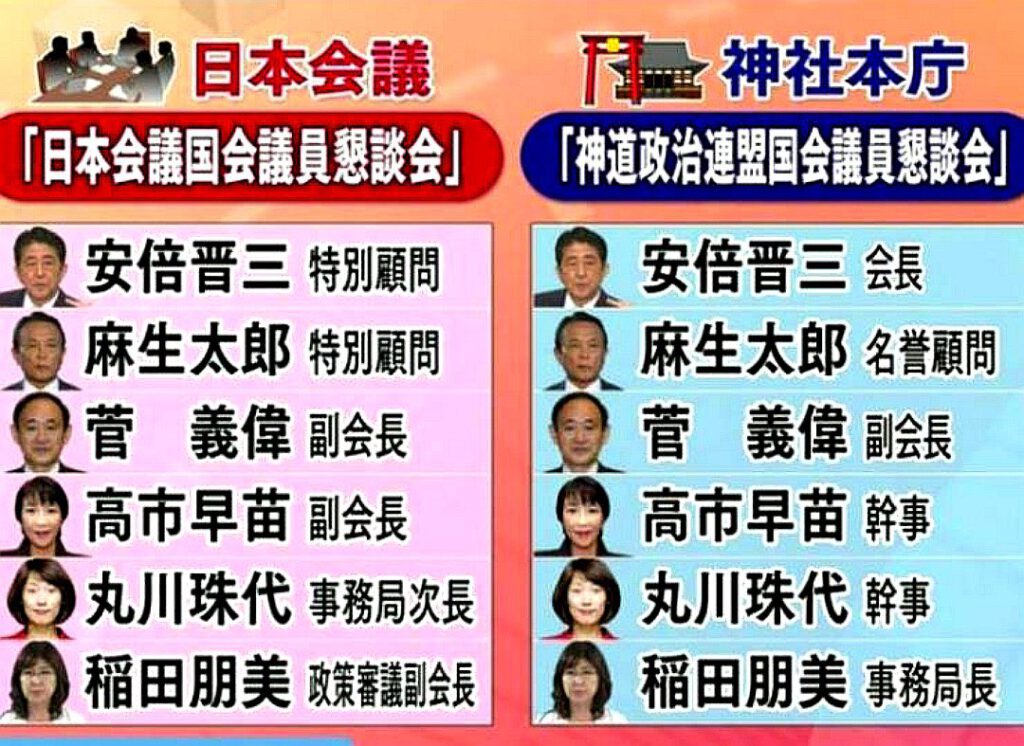
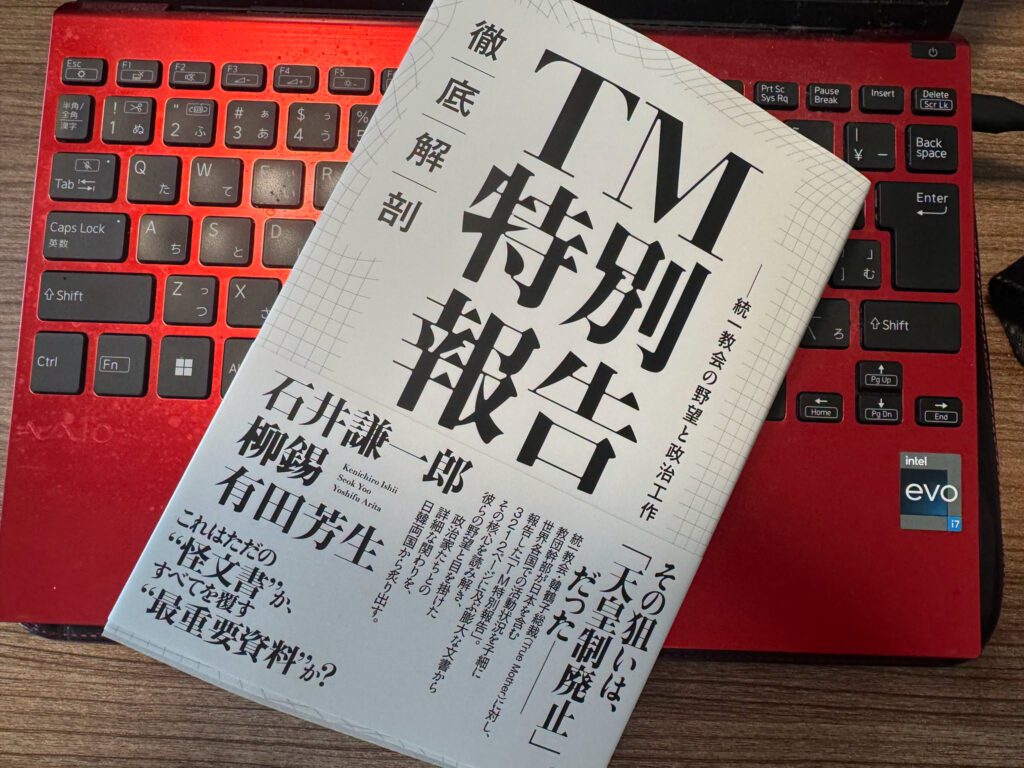
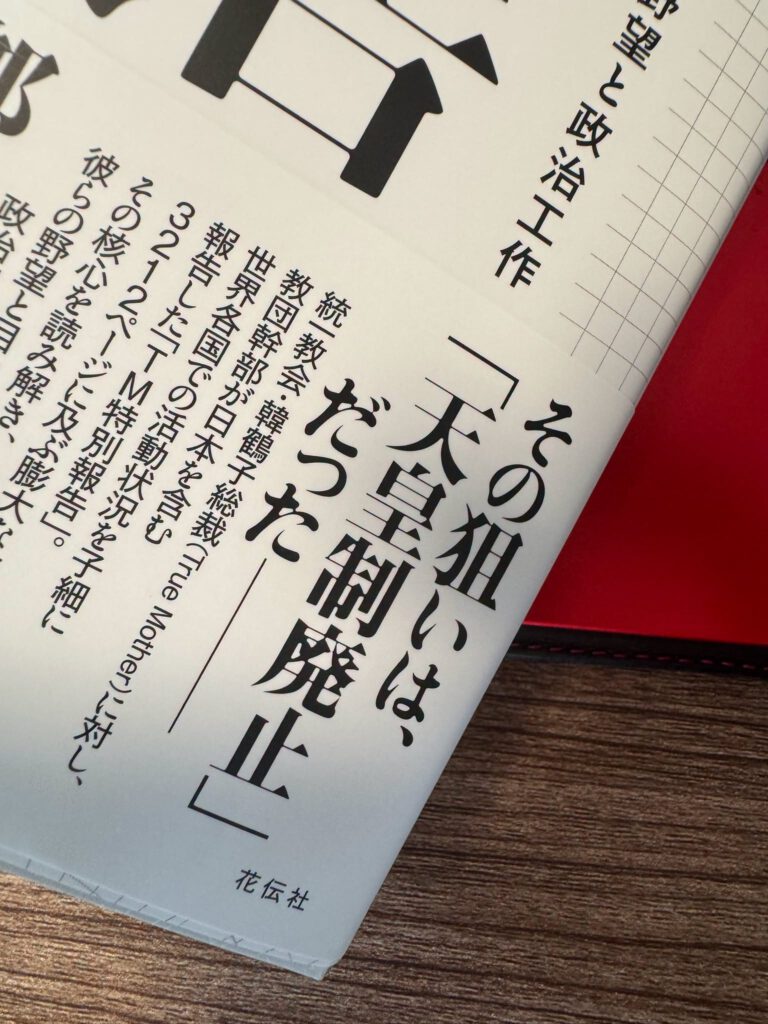
「TM特別報告書」に記された「天皇制の廃止」とは、世界平和統一家庭連合(旧統一教会)が「真の父母様(文鮮明・韓鶴子夫妻)」による世界支配を達成するプロセスの一環として、日本の国家体制そのものを改変しようとしていた教団の内部戦略です。
The “abolition of the Emperor system” mentioned in the “TM Special Report” refers to an internal strategy of the Family Federation for World Peace and Unification (formerly the Unification Church) aimed at altering Japan’s very state structure as part of the process of achieving global dominion under the “True Parents” (the couple Sun Myung Moon and Hak Ja Han).
天皇制の廃止方針教団の教理および世界支配戦略において、日本の象徴である「天皇制は当然廃止」されるべき対象として位置づけられています。
In the religious group’s doctrine and strategy for global domination—which includes a policy of abolishing the imperial system—the imperial system, as a symbol of Japan, is positioned as something that should naturally be abolished.
TM文書が示す「韓鶴子国賓訪日」と「天皇廃止」計画
第1回
石井 謙一郎 フリーライター、2026/02/05
■統一教会が自民党議員に接近する目的は何か?〈完結〉
第1回 TM文書が示す「韓鶴子国賓訪日」と「天皇廃止」計画 今回
第2回 TM文書が明かす「安倍晋三」教育計画
第3回 TM文書で分かった「ポスト安倍対応」と暗殺事件の余波
統一教会による“日本占領計画”
韓国における統一教会(現・世界平和統一家庭連合)への捜査で押収された内部文書「TM(トゥルーマザー)特別報告」(原本は韓国語)は、自民党議員との癒着ぶりを改めて浮き彫りにした。議員たちが統一教会に近づく目的が、選挙の応援という実利にあったことも裏付けられた。
では、統一教会が政治家に近づく目的は何か?
文書をつぶさに読むと、「国会議員を教育する」という文言の頻出に気づく。それは、国会議員や総理大臣に統一原理を講義して教育し、信者に仕立て上げる⇒信者の国会議員団を組織し、韓鶴子総裁を国賓として日本に招く⇒天皇制を廃止し、全ての国民が韓総裁にかしずく国家体制を築く、という計画だ。公開を前提としない文書だからこそ、彼らの本当の狙いが明かされているといえよう。
TM特別報告の作成者は、韓国の教団本部でナンバー2の地位にあった元世界宣教本部長のユン・ヨンホ氏だ。ユン氏には、世界各地の教団から集まる連絡を取りまとめ、「トゥルーマザー(真のお母様)」こと韓総裁に報告する任務があった。報告は毎朝5時から8時まで、3時間かけて行なわれたという。その記録が「TM特別報告」で、2016年から22年の連絡事項がA4で3,212ページにわたって記載されている。韓国では裁判の証拠として採用され、法廷で使われている。
日本からの報告では、国政選挙や自民党総裁選の情勢分析、安倍晋三元首相や萩生田光一衆院議員をはじめとする個々の議員との交流が細かく綴られる。主な報告者は、教団の会長を務めていた徳野英治氏と、天宙平和連合(UPF)ジャパンの議長だった梶栗正義氏の2人だ。
彼らの報告から、統一教会による“日本占領計画”を読み解く。
と総裁で妻の韓鶴子氏の写真-1024x682.jpg)
国会議員への布教をめざす
2019(令和元)年7月6日の梶栗氏の報告は、政治家に接近する目的と、長年の政界工作による浸透具合を細かく語っている。
〈お母様、日本は最近、皇室の世代交代がありました。私はその過程を見守りながら、日本という国の形態について深く考えるようになりました。(略)
国会議員はそれぞれ数十万票の有権者の信任を背景に議席を持ちます。私たちが日本に天一国を安着させるには、安倍首相や天皇陛下個人が私たちを受け入れるからといって国が動くのではなく、彼らがそうできるように国民世論を背景に議員たちを動かさなければならないことを改めて考えさせられたのです。
現在、日本統一運動の各現場で縁を結び、挨拶を交わすことができる国会議員は216名に上ります。そのうち、私が会いたい時に会える国会議員は30名程度です。その中の数名は2日修練まで受けましたが、まだ祝福家庭にはなっていません。過去には3日行事まで終えた祝福家庭の国会議員がいましたが、その間に皆高齢となり聖和(筆者注・死去のこと)されました。
今後はより多くの国会議員を平和大使に任命し、平和大使理念として原理教育を実施し、平和大使運動に参加させる中で、平和の主人として祝福家庭にならなければならない当為性を強調し、教育していこうと思います〉
ここで梶栗氏の言う〈挨拶を交わすことができる国会議員は216名〉〈私が会いたい時に会える国会議員は30名程度〉の実態は不明だ。
〈祝福家庭〉とは、統一教会の「祝福結婚」によって結ばれた信者夫婦の家庭のこと。安倍氏や天皇陛下が信者になったとしても不十分で、国民世論を背景に国会議員を動かすことこそ大事だ。そのために〈原理教育を実施し〉、信者として〈教育していこう〉と言っている。
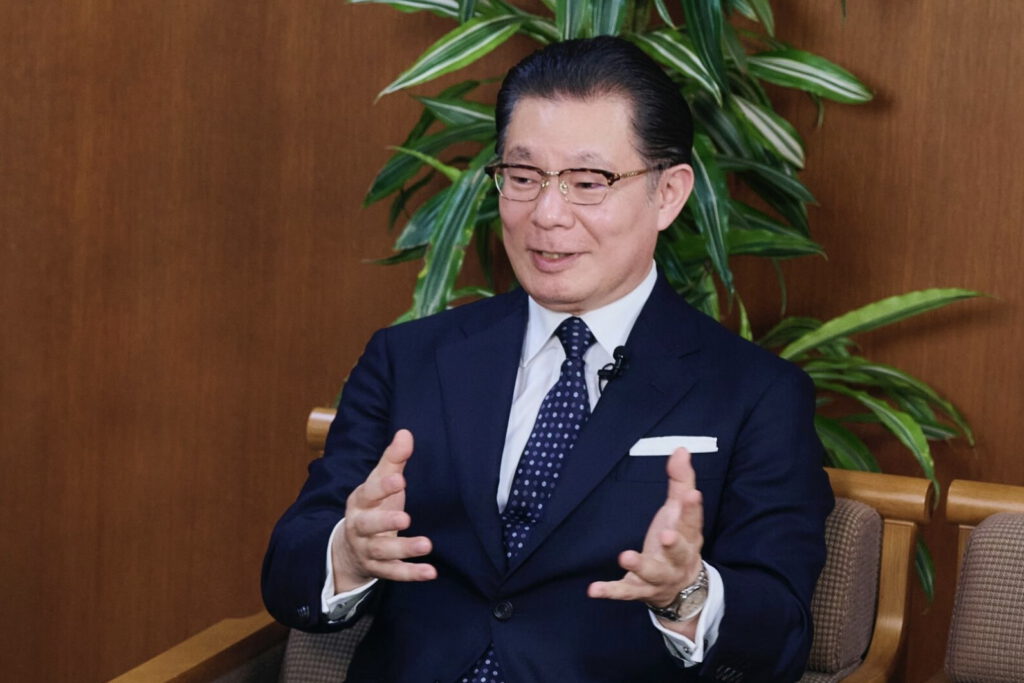
信者議員を地方に養成、配偶者との関係も配慮
梶栗氏の報告は、こう続く。
〈そして、私が10年以上近くにいた年齢の近い同世代の国会議員たちが、その間に当選を重ねて5選・6選議員へと成長しました。衆議院6選であれば、内閣編成時にいつでも大臣として任命され得る立場であるため、その点を意識して縁を大切にし、交流を続けています。お母様がよく覚えていらっしゃる山際(筆者注・大志郎)衆議院議員も、今や自民党幹部の一人となり、重責を担って活躍しています。
このように縁を結んで教育してきた議員たちを祝福へとつなげるには、議員本人だけでなく配偶者との関係も重要であるため、最近は私の妻も共に議員たちと積極的に交流しています。
お母様、日本にも数多くの宗教がありますが、政教分離を意識して政治とは距離を置く宗教もあれば、一方で積極的に政治的影響力を行使する宗教もあります。創価学会は彼らなりの国家復帰の概念を持っており、自分たちの宗教的な信念を国家に反映させようと、お母様もよくご存知の公明党という政党を作り、半世紀近くその勢力を育ててきましたが、現在は自民党と共に連立与党の一角を担い、権力を行使しています。
現在、彼らは54名の国会議員と約3000名の地方議員を抱えています。日本の地方議員の総数が3200名(筆者注・32000名の誤りか)程度であるため、地方議員11名に1人は公明党議員、すなわち創価学会員であると言えます。一般的に創価学会の会員数は800万世帯と言われており、国政選挙のたびに彼らは700万票を左右すると言います。彼らがそれほどまでに政治的影響力を育てるには半世紀かかりました。
私たちもこれまで食口(筆者注・信者のこと)地方議員を育ててきて、現在までに59名の食口地方議員を当選させました。また今年末までに外部の平和大使地方議員を教育して祝福を捧げることで、300名の食口地方議員基盤を作りたいと考えています〉
統一原理を教育して信者にしようと目論む国会議員の場合と違い、梶栗氏が59人いると言う地方議員は、元からの信者が立候補して議席を得るケースが多い。また、国会議員の配偶者にも教育を施すことで信仰を広め、政教分離の原則を越えて創価学会を凌駕する勢力を目指すと書いているのだ。
梶栗氏は2018年6月27日の報告でも、
〈国会議員をはじめとする議員教育に力を注いでいます。落選議員や元議員には随時各地で原理教育を実施しており、現職国会議員には国会の休会中に議員が原理研修を受けるよう約束を取り付ける活動を展開しています。
そして国会の会期中には、これまで私たちが接触できる国会議員60名のリストを作成し、継続的に議員に会ってお母様の世界的な活動とIAPPについて紹介し、より深い信頼関係を構築することに努めてまいりました〉
としている。IAPPとは、統一教会の関連団体のひとつ「世界平和国会議員連合」のことで、日本支部は梶栗氏が顧問を務めていた。
韓鶴子訪日の「国賓プラン」
2020年6月1日の梶栗氏の報告は、具体的なプランを明かしている。
〈どうすれば真のお母様を日本の国賓としてお迎えできるか、様々なチャンネルを通じて調べ研究してみましたが、国家元首でなければ国賓という名目で日本にお迎えすることはできないという厳然たる事実の前に、多くの悩みを抱えることになりました。
ところが、1992年に入管法上の困難があったにもかかわらず、お父様(筆者注・文鮮明教祖のこと)が日本に14年ぶりに入国できた経緯に注目し、一つのヒントを得ました。当時は日本の副総理を歴任した政界の実力者である金丸信自民党副総裁を中心に、50名の現職国会議員の連名で真のご父母様両位を正式に日本に招待し、み言葉を伺う場を実現させていました。
そこで私は、平和大使に任命され、み言葉教育まで受けた現職の国会議員たちを核心役員として、日本国会の中にIAPP摂理に対応する『IAPP議員懇談会』を組織し、議員たちがより強い帰属意識を持って共に摂理に参加できる会を強化し、この議員連盟の名前でお母様を正式に日本に招待できる道を作ろうと思います〉
さらにその先にある目標を、徳野氏が明かしている(2021年10月6日)。
〈真のお母様が最近、韓国の5000年の歴史の中で真の父母を受け入れ、真の父母に侍ることができる韓国となるために、摂理的な現象として韓国の王朝の歴史が終焉し、民主主義の国家体制に至ったという趣旨のお話をされました。
その趣旨とも繋がりますが、長期的な視点で見れば、日本国民が真の父母様に侍ることのできる日本国民となるためには、当然ながら天皇制は将来的に撤廃されるべきです。
したがって、今回の女性皇族の結婚問題を通じ、英国の皇室がそうであったように、少しずつ、少しずつその伝統が崩れていることも、摂理的な現象かもしれないという印象を持ちました。
いずれにせよ、実権は持っていないとしても、国民の象徴として天皇が存在し、天皇制度というものが一つの存在感を持ち、日本国民の心に精神的な影響を与えていることは事実です。
より自然な形式で天皇制が撤廃される方向へと進み、そしていつか日本国民が真の父母様に正しく侍ることのできる国家体制、そしてそのような日本民族を真の父母様に繋げることのできる摂理的な人物として、多くの国会議員が誕生し、二世をはじめとする食口が国会議員となり、そしてついには、この日本国の首相にならなければならないということを切実に考えている次第です〉
徳野氏は1月8日、TM特別報告について自身のXに、
〈私が韓総裁に報告するために元世界本部長に送った報告が含まれているのは事実です〉
〈信仰的希望を込めて、韓鶴子総裁を励ますことを目的として書いた極めて私的なものです。日本本部としての公式文書というよりは、私信に近いものです。そのため、個人的意見や希望的予測なども多く含まれています〉
と投稿した。
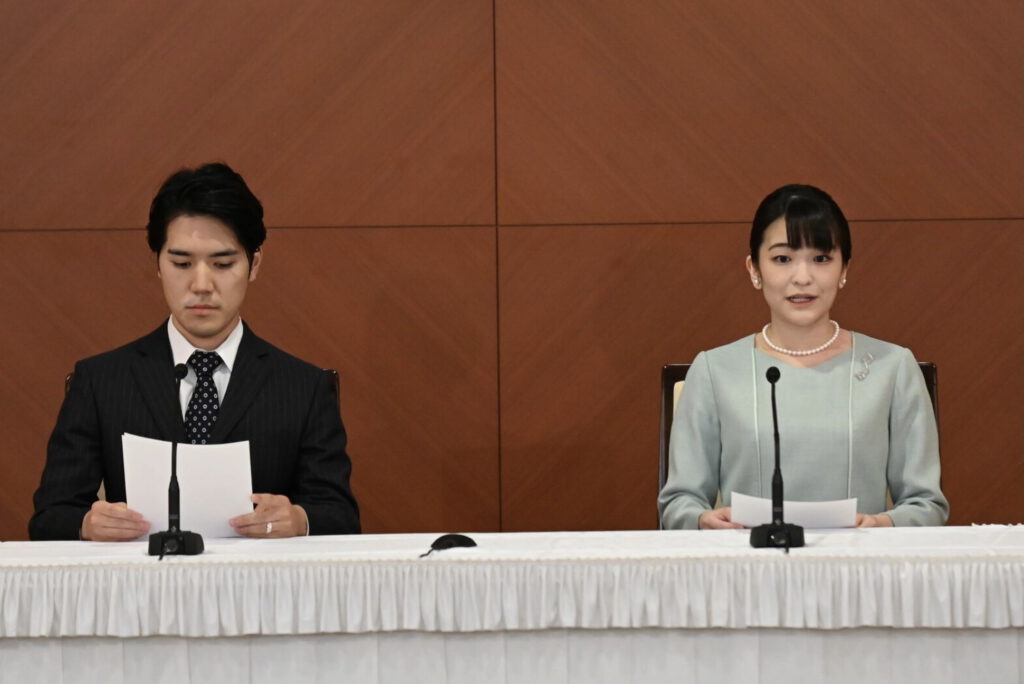
上の報告で触れている「女性皇族の結婚問題」は、秋篠宮家から一般人の小室圭さんに降嫁した〈眞子内親王の結婚問題と皇室制度との関係性についての、私自身の見解〉と断わっているが、ゆくゆくは天皇制を撤廃し、韓鶴子総裁に侍る国家体制を目指すという〈希望的予測〉を述べたのだろう。
そうした計画の足がかりが、安倍元首相への接近だった。
統一教会による政界工作の最大のターゲットは、安倍晋三首相だった。TM特別報告には、殺害のきっかけとなった教団イベントへのビデオメッセージが寄せられる経緯が、細かく報告されている。
安倍首相が総裁選に勝ったことは「天の摂理」
故・文鮮明教祖は、1990(平成2)年2月に行なわれた衆議院選挙の結果を受け、信者に次のように語った。
「日本の今度の選挙だけでも、私たちが推してあげたのが、108議席当選しました。今回、私たちが援助しなければ、無所属で出てきた中曽根なんか吹けば飛んだよ。また派閥で見れば、中曽根派は62議席にもなって、安倍派は83議席です。私が全部そういうふうに作ってあげたんですよ。この二派閥を合わせるといくつになりますか? それで安倍とか中曽根は、『原理のみ言を聞け!』と言ったら聞き始めました」(韓国統一教会発行の雑誌『統一世界』同年4月号より)
中曽根康弘元総理はこの前の年、リクルート事件への関与で自民党を離党していた。安倍派とは、晋三氏の父・晋太郎氏が率いていた派閥・清和会のことだ。
TM特別報告を読むと、国会議員教育の重点対象が、晋太郎氏の息子であり、2度も総理の座についた安倍晋三氏だったことは明らかだ。2018年の総裁選で石破茂氏に勝利して三選を決めたあとの徳野英治氏の報告(9月21日)。
〈安倍首相は歴史観などについて私たちがさらに教育すべき点も多いですが、しかし今回の対抗馬であった石破元防衛大臣より、安倍首相は私たちの統一運動にはるかに近いということを考えれば、安倍首相が自民党総裁選に勝ったことは天の摂理であったと確信します〉
安倍首相夫妻を原理教育して祝福へと導く
安倍首相を教育する目的がもっとストレートに述べられているのは、翌2019年1月10日の徳野氏の報告だ。
〈昨年、日本指導者を対象とした孝情清平特別修錬閉会式でお母様がくださったお言葉のように、安倍晋三首相夫妻を原理教育して祝福へと導くと同時に、日本が過去の歴史を悔い改めて真の父母様を国賓として日本にお迎えできる基盤を一日も早く成し遂げられるよう、我々夫婦が共に精誠を捧げ、役員たちと知恵を出し合い精誠を捧げる日々でございます〉
では、具体的に、どのように安倍氏を〈原理教育〉しようとしていたのか。
more @
https://bunshun.jp/bungeishunju/articles/h11503
https://bunshun.jp/bungeishunju/articles/h11502
激白!元日本帝国軍人50人の「戦争と平和」② (2/3) 朝まで生テレビ 1996年11月【HD版】
言論の自由 Z
1,649 views Jul 22, 2026 #朝まで生テレビ #小林よしのり #戦争
(司会)野坂昭如
(出演)元日本帝国軍人50名の皆様 小林よしのり 秦郁彦 藤岡信勝 下村満子 高木健一 海老名香葉子 むのたけじ
@言論の世界Z #朝まで生テレビ #小林よしのり #戦争 #野坂昭如 #軍人
🔽こちらの動画もどうぞ 朝まで生テレビ 元日本帝国軍人50人③ (3/3)
• 激白!元日本帝国軍人50人の「戦争と平和」③ (3/3) 朝まで生テレビ 1996年…
※この動画の冒頭より前の約1時間分がこちらの管理ミスで消失しています、申し訳ありません。
@Akio2052
1 hour ago (edited)
山崎さんが言われている関東軍参謀は私中学生の教頭先生です。40数年前報道特集に出演していた。
@一計類
10 hours ago
結局この元軍人達は命令を忠実に実行していただけなので、当時の日本の
現状を全く把握していないと言うことに尽きるし、確かに戦地では大変な
思いをしただろうがその反面アジア諸国の人々に与えた残虐性や侵略を
俯瞰できて(半数はしているだろうが)いない。
@teruotsujinaka5593
1 day ago
之らの年齢層の人達に過酷過ぎる立場に送り込んだ人達への賞罰は適切にされたのか?
@KIRIN434
1 day ago
戦後に中国で洗脳教育を受けたのかと思わせる人が数人いますね。
憲法をめぐる「天皇への敗北」 國分功一郎さん 【シン池田香代子の世界を変える100人の働き人44人目】
update
昭和天皇「独白録」の「台本」見つかる 成立過程が明らかに
毎日新聞
2026/8/29
昭和天皇が敗戦後、側近たちに戦前・戦中の政治や戦争の経緯を語った「独白録」の「台本」に当たる資料が見つかった。幣原喜重郎内閣の吉田茂外相から外務省法律顧問に任命された高柳賢三東京帝国大学法学部教授が書いた「天皇の戦争責任に関する研究」という表題の文書で、A4判198ページ。極東国際軍事裁判(東京裁判)をにらんで天皇を免責させるための論理や項目立てが「独白録」とほとんど重なる。
「独白録」は天皇に戦争責任がないことを論証するための政治的な「弁明書」だったことが分かっているが、新資料によって外務省と宮内省(当時)が共同で作成したとみられる成立過程が初めて明らかになった。
資料は、高柳が学長を務めた成蹊大学(東京都武蔵野市)の図書館が所蔵。「大日本帝国政府」の公用罫紙(けいし)で、欄外に「外務省」の印字がある。和文タイプで清書されているが、さらに推敲(すいこう)が加えられ、表紙に手書きで「戦責研究」とある。
「研究私案」が骨格に
研究の「根本方針」として、日本はポツダム宣言受諾で戦争を誘発した政策の誤りを認めたので、裁判でも弁明せず、政府・軍部の責任と過誤を究明し、責任は全て天皇以外にあることを論証するとしている。
「研究の要点」で、天皇が戦争責任に問われそうな課題を…
この記事は有料記事です。 残り1012文字(全文1551文字)
https://mainichi.jp/articles/20260828/k00/00m/040/275000c
注意!ATTENTION!
All pictures and texts have to be understood in the context of “Creative Commons Attribution Noncommercial-NoDerivative Works.” ここに載せた画像やテクストは、すべて「好意によりクリエーティブ・コモン・センス」の文脈で、日本美術史の記録の為に発表致します。 Creative Commons Attribution Noncommercial-NoDerivative Works, photos: cccs courtesy creative common sense
All these texts and pictures are for future archival purposes, in the context of Japanese art history writings.
その他に more @
「戦前の今」 (2) 。神道 (天皇のために殺せ!) の靖国神社崇敬奉賛会会長 安倍昭恵や高市早苗首相 (日本人として当たり前) : 靖国神社参拝をしましょう!
“Pre-war era” (2). SHINTO (Kill for the TENNO!) Yasukuni Shrine Reverence and Support Association Chairperson ABE Akie and Prime Minister TAKAICHI Sanae (“As a Japanese person, it’s only natural”): Let’s visit and pray at the Yasukuni Shrine!
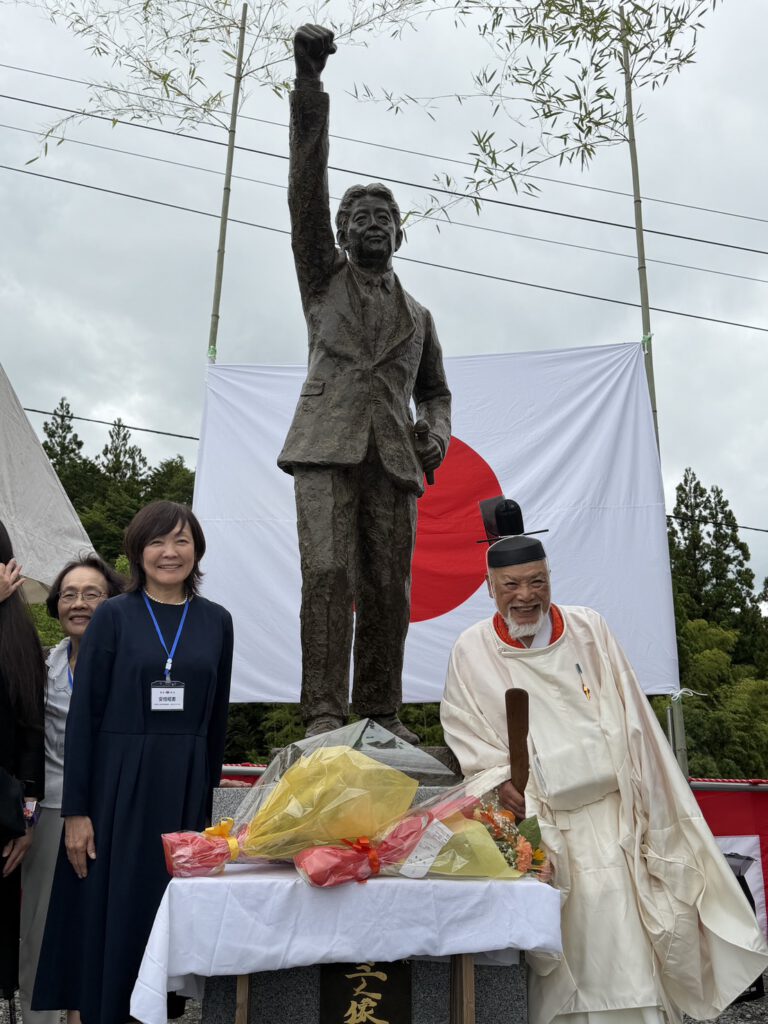
https://art-culture.world/jp-society/japan-war-shinto-tenno/
Prinzessin Aiko wurde heute vom japanischen Kaiser Naruhito mit dem Großkreuz des Ordens der Edlen Krone ausgezeichnet
Princess Aiko was awarded today the Grand Cordon of the Order of the Precious Crown by the Japanese Emperor Naruhito
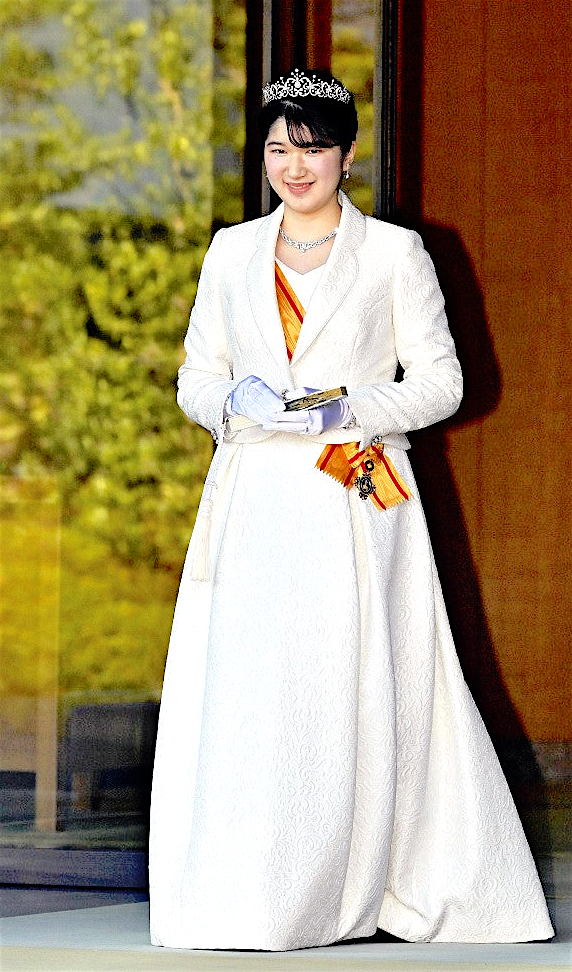
https://art-culture.world/jp-society/grand-cordon-of-the-order-of-the-precious-crown/
アメリカはいかにしてまた戦争に負けたのか (あるいは:なぜ私たちはアメリカを憎むのか。)
How The Americans Lost Another War (Or: Why we HATE America.)