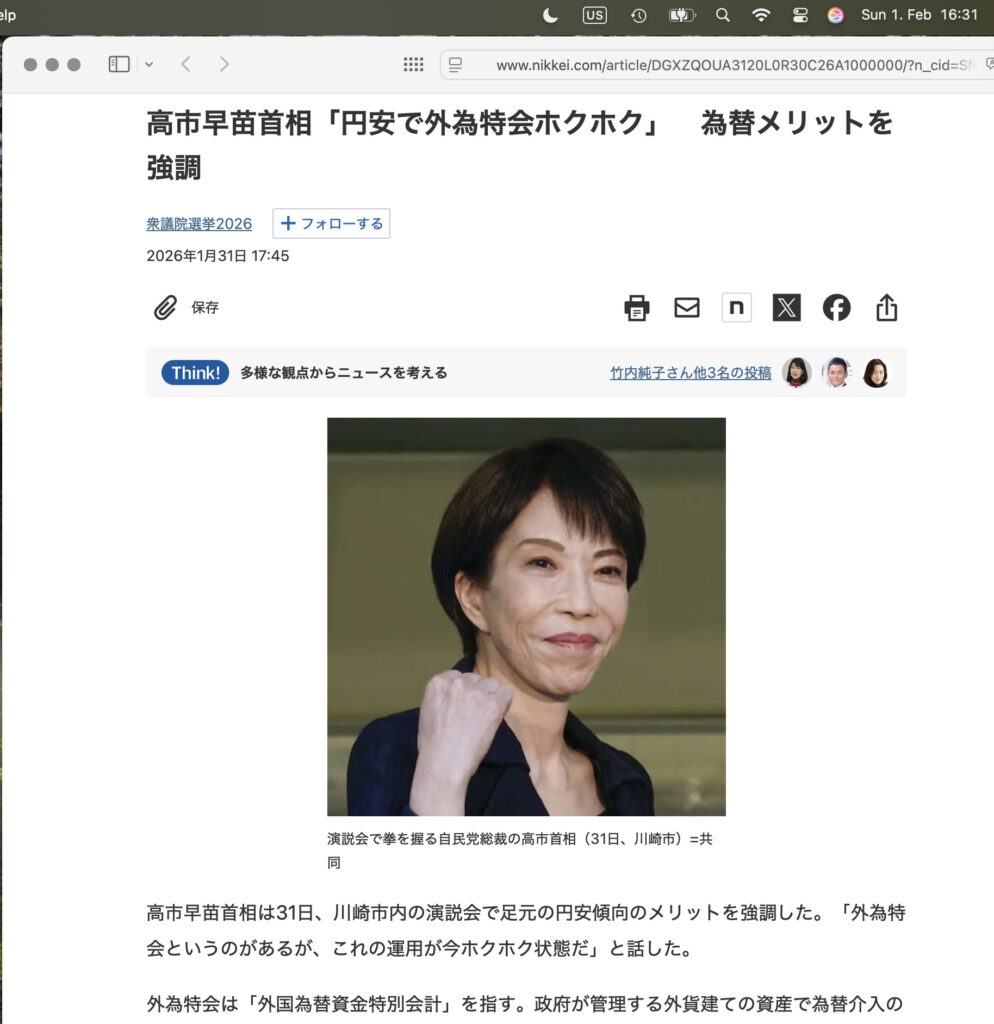
片山さつき財務大臣は即刻解任されるべきだ!今日: 1ドル = 163円。にっぽん人がずっと自分の円を吸っている。高市早苗首相「円安で外為特会ホクホク」 為替メリットを強調 Finance Minister KATAYAMA Satsuki should be fired immediately! Today: 1 US$ = 163 Yen. The Japanese Have Long Been Draining Their Own Yen. Prime Minister TAKAICHI Sanae: "The weak Yen makes the Foreign Exchange Fund Special Account happy" - Emphasising the benefits of the exchange rate

令和8年1月31日。高市早苗首相「円安で外為特会ホクホク」 為替メリットを強調
2026/1/31. Prime Minister TAKAICHI Sanae: “The weak Yen makes the Foreign Exchange Fund Special Account happy” – Emphasising the benefits of the exchange rate
https://art-culture.world/politics/prime-minister-takaichi-sanae/
の続き。
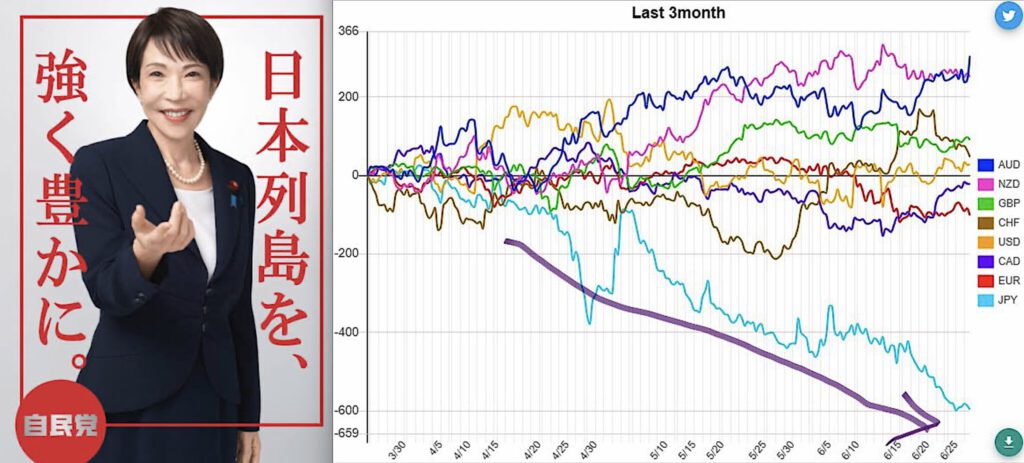
日本人は猛烈な勢いで米ドルやユーロを買い漁っています。ですから、文句を言ってはいけません。あなた方は、あのファシストである高市早苗首相に投票したのですから。
The Japanese are buying US Dollars or Euros like crazy. So do NOT complain, because you voted for fascist Prime Minister TAKAICHI Sanae.
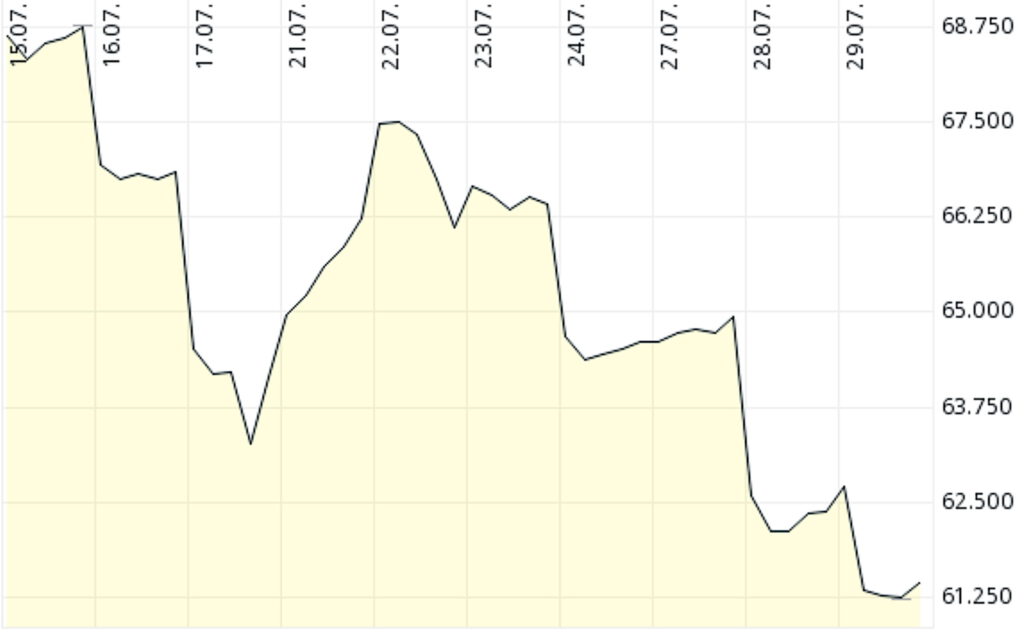
2026年7月22日の日経平均株価の午前終値は、半導体関連株の堅調な上昇と円安を背景に、前日終値比1,278.93円(1.93%)高の67,511.12円となりました。
The Nikkei 225 morning session closed at 67,511.12 on July 22, 2026, up 1,278.93 points or 1.93% from the previous close, driven by strong semiconductor gains and a weaker Japanese Yen.
高市内閣の「骨太方針」から、「財政再建」の文言が消えたタイミングで163円になったのは、市場からの強力なシグナルだ。これで円安→物価高は進むだろう。しかも、高市内閣は27年1月から防衛費を捻出するため、所得税増税を行う。物価高と増税のダブルパンチで、一般国民の生活は更に苦しくなる。
The timing of the Yen hitting 163 Yen against the US Dollar, right when the phrase “fiscal reconstruction” disappeared from the Takaichi Cabinet’s “Basic Policies,” is a powerful signal from the markets. This will likely accelerate Yen depreciation and rising prices. Moreover, starting in January 2027, the Takaichi Cabinet will raise income taxes to fund increased defense spending. The double whammy of inflation and tax hikes will make life even harder for ordinary citizens.
愚かな片山財務相は、何ヶ月も同じ馬鹿げた発言を繰り返している。
The idiot Finance Minister Katayama has been repeating the same ridiculous remarks for months.
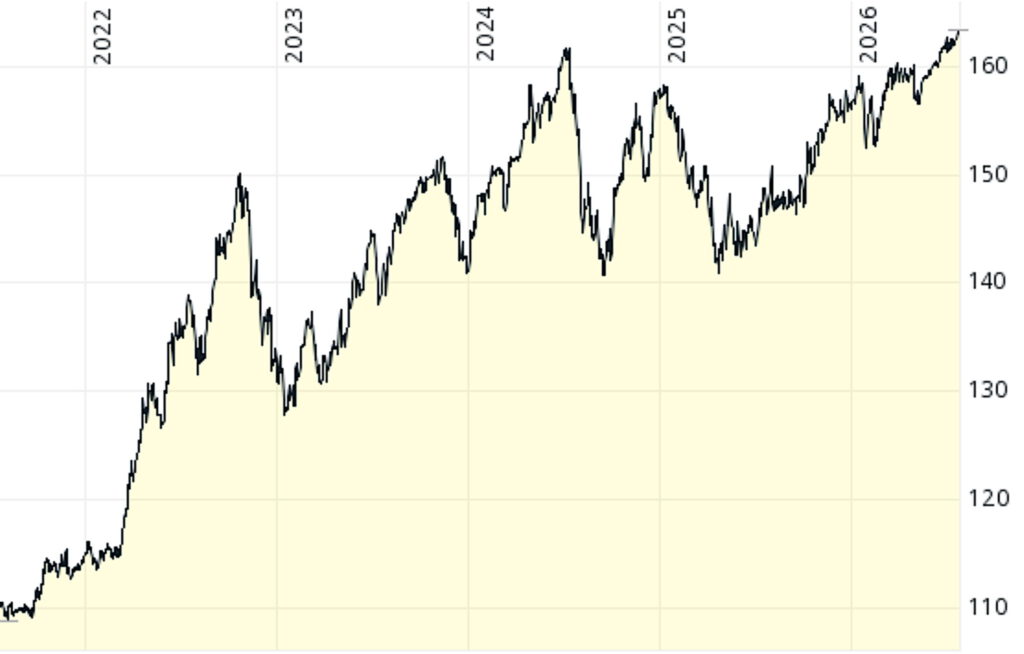
円が163円台まで下がった。約39年半ぶりの安値。 片山財務相は「いつでも適切に断固たる対応を取る」と述べ、心強い言葉。しかし、この「断固たる」という言葉、今年だけで何度目だったか?
6月9日「断固たる措置を取る用意がある」。160円台。
6月19日「断固とした措置をとる」。161円台。
6月30日「断固たる措置」に言及。162円台。
7月22日「いつでも適切に断固たる対応」。163円台。
「断固たる」と言うたびに、1円ずつ下がっている。「断固たる措置」は、いつ来るのだろうか?
The Japanese Yen has fallen to the 163 Yen range. It’s the lowest in about 39 and a half years. Finance Minister Katayama stated, “We will take appropriate and resolute action at any time.” These are reassuring words. But、this word “resolute” — how many times has it been used just this year?
June 9: “Prepared to take resolute measures.” 160 Yen range.
June 19: “Will take resolute measures.” 161 Yen range.
June 30: Referenced “resolute measures.” 162 Yen range.
July 22: “Appropriate and resolute action at any time.” 163 Yen range.
Every time she says “resolute,” it drops another Yen. So when will these “resolute measures” actually arrive?
片山さつき財務大臣は即刻解任されるべきだ!
Finance Minister KATAYAMA Satsuki should be fired immediately!
東京、令和8年7月22日
亜
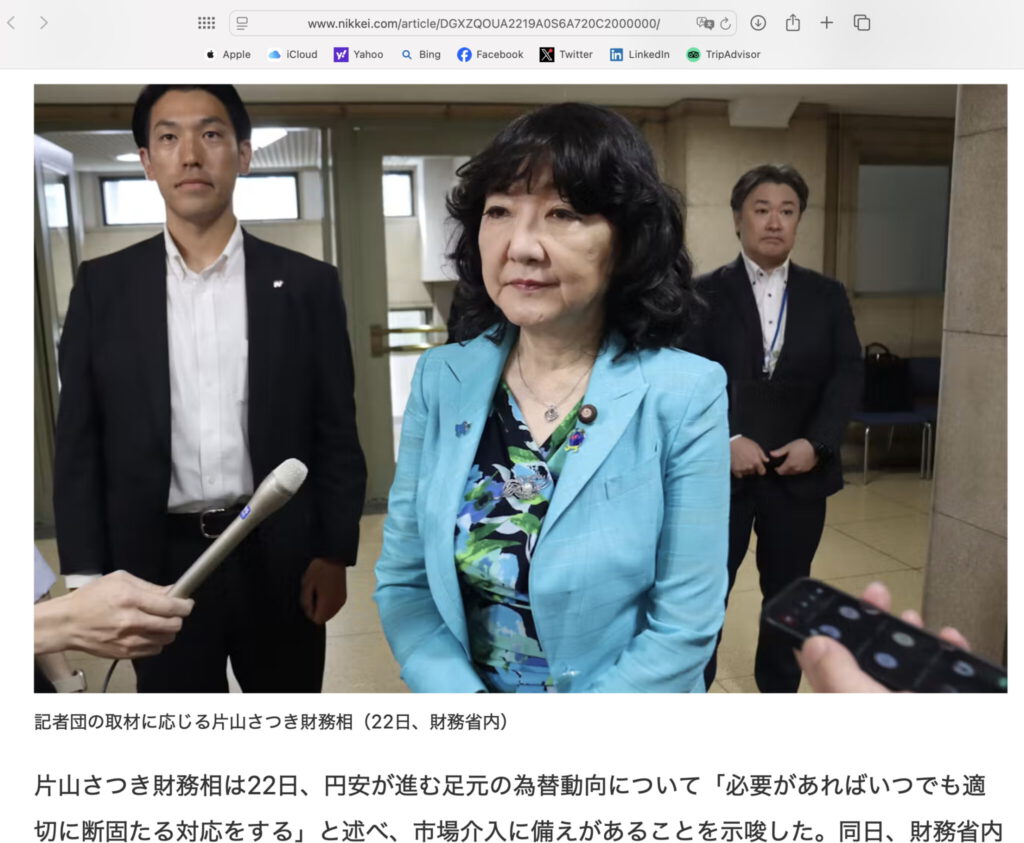
片山財務相、円安受け「必要なら断固たる対応」
2026年7月22日 10:40
片山さつき財務相は22日、円安が進む足元の為替動向について「必要があればいつでも適切に断固たる対応をする」と述べ、市場介入に備えがあることを示唆した。同日、財務省内で記者団の取材に答えた。
円相場は21日の海外市場で1ドル=163円台に下落した。22日の東京市場でも39年7カ月ぶりの安値水準で推移する。市場では政府・日銀による介入への警戒が強まっている。片山氏は「具体的な為替の水準にはコメントを差し控える。我々の方針は変わっていない」と語った。
https://www.nikkei.com/article/DGXZQOUA2219A0S6A720C2000000/
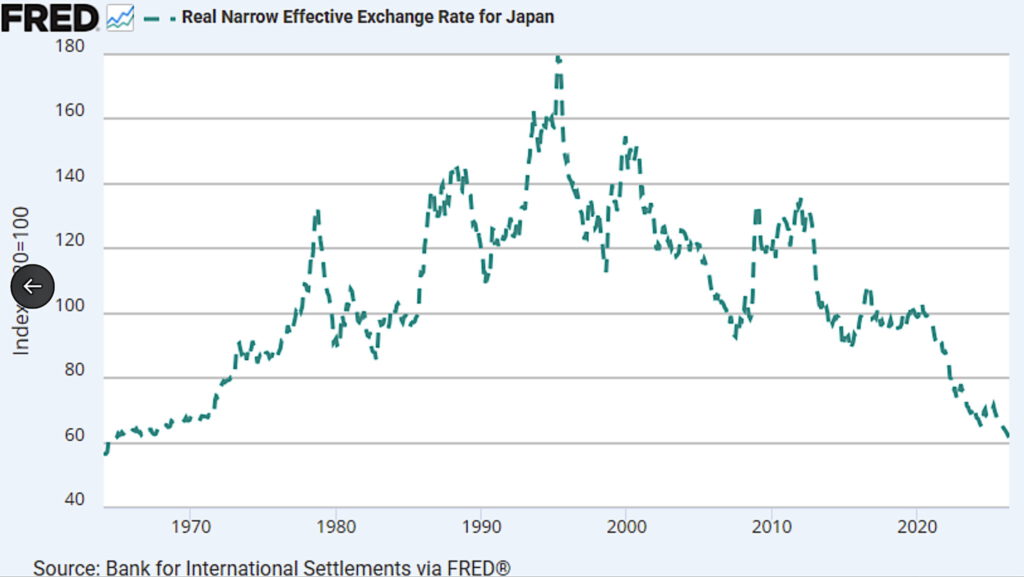
弱くなる日本円、約40年ぶりの安値水準 一時1ドル163円台
経済・金融・マーケット
毎日新聞、2026/7/22
日本円紙幣と米ドル紙幣
21日のニューヨーク外国為替市場で円相場が対ドルで下落し、一時1ドル=163円台を付けた。1986年12月以来、約39年7カ月ぶりの安値水準。米国とイランの攻撃の応酬で中東情勢の更なる悪化が懸念されており、「有事のドル買い」が強まった。22日午前の東京市場でも、1ドル=163円台前半で取引された。
米連邦準備制度理事会(FRB)の年内利上げ観測も根強い。原油価格は足元で上昇しており、広範な物価上昇(インフレ)の収束は見通しにくい。ウォーシュ議長はインフレ抑制に注力する意向を強調しており、早期の利上げに踏み切る可能性も意識され、円を売ってドルを買う流れが強まっている。
ホルムズ海峡の不安定化に加え、紅海とアデン湾を結ぶバベルマンデブ海峡も緊迫化している。イエメンの親イラン武装組織フーシ派は21日、サウジアラビアへの対抗措置として同国の港を使わないように海運会社に警告した。
原油の供給不安が高まり、21日のニューヨーク原油先物相場は上昇。指標となる米国産標準油種(WTI)は一時、1バレル=85ドル台を付けた。【ワシントン浅川大樹】
https://mainichi.jp/articles/20260722/k00/00m/020/099000c
39年7か月ぶりの円安・ドル高水準に片山財務相「いつでも適切に断固たる対応」…163円台前半で取引
2026/07/22 10:46
#株・為替
22日の東京外国為替市場の円相場は、前日(午後5時)から50銭程度円安・ドル高の1ドル=163円台前半で取引されている。1986年12月以来、39年7か月ぶりの円安・ドル高水準となる。
中東情勢の悪化を受け、基軸通貨ドルに対する「有事のドル買い」が優勢になっている。原油価格の上昇に伴って日本の貿易収支が悪化するとの見方も、円売りにつながっている。
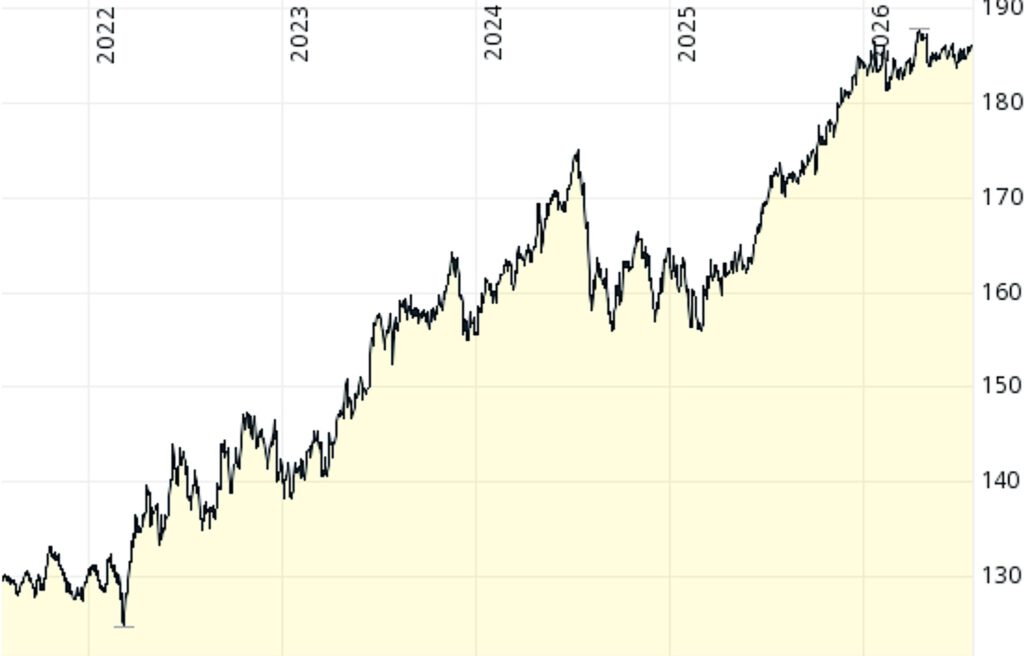
対ユーロでは、30銭程度円安・ユーロ高の1ユーロ=186円台前半で取引されている。
片山財務相は22日午前、記者団の取材に応じ、「米国とイランの状況がここまで悪化するとは世界中が予測していないので非常に苦しい状況だ」とした上で、「(為替に対する)我々の方針は全く変わっていない。必要があればいつでも適切に断固たる対応をする」と述べた。
https://www.yomiuri.co.jp/economy/20260722-GYT1T00129/


UPDATE アップデート 2026/7/29:
一般政府の総債務について、格付け機関やTrading Economicsなどのマクロ経済モデルは、2026年通年の総債務(地方自治体や社会保障基金を含む)が最大で対GDP比232%に達すると予測しています。一方、他の国際的な比較では、ピーク時に同250%程度に達するとの見通しも示されています。したがって、日本は依然として世界で最も債務残高の大きい先進国であり続けています。
General government gross debt: Rating agencies and macroeconomic models such as Trading Economics forecast total gross debt (including local governments and social security funds) to reach up to 232% for the full year 2026, while other international comparisons project peaks of around 250%. Japan thus remains the most heavily indebted industrialized nation in the world.
日本の実質金利は現在マイナス圏にあり、およそマイナス0.6%からマイナス0.7%の水準にあります。日本銀行は金融政策の転換の一環として名目金利を1.00%(1995年以来の高水準)まで引き上げましたが、インフレが続いているため、預金者の運用益は完全に目減りし続けています。
The real interest rate in Japan is currently negative, standing at approximately -0.6% to -0.7%. Although the Bank of Japan (BOJ) has raised the nominal interest rate to 1.00% as part of its shift in monetary policy—the highest level since 1995—inflation continues to completely erode returns for savers.
実質賃金をめぐるパラドックス:名目賃金は大幅に上昇しているにもかかわらず、インフレ調整後の実質賃金は直近4年連続で低下しています。消費者物価の上昇、社会保険料の負担増、そして(4月から導入される「こども・子育て支援金」のような)新たな税・拠出金が、賃金上昇分の大部分を即座に目減りさせているためです。
The real-wage paradox: Despite substantial nominal gains, inflation-adjusted real wages have recently fallen for the fourth consecutive year. Rising consumer prices, social security contributions, and new taxes (such as the childcare levy starting in April) are immediately eating up a large portion of the wage increases.
ドイツの法定最低賃金は、時給13.90ユーロ(額面)です。一方、日本では全国一律の金額は設定されておらず、都道府県ごとに最低賃金が異なります。その平均額はおおよそ1,121円から1,176円(約6.80~7.15ユーロ)の範囲にあります。
The statutory minimum wage in Germany is €13.90 gross per hour. In Japan, there is no uniform national rate; instead, minimum wages vary by prefecture, averaging between approximately 1,121 and 1,176 yen (roughly €6.80 to €7.15).
日本における直近の食料品価格の上昇率は年率30%には達しておらず、実際の消費者物価指数ベースの食品インフレはおおむね数%〜10%未満で推移しています。ただし、生活者の体感としては値上がりの蓄積により30%前後の負担増に感じられている場合があります。
The recent annual rate of food price increases in Japan has not reached 30%; actual food inflation, based on the Consumer Price Index, has generally hovered between a few percent and just under 10%. However, due to the cumulative effect of these price hikes, consumers may perceive the increased financial burden as being around 30%.
国内外のトマトインフレレート(2026年現在)日本国内(小売価格): 農林水産省の食品価格動向調査などによると、時期や地域により平年比プラス13%〜30%以上で推移しています。過去には平年比1.6倍(+64%)まで跳ね上がる「トマトショック」と呼ばれる深刻な高騰も発生しました。
Tomato inflation rates (as of 2026)—Japan (retail prices): According to data such as the Ministry of Agriculture, Forestry and Fisheries’ survey on food price trends, prices have been fluctuating at levels 13% to over 30% higher than the seasonal average, depending on the time of year and region. In the past, the market experienced a severe price surge known as the “Tomato Shock,” during which prices skyrocketed to 1.6 times (64% higher than) the seasonal average.
日本の食料品インフレにおいて、お米(米類)の価格は2024年後半から2025年にかけて前年比で最大+60%〜100%超(約1.6〜2倍)という驚異的なインフレ率を記録し、全体の物価を大きく押し上げる最大の要因となりました。しかし、2026年に入ると需給の緩和からインフレ率はマイナス圏(前年同月比で約マイナス5%〜2割安)に反転し、急速に沈静化へ向かっています。
Amidst food price inflation in Japan, the price of rice recorded a staggering year-on-year increase—ranging from a peak of 60% to over 100% (roughly 1.6 to 2 times higher)—between the second half of 2024 and 2025, serving as the primary driver pushing up overall price levels. However, entering 2026, the inflation rate reversed into negative territory (dropping by approximately 5% to 20% year-on-year) due to an easing of supply and demand, and is now rapidly subsiding.
国産りんご、例年並みの作柄で安定 平均単価は前年比で約17%上昇、一昨年比で約37%上昇
Domestic apple crop stable at average levels; average unit price up approximately 17% year-on-year and about 37% compared to the year before last.
農業総研 2025年10月22日
https://prtimes.jp/main/html/rd/p/000000086.000038953.html
「I wanna die, I wanna live, I wanna die to set me free」スリープレス、セックスレス、憂鬱で、自己憐憫に浸る日本人女性サナエ:道標としての破壊。
“I wanna die, I wanna live, I wanna die to set me free” – Sanae, a Japanese woman who is sleepless, sexless, depressive and wallowing in self-pity: destruction as a guidepost.
https://art-culture.world/jp-society/sanae-japanese-society/
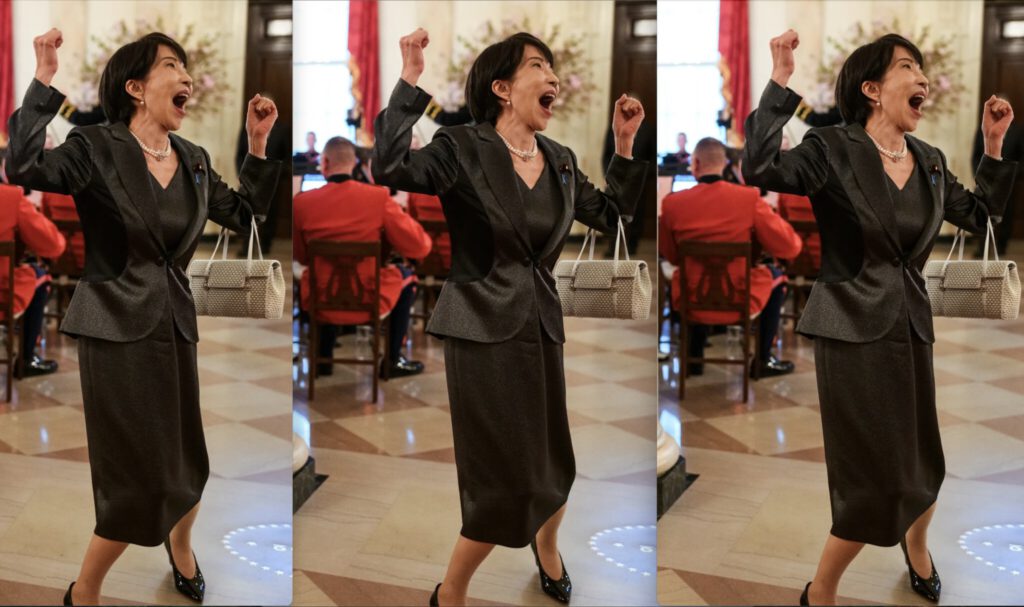
Husband Taku Yamamoto 山本拓 (政治家)
https://ja.wikipedia.org/wiki/山本拓_(政治家)
所属団体・議員連盟
自民党たばこ議員連盟[44]
日本会議国会議員懇談会[45]
神道政治連盟国会議員懇談会[45]
みんなで靖国神社に参拝する国会議員の会[45]
日韓議員連盟[46]
日中友好議員連盟
地下式原子力発電所政策推進議員連盟
パチンコチェーンストア協会(政治分野アドバイザー[47])
TPP交渉における国益を守り抜く会
建築板金業振興議員連盟
Bloomberg, 27 July 2026
Japan’s PM Sanae Takaichi’s declining approval ratings may encourage a looser approach to spending. Market strategists say that could spook investors.
https://www.bloomberg.com/news/articles/2026-07-27/takaichi-s-approval-drop-may-hurt-yen-bonds-strategists-say
https://www.facebook.com/bloombergbusiness/posts/pfbid02REaXWGiwGMjBipV7bbfiJuWZoKHP6d1JCW6861VXvAT2Gmu2MDFZ7NTZzgKAR7eWl
Comments:
《頭にハエが…》高市首相会見の“闖入者”にネット騒然「どこから入ってきたのか」カメラマンも疑問に
記事投稿日:2026/07/28
問題のシーンは会見開始から、約27分ごろ。高市首相が冒頭の発言を終え、質疑応答に入ったときだった。最初の質問者であるNHK記者が話し始めると、どこからともなく大きなハエが飛んできて、首相の頭にとまったのだ。
https://jisin.jp/domestic/2593026/
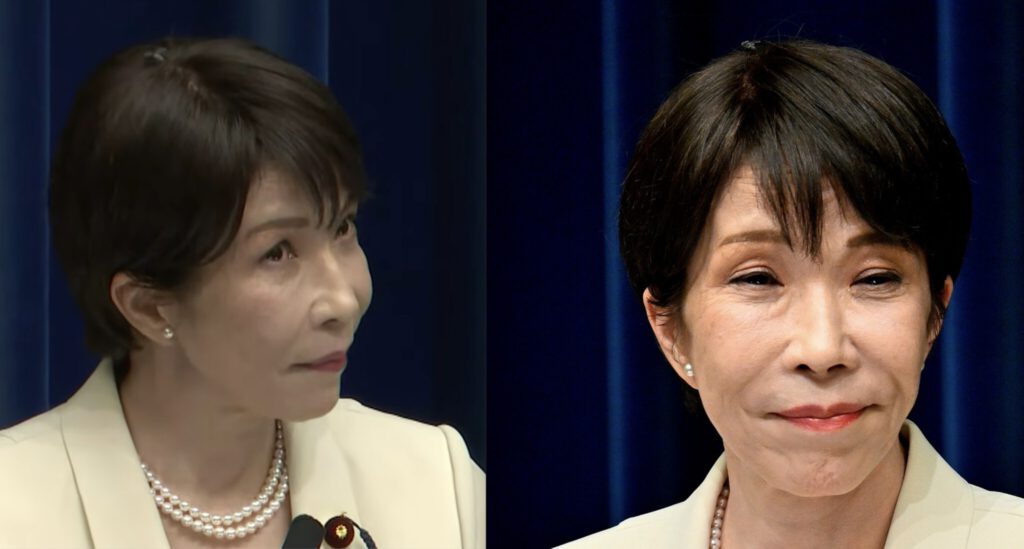
video:
岩石岩子@Iwako_Ganseki
この目を大きくして小首かしげてニッコリするのが本当に無理!ハエより気色悪い。
I just can’t do that wide-eyed, head-tilted, beaming smile—it’s absolutely impossible! It’s creepier than a fly.
https://x.com/Iwako_Ganseki/status/2081980512894406865
藤田賢治
こいつの頭にハエがたかっていたんだって?よほどウイッグが臭かったのか支持率がさがってきて国民に見放されたのでハエだけが支持しているということ?www
So, I heard flies were swarming around her head? Was her wig just that stinky? Or is it that her approval ratings have dropped and the public has abandoned her, leaving only the flies to support her? lol
https://www.facebook.com/bloombergbusiness/posts/pfbid02REaXWGiwGMjBipV7bbfiJuWZoKHP6d1JCW6861VXvAT2Gmu2MDFZ7NTZzgKAR7eWl
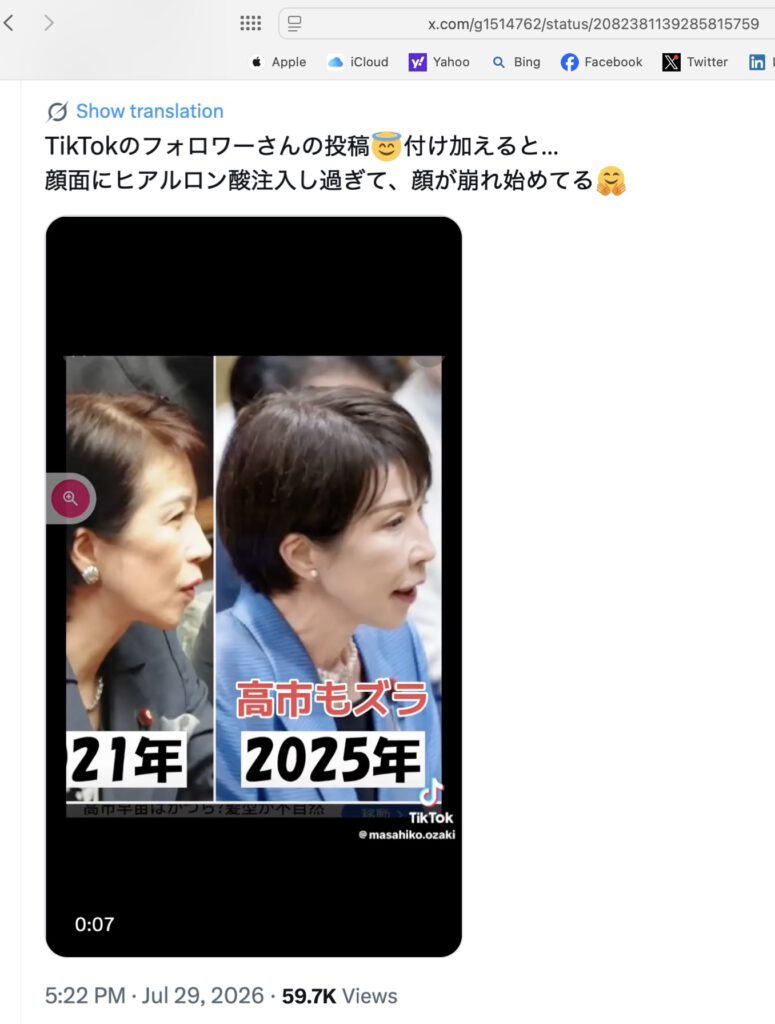
TikTokのフォロワーさんの投稿😇付け加えると…
顔面にヒアルロン酸注入し過ぎて、顔が崩れ始めてる🤗
A post from one of my TikTok followers 😇 Adding to that…
They’ve injected so much hyaluronic acid into her face that it’s starting to break down 🤗
https://x.com/g1514762/status/2082381139285815759
Japan PM’s political doom loop worsens her fight with markets
Tamiyuki Kihara, July 29, 2026 Reuters
TOKYO, July 29 (Reuters) – Japanese Prime Minister Sanae Takaichi is fighting a losing battle in the polls, making a retreat from promised tax cuts more difficult and denying her officials the political backup they need to talk down yen and bond market bears.
Takaichi’s approval rating slumped in July to the lowest since she took office last year as rising inflation, blamed in part on high import costs from a weak yen, hit her standing with voters.
The prime minister’s strong advocacy of fiscal stimulus and harsh criticism of higher interest rates have heightened investor concerns about worsening public finances in Japan, sending bond yields higher.
Those bond market anxieties have also blunted official efforts to talk down speculative bets against the yen, government sources said.
“Markets are gaining control over fiscal management, which hasn’t happened in Japan for decades,” one of them said, warning about the danger of being at the mercy of bond vigilantes.
TALKING BOTH SIDES
Since becoming prime minister last year, Takaichi has sought to pursue a pro-growth agenda while also tempering investor concerns about fiscal discipline and central bank independence.
Those competing demands have created a communication challenge that has at times led to unwanted market volatility, which in turn makes policy implementation more difficult.
For example, her spending plans, aimed in part at easing rising household living costs, lifted bond yields to three-decade highs in July on concern over Japan’s worsening finances.
Mindful of such market pressures, Takaichi told a news briefing on Monday the administration would seek to gain market trust in Japan’s finances through transparent communication.
“I would say communication with markets would become more important,” she said when asked what she could have done better.
But when pressed about her administration’s sliding approval ratings, Takaichi stressed her determination to break Japan’s “excessive fiscal tightening” with big investment, a sign she had no plans to back down on expansionist policy.
“The sliding approval ratings would only solidify the premier’s determination to cut tax and boost investment,” another source said. “Pursuing her policies would jolt markets, while not doing so would hit her popularity. It’s a dilemma.”
Those challenges could worsen ahead of a host of events that could ignite a renewed spike in yields.
Despite reservations voiced even within her ruling party, Takaichi is set to proceed with a plan to cut by two years an 8% levy on food, domestic media reported. While the move would come as little surprise, a lack of funding clarity could further upset bond markets, analysts say.
The government also plans to avoid setting caps on spending requests for key growth areas in an overhaul of budget drafting that could boost expenditure and debt issuance next fiscal year.
“Takaichi tried to explain how her administration was mindful of the need for fiscal discipline. But her policies themselves won’t change much, so there’s not much hope in bond markets that things could change,” said Atsushi Takeda, chief economist at Itochu Research Institute.
“JGB yields have stabilised somewhat but that’s because of falling oil prices. The premium markets are charging for Japan’s fiscal situation hasn’t changed,” he said.
FACTS AND FIGURES NEEDED
While the government focuses on rising yields, Takaichi’s dovish fiscal and monetary approach has also caused headaches in the currency market with the yen sliding to a four-decade low.
Although Finance Minister Satsuki Katayama’s repeated threats of “decisive” action have kept markets on edge, they have failed to give a sustained boost to the sagging currency.
Top currency diplomat Atsushi Mimura, who decides how and when to intervene, has stayed quiet since the record $72 billion intervention conducted between late April and early May that did little to arrest the yen’s downtrend.
The communication strategy has shifted away from yen jawboning to giving the bond market more of the clarity it needs.
Katayama said on Tuesday the government has no plan to set a ceiling for annual debt issuance, but would keep the amount “within a range investors would view as reasonable.”
Takashi Fujiwara, chief fund manager at Resona Asset Management’s fixed income investment division, said Katayama was positive for the JGB market as she could communicate with the market logically.
“The government’s communication on the JGBs is increasing, and that is because every time the government announces something new, there is a ‘shock’ in the market, and that subsequently weakens the yen,” Fujiwara said.
Takaichi and Katayama are now pitching the administration’s expansionary fiscal policy as boosting Japan’s growth potential, thereby helping enhance the appeal of the yen and JGBs.
For now, markets remain unconvinced with yields on track for further rises amid looming prospects of bigger debt issuance that would strain Japan’s already worsening finances.
And the yen could see more volatility this week when the U.S. Federal Reserve and Bank of Japan hold policy meetings. While both are seen keeping rates steady, hawkish hints from the Fed could accelerate yen falls versus the dollar.
“The administration faces two big headwinds: slumping approval ratings, and declines in yen and JGBs caused by eroding market trust in its fiscal policy. I don’t think Takaichi has succeeded in fixing either of them,” said former BOJ board member Takahide Kiuchi.
“To recover market trust, the administration needs to show with specific facts and figures its focus on fiscal discipline.”
2026/7/30 update
三村淳財務官に関する本日(2026年7月30日)付の具体的な公式発表や、単独での新たな市場介入等のニュースは報道されていません。直近(今月)の為替市場や三村財務官の動向・スタンスは以下の通りです。最近の動向と市場の状況:
最近の動向と市場の状況口先介入のトーン変化:ドル円相場が163円〜164円台に迫る歴史的な円安基調が続く中、これまで当局が多用してきた「必要があれば適切に断固たる措置をとる」といった強い牽制(口先介入)の文言が、最近の発言や片山さつき財務相の講演等からは影を潜めつつあります。「言わないこと」による市場への牽制:三村財務官は直近のメディア(ブルームバーグなど)によるインタビューで、「市場とのコミュニケーションには、言うだけではなく言わないことも大事だ」と述べています。あえて沈黙を守り静観の姿勢を取ることで、次の実弾介入(為替介入)のタイミングを市場に読ませず、投機筋に疑心暗鬼を植え付ける戦術を取っていると市場関係者に見られています。市場急変動へのスタンス:今月、為替市場で一時的に円相場が急伸した際にも、報道陣に対して「何も申し上げるつもりはない。一切コメントは差し控える」と徹底してノーコメントを貫いています。
There have been no specific official announcements or news reports—such as regarding unilateral market intervention—concerning Vice Minister of Finance for International Affairs Atsushi Mimura as of today (July 30, 2026). The recent state of the foreign exchange market and Vice Minister Mimura’s activities and stance are outlined below. Recent developments and market conditions.
Recent Trends and Market Conditions—Shift in the Tone of Verbal Intervention: Amidst a historic trend of yen depreciation that has pushed the USD/JPY exchange rate toward the 163–164 range, the strong rhetoric authorities previously employed to deter speculation—such as “taking appropriate, decisive action if necessary”—has begun to fade from recent statements and speeches, including those by Finance Minister Satsuki Katayama. Deterrence Through Silence: In recent media interviews (such as with Bloomberg), Vice Finance Minister Mimura stated, “When communicating with the market, what is left unsaid is just as important as what is said.” Market observers believe this tactic of maintaining silence and a “wait-and-see” stance is designed to prevent the market from predicting the timing of the next actual currency intervention and to sow doubt and suspicion among speculators. Stance on Sudden Market Volatility: Even when the yen surged temporarily in the foreign exchange market earlier this month, officials maintained a strict “no comment” policy, telling the press, “I have nothing to say; I will refrain from making any comments whatsoever.”
2026年7月31日:¥en.🤣 ¥en.🤣 ¥en.🤣
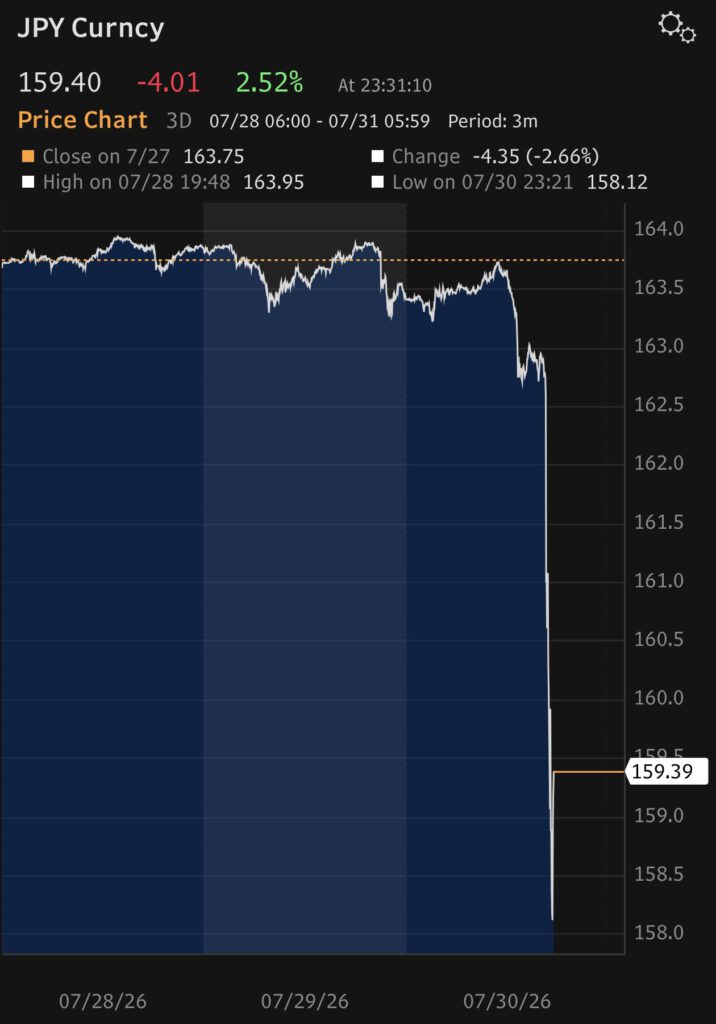
介入だけでは円安の流れは変えられない Intervention alone cannot reverse the trend of a weak yen.🤣
円相場 一時1ドル=157円台まで値上がり 市場介入との見方
2026年7月30日23:08 (2026年7月31日9:55更新)
quotes:
片山財務相 市場介入の有無「お答えできません」
外国為替市場で30日夜、円を買う動きが急激に強まっておよそ5円、円高ドル安が進んだことについて、片山財務大臣は31日朝、記者団が市場介入に踏み切ったのかと質問したのに対し「その点についてはお答えできません。常に緊張感を持って対応しています」と述べ、市場介入の有無については明らかにしませんでした。
財務省 三村財務官「ノーコメント」
外国為替市場で30日夜、円を買う動きが急激に強まっておよそ5円、円高ドル安が進んだことについて、財務省の三村財務官は31日朝、記者団が市場介入に踏み切ったのかと質問したのに対し「ノーコメントだ。コメントは差し控える」と述べるにとどまりました。
Finance Minister Katayama Declines to Comment on Market Intervention
On the morning of the 31st, Finance Minister Katayama was asked by reporters whether the government had intervened in the market following a sharp surge in buying of the yen—which drove the currency up by approximately five yen against the dollar—on the night of the 30th. He responded, “I cannot answer that point; we are constantly monitoring the situation with a sense of urgency,” and did not disclose whether or not market intervention had taken place.
Finance Ministry’s Mimura: “No Comment”
On the night of the 30th, the foreign exchange market saw a rapid surge in buying of the yen, resulting in an appreciation of approximately 5 yen against the dollar. When asked by reporters on the morning of the 31st whether market intervention had been carried out, Mr. Mimura, the Finance Ministry’s Vice Minister of Finance for International Affairs, limited his response to stating, “No comment. I will refrain from commenting.”
https://news.web.nhk/newsweb/na/na-k10015191381000
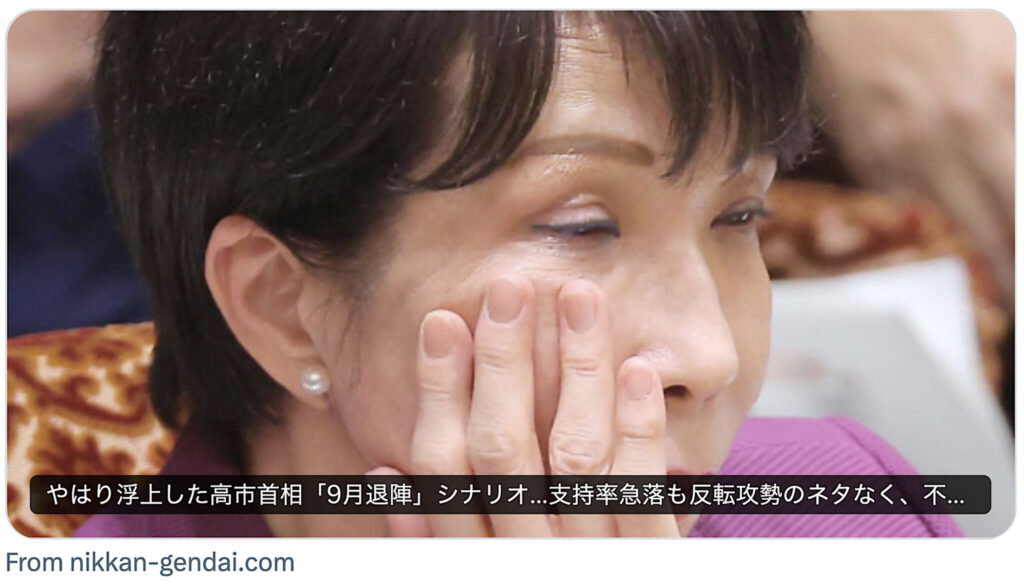
高市早苗首相に対し、早ければ9月にも退陣を求める声が上がる可能性があるとの報道が増えています。支持率が急落する中、政権は勢いを回復させるための説得力のある課題を見出せずにいます。それどころか、政治的リスクが積み重なる状況が続いています。 Reports are growing that Prime Minister Sanae Takaichi could face calls to step down as early as September. With approval ratings falling sharply, the government has yet to find a convincing issue to regain momentum. Instead, political risks continue to pile up.
28 July 2026, KUMAMOTO Earthquake. 34 dead. Almost no cooler, air-condition in Japanese schools (except Tokyo).
No privacy in shelter.
熊本県の体育館に冷房がない問題。先の地震があったのに、それを設置しないのは当然、県議会の危機意識のなさと怠慢。
熊本県議会の「自民党」比率は「約71.4%」。
自民党に任せると何が起きるかということを、他県の人も含めた「国民」は学ぶべき。
The issue of no air conditioning in Kumamoto Prefecture’s gymnasiums. Despite the previous earthquake, it’s only natural that they haven’t installed it—this is due to the prefectural assembly’s lack of crisis awareness and negligence.
The “Liberal Democratic Party” ratio in the Kumamoto Prefectural Assembly is “approximately 71.4%”.
The “citizens,” including people from other prefectures, should learn what happens when you leave things to the LDP.
https://x.com/eutonie/status/2082591065643811141
7/29(水)【解説】熊本県わずか13.4%!なぜ学校体育館にエアコンがないのか?―国は子ども・避難者の命を守って
https://news.yahoo.co.jp/expert/articles/92dd85ff38c6918e11cf70be7fcaba8335d976b6
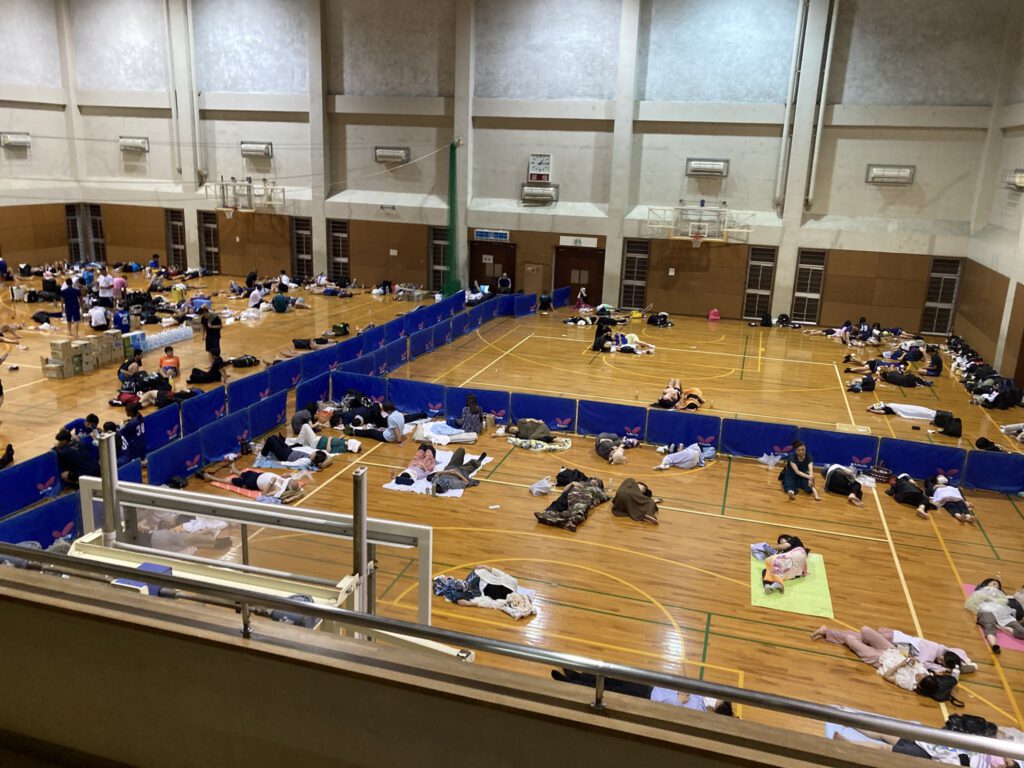
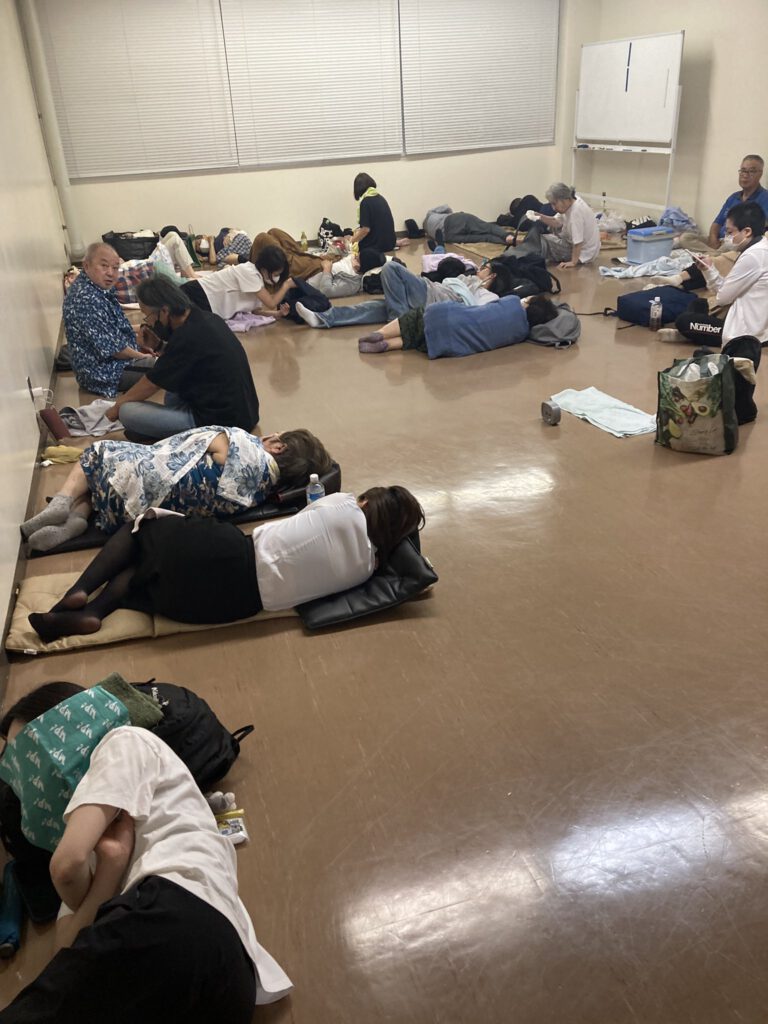
https://x.com/tomoZ12345/status/2082346912553030058
軍拡より防災
熊本地震48時間後でも整わぬ「TKB」 10年前と変わらぬ避難所:朝日新聞
T=清潔なトイレ
K=キッチン
B=段ボールのベッド
Military Army more important than disaster prevention.
Even 48 Hours After Kumamoto Earthquake, “TKB” Not in Place: Shelters Unchanged from 10 Years Ago: Asahi Shimbun
T = Clean Toilets
K = Kitchen
B = Cardboard Beds
熊本地震48時間後でも整わぬ「TKB」 10年前と変わらぬ避難所
2026年7月30日 17時03分
熊本県で28日夕に起きた最大震度7の地震で、取材した避難所では住民が「雑魚寝」を強いられていた。震度7の揺れに2度見舞われた2016年の熊本地震では、物資の足りない避難所を敬遠する住民が多く、避難所の環境を見直すきっかけとなったが、発災から48時間が過ぎても10年前と同じような光景が広がる。
30日午後3時現在、避難所は県内28市町村の約400カ所に設けられ、9450人が避難する。
午後6時、震度7を観測した宇城市の松橋東防災拠点センターでは500人以上が避難し、ホールの板張りの床に支給された毛布を敷いて座ったり、寝そべったりして住民が過ごしていた。
T=清潔なトイレ、K=キッチン、B=段ボールのベッド
発災は28日午後4時27分。直後に夫婦で避難してきた橋本英毅さん(82)は、この避難所で2晩を過ごした。布団を入れていた棚が倒れて動かせず、持参した寝具は毛布2枚。床が硬く、腰や足が痛くなる。眠りについてもすぐ起きてしまうという。「段ボールベッドがあったらゆっくり寝られるが、あきらめざるを得ないのか」と疲れの色をにじませた。
トイレも悩みの種だ。避難所のトイレは断水で使えない。隣接する市の施設のトイレは使えるが、開館しているのは午前8時半~午後10時。それ以外の夜間の時間は、センターの敷地内にある屋外の公衆便所を使うしかなく、早朝に便所に女性が30~40人も並ぶこともあった。30日になって企業から仮設トイレが1台提供された。
人口5万人余りの市では今年度、備蓄する段ボールベッドは40台。国のプッシュ型支援を待っているが、センターにいた市の担当職員は「段ボールベッドはまだない。いつ届くか分からない」と説明した。
「雑魚寝」の状況は他の被災自治体の避難所でもみられる。宇城市と同じく震度7を観測した氷川町は、保管する折りたたみの簡易ベッドは10個に満たないという。
配布される食べ物がパンやおにぎりだけという避難所や、エアコンが使えない場所もある。
八代市で約700人が身を寄せる「トヨオカ地建アリーナ」の避難所では、地震の後、トイレが貯水タンクの故障で使えなくなったが、隣接する市民プールの井戸水を活用することで復旧した。
地震当日は車中泊した同市錦町の女性(65)はトイレが使えると知って避難を始めた。「車中泊ではトイレに行けず、飲み食いをかなり我慢した」と振り返った。
「直接死」より多い「関連死」
避難所の環境改善は、災害が起きるたびに課題となってきた。
地震で建物の下敷きになるなどして亡くなる「直接死」を免れても、その後の避難生活で体調を崩して命を落とす「関連死」が多いからだ。
内閣府などによると、2016年の熊本地震では、直接死が50人、関連死が約4倍の228人だった。24年の能登半島地震でも、直接死228人に対し、関連死は2倍超の520人で、いまも増え続けている。
関連死が増える背景に、避難所の劣悪な環境が指摘されてきた。
不衛生なトイレの利用回数を減らそうと、水分補給を控えて脱水症状になったり、配られる食事がおにぎりやパンといった炭水化物が中心で、栄養が偏りがちになったりすることだ。
そのため、プライバシーが確保されない避難所へは行かずに被災した自宅にとどまり、周囲の目が届きにくくなって体調を崩す人もいた。
また、狭い車中で長時間過ごし、足の血管に血栓ができる「エコノミークラス症候群」を発症するケースもある。
これらを踏まえ、国は避難所の運営マニュアルや車中泊をする被災者支援の手引などの改良を図ってきた。
国の災害対応の司令塔として今秋に発足する防災庁は、避難生活の抜本的な環境改善を柱の一つに据えている。
清潔なトイレ(T)、温かい食事を出せるキッチン(K)、段ボールのベッド(B)といった「TKB」の調達や備蓄の水準を全国で引き上げるとしている。
質の高い避難所運営で知られるイタリアなどを参考に、各地で訓練などをする一般社団法人「避難所・避難生活学会」は、災害発生から48時間以内に環境を整えることが重要だとして「TKB48」を提唱している。
専門家「被災エリア外への避難も」
水谷嘉浩代表理事(55)は30日、断水や停電が続く地域の避難所4カ所を回り、被災者が冷房の利く部屋に集中したり、床に直接寝起きしたりしている状況を見た。「避難所で体調を崩さないようにするには、普段の生活に近い環境を取り戻すことが重要だ」と指摘する。
そのうえで、避難所に残らざるをえない被災者には、床から高さのあるベッドを用意して、ほこりを吸い込まないようにするなど、環境を整えるべきだとする。
また、自宅が全壊するなどして、生活再建に時間がかかる被災者を被災エリア外に避難誘導することを提案する。「被害の少ないエリアに移動してもらったほうが生活の質は保たれる」と語った。
“TKB” Still in Disarray 48 Hours After the Kumamoto Earthquake: Evacuation Centers Unchanged from 10 Years Ago
July 30, 2026, 5:03 p.m.
Following the earthquake with a maximum seismic intensity of 7 that struck Kumamoto Prefecture on the evening of the 28th, residents at the evacuation centers we visited were forced to “sleep haphazardly on the floor.” During the 2016 Kumamoto Earthquake, which struck twice with seismic intensity 7, many residents avoided evacuation centers due to a lack of supplies, prompting a review of evacuation center conditions. However, even 48 hours after the disaster, scenes similar to those from 10 years ago continue to unfold.
As of 3:00 p.m. on the 30th, approximately 400 evacuation centers had been set up across 28 municipalities in the prefecture, housing 9,450 evacuees.
At 6:00 p.m., more than 500 people had taken refuge at the Matsuhashi Higashi Disaster Prevention Base Center in Uki City, where a seismic intensity of 7 was recorded. Residents were spending their time sitting or lying down on the hall’s wooden floor, using the blankets provided.
T = Clean toilet, K = Kitchen, B = Cardboard bed
The disaster struck at 4:27 p.m. on the 28th. Hideki Hashimoto (82), who evacuated with his wife immediately afterward, has spent two nights at this shelter. The shelf where he kept his futon had fallen over and couldn’t be moved, so the only bedding he brought with him was two blankets. The floor is hard, causing pain in his lower back and legs. He says that even when he does fall asleep, he wakes up immediately. “If I had a cardboard bed, I could sleep soundly, but do I have no choice but to give up on that?” he asked, his exhaustion evident.
The restroom situation is also a source of concern. The shelter’s restrooms are unusable due to a water outage. While the restrooms at an adjacent municipal facility are available, they are open only from 8:30 a.m. to 10:00 p.m. During the rest of the night, residents have no choice but to use the outdoor public restroom on the center’s grounds, where as many as 30 to 40 women have lined up early in the morning. On the 30th, a company donated one portable toilet.
In this city of just over 50,000 residents, the stockpile of cardboard beds for this fiscal year stands at 40. Although the city is awaiting proactive support from the national government, a city official at the center explained, “We don’t have any cardboard beds yet. We don’t know when they’ll arrive.”
The situation of people sleeping on the floor can also be seen in evacuation centers in other affected municipalities. Hikawa Town, which, like Uki City, recorded a seismic intensity of 7, reportedly has fewer than 10 foldable cots in stock.
There are evacuation centers where the only food distributed is bread and rice balls, as well as locations where air conditioning cannot be used.
At the “Toyooka Chiken Arena” evacuation center in Yatsushiro City, where approximately 700 people have taken shelter, the restrooms became unusable after the earthquake due to a malfunction in the water storage tank; however, service was restored by utilizing well water from the adjacent municipal swimming pool.
A 65-year-old woman from Nishiki-cho in Yatsushiro City, who had spent the night in her car on the day of the earthquake, began evacuating once she learned the restrooms were available. “I couldn’t use the restroom while sleeping in my car, so I had to hold back quite a bit on eating and drinking,” she recalled.
“Related Deaths” Outnumber “Direct Deaths”
Improving conditions at evacuation centers has been an ongoing challenge with every disaster.
This is because even if people avoid “direct deaths”—such as being crushed under collapsed buildings during an earthquake—many still die from “related deaths” caused by falling ill during their subsequent stay at evacuation centers.
According to the Cabinet Office and other sources, in the 2016 Kumamoto Earthquake, there were 50 direct deaths and 228 related deaths—approximately four times as many. In the 2024 Noto Peninsula Earthquake, there were 228 direct deaths, while related deaths exceeded 520—more than double the number of direct deaths—and that figure continues to rise.
The poor conditions in evacuation shelters have been cited as a factor behind the rise in related deaths.
For example, people may restrict their fluid intake to reduce the number of times they use unsanitary restrooms, leading to dehydration, or their diets may become unbalanced because the meals provided consist mainly of carbohydrates such as rice balls and bread.
As a result, some people chose to remain in their damaged homes rather than go to evacuation shelters where privacy was not guaranteed; however, this made it harder for others to monitor their well-being, leading to health problems.
In addition, there have been cases where people spent long hours in cramped car interiors and developed “economy class syndrome,” a condition in which blood clots form in the leg veins.
In light of these issues, the national government has been working to improve evacuation shelter operation manuals and guidelines for supporting disaster victims sleeping in their cars.
The Disaster Management Agency, which will be launched this fall as the central command for national disaster response, has made fundamental improvements to the living environment in evacuation shelters one of its key priorities.
It plans to raise the nationwide standards for the procurement and stockpiling of “TKB” items—clean toilets (T), kitchens capable of serving hot meals (K), and cardboard beds (B).
Drawing on examples from countries like Italy, which are known for high-quality shelter management, the General Incorporated Association “Society for Shelter and Evacuation Life,” which conducts training sessions across the country, advocates for “TKB48,” emphasizing the importance of establishing these conditions within 48 hours of a disaster occurring.
Expert: “Evacuation Outside the Disaster Area Is Also an Option”
On the 30th, Representative Director Yoshihiro Mizutani (55) visited four evacuation centers in areas where water and power outages persisted and observed situations where evacuees were crowding into air-conditioned rooms or sleeping directly on the floor. “To prevent evacuees from falling ill at evacuation centers, it is important to restore an environment as close as possible to their normal daily lives,” he pointed out.
He further argued that for evacuees who have no choice but to remain in shelters, the environment should be improved—for example, by providing beds raised off the floor to prevent them from inhaling dust.
He also proposed guiding evacuees whose homes have been completely destroyed—and for whom rebuilding their lives will take time—to evacuate outside the disaster-stricken area. “Their quality of life will be better preserved if they move to areas with less damage,” he said.
https://www.asahi.com/articles/ASV7Z2DR3V7ZTIPE00QM.html
31.7.2026
This Bloomberg report illustrates the staggering amount of capital that may be involved —
US$ 53 billion on Thursday alone.
As for the impact, the yen is currently struggling to hold just below the 160 mark rather than building on its initial appreciation surge.
https://x.com/elerianm/status/2083134346668466415/photo/1
4:46 AM · Aug 1, 2026
As the initial yen rally (post $50 billion intervention by the Japanese authorities) began to lose steam, the US stepped in with a late Friday assist, the second one in the last 24 hours (Bloomberg details below).
This helped the yen appreciate back after it had crossed 160 per US dollar.
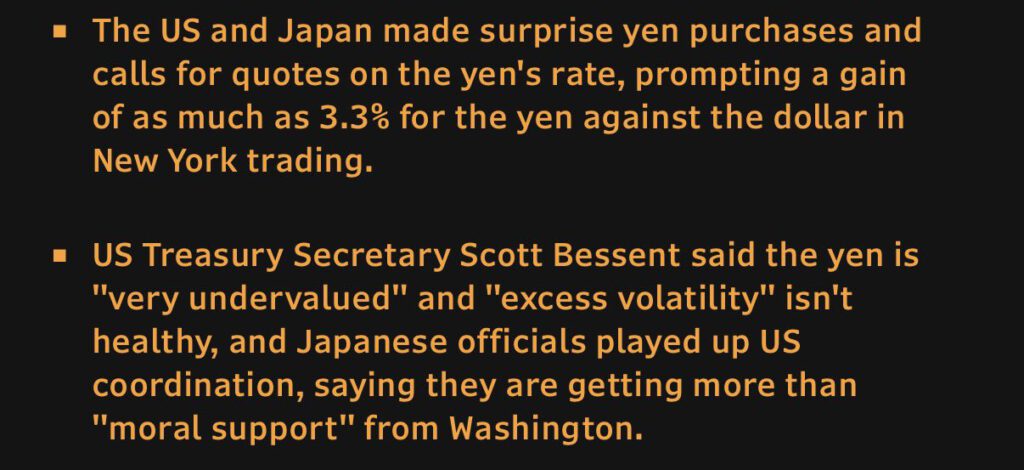
https://x.com/elerianm/status/2083278227855020405
“The US Treasury intervened in yen exchange rates on Friday, marking the first time Tokyo and Washington joined forces to support the Japanese currency via outright purchases in nearly 30 years.
The Federal Reserve Bank of New York undertook the unusual move of conducting a sale of euros to buy yen on behalf of the Treasury, according to three people familiar with the matter.”
https://x.com/elerianm/status/2083497225657655547
August 1, 2026, 9:28 AM
US Treasury intervenes to support yen after Japan steps in, FT reports
July 31 (Reuters) – The U.S. Treasury intervened to support the yen on Friday through outright purchases, the Financial Times reported, joining Japan in its efforts to boost the currency from near 40-year lows.
The Federal Reserve Bank of New York conducted a sale of euros to buy yen on behalf of the Treasury through Goldman Sachs (GS.N) and Morgan Stanley (MS.N), the FT said, citing people familiar with the matter.
Earlier on Friday, the U.S. Treasury informed a number of banks that it might intervene in the yen market and that they should “stand ready for future action,” a source familiar with the matter told Reuters.
News of the potential intervention by the Treasury helped push the yen higher against the dollar on Friday. Japan may have sold as much as $58.97 billion to buy yen on Thursday, central bank data indicated on Friday, signaling repeated efforts to stem the yen’s weakness.
The Treasury, New York Fed and Morgan Stanley could not immediately be reached for comment outside regular business hours. Goldman Sachs declined to comment.
嘘のような話であるが、31日の閣議に出席したベッセント財務長官の手元メモに「50億~100億ドル分の円を購入」とto doが記入されていた模様(=Reuters)。各種報道を繋げると、22:20~22:30が日本のドル売り円買い、26:20~26:40が米側のユーロ売り円買い、早朝5時から引けにかけても断続的に円買いか。
It sounds like a tall tale, but apparently, a to-do note in Treasury Secretary Bessent’s hand at the 31st cabinet meeting read “Purchase 5-10 billion dollars’ worth of yen” (=Reuters). Connecting various reports, 22:20~22:30 was Japan’s dollar selling/yen buying, 26:20~26:40 was the US side’s euro selling/yen buying, and from early morning 5 o’clock through the close, there were intermittent yen purchases as well.
9:15 AM · Aug 1, 2026
https://x.com/Yuto_Headline/status/2083345867759841382
James E. Thorne @DrJStrategy
Japan, Yen Defense, and the U.S. Long End
Bessent’s call to the New York Fed is the signal worth watching. It suggests Treasury sees Japan’s yen defence as a potential source of pressure on the long end of the U.S. curve, and possibly a move into dangerous territory.
That is the real story. If the Ministry of Finance (worlds largest holder of UST) is selling U.S. Treasuries to support the yen, the result is not a neat academic debate about inflation expectations. It is a live flow problem, with reserve shifts and duration sales capable of pushing long-end yields higher. In that sense, the market is not reacting to a fresh inflation regime so much as to cross-border balance-sheet mechanics.
The pundits inflation narrative is looking increasingly threadbare. Breakevens are anchored, which undercuts the claim that the bond market is suddenly pricing a new inflation scare. Credit markets are not flashing red on prices. What they are signalling is strain in global duration and FX plumbing, with Japan at the centre.
That matters because the steepening in U.S. yields is not happening in a vacuum. Japan is defending the yen, and that defense can create real pressure through reserve management, Treasury sales, and cross-border duration flows.
At the same time, Large Tech stops buying UST, with its AI capex is pouring fuel on the demand for capital, data centers, chips, and power infrastructure, which raises funding needs and pushes more duration into the market.
Those are powerful forces. They are more convincing than pundits waving their hands about Warsh communication Strategy and inflation when breakevens are stable.
That matters because long-end yields are where financial conditions tighten most quickly. Once the back end starts to move on flows rather than inflation, the risk is that the market overshoots. Bessent appears to understand that, which is why the New York Fed call matters.
This is not a story about pundit-friendly inflation angst. It is a story, about Big Tech Pivot and Japan yen defence, and a U.S. Treasury market that is now being forced to absorb the spillover.
Last edited 7:43 AM · Aug 1, 2026
https://x.com/DrJStrategy/status/20833227a80091855293
【片山さつき財務大臣】閣議後会見 為替介入・アメリカ当局との連携は? 消費税減税の議論は?【ノーカット】(2026年7月31日)|TBS NEWS DIG
財務省エリートに高市激怒の懲罰人事💢
7月31日に発表された財務省の局長以上の
幹部人事は順当なもので懲罰人事はなかった
しかし、それより下の公表はこれからだが
内示では将来の次官候補で
絵に描いたようなエリートが飛ばされていた
かつてノーパンしゃぶしゃぶ事件で
当時の事務次官候補が飛ばされたポストと同じ
今回、その不祥事よりも降格人事となった
高市総理は消費税減税の抵抗に激怒し
それが人事に反映されたと思われる
国民会議の事務方には財務省官僚が
多く参加していたが、その中の一人だった!
Finance Minister Elite Angers Koichi High City with Punitive Personnel Changes💢
The personnel changes for Finance Ministry executives at the bureau chief level and above, announced on July 31, were straightforward with no punitive reassignments.
However, announcements for those below that level are yet to come,
but according to internal notifications, a future administrative vice-minister candidate—
the quintessential elite straight out of central casting—was being sidelined.
It was the same post where, back in the no-panties shabu-shabu scandal,
the then-vice-minister candidate was demoted.
This time, it was a demotion even more severe than that scandal.
Prime Minister Takaichi is believed to have flown into a rage over resistance to consumption tax cuts
and that fury was reflected in the personnel decisions.
Many Finance Ministry bureaucrats had participated in the National Conference’s secretariat,
and this person was one of them!
8/1LIVE! 副首都&消費減税に反対する議員と新聞/幻のイオンモール事故の解説、Zガクブルの高市政権人事も
財務省 @MOF_Japan
Japan’s monetary authorities have a broad range of tools available to address market liquidity needs.
These include potential access, as appropriate, to the Federal Reserve’s standing Foreign and International Monetary Authorities (FIMA) Repo Facility, which can provide temporary U.S. dollar liquidity against U.S. Treasury securities.
We remain prepared to use available tools as necessary to support orderly market functioning.
2:07 AM · Aug 1, 2026
日本の通貨当局は、市場の流動性ニーズに対応するための幅広い手段を有しています。
これらには、必要に応じて、米連邦準備制度の常設FIMAレポ・ファシリティ(Foreign and International Monetary Authorities Repo Facility)への潜在的なアクセスが含まれます。このファシリティは、米国債と引き換えに、一時的な米ドル流動性を提供することができるものです。
秩序ある市場の機能を支えるため、必要に応じて利用可能な手段を活用してまいります。
https://x.com/MOF_Japan/status/2083238197736448375
https://x.com/MOF_Japan/status/2083241482312663459
Treasury Secretary Scott Bessent @SecScottBessent
10:44 PM · Jul 31, 2026
I look forward to seeing my longtime friend, Bank of Japan Governor Kazuo Ueda, at the G20 Finance Ministers Meetings in the beautiful Blue Ridge Mountains city of Asheville, North Carolina, at the end of August.
Japan’s economy continues to perform well under Prime Minister Takaichi, Governor Ueda, and the Bank of Japan Board, which has demonstrated a strong commitment to monetary and financial stability.
We continue to enjoy a strong relationship and close coordination.
https://x.com/SecScottBessent/status/2083187156181221529
https://www.reuters.com/world/asia-pacific/bessents-to-do-list-buy-5-10-billion-worth-japanese-yen-reuters-photo-shows-2026-07-31/
Bessent’s ‘to do’ list: buy $5-10 billion worth of Japanese yen, Reuters photo shows
Daniel Heuer
August 1, 2026, 7:54 AM GMT+9 Updated 6 hours ago
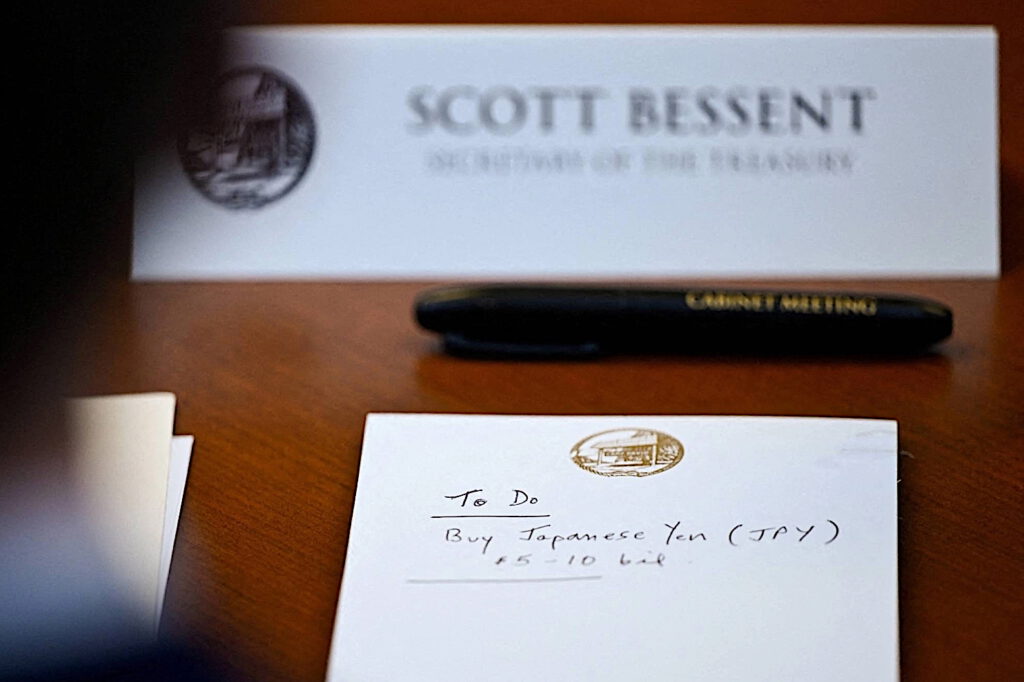

CAMP DAVID, Maryland, July 31 (Reuters) – U.S. Treasury Secretary Scott Bessent on Friday exposed a “to-do” list during President Donald Trump’s cabinet meeting indicating he was contemplating U.S. purchases of $5 billion to $10 billion worth of Japanese yen, a Reuters photograph taken during the meeting held at Camp David shows.
Taken over Bessent’s shoulder during an on-the-record portion of the meeting, the Camp David notepad bears the underscored words “To Do” followed by “Buy Japanese Yen (JPY) $5-10 bil.”
The notepad shows no other words, and Bessent’s name card on the Camp David conference table is visible and positioned immediately above the notepad. The photograph was taken at 11:33 ET (1533 GMT).
A U.S. Treasury spokesperson did not immediately respond to a Reuters request for comment on the contents of the notepad, or whether the Treasury had intervened to help prop up the yen’s value against the dollar on Friday.
Earlier on Friday morning, around two hours before the photo was taken, Reuters reported that the Treasury had notified a number of banks that it may intervene in the yen market on Friday, quoting a source familiar with the situation.
Japanese authorities had stepped in to prop up the yen earlier on Friday in Tokyo. That triggered a substantial strengthening of the Japanese currency during morning trading hours.
There appears to have been another sizeable strengthening of the yen against the dollar during the late afternoon on Friday. Data from LSEG shows the dollar dropped from about 158.9 yen at around 4:14 p.m. (2014 GMT) to about 157.6 yen just before 5 p.m. (2100 GMT) — a drop of about 0.8%.
The U.S. Treasury has not intervened to prop up the yen since 2011, when it joined other G7 countries in a coordinated action after a devastating earthquake and tsunami rocked Japan.

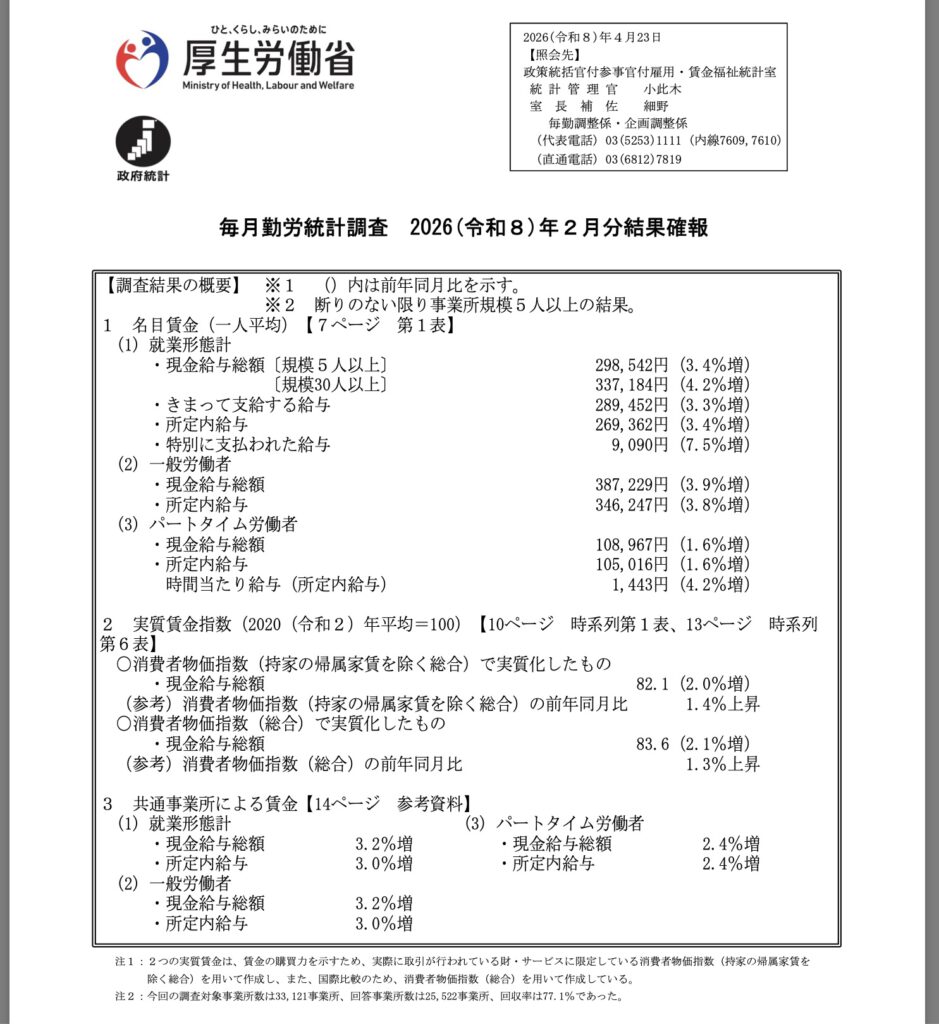
https://www.mhlw.go.jp/toukei/itiran/roudou/monthly/r08/2602r/dl/pdf2602r.pdf
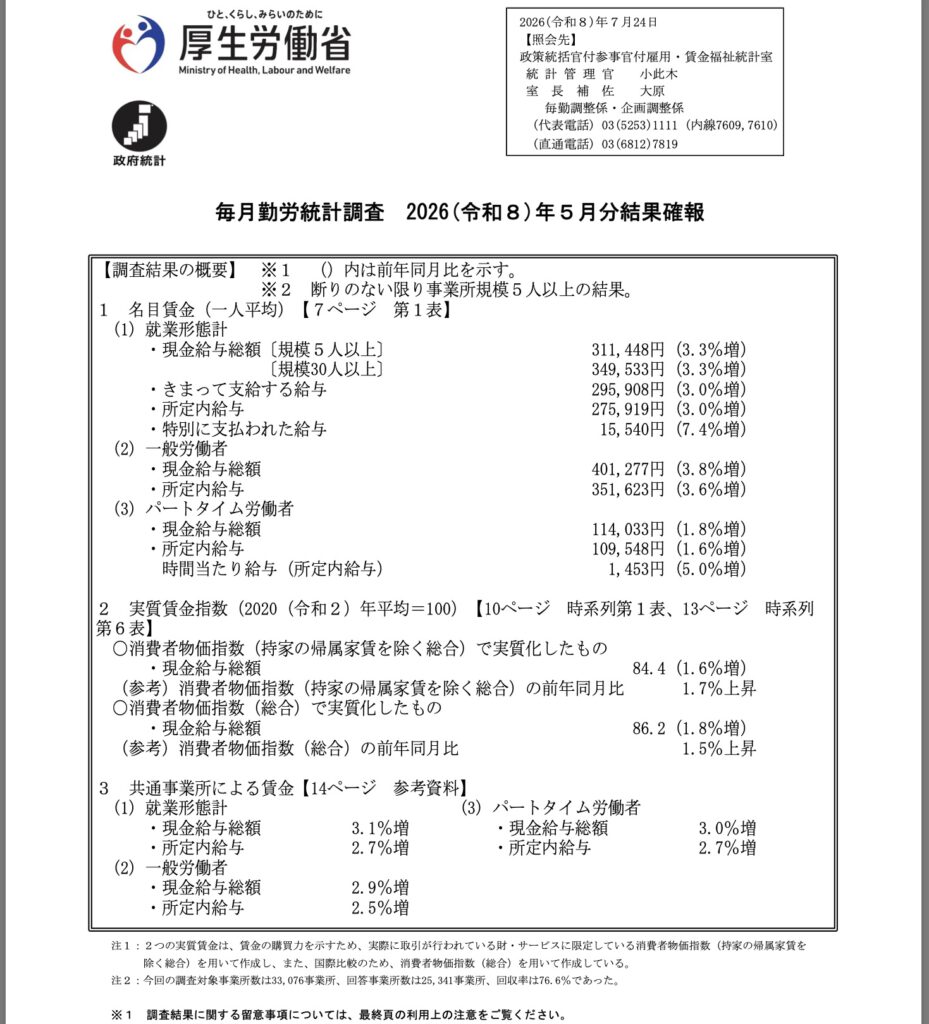
https://www.mhlw.go.jp/toukei/itiran/roudou/monthly/r08/2605r/dl/pdf2605r.pdf
藤巻健史 @fujimaki_takesi
ベッセント米財務長官はソロス勤務時代から日本の構造問題を熟知している。だから自身のヘッジファンド運営時代、日本売りで大儲けした。
しかしその後も日本の構造問題は大幅に悪化し財務長官との立場になった以上、見過ごすわけにはいかないほどになった。
日本にxデイが来たら米国も少なからず悪影響を受けるからだ。
だから彼は日本の情勢が心配で心配でしょうがない。ゆえに日本がヨーロッパにインフレを輸出する(=ユーロ諸国に犠牲を強いる)ことになってもユーロ円での介入を考えた。
日本のX デイからのダメージがかなり大きいと考えるからだ。
昨今のベッセント財務長官の言動から日本がいかに危機状態にあるかを感じとらねばならない。
政治家が無責任または能天気な以上、個人でドルを買って自分や家族を守ることが不可欠。
Bessent, the U.S. Treasury Secretary, has been well aware of Japan’s structural problems since his days working at Soros. That’s why, during his own hedge fund management period, he made a killing by shorting Japan.
However, even after that, Japan’s structural problems have deteriorated significantly, and now that he’s in the position of Treasury Secretary, he can’t just look the other way anymore.
It’s because if Japan’s X-Day arrives, the U.S. will inevitably suffer some adverse effects too.
That’s why he’s terribly worried about the situation in Japan—worried out of his mind. And so, even if it means Japan exporting inflation to Europe (which would force sacrifices on Eurozone countries), he’s contemplating intervention in the euro-yen market.
It’s because he believes the damage from Japan’s X-Day onward would be quite substantial.
From the recent words and actions of Treasury Secretary Bessent, we must sense just how dire Japan’s crisis state is.
As long as politicians remain irresponsible or naively carefree, it’s essential for individuals to buy dollars and protect themselves and their families.
12:20 PM · Aug 2, 2026
https://x.com/fujimaki_takesi/status/2083754806351675517
6月 実質消費支出 7か月連続減少 家計調査
2026年8月7日 8:50
統計・指標
総務省が発表したことし6月の家計調査で2人以上の世帯が消費に使った金額は物価の変動を除いた実質で、前の年の同じ月より3.3%減少しました。減少は7か月連続です。1世帯あたりの消費額は29万886円でした。
According to the Ministry of Internal Affairs and Communications’ Family Income and Expenditure Survey for June, consumption spending by households of two or more people fell by 3.3% in real terms—adjusted for price fluctuations—compared to the same month last year. This marks the seventh consecutive month of decline. Average consumption spending per household stood at 290,886 yen.
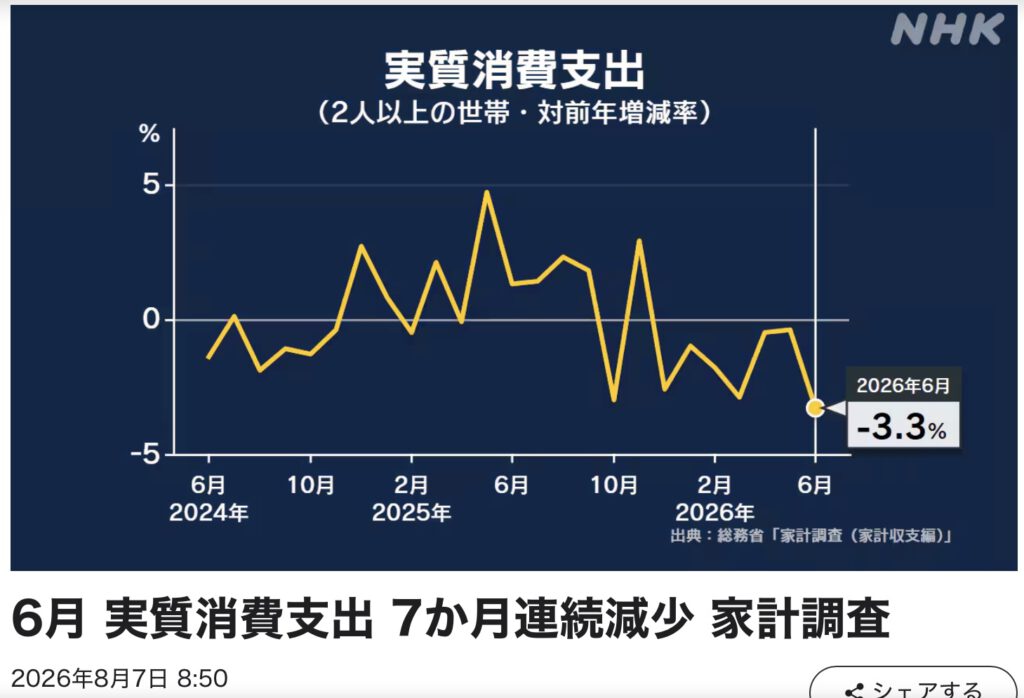
https://news.web.nhk/newsweb/na/na-k10015198791000
4月30日の市場介入 6兆円余 円買いとして1日あたりで過去最大
2026年8月7日 9:07
(2026年8月7日 10:30更新)
政府・日銀がことし4月30日に加え、大型連休中の5月4日と6日に市場介入を行ったことが分かりました。
このうち4月30日の1日で投じた資金は6兆円余りと、円買いドル売りの介入としては、1日あたりで過去最大でした。
財務省は、7日、ことし4月から6月までの1日ごとの市場介入の実績を発表しました。
それによりますと、4月30日のほか、大型連休中の5月4日と6日に円買いドル売りの市場介入を行いました。
このうち、4月30日の市場介入の規模は6兆2787億円で、円買いドル売りの介入で1日で投じた資金としては、公表されている1991年以降で最大となりました。
また、5月は4日が7802億円、6日が4兆6759億円でした。
外国為替市場では、4月30日に1ドル=160円台の円安水準となり、政府・日銀による市場介入によって一時、1ドル=155円台半ばまで円高が進んだほか、5月4日と6日も短時間で急激に円高が進みました。
ただ、そのあとに円安が進み、先月30日に政府・日銀が市場介入を実施したほか、アメリカ東部時間の先月31日にはアメリカと協調介入に踏み切っています。
It has been revealed that the government and the Bank of Japan conducted market interventions on May 4 and 6—during the “Golden Week” holiday period—in addition to the intervention on April 30.
The funds deployed on April 30 alone exceeded 6 trillion yen, marking the largest single-day expenditure for yen-buying, dollar-selling intervention on record.
On the 7th, the Ministry of Finance released data on daily market interventions conducted between April and June of this year.
The data shows that, in addition to April 30, yen-buying, dollar-selling interventions took place on May 4 and 6 during the Golden Week holidays.
The intervention on April 30 totaled 6.2787 trillion yen, the largest amount of funds ever deployed in a single day for this type of operation since public records began in 1991.
Intervention amounts for May were 780.2 billion yen on the 4th and 4.6759 trillion yen on the 6th.
In the foreign exchange market, the yen had weakened to the 160-yen-per-dollar range on April 30; government and BOJ intervention briefly pushed the currency back to the mid-155-yen range, and rapid yen appreciation also occurred over short periods on May 4 and 6.
However, the yen subsequently weakened again; the government and BOJ intervened in the market on the 30th of last month, and on the 31st (U.S. Eastern Time), they proceeded with a coordinated intervention alongside the United States.
https://news.web.nhk/newsweb/na/na-k10015198801000
10:28 AM · Aug 7, 2026·865.4K Views
The United States sold euros to buy yen without telling the ECB until after the trade was done. Senior ECB officials called it “an unprecedented breach of longstanding conventions.” One said: “This has never happened before.”
Selling dollars to defend the yen would have contradicted Bessent’s strong-dollar policy. Selling euros avoided that problem. But selling a European asset to defend an Asian currency to protect an American bond market, without consulting the institution whose asset was sold, is not a currency intervention. It is the reserve architecture consuming the alliance architecture.
The reason Washington intervened at all is the part nobody wants to say plainly. Japan is the largest foreign holder of US Treasuries. The yen was at its weakest since 1986. If the yen falls far enough, Japanese institutions sell their most liquid foreign asset to raise cash. That asset is Treasuries. The selling pushes American yields higher at the exact moment the thirty-year just touched 5.28 percent. Washington did not intervene to help Japan. Washington intervened to prevent the Treasury market from absorbing a forced seller at a nineteen-year high in yields.
The convention that was broken to execute this trade is the same kind of convention the reserve confiscation broke in 2022. That one taught central banks their dollar reserves were not safe from seizure. This one taught the ECB that dollar-system cooperation is not safe from unilateral action by its architect. Both lessons point the same direction: build the alternatives faster.
The fix is eating the architecture it was built to preserve.
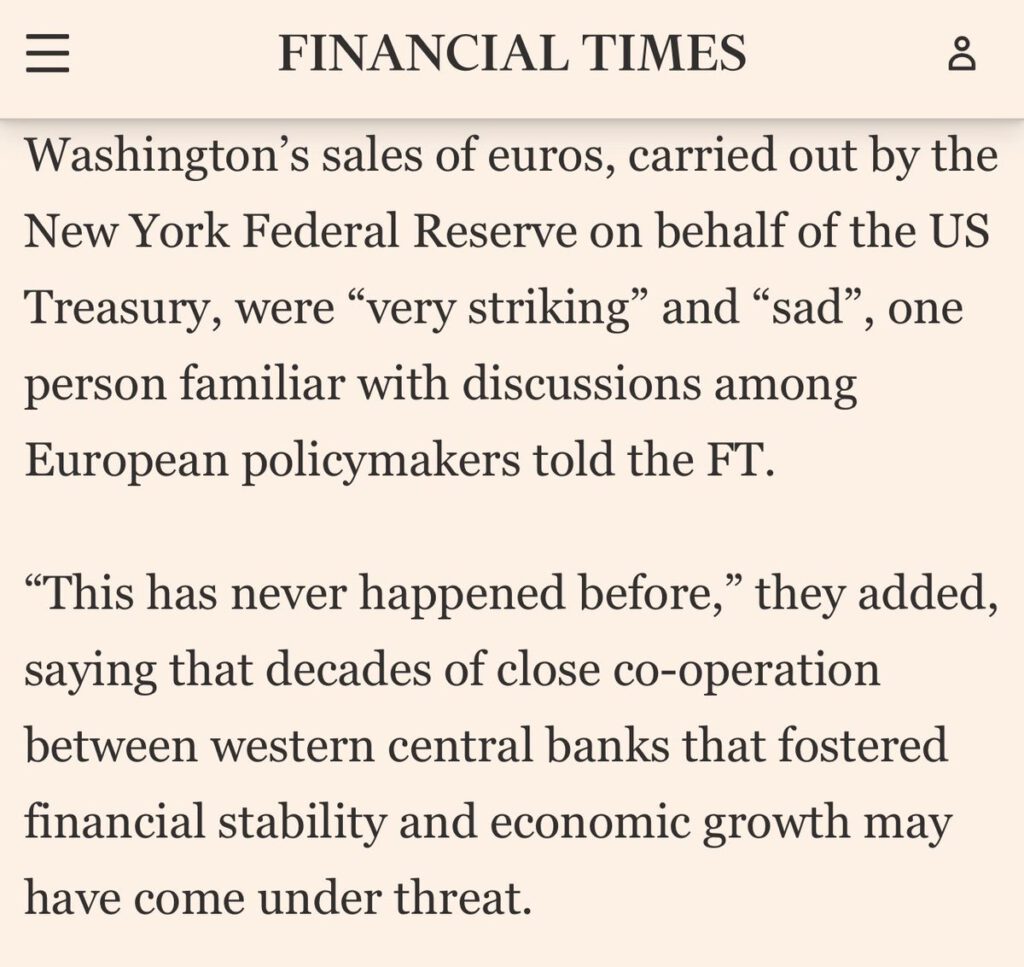
https://x.com/matrbk/status/2085538543628325039