皇紀2686年:にっぽんの核保有国への道。 (2) Year 2686 of the Japanese Imperial Era: Japan’s Path to Becoming a Nuclear Power. (2)
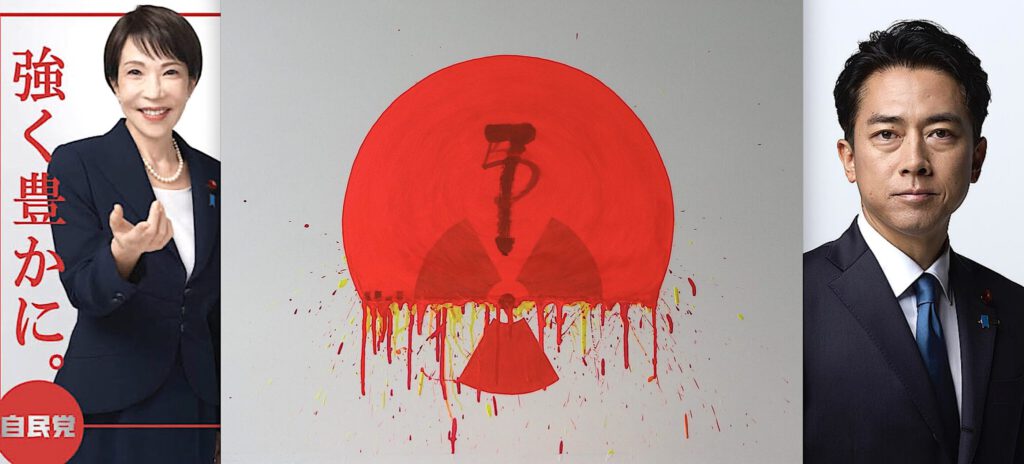
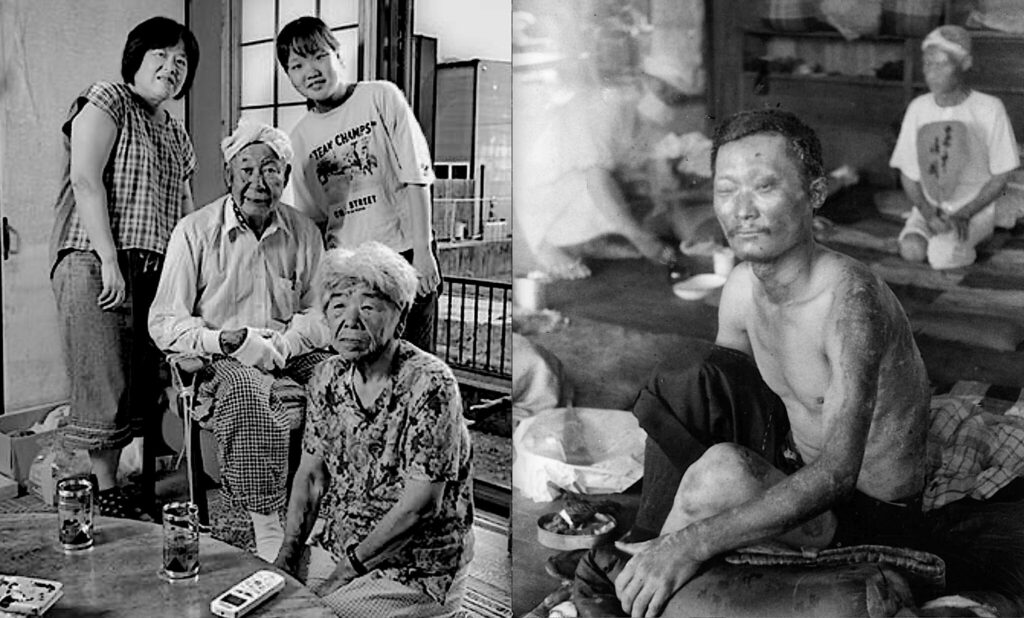
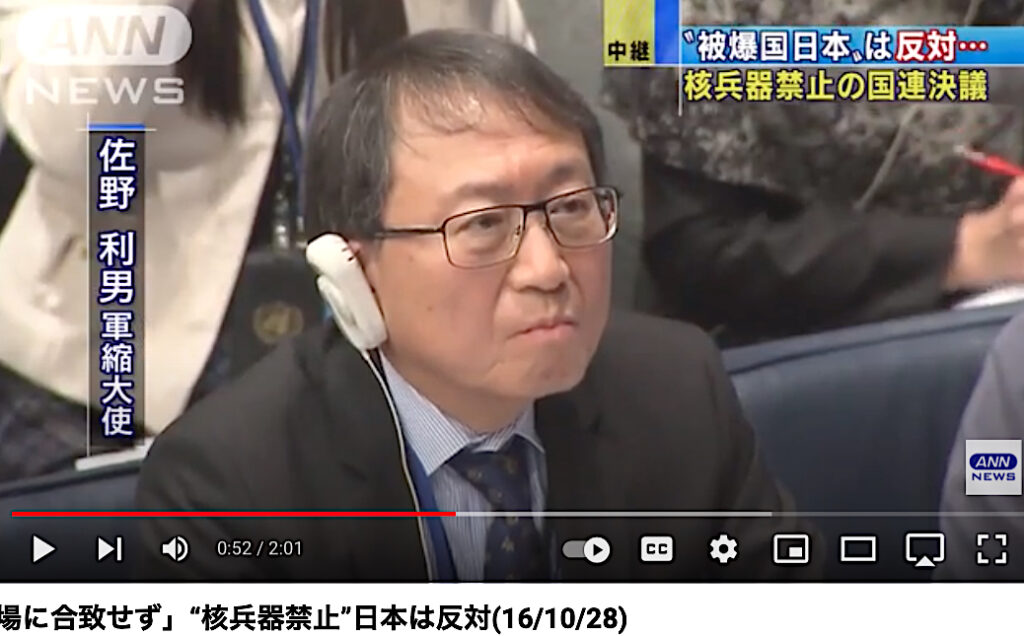
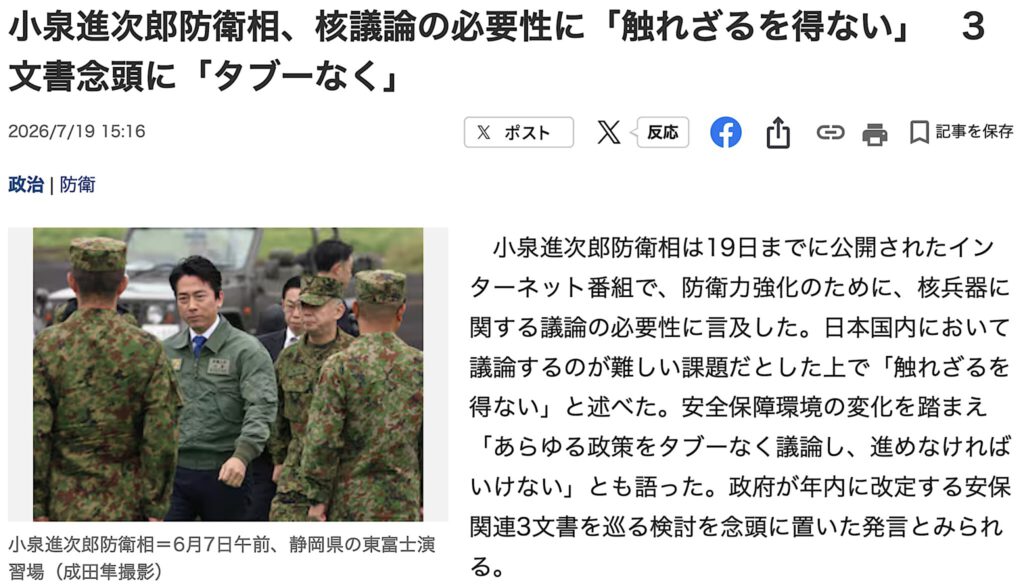
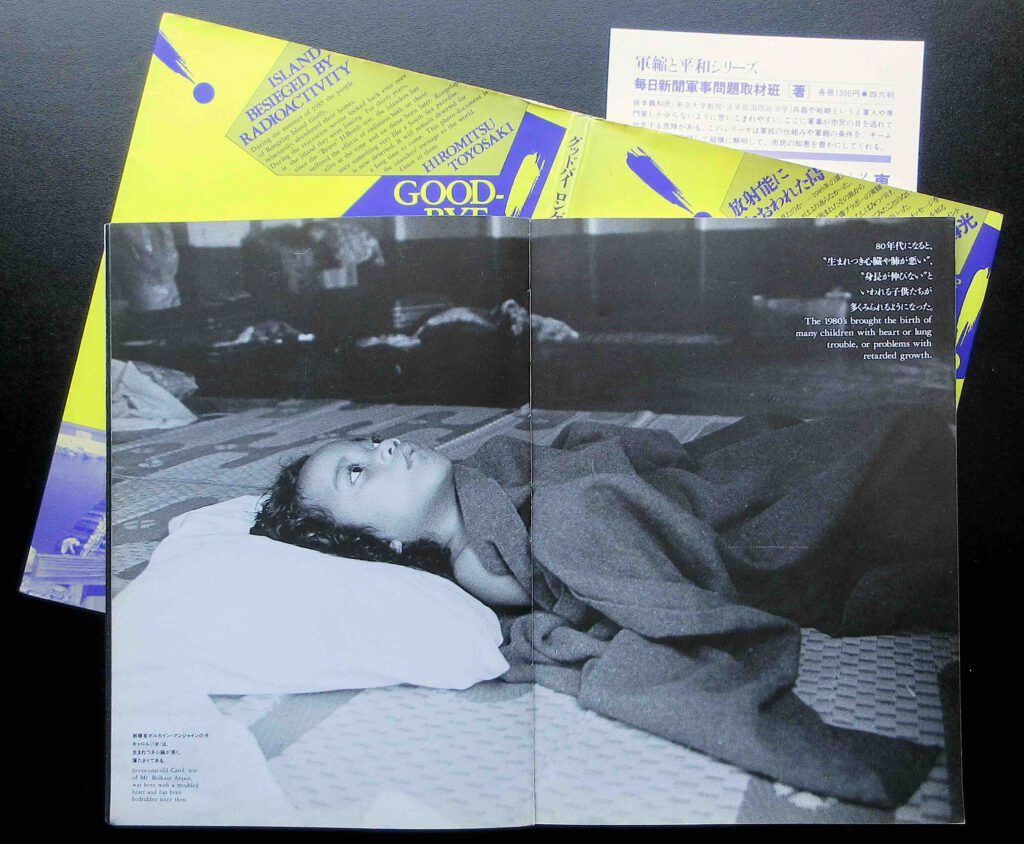
我が国にっぽんは「被爆者だらけ」。2026年8月1日にNHK Eテレで放送された被爆者関連の番組は、ETV特集「二重被爆 ―知られざる163人の運命―」を見ましたよね。The situation is under controlを覚えていますよね。小泉進次郎防衛相は2026年7月19日までに公開されたインターネット番組で、防衛力強化のために、核兵器に関する議論の必要性に言及した。国連では「核兵器禁止条約」を反対したにっぽん。日本の国家理性が「非核三原則」から徐々に逸脱し、原子力発電所や核兵器の輸出を通じて核関連大国へと変貌しつつあることは明らかです。このまま自民党に投票し続けるのであれば、後になって不満を言うべきではありません。
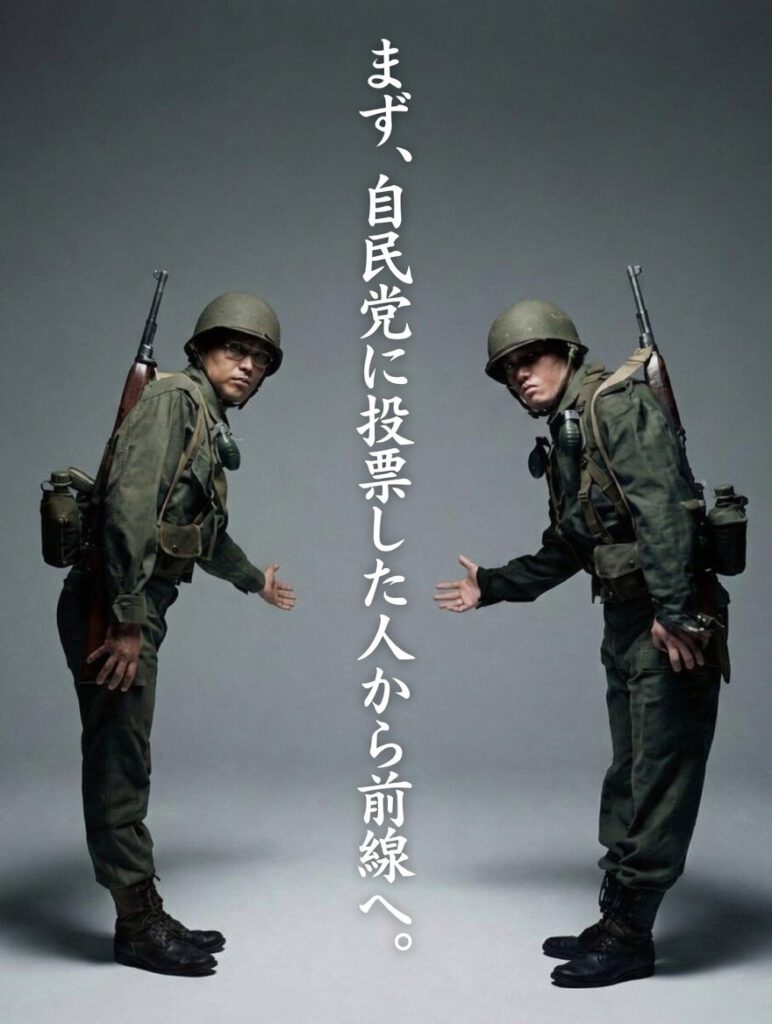
up-date 9/11
皇紀2686年:にっぽんの核保有国への道。 (3)
Year 2686 of the Japanese Imperial Era: Japan’s Path to Becoming a Nuclear Power. (3)
https://art-culture.world/politics/japan-nuclear-power-3/
end of up-date
実のところ、人類は真に人間らしい状態に到達するどころか、すでに野蛮な状態へと転落してしまっている。プーチン、習近平、トランプといった人物をその旗手として。
そういう意味では、8月6日の広島、あるいは8月9日の長崎で、あの馬鹿な首相・サナエが述べる偽善的な演説に対して、怒りや憤りを感じるのも無理はないだろう。
東京、令和8年8月4日
亜 真里男
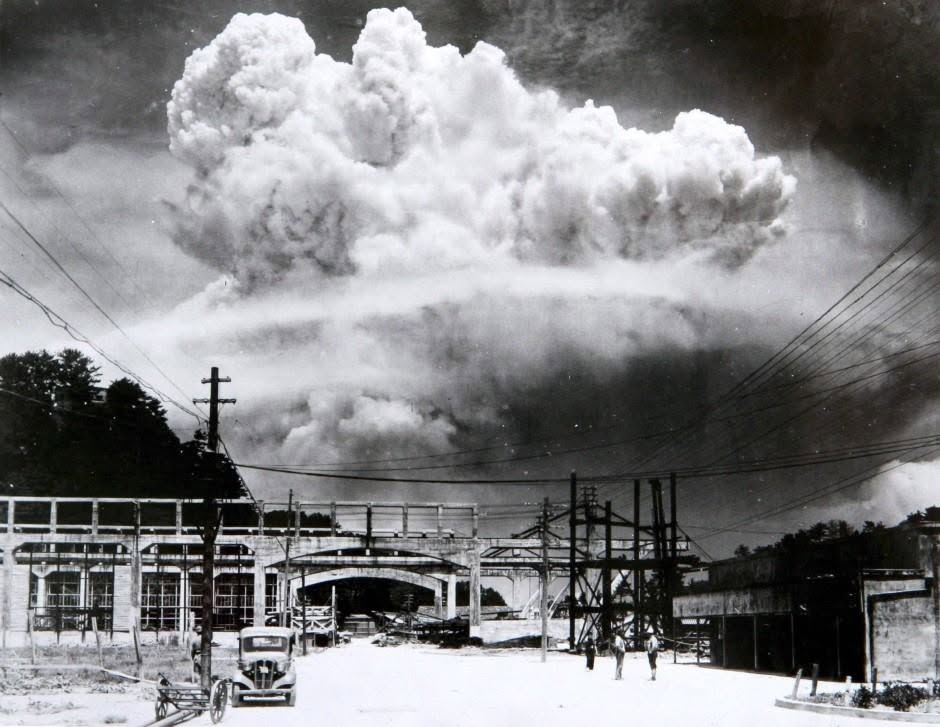
-1024x683.jpg)
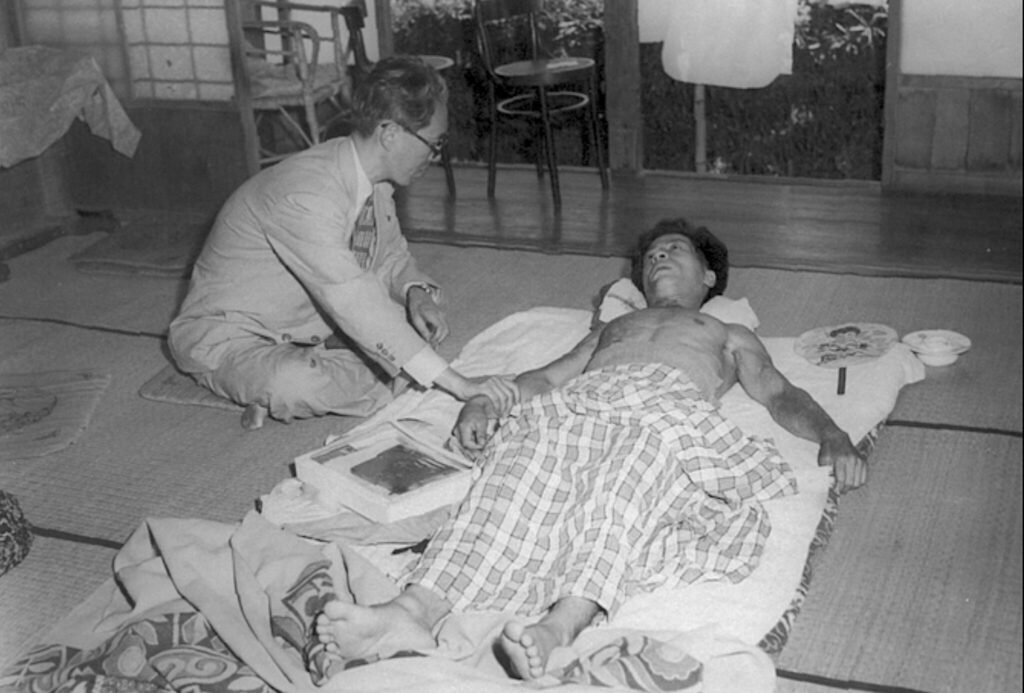
を診る朝長さんの父、正允さん(長崎市永井隆記念館提供)-1024x727.jpg)
=1989年9月16日、長崎市の平和公園-706x1024.jpg)
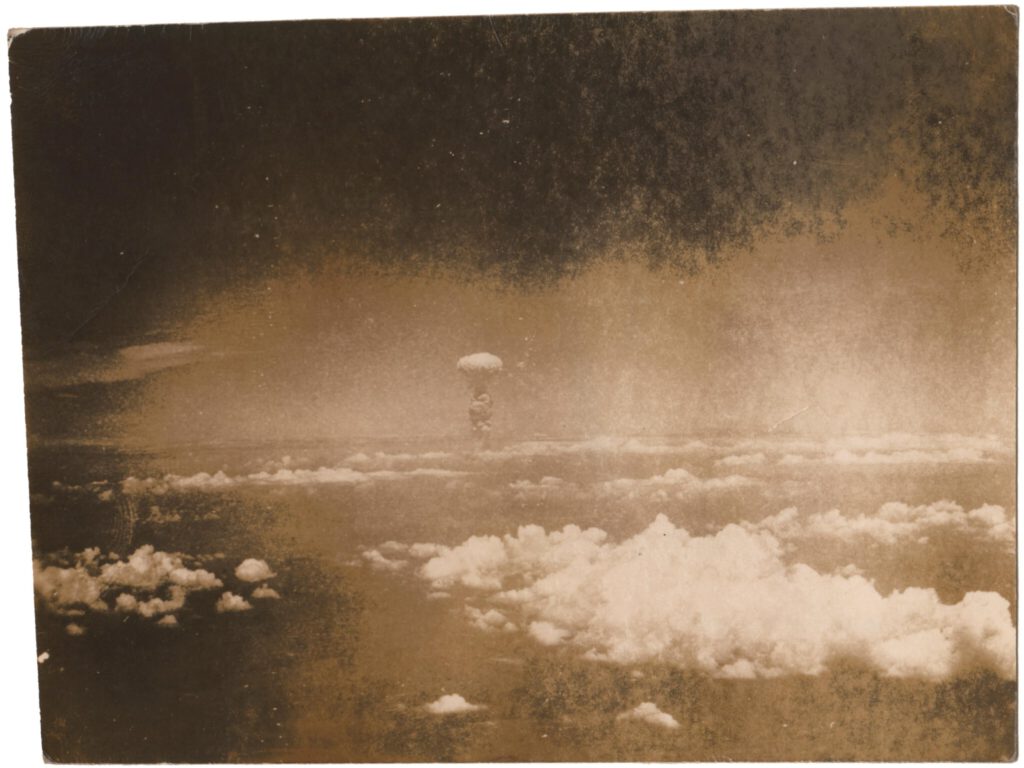
Japan is “full of atomic bomb survivors.” You probably watched the program about atomic bomb survivors that aired on NHK E-Tele on August 1, 2026—the ETV Special “Double Exposure: The Unknown Fates of 163 People.” You remember the phrase “The situation is under control,” don’t you? In an online program released by July 19, 2026, Defense Minister Shinjirō Koizumi mentioned the need for discussion regarding nuclear weapons in order to strengthen Japan’s defense capabilities. At the United Nations, Japan opposes the “Treaty on the Prohibition of Nuclear Weapons.” It is clear that Japan’s “Staatsraison”/National Rationality is gradually deviating from the “Three Non-Nuclear Principles” and transforming the country into a major nuclear power through the export of nuclear power plants and nuclear weapons. If you continue to vote for the Liberal Democratic Party as things stand, you shouldn’t complain later.
In fact, far from reaching a truly humane state, humanity has already fallen into a state of barbarism, with figures like Putin, Xi Jinping, and Trump leading the way.
In that sense, it is only natural to feel anger and indignation at the hypocritical speech that idiotic Prime Minister, Sanae, delivers in Hiroshima on August 6 or Nagasaki on August 9.
Tokyo 4th of August 2026
Mario A
Refer to 参考へ:
TESTIMONIES OF THE ATOMIC BOMB SURVIVORS
「忘られぬあの日・私の被爆ノート」の英訳プロジェクトの参加者により、私の被爆ノートの英訳を公開しています。(日本語版「私の被爆ノート」はこちら)
https://www.nagasaki-np.co.jp/feature/peace-site/hibaku-note-en/
「戦前の今」 (2) 。神道 (天皇のために殺せ!) の靖国神社崇敬奉賛会会長 安倍昭恵や高市早苗首相 (日本人として当たり前) : 靖国神社参拝をしましょう!
“Pre-war era” (2). SHINTO (Kill for the TENNO!) Yasukuni Shrine Reverence and Support Association Chairperson ABE Akie and Prime Minister TAKAICHI Sanae (“As a Japanese person, it’s only natural”): Let’s visit and pray at the Yasukuni Shrine!
https://art-culture.world/jp-society/japan-war-shinto-tenno/
2024年ノーベル平和賞に日本被団協 核兵器廃絶訴え
Nobel Peace Prize 2024 awarded to the Japanese Organisation “Nihon Hidankyo”, the Grassroots Movement of Atomic Bomb Survivors (HIBAKUSHA)
https://art-culture.world/articles/nobel-peace-prize-2024/
皇紀2686年:にっぽんの核保有国への道。 (1)
Year 2686 of the Japanese Imperial Era: Japan’s Path to Becoming a Nuclear Power. (1)
https://art-culture.world/politics/japan-nuclear-power-1/
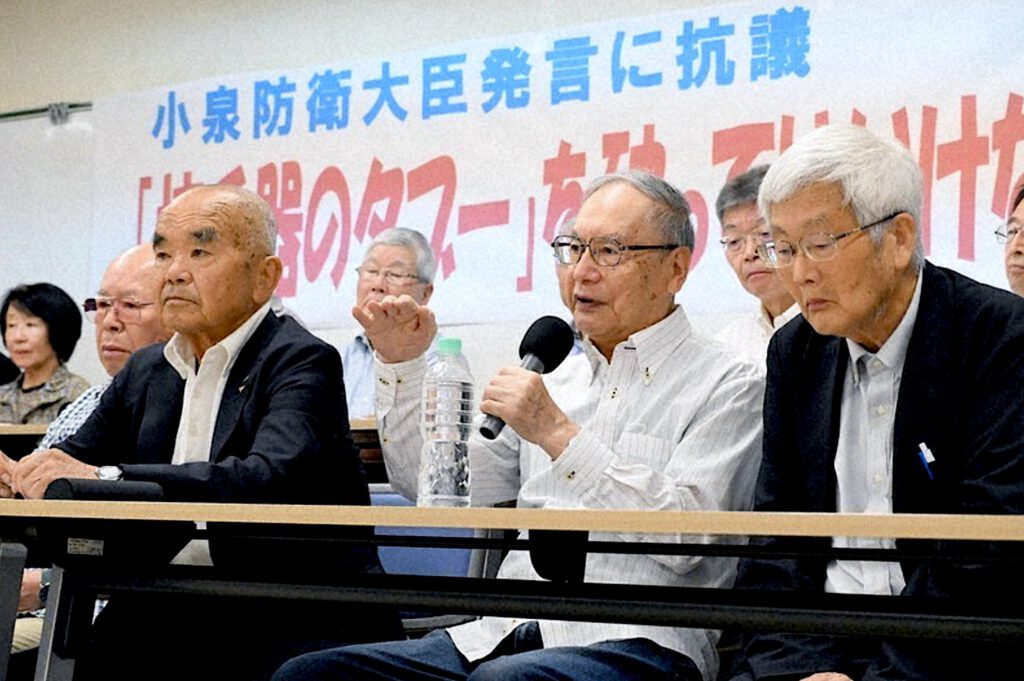
小泉防衛相の発言 非核の理念軽んじている
毎日新聞 2026/8/7
マイクを持ち、小泉進次郎防衛相の発言に抗議する被爆者の山川剛さん(中央)ら=長崎市岡町で2026年8月4日午前10時7分、尾形有菜撮影
「核なき世界」を目指す理念を軽んじていないか。
小泉進次郎防衛相が核兵器について「あらゆる政策をタブーなく議論し、進めなければいけない」と述べた。政府が年末に予定する安全保障関連3文書の改定で、非核三原則の見直しが議題となる可能性がある。
フランスが核戦力を増強し、フィンランドが核兵器の持ち込みを認めるなど、ロシアによるウクライナ侵攻後の欧州情勢を受けての発言だ。被爆者団体から批判され、「一般論だ」と釈明した。
日本が核保有を目指すのではないかとの疑念を国際社会に与えかねない。自衛隊を統制する防衛相として軽率のそしりを免れない。
そもそも高市早苗政権は、核軍縮に腰を据えて取り組む姿勢に乏しい。昨年、官邸幹部が個人的見解として「日本は核保有すべきだ」と記者団に語った際、高市首相は辞任を求めなかった。
首相は「核兵器を持たず、作らず、持ち込ませず」という非核三原則のうち「持ち込ませず」の見直しを持論としている。6日の広島での記者会見でも、将来にわたって三原則を堅持するか明言しなかった。
与党である日本維新の会も、「持ち込ませず」の見直しを含む「現実的検討」を政府への提言で求めている。米国が2030年代に潜水艦の核戦力強化を目指していることを踏まえたものだ。
大国による核軍拡の動きが強まる中、安全保障政策の検証は必要だろう。しかし、核への依存を強めたからといって、日本の安全が担保されるわけではない。かえって周辺国の警戒を招き、地域の緊張を高める恐れがある。
日本は唯一の戦争被爆国として非核三原則を掲げ、核廃絶を追求してきた。1967年に当時の佐藤栄作首相が国会で表明し、71年の衆院本会議では全会一致で順守が決議された。国民の反核意識は強く、国是として定着している。
見直しは、平和国家としての歩みを後退させ、日本への信頼を損なう。被爆者の思いもないがしろにするものだ。
惨禍を身をもって知る日本は、核廃絶を粘り強く訴えるべき立場にある。その責任を忘れてはならない。
https://mainichi.jp/articles/20260807/ddm/005/070/086000c
Editorial: Defense Minister Koizumi’s remarks trample on Japan’s nonnuclear principles
August 7, 2026 Mainichi Japan
Defense Minister Shinjiro Koizumi recently spoke on the subject of nuclear weapons, saying, “Japan must debate all policy measures without taboo and advance them.” As the government plans to revise three key national security documents by the end of the year, it is likely that a review of Japan’s three nonnuclear principles will be a topic for discussion.
Isn’t Koizumi downplaying Japan’s principles of aspiring for a “world without nuclear weapons”?
His remarks came in response to the situation in Europe following Russia’s full-scale invasion of Ukraine, such as France boosting nuclear capabilities and Finland allowing nuclear weapons to be brought into the country.
Faced with a backlash from atomic bomb survivors’ groups, Koizumi explained that he was speaking “in general terms.”
Yet his comment in question could raise suspicions in the international community that Japan may seek to possess nuclear weapons. As a defense minister who has control over the Japanese Self-Defense Forces, Koizumi cannot escape criticism that his comments were ill-considered.
The administration of Prime Minister Sanae Takaichi, to begin with, lacks efforts to sit down and address nuclear disarmament. Last year, a senior official of the prime minister’s office personally told reporters that “Japan should possess nuclear weapons,” but Takaichi did not demand their resignation.
It has been Takaichi’s pet theory to review the “non-introduction” principle among Japan’s three nonnuclear principles of “not possessing, not producing and not permitting the introduction of nuclear weapons into its territory.” At a press conference held in Hiroshima on Aug. 6, the 81st anniversary of the U.S. atomic bombing of the city, Takaichi stopped short of clarifying whether the government will maintain the three principles in the future.
Nippon Ishin (the Japan Innovation Party), the junior coalition partner of the ruling Liberal Democratic Party headed by Takaichi, has also demanded that the government give a “realistic consideration” to the three principles including a review to the “non-introduction” policy. This was in light of the United States seeking to enhance submarine-based nuclear capabilities in the 2030s.
As the nuclear arms race intensifies among major powers, it may be necessary to examine Japan’s security policy. But even if the country increased its reliance on nuclear arms, it does not necessarily guarantee Japan’s security. Such a move could provoke wariness among surrounding nations and heighten regional tensions.
As the world’s only country to have suffered atomic bombings in warfare, Japan has upheld the three nonnuclear principles and has pursued nuclear weapons abolition. The three principles were announced by then Prime Minister Eisaku Sato in 1967, and adherence to the principles was unanimously passed during a House of Representatives plenary session in 1971. Public sentiment against nuclear weapons persists in Japan, and the three principles have taken root as a national policy.
Revising the three principles will reverse Japan’s path as a pacifist nation and undermine trust in the country. It will also trample on the feelings of atomic bomb survivors, or hibakusha.
Having experienced the calamities of nuclear attacks, Japan is in the position to tirelessly call for eliminating nuclear weapons. The country must not forget that responsibility of its own.
https://mainichi.jp/english/articles/20260807/p2a/00m/0op/010000c
「Victory over Japan Day」 「対日戦勝記念日」 「終戦の日」:どちらが正しい? 石破首相 千鳥ヶ淵戦没者墓苑で献花 対 高市早苗 元内閣府特命担当大臣 (クールジャパン戦略) 靖国神社に参拝「日本人として当たり前」
Yasukuni Shrine 靖国神社 vs. 対 千鳥ヶ淵戦没者墓苑 Chidorigafuchi National Cemetery
https://art-culture.world/politics/chidorigafuchi-national-cemetery/
日独伊三国同盟:1945年5月8日、欧米全土が祝賀ムードに包まれていたにもかかわらず、にっぽん人は「天皇のために殺せ!」と叫び続けた
Tripartite Pact between Japan, Germany, and Italy: On May 8, 1945, while the entire Western world was enveloped in a celebratory mood, the Japanese continued to shout, “Kill for the TENNO!”
https://art-culture.world/politics/kill-for-the-tenno/
HIROSHIMA-NAGASAKI @ IG Summer 2025
Côte d’Azur + Mediterranean Sea
https://art-culture.world/pop-culture/cote-dazur/
皇紀2686年8月6日のアップデート:
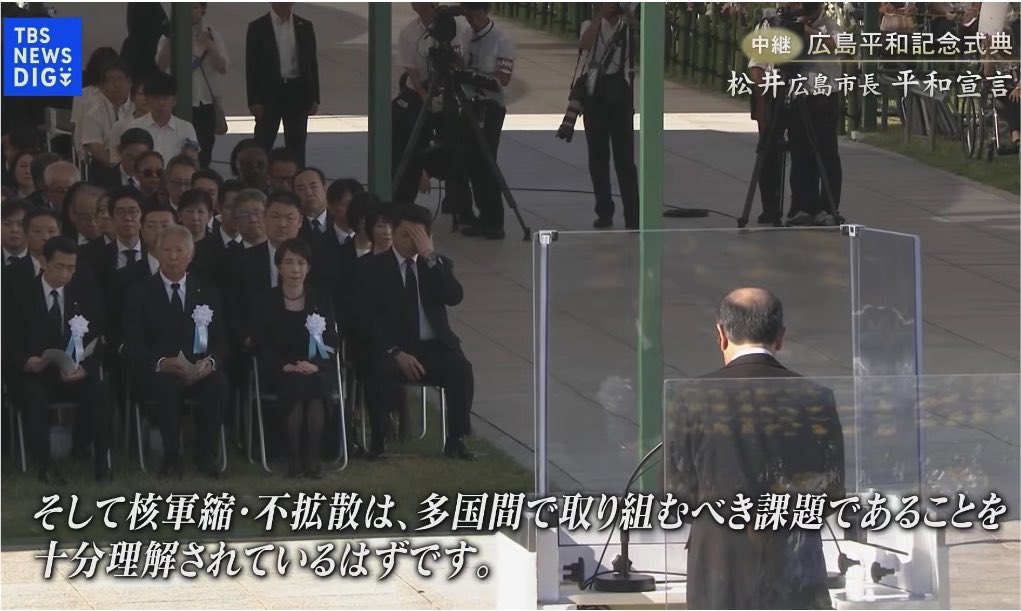
It should be fully understood that nuclear disarmament and non-proliferation are issues that must be addressed through multilateral efforts.
平和への誓い【全文】
平和への誓い
もしも「大切なもの」が一瞬で消えてしまったら、どんな気持ちになるのでしょうか。
私たちが笑い合っているときにも、尊い命が失われている現状があります。
今もどこかで、当たり前の日常がうばわれています。
ぼろぼろになった制服。
黒く焦げたお弁当箱。
それは、当たり前の毎日を生きていた証です。
昭和20年(1945年)8月6日、午前8時15分。
たった一発の原子爆弾が、人々の暮らしを、人生を地獄に変えました。
髪は焼けちぢれ、全身の火ぶくれが破れ、火傷した皮膚が垂れ下がった人々。
「痛いよ。苦しいよ。」
「助けて、お母さん。」
「死にたくない。」
「助けてあげられなくてごめん。」
死んでしまうつらさ、生き続ける苦しみは、想像することさえ恐ろしいことです。
私たちには、被爆体験を直接聴くことができる最後の世代として、
当時の記憶を事実として受け止める使命があります。
目をそらさず、知ろうとすること。
悲しい現実でも向き合うこと。
そこには、「生きたかった人々」、「生き続けた人々」の思いがあります。
私たちには、広島のこどもとして、行動する責任があります。
相手の気持ちを想像し、意見の違いがあっても認め、受け止めること。
平和への思いを、自分なりの方法で表現すること。
一人一人の小さな行動が、平和への後押しとなります。
平和とは、誰かからあたえられるものでなく、世界中の人々で創り上げるものです。
こどもである私たちも、その一員として平和への一歩を踏み出します。
かけがえのない「大切なもの」を、確かな希望を、未来へ届けるために。
令和8年(2026年)8月6日
こども代表
広島市立高須小学校6年 柿崎由宇
広島市立高南小学校6年 河野和希
広島県 知事あいさつ【全文】
知事あいさつ
被爆81年を迎えるにあたり、原爆犠牲者の御霊に、広島県民を代表して謹んで哀悼の誠を捧げます。そして、今なお、苦しみの絶えない被爆者や御遺族の皆様に、心からお見舞いを申し上げます。
水辺に囲まれた、美しい広島のまち。81年前、原爆投下による凄惨な現実がここにありました。強烈な威力は、一瞬にして多くの人々を焼き、建物や生活基盤を破壊し、太陽を遮りました。その年のうちに14万人の方が亡くなり、その後も多くの方々が命を落としました。
生き延びた被爆者も、受けた傷や放射線による影響、そして心の傷を抱えながら、苦しみ続けておられます。昨年の被爆80年に、「戦争がどんなに悲惨なものか、子供たちにどうしても知ってほしい」と、初めて言葉を絞り出した被爆者。「生き残ったことも地獄」と多くの方々が、語ろうにも語れない体験をされてきました。
被爆者の言葉、そして声にならない思いに、私達は真摯に耳を傾けなければなりません。
核兵器により全ての人を傷つけ、全てのものを破壊することに、何の意味があるのでしょうか。
核抑止力への依存が、今なお、世界の安全保障政策において大きな位置を占めていることに、悲しみと怒りを感じざるを得ません。核による脅し、先制攻撃も厭わない考え方、それによる核武装の強化が核兵器使用のリスクを高めています。核抑止は核兵器を使用することを前提にしない限り成り立たず、各国の不信や軍拡競争を助長し、世界を不安定化させるという根本的な矛盾をはらんでいます。核抑止力を求めること自体が新たな戦争を引き起こしている現実を直視し、核抑止から脱却すべきです。
人は皆、平和に安全に生きたい。その願いは人類共通のものです。私たちは対立を超えて助け合い、共に豊かになる道を歩むことはできないのでしょうか。
ある被爆者は「終戦直後、あのときほど人々の優しさ、温かさを感じたことはありません」と語っています。
原爆投下直後から、救援のために多くの人々が広島市内に入り、自ら被爆しながらも廃墟の中にあって、失われた命や九死に一生を得た人々に寄り添い支えました。人間同士が支え合う精神が信頼と希望の灯を点し、復興を前に進め、今のこの広島があります。
今、世界に求められているのも、対立や暴力ではなく、信頼と協力によって平和を築いていく、この精神です。
不信と憎悪を乗り越え、国家間だけでなく、人と人とのつながりにより、対話と協力による安全保障を実現し、誰もが人間らしく暮らしていける世界を築いていくために、世界のあらゆる叡智を集めなくてはなりません。
今年亡くなられた被爆者・森重昭さんは、「原爆の悲劇に国境はない」と訴えられました。核兵器が傷つけるのは、特定の国民ではありません。そこに生きるすべての人々、そして未来の世代までも深く傷つけます。
人類と核兵器は、共存できません。
核兵器を無意味なものに変える行動を世界のリーダーに、そして世界の皆さんに求めます。
核兵器を廃絶するために、共に行動していきましょう。広島県は、これからも被爆地の声を世界に届け、核兵器のない平和な世界の実現に向けて行動し続けていく事をここにお誓い申し上げ、平和へのメッセージといたします。
令和8年(2026年)8月6日
広島県知事
横田美香
https://news.web.nhk/newsweb/na/na-k10015197811000
被爆者たちはなぜ原爆ドームを残したのか
2026年8月6日 11:50
NHKスペシャル
大やけどで顔に深い傷を負った14歳の少年。
ケロイドが残った顔を受け入れられない自分と、崩れ落ちそうな原爆ドームの姿を重ねてきました。
それでも、少年は原爆ドームを残すことを望み、活動を続けます。
平和への願いを託した被爆者の思いとは。
NHKスペシャル「無言の証言者 原爆ドームが背負う“戦争”」
8月6日 午後10:00放送
NHKONEで8月13日 午後10時45分まで配信
「それは私のケロイド」 森下弘さんの葛藤
かつて、原爆ドームの保存をめぐっては激しい議論がありました。
戦後、復興していく広島の街で、放置されたままの原爆ドームは壁に亀裂が入り、レンガがはがれ落ちるなど倒壊の恐れがありました。
そうしたなか、複雑な思いを抱えながら、保存活動を続けてきた1人が森下弘さん(95)です。14歳のときに被爆し大やけどを負った森下さんは、戦後まもなく1篇の詩を詠みました。
ドーム
それは私のケロイド
逃れられない桎梏(しっこく)
壊したいけど
壊されない
世界が崩れるから
当時、ケロイドが残った自分の顔を受け入れることができなかった森下さんは、ドームを見て自分を重ねたと言います。
森下弘さん
「ドームを象徴として残すことが必要なんだと自分で認識できるまでは、こんな嫌なもの、怖いものはないほうがいいという思いはずっとありましたね。自分の体も一応回復はしてるけども、やっぱりケロイドやいろいろな傷を残している。ドームを見て、(自分と)重ねたわけですね」
14歳の少年に刻まれた深い傷。崩れ落ちそうな原爆ドームはあの日の惨禍を呼び起こす存在でもありました。
「広島の街はきれいに復興しているけど、ドームの前を歩いていたら、あの日亡くなった人に呼び止められる気がする。いろんなことを思い出さざるをえない。ドームを、なくしたい、何とかしてしまいたい。ドームの姿を見て、みんないろんなことを思ったわけです」
その後、父親になった森下さんは葛藤を乗り越え、子どもたちに同じ思いをさせてはならないと、原爆ドームの保存活動、その後の世界遺産登録に向けた活動にも参加していきました。
「原爆によってもたらされた惨害の実態、そういうものはいつまでも残しておきたい。みんなが立ち上がって、ドームを残してほしいという願いを何年か続けて、やっと初めてその願いに日が当たり始めたんです」
16歳の被爆者が遺した言葉
原爆ドームの保存か解体かをめぐる議論が停滞していた当時、世論が変わるきっかけとなったのは、ひとりの被爆者が遺した言葉でした。
1歳で被爆し、白血病のため16歳で亡くなった楮山ヒロ子さんは、亡くなる前年の1959年8月6日、日記にこう残しました。
「あの痛々しい産業奨励館だけが、いつまでも恐るべき原爆を世に訴えてくれるだろうか」
この切実なメッセージに心を動かされた人々が、原爆ドームを残そうと動き出します。
阿部静子さんの祈り
署名活動やカンパが始まり、その輪の中に18歳で被爆した阿部静子さん(99)もいました。
阿部さんもまた右半身に重いやけどを負い、顔や手にケロイドが残りました。
阿部静子さん
「高熱で焼けたから焼け跡がいつまでも赤かったです。『赤鬼、赤鬼』言うてね、はやしたてられました。長男が生まれたとき、少年たちが『おーい、あんなでも、子ども産んだんで』とからから笑いました。何度も、死にたい死にたいと思っておりました」
この頃、被爆の実態は十分に伝わっておらず、被爆者は差別や偏見にさらされていました。
当時、被爆者は「公園のハトくらいの地位」だったと阿部さんは振り返ります。
「あの頃、被爆者は短命だと言われて、どんどん亡くなっていかれました。私らが亡き後、原爆がいかに恐ろしいか、残骸だけになったドームがみなさんに示してくれるだろう。そういう風な気持ちでいつも、ドームを見上げておりました」
ヒロシマを忘れれば、また悲劇は繰り返される。
保存を訴える声におされ、1966年、広島市は保存を決議。
被爆者たちは葛藤を乗り越え、原爆ドームを残すと決めたのです。
「建物は喋らなくても、見たらわかる」山田寿美子さんが託す思い
被爆者たちが葛藤を抱えながら守り継いだ原爆ドームを世界に伝えていくために。
1992年、広島市で原爆ドームの世界遺産登録に向けた動きが始まります。冷戦が終結し、核軍縮への機運が高まっていた頃でした。
翌年から始まった署名活動に応じた1人が、2歳で被爆した山田寿美子さん(83)です。
被爆から80年以上がたつ今も、山田さんは「原爆ドームのほうにあまり行きたくない」と言います。
山田寿美子さん
「どうしてもね、つながっていくんですよ。あの川と、原爆ドームと父が。姉が何日も探したけど見つからなかったわけです。遺体がないんだったら、父は川へ飛び込んでそのまま浮かび上がれず亡くなったのかな、苦しかっただろうな、熱かっただろうなと思ったりします」
原爆で両親を失った山田さんは、幼少期に親戚の家を転々としました。
「1人でいたら昔の自分を思い出す、辛くなってくるわけです。次、誰が引き取る、その次は誰とか、親類の人たちが集まって決めるわけです。決まったら私は風呂敷包みを持ってまた次の家に引き取られるって…」
「列車から飛び降りて自殺ができたら…」
生きづらさの中で、思い詰めることもあった山田さん。
自分と同じような苦しみを味わってほしくないと、原爆ドームに思いを託しました。
「原爆ドームそのものは被爆者の思いが詰まっているところだと思います。あの建物は喋らなくても、見たらわかるじゃないですか。見ると辛くなるけど核兵器の存在そのものを否定していかないといけない。そのためにはあの建物が必要だと思うんです」
“夫が生きた証を残したい”園田トク子さん
原爆ドームの世界遺産登録に向け、広島から始まった署名活動は全国に広がっていきました。
徳島で活動にあたったのが園田トク子さん(2010年に死去・享年98)です。トク子さんの夫・國雄さんは、戦時中、産業奨励館(現在の原爆ドーム)で働いていました。
8月6日は、空襲による延焼を防ぐために行われていた建物の取り壊し作業中に被爆しました。
夫が被爆したという知らせを受け、トク子さんが広島に駆けつけたとき、國雄さんはすでに小さな木箱の中で遺骨となっていました。
亡くなる直前、國雄さんが病床で書いた妻・トク子さんへの遺書が残されています。
十五・六日迄は元気は少々あったがもう今となってユイゴンも感がへる事も又次々に書く事も出来ない
小生も四十二才で一生を終った
お前が来る迄持っているか分からない
まだ書きたい
とく子、ここに 子供をたのむ
(原文ママ)
「私の来るのを待っていたと聞かされて、自分の至らなさが恥ずかしゅうございました。顔は腫れ血をはいて、いよいよ助からないことを知り、私あての遺書がしたためてありました」(トク子さんの手記より)
夫が生きた証を残したい。
トク子さんは団地を1軒1軒まわり、150人分の署名を集めました。
娘の幸子さんと息子の寛さんは、母の思いを代弁します。
幸子さん
「自分の務めだと思って一生懸命したんだと思います。私も言われたときに、絶対(世界遺産登録するべき)やわと言って署名しました」
寛さん
「原爆ドームがなくなって年数がたったら、あったことまで全部忘れるからね。それは許せなかったんだろうと思いますよ。(原爆ドームは)自分の主人が勤めとったとこやからね」
全国から集まった署名は165万筆。
国会へと届けられ、世界遺産登録へ向けて政治も動き出しました。
原爆ドームが私たちに問いかけるもの
原爆ドームが世界遺産に登録されて30年。世界は再び核への依存を強化しようとしています。
かつて原爆ドームの保存を訴えた阿部静子さんは言います。
阿部静子さん
「モノも言えないドームですが、さぞ心の中では残念がっておられると思います。みんな争いあって核兵器を掲げて。ドームは話ができないから黙って立っておられますが、もし言葉を発せられたら、今の世の中、残念、なさけない、核兵器をどう思うとるんだろうか。こんな危険なもの。何より、何より核の廃絶が一番大事だと思っております。どうぞ私どもに代わって、世界にその核兵器の恐ろしさを訴えてください。被爆者の遺言です」
被爆者の森下さんは今も核兵器廃絶を訴え、自らの体験を語り続けています。
森下弘さん
「ドームという惨禍、犠牲を払った結果を見て、こういう醜い状態になるんだよと。今の国際情勢がどう変わろうと、核自体が存在することはあってはいけない。核がなくなるまで、ずっと訴え続けてほしい」
30年前、登録を機に森下弘さんがしたためた一篇の詩を紹介します。
お帰りなさいドーム
あの日 旅立った魂や
子供たちが“ドームを残してください”と街頭に立った
20世紀のたそがれから
今、射し始めた“ねがい”
21世紀の子供たちに平和あれ
https://news.web.nhk/newsweb/na/na-k10015195841000
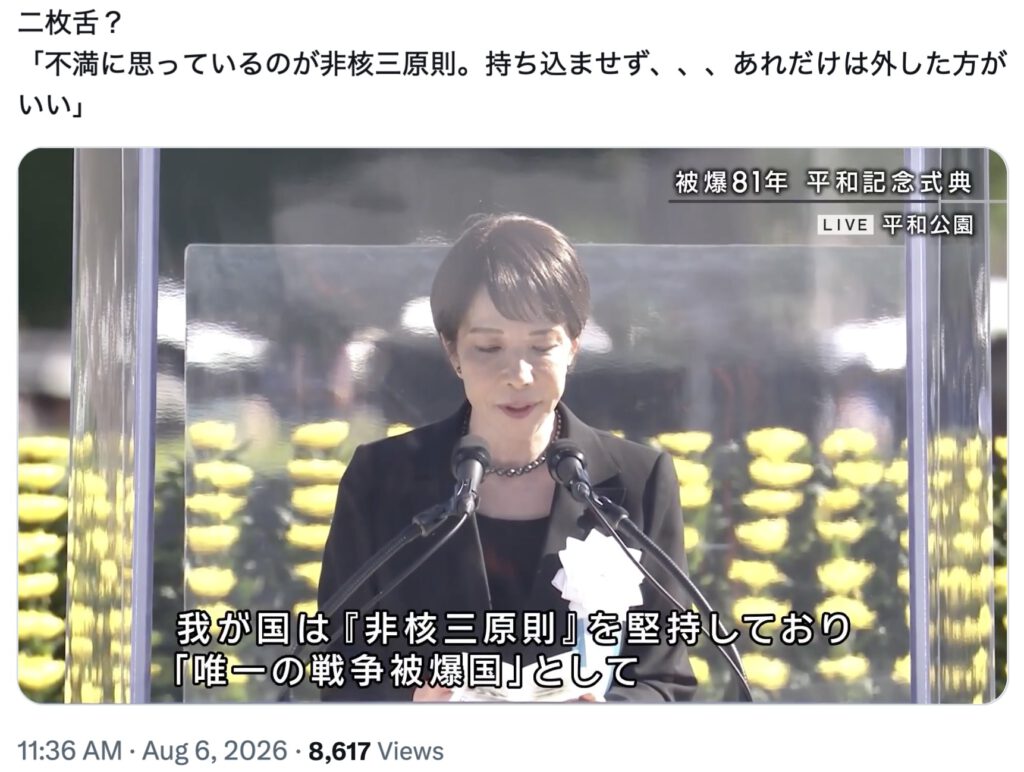
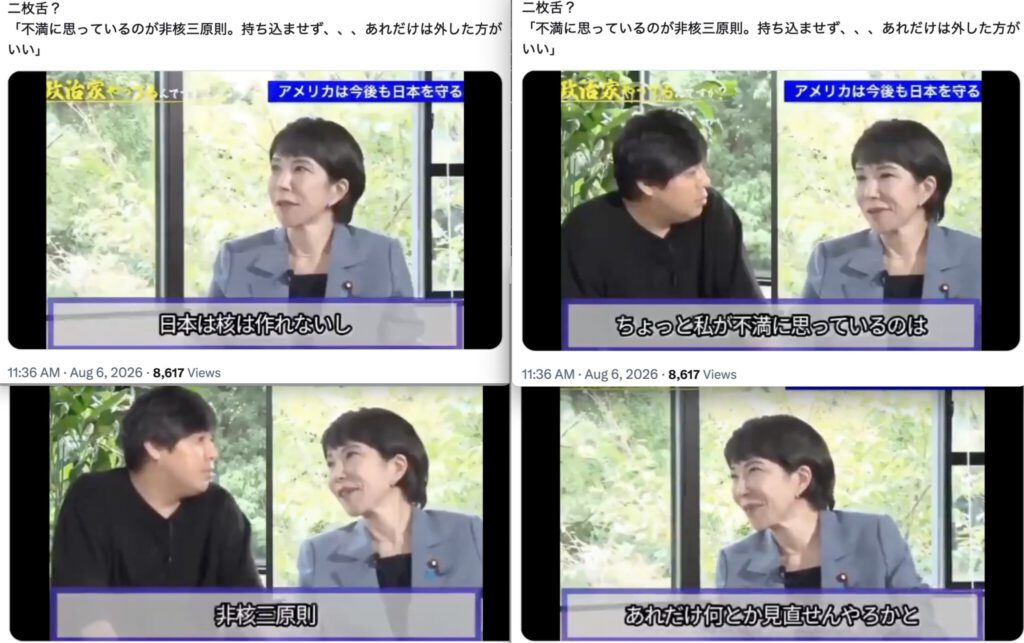
二枚舌?
「不満に思っているのが非核三原則。持ち込ませず、、、あれだけは外した方がいい」
Double-tongued?
“I’m dissatisfied with the Three Non-Nuclear Principles. Don’t allow them in… that part should be cut out.”
https://x.com/tanbo_kaelu/status/2085193204618633564
https://x.com/t2PrW6hArJWQR5S/status/2085161874489036911
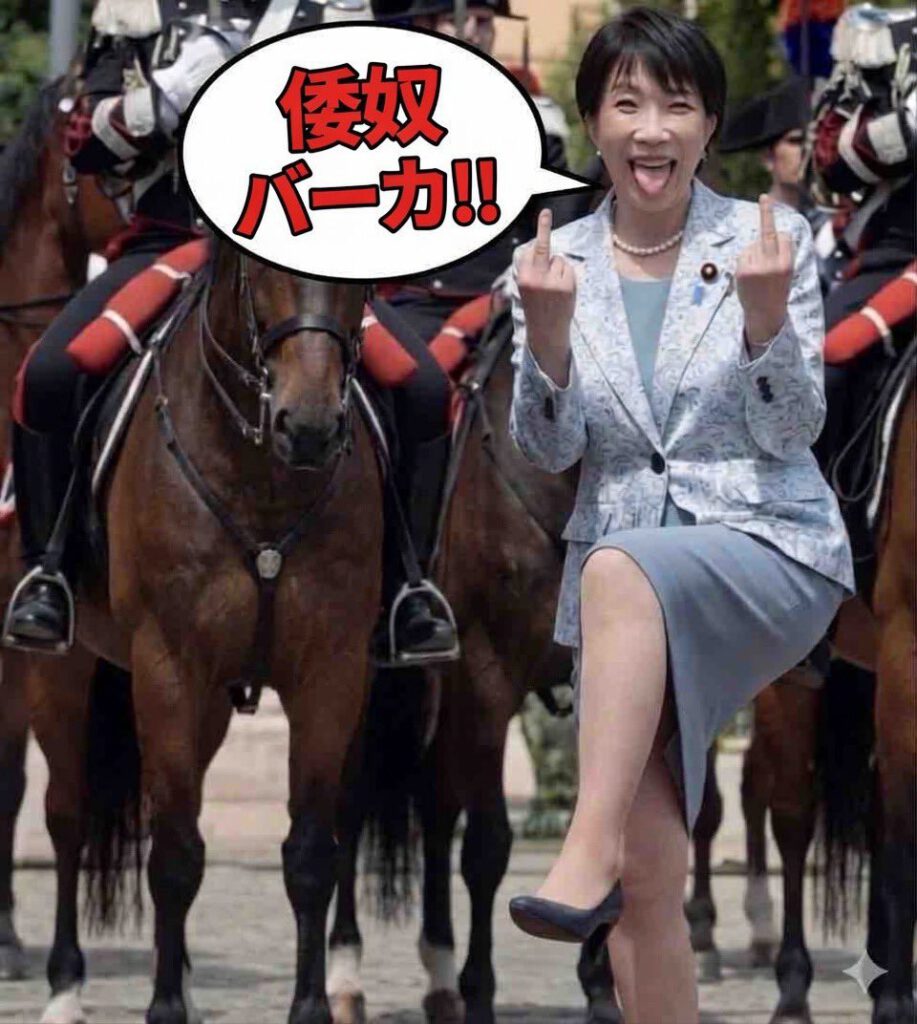
Meaning of “倭奴バーカ”:
In English, 倭奴 (pronounced Wōnú in Chinese or Wano / Wadono in Japanese) is historically translated as “dwarf slaves” or “the Wo slaves/servants,” functioning as an ancient, pejorative Chinese exonym for the Japanese people.
Historical Context and Meanings
Wo (倭): An ancient Chinese name used to refer to Japan or Japanese people, historically carrying demeaning connotations meaning “dwarf” or “submissive”.
Nu (奴): Literally translates to “slave” or “servant”.
Nu State Nuance: In specific archaeological contexts—such as the famous King of Na gold seal given by the Han Dynasty in 57 AD—the character 奴 (Nu) actually referred to the specific Na (奴国, Nakoku) state/region in ancient northern Kyushu rather than literal slavery. However, later Chinese dynastic texts and writings often used Wonu as a derogatory blanket term implying Japan was a subject or subservient land.
BAKA バーカ = idiot.
2026年8月10日アップデート:
令和8年 長崎平和宣言
長 崎 平 和 宣 言
1945年8月9日、米軍機が投下した一発の原子爆弾は一瞬にして長崎のまちを破壊し、その年の終わりまでに人口の3分の2にあたる15万もの人々が死傷しました。
13歳で被爆した故・𠮷田勝二さんは、地獄のような惨状をこう語っています。
爆心地の方に向かうと黒焦げで炭化した人、目が飛び出ている人、内臓が飛び出した人、手足がない人たちが右往左往していた。浦上川にたどり着くと、ここも焼けただれた多くの人が、油と血と汚れた水、その水を飲みながら次々に亡くなっていった。私は、全身血だらけ、皮膚は剥がれ体の下の方にだらりとぶら下がっていた。顔も皮膚は付いていたものの、どす黒く焼け焦げていた。
𠮷田さんの顔には生涯消えることのない大きな火傷の痕が残り、周囲からの視線に苦しみ続けました。辛うじて死を免れた人々も、心身に深い傷を負い、放射線の影響でがんなどが発症することへの不安と恐怖を一生抱え続けています。
今、地球上に存在する核弾頭は、1万2千発以上。
なぜ、これほど残酷な兵器に固執する国があるのでしょうか。
国際社会に蔓延する相互不信と対立・分断を背景に、大国の「力による支配」が横行しています。核保有国が当事者となったウクライナや中東の紛争も未だ予断を許さない状況です。さらには、核兵器の近代化や増強など、核軍縮に逆行する動きが加速しています。こうして、相互不信と対立・分断を一層深刻化させる悪循環に陥っているのです。
これは、核兵器不拡散条約(NPT)再検討会議が核軍縮に向けた成果文書を3回連続で採択できなかったことでも浮き彫りになっています。
核兵器に依存する国は、核兵器を実際に使用しなくても、保有することで他国に攻撃を思いとどまらせることができるという「核抑止論」を主張します。しかし、戦争という極限状況の中で自国の存亡を懸けた究極の判断を迫られたとき、それでもなお「核のボタン」を押さないと、誰が言い切れるのでしょうか。
広島・長崎への原爆投下は、人間が人間への核兵器使用という一線すら越えてしまう現実を突きつけました。
人間の命も尊厳も木っ端微塵に破壊する核兵器の威力を身をもって知る被爆者や被爆地は、その体験から確信をもって訴えます。
核抑止論は、極めて危うい。核兵器は「必要悪」ではなく「絶対悪」であり、人類と核兵器は決して共存できない、と。
一つの地球に暮らす「地球市民」の皆さん。平和な世界をつくるために、私たちにはできることがあります。
「平和の原点は、人間(ひと)の痛みがわかる心を持つこと。」
これは𠮷田さんが被爆体験を語るとき、いつも伝えていた言葉です。
相手の立場や苦しみに心を寄せ、分かり合おうと努力することは、対立や衝突を避けるための大事な一歩となります。それが人と人、国と国、それぞれの場面で信頼を育み友好関係を築く礎になるのです。
𠮷田さんの言葉を心に刻み、行動につなげていきましょう。
すべての国の指導者の皆さん。国連憲章の理念に基づく多国間主義と「法の支配」を早急に取り戻してください。人間の尊厳と基本的人権を守り、国際協調を通じて恒久平和と人類共通の繁栄を実現するという国連創設時の精神に立ち返ってください。
核保有国と核抑止力に依存する国の指導者の皆さん。核抑止力に頼れば頼るほど、核戦争の危険もまた高まる現実を直視すべきです。NPTの義務を履行し、核軍縮に向け着実に前進することを強く求めます。
とりわけ日本政府は、今年初めて開催される核兵器禁止条約再検討会議に参加し、唯一の戦争被爆国としての歴史的使命を全うすべきです。不戦の決意が込められた日本国憲法の平和の理念と非核三原則を堅持し、国際社会の緊張緩和と軍縮に向けた外交を強化してください。北東アジア非核兵器地帯の実現などを通じて、核兵器に頼らない安全保障政策への転換を求めます。
さらに、平均年齢が86歳を超えた被爆者への援護の充実と、未だ被爆者と認められていない被爆体験者の一刻も早い救済を強く要請します。
原子爆弾で亡くなられた方々とすべての戦争犠牲者に、心から哀悼の誠を捧げます。
被爆者の声を直接聞くことのできる今だからこそ、未来へ向けて被爆の記憶と被爆者の思いをしっかりと受け継いでいきます。
「長崎を最後の被爆地に」。この誓いを永遠の事実とするために、長崎は世界中の平和を求める人々と連帯し、核兵器廃絶と世界恒久平和の実現に向けて、決してあきらめず歩み続けていくことをここに宣言します。
2026年(令和8年)8月9日
長崎市長 鈴木 史朗
https://www.city.nagasaki.lg.jp/page/4920.html
Nagasaki Peace Declaration in 11 languages:
https://www.city.nagasaki.lg.jp/page/4932.html
Nagasaki Peace Declaration
On August 9th, 1945, a single atomic bomb dropped by a U.S. Army Air Forces bomber devastated the city of Nagasaki in a moment, with the casualty count amounting to 150,000, or two-thirds of the city’s population, by the end of that year.
The late Mr. YOSHIDA Katsuji, who was exposed to the atomic bomb at the age of 13, described this hellish tragedy as follows:
“While I was walking toward the hypocenter, I saw people with their bodies charred and blackened, those with their eyeballs bulging out, those with their internal organs spilling out, and those missing limbs, all wandering around in confusion. When I reached the Urakami River, I saw many people suffering severe burns dying one after another while drinking the oil- and blood-contaminated river water. I myself was completely covered in blood, with my skin peeling off and hanging limply from my body. Although the skin on my face still remained attached, it was burnt and charred black.”
Mr. Yoshida was left with a large scar from the burns on his face for the rest of his life, and he continued to suffer from the stares of those around him. Even those who narrowly escaped death have suffered deep physical and mental wounds, and are forced to live with the worry and fear of the effects of radiation exposure, including the onset of cancer or other diseases.
Currently, more than 12,000 nuclear warheads exist on Earth.
Why are some countries so obsessed with possessing such brutal weapons?
Against a backdrop of mutual distrust, confrontation, and division which permeates the international community, the rule of force has run rampant amongst the major powers. What will happen in the conflicts in Ukraine and the Middle East, where nuclear states are involved, still remains unpredictable. Furthermore, trends running counter to nuclear disarmament, including the modernization and enhancement of nuclear weapons, are
accelerating. These factors further fuel a vicious cycle of even greater mutual distrust, confrontation, and division.
This is illustrated clearly by the fact that now, three consecutive Review Conferences of the Parties to the Treaty on the Non-Proliferation of Nuclear Weapons (NPT) have failed to adopt a final document toward nuclear disarmament. Countries that rely on nuclear weapons advocate the theory of nuclear deterrence, arguing that by possessing nuclear weapons they can deter other countries from attacking them, even if they do not use those weapons.
However, in an extreme wartime situation, when urged to make a decision that could determine the very survival of their own nation, who can affirm that they would never press the “nuclear button”?
The atomic bombings of Hiroshima and Nagasaki confronted the world with the reality that humans can cross the line to use nuclear weapons against other humans.
The hibakusha and the atomic-bombed cities experienced first-hand that the destructive power of nuclear
weapons could rip both human life and dignity to shreds. Based on this experience, the hibakusha and the atomic bombing sites affirm with absolute conviction:
The theory of nuclear deterrence is extremely dangerous and fragile. Nuclear weapons are not a “necessary evil” but an “absolute evil,” and can never coexist with humanity.
To all global citizens who share this Earth, there is something we can do to create a peaceful world.
“Peace begins when we empathize with other people’s pain.”
This is what Mr. Yoshida used to say every time he shared with others his experience surviving the atomic bombing.
Empathizing with the perspective and suffering of others, and trying to understand one another, are a significant step towards avoiding confrontation and conflict. It serves as a foundation for fostering trust and building friendships, both between people and between countries.
Let us take Mr. Yoshida’s words to heart and put them into action.
To all the national leaders of the world, please act with urgency to restore multilateralism and the rule of law, in accordance with the values of the United Nations Charter. Please return to the United Nations’ founding spirit of protecting human dignity and fundamental human rights, as well as achieving lasting peace and the shared prosperity of all humanity through international cooperation.
To all leaders of the nuclear states and nations relying on nuclear deterrence, you must face the reality that the more you rely on nuclear deterrence, the more you increase the risk of a nuclear war. I strongly urge you to fulfill your obligations under the NPT and take steady steps toward nuclear disarmament.
In particular, the Japanese government must attend the first Review Conference of the Treaty on the Prohibition of Nuclear Weapons to be held later this year, and fulfill its historical responsibility as the only country to have suffered atomic bombings in war. I call on the government to uphold the ethos of peace enshrined in the Japanese Constitution, which embodies a determination to forever renounce war, as well as the country’s Three Non-Nuclear Principles. In addition, I call for the strengthening of diplomatic efforts towards disarmament and the easing of tension in the international community. I also request that the government shift to a security policy that does not rely on nuclear weapons, through such measures as realizing the Northeast Asia Nuclear-Weapon-Free Zone.
Furthermore, I strongly urge the Japanese government to provide enhanced support for the hibakusha, whose average age now exceeds 86, and offer relief as soon as possible to those who experienced the atomic bombing but have not yet been officially recognized as hibakusha. I would like to express my deep sorrow for all those who lost their lives in the atomic bombings, and all the victims of war.
We are now in a critical moment where we can still listen directly to the voices of the hibakusha. Therefore, we are determined to hand down the memories of the atomic bombings and the thoughts of the hibakusha to future generations.
Nagasaki must remain the last atomic bombing site. In order to turn this resolve into an eternal reality, I hereby declare that Nagasaki will work in solidarity with the peace seekers of the world to persevere in our movement towards the total abolition of nuclear weapons and the realization of everlasting world peace.
SUZUKI Shiro Mayor of Nagasaki
August 9, 2026
https://www.city.nagasaki.lg.jp/uploaded/attachment/65447.pdf
Friedensdeklaration von Nagasaki
Am 9. August 1945 zerstörte eine einzige Atombombe, die von einem US-Flugzeug abgeworfen wurde, die Stadt Nagasaki augenblicklich, und bis zum Ende jenes Jahres trugen 150.000 Menschen, also zwei Drittel der Stadtbevölkerung, deren Folgen in Form von Tod oder Verletzungen davon.
Herr Katsuji Yoshida, der mittlerweile verstorben ist und im Alter von 13 Jahren zum Opfer der Atombombe wurde, beschrieb jenes der Hölle gleichenden Schreckensbild wie folgt:
„Als ich mich dem Hypozentrum näherte, sah ich verbrannte und verkohlte Menschen verwirrt umherrennen, deren Augen hervorquollen, deren innere Organe herausquollen und denen Gliedmaßen fehlten. Als ich den Urakami-Fluss erreichte, sah ich dort ebenfalls viele verbrannte und verletzte Menschen, die Öl, Blut und schmutziges Wasser tranken und einer nach dem anderen starben. Mein gesamter Körper war mit Blut bedeckt, meine Haut schälte sich ab und hing schlaff von meinem Körper herab. Auch am Gesicht haftete die Haut zwar noch, aber sie war verbrannt, verkohlt und hatte eine schwärzliche Farbe angenommen.“
Herr Yoshida trug eine große Brandnarbe im Gesicht davon, die sein ganzes Leben lang nicht mehr verschwindet, und litt deswegen stets aufgrund der Blicke der Menschen um ihn herum. Selbst diejenigen, die dem Tod nur knapp entronnen sind, haben tiefe körperliche und seelische Wunden erlitten und leben für den Rest ihres Lebens kontinuierlich mit der Unsicherheit und Angst, aufgrund der Auswirkungen der Strahlung an Krebs oder anderen Krankheiten zu erkranken.
Derzeit existieren auf der Erde mehr als 12.000 Atomsprengköpfe.
Warum gibt es nur Länder, die an solch grausamen Waffen festhalten?
Vor dem Hintergrund des weit verbreiteten gegenseitigen Misstrauens, der Konflikte und der Spaltung in der internationalen Gemeinschaft ist die „Herrschaft durch Gewalt“ der Großmächte weit verbreitet. Die Konflikte in der Ukraine und im Nahen Osten, an denen Nuklearmächte beteiligt sind, bleiben weiterhin unvorhersehbar.
Darüber hinaus ist ein zunehmender Trend gegen die nukleare Abrüstung, einschließlich der Modernisierung und Aufstockung von Atomwaffen, zu beobachten. Dadurch entsteht ein Teufelskreis, der gegenseitiges Misstrauen, Konflikte und Spaltung weiter verschärft. Dies wird auch dadurch unterstrichen, dass die Überprüfungskonferenz des Nuklearen Nichtverbreitungsvertrags (NVV) drei Mal in Folge kein Ergebnisdokument zur nuklearen Abrüstung verabschieden konnte.
Staaten, die auf Atomwaffen setzen, vertreten die „Theorie der nuklearen Abschreckung“, die besagt, dass selbst wenn sie Atomwaffen nicht tatsächlich einsetzen, deren Besitz andere Länder von einem Angriff abhalten kann. Doch wer kann angesichts der existenziellen Entscheidung, die unter extremen Kriegsbedingungen über das Überleben der eigenen Nation entscheiden könnte, wirklich behaupten, er würde sich dennoch weigern, den „Atomknopf“ zu drücken? Die Atombombenabwürfe auf Hiroshima und Nagasaki konfrontierten uns mit der Realität, dass die Menschheit die Grenze überschritten hat, Atomwaffen gegen andere Menschen einzusetzen.
Die Menschen und Orte, welche der Atombombe zum Opfer fielen und die zerstörerische Kraft von Atomwaffen am eigenen Leib erfahren haben, die menschliches Leben und Würde in Millionen Stücke zerschmettern können, sprechen mit Überzeugung aufgrund ihrer Erfahrungen.
Die Theorie der nuklearen Abschreckung ist extrem gefährlich. Atomwaffen sind kein „notwendiges Übel“, sondern ein „absolutes Übel“, und Menschheit sowie Atomwaffen können niemals koexistieren.
An alle ,Weltbürger’, die auf demselben einen Planeten leben: Es gibt Dinge, die wir tun können, um eine friedliche Welt zu schaffen.
„Die Grundlage des Friedens besteht darin, ein Herz zu haben, das menschliches Leid versteht.“
Dies sind die Worte, die Herr Yoshida immer wiederholte, als er über seine Erfahrungen als Atombombenopfer sprach.
Der Versuch, die Perspektive und das Leid des anderen zu verstehen und sich in ihn hineinzuversetzen, ist ein wichtiger Schritt, um Konflikte und Konfrontationen zu vermeiden. Denn dies bildet die Grundlage für die Förderung von Vertrauen und den Aufbau freundschaftlicher Beziehungen in verschiedenen Situationen, sowohl zwischen Menschen als auch zwischen Ländern.
Nehmen wir uns die Worte von Herrn Yoshida zu Herzen und setzen wir sie in die Tat um.
An alle Staats- und Regierungschefs der Nationen: Bitte stellen Sie dringend den Multilateralismus und die Rechtsstaatlichkeit auf der Grundlage der Grundsätze der UN-Charta wieder her. Bitte kehren Sie zum Gründungsgedanken der Vereinten Nationen zurück, in dem es heißt, die Menschenwürde und die grundlegenden Menschenrechte zu schützen sowie einen dauerhaften Frieden und gemeinsamen Wohlstand für die gesamte Menschheit durch internationale Zusammenarbeit zu verwirklichen.
An alle Staats- und Regierungschefs der Nuklearmächte und Länder, die auf nukleare Abschreckung setzen: Sehen Sie der Realität ins Auge, dass mit zunehmender Abhängigkeit von der nuklearen Abschreckung auch das Risiko eines Atomkrieges steigt. Ich fordere nachdrücklich die Erfüllung der Verpflichtungen aus dem NVV und stetige Fortschritte in Richtung nuklearer Abrüstung.
Insbesondere sollte die Regierung Japans an der ersten Überprüfungskonferenz zum Atomwaffenverbotsvertrag teilnehmen, die in diesem Jahr zum ersten Mal stattfindet, und damit ihrer historischen Mission als einziges Land, das zum Opfer von Atombombenabwürfen wurde, gerecht werden. Bitte wahren Sie die Ideale des Friedens und die drei nicht-nuklearen Prinzipien, die in der japanischen Verfassung verankert sind sowie ein Bekenntnis zur Nichtangriffspolitik darstellen, und stärken Sie die Diplomatie zur Entspannung der Lage und zur Abrüstung in der internationalen Gemeinschaft. Ich fordere einen Kurswechsel hin zu einer Sicherheitspolitik, die nicht auf Atomwaffen setzt, unter anderem durch die Verwirklichung einer atomwaffenfreien Zone in Nordostasien.
Darüber hinaus fordere ich dringend eine verstärkte Unterstützung für die Überlebenden der Atombombenabwürfe, deren Durchschnittsalter mittlerweile bei über 86 Jahren liegt, sowie eine rasche Hilfe für diejenigen, die den Atombombenabwurf erlebt haben, aber jetzt noch nicht als Atombombenopfer anerkannt wurden.
Mein tiefstes Beileid gilt denjenigen, die bei den Atombombenabwürfen ihr Leben verloren haben, sowie allen Kriegsopfern. Gerade jetzt, wo wir die Stimmen der Atombombenopfer noch direkt hören können, werden wir die Erinnerungen und die Gefühle der Atombombenopfer mit Nachdruck an künftige Generationen weitergeben.
„Nagasaki soll die letzte Stadt gewesen sein, die einem Atombombenabwurf zum Opfer fiel.“ Um diesem Versprechen ewige Realität zu verleihen, erklärt Nagasaki hiermit, dass es sich mit allen Friedenssuchenden weltweit solidarisieren und unermüdlich auf die Abschaffung von Atomwaffen und die Verwirklichung eines dauerhaften Weltfriedens hinarbeiten wird.
9. August 2026
Bürgermeister von Nagasaki, Shiro Suzuki
https://www.city.nagasaki.lg.jp/uploaded/attachment/65457.pdf