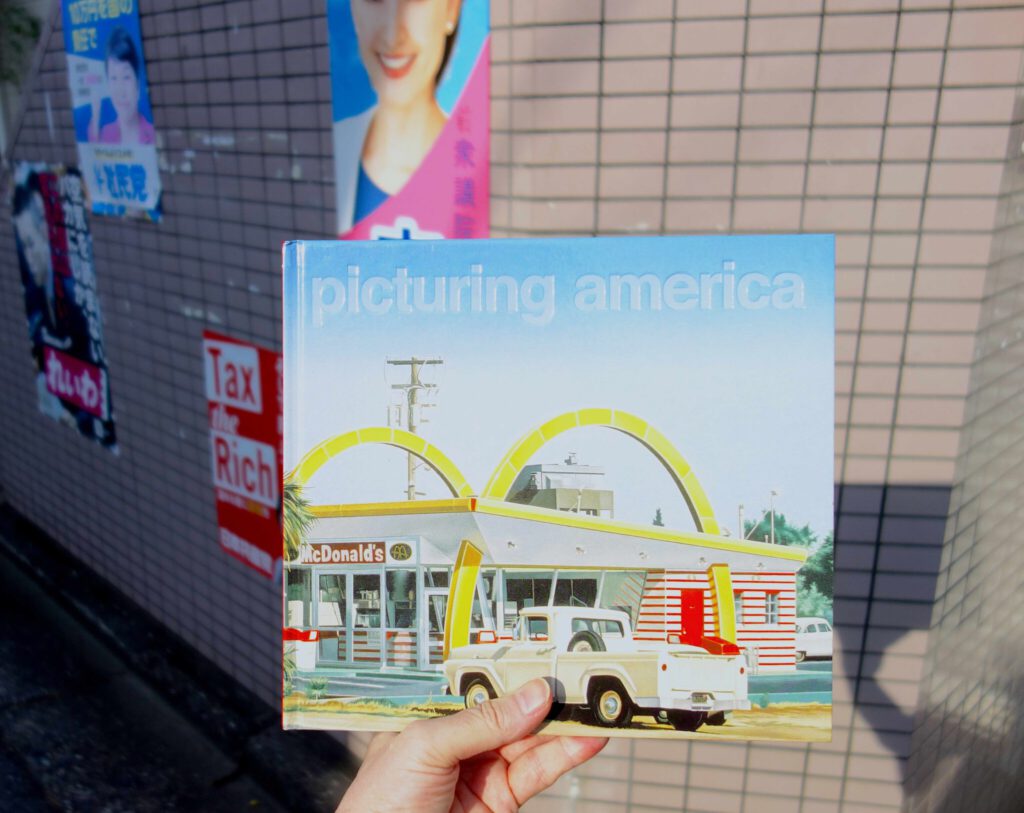
picturing america – Tristesse + Boredom ピクチャリング・アメリカ - トリステス+退屈
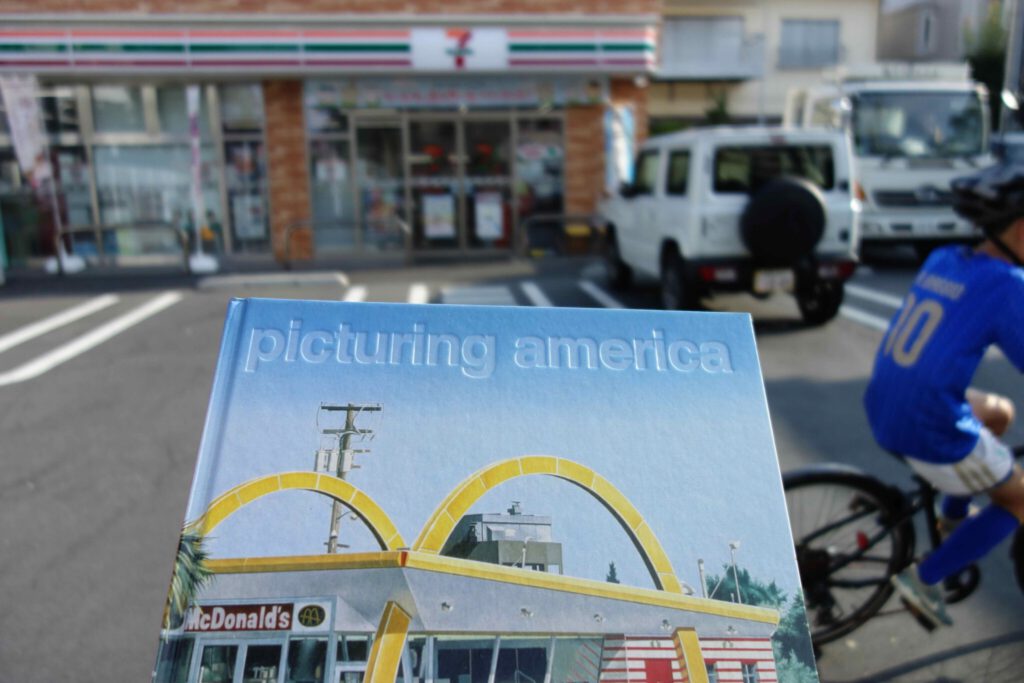
Goooood moooooorning from Tokyo! It’s quiet, sunny, hot, and humid.
At the beginning was the photograph.
Photography killed the painters’ jobs in Paris.
What do you expect from photography?
If you think a photograph captures the truth, I may hereby disappoint you, – that’s not the case.
Looking back, during my long career I learned how to manipulate, how to change history through photography.
Well. So, why does someone want to create a work that looks like a photograph? Why does that person want to paint the same picture again on canvas and not let the photographic print exist as it is?
The obvious answer elevates us into the realm of art. The painterly process and the choice of the photograph will surprise you, will shock, or will distress you. Why is it for you important to know which media had the creator used? Why do you think, a piece of linen has to be elevated into the “artistic-practice-elitist-sphere” whereas a photo print is being put into the “common place” of the “amateurish layperson”?
As we’re writing 2026, art lovers, experienced with acquired knowledge, know the answer regarding contemporary photography and contemporary painting.
A photograph vs a painting.
Exactly the same picture, but different perceptions. Why?
Because the perception is guided by one’s available time & emotion. The building, the room, the aura manipulate your feelings. Art works put in “perfect staged environments” cause you a feeling of humility. The “organiser” (at the spiritual building/museum/gallery) demands respect from you. Only the art historically educated viewer may distinguish between a badly framed/unframed masterpiece and an amateurish painting with a masterfully executed, golden frame, without checking the signature or title.
It ain’t so?
Suddenly you accept the “value” of an art work, because it had been “chosen” by art-colleagues and/or art dealers and/or critics and/or curators and/or auctioneers. Plus, as we’re art historically educated, a masterfully executed frame gives the image the “wished expertise”.
If we would let a young person scroll through today’s pictures of ART+CULTURE via Instagram, probably the first impression would be: all boring photos.
— Looking at a pic on Instagram.
— Contemplating in front of an image at the museum.
AI vs digi vs reality as American experience.
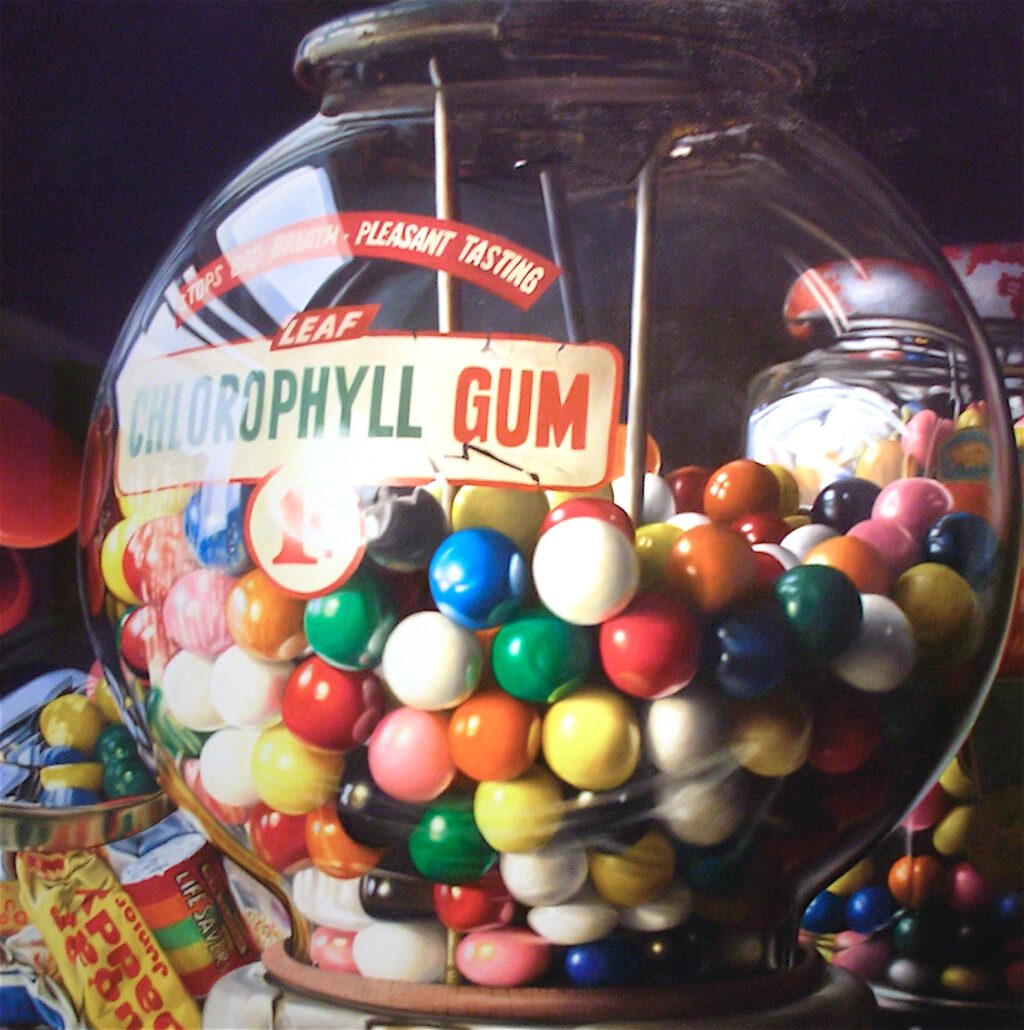
To exist as a sentient American in the pulp age of Trump is to live in a perpetual cringe — morally, aesthetically, intellectually, politically. Today I’ll introduce you some artists of American Photorealism アメリカン・フォトリアリズム (some call it New Realism ニュー・リアリズム, Super-Realism スーパーリアリズム, Hyperrealism ハイパーリアリズム or Radical Realism ラジカル・リアリズム).
Robert Bechtle, Charles Bell, Tom Blackwell, Chuck Close, Robert Cottingham, Don Eddy, Richard Estes, Audrey Flack, Ralph Goings, Ron Kleeman, Richard McLean, Malcolm Morley, John Salt, and Ben Schonzeit.
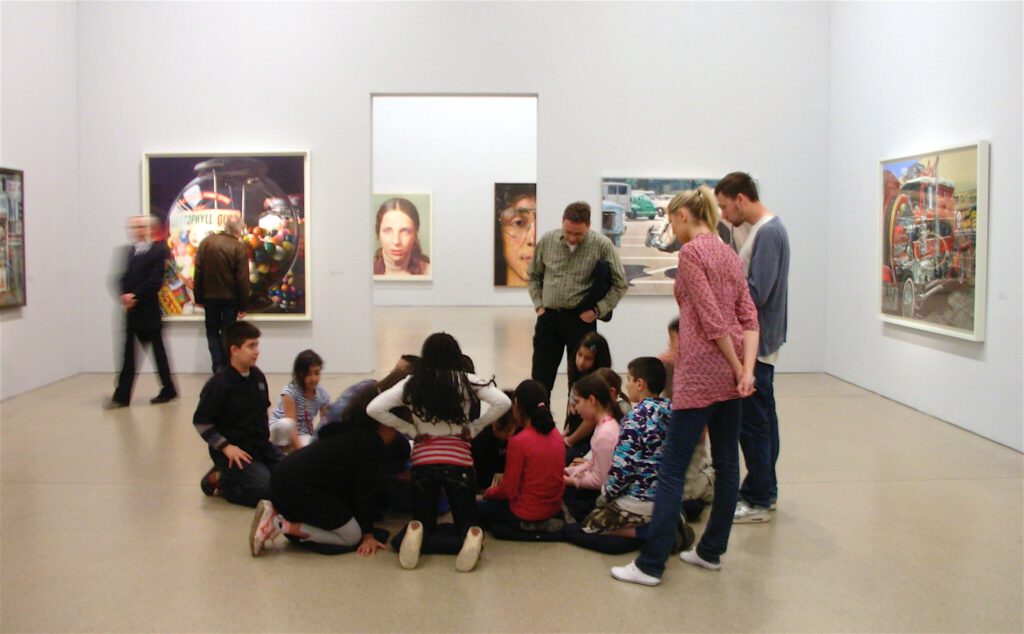
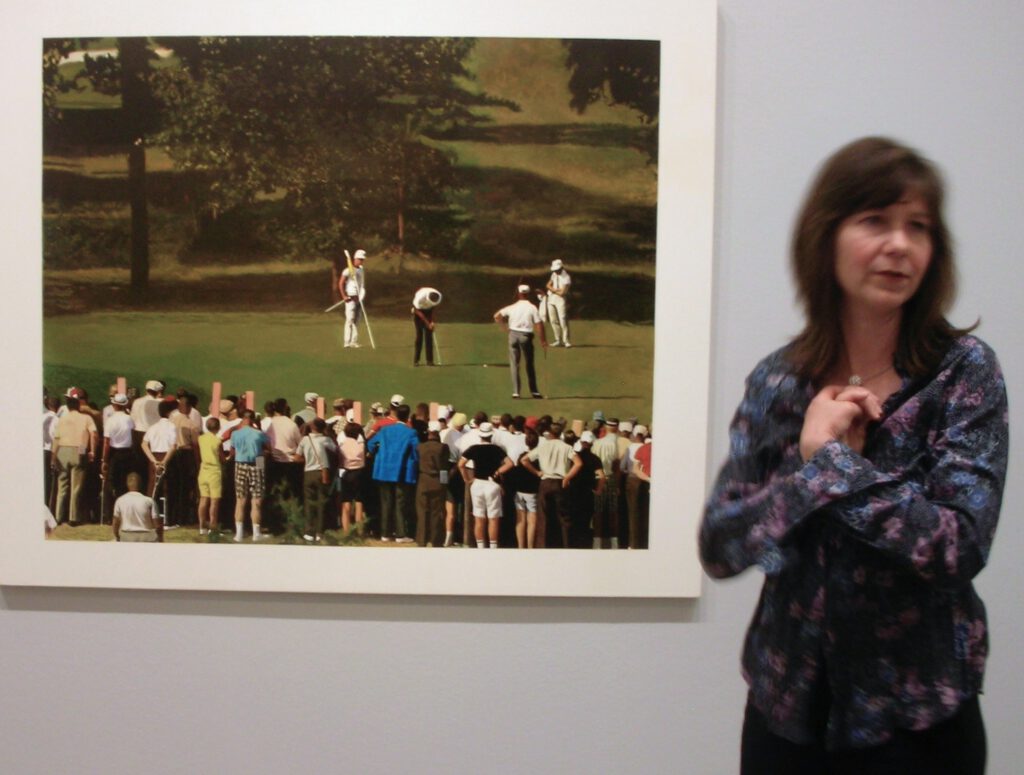
What you see here at ART+CULTURE are photographs of paintings which were executed via photographs. The pictures I took in the Guggenheim Berlin 2009 functioned as my private sketchbook-tool, please excuse the low quality. I joined the guide tour on a Sunday morning and never expected to publish them.
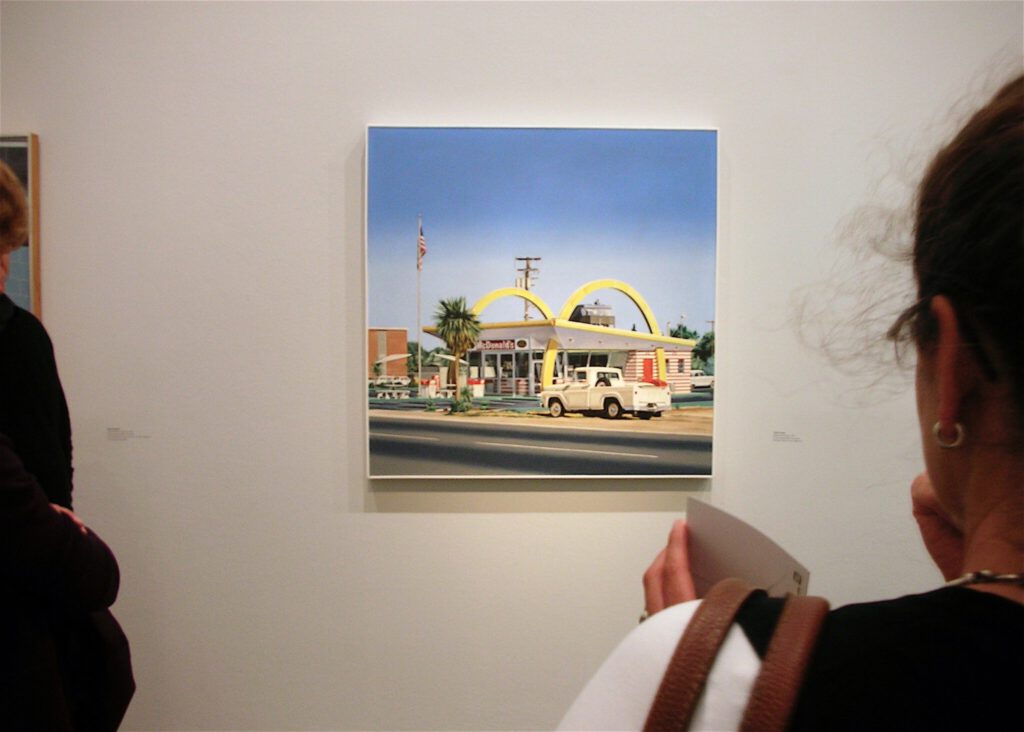
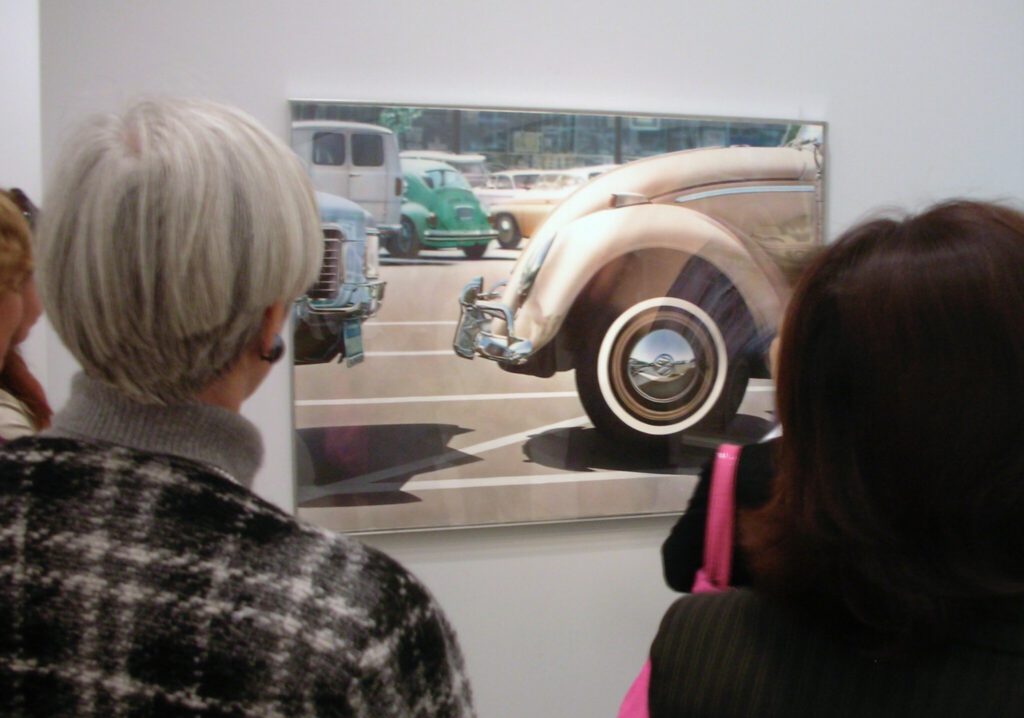
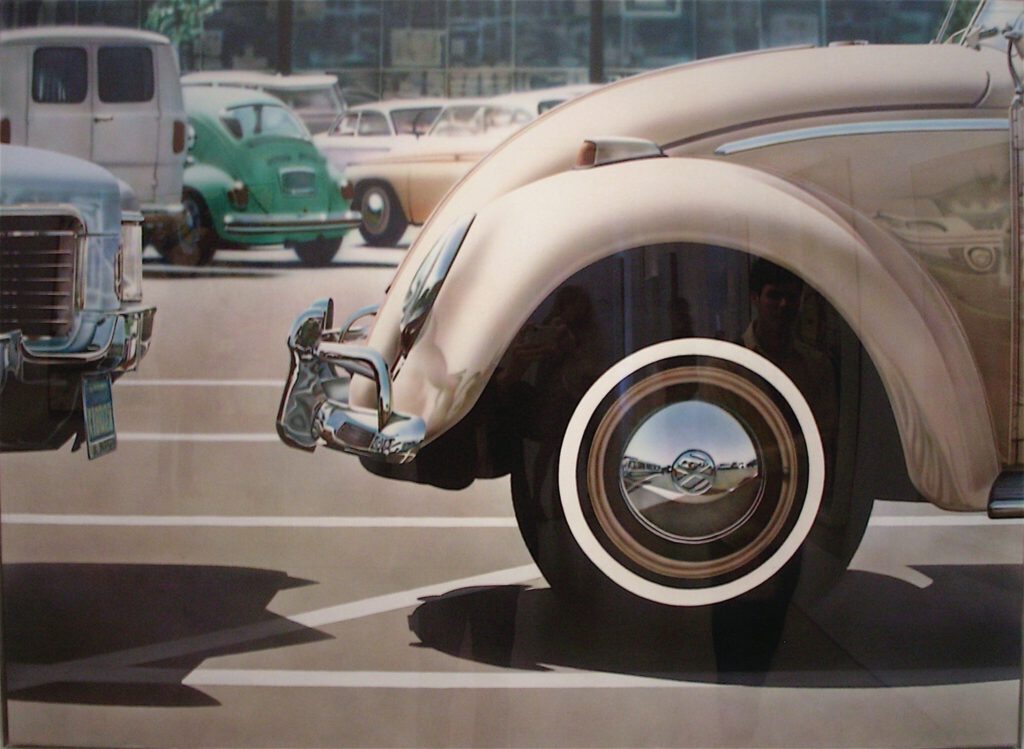
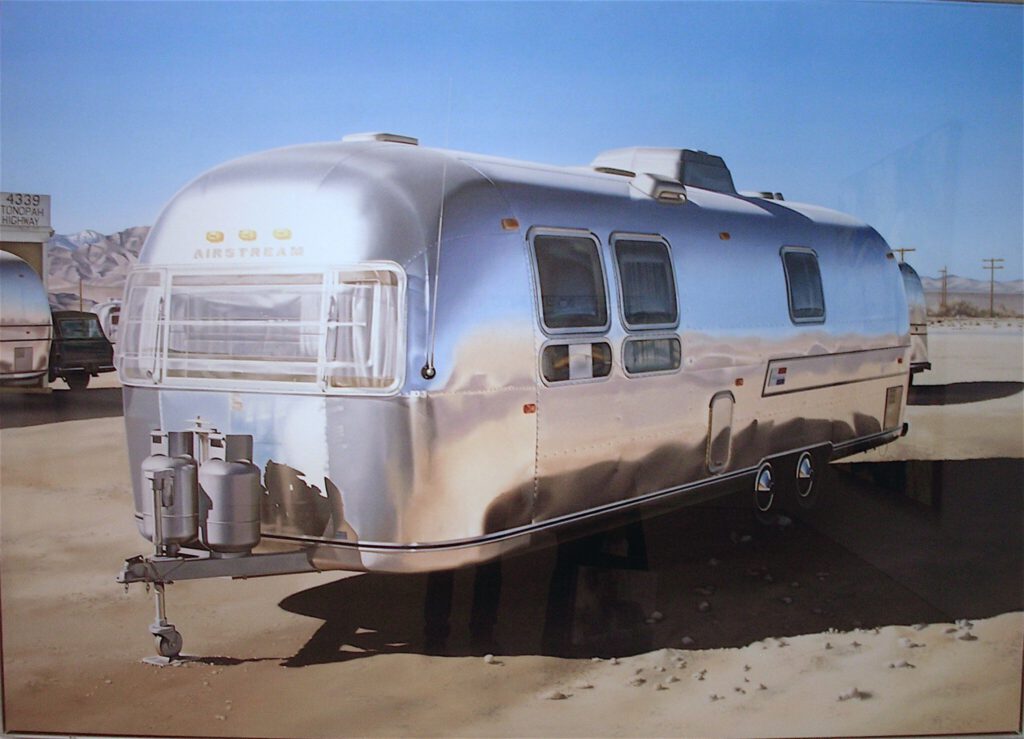
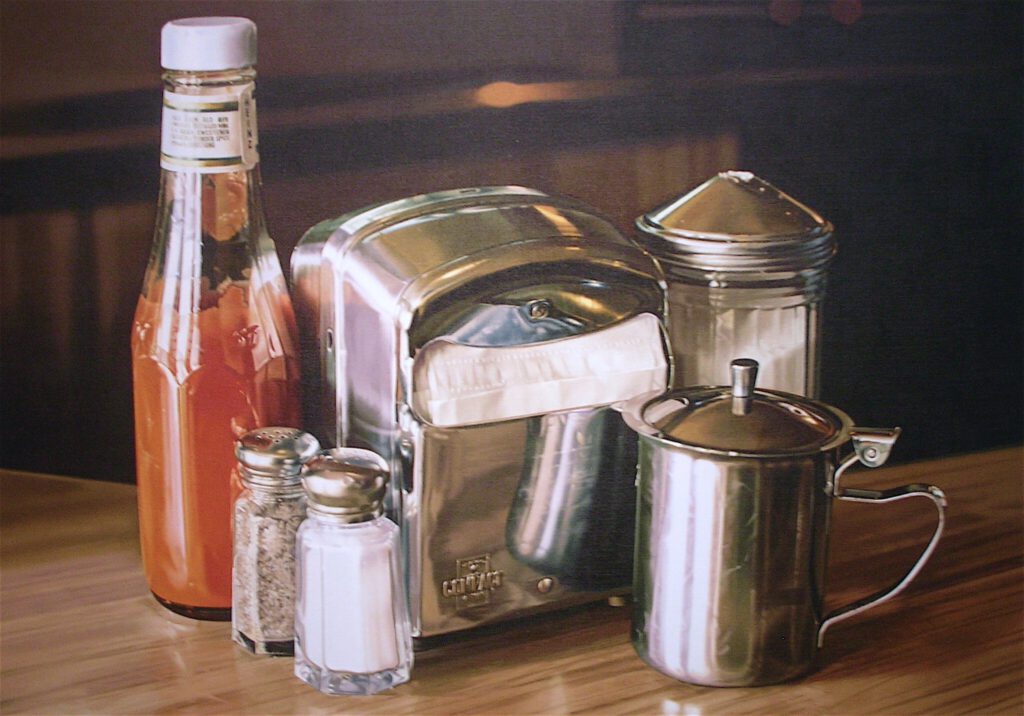
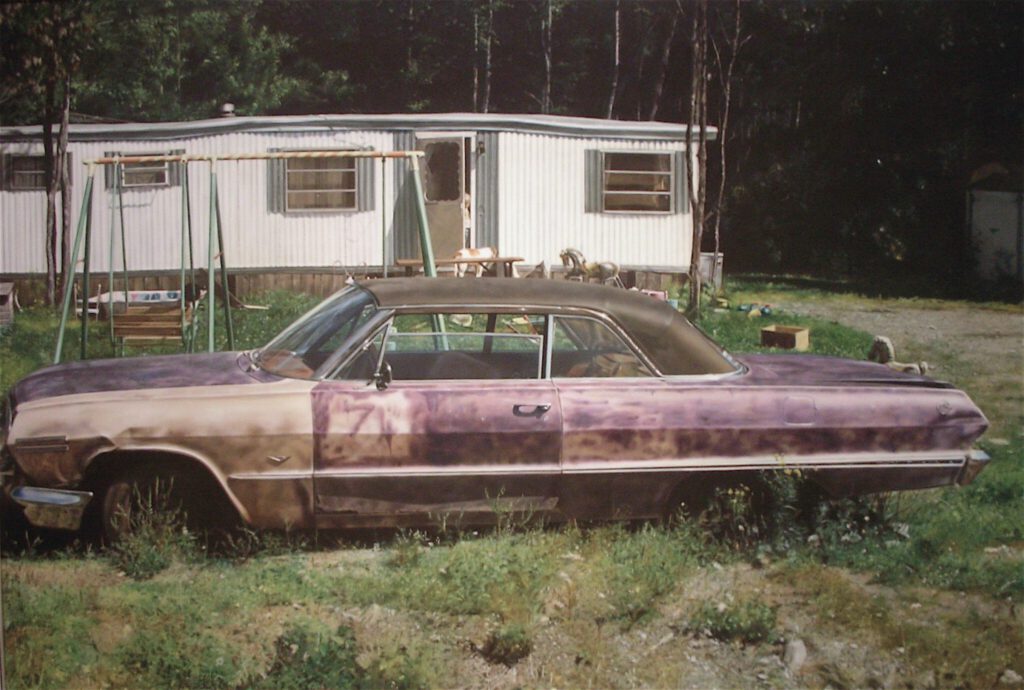
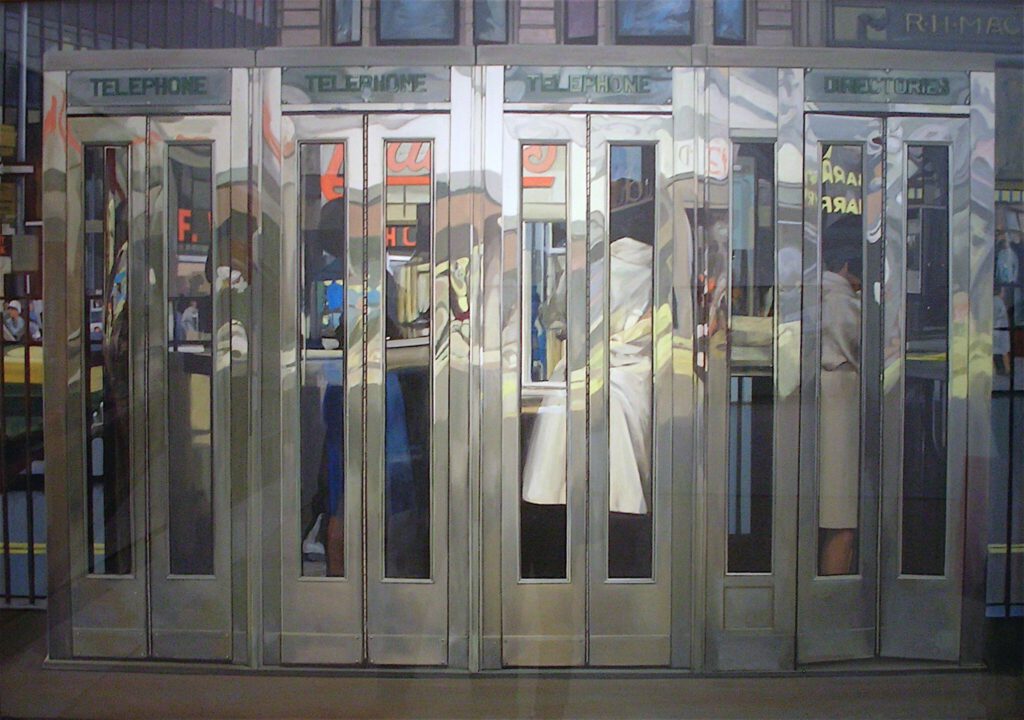
Given the Richard Estes exhibition running in New York until the 21st of this month, I would like to present some additional, recent images by Richard Estes here.
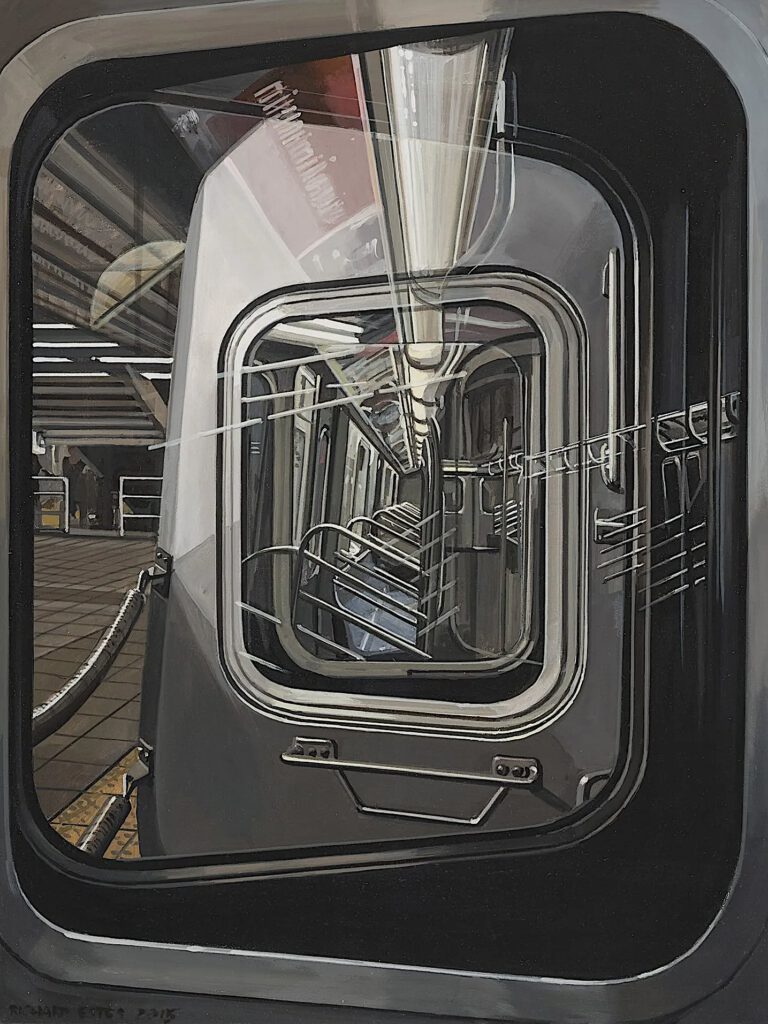
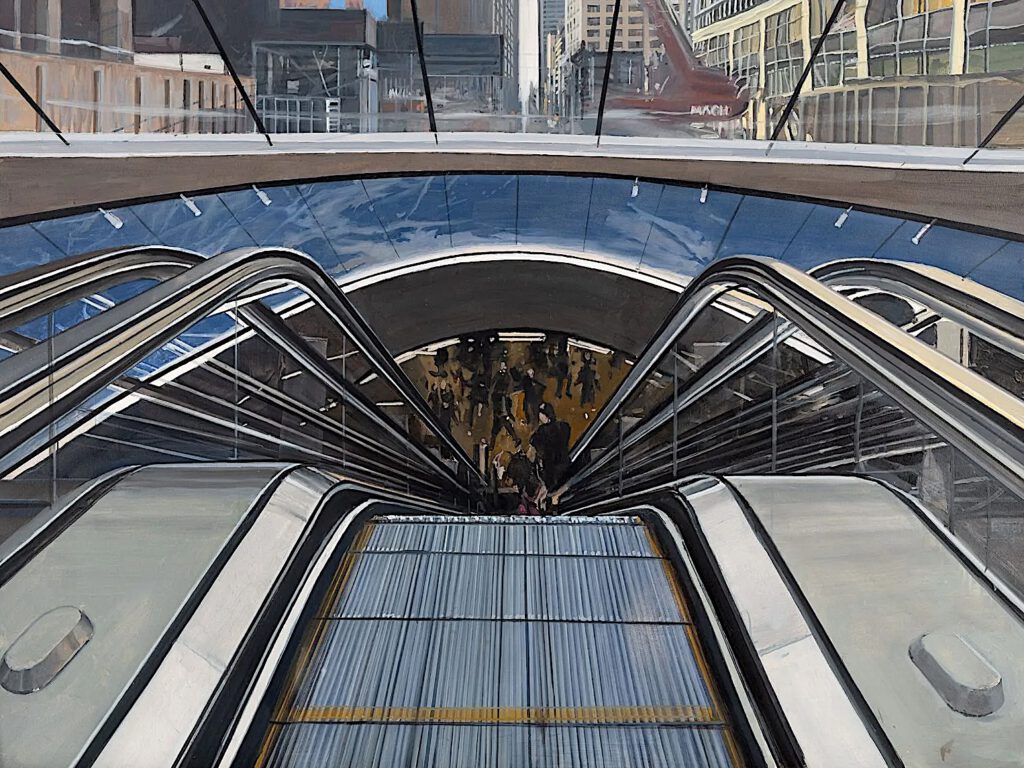
Tristesse with boredom.
Through Robert Bechtle, white American bourgeois collectors in San Francisco found their local arty thing. Bechtle’s photorealistic pictures matched nicely to the set of living room furniture, wallpaper, – alternating scatter cushions exuded modern individuality. Meanwhile the tastes may have changed, as we’re writing 2026. Yet, my doubts still exist.
Thanks to former co-director of the Leo Castelli Gallery, Ivan Karp (OK Harris Gallery owner) and later the internationally renowned Barbara Gladstone Gallery, Bechtle found trustful, representative art dealers in New York City, the world’s art market center.
Interestingly, in the beginning, when American art dealer and gallerist Louis K. Meisel coined the term Photorealism in 1969, almost all these photorealist painters didn’t know each other. Like hunters, American art critics/dealers looked around, searched in the countryside of the U.S., and obviously found a bunch of these mundane oil painters, who’s artistic practices purposely went counter to American contemporary art academism or the October School. In this regard, an anti-counter-revolution, which per se wasn’t meant to become a cool art movement. Those Photorealism oil painters neither explicitly functioned as that. Nevertheless, a Modern American “School” of “Photorealism On Oil” came to light. Which seems to be o.k. for the outsider. One more aspect of artistic practice to be easily written by freelancers for magazines, featuring beautiful, glossy color pages. After organising some group-shows, letting the works exhibit in Europe, eventually the genre Photorealism became chiselled in the wall of American art history. Voilà. Already tempi passati.
On top of that, even after the end of the ‘boom+bust’-Photorealism period for poor art-speculators/-flippers with not-so-deep pockets, the continued financial success of Richard Estes & Co. in the US demonstrates why Americans like the serious, hard-working art worker, who believes in his talent of being an extraordinary, sophisticated painter.
Said that, I, as a Japanese artist with European cultural roots, shall call this paintings bad, pretentious and boring.
Of course, I do miss the experimental, transgressing extension of the oil painting practice.
In most Photorealism painters’ Gesamtkunstwerk, the lack of social- and global-history conscience incline to believe that the ordinary in this painter tends to the right. The most important function of being an artist is to give people something to be critical about.
Pop music? Can’t dance.
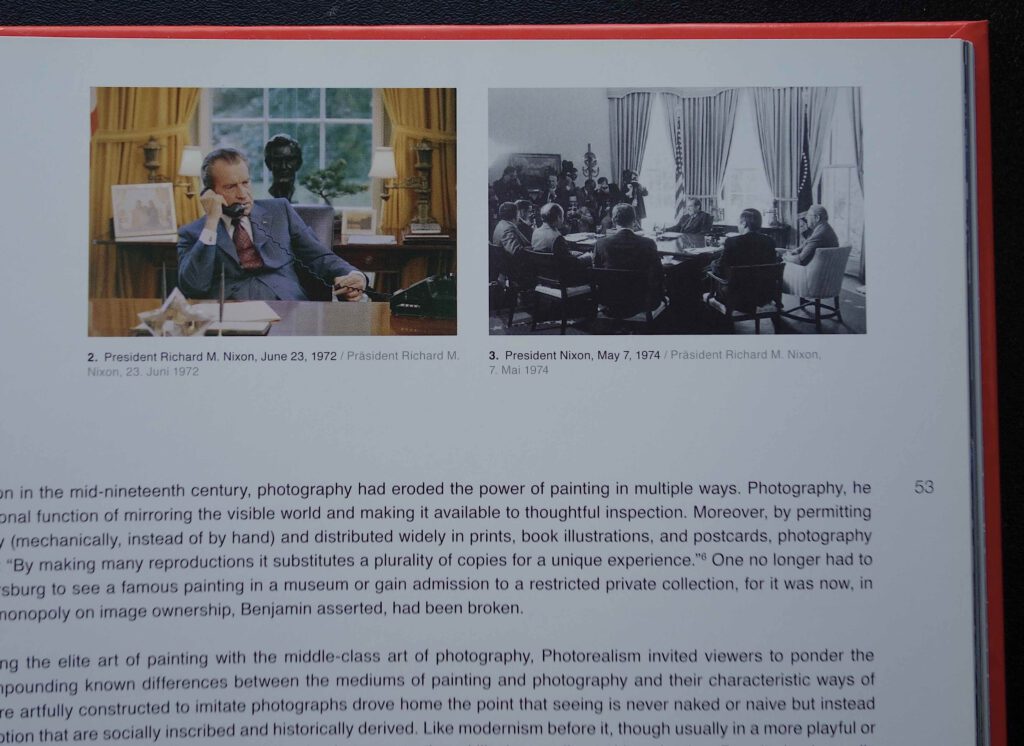
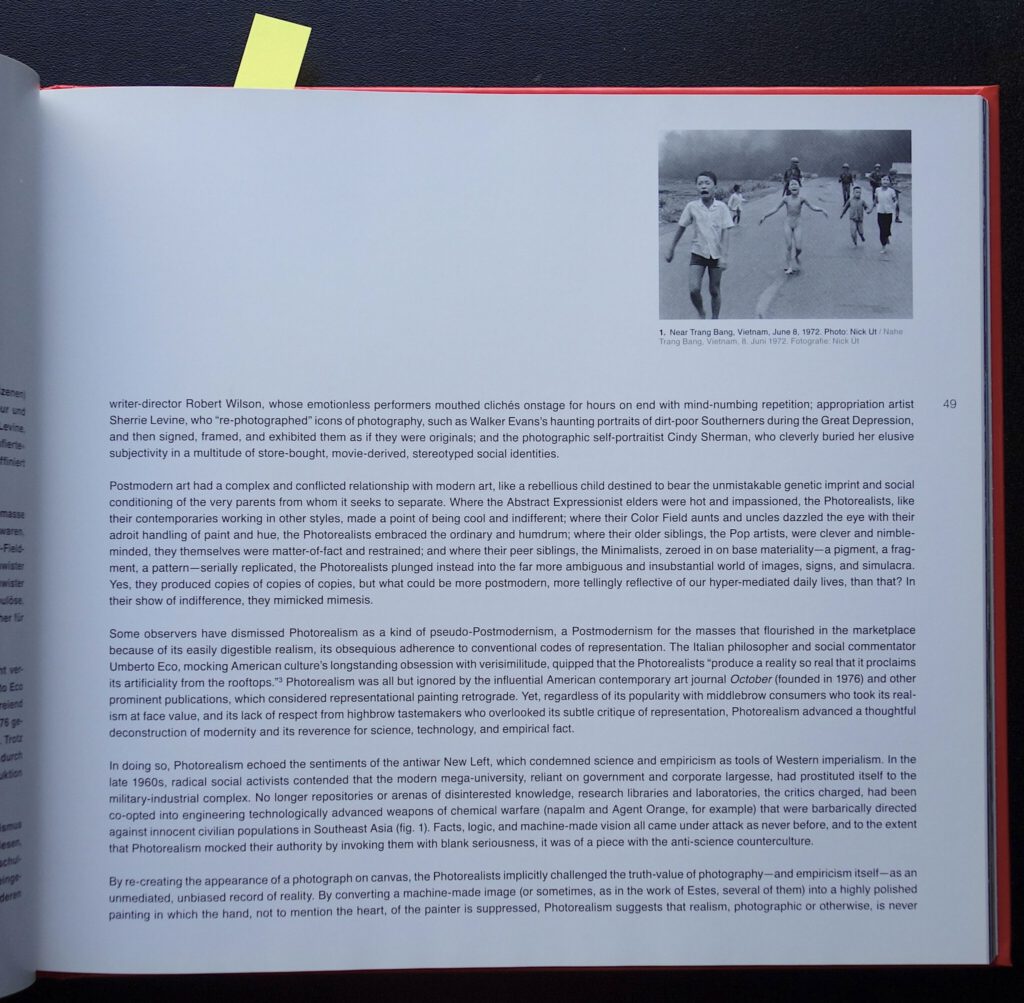
Vietnam? Not my thing.
Born in the U.S.A
I was born in the U.S.A
I was born in the U.S.A
Born in the U.S.A
Got in a little hometown jam
So they put a rifle in my hand
Sent me off to a foreign land
To go and kill the yellow man
I had a brother at Khe Sanh
Fighting off the Viet Cong
They’re still there, he’s all gone
He had a woman he loved in Saigon
I got a picture of him in her arms now
San Francisco. Make love not war? Why not, I love to meet Jane Fonda, who’s living around the corner.
Anti-Nuke? Bomb all European socialists.
People of Color? Yes, my favourite oil color is brown.
Feminism? Ask my former wife.
Documenta? I’ve to ask my bookkeeper.
Humorous sarcasm? No, I’m a serious painter.
Sex? I’m religious.
Green Party? Yes, I’d luv to organise a party in our garden in San Francisco.
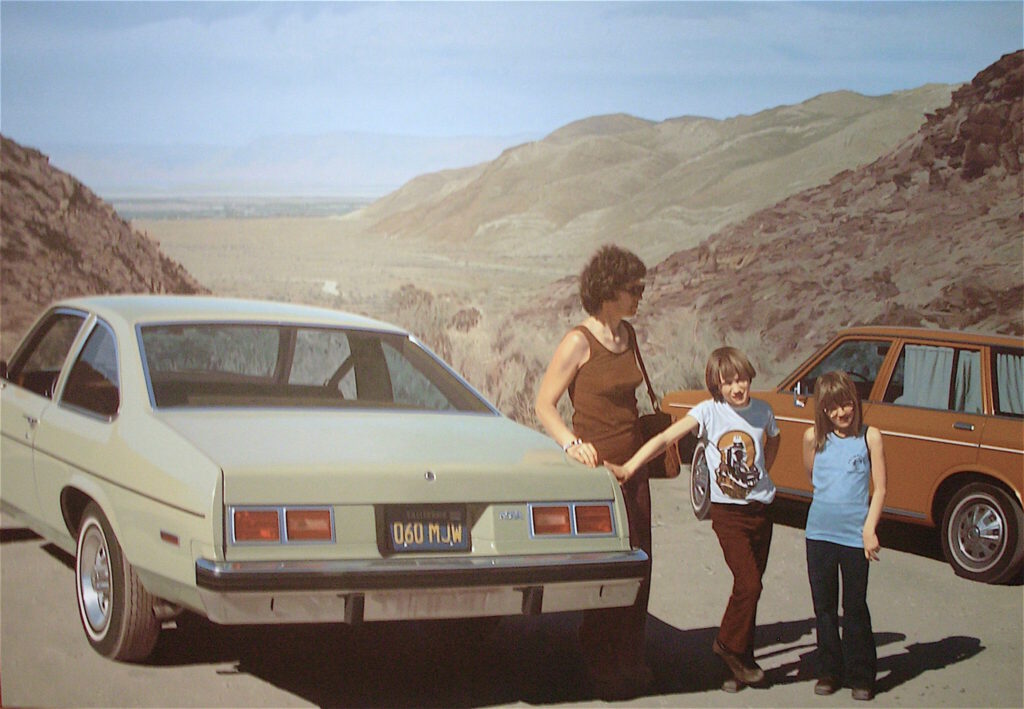
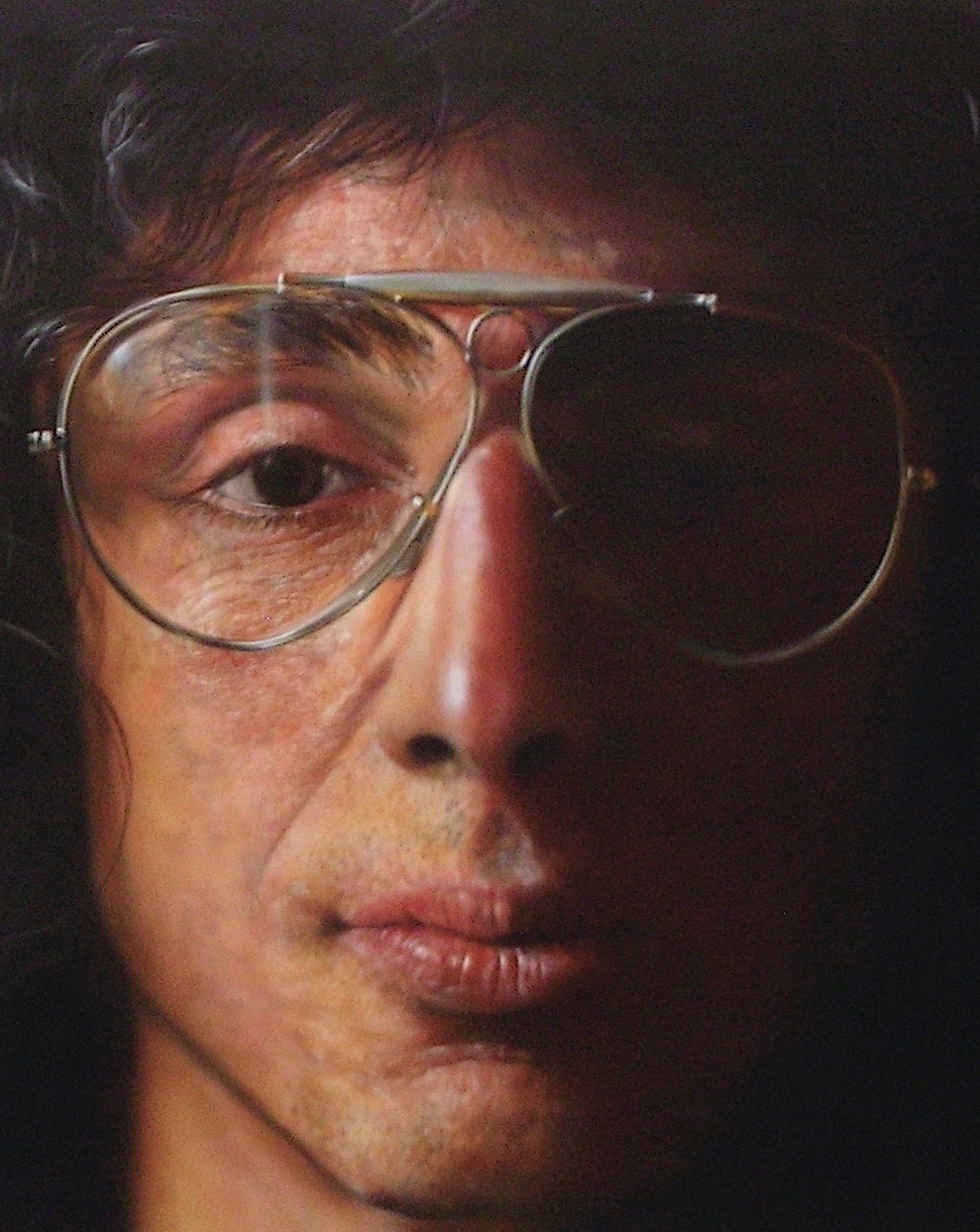
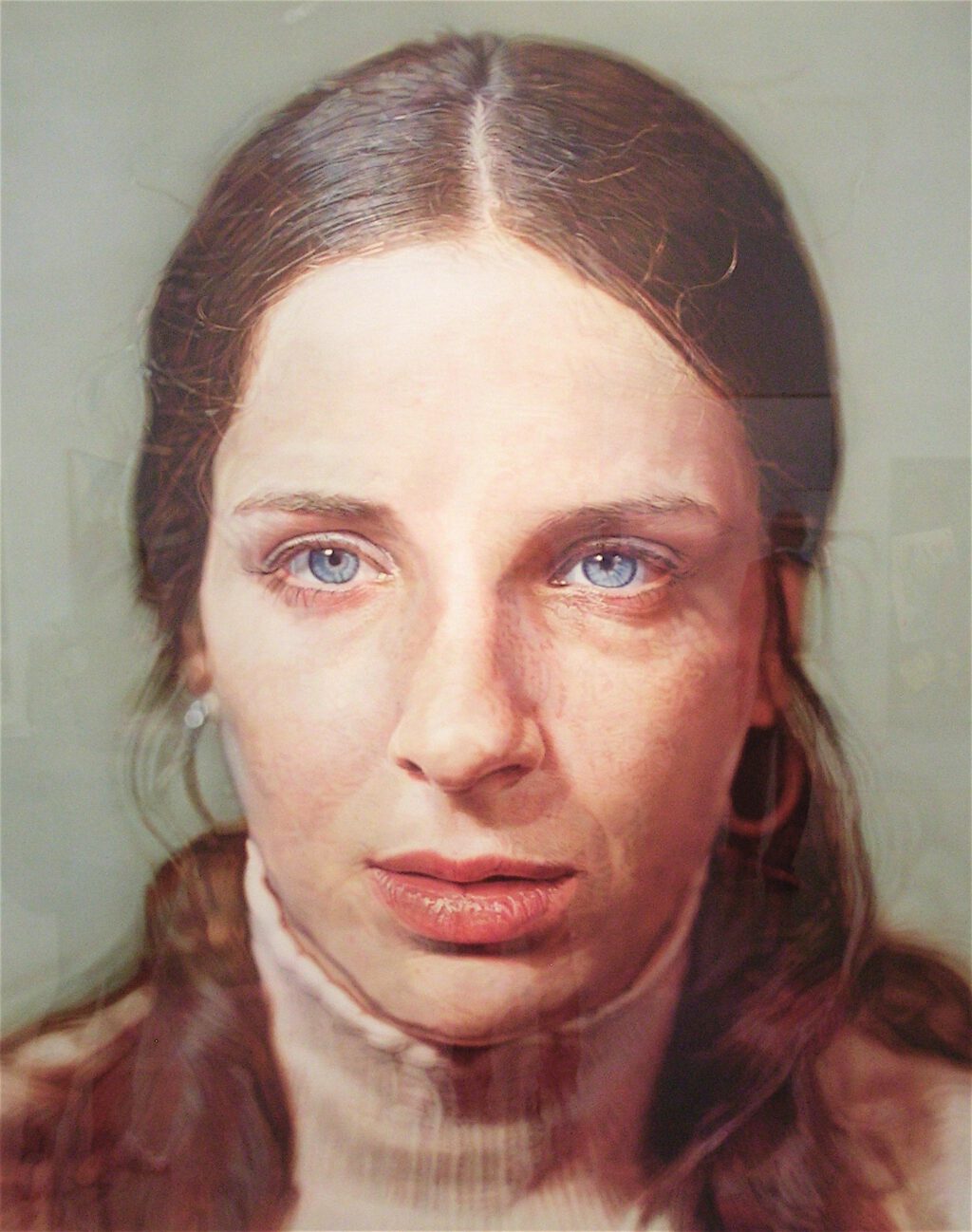
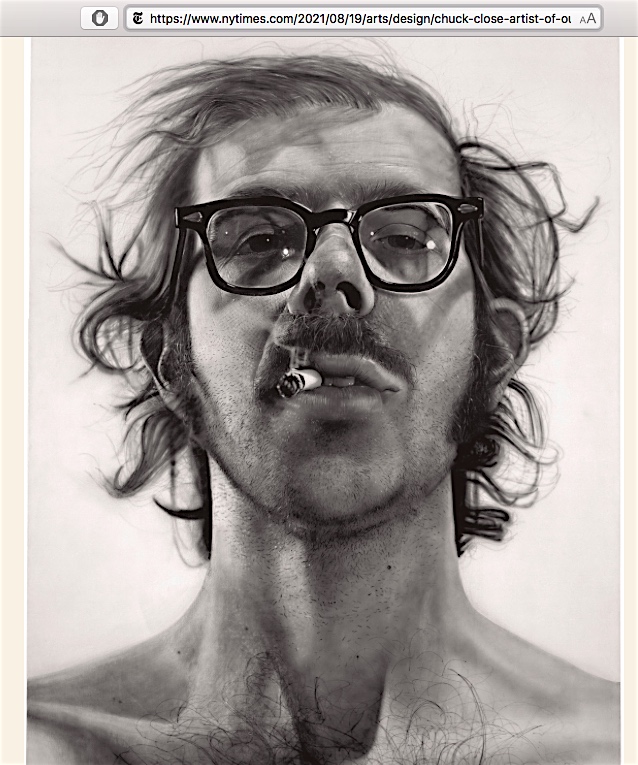
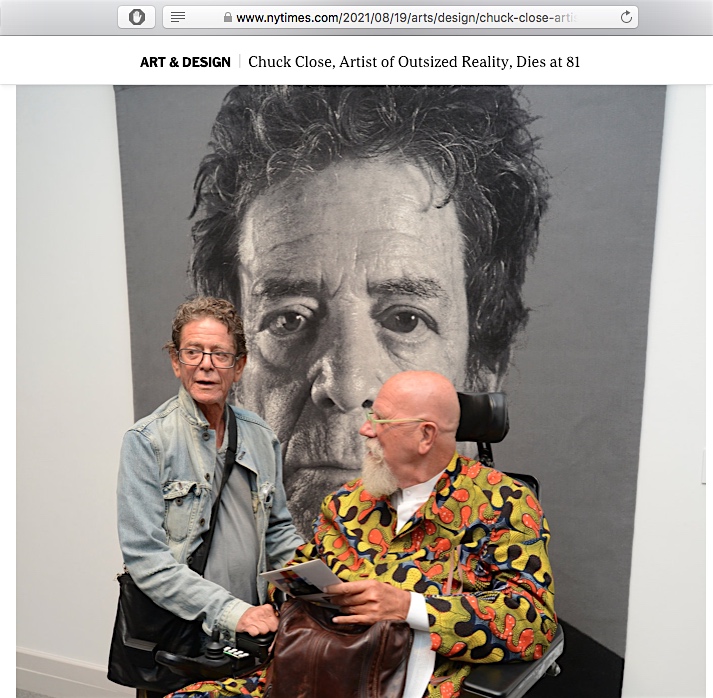
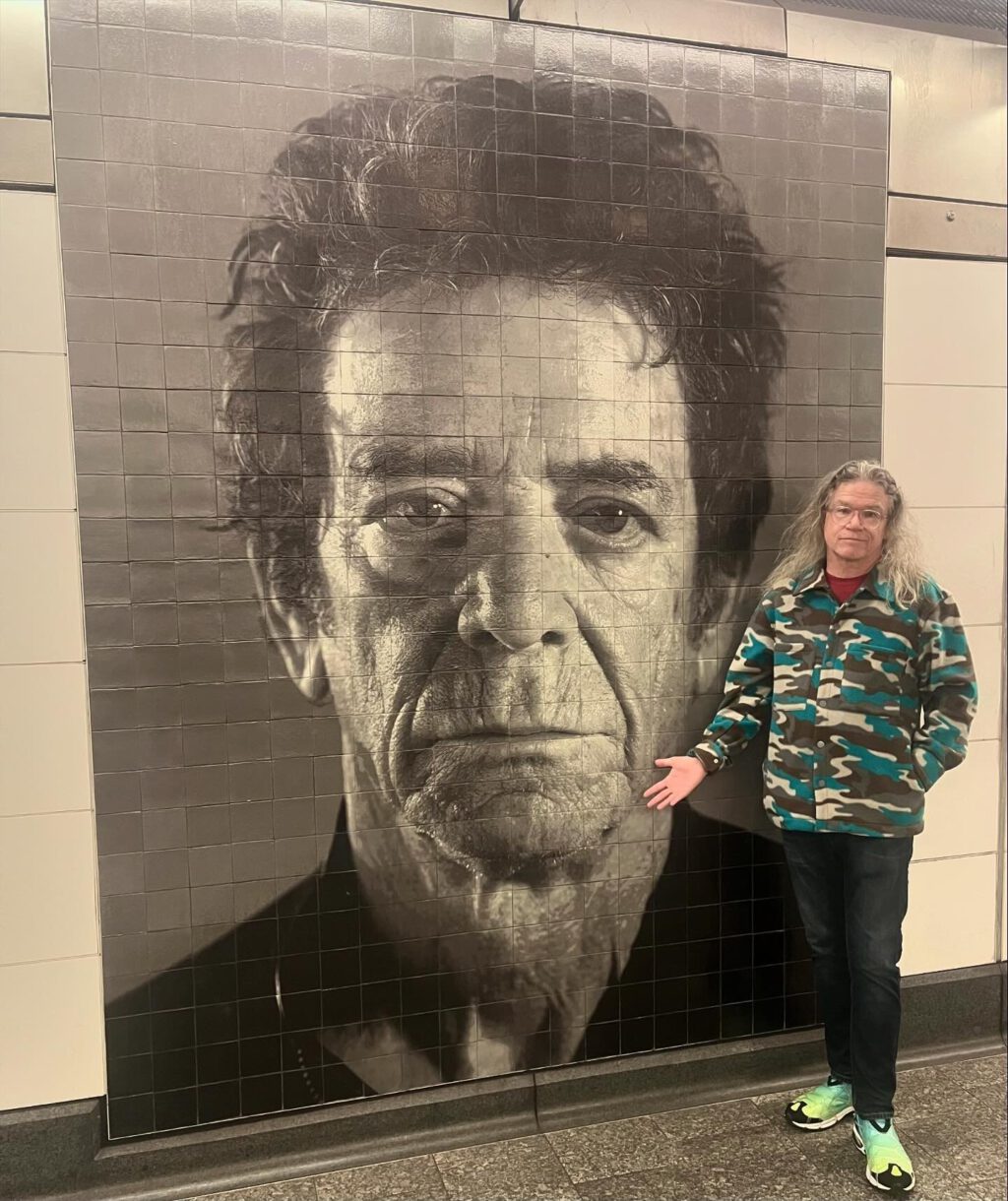
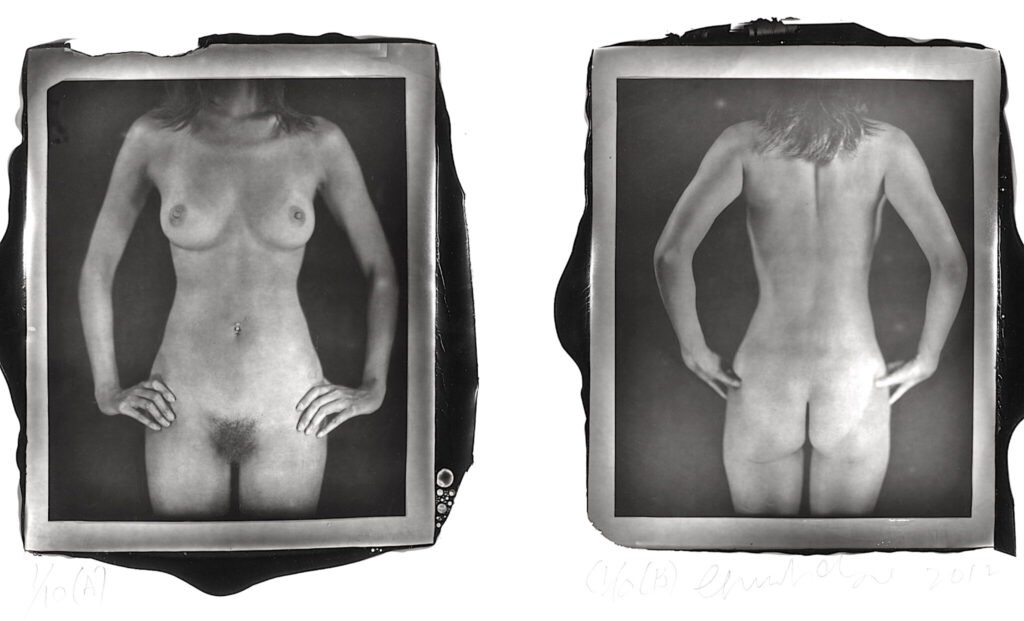
sheets: 14 by 11 in. (35.6 by 27.9 cm)
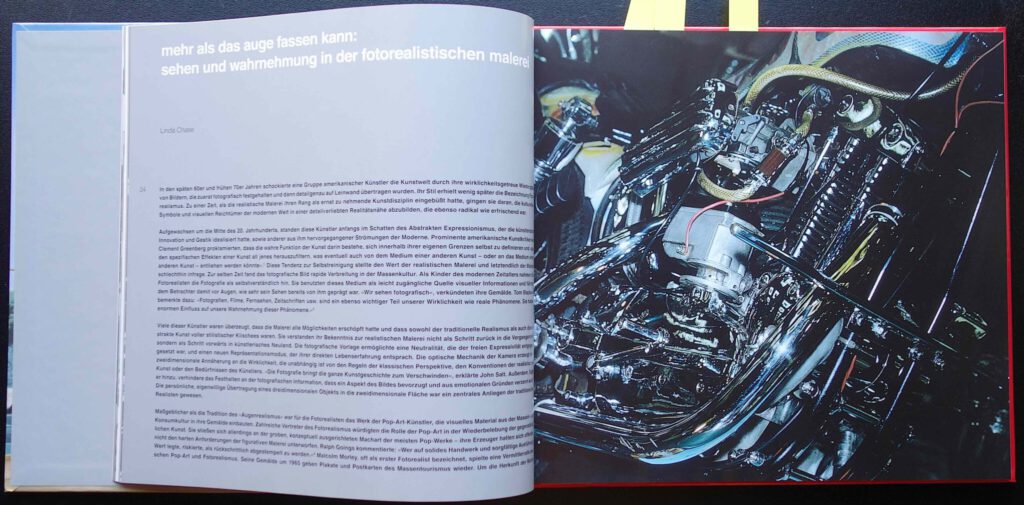
Let’s turn our attention to our neighbor, Japan.
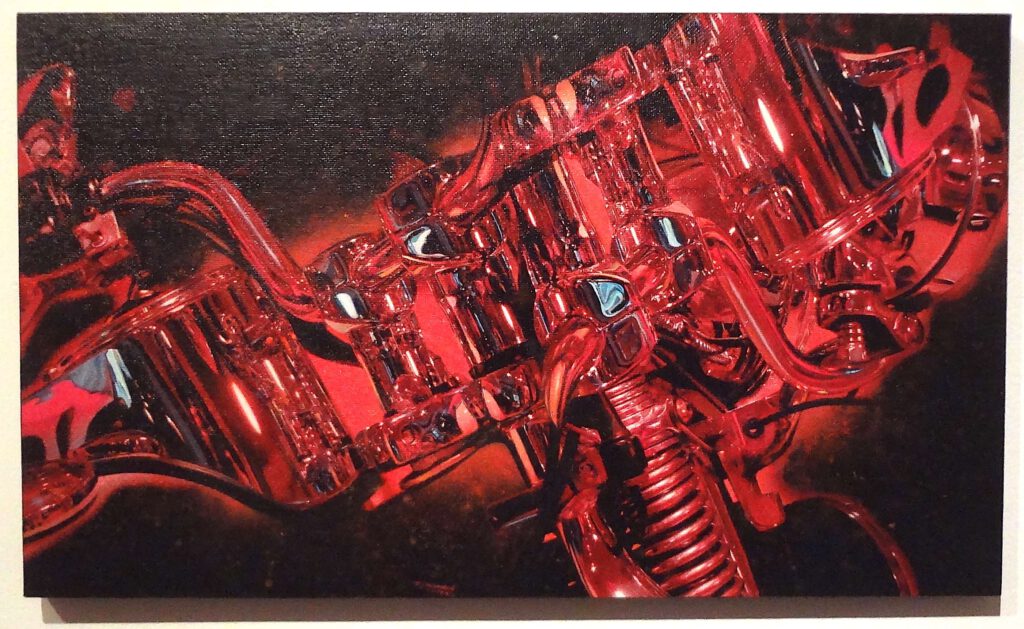
Similarities, right?
You may know that Japan functions as an Imperial country, with an Emperor as symbol of the state. This Imperial dynasty is been manifested by the Imperial era calendar scheme, which most Japanese people follow. The current Japanese Imperial Era ‘Reiwa’ began on the 1st of May 2019, the day after the planned and voluntary abdication of the 125th Emperor Akihito (Heisei Tenno) occurred. In a rarely seen act in modern history of Japan, popular Emperor Akihito was the first living Japanese monarch to have given up the throne in about 200 years. Before the abdication, in a symbolic commemoration act, the first portrait painting of their Majesties the Emperor and Empress of Japan, today officially called Emperor Emeritus Akihito and Empress Emerita Michiko, had been created by the “best” photorealist painter Japan’s, NODA Hiroshi 野田弘志. In a typical mood of Japanese understatement, the grey-tone atmosphere of the painting embodies modesty and humility; – “trying to avoid” Western-monarchic, metaphorical and emotional content. That’s the way, we would like to be seen in Japan.
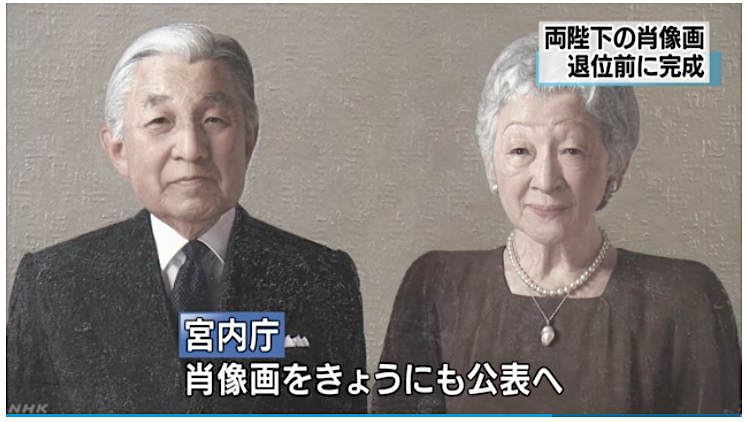
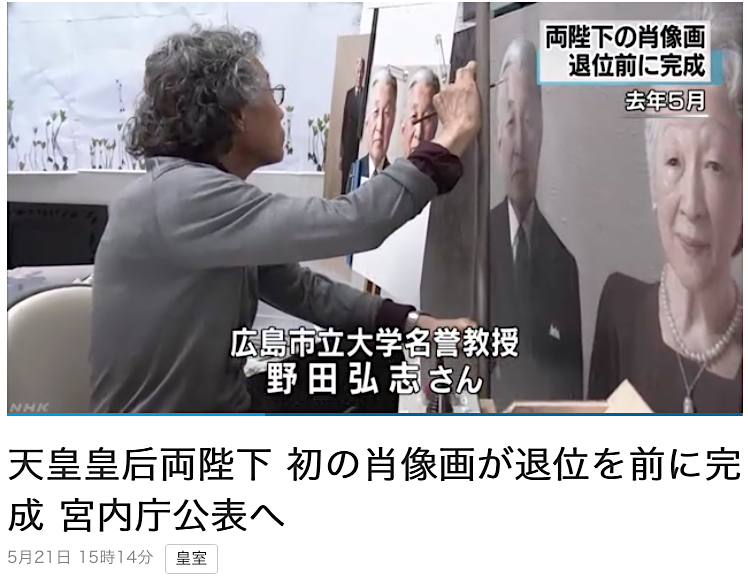
See the link:
天皇皇后両陛下 初の肖像画 Portrait Painting of Their Majesties the Emperor and Empress of Japan
https://art-culture.world/jp-society/portrait-painting-of-their-majesties-the-emperor-and-empress-of-japan/
Looking back, what was/is American Photorealism all about?
The imagination of America. The Red, Green, Blue, Black, White, Yellow American Experience.
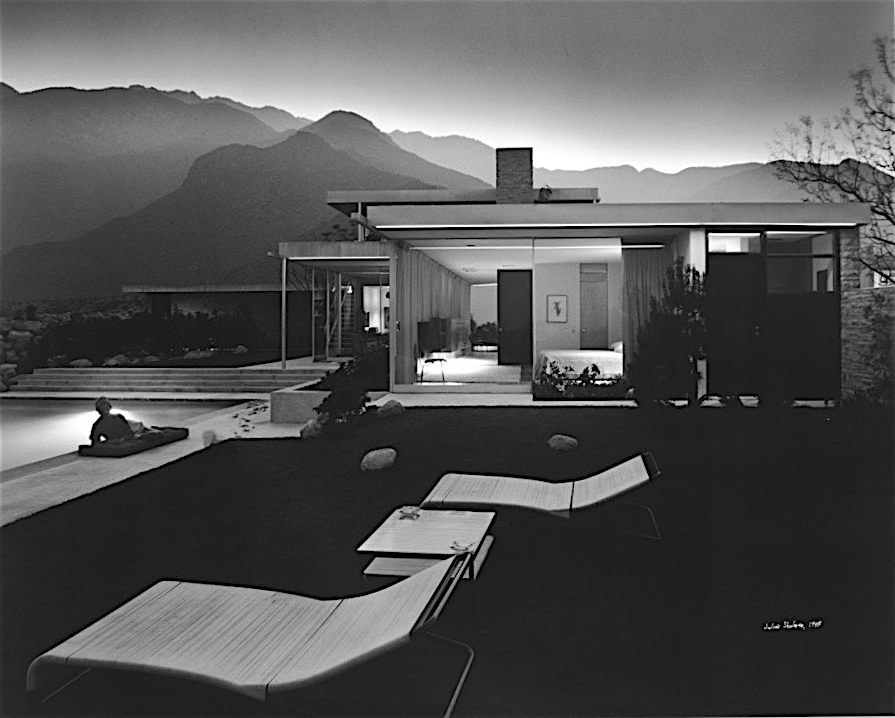
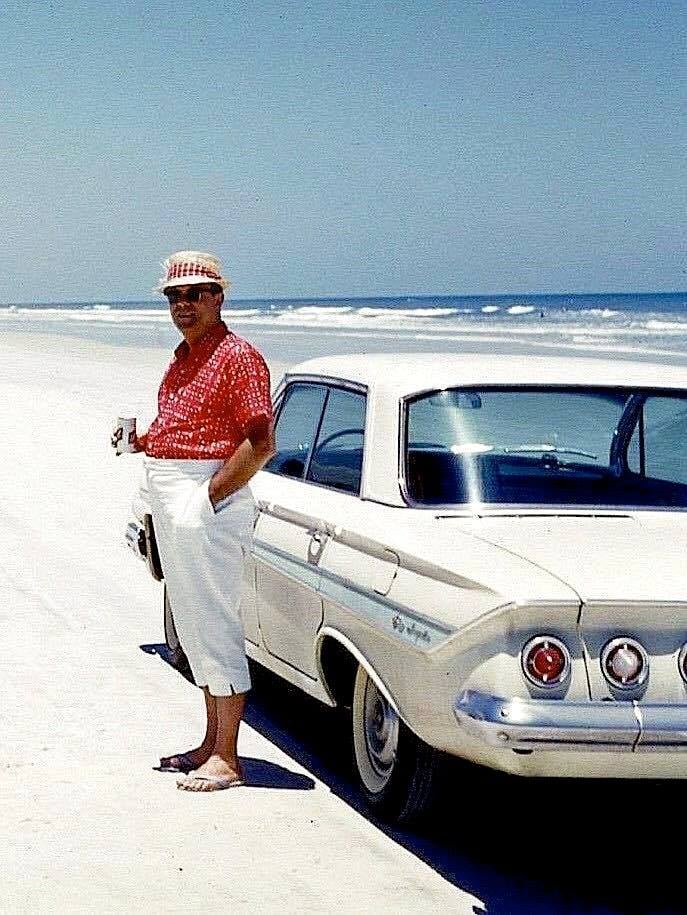
Do we focus towards the painterly process; – the critical extension of 500 years oil painting history? I’ve put the task on my shoulders as I am a painter with Italian art-cultural background, with Italian oil painting roots. In the meanwhile, I can be called an essential part of the oil painting tradition in Japan, being part of the continuum of “Western-influenced” art history in my chosen, beloved home country.
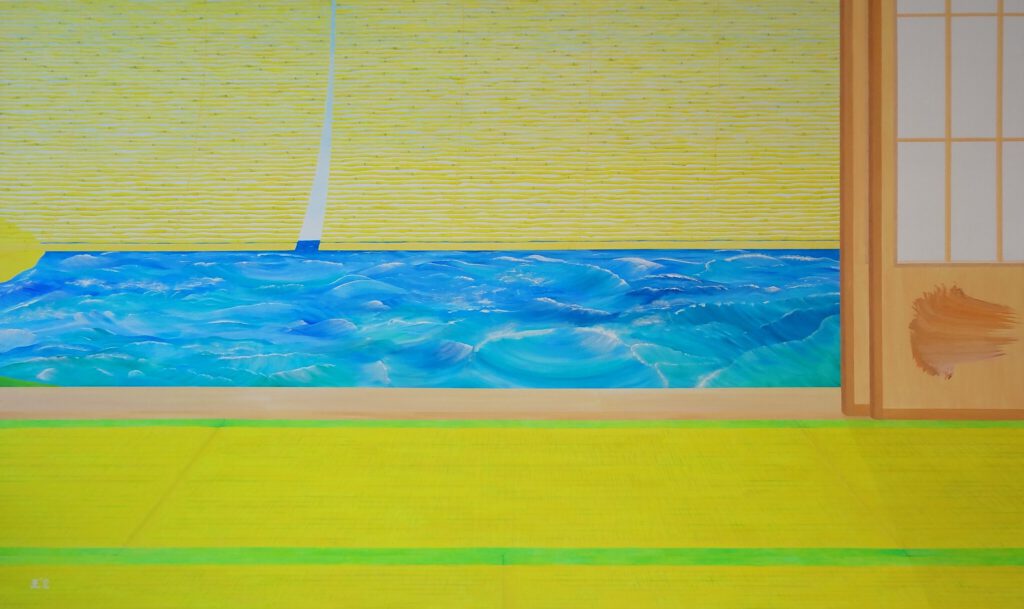
Art critic NAGOYA Satoru called me in 2016 “Mario A, one of the most brilliantly gifted–or perhaps I should say, the single most brilliantly gifted––oil painting artist in Japan”. On this occasion, to give you an idea, may I attach one of my oil paintings.
Tokyo, Japanese Imperial Era Reiwa 8, August 1st
Mario A 亜 真里男