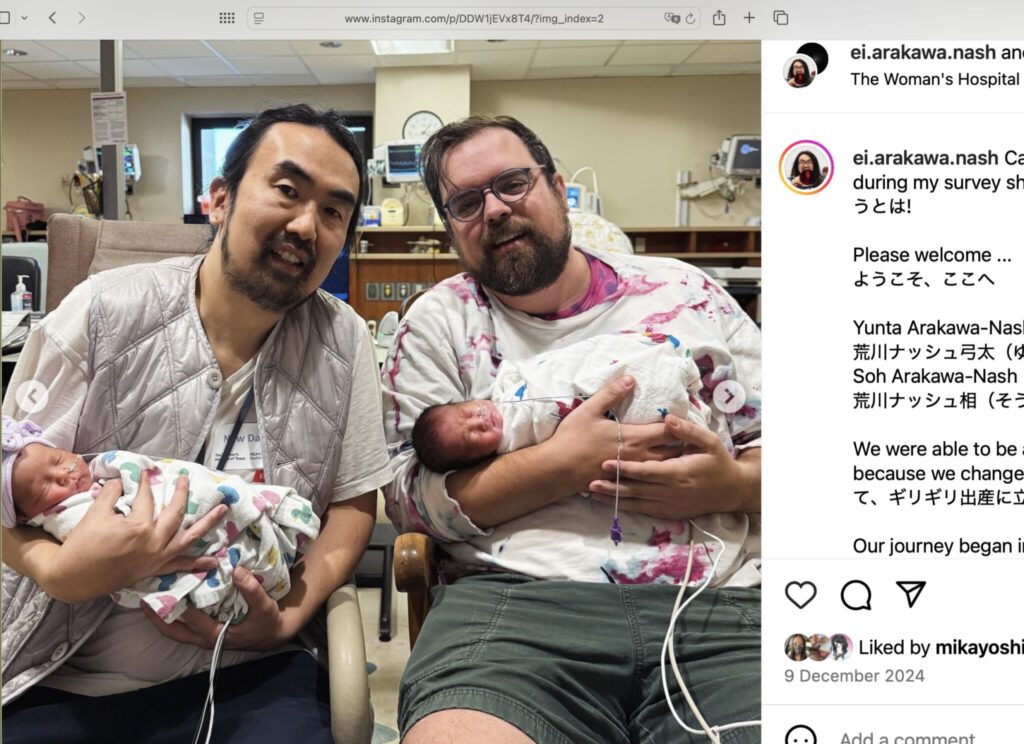
2026年ヴェネツィア・ ビエンナーレ 日本館 アメリカ人荒川ナッシュ医に決定。個人的な意見:小泉明郎の方が良かった。 American Ei Arakawa-Nash has been chosen for the 2026 Venice Biennale Japan Pavilion. Personal opinion: KOIZUMI Meiro would have been better.
Buongiorno d’Italia!
Well, there was a very long period in my life when I, as a Japanese trendsetting artist who will go down in Japanese art history, never believed I would be invited to the Japanese Pavilion because I possess a German passport. (Japan doesn’t allow dual citizenship.) To this day, I haven’t won a single prize in Japan. I sense a certain discrimination that involves a xenophobic character.
実は、日本の美術史に名を残すであろう日本のトレンドセッターである私が、ドイツのパスポートを持っているという理由で日本館に招待されるなんて、人生で長い間信じられなかった時期がありました。(日本は二重国籍を認めていません。)今日まで、日本で一度も賞をもらったことがありません。ある種の外国人排斥的な差別を感じています。
I’m delighted that an American has now been selected for the Japanese Pavilion. Congratulations, Ei Arakawa-Nash. A paradigm shift was already noticeable at the last Venice Biennale, as the curator was Korean.
日本館にアメリカ人が選ばれたことを大変嬉しく思います。荒川ナッシュ医さん、おめでとうございます。前回のヴェネツィア・ビエンナーレでは、キュレーターが韓国人だったこともあり、パラダイムシフトが既に感じられました。
Ei Arakawa-Nash knows how to survive and work as a foreign artist in the US.
Unfortunately, I myself had to endure numerous horrific experiences that changed my personal life in Japan and cost me many tears and grief. Japanese curators and gallery owners ignore all of this.
I’ll try to list a few: learning Japanese from scratch, the bursting of the Japanese asset price bubble, discrimination by real estate agents, including expensive rents, being called “Gaijin” = “Aids-jin” (Foreigner = Person with AIDS), the loss of dignity due to the inhumanely high hurdles to obtaining permanent resident status, the earthquakes, a nuclear power plant disaster, and the coronavirus pandemic, as well as two divorces from my Japanese wives, being classified as a second-class person because, as a foreigner, it’s not possible to have your own family register, prohibition of separate surnames.
荒川ナッシュ医さんは、アメリカで外国人アーティストとして生き抜き、活動する方法を知っています。
残念ながら、私自身、日本での私生活を変え、多くの涙と悲しみを味わうことになる、数々の恐ろしい経験をしなければなりませんでした。日本のキュレーターやギャラリーオーナーは、こうしたことをすべて無視しています。
いくつか挙げてみます:ゼロからの日本語学習、日本の資産価格バブルの崩壊、高額な家賃を含む不動産業者による差別、外人と呼ばれること = エイズ人 (“Gaijin” = “Aids-jin”)、永住権取得への非人道的に高いハードルによる尊厳の喪失、震災、原子力発電所の事故、新型コロナウイルス感染症のパンデミック、そして日本人妻との二度の離婚、外国人であるがゆえに戸籍を持てないため二級市民扱いされること、夫婦別姓の禁止などです。
Ei Arakawa-Nash has mustered the courage to raise children with his husband. God is pleased with every child. In his case, the circumstances are very special and therefore very fascinating. I’m keeping my fingers crossed for this new family.
I know of several marriages in which, for a variety of reasons, no children could be conceived.
In this context, I would like to mention that in the 1980s, the LGBTQ community in West Berlin played a pioneering role. Friends of mine in Berlin followed a similar path.
My Italian relatives adopted an African child. My German high school teacher adopted a Vietnamese child in the 1970s.
荒川ナッシュ医さんは、夫と共に子供を育てる勇気を奮い起こしました。神はすべての子供を喜んでおられます。彼の場合は、状況が非常に特殊で、それゆえに非常に興味深いものです。私はこの新しい家族の幸せを心から願っています。
私は、様々な理由で子供が授からなかった結婚生活を何組か知っています。
この文脈で、1980年代に西ベルリンのLGBTQコミュニティが先駆的な役割を果たしたことを述べておきたいと思います。ベルリンに住む私の友人たちも同様の道を歩みました。
私のイタリア人の親戚はアフリカの子供を養子に迎えました。ドイツ人の高校の先生は、1970年代にベトナムの子供を養子に迎えました。
None of this, however, deters me from my conviction that “Family is the death of an artist.”
For financial reasons, I would never have been able to start a family as an artist in megapolis Tokyo. That is the sad fate, the human condition, of a Japanese artist with a foreign passport.
With his marriage and two children, Ei Arakawa-Nash manifests an artistic practice in which the private becomes political. Now things get exciting, as the general population in Japan is unprepared for this.
The family is the nucleus of society. The social contract within the state. With Arakawa-Nash as the representative of the Japan Pavilion, he will stir up, depending on the Japanese media coverage, the complexity of this social contract.
しかし、こうしたことがあっても、「家族はアーティストの死を意味する」という私の信念は揺るぎません。
私が経済的な理由から、東京メガポリスでアーティストとして家庭を築くことは決してできなかったでしょう。それが、外国のパスポートを持つ日本のアーティストの悲しい運命であり、人間の宿命なのです。
結婚と二人の子供を持つ荒川ナッシュ医は、私的なものが政治的なものになるアート実践を体現しています。日本の一般大衆がこれにまだ備えていないため、これからが楽しみです。
家族は社会の核であり、国家における社会契約(social contract)です。荒川ナッシュが日本館の代表として、日本のメディアの報道次第では、この社会契約の複雑さを浮き彫りにするでしょう。
It’s more than commendable that Ei Arakawa-Nash practices a certain “controlled vulnerability,” which was surely agreed upon with his husband. Not every artist shows their children in public, gossip also exists in the art world.
An oxymoron is evident in Ei Arakawa-Nash’s case, as artists are usually “socially dysfunctional”, but in this case, Arakawa-Nash, as the co-founder of a family, has taken on serious responsibility for the vulnerable lives of his two babies. I’m keeping my fingers crossed for their future.
荒川ナッシュさんが、夫と合意の上で「コントロールされた脆弱性」を実践していることは、称賛に値します。すべてのアーティストが子供を公の場に出すわけではなく、アート界にもゴシップは存在しています。
荒川ナッシュの場合、アーティストは往々にして「社会的に機能不全」であることが多いため、矛盾が生じています。しかし、今回、家族の共同創設者である荒川ナッシュさんは、二人の子供たちの脆弱な人生に対する重大な責任を担っています。彼らの未来がうまくいくよう、心から祈っています。
Much to the dismay of numerous gallery owners in Japan who publicly proclaim that there is no competition between art dealers and artists, a competitive world/struggle for survival actually exists in the Japanese art world.
Not every artist receives an award.
Not every artist gets into the Japan Pavilion.
Not every artist can exhibit in a museum.
日本の多くのギャラリーオーナーは、画商とアーティストの間に競争は存在しないと公言していますが、残念ながら日本のアート界には、生き残りをかけた競争の世界が存在します。
すべてのアーティストが賞を受賞できるわけではありません。
すべてのアーティストが日本館に展示できるわけではありません。
すべてのアーティストが美術館で展示できるわけではありません。
This time, Ei Arakawa-Nash was chosen from a strong field of competitors:
今回、荒川ナッシュ医は数々の強豪の中から選ばれました:
IMAZU Kei & Bagus Pandega 今津景とバグース・パンデガ
KOIZUMI Meiro 小泉明郎
SHIGA Lieko (withdrew) 志賀理江子(辞退)
SHIMABUKU Michihiro 島袋道浩
mé 目[mé]
YAMASHIRO Chikako 山城知佳子
The selection committee consisted of the following people:
選考委員会は以下の方々で構成されました:
KATAOKA Mami, Director, Mori Art Museum 片岡真実、森美術館館長
KURAYA Mika, Director, Yokohama Museum of Art 蔵屋美香、横浜美術館館長
MINAMI Yusuke, Curator, former Director of the Aichi Prefectural Museum of Art 南雄介、キュレーター、前愛知県美術館館長
NOMURA Shinobu, Senior Curator, Tokyo Opera City Art Gallery 野村しのぶ、シニア・キュレーター、東京オペラシティアートギャラリー
TATEHATA Akira, Director, Museum of Modern Art, Saitama 建畠晢、埼玉県立近代美術館館長
WASHIDA Meruro, Director, 21st Century Museum of Contemporary Art, Kanazawa 鷲田めるろ、金沢21世紀美術館館長
Quote by Ei Arakawa-Nash, taken from The Japan Pavilion Official Website:
荒川ナッシュ医による引用、日本館公式ウェブサイトより:
“Now, my husband and I busily raise two children who are new members of the Asian diasporic community in Los Angeles. Recently, we re-watched the 1962 film “Being Two Isn’t Easy,” written by Natto Wada. Her script will be a reference point for my performative engagement at the Pavilion in 2026.”
「現在、夫と私はロサンゼルスのアジア系ディアスポラ・コミュニティの新しい一員である 2人の子供をせわしなく育てています。最近、和田夏十さん脚本の1962年の映画『私は二歳』をもう一度見ました。彼女の脚本は、2026 年の日本館の私のパフォーマティブな展開のヒントとなるでしょう。」
https://www.jpf.go.jp/j/about/press/2025/dl/2025-002.pdf
I would have loved to have had KOIZUMI Meiro for the Japan Pavilion.
The local art community, consisting of artists, gallerists, critics, curators, collectors, and audience, has greatly supported Koizumi. Me with prize money (see JCATP) and art work purchasing through the representative gallery MUJIN-TO Production. This means that the local ecosystem of the Japanese art world is actively involved in supporting its favorite artists.
日本館に小泉明郎氏を招聘できたら良かったのにと思います。
アーティスト、ギャラリスト、批評家、キュレーター、コレクター、そして観客からなる地元のアートコミュニティは、賞金(JCATP参照)や代表ギャラリーである無人島プロダクションを通じた作品購入などを通じて、小泉明郎さんを大いに支援してくれました。これは、日本のアート界における地元のエコシステムが、お気に入りのアーティストを積極的に支援していることを意味します。
The Japanese Contemporary Art Transparency Prize (JCATP) 2017 Recipient: KOIZUMI Meiro
https://jcatp.com/recipients/koizumi-meiro/
エスプリ・アーティスティック* 小泉明郎、丹羽良徳、折元 立身、グスタフ・クリムト、名古屋 覚
Esprit Artistique* KOIZUMI Meiro, NIWA Yoshinori, ORIMOTO Tatsumi, Gustav Klimt, NAGOYA Satoru
https://art-culture.world/articles/koizumi-meiro-niwa-yoshinori-orimoto-tatsumi-gustav-klimt-satoru-nagoya/
アルテス・ムンディ賞9のファイナリストに選ばれた小泉明郎さんに大きな注目
Artes Mundi 9 shortlisted KOIZUMI Meiro attracts considerable attention
https://art-culture.world/articles/koizumi-meiro-artes-mundi-9-小泉明郎/
This time, our ecosystem feels betrayed, because this opportunity will never come again. The selection committee failed here. They shot themselves in the foot, depriving the local art scene of vital, necessary energy and motivation.
One could lament whether my thoughts are misplaced, as I am questioning or criticizing the integrity of the election committee.
On the other hand…it is proof of how strong, eclectic and fascinating the Japanese art scene is, especially in a global context with top artists like KUSAMA Yayoi, NARA Yoshitomo, MURAKAMI Takashi, KAWAMATA Tadashi, SHIOTA Chiharu, ARAKI Nobuyoshi, SUGIMOTO Hiroshi, MORIYAMA Daido, MORIMURA Yasumasa, NISHI Tatsu, MOHRI Yuko, TANAKA Koki, AIDA Makoto. Because of us.
今回、我々のエコシステムは裏切られたように感じます。なぜなら、このような機会は二度と訪れないからです。選考委員会はここで失敗しました。彼らは自ら足を撃ち、地元のアートシーンから不可欠な活力とモチベーションを奪ってしまったのです。
選考委員会の誠実さに疑問を呈したり批判したりしている私の考えは的外れだと嘆く人もいるかもしれません。
一方で、、、これは、草間彌生、奈良美智、村上隆、川俣正、塩田千春、荒木経惟、杉本博司、森山大道、森村泰昌、西野達、毛利悠子、田中功起、会田誠などのようなトップアーティストを擁する世界的な文脈において、日本のアートシーンがいかに力強く、多様性に富み、魅力的であるかを証明しています。私たちのおかげですよ。
As mentioned above, I congratulated Ei Arakawa-Nash.
Personally, however, I am very sad about the “defeat” that we, the local art protagonists together with outstanding KOIZUMI Meiro, are now experiencing. My heart hurts.
Koizumi should have won. Besides the sadness, there is also a hint of anger.
Why?
Because KOIZUMI Meiro’s artistic practice is one of the many reasons I love Japan.
Capisci?!
Ciao d’Italia!🤘
前述の通り、荒川ナッシュ医さんには祝意を表しました。
しかしながら、個人的には、私たち地元の現代アートの主役である私たちが、そして傑出した小泉明郎さんと共に、今まさに「敗北」を味わっていることを、大変残念に思っています。胸が痛みます。
小泉さんは勝つべきだった。悲しみに加え、かすかな怒りも感じます。
なぜでしょうか?
なぜなら、小泉明郎のアート実践は、私が日本を愛する数ある理由の一つだからです。
Capisci?!
Ciao d’Italia!🤘
Reggio Calabria – Tokyo, International Art Workers’ Day 2025
レッジョ・カラブリア – 東京、国際アートワーカー・デー 2025
Mario A 亜 真里男
2026年5月9日 UPDATE:
日本館をめぐる非難と不名誉。貧しい女性たちに対する人種差別的かつ植民地主義的な搾取。保守的な日本の家父長制の強化。戸籍制度の強化。差別的な血統思想の強化。
Criticism and disgrace surrounding the Japan Pavilion. Racist and colonial exploitation of poor women. Strengthening of conservative Japanese patriarchy. Strengthening of the family registration system. Reinforcement of discriminatory bloodline ideology.
https://art-culture.world/reviews/venice-biennale-japan-pavilion-gestational-surrogacy/
2026年5月12日 UPDATE:
日本館の荒川ナッシュ医の妊娠代理出産を巡り:米司法省は昨日、カリフォルニア州アーカディア市のアイリーン・ワン市長が、中国の違法な外国代理人として活動したとして起訴されたと発表した。
In the context of Surrogate Mothers and Japan Pavilion’s Ei Arakawa-Nash: Eileen Wang, the mayor of Arcadia, California, has been charged with acting as an illegal foreign agent for China, the Justice Department announced yesterday.

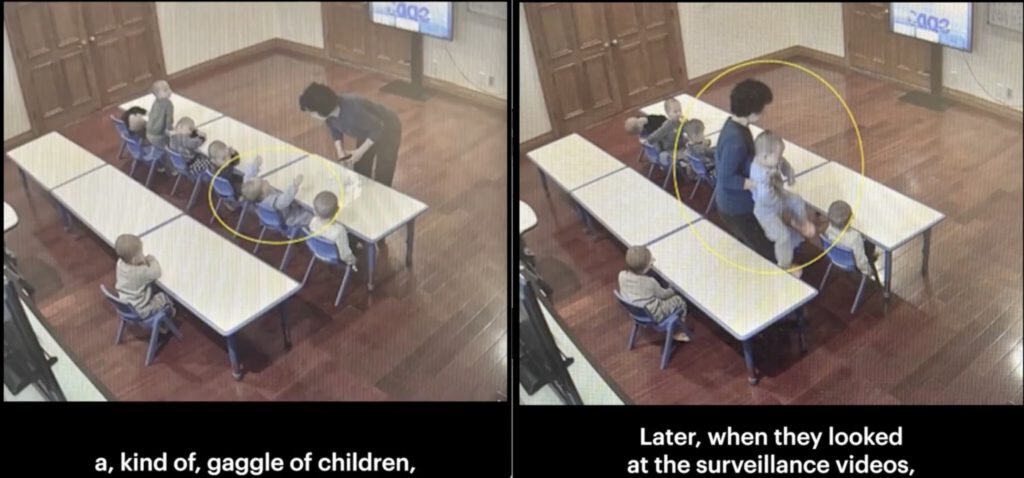
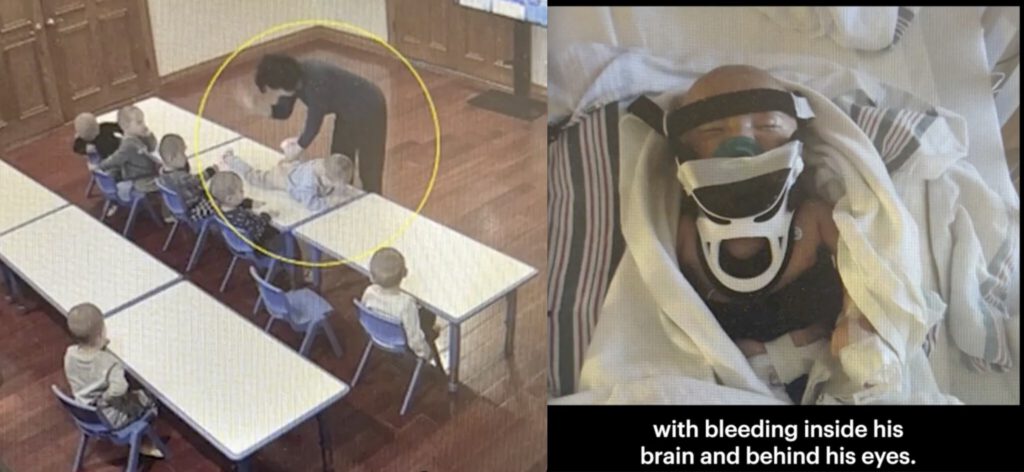
https://art-culture.world/politics/surrogate-mothers-california-asia/
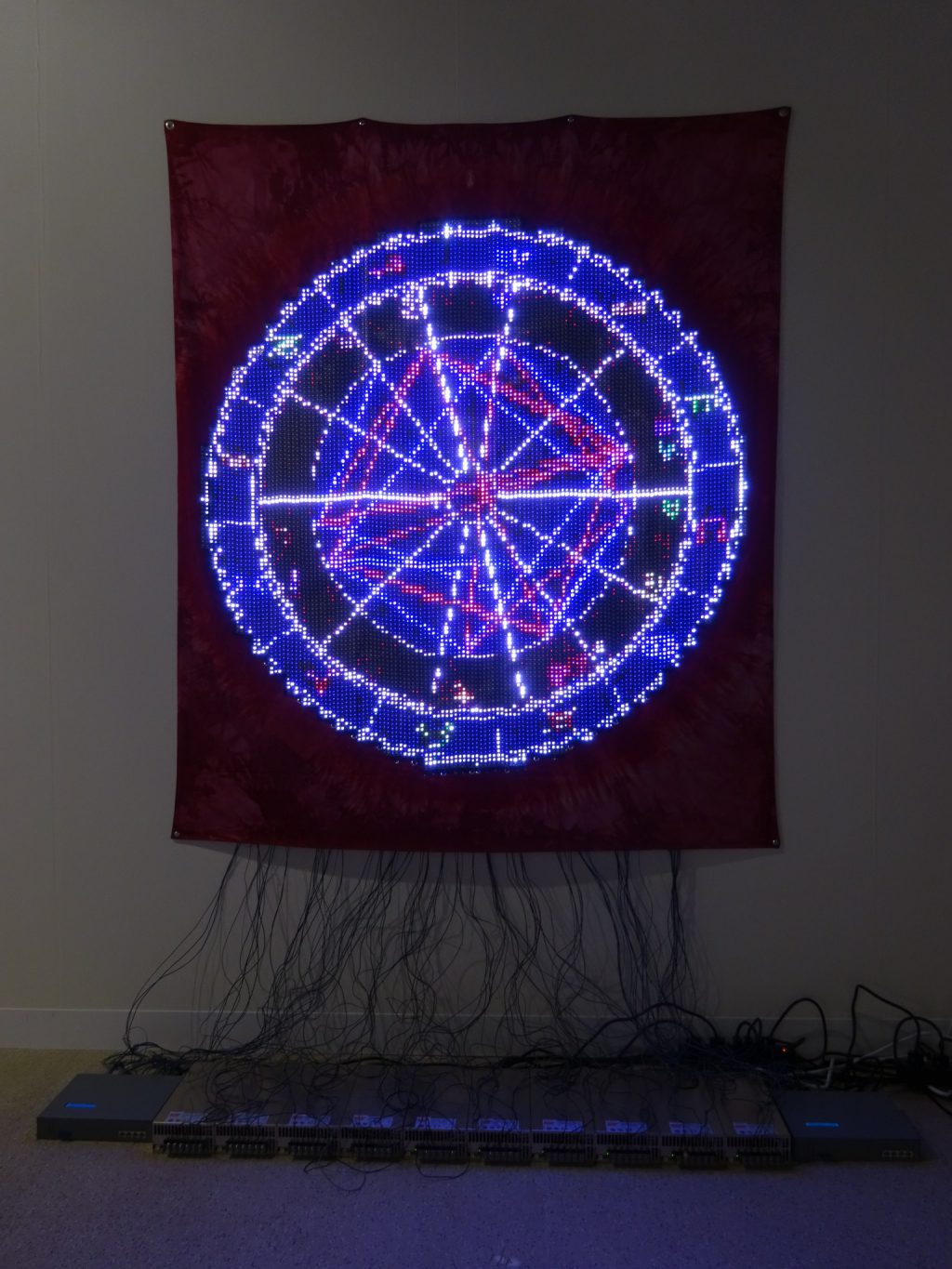
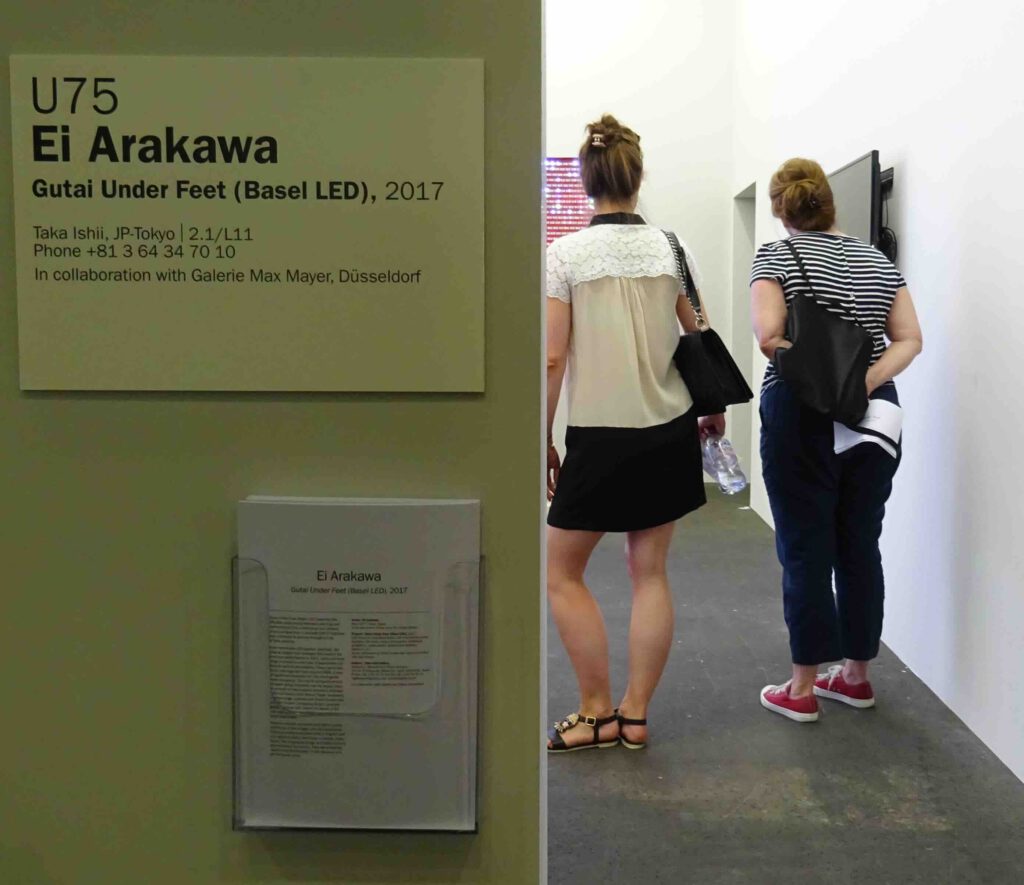
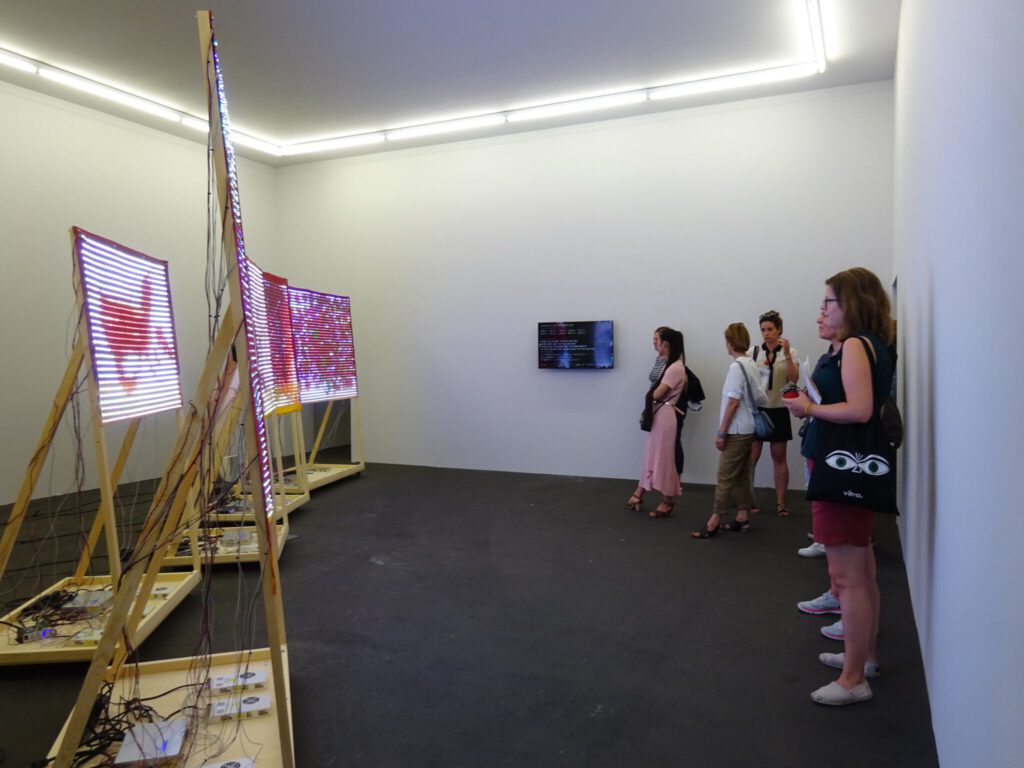
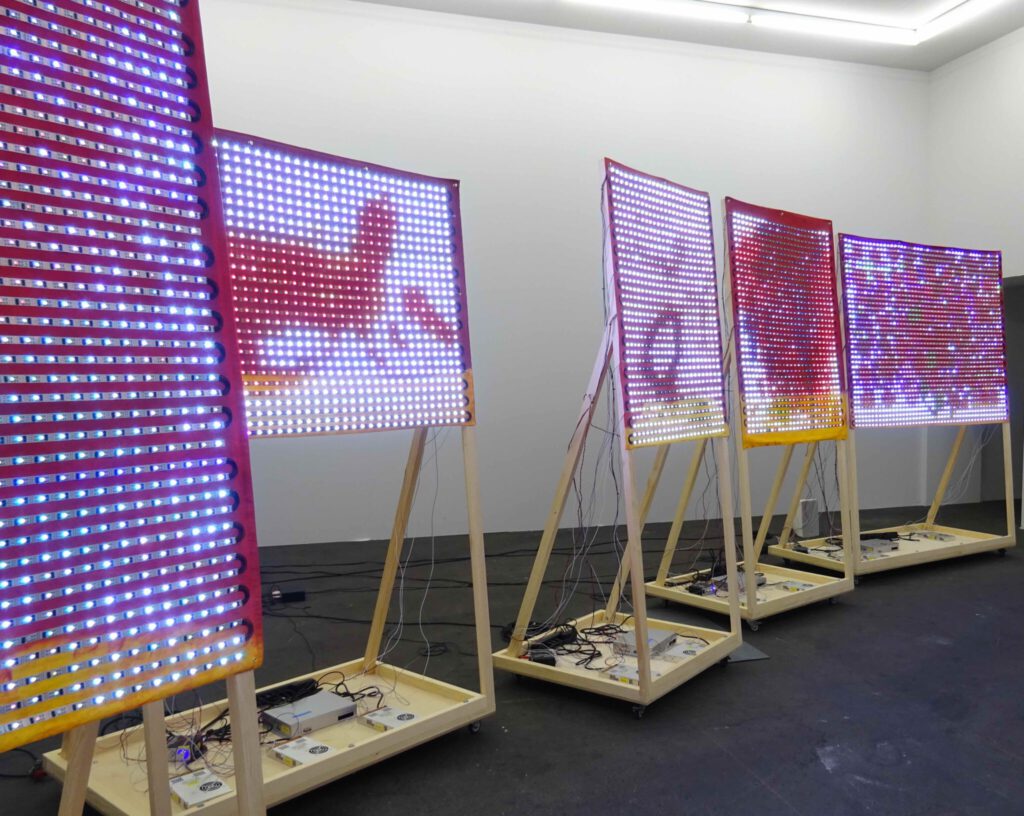
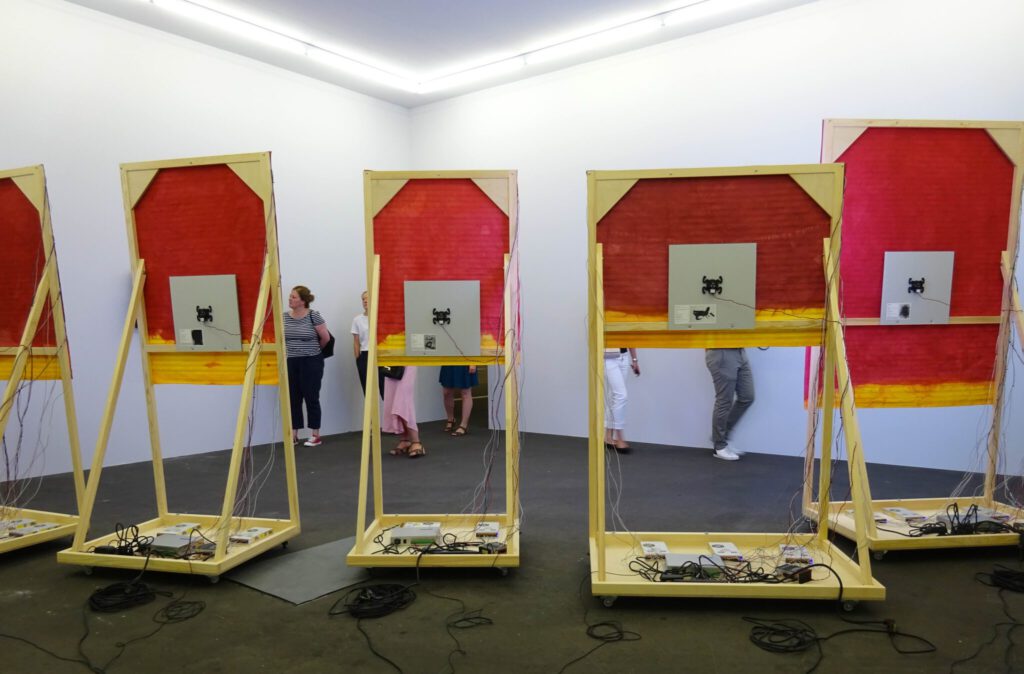
204 views 24 Nov 2024 トランスコスモス presents 松任谷正隆の…ちょっと変なこと聞いてもいいですか?」
で 放送しきれなかった内容をギュッと詰め込み、スペシャルエディットとしてお届けします。
ゲストは、パフォーマンスアーティストの荒川ナッシュ医さん
More about the Venice Biennale on ART+CULTURE:
Venice Biennale 2024 with the title: “Foreigners Everywhere”. Contemporary Art Star MOHRI Yuko @ Japan Pavilion. Can MOHRI challenge ‘L’Arte dei rumori’ by Italian Futurist Russolo?
ヴェネツィア・ビエンナーレ 2024のテーマ:「外人だらけ」。現代美術のスター 毛利悠子 @ 日本館。
https://art-culture.world/articles/mohri-yuko-毛利悠子/
塩田千春作:孤独と生命線の神秘な相関巣 (過去サイト・アーカイブの再投稿、2013年2月3日)
SHIOTA Chiharu: Mysterious Nest-specific Correlations Between Loneliness and Lifelines (repost from the archive, 2013/2/3)
https://art-culture.world/articles/shiota-chiharu-shiota-塩田千春/
2018年度「文化庁文化交流使」田中功起 ‘Japan Cultural Envoy’ 2018: TANAKA Koki
https://art-culture.world/articles/japan-cultural-envoy-2018-tanaka-koki/
私 (亜 真里男) と草間彌生、長い芸術の旅、アンプラグド
I (Mario A) and KUSAMA Yayoi, a long artistic journey, unplugged
https://art-culture.world/articles/mario-a-kusama-yayoi-草間彌生-亜真里男/
Up-date 2025/5/10
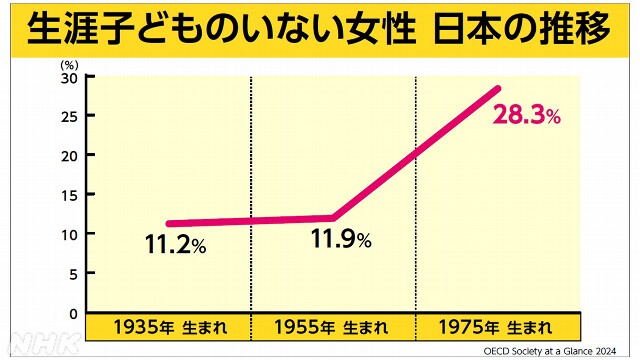
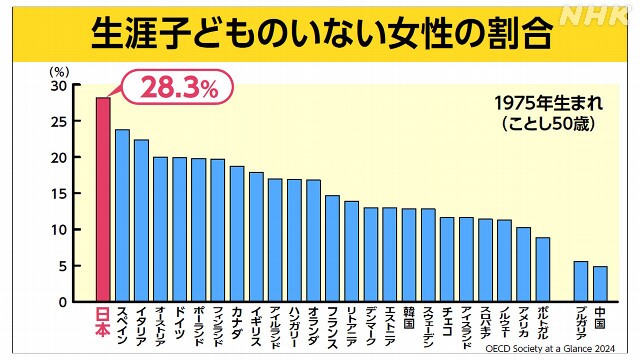
子のいない人生 当事者の葛藤 産みたくない理由つづる本
NHK 2025年5月9日
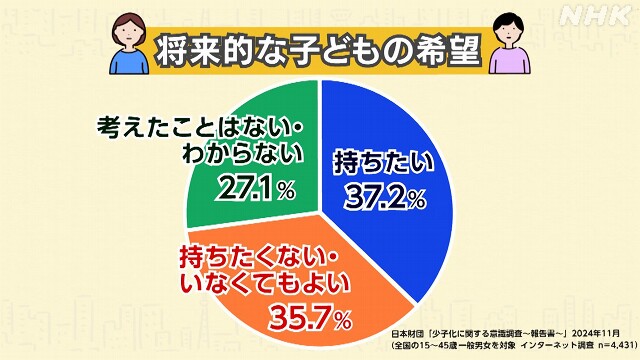
子どもを「持ちたくない・いなくてもよい」と答えた人は、2024年11月に公表された調査で、35.7%に上ります(日本財団「少子化に関する意識調査」)。
取材後記
月岡さんと同い年の私にとって、「子どものいる人生が当たり前」という考えはありませんでした。
しかし、取材を始めると、40代以上の世代や地方に長く住んでいた方からは、「親族や周囲のプレッシャーがまだある」「肩身が狭い」などの声が多く上がりました。なかでも、周りに自分と同じ立場の人が少ないという人ほど、自分の気持ちを周囲に打ち明けられず、苦しんでいると感じました。
また、出産する性である女性のほうが、男性よりも“子ども”の有無について、責任を感じやすい傾向にあることも分かりました(男性は“結婚”に責任を感じやすい傾向)。
時代は変わり続けているなかで、ようやく上げられるようになった声や、押し殺されてきた声があることを知っていただきたいとともに、一人ひとりの生き方が尊重される社会になってほしいと思います。
https://www3.nhk.or.jp/news/html/20250509/k10014799731000.html
2025/11/25 up-date:
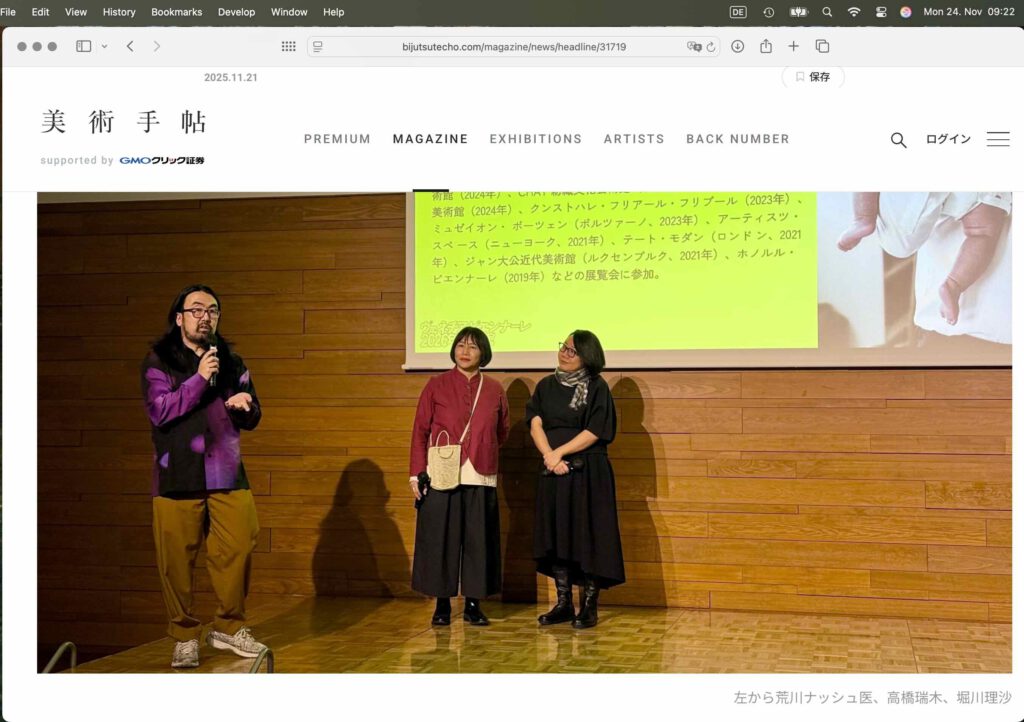
予算目標は1億円。
日本館設立70周年、2026年ヴェネチア・ビエンナーレへ向けた大規模支援活動が始動
ヴェネチア・ビエンナーレ2026に向け、日本館が大規模なファンドレイジングを実施することを発表した。
文・撮影=王崇橋(ウェブ版「美術手帖」編集部)
美術手帖 BT, 2025.11.21
世界子供の日にあたる11月20日、国際文化会館にて「日本館設立70周年記念 ファンドレイジング・イベント 2026年ヴェネチア・ビエンナーレ日本館を応援する会」が開催された。
会場には、第61回ヴェネチア・ビエンナーレ日本館代表作家の荒川ナッシュ医、共同キュレーターの高橋瑞木・堀川理沙らプロジェクトメンバーが登壇し、日本館の最新計画とファンドレイジングの必要性について説明が行われた。
日本館を主催する国際交流基金は、「作家の創造性を最大限尊重し、その実現に最善を尽くす」という方針のもと展示制作を進めている。しかし、世界的なインフレの長期化や急速な円安、ヴェネチアで高騰する宿泊費や輸送費、国際情勢の不安定化などの影響により、制作環境は年々厳しさを増している。
現在、日本館に割り当てられる展覧会制作の基本予算は2500万円だが、この金額では現地で競い合う他国の展示規模には及ばず、十分な制作環境の確保は難しいという。
ファンドレイジング・マネージャーの五十嵐三慧は、各国の予算規模の違いについて「アメリカ館は約8億円、ドイツ館は約2億円、韓国館も3300万円規模。交流イベントやレセプションを含め、国の威信をかけた大規模展示が行われます。いっぽう、日本館は限られた予算のなかで運営しており、現状のままでは十分な国際発信が難しいのです」と現状を語った。
荒川ナッシュ医は、日本と欧米の展示規模に差が生じる背景について、寄付文化の違いを指摘する。「日本館の展示費は2500万円ですが、運営費を含めると総額は5000万円規模になります。国からの支援は決して少なくありません。しかしアメリカやドイツでは、個人や財団からの寄付が桁違いに多い。日本ではまだ、ビエンナーレに寄付をする文化が十分に根付いていないことが大きな要因です。そもそもビエンナーレ自体の社会的認知が低いという課題もあります」。
full text, more @
https://bijutsutecho.com/magazine/news/headline/31719
Deepl-Translation:
Budget target: 100 million yen.
Large-scale fundraising campaign launched for Japan Pavilion’s 70th anniversary and 2026 Venice Biennale
The Japan Pavilion has announced a large-scale fundraising initiative for the 2026 Venice Biennale.
Text and photography by O Sokyo (Web Edition “Bijutsu Techo” Editorial Department)
Bijutsu Techo BT, 2025.11.21
On November 20, World Children’s Day, the “Fundraising Event for the 70th Anniversary of the Japanese Pavilion: Supporting the Japanese Pavilion at the 2026 Venice Biennale” was held at the International House of Japan.
Project members including Ei Arakawa-Nash, the representative artist for the 61st Venice Biennale Japan Pavilion, and co-curators Mizuki Takahashi and Risa Horikawa took the stage to explain the latest plans for the Japan Pavilion and the necessity of fundraising.
The Japan Foundation, which organizes the Japan Pavilion, is advancing the exhibition production under the principle of “maximizing respect for the artist’s creativity and doing our utmost to realize it.” However, the production environment is becoming increasingly challenging each year due to the prolonged global inflation, rapid depreciation of the yen, soaring accommodation and transportation costs in Venice, and the instability of the international situation.
Currently, the basic exhibition production budget allocated to the Japan Pavilion is 25 million yen. However, this amount is insufficient to match the scale of competing exhibitions from other countries on-site, making it difficult to secure adequate production conditions.
Fundraising Manager Mie Igarashi described the disparity in national budgets: “The American Pavilion has approximately 800 million yen, the German Pavilion around 200 million yen, and the Korean Pavilion about 33 million yen. These are large-scale exhibitions involving exchange events and receptions, representing national prestige. In contrast, the Japan Pavilion operates within a limited budget, making it difficult to achieve sufficient international outreach under current conditions.”
Ei Arakawa-Nash points to differences in donation cultures as a key factor behind the disparity in exhibition scale between Japan and Western nations. “The Japan Pavilion’s exhibition costs are 25 million yen, but including operational expenses, the total reaches around 50 million yen. Support from the government is by no means small. However, in the US and Germany, donations from individuals and foundations are orders of magnitude larger. A major factor is that the culture of donating to the Biennale has not yet fully taken root in Japan. There is also the fundamental challenge that the Biennale itself lacks sufficient social recognition.”
full text, more @
https://bijutsutecho.com/magazine/news/headline/31719
Update 2026/1/27:
Update 2026/5/2:
注意!ATTENTION!
All pictures and texts have to be understood in the context of “Creative Commons Attribution Noncommercial-NoDerivative Works.” ここに載せた画像やテクストは、すべて「好意によりクリエーティブ・コモン・センス」の文脈で、日本美術史の記録の為に発表致します。 Creative Commons Attribution Noncommercial-NoDerivative Works, photos: cccs courtesy creative common sense
All these texts and pictures are for future archival purposes, in the context of Japanese art history writings.
The Interview: Ei Arakawa-Nash
by Taro Nettleton and Noriko Yamakoshi, 1 May 2026, ArtReview
“It’s very administrative to be a parent, but the babies always outperform the administration. This kind of mirrors my participation in the Japan Pavilion”
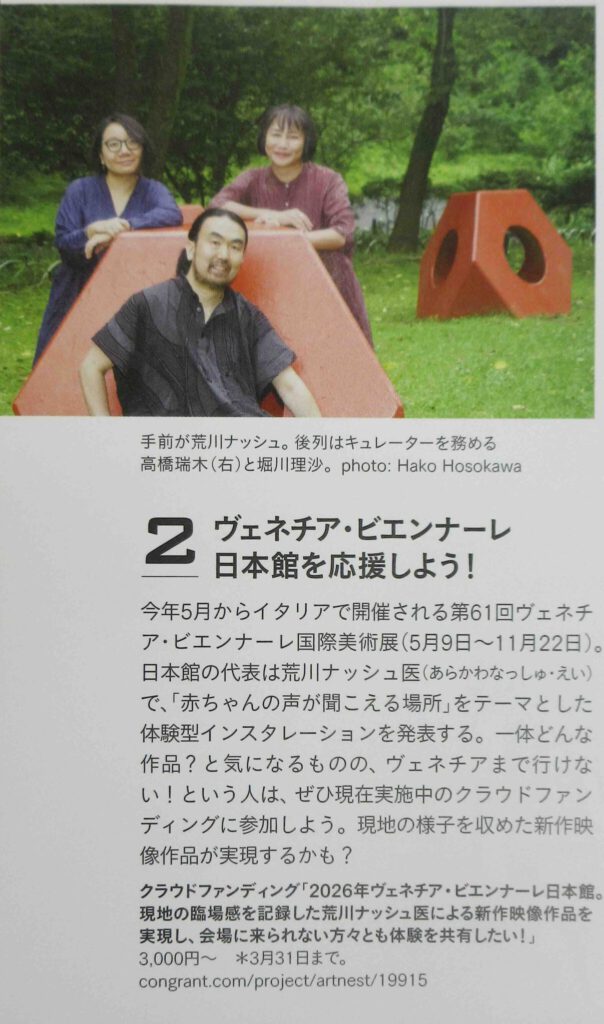
Ei Arakawa-Nash’s first solo museum-exhibition Paintings Are Popstars, held at Tokyo’s National Art Center in 2024, was also the center’s first solo exhibition devoted to a performance artist. Deftly intertwining humour, history and politics to challenge artworld and Japanese proprieties, the show included the works of over 50 artists as well as weekly performances by Arakawa-Nash. Fewer than six months later, he was selected to represent Japan at the 61st Venice Biennale. Originally Japanese, but now Japanese American, he will be the first non-Japanese national to do so in a solo presentation. Between those two major events, he also became a parent, with his husband, to twins. Known for his humorous and playful research-based and collaborative performance works, he will address themes of care and reparation, using babies as a central motif in Grass Babies, Moon Babies, his presentation at the Japan Pavilion cocurated by Lisa Horikawa and Takahashi Mizuki.
ArtReview caught up with the artist to discuss some aspects of his upcoming exhibition, such as astrology, babies in sunglasses, diapers and Japan’s colonialist past.
ArtReview How has your life changed since becoming an American national?
Ei Arakawa-Nash I became American in 2019, kind of out of necessity. Before COVID, I was outside the USA nearly 180 days a year. And if you’re holding a green card you have to stay inside the US at least six months out of the year. I was afraid that I might lose my rights to stay in the USA, where I’d spent more than two decades. So that was one of the practical reasons for becoming naturalised. I gave up my Japanese nationality, but I hesitated a little bit. I was wondering what it’d be like not to have Japanese nationality.
AR And what was it like?
EAN It was… strange. It was strange because I was born in Fukushima, so my sense of belonging to Japan was based on my birthplace. But then that legality of national identity actually isn’t what makes me Japanese – through the naturalisation process, I became more aware that nationality is a construct. It relates to gay marriage as well, because Japan doesn’t recognise my same-sex married status; it turns out that my status in relation to that depends on which government I’m associated with.
AR Does that make you feel stateless in some ways?
EAN It doesn’t make me stateless; it means I have more freedom to think outside of a single national framework.
AR Was representing Japan at Venice something you had thought about before? Especially given your complicated relationship to national identity?
EAN I was excited to get the invitation. It made sense to me after my show at the National Art Center in 2024. The national framework – whether it’s the national pavilion or the national museum – is very rigid structurally, very bureaucratic. And because national institutions are very rigid, there are many possibilities for performance artists to intervene or insert our flexibility within an institution, even if temporarily. As a performance artist working since the early 2000s, I’ve seen how museums adapt themselves to performance art. Over time, museums have learned how to regulate the medium, but there is a limit to what the institution can make us do.
AR Previously, in your statement on your selection for the Japan Pavilion, you used kazaana, a phrase in Japanese meaning ‘making a hole to create a draft’, which we think is a really nice metaphor for the kind of intervention that you’re trying to stage at both national institutions. What will be your most important intervention at Venice?
EAN The show will have multiple elements and I’d say that they are all important. The installation involves baby dolls that carry 57 different historical dates, which was very sensitive to make. Many people have to approve of how I say it. The artist choosing curators, as I’ve done for the Biennale, is quite unique. We’ve been able to implement a number of new small and medium-sized structural arrangements that the Japan Pavilion hasn’t done before – one is that there is a collaboration with the Korean Pavilion [which is located next door to the Japan Pavilion in Venice’s Giardini]. We’re trying to improve the way the Japan Pavilion is organised for the future.
AR Can you tell us a little bit more about the collaboration with the Korean Pavilion?
EAN So, in the 30 years since the Korean Pavilion was built, the two pavilions have never collaborated. One of the cocurators I’m working with on the Japan Pavilion, Takahashi Mizuki, proposed a collaboration with the Korean Pavilion in 2015, but it didn’t work out. [In 2024] Sook-Kyung Lee [a UK-based Korean] curated the Japan Pavilion. So there was this recurring pattern. Binna Choi, the curator of the Korean Pavilion at this edition of the Biennale, is someone I’ve worked with several times in the past, so there was a chance to do something together. Our preexisting connections matched with historical momentum. Initially, it was more about administrative elements, like doing a reception together. But through the conversations that developed between the Japanese cocurators, Binna, two Korean artists and myself, I began to think about how to make amends in terms of national, social and personal history in my work in Venice. One section of my Grass Babies, Moon Babies involves the Japanese violence committed in the Asia-Pacific region during the Second World War. I’m also interested in the Korean resistance in the early twentieth century, and in the zainichi or Korean-Japanese and the other diaspora communities in Japan, including the Taiwanese, the Chinese and others.
AR You’re using this platform and opportunity to try to address historical violence and make amends.
EAN For the Korean Pavilion, the starting point of their exhibition is the three years from 1945 to 1948, and it’s called Liberation Space: Fortress/Nest. That period is the beginning of Korea’s liberation from Japanese colonisation. There’s a shared interest between both pavilions for historical repair, and it made sense to have some kind of permeation instead of setting up a boundary. To make that permeation happen, we will do an exchange – I invited one of the Korean artists, Goen Choi, to exhibit her artworks inside of the Japan Pavilion. And Hyeree Ro will take one of my baby sculptures and do a daily performance in the Korean Pavilion.
AR Have there been any issues with you addressing Japanese colonialism in this official national context?
EAN The Japan Pavilion commissioner is the Japan Foundation, which exists under the Ministry of Foreign Affairs. So it’s very diplomatic, and we are trying to be very careful of how to word this collaboration; I hope things will unfold as planned. I’m the first non-Japanese national to do a solo show in the Japan Pavilion, but during my research, I found out that Jae-Eun Choi, a Korean artist living in Japan since the 1970s, had participated in the Japan Pavilion in a group show in 1995. And that’s the year when the Korean Pavilion was built. So there was a historical desire to collaborate from both sides. I think Nam June Paik also represented Germany in 1993.
AR Your work often involves this relationship or dialogue with a historical work or event. Can you speak to the importance of this dialoguing in your practice?
EAN One important part is that I didn’t want to make myself central. Not just by inviting others to collaborate, but also by finding historical evidence to understand that we collectively desire certain things – and through that, to somehow externalise my own subjectivity. When I researched Japanese performance art history, I wanted to somehow imagine what this community’s context was, so that the work doesn’t come exclusively from my own position. And that makes it more emancipated from the confinement of singularity.
AR This de-centring of yourself and your authority as an artist is also something that recurs through your work. Do you have expectations of the visitor-participants at the pavilion?
EAN There is this attitude of making amends with the past, recognising past mistakes to make a better future. That’s where the 200 baby dolls come in.
AR How do they relate to the better future and the past mistakes?
EAN In order to raise children, I wanted to internalise different pasts and mistakes. I didn’t want to just celebrate the future generation; I thought I needed to examine how I deal with the past. The list of 57 historical dates, the collaboration with the Korean Pavilion and also a participatory performance, in which visitors are invited to carry and care for the baby doll, are all connected to it. Before talking about the future optimistically, I thought I needed to do some homework.
AR It seems permeability between personal and geopolitical histories is a through line. How will the visitors engage with the baby dolls?
(ArtReview editing mistake? “EAN” is missing)
When I was a kid during the 1980s and early 90s, I didn’t learn much about Japanese colonisation in Asia and the Pacific, for instance. Researching and selecting the 57 historical dates was a response to that absence. These are the dates I want to hand to my twins, rather than hiding them. So I selected dates relating to the history of nationalism and wars, but also, the history of women’s reproductive rights, queer history and labour politics in Japan. The dates come from Europe, the US and across Asia, including Southeast Asia. Those dates are assigned as birthdays to the baby dolls. And I asked Ishii Yukari, an influential and respected astrologer, to make a celebratory poem for the babies. I wanted to suggest that these babies’ lighthearted presence is connected to a heavier and more serious historical past.
(ArtReview editing mistake? “Question” is missing)
EAN There will be 200 baby dolls in the pavilion, each in different baby clothes, and mirrored sunglasses. It’s very humorous, I think. The Japan Pavilion, which was designed by Takamasa Yoshizaka, is a mid-century national pavilion with a marble floor. And you’ll be greeted by a bunch of baby dolls. 57 of the dolls will be available for visitors to carry. Importantly, they weigh about five to six kilograms. They’re kind of heavy. It’s the weight my body remembers of the babies around four months. The audience is turned into caregivers – who have historically been women; there’s the care aspect, but also the labour.
AR Where did the dolls come from? Or were they made for the project?
EAN They’re ready-made by a company in Florida, but we had to customise them. They were originally too small to be four months old, but also already had teeth. We had to remove their teeth in order to make them more realistic.
AR Why are they wearing mirrored sunglasses?
EAN Mainly because I wanted the sunglasses to reflect the visitor and their surroundings when they’re holding the baby. They make us recognise, through the baby’s gaze, ourselves in the landscape. The babies are watching the adults.
AR That makes me think of your past talk, in which you mentioned Dan Graham as one of your influences. His work explores the dynamics of seeing and being seen through mirrors and spatial structures.
EAN Yes. I’m thinking of some of the artworks from the 1960s that used mirrors to break the fourth wall. For example, Yayoi Kusama – in her 1966 guerrilla performance in Venice, she sold mirror balls to the audience, and each buyer would see themselves reflected in the ball within their surrounding environment. In my case, I wanted to create a situation in which multiple gazes from the baby dolls are directed toward the adults, almost as if examining them. Some babies will be positioned higher up, on the rooftop of the pavilion – looking down at us and challenging the adults.
AR Surveilling the adults. It’s like Lacan’s mirror stage, but you’re also in California, where we heard that the highway police officers wear mirrored sunglasses to intimidate, because you can’t read their expression.
EAN In this case, when you don’t see the doll’s eyes, it actually allows the visitor to empathise more. The reasons for the sunglasses are multiple; they’re also protecting the babies’ eyes from UV rays. Anonymity is also important in terms of babies’ rights. The Venice Biennale entails a lot of press exposure, like this interview. I wanted to hide the babies’ faces. It’s a form of care.
AR It seems that you have to take care not only of your baby, but also of any baby.
EAN Any baby?
AR The visitors have the choice to pick up and care for a baby while at the pavilion, but it’s not their baby, per se; it’s a nice idea to take care out of the constraints of the nuclear family.
EAN True: like, collective care and kinship. I’m kind of speculating, because it’s only April, but this weight of the baby and its vulnerability will induce empathy in visitors, hopefully. Babies are vulnerable, but also very open. They are in a state of becoming.
AR I watched a film this morning that you referenced, Watashi wa nisai [Being Two Isn’t Easy, 1962], which centres on a child becoming two years old.
EAN At the film’s start, there’s an imagined first-person voiceover of the child’s internal monologue – like, the child’s observations of adults. That kind of perspectival shift is one of the motifs of this installation.
AR I was also interested in that voiceover, because it seems like a kind of wishful thinking, like if the child could just tell you, things would be so much easier.
EAN We don’t know what babies are thinking, and as parents we always try to decipher their messages. I wanted to call one of the main elements of the work ‘diaper poems’ because that’s how parents know the health condition of the baby – how they poop and how much they pee.
AR It reminds me of Mary Kelly’s Post-Partum Document (1973–79), but it was also something I had to record daily when my child was going to a Japanese nursery.
EAN It’s very administrative to be a parent, but the babies always outperform the administration. This mirrors my participation in the Japan Pavilion. In the Japan Pavilion I could be diplomatic, but in a way my art is much more radicalised than what I showed at the National Art Center. I mean, I understand that both of these institutions wanted to present themselves as liberal and woke. Therefore, maybe they wanted to work with an artist who is queer or has a diasporic context. I understand what they want, but I also negotiate the terms.
AR I think when we spoke before around your National Art Center, Tokyo show, you said something about testing the limits of the institution.
EAN My collaborators, coming from outside Japan, don’t know how bureaucratic and conservative Japan can be. Still, when they bring in their contexts or issues, I think that creates a very productive space that we can generate with all those differences. That’s an interesting part of Yoshizaka’s architectural concept called ‘discontinuous unity’. I’m not an architectural historian, but what I fantasise about is that there’s a lot of differences within this one architecture or one institution. And they’re all interacting and moving together to archive something.
I visited Yoshizaka’s Inter-University Seminar House in Hachioji [in the Western part of Tokyo]. And it was built on the mountain. He was a very serious mountain climber and his philosophy was that the natural landscape should not be drastically modified. So, at both Seminar House and Japan Pavilion, he uses high and low spaces, creating changes in perspective. His concept was to encourage free circulation in and out of space for users. I thought this could be very interesting for performance.
I just realised, as I was talking, that in a way the babies looking down at adults from a higher position also echoes this idea of circulation. You know, Grass Babies, Moon Babies are not always on the ground.
Ei Arakawa-Nash’s project for the Japan Pavilion, Grass Babies, Moon Babies, is on view as part of the 61st Venice Biennale, 9 May – 22 November
https://artreview.com/the-interview-ei-arakawa-nash-taro-nettleton-and-noriko-yamakoshi/
アップデート update 2026/5/9
日本館をめぐる非難と不名誉。貧しい女性たちに対する人種差別的かつ植民地主義的な搾取。保守的な日本の家父長制の強化。戸籍制度の強化。差別的な血統思想の強化。
Criticism and disgrace surrounding the Japan Pavilion. Racist and colonial exploitation of poor women. Strengthening of conservative Japanese patriarchy. Strengthening of the family registration system. Reinforcement of discriminatory bloodline ideology.
https://art-culture.world/reviews/venice-biennale-japan-pavilion-gestational-surrogacy/
注意!ATTENTION!
All pictures and texts have to be understood in the context of “Creative Commons Attribution Noncommercial-NoDerivative Works.” ここに載せた画像やテクストは、すべて「好意によりクリエーティブ・コモン・センス」の文脈で、日本美術史の記録の為に発表致します。 Creative Commons Attribution Noncommercial-NoDerivative Works, photos: cccs courtesy creative common sense
All these texts and pictures are for future archival purposes, in the context of Japanese art history writings.