My Thirty Sixth Girlfriend Jerry Gogosian マイ サーティ・シックスス ガールフレンド ジェリー・ゴゴシアン
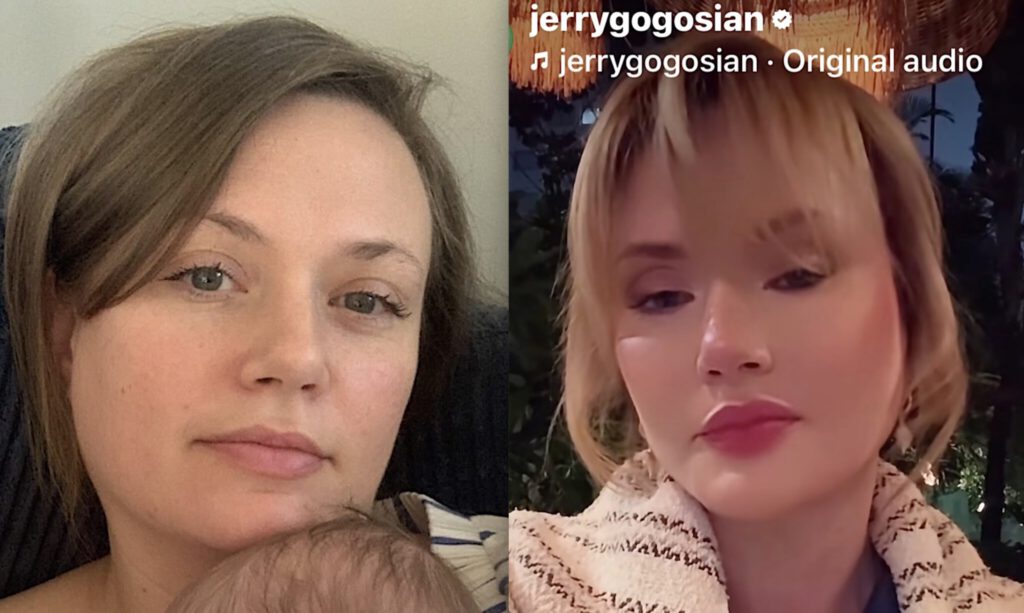
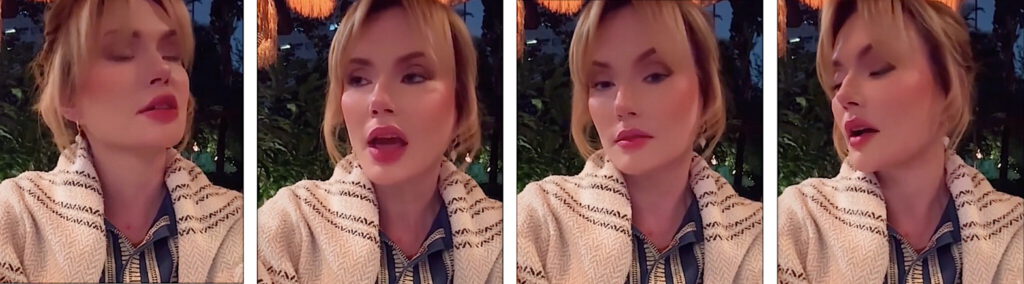
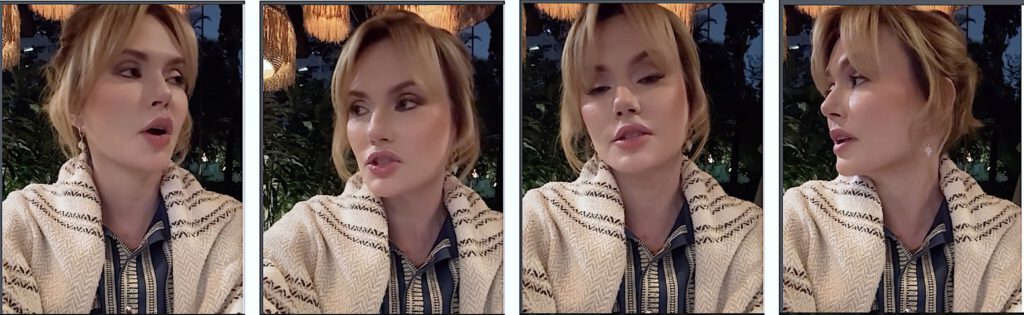
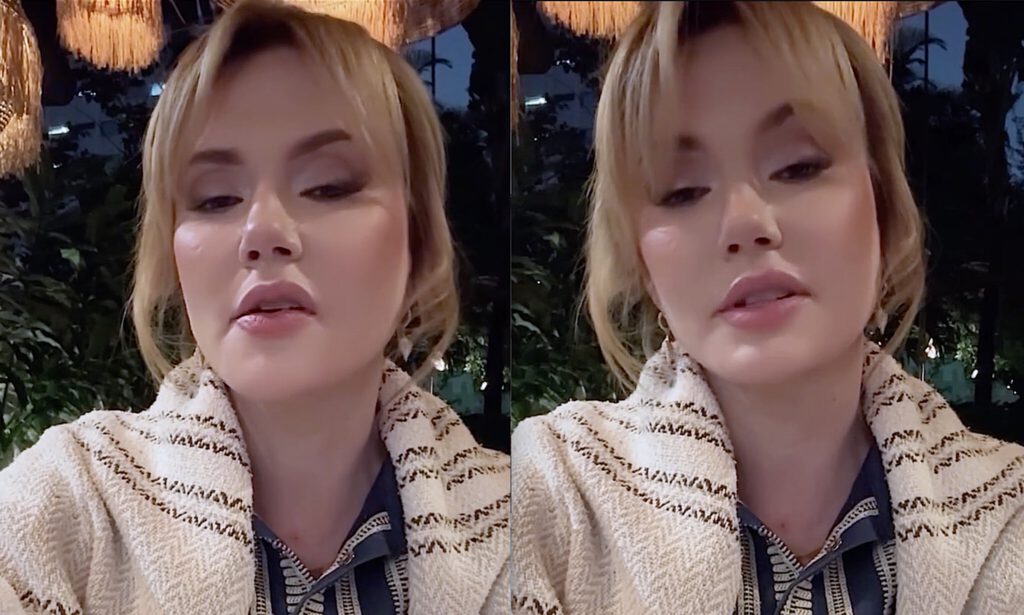

update 12th of June 2026
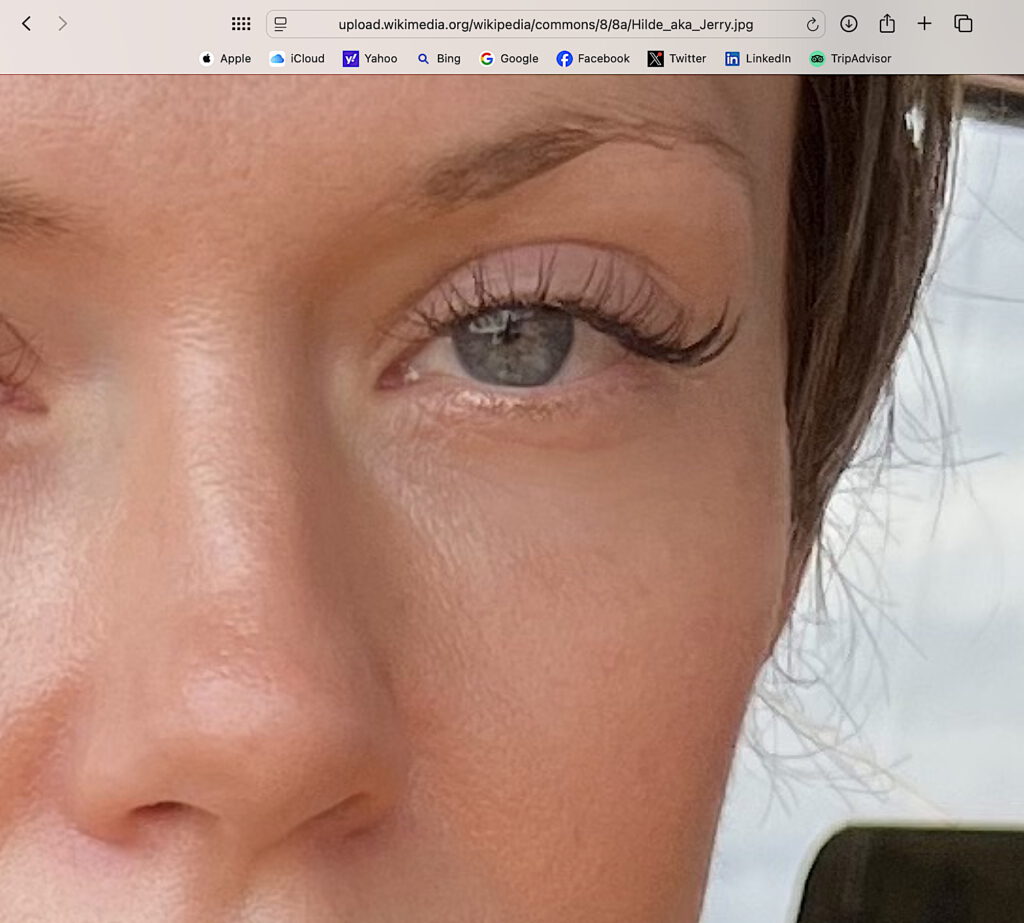
https://upload.wikimedia.org/wikipedia/commons/8/8a/Hilde_aka_Jerry.jpg
(end of update)
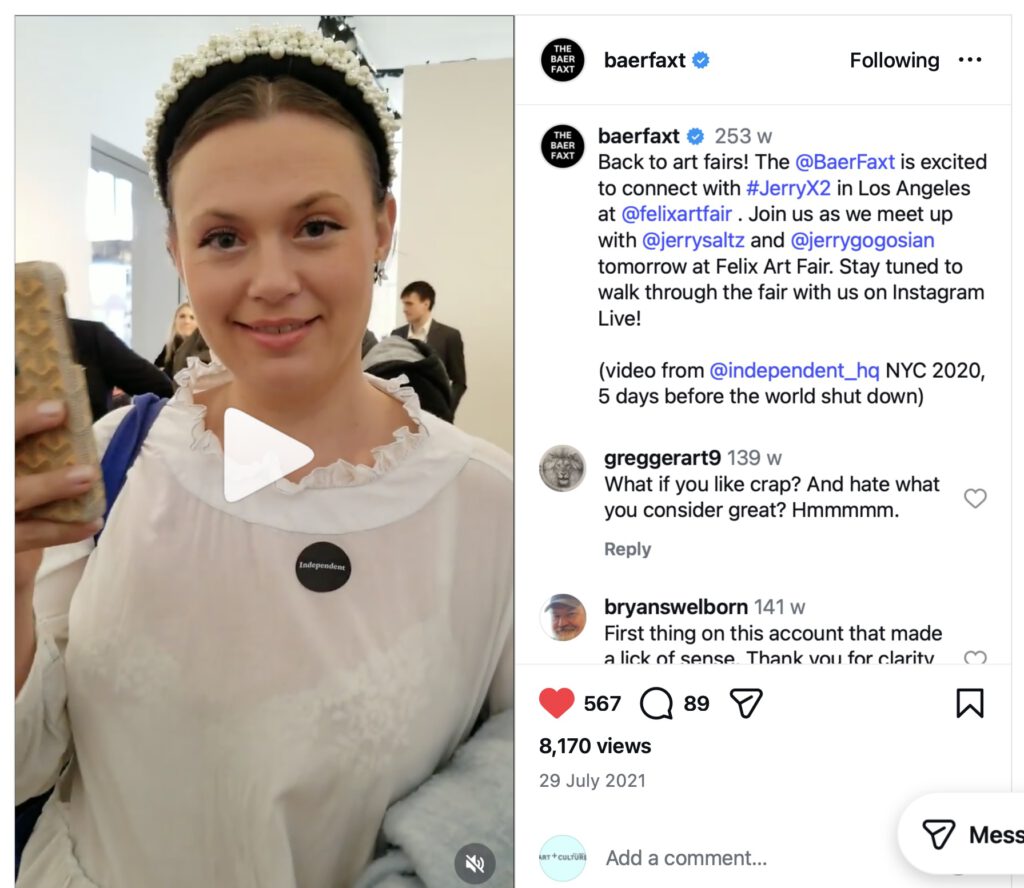
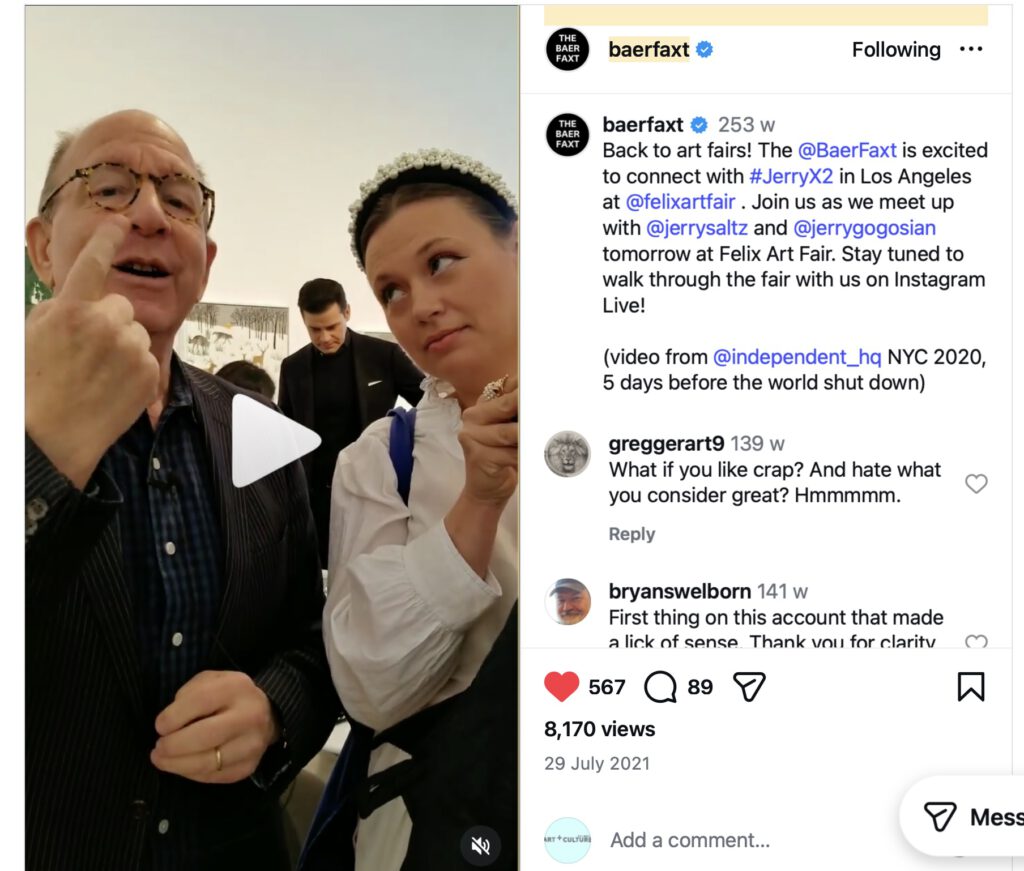
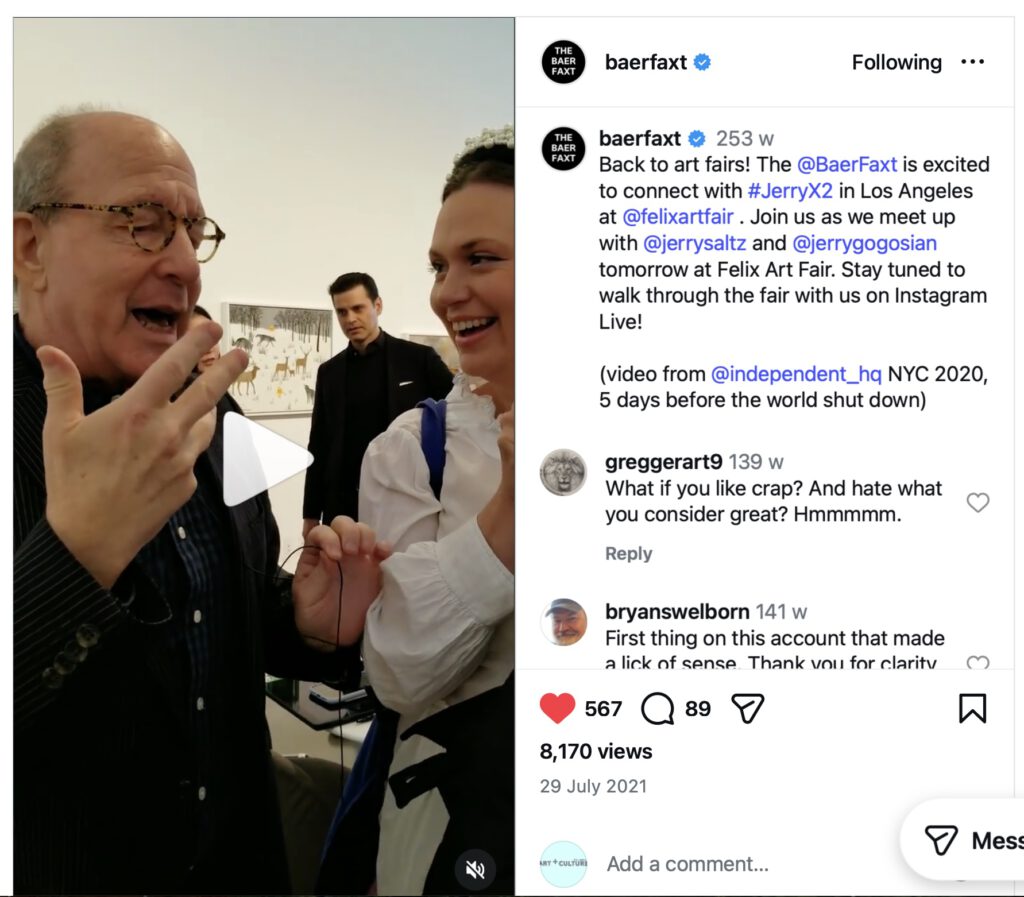
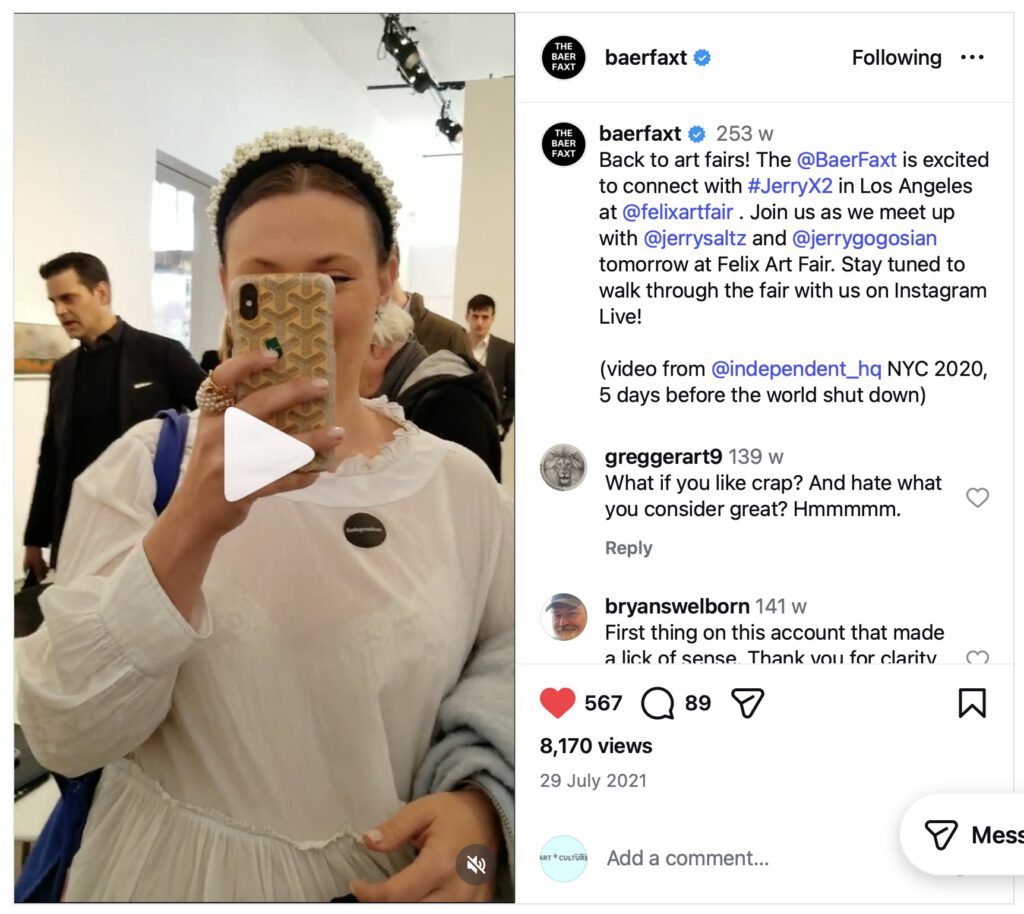
Source:
https://www.instagram.com/p/CR4pXXqDoGV/
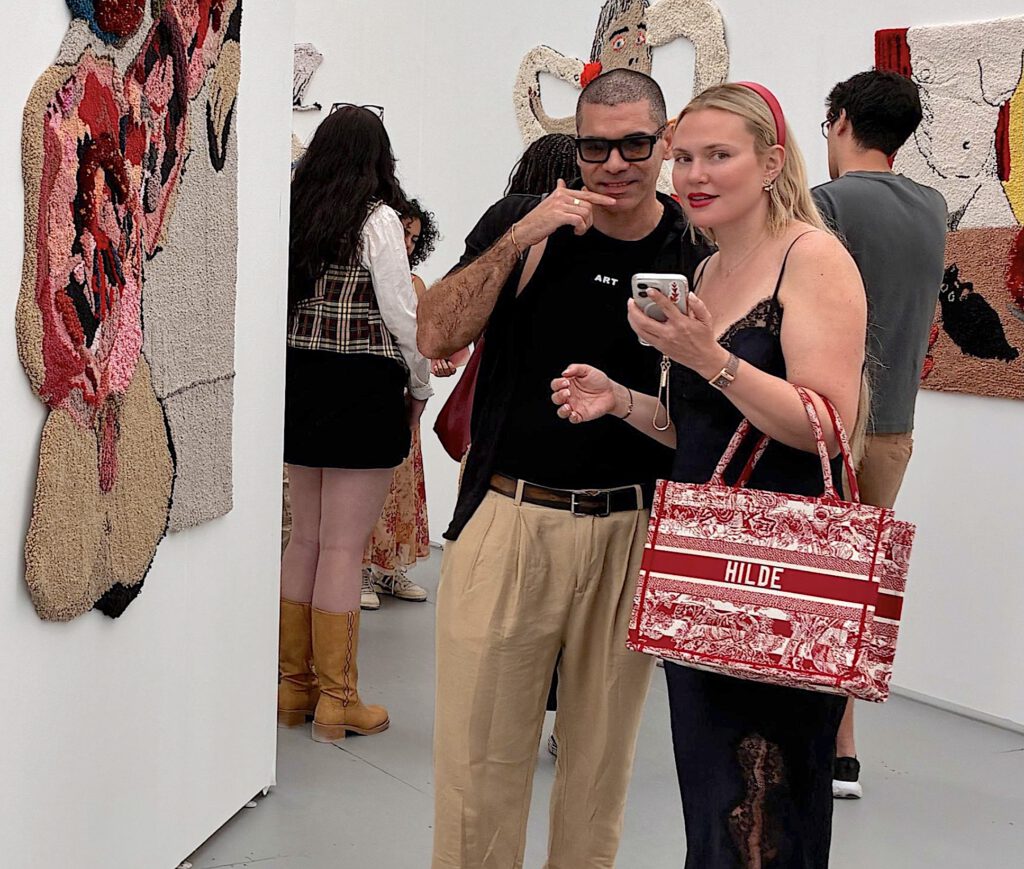
Nicht nur die halbe New Yorker Kunstszene trauert um Jerry Gogosian, sondern auch die halbe Kunstwelt auf Instagram.
Jerry und ich hatten eine kurze, aber intensive Affäre während der Art Basel 2022.
Hilde war aber auch auf der Suche nach Verwandten des schwäbischen Adelsgeschlechts Helfenstein. In meiner deutschsprachigen Heimat sozusagen.
Sie küsste angenehm, der Fick war gut, und die sommerliche Atmosphäre an der Rheinpromenade war erfüllt vom Duft von Marihuana und Wodka. Irgendetwas an den Ritualen von Dominanz und Unterwerfung ließ sie sich in Basel authentischer erleben und gefallen. Anders als in Amerika. „Aber ich musste immer so viel trinken, dass ich in einen veränderten Bewusstseinszustand geriet. Ich fühlte mich immer ängstlich und konkurrenzorientiert – nicht gerade die beste Voraussetzung für Sex, oder?“, erzählte sie mir.
Jerry Gogosian war davon besessen, geliebt und respektiert zu werden. Sie schwankte ständig zwischen Popularitätsdurst und der Zurschaustellung von kontrollierter Verletzlichkeit. Zu ihrem eigenen Schutz wählte sie eine fiktive Identität und musste häufiger, als ihr lieb war, auf ihren Plattformen Leute blockieren. Sie war einfach zu empfindlich und sensibel für diese Kunstwelt. Sie versuchte mit aller Kraft, ihre Identität, ihre Biografie und die ihrer geschiedenen Eltern zu verbergen. Daher existiert kein Wikipedia-Eintrag über sie. (update: wenige Tage später entstand folgende englischsprachige Wikipedia Seite: https://en.wikipedia.org/wiki/Hilde_Lynn_Helphenstein)
Wo die Unterschiede liegen und wo die Gemeinsamkeiten bestehen, was als kritische Analyse des Kunstmarktes gelten sollte und was vielleicht nicht, was diese Fragen selbst dazu beitrugen, Außenstehenden Aufschluss zu geben – und was sie möglicherweise verschleiern, sofern es sich um bloße Spekulationen oder gar Eigenarten handelt –, das waren oft ihre gut gemeinten Themen.
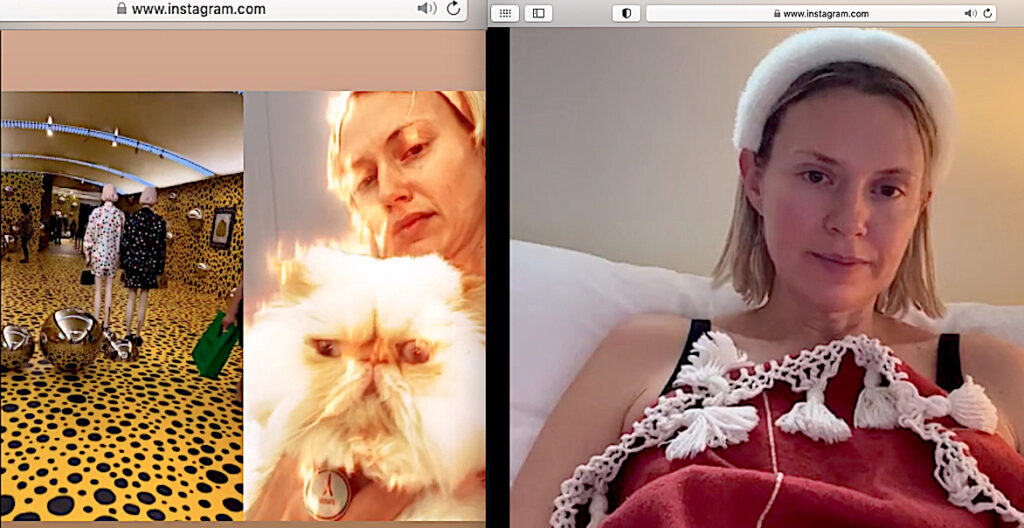
Ihre unerbittliche Besessenheit von Schönheit, die sie im IBFE-Syndrom gefangen hielt, führte letztendlich zu ihrem Tod.
Das ist mein letzter, sentimentaler Eindruck, liebe Hilde. RUHE IN FRIEDEN.
Tokyo, 2.Juni 2026
Mario
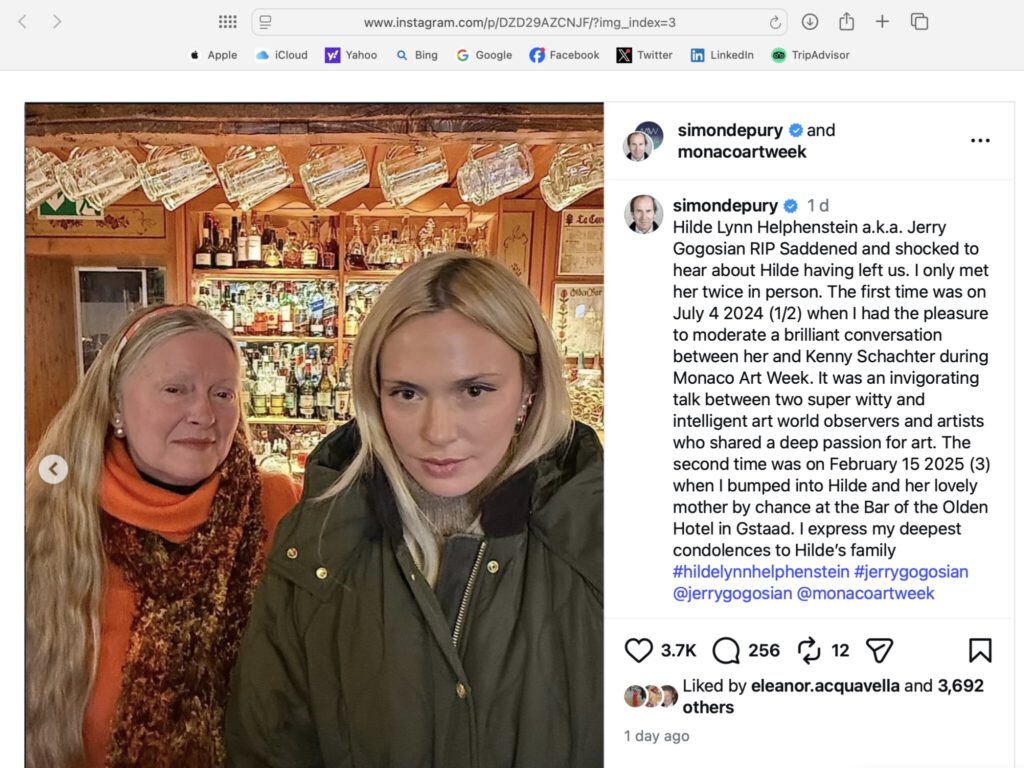

From Instagram:
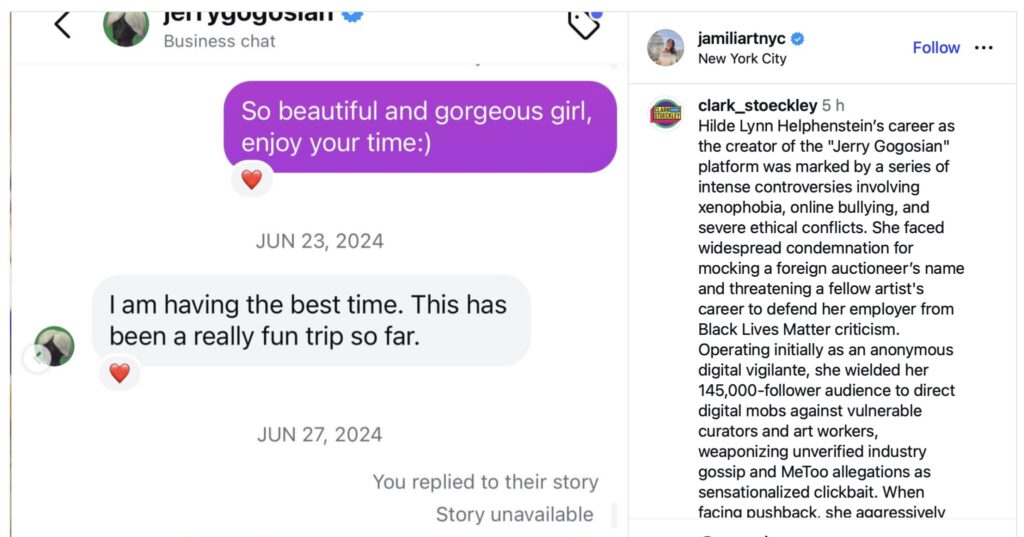
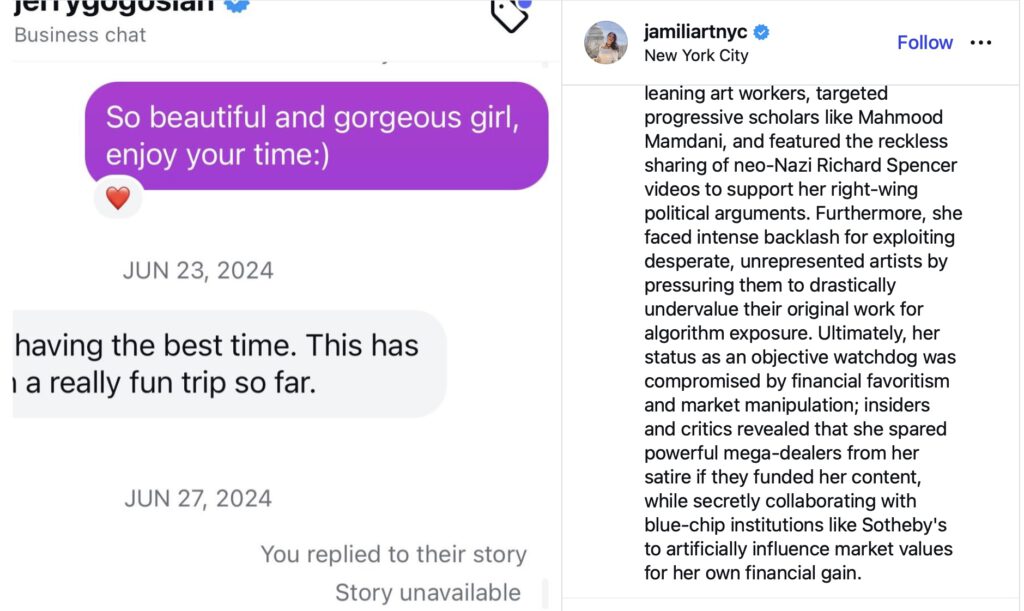
Hilde Lynn Helphenstein’s career as the creator of the “Jerry Gogosian” platform was marked by a series of intense controversies involving xenophobia, online bullying, and severe ethical conflicts. She faced widespread condemnation for mocking a foreign auctioneer’s name and threatening a fellow artist’s career to defend her employer from Black Lives Matter criticism. Operating initially as an anonymous digital vigilante, she wielded her 145,000-follower audience to direct digital mobs against vulnerable curators and art workers, weaponizing unverified industry gossip and MeToo allegations as sensationalized clickbait. When facing pushback, she aggressively silenced critics through mass-blocking, comment deletion, and public screenshot-shaming. Her trajectory eventually alienated the working-class artists who formed her original base, leading former followers to condemn her as a class traitor who had sold out to the very elite she once satirized. This shift was defined by aggressive anti-socialist tirades that ridiculed left-leaning art workers, targeted progressive scholars like Mahmood Mamdani, and featured the reckless sharing of neo-Nazi Richard Spencer videos to support her right-wing political arguments. Furthermore, she faced intense backlash for exploiting desperate, unrepresented artists by pressuring them to drastically undervalue their original work for algorithm exposure. Ultimately, her status as an objective watchdog was compromised by financial favoritism and market manipulation; insiders and critics revealed that she spared powerful mega-dealers from her satire if they funded her content, while secretly collaborating with blue-chip institutions like Sotheby’s to artificially influence market values for her own financial gain.
https://www.instagram.com/p/DZEVYN5FXk3/?img_index=2
Update 2026/6/4
Private Views: Rest in Peace, Jerry Gogosian
Hilde Lynn Helphenstein became one of the most influential and divisive voices in the art world, yet her death exposes the pressures and costs of public life online
Gabriella Angeleti, 2 June, 2026
quotes:
Although I unfollowed the @jerrygogosian account many years ago and never met or connected with Helphenstein, I’ve been acutely aware of her over the years, in part because she was such a polarising figure. The news of her death prompted an outpouring of tributes from friends, admirers and followers sharing memories of her life. Yet the eulogies were partial.
In his tribute, the artist Michael Thibault recognised that she was a “complicated girl.” Her ability to be so unfiltered is probably one reason why most people either disliked or related to her. She mirrored something in most of us, like how we’re terminally online, or how we’ve been the drunkest girl in the room, or how we’ve publicly made less than tactful statements that maybe seemed very funny and smart at the time. We all want to feel seen and get our points across but most of us will never be brave enough to try to do it so unabashedly – albeit as messily – as she did.
I remember one instance in 2024, when she was in conversation with The New York Times writer Zachary Small at the launch event for his book Token Supremacy: The Art of Finance, the Finance of Art, and the Great Crypto Crash of 2022. When I came to the Francis Kite Club in the East Village for the event, she was in a booth with her fiancé and a few others cheerily downing cocktails. But, during the conversation with the author, she veered wildly off topic, raving tipsily about other things like how she had recently been on a private jet with Beeple. Afterwards, Small asked me how I thought the talk went. I said it was great. They responded: “Really?”
The pairing for the book launch seemed very ideologically mismatched because, a few months before this, Helphenstein posted a public apology to the Sotheby’s auctioneer Ashkan Baghestani shortly after she had asked: “Who would name their kid Ashcan?” This made the internet very angry. It didn’t seem to align with the politics of a writer who had also made a career of correcting injustices in the art world. She wrote: “I have apologised directly to the person, and I have also been in dialogue with every single person who has posted today that I am a xenophobic, bitter Karen who posts hate speech.” Baghestani gracefully accepted the apology, responding that we all “live and learn,” and signed his own statement with “love and light.” We all moved on.
The @jerrygogosian account really rose to fame in 2020, during the height of the pandemic and during the trickledown effect of the #MeToo movement. On Instagram, Helphenstein made sexual harassment allegations against Sam Orlofsky, then a senior director at Gagosian Gallery. She encouraged others to come forward and to share their own experiences with Orlofsky. Gagosian later fired Orlofsky following an investigation into complaints by current and former employees. The memes she shared after this chapter never seemed as socially minded.
quotes:
As her account gained popularity, a lot of the discourse around it centred on Helphenstein’s looks. She was incredibly beautiful and thin and had a face that looked expensive. Referencing Helphenstein, a publicist once told me he loved it when women “looked like plastic.” During Frieze Los Angeles one year, another writer told me Helphenstein “used to be fat,” as if to suggest that this explained much about her psyche and her framing of the art world as an inherently toxic place that would not have previously accepted someone who looked “like her”.
More recently, @artdaddy, an account run by the art writer Anni Irish, responded to Helphenstein’s claim last year that she was done with the @jerrygogosian account. Irish went as far as to make a detailed timeline of Helphenstein’s downfall, calling out her “slow erosion of satire into full-blown personal meltdown,” arguing that her mental health struggles and separation from her fiancé had factored in. In her Substack, Irish also noted several of Helphenstein’s other failures, including how gaining representation by United Talent Agency in 2024 never materialised into anything significant.
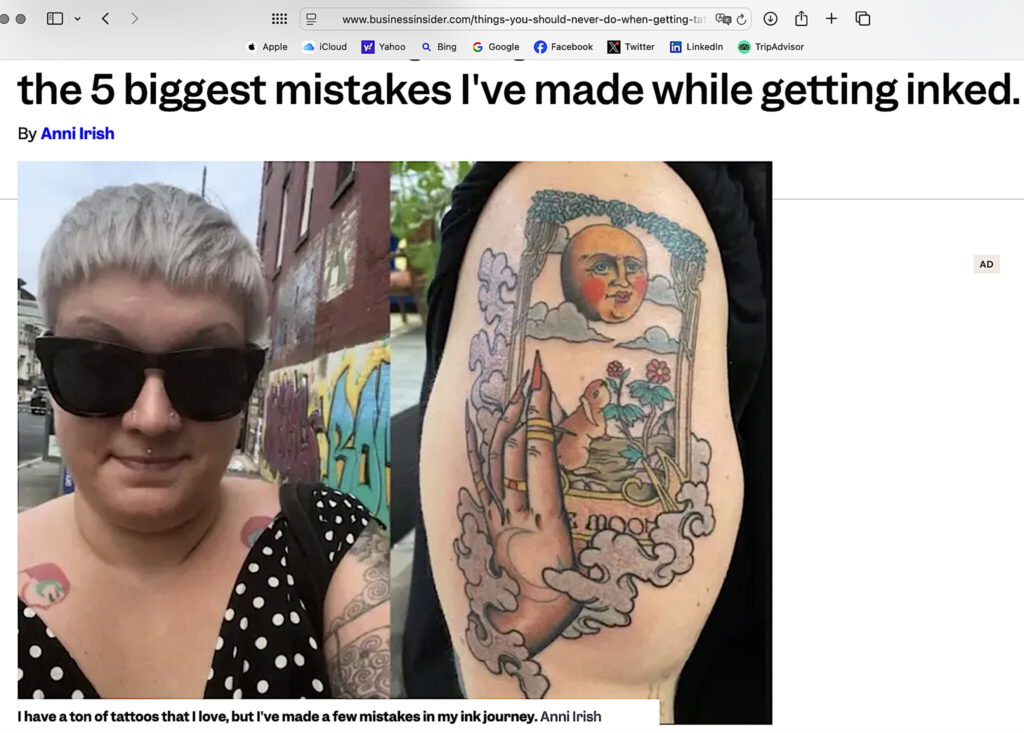
In response to an Artnews article reporting on her departure from the @jerrygogosian account, Irish wrote: “If there’s one thing that signals your influencer arc is officially in the rearview, it’s when one of the major art publications writes your eulogy. And dear reader, I have been waiting to write this hot take for months.” Helphenstein’s mission, she wrote, was to “satirise the system, to reveal its absurdity from the outside.” Yet she became the very thing she mocked, Irish argued, adding that the more Helphenstein “tried to scale the art world’s pyramid, the more the foundation crumbled beneath her.”
She added: “Until then, RIP to a meme queen, a chaos merchant, a human contradiction and a deeply weird, deeply human reflection of the art world she loved to drag.” Helphenstein responded by calling Irish ugly.
full text:
https://www.theartjournal.com/articles/private-views-jerry-gogosian-hilde-lynn-helphenstein-obituary
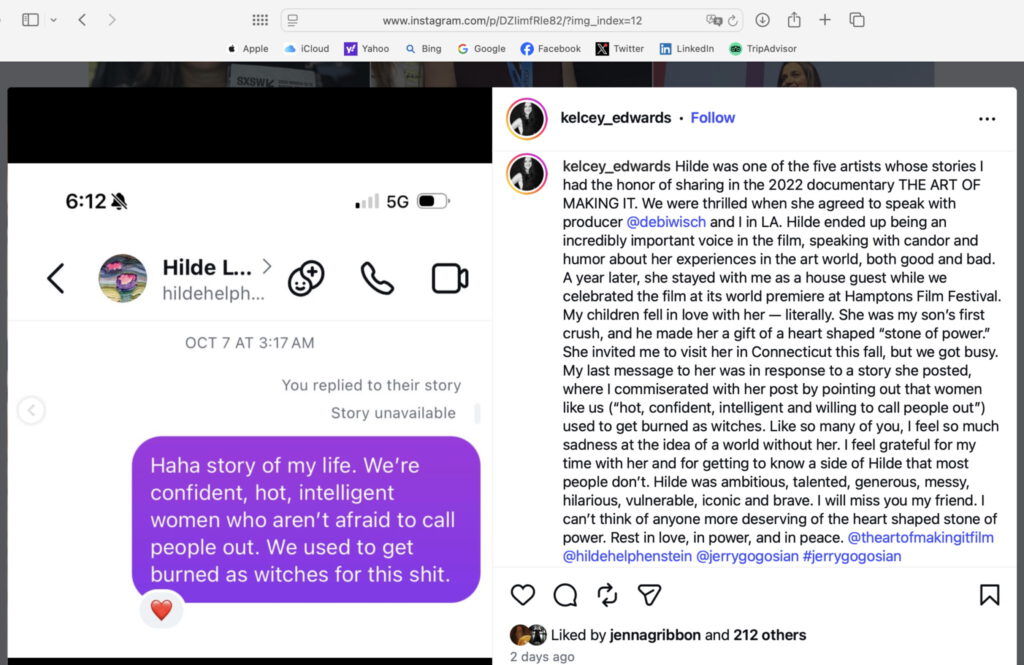
HILDE LYNN HELPHENSTEIN (1985–2026) By Magnus Resch
June 8, 2026
The first time I was supposed to meet Hilde Lynn Helphenstein, she wanted me to sign an NDA*. We were going to meet on a bench in Central Park. Then, at some point, she texted me: “Let’s just meet.”
Looking back, that was Hilde. Equal parts mystery and oversharing. Suspicious and trusting. Tough and extraordinarily sensitive. Most people knew her as Jerry Gogosian. I knew her as someone who cared deeply – sometimes too deeply – about artists, galleries, and the art world itself.
Over the years, we spent countless hours together on Art Smack. We disagreed often. We spoke different languages. My instinct was usually data and economics; hers was emotion and intuition. Yet somehow, we always arrived at the same place. We both wanted artists to succeed. We both believed that artists deserved better. What many people never understood about Hilde was that behind the sharpest jokes in the art world was one of the most sensitive people in it.
She could be provocative. She could be emotional. She could be frustrating. She could also be incredibly funny, generous, and encouraging. Her criticism came from caring. Her humor came from caring. Even her frustrations came from caring. She wanted artists to make more money. She wanted galleries to do better. She championed emerging artists, particularly women, long before others paid attention. She wanted the art world to be fairer, more transparent, and less hypocritical. When people or institutions failed to live up to what she believed they could be, she took it personally.
Last week, we recorded a new episode of the podcast. It felt like a new chapter. We talked about Art Basel, which she simultaneously loved and hated. We talked about partnerships, projects, and the discouraging reality that everyone seemed to want collaboration but nobody wanted to spend money. We talked about the art world, as we always did. Most importantly, she talked about her paintings. She was proud of them. Really proud. Not in the performative way people often are, but genuinely proud and excited, like someone who had rediscovered something she loved. For all the attention Jerry Gogosian received, Hilde wanted people to see that she was an artist too.
A few days later, she called me with a question. “How do you deal with criticism?” Some anonymous online account had consistently attacked her, and she was hurt by it. The irony wasn’t lost on either of us. The woman who spent years making the art world laugh at itself was wounded by a few strangers on the internet who have been trolling her for a while. But that was Hilde too. People often mistook her sharpness for toughness. It wasn’t. Underneath the wit and confidence was someone who wanted to be understood and who sometimes worried whether her voice still mattered.
I told her something that day that I hope she believed. I told her that people missed her. That artists missed her. That people asked about her wherever I went. I told her about walking through studios in Los Angeles and having artists stop me because they recognized my voice from our podcast – to ask about her, not about me. I told her that the loudest voices online were often the smallest voices in real life. She liked hearing that.
A few days later I called to check in on the podcast edit. She wanted to tweak it because, in her words, it was her comeback. She didn’t answer my call. Instead, she sent me a photograph of a bruised hand. She told me she had been attacked and robbed. Then she sent a message I haven’t stopped thinking about since: “I held onto my laptop, passport and paintings. I don’t care about anything else.”
That sentence tells you almost everything about Hilde: The laptop. The passport. The paintings. = Work. Freedom. Art.
The tributes appearing across the art world tell a story very different from the one she sometimes told herself. Artists are posting. Collectors are posting. Dealers are posting. Journalists are posting. People she hadn’t spoken to in years are posting. And they are all describing the same person: someone who made them laugh, challenged them, rattled cages when cages needed rattling, and exposed the absurdities of the art world while somehow remaining one of its greatest believers. Reading through those messages, I found myself wishing people didn’t wait until someone is gone to tell them how much they mattered.
For all the jokes, all the satire, and all the criticism, Hilde loved the art world. She loved artists. She loved talking about art. She loved discovering talent. She loved gossiping about the market. She loved arguing about fairs, galleries, collectors, and institutions. Most of all, she loved being part of the conversation. The art world was not simply her subject. It was her community.
A few days before she died, Hilde asked me whether the art world still wanted her. Looking at the response to her passing, I wish she could see what everyone is saying now. Because the answer is everywhere. She wasn’t standing outside the art world looking in. She was one of the voices that defined it.
Yes, Hilde. The art world wanted you. Your voice mattered. It mattered to artists. It mattered to the art world. And it will continue to matter to so many of us.
Magnus Resch, Ph.D., is an art market expert and book author. He teaches at Yale University and is the founder of Magnus.net, the “Shazam for Art,” as well as Larry’s List. His research has been published in Science and Nature.
NDA* stands for Non-Disclosure Agreement.
It is a legally binding contract in which parties agree to keep sensitive, proprietary, or confidential information private and not share it with outside individuals or businesses.
Why are NDAs used?
Protecting Ideas: Startup founders and inventors use them to pitch concepts to investors or manufacturers without fear of the idea being stolen.
Business Partnerships: Companies use them when sharing financial data, trade secrets, or client lists with potential partners or vendors.
Employee Contracts: Employers require workers to sign them to safeguard company data and prevent employees from taking proprietary knowledge to a competitor.
Common Types of NDAs
Unilateral: Only one party is disclosing information (e.g., an employer protecting their trade secrets from an employee).
Mutual: Both parties are sharing confidential information with one another (e.g., two companies exploring a potential merger or joint venture).
Violating an NDA is a breach of contract, which can result in severe financial penalties and lawsuits. To learn more about how they are structured, you can read this detailed Adobe Acrobat NDA Guide or review Cornell Law School’s Wex Legal Dictionary.
Update 11th of June 2026
Hilde Lynn Helphenstein: The Red-Headed Stepchild of the Art World
By JULIA FRIEDMAN, June 10th, 2026
quote:
For others, her untimely demise became a morality tale about the cruelty of social media, the dangers of cosmetic surgery, and the destructive power of mental illness. The woman known to the art world as Jerry Gogosian was transformed almost instantly into a signifier, an object of interpretation, as though the inventory of a hotel room (a five-star hotel, as we were reminded) might offer a more reliable guide to a life than the words she herself placed into the public record.
quote:
Of course, Helphenstein did not invent the wheel of structural analysis. Half a century before social media transformed cultural life into a continuous public spectacle, artists associated with institutional critique focused their attention on the mechanisms that formed artistic clout. Their concern went beyond the artwork to the structures surrounding it. What interested them was how art acquired its legitimacy in the first place.
Before Helphenstein was even born, Hans Haacke exposed relationships between museums, trustees, corporations, and political power. In the following decades, Andrea Fraser directed attention toward patrons, collectors, donors, and the social rituals that produce cultural authority. Fraser’s famous observation that “we are the institution” remains one of the defining insights of institutional critique. She did not merely analyze institutions from a distance, but placed herself inside them, using her own body and sexuality as artistic material. In her case, the institution spoke through the performance.
By the time Jerry Gogosian emerged, the contemporary art world no longer existed principally within museums and galleries. It encompassed digital platforms, feeds, podcasts, newsletters, group chats, fairs, advisory networks, and social media ecosystems. The institution had become diffuse, decentralized, and permanently online.
Thus Helphenstein’s subject was not the museum narrowly conceived but the network itself and the reputational economy that held it together. If Haacke had exposed the financial architecture of the institution and Fraser its social choreography, Helphenstein turned her attention to the psychic economy of the contemporary art world, its aspirations, anxieties, status competitions, hierarchies, humiliations, and performances of belonging. Seen from this perspective, the Jerry Gogosian project emerges as a twenty-first-century form of institutional critique, one adapted to an environment in which visibility and branding had become inseparable from artistic life itself.
quote:
During the Verse interview she described waking up in the morning, looking in the mirror, and telling herself that she was “not a fucking artist” but a fraud. It did not help that her art degree was in Conceptual Art and New Genres — “the most worthless art degree on the planet… it’s like the emperor’s new clothes for $175,000.”
quote:
She did not conceal her views on ideological overreach, and much of the hostility directed toward her appears to have stemmed from the perception that she had drifted politically rightward.
full text:
https://whitehotmagazine.com/articles/red-headed-stepchild-art-world/7860
注意!ATTENTION!
All pictures and texts have to be understood in the context of “Creative Commons Attribution Noncommercial-NoDerivative Works.” ここに載せた画像やテクストは、すべて「好意によりクリエーティブ・コモン・センス」の文脈で、日本美術史の記録の為に発表致します。 Creative Commons Attribution Noncommercial-NoDerivative Works, photos: cccs courtesy creative common sense
All these texts and pictures are for future archival purposes, in the context of Japanese art history writings.