哲学的反抗の技法: 橋本聡「夜で記す」/「名は墓」@ 青山|目黒ギャラリー The Art of Philosophical Defiance: Satoshi Hashimoto "Write with Night / A Name Is a Grave" @ AOYAMA | MEGURO Gallery
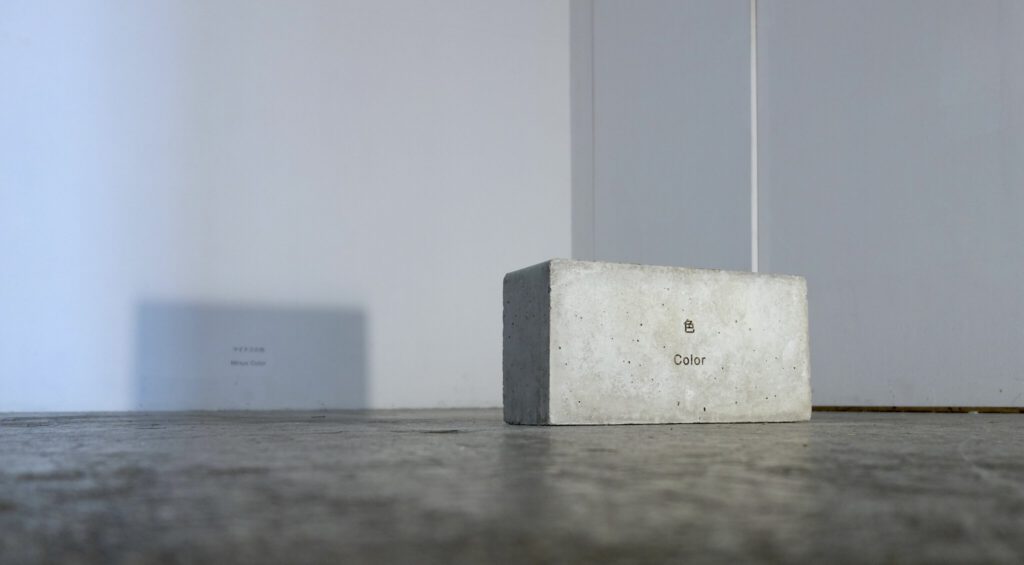
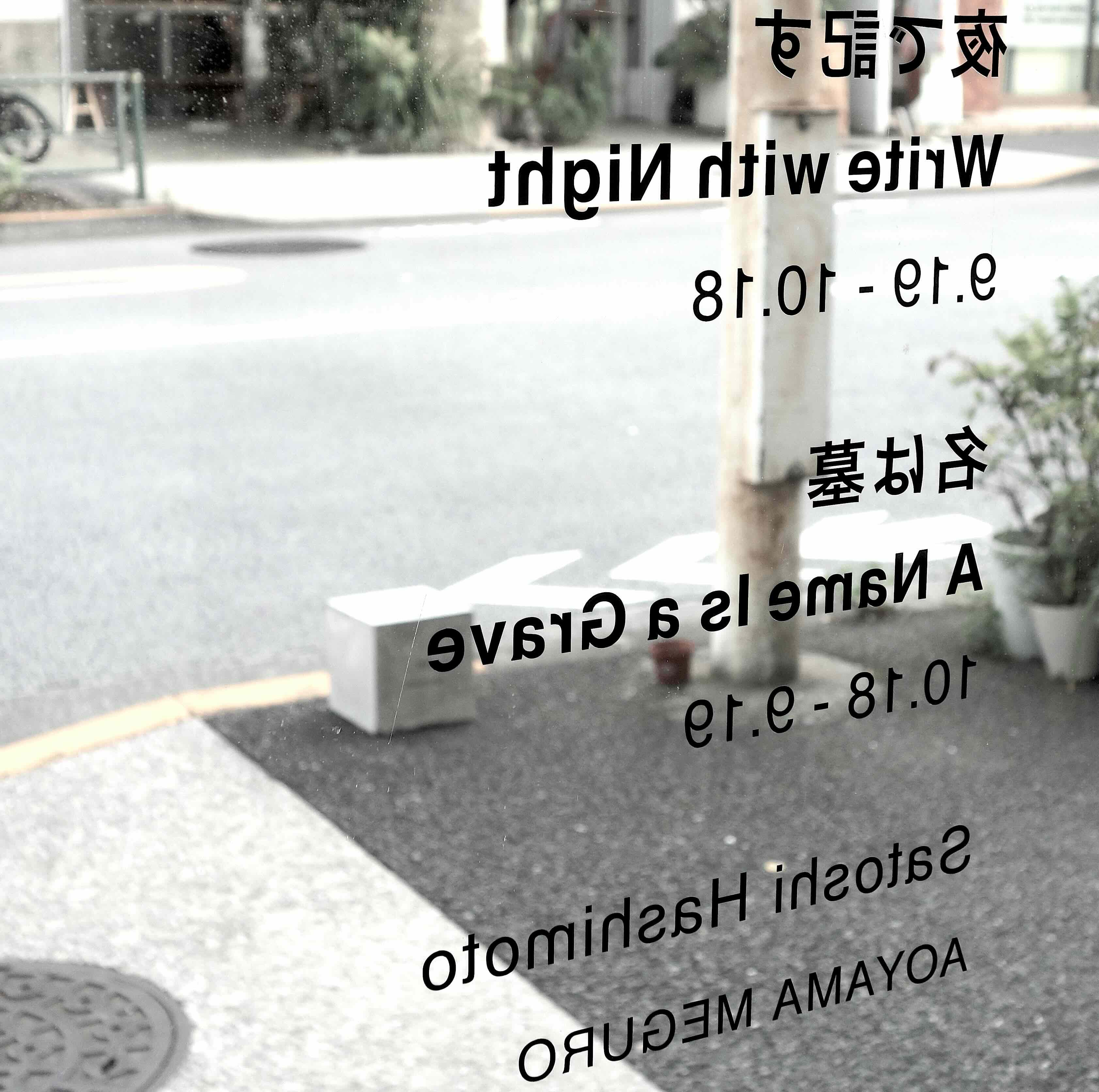
Satoshi Hashimoto Write with Night / A Name Is a Grave
AOYAMA | MEGURO is pleased to present Satoshi Hashimoto’s solo exhibition
“Write with Night, September 19–October 18 / A Name Is a Grave, October 18–September 19.”
Through a wide range of forms, including performance and instruction-based works, Hashimoto has intervened in social institutions and modes of spectatorship, questioning the assumptions and relations that underpin the world we take for granted. He identifies and brings to light choreographies embedded in everyday objects and public spaces that regulate people’s behavior without their awareness. Such critical and political approaches, which hold the distinction between public and private realms in suspension, have been central to Hashimoto’s practice.
Alongside these interventions into human behavior and social institutions, Hashimoto has also turned his attention to phenomena and structures at work in the world at different scales, including celestial motion, weather, physical laws, and economic dynamics. Another approach that has become particularly pronounced in his recent practice shifts the speaking subject from human beings to things themselves, presenting laws and phenomena latent in the world as short sentences that read as though those laws and phenomena were themselves issuing declarations.
The large-scale presentation of The Beautiful, the Ambiguous, and Itself, curated by Mizuki Endo at kudan house in 2024, marked a major turning point in Hashimoto’s practice. In works featuring short sentences such as “We have two eyes because we took one from someone else,” “At night, the sun that set below the horizon comes,” and “In the near future, all names will vanish / In the not-so-distant future, all substances will vanish,” inquiries that had previously been dispersed across different forms and subjects were condensed into short sentences and brought forcefully to the fore, unsettling the scales and categories of the world, as well as the very certainty of existence itself.
Two years on from his 2024 solo exhibition Be Gone, the present exhibition takes shape through two perspectives, Write with Night and A Name Is a Grave, with their respective dates running in reverse. Through a multilayered configuration that draws in space and time both within and beyond the gallery, a new exhibition is brought into being. We invite you to experience Hashimoto’s new works and the ways in which they unfold.
AOYAMA | MEGURO
2-30-6 Kamimeguro, Meguro-ku, Tokyo
September 19 – October 18, 2026
Hours during the exhibition: Fri 13:00–20:00 / Sat, Sun, Mon 13:00–18:00
Closed on Tuesdays, Wednesdays, Thursdays and National holidays
More:
https://aoyamameguro.com/en/exhibitions/hashimoto_2609
日本語:
https://aoyamameguro.com/exhibitions/hashimoto_2609
For about ten years, I have admired HASHIMOTO Satoshi’s 橋本聡 work — specifically the profound execution of his ideas and philosophical concepts, which range from the highly provocative to the deeply amusing. In the landscape of contemporary global art, few practices offer as potent or unsettling a critique of human compliance as that of this Japanese conceptual artist. Born in 1977, Hashimoto has solidified his reputation as one of Japan’s most alarming and vital contemporary voices. Sometimes I witness the results during the creative process; at other times, I contemplate the finished artwork from afar. What I always look forward to is how Hashimoto prompts reflection and questioning, signaling a powerful, universal, and contemporary impulse.
This holds true for his current exhibition at the AOYAMA | MEGURO Gallery as well.
私はこの10年ほど、橋本聡のアーティスティック・プラクティス、とりわけ、極めて挑発的なものから実に愉快なものまで多岐にわたるアイデアや哲学的概念を、見事に具現化するその手腕に感銘を受けてきた。現代の世界的なアートシーンにおいて、日本のコンセプチュアル・アーティスト、橋本聡ほど、人間の順応性に対して強烈かつ不安を掻き立てるような批判を展開している作家はほとんどいない。1977年生まれ、日本を代表する最も衝撃的で活力に満ちた現代アーティストの一人としての評価を確固たるものにしている。制作の過程でその成果を目の当たりにすることもあれば、完成した作品を離れた場所からじっくりと鑑賞することもある。私が常に楽しみにしているのは、橋本さんの作品がいかにして見る者に思索や問いかけを促すかという点であり、そこには力強く、普遍的かつ現代的な衝動が表れているからだ。
青山|目黒ギャラリーで開催中の今回の展覧会においても、それは同様だ。
Hashimoto masterfully succeeds in luring the viewer out of their comfort zone and evoking a sense of cringe. In these precarious times that seem to have no end, with their stupid, idiotic heads of state, the most obnoxious truth will always possess a greater inherent dignity than the most comforting illusion, for existence demands to be known as it is, not as we wish it to be. Operating at the razor-edge intersection of performance, relational aesthetics, and systemic institutional critique, his practice is less about the creation of static objects and more about the generation of “FUKA” 負荷 — a specialized Japanese term denoting a calculated state of suspense, physical or psychological risk, and systemic pressure. By weaponizing behavioral instructions, linguistic traps, and games of chance, Hashimoto systematically dismantles the polite, bourgeois neutrality of the white-cube gallery space. He transforms the historically passive viewer into an exposed, hyper-aware participant who must actively negotiate their own moral and social boundaries.
橋本は、見る者を「居心地の良い場所」から巧みに引きずり出し、気まずさや居心地の悪さを抱かせることに見事に成功している。
愚かで阿呆な指導者たちを戴き、終わりの見えない不安定な時代にあっては、いかに耳障りで不快な真実であれ、それは常に、心を慰めるいかなる幻想よりも高い尊厳を宿している。なぜなら、存在というものは、我々が望む姿としてではなく、ありのままの姿として認識されることを求めているからである。パフォーマンス、リレーショナル・エステティックス、そして制度的批判という領域が鋭く交差する境界線で活動する彼の創作は、静的なオブジェの制作というよりは、むしろ「負荷」の創出に重点を置いている。「負荷」とは、計算されたサスペンス、肉体的あるいは心理的なリスク、そして制度的な圧力を指す、日本特有の用語である。行動指示、言語的罠、そして偶然性のゲームを武器として用いることで、橋本はホワイトキューブというギャラリー空間が持つ、礼儀正しくブルジョア的な中立性を体系的に解体する。彼は、歴史的に受動的であった鑑賞者を、自らの道徳的・社会的境界を積極的に交渉せざるを得ない、露呈した、極めて自覚的な参加者へと変容させる。
For decades, contemporary art audiences have been conditioned to adopt a safe, detached position when entering an exhibition — an unwritten contract that segregates personal affairs from objective aesthetic contemplation. Hashimoto shatters this paradigm entirely, as he treats the viewer not as a transparent eye, but as a dense, unaccounted-for variable within the exhibition ecosystem.
This kind of philosophical practice manifested profoundly in his legendary performance piece “You Can Cut Yourself” at the AOYAMA | MEGURO Gallery booth @ LISTE – Art Fair Basel, see the attached link.
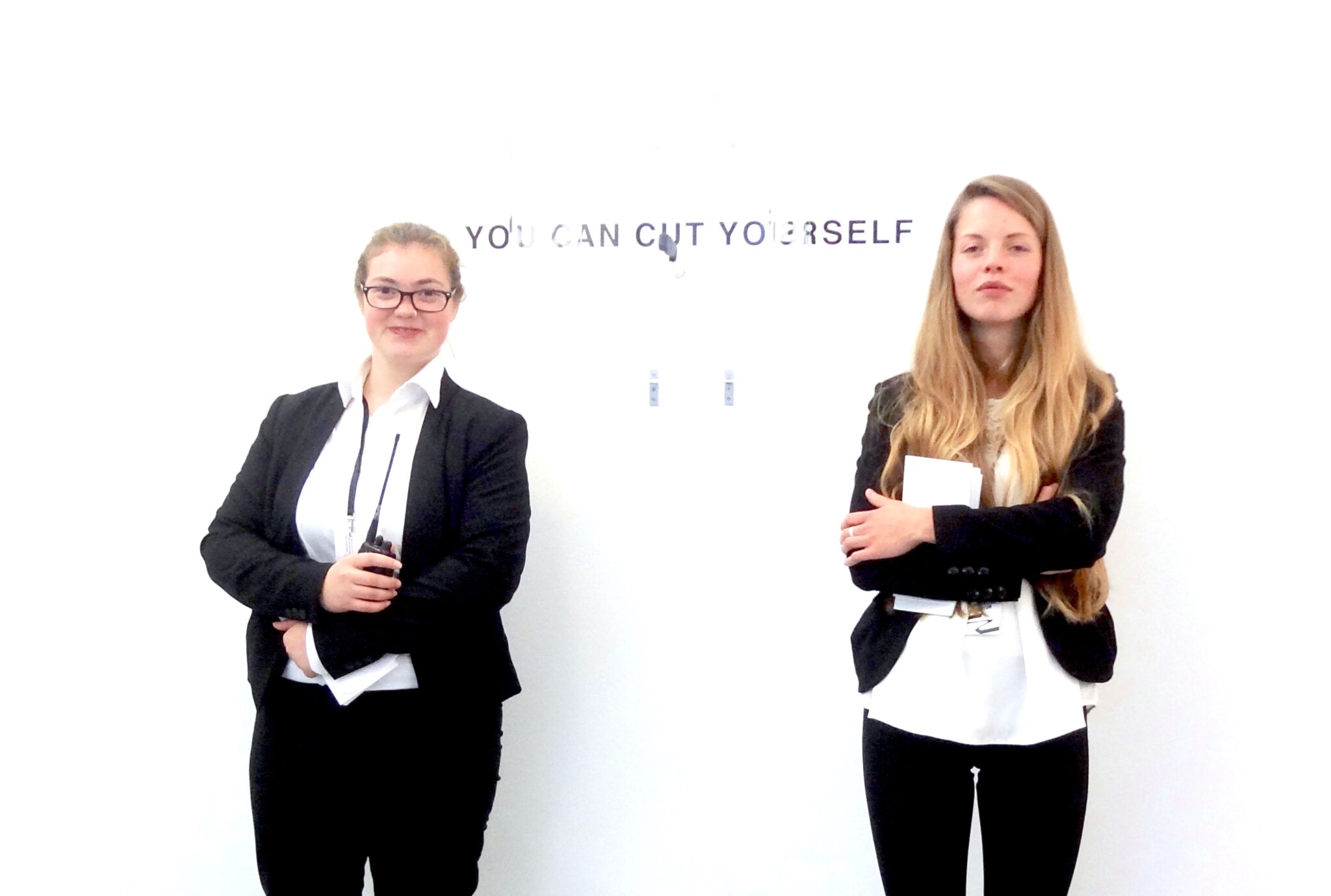
By introducing literal and figurative instruments of self-harm and explicit legal liability into a commercial art environment, Hashimoto triggered an immediate psychological crisis. The viewers could no longer hide behind intellectual distance; they were forced to confront their immediate physical vulnerability, the voyeurism of the surrounding crowd, and the dark, authoritarian undertones of administrative permission.
何十年もの間、現代アートの観客は、展覧会を訪れる際に、安全で距離を置いた立場をとるよう条件付けられてきました。これは、個人的な事柄と客観的な美的考察とを切り離す、暗黙の契約のようなものです。橋本氏は、鑑賞者を「透明な目」としてではなく、展覧会という生態系における濃密で予測不可能な変数として扱うことで、このパラダイムを完全に打ち砕いた。
この種の哲学的実践は、リステ・アートフェア・バーゼル(LISTE – Art Fair Basel)のAOYAMA | MEGURO Gallery・ブースで行われた彼の伝説的なパフォーマンス作品『You Can Cut Yourself』(添付リンク参照)において、深く顕在化した。
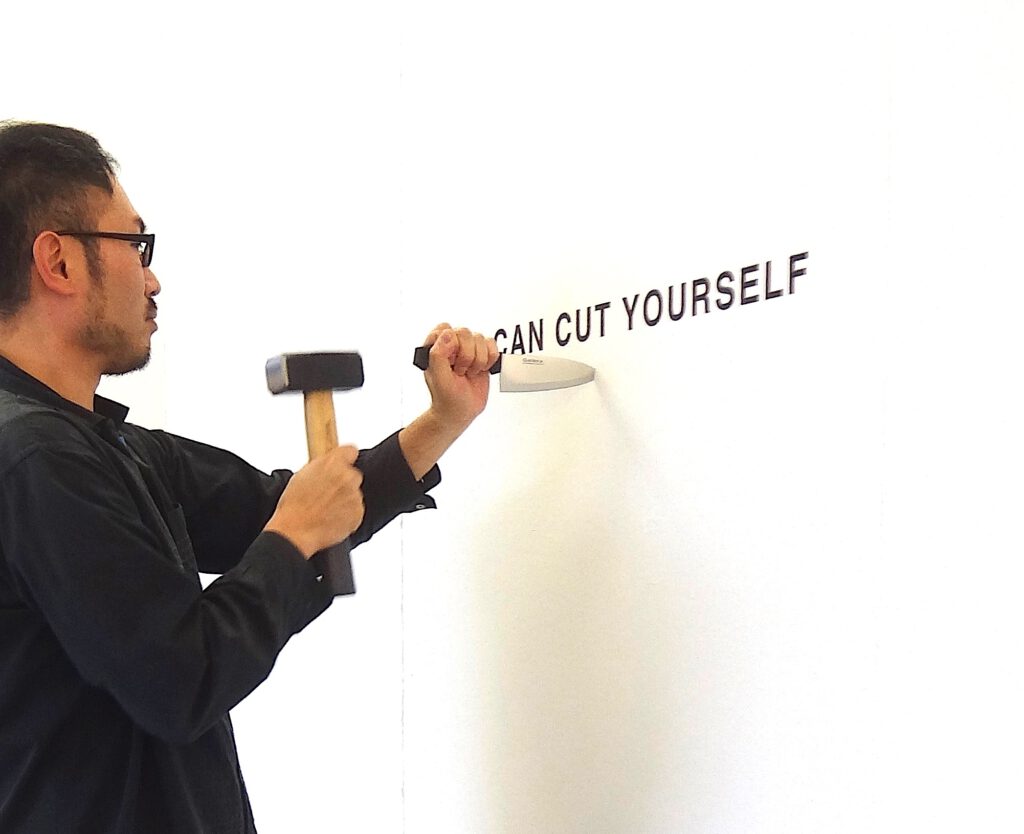
橋本氏は、商業的なアート環境の中に、文字通りおよび比喩的な自傷行為の道具と、明確な法的責任を導入することで、即座に心理的危機を引き起こした。観客はもはや知的な距離の背後に隠れることはできず、自らの差し迫った身体的脆弱性、周囲の群衆による覗き見、そして行政の許可に潜む暗く権威主義的な含意と向き合うことを余儀なくされた。
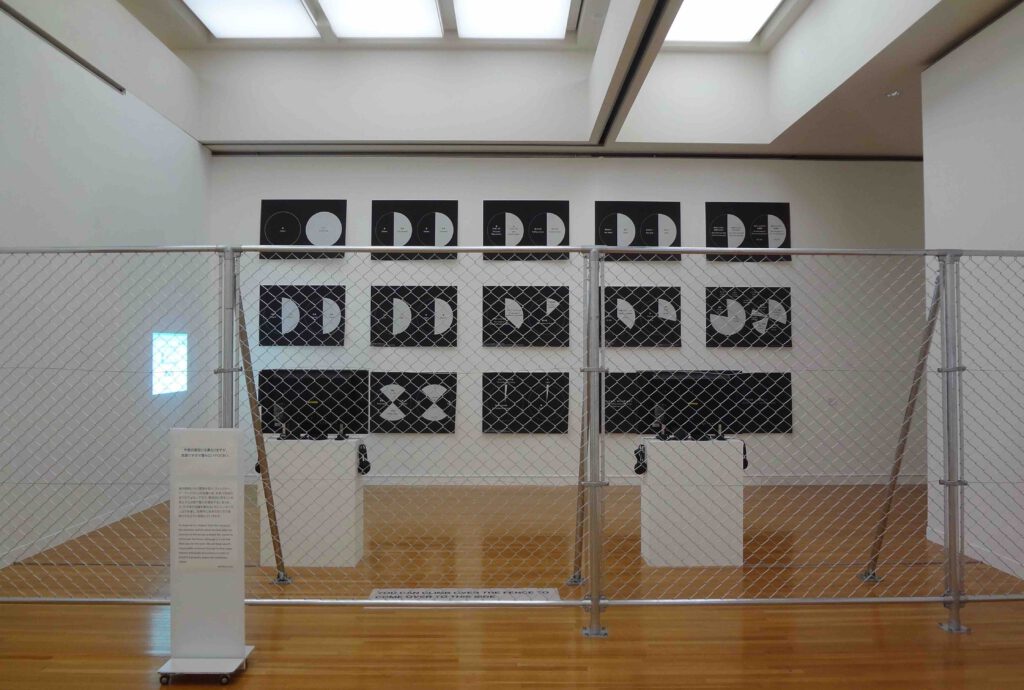
Hashimoto’s conceptual rigor reaches beyond individual psychology to target the arbitrary nature of statecraft and national identity. In his landmark solo exhibition “Nation, Dice, Instruction”, presented at the Daiwa Foundation Japan House in London, the artist staged a dazzling deconstruction of geopolitical certainty. Using a standard world atlas and a conceptual framework dictated by the roll of dice, Hashimoto shifted entire civilizations across borders. The work brilliantly highlights the fiction of state sovereignty, rendering lines drawn by centuries of warfare as nothing more than an unstable cosmic comedy.
What makes Hashimoto cutting-edge is his refusal to escape into pure abstraction. Instead, he embeds his subversions directly into the legal and administrative machinery of high-profile institutions, such as his inclusion in the controversial MOT Annual 2016: “Loose Lips Save Ships (Kisei no Seiki)” at the Museum of Contemporary Art Tokyo. His practice functions as a mirror to our hyper-regulated, algorithmic society. By mirroring bureaucratic commands — whether instructing viewers to sort themselves based on arbitrary criteria or challenging them to sell their own intellectual property — he reveals how easily human beings surrender autonomy to any voice that speaks with institutional authority. Hashimoto’s artistic practice does not provide comfort, answers, or aesthetic solace.
Rather, it leaves the viewer stranded in a clearing of radical, terrifying freedom, leaving them with a singular, echoing question: When given an instruction, will you comply?
To fully unearth the radical subversion of Hashimoto’s practice, we must look past his outer shell of institutional critique and descend into his deepest, most terrifying arena: existential ontology. When Hashimoto forces us into positions of suspense or demands we alter our reality based on a roll of dice, he isn’t just playing a prank on the art world. He is staging a microscopic rehearsal for the ultimate confrontation between the human being, the indifferent universe, and the certainty of death. His recent conceptual pursuits — manifested in exhibitions with titles like Night − Time = Darkness and his actual, still running, exhibition “Write with Night” / “A Name Is a Grave” — deal explicitly with cosmic occlusion, inversion, and the architecture of the final threshold.
橋本の概念的な厳密さは、個人の心理にとどまらず、国家運営や国民的アイデンティティの恣意的な性質にまで及んでいる。ロンドンの大和財団ジャパン・ハウスで開催された画期的な個展「Nation, Dice, Instruction」において、同アーティストは地政学的な確実性を見事に解体した。一般的な世界地図帳と、サイコロの目によって決定される概念的枠組みを用い、橋本は文明全体を国境を越えて移動させた。この作品は、国家主権という虚構を見事に浮き彫りにし、何世紀にもわたる戦争によって引かれた国境線を、不安定な宇宙的喜劇に過ぎないものとして描き出している。
橋本の芸術が最先端である理由は、純粋な抽象化へと逃避することを拒んでいる点にある。その代わりに、彼は自身の転覆的な試みを、注目度の高い機関の法的・行政的機構に直接埋め込んでいる。例えば、東京都現代美術館で開催された物議を醸した『MOTアニュアル2016 キセイノセイキ』展への参加がそれにあたる。彼の創作活動は、過度に規制され、アルゴリズムに支配された現代社会を映し出す鏡として機能している。恣意的な基準に基づいて自らを分類するよう観客に指示したり、自身の知的財産を売却するよう挑発したりするなど、官僚的な命令を映し出すことで、彼は、人間がいかに容易に、制度的権威を帯びた声に対して自律性を明け渡してしまうかを暴き出す。橋本の芸術的実践は、安らぎも、答えも、美的な慰めも提供しない。むしろ、この作品は観客を、過激で恐ろしいほどの自由が広がる空間に取り残し、ただひとつの、心に響き渡る問いを突きつける。「指示を受けたとき、あなたはそれに従うだろうか?」
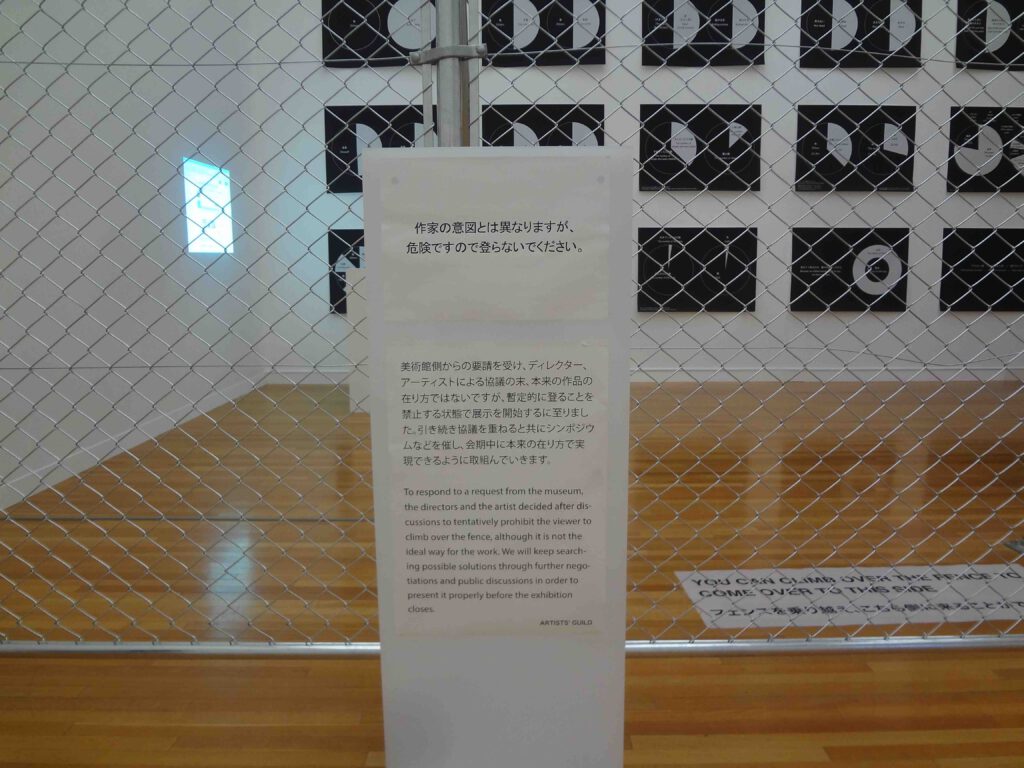
橋本聡の創作活動に潜む過激な転覆性を完全に解き明かすためには、制度批判という表層的な外殻を突き抜け、彼の最も深く、最も恐ろしい領域――実存的オントロジー――へと踏み込まなければならない。橋本が私たちを不安の渦中に追い込んだり、サイコロの目によって現実を変えるよう要求したりするとき、彼は単にアート界をからかっているわけではない。彼は、人間、無関心な宇宙、そして死の確実性との究極の対決に向けた、微視的なリハーサルを演じているのだ。「Night − Time = Darkness」といったタイトルの展覧会や、現在も開催中の『「夜で記す」/「名は墓」』といった展覧会に結実している彼の近年の概念的探求は、宇宙的な遮蔽(オクルージョン)、反転、そして「最後の境界」の建築といった主題を、明示的に扱っている。
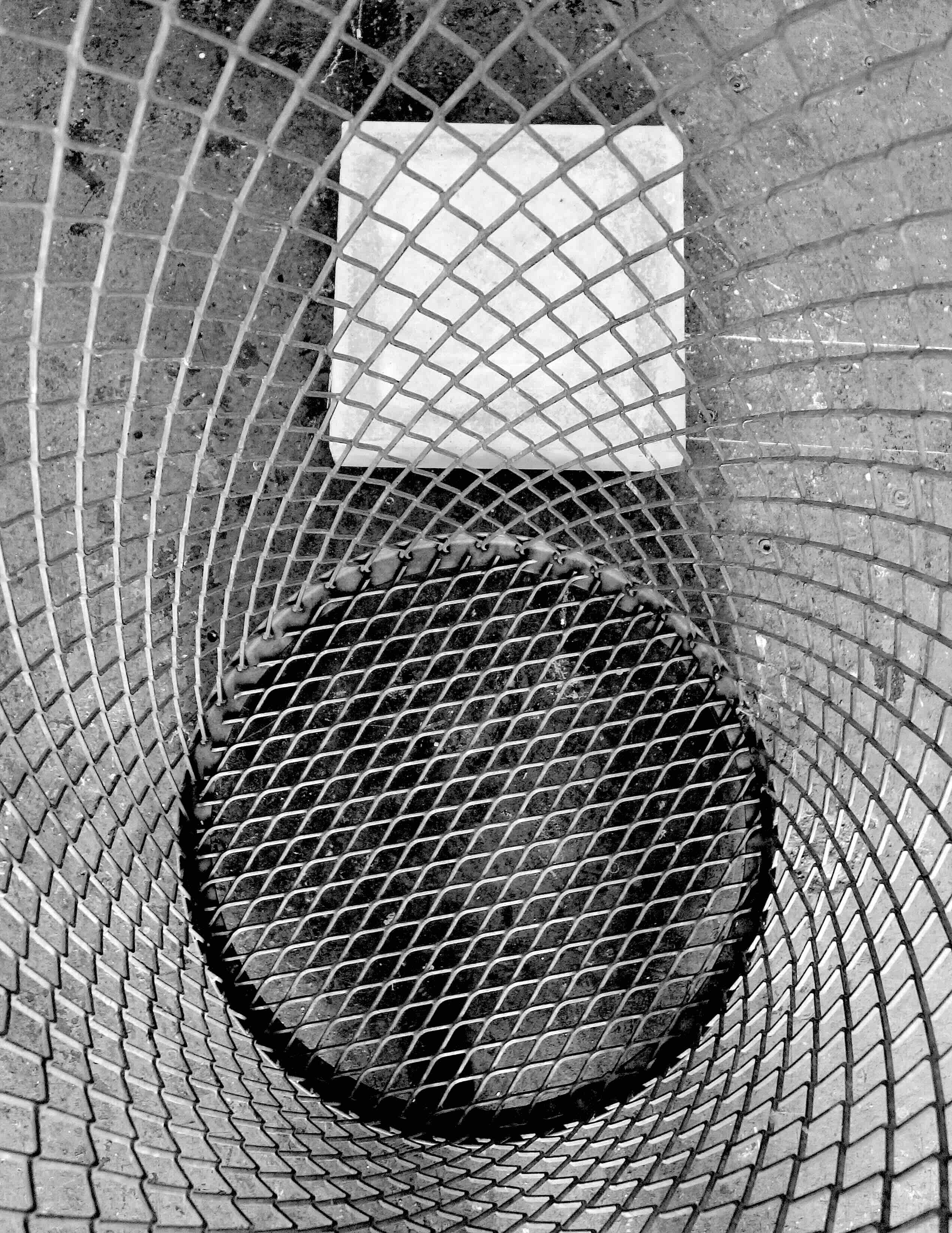
In works like “The World’s Three Major Round Things: the Sun, the Moon, the Eye”, Hashimoto juxtaposes the macro-cosmic scale of celestial bodies with the fragile micro-cosmic scale of human perception (the eye). Here, he mirrors the existential dread famously articulated by the French philosopher Blaise Pascal: “Le silence éternel de ces espaces infinis m’effraie” (The eternal silence of these infinite spaces terrifies me).
Hashimoto’s universe is not a nurturing, anthropocentric home; it is a vast expanse governed by a blind, cosmic lottery. When his project “Each Country Was Moved to the Next” leverages a roll of dice to displace entire civilizations across an atlas, he strips the universe of intelligent design. This directly evokes the cornerstone of the Kyoto School of Philosophy, particularly NISHIDA Kitarō’s 西田幾多郎 concept of Zettai Mu (Absolute Nothingness) 絶対無. Nishida posited that true reality is found not in the presence of things, but in the infinite, empty matrix that allows them to exist and dissolve. By surrendering human history to the cold mechanics of a die, Hashimoto demonstrates how human constructs—nations, laws, identities—are brief, shivering ripples on the surface of an indifferent cosmic void.
If the universe is an indifferent void, then death is the exact point where the human being collides with that reality. In his stark exhibition “Write with Night” / “A Name Is a Grave”, Hashimoto transforms the pristine white gallery into a literal crypt of consciousness.
This aligns his performance instructions with Martin Heidegger’s concept of “Sein zum Tode” (Being-toward-death). Heidegger argued that most humans spend their lives in a state of tranquilized evasion, ignoring their inevitable end. True authenticity, however, is unlocked only when we confront our own finitude.
Hashimoto’s art acts as a forcing mechanism for this confrontation. When he subjects participants to administrative anxiety or legal liability, he yanks them out of their comfortable social delusions and drops them into their naked, solitary existence. The ‘suspense‘ (FUKA 負荷) he generates is actually a flash of existential vertigo: a reminder that our time is finite, our agency is slipping away, and we are perpetually standing at the edge of our own erasure.
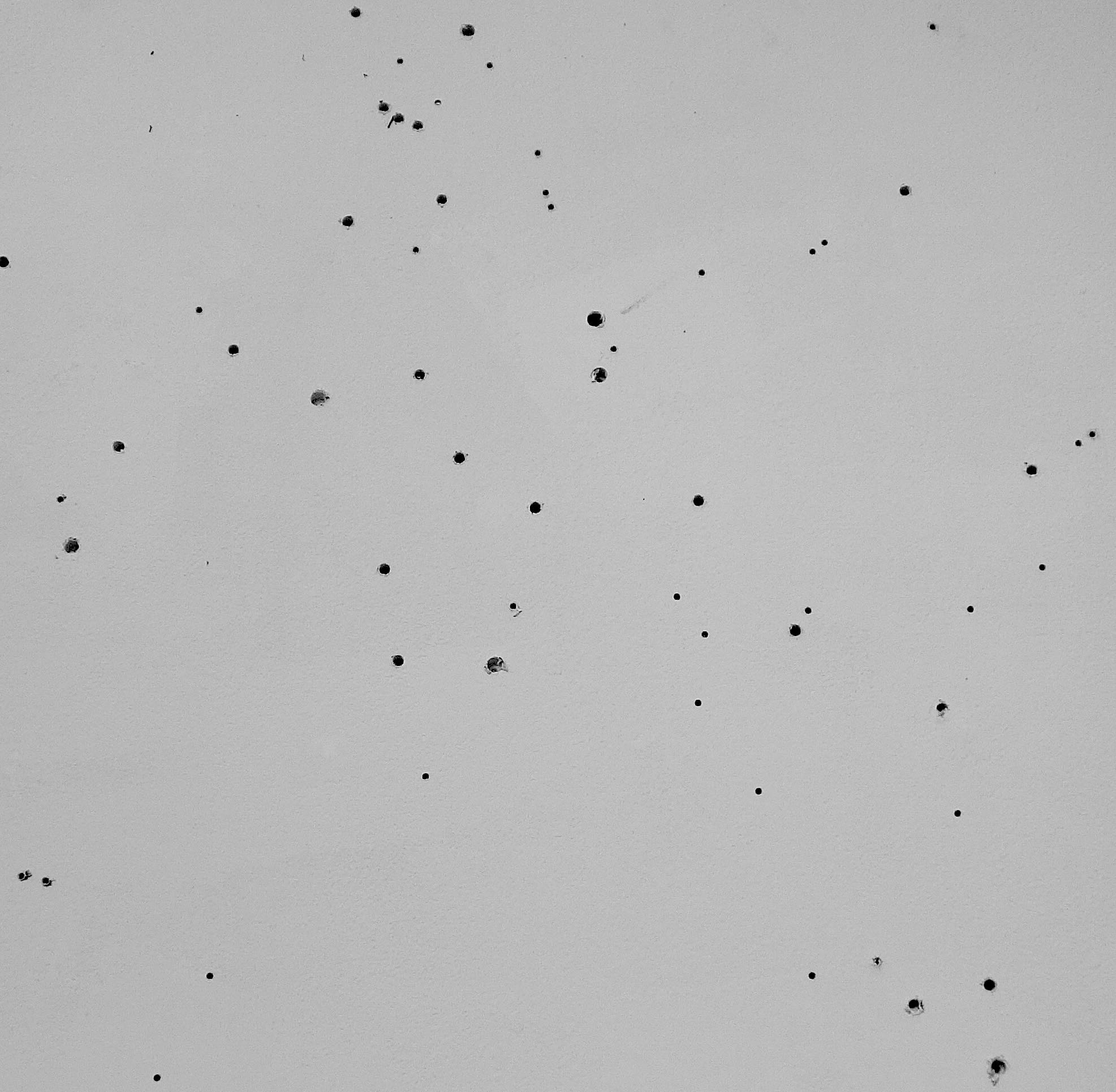
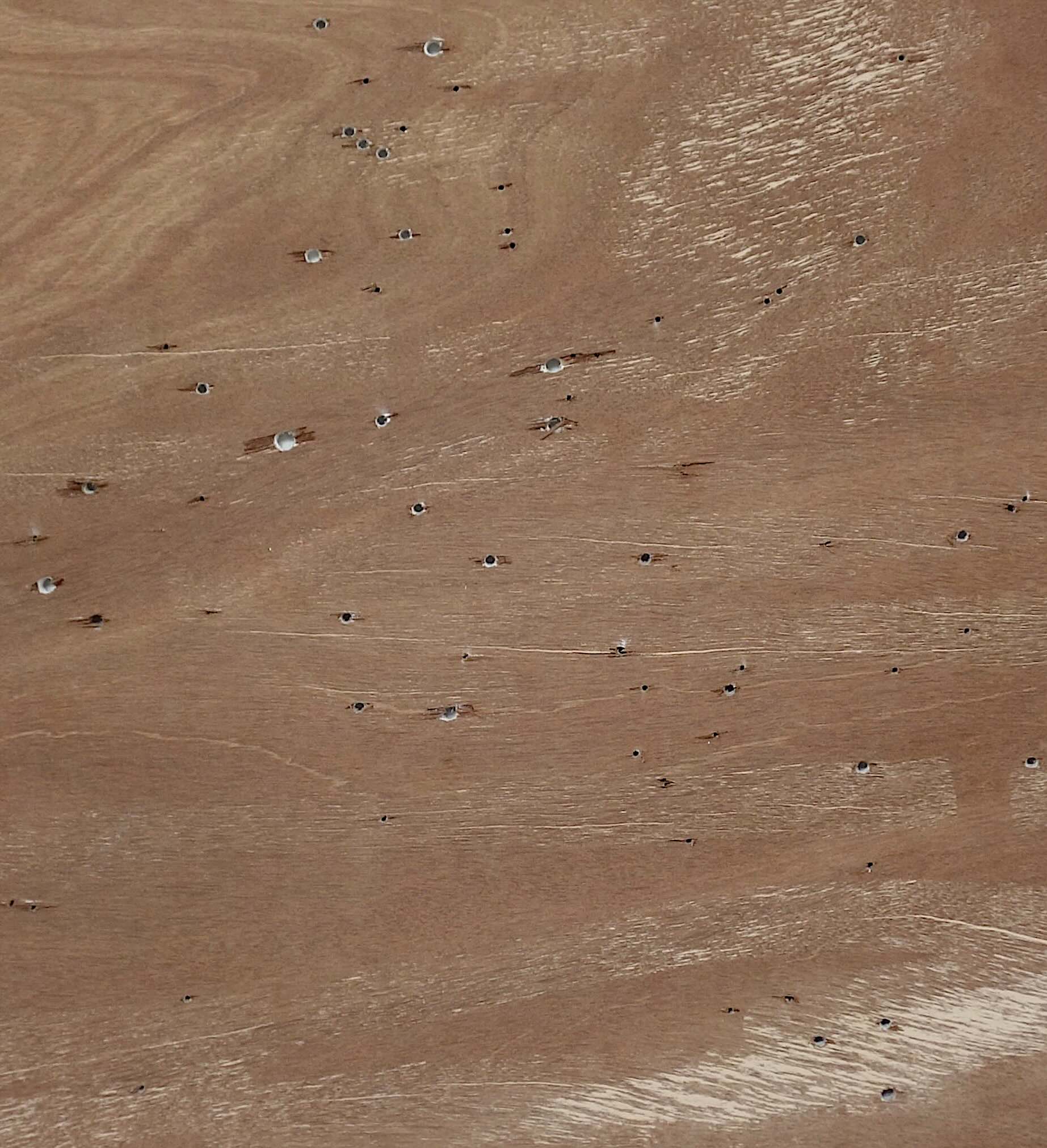
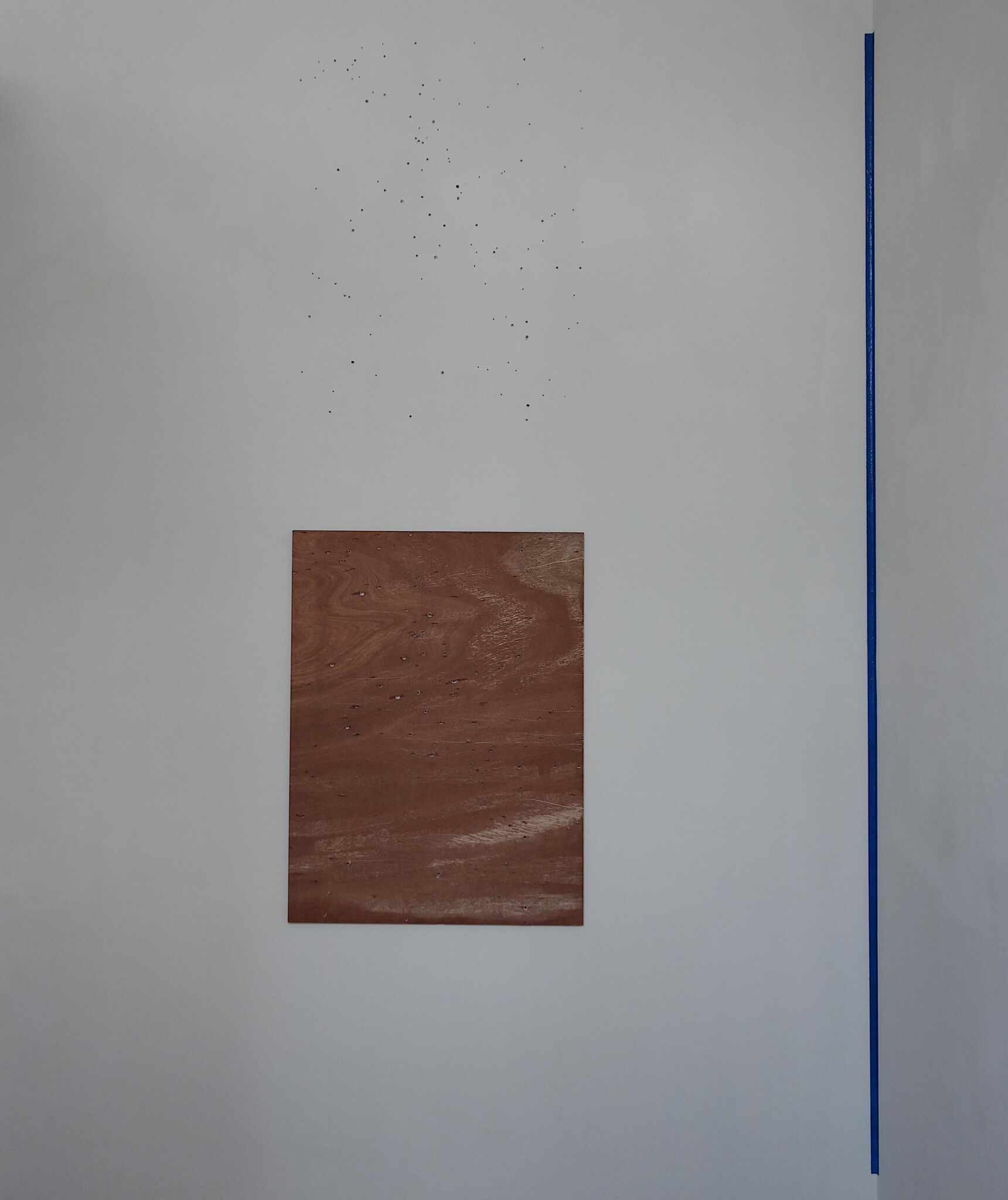
『世界三大丸いもの:太陽、月、目』のような作品において、橋本氏は天体の巨視的なスケールと、人間の知覚(目)という儚い微視的なスケールを並置している。ここで彼は、フランスの哲学者ブレーズ・パスカルが「この無限の空間の永遠の静寂は、私を恐怖に陥れる」と表現したことで有名な実存的恐怖を映し出している。
橋本の描く宇宙は、人間中心の温かな「家」などではなく、盲目の宇宙的くじ引きに支配された広大な空間である。彼のプロジェクト『各国は隣国へ移動した』(”Each Country Was Moved to the Next”)では、サイコロの目によって文明全体を地図上で移動させることで、宇宙から「知的な設計」を剥ぎ取っている。これは、京都学派の礎石、とりわけ西田幾太郎の「絶対無」という概念を直接的に想起させる。西田は、真の現実は物事の存在そのものにあるのではなく、物事が存在し、消滅することを可能にする無限の空虚な母体にこそあると提唱した。人類の歴史をサイコロの冷徹なメカニズムに委ねることで、橋本は、国家、法律、アイデンティティといった人間の構築物が、無関心な宇宙の虚無の表面に生じる、はかない、震えるような波紋に過ぎないことを示している。
もし宇宙が無関心な虚無であるならば、死とは、人間がその現実と衝突するまさにその瞬間である。橋本氏は、その厳粛な展覧会『「夜で記す」/「名は墓」』において、真っ白なギャラリーを文字通り「意識の墓所」へと変容させている。
これは、彼のパフォーマンスの指示を、マルティン・ハイデガーの「死への存在(Sein zum Tode)」という概念と結びつけるものである。ハイデガーは、ほとんどの人間が、避けられない死を無視し、麻痺したような回避の状態の中で人生を過ごしていると論じた。しかし、真の真正性は、私たちが自らの有限性に直面したときにのみ解き放たれるのである。
橋本の芸術は、この対峙を促す強制的なメカニズムとして機能する。参加者を行政上の不安や法的責任にさらすことで、彼は彼らを安楽な社会的幻想から引きずり出し、裸の孤独な存在へと突き落とす。彼が作り出す「負荷」は、実際には実存的なめまいの閃光であり、私たちの時間は有限であり、主体性は失われつつあり、私たちは常に自らの消滅の瀬戸際に立っていることを思い知らせるものである。
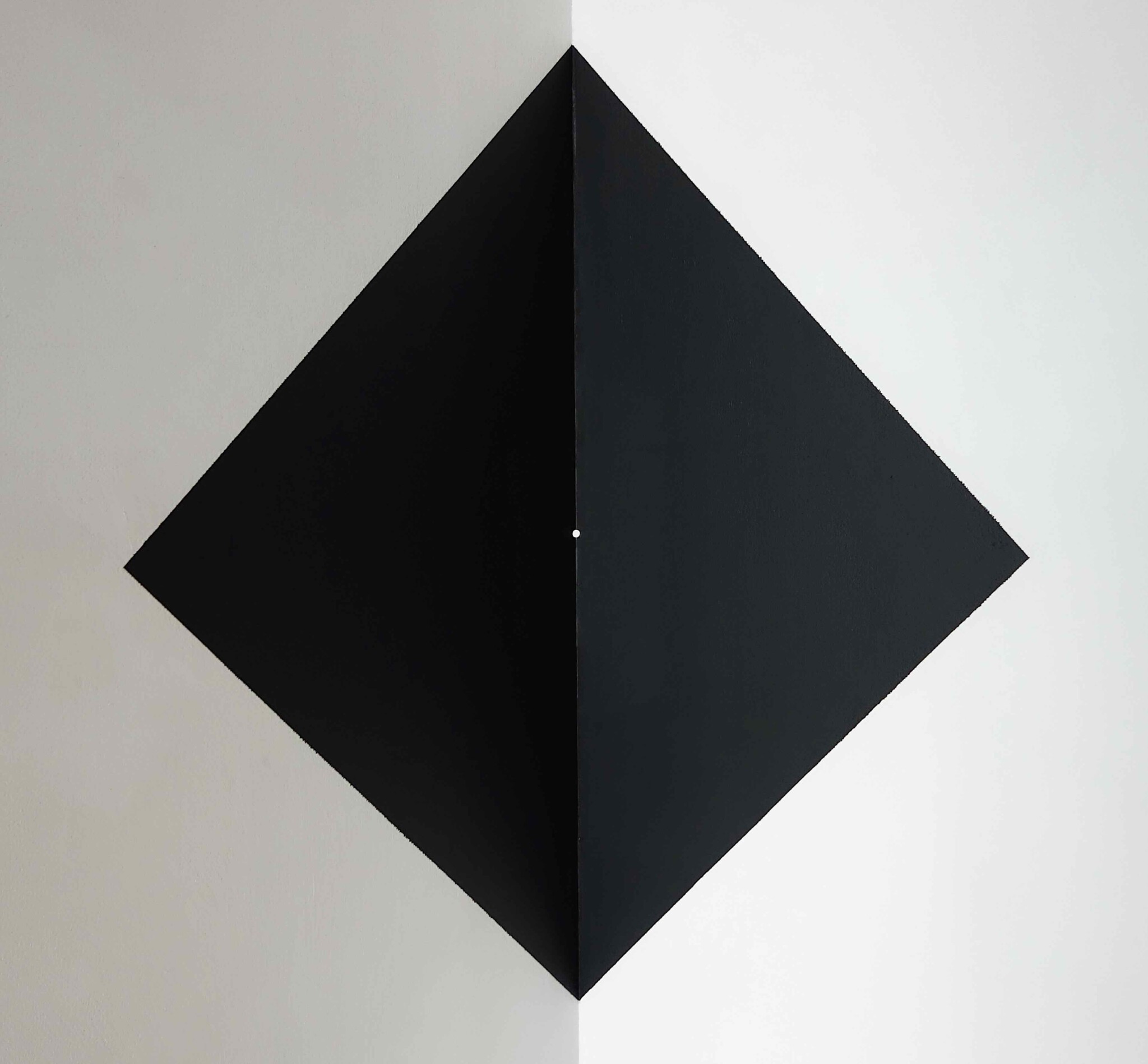
While Martin Heidegger’s concept of “soothing evasion” establishes a link to contemporary conceptual art practice, KARATANI Kojin’s 柄谷行人 philosophical ideas regarding “transcritique”— and his perspective on the modern “inversion” (Tentō 転倒) of reality — shed light on how Hashimoto’s unsettling, rule-based art shatters our everyday illusions and compels us to engage authentically with our own existence.
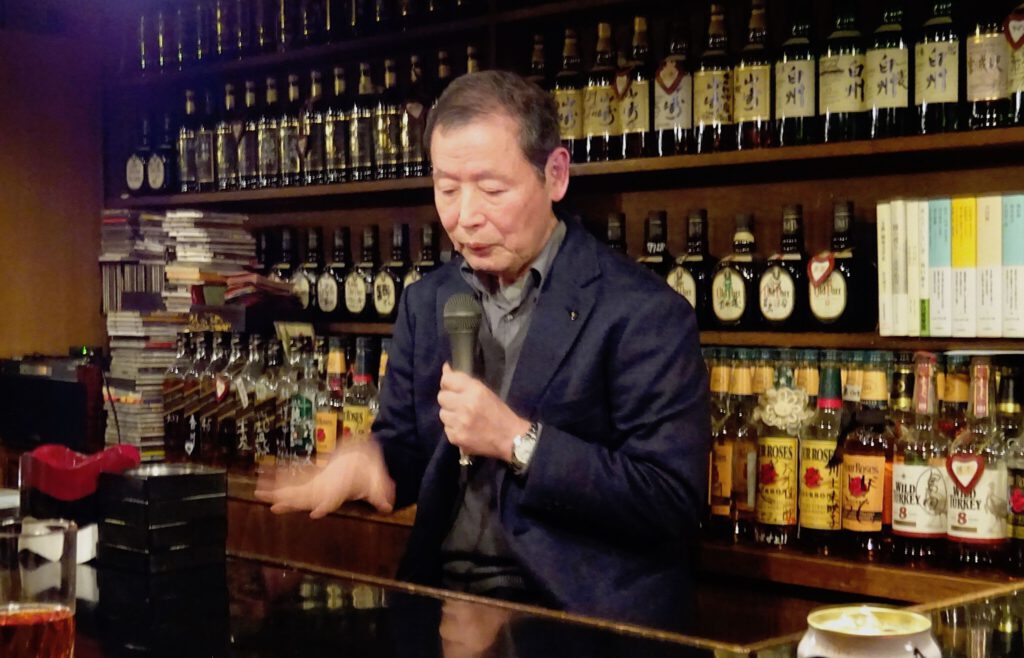
Karatani argues that modern systems (whether language, literature, or capitalism) construct an artificially created, comfortable landscape, leading us to believe that it has ‘always naturally existed.’ This aligns closely with Hashimoto’s approach and Heidegger’s concept of “the They” (“das Man”). Especially it can be emphasised, which is NOT my personal opinion, that Japan mirrors an unreflective, conformist, and anonymous collective social identity that dictates human behavior in everyday life. Although the social constructs, institutional rules, and daily habits by which we live are artificial, we — whether you as Japanese or Mario A, as a non-Japanese – accept them as fundamental reality; the ideology of *Tennōism* (天皇制 Emperor-worship) serves as a prime example of this.
マルティン・ハイデガーの「安らぎを求める回避」という概念は、現代のコンセプチュアル・アートの実践と関連しているが、柄谷行人の「トランス・クリティーク(超越論的批判)」に関する哲学的思想や、現実の近代的な「倒錯」(転倒)についての視座は、橋本の作品――見る者に不安を抱かせ、かつ規則に基づいたその芸術――がいかにして私たちの日常的な幻想を打ち砕き、自らの実存と真摯に向き合うよう迫るのかを明らかにしている。
柄谷は、現代のシステム(言語、文学、あるいは資本主義のいずれであれ)が人工的かつ快適な風景を構築し、それがあたかも「常に自然に存在していた」かのように私たちに信じ込ませていると論じている。この見解は、橋本のアプローチやハイデガーの概念である「ダス・マン(世人/Das Man)」と密接に呼応するものだ。特に強調すべきは(これは私個人の意見ではありませんが)、日本という国が、日常生活における人間の行動を規定する、無批判で同調的、かつ匿名的な集団的社会アイデンティティを映し出しているという点である。我々が生きる上での社会的な構築物、制度上の規則、そして日々の習慣は人工的なもの、が、にっぽん人であるあなたも、非にっぽん人である亜 真里男も、それらを根本的な現実として受け入れている。「天皇制(Tennōism)」というイデオロギーは、まさにその好例と言えるだろう。
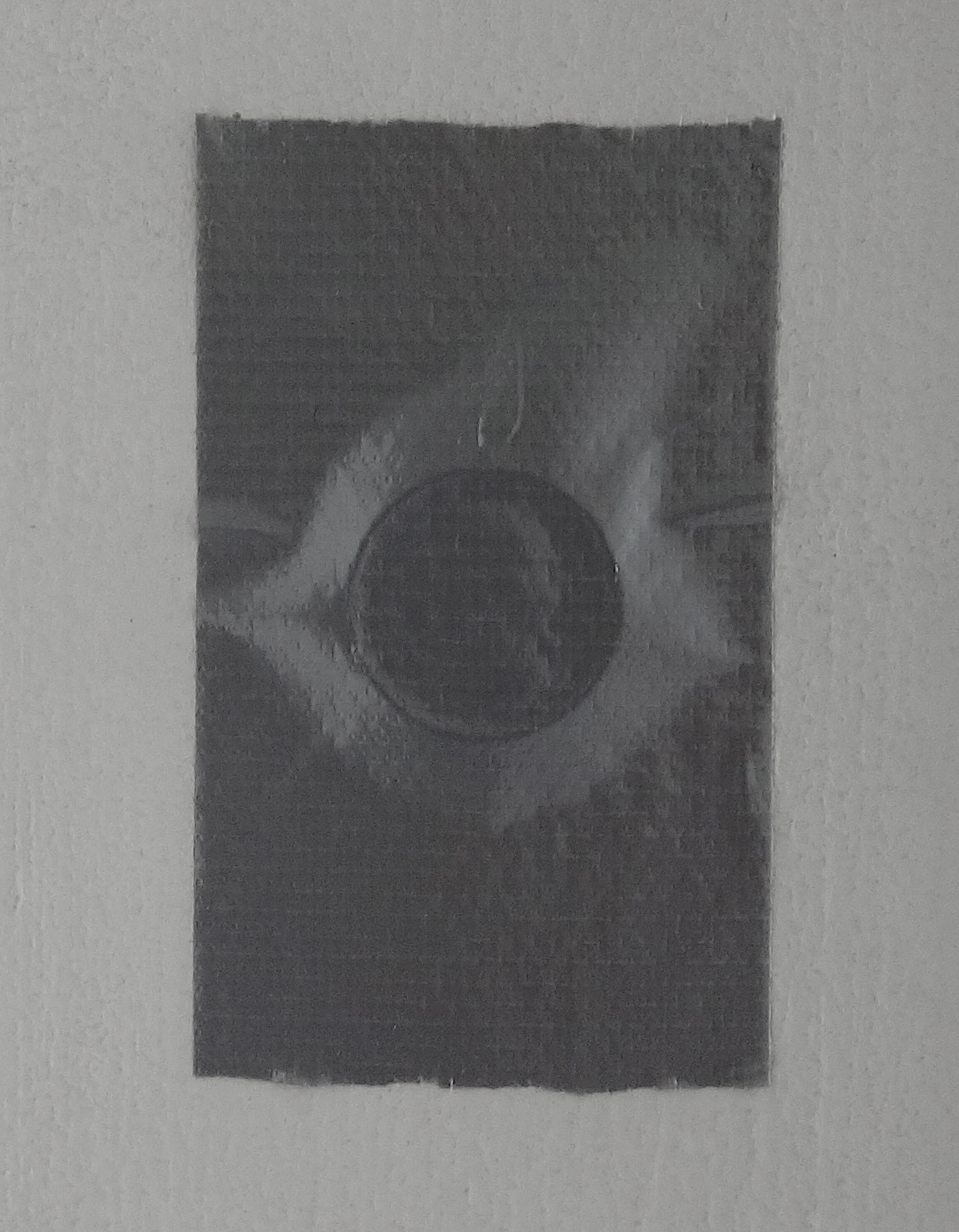
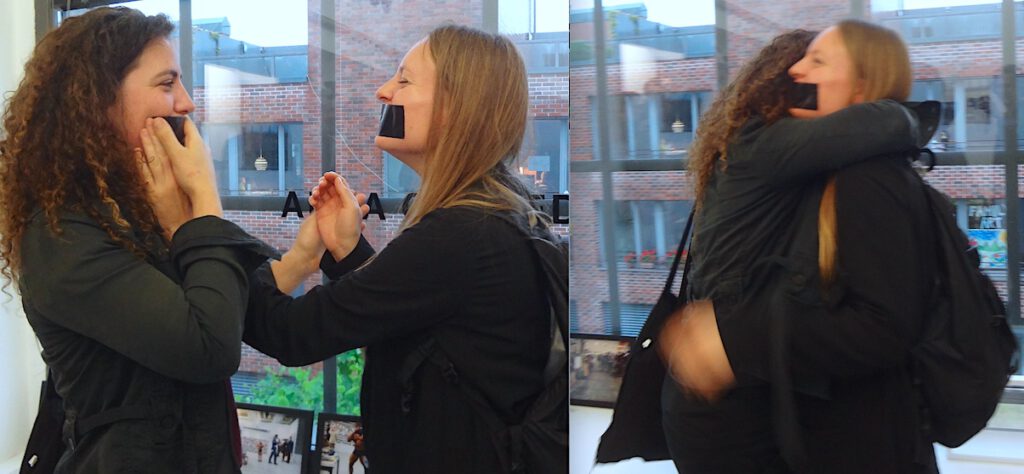
Karatani’s central argument in this context is that a genuine critical consciousness cannot develop from within the comfortable security of a single system. One must consciously venture into the spaces between systems and expose oneself to the “Other” — that unpredictable, risky realm not grounded in institutional rules. This is precisely where Hashimoto’s artistic practice lies: he thrusts the viewer into uncomfortable situations by prescribing idiosyncratic micro-actions and unreasonable instructions (such as in the works “COVER YOUR MOUTH WITH TAPE” or “You Can Cut Yourself”). Based on the Japanese philosopher’s line of reasoning, Hashimoto’s instructions reveal themselves to be a violent rupture with the modern/contemporary Karatani‘s ‘inversion’.
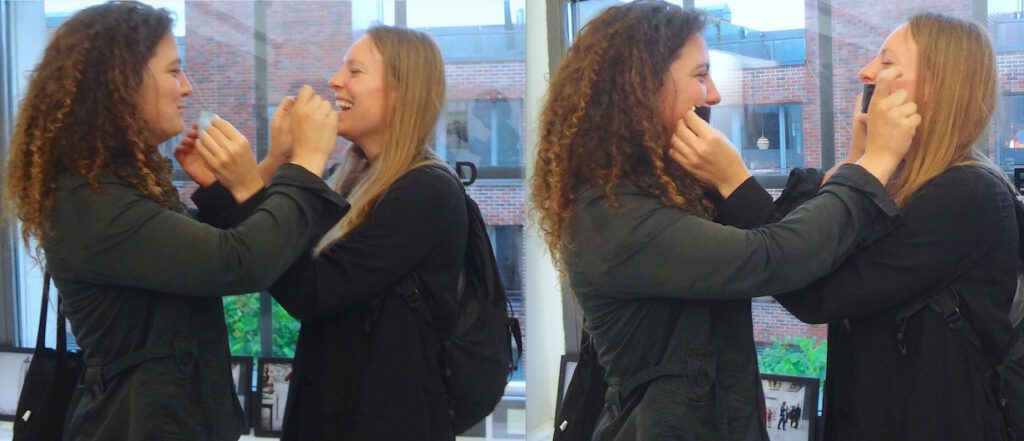
When Hashimoto places a knife in a viewer’s hand or asks them to perform a stressful action, he breaks with the passive, ‘sedated’ role of the traditional museum visitor. The viewer is torn away from the safe, inverted landscape of ‘polite society’ — that is, Japan. Karatani, on the other hand, argues that capitalism and modern systems shield us from real material risks. By introducing *FUKA* (tension, risk, and psychological pressure), Hashimoto’s instructions expose the fragility of the rules we take for granted.
In works such as *Number of Deaths Yesterday / Number of Visitors Today*, Hashimoto explicitly juxtaposes an institution’s mass data with the immediate, bodily presence of the living viewer. By compelling the viewer to become acutely aware of their own immediate choices, their physical body, and potential danger, his art acts as a physical catalyst for Heidegger’s concept of “being-towards-death.”
While Heidegger provides the diagnosis (we are lulled into complacency by the masses) and the goal (confronting our finitude), Karatani explains the mechanism of our deception.
Hashimoto’s art serves as a practical, destabilizing intervention in this context. By disrupting the invisible social contracts of everyday life, Hashimoto tears the viewer out of Karatani’s inverted system and forces them into the very space of existential anxiety and authenticity that Heidegger advocated.
この文脈における柄谷の主要な論点は、真の批判的意識は、単一のシステムがもたらす安穏とした安全圏の内部からは決して生まれない、というものである。人は意識的にシステムとシステムの間の空間へと踏み出し、制度的な規則に依拠しない、予測不可能で危険を孕んだ領域である「他者」に身をさらさねばならない。橋本のアート実践は、まさにこの点にある。彼は、独特な微細な行為や理不尽な指示(『COVER YOUR MOUTH WITH TAPE』や『You Can Cut Yourself』といった作品に見られるように)を課すことで、鑑賞者を居心地の悪い状況へと放り込むのである。この日本の哲学者の論理に照らせば、橋本のこうした指示は、近代・現代におけるカラタニ「倒錯」(転倒)との暴力的な断絶を露呈させるものだと言えるだろう。
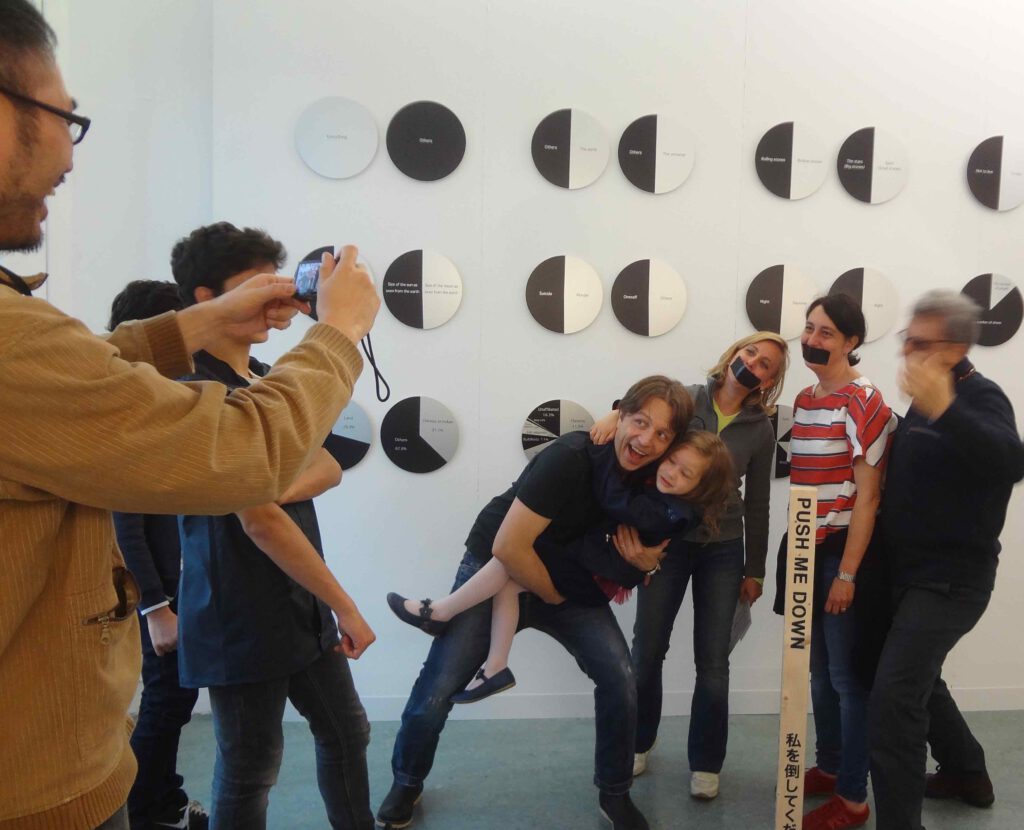
橋本が鑑賞者の手にナイフを握らせたり、精神的負荷を伴う行為を求めたりするとき、そこには、従来の美術館の来館者が担ってきた受動的で「鎮静化された」役割からの脱却がある。鑑賞者は、「礼節ある社会」――すなわち日本という、安全で、ある種「反転した」風景から引き剥がされることになるのだ。一方、柄谷は、資本主義や近代のシステムが、現実の物質的リスクから我々を保護していると論じている。橋本は「負荷」(緊張、リスク、心理的圧力)を導入する指示を通じて、我々が当然視しているルールの脆さを露呈させるのである。
『昨日の死者数/今日の来館者数』といった作品において、橋本は、ある機関が扱う膨大なデータと、生身の鑑賞者が持つ即物的かつ身体的な実在感とを、あえて対置させている。鑑賞者に対し、自らの目前の選択や身体、そして潜在的な危険を痛感させることで、彼の芸術は、ハイデガーの説く「死への存在」という概念を呼び覚ますための、身体的な触媒として機能するのです。ハイデガーが「診断」(私たちは大衆の中に埋没し、安逸に浸っている)と「目標」(自らの有限性と向き合うこと)を提示する一方で、柄谷は私たちが陥っている自己欺瞞のメカニズムを解き明かしている。
こうした文脈において、橋本の芸術 (アートプラクティス)は、既存の秩序を揺さぶり、実践的に介入する役割を果たしている。日常生活に潜む目に見えない社会契約を攪乱することで、橋本は鑑賞者を柄谷の言う「倒錯したシステム」から引き剥がし、ハイデガーが説いた実存的な不安と「本来性」のただ中へと否応なく引きずり込むのだ。
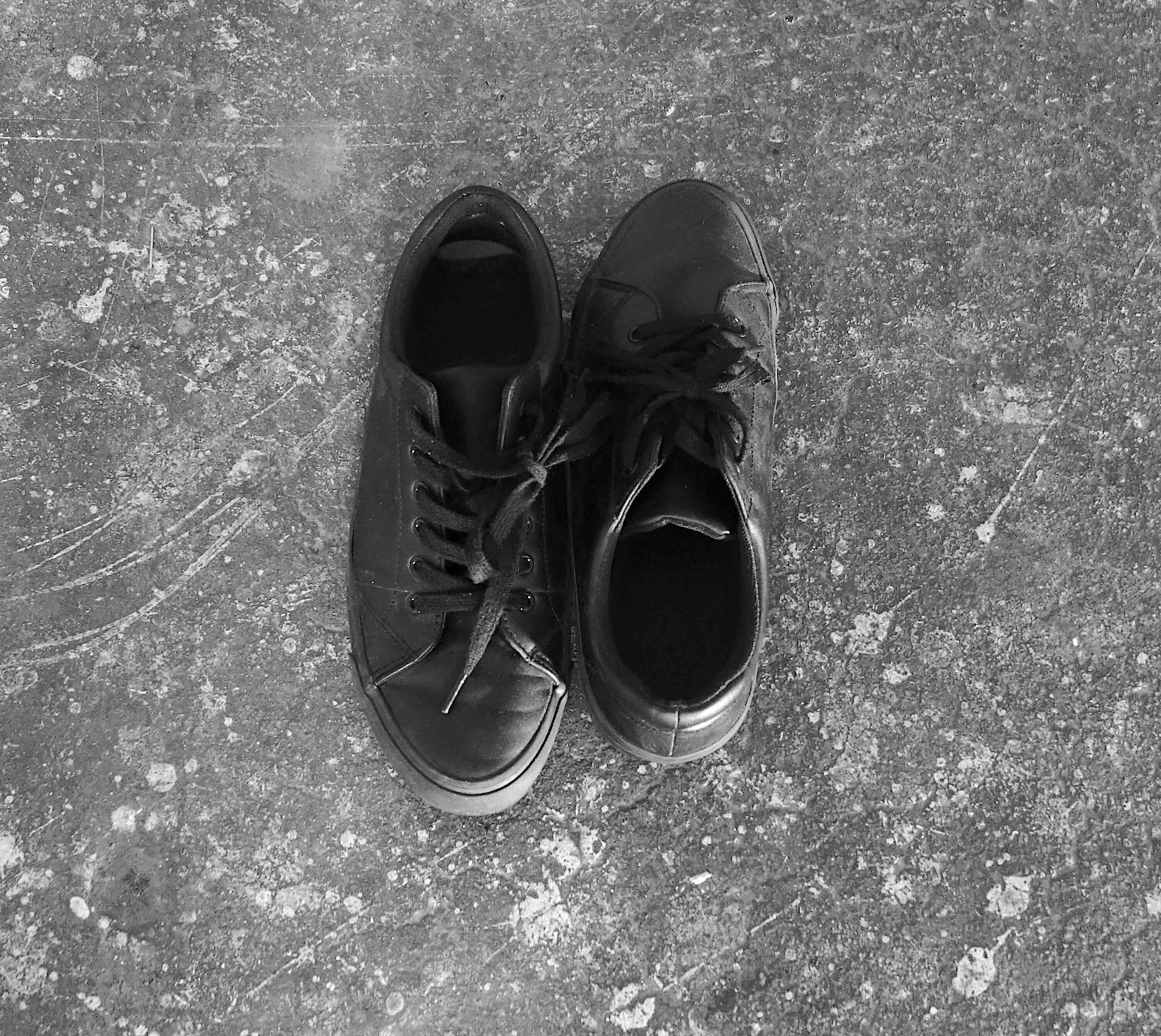
Perhaps Hashimoto’s most devastating philosophical formulation is the conceptual equation:
Night − Time = Darkness.
In human consciousness, “Night” is an interval —a manageable, cyclical period measured by clocks and calendars. It belongs to us. But by subtracting “Time” from “Night,” Hashimoto eliminates human measurement. What remains is “Darkness”: a timeless, primordial, and absolute state that existed before human consciousness and will persist long after our extinction.
This reduction brings to mind the philosophy of Maurice Blanchot in “L’Écriture du désastre” (1980, ‘The Writing of the Disaster’): “The disaster ruins everything, all the while leaving everything intact.”
Hashimoto’s “Darkness” is the universe without us. It is the absolute silence that swallows human effort. By asking the viewer to step into an environment stripped of temporal anchors, he forces us to practice our own absence. His art is a profound, beautifully quiet reminder that humanity is not the author of the cosmos, but merely a temporary guest trying to find meaning before the light goes out.
おそらく、橋本による最も衝撃的な哲学的定式化は、次の概念的な等式であろう:夜 − 時間 = 闇。
人間の意識において、「夜」とは区間――時計やカレンダーによって測定される、管理可能な周期的な期間である。それは私たちに属している。しかし、「夜」から「時間」を差し引くことで、橋本は人間の測定という概念を排除してしまう。残るのは「闇」である。それは、人間の意識が生まれる前から存在し、私たちが絶滅した後も長く存続し続ける、時間を超越した、原初的かつ絶対的な状態だ。
この還元は、モーリス・ブランショの『災厄のエクリチュール』(原題:L’Écriture du désastre、1980年刊)における哲学を想起させる:「災難はすべてを破壊する。その一方で、すべてを無傷のまま残す。」
橋本の「闇」とは、私たちを欠いた宇宙である。それは人間の努力を飲み込む絶対的な沈黙だ。時間的な拠り所を剥ぎ取られた環境へと鑑賞者を誘い込むことで、彼は私たちに自らの不在を実践させる。彼の芸術は、人類が宇宙の創造主ではなく、光が消える前に意味を見出そうとする一時的な客に過ぎないことを、深遠かつ美しく静かに思い出させてくれる。
One of my favorite directors is Andrei Tarkovsky ― specifically his film *Stalker* (1979), which I saw and admired in quasi real time at a Berlin cinema on a massive screen. I consider it appropriate to venture a semi-popular, comparative analysis linking Hashimoto and Tarkovsky.
The cinematic philosophy of Tarkovsky’s “Stalker” serves as a profound conceptual mirror to the artistic practice of Hashimoto. In Stalker, ‘The Zone’ is a liminal space governed not by standard physical laws, but by systemic pressure, unspoken rules, and psychological suspense―mirroring exactly how Hashimoto structures the white cube of the gallery, museum, art fair booth’s spaces.
When we place Tarkovsky’s cinematic masterpiece into dialogue with Hashimoto’s exhibitions, such as “Write with Night / A Name Is a Grave” at AOYAMA MEGURO, three distinct philosophical intersections emerge regarding the human condition, the indifference of the universe, and the path toward death.
Early in the film, the Stalker prays for his companions as they journey deeper into the landscape:
”…what they call passion actually is not some emotional energy, but just the friction between their souls and the outside world.”
This is perhaps the most precise cinematic definition of Hashimoto’s signature concept, FUKA (負荷 suspense, risk, and pressure). When Hashimoto introduces legal anxiety, risk, or spatial darkness, he is intentionally generating this ‘friction’. The art is not located in a physical object; it is the volatile psychic energy sparked when a vulnerable human soul collides with an unpredictable, engineered environment.
In his central philosophical monologue, the Stalker muses on the nature of life, vulnerability, and mortality:
“When a man is just born, he is weak and flexible. When he dies, he is hard and insensitive… Hardness and strength are death’s companions. Pliancy and weakness are expressions of the freshness of being”.
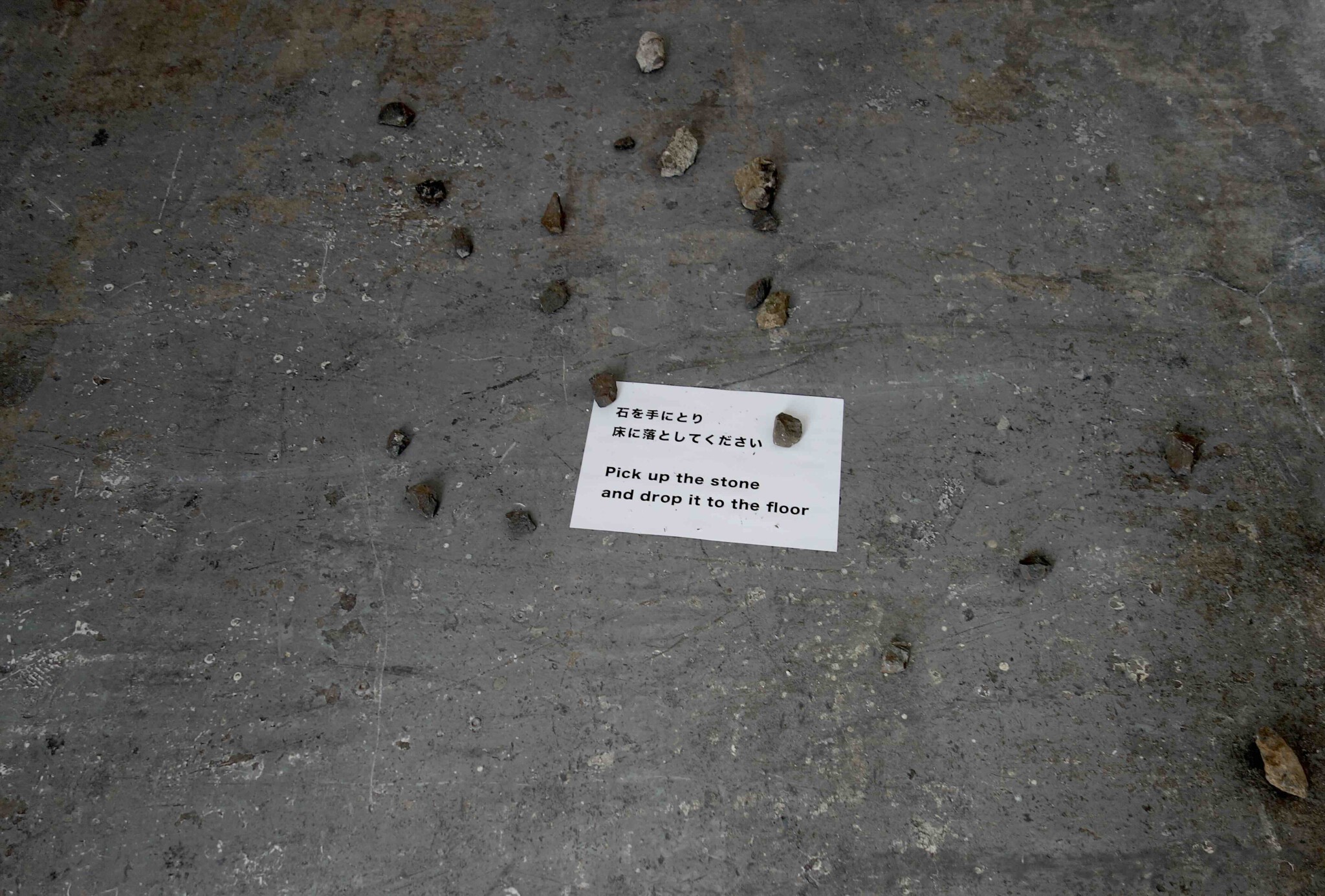
This duality lies at the heart of Hashimoto’s behavioral instructions. In works like “You Can Cut Yourself” or his late “Pick up the stone and drop it to the floor” Hashimoto strips participants of their social armor―their ‘hardness’, titles, and ego. By forcing the viewer into a state of deep psychological vulnerability and compliance, he shifts them back toward that ‘pliant weakness’. To experience a Hashimoto piece is to abandon rigid, intellectual defense mechanisms and stand ‘helpless’ before the reality of your own existence and eventual death.
During a moment of rest within the quiet, overgrown ruins of the ‘Zone’, a telling exchange occurs between the Writer and the Stalker:
Stalker: There isn’t a soul here…
Writer: But we are here!
Stalker: Well, three people cannot ruin everything here in one day.
Writer: Why they cannot? They can.
Hashimoto’s relational aesthetics are built on this exact premise ― that the human presence is an inherently disruptive force. Hashimoto believes ‘the venue exists to install viewers rather than artwork’. The cosmic void or the empty gallery space remains pristine in its indifference until human beings enter it. By stepping into the frame, the audience brings its own history, moral corruption, and impending mortality into the space, shifting the environment from pure cosmic abstraction into an active theater of human consequence.
To understand the conceptual black hole at the center of Hashimoto’s dark, philosophical soul is to recognize that his architecture is not merely an arrangement of spatial voids; it is an active engine of ontological erasure. When juxtaposed with the shifting, sentient topography of ‘The Zone’ in Tarkovsky’s Stalker, Hashimoto’s installation “Night - Time = Darkness” reveals a chilling parallel, which the Japanese viewer tries to decode in the gallery space of AOYAMA MEGURO. Both environments are highly formalized, psychological frameworks where the standard coordinate systems of human logic, safety, and chronological progress collapse entirely, leaving only the naked, terrified raw material of human consciousness.
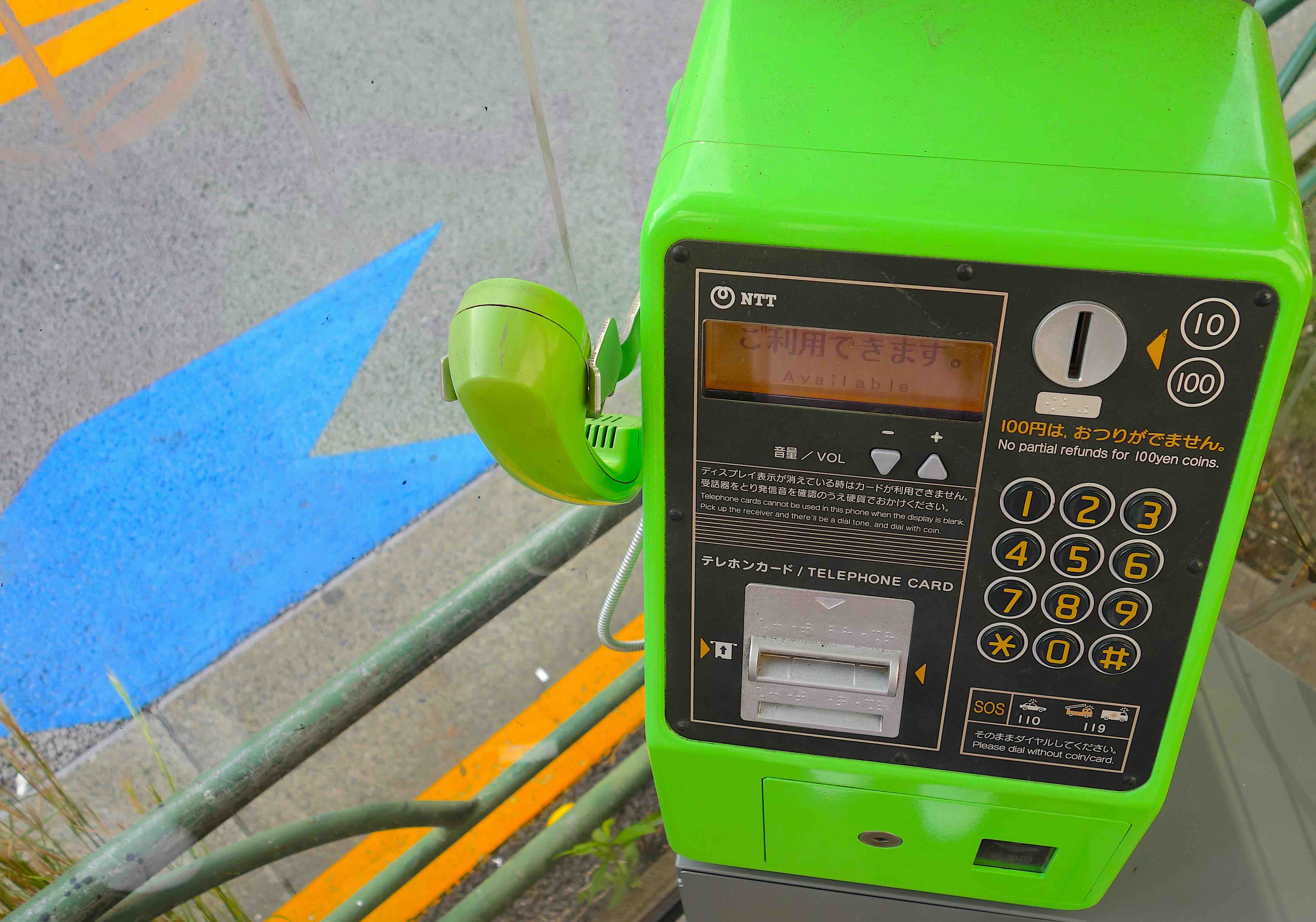
In Stalker, the crossing into the ‘Zone’ is marked by a legendary cinematic shift: the oppressive, rusted sepia of the decaying industrial world gives way to an eerie, vibrant, and lush green world. This color shift doesn’t offer relief; it registers as a warning. The environment is alive, yet completely unconcerned with human survival.
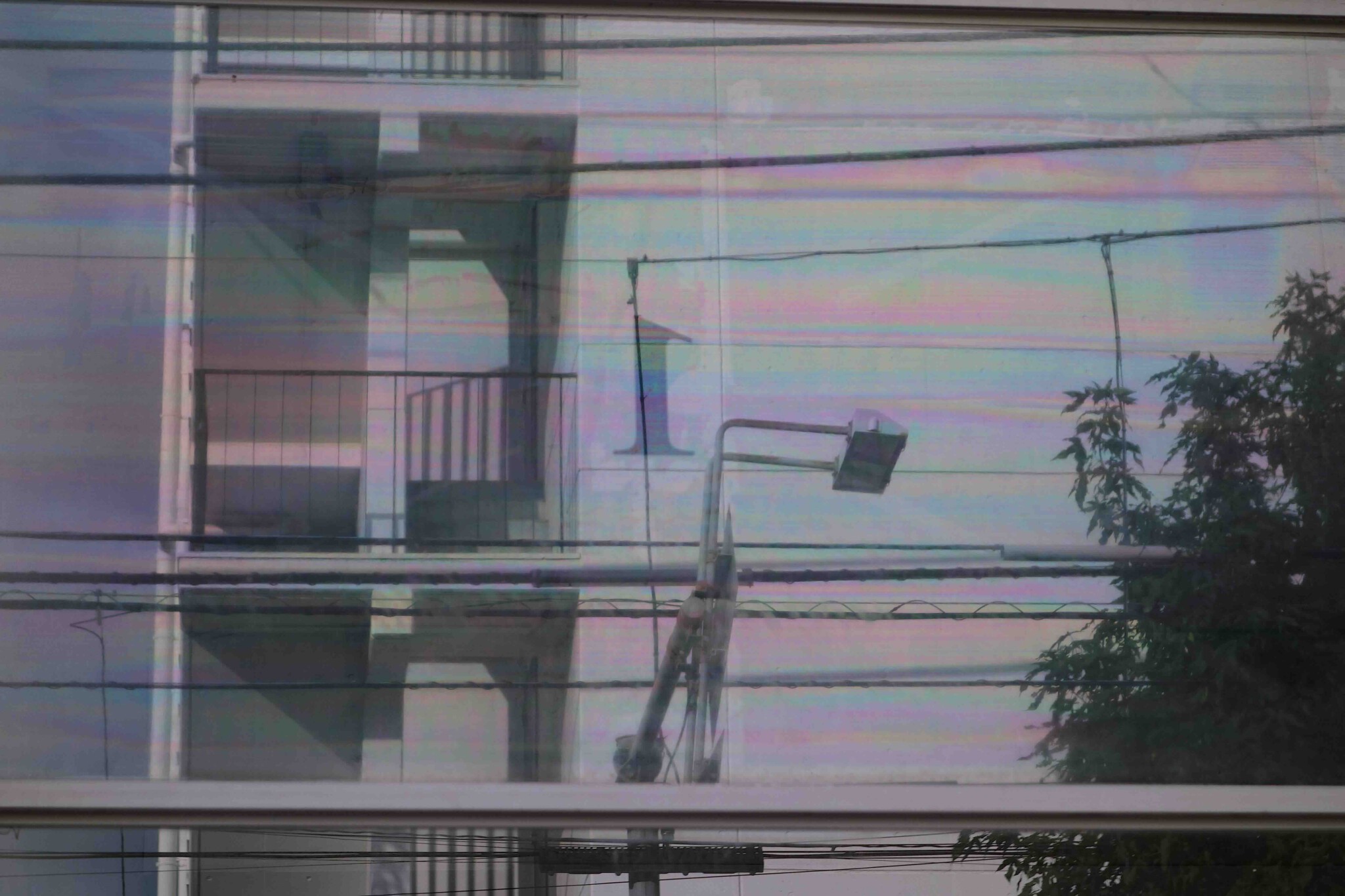
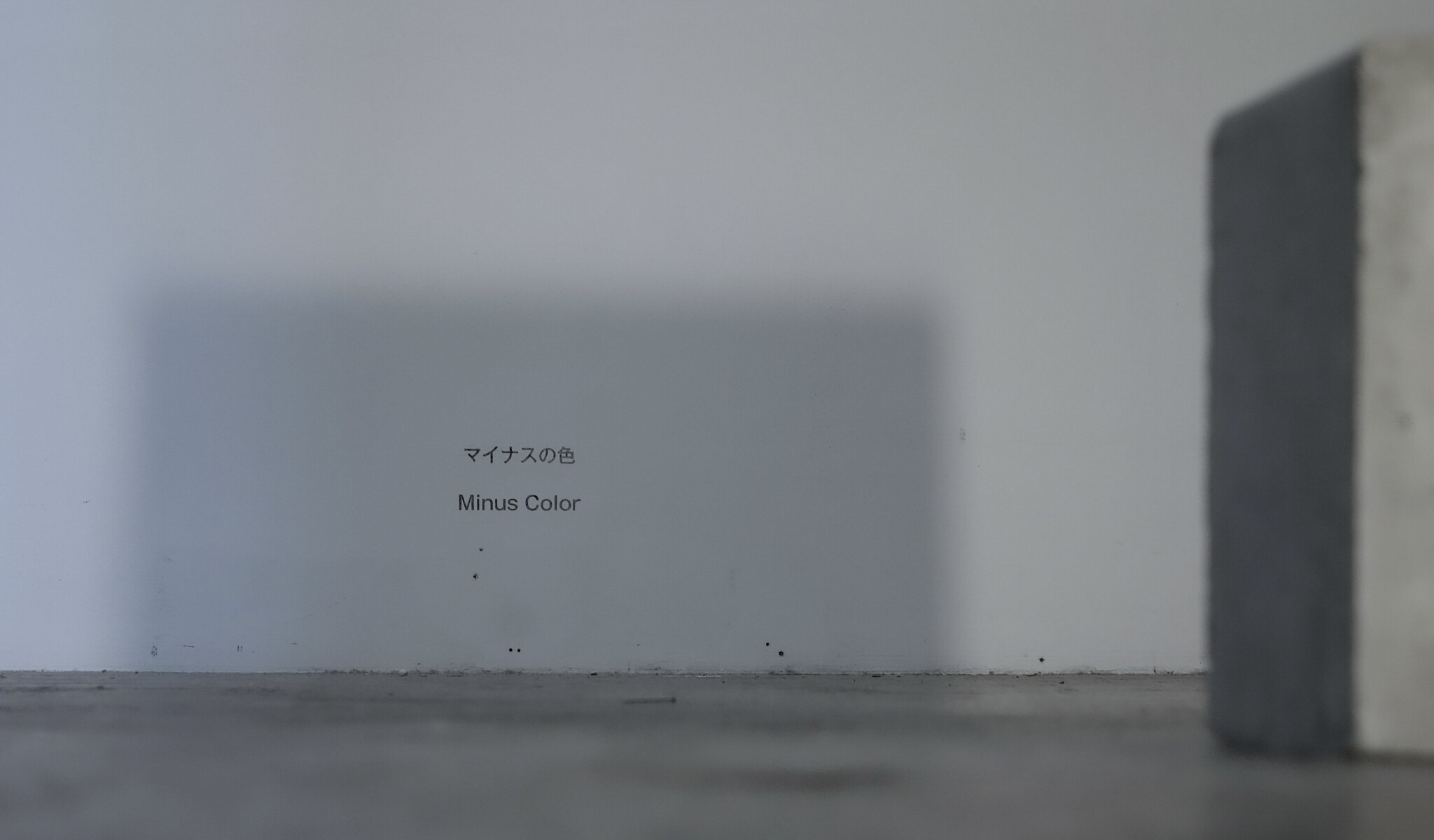
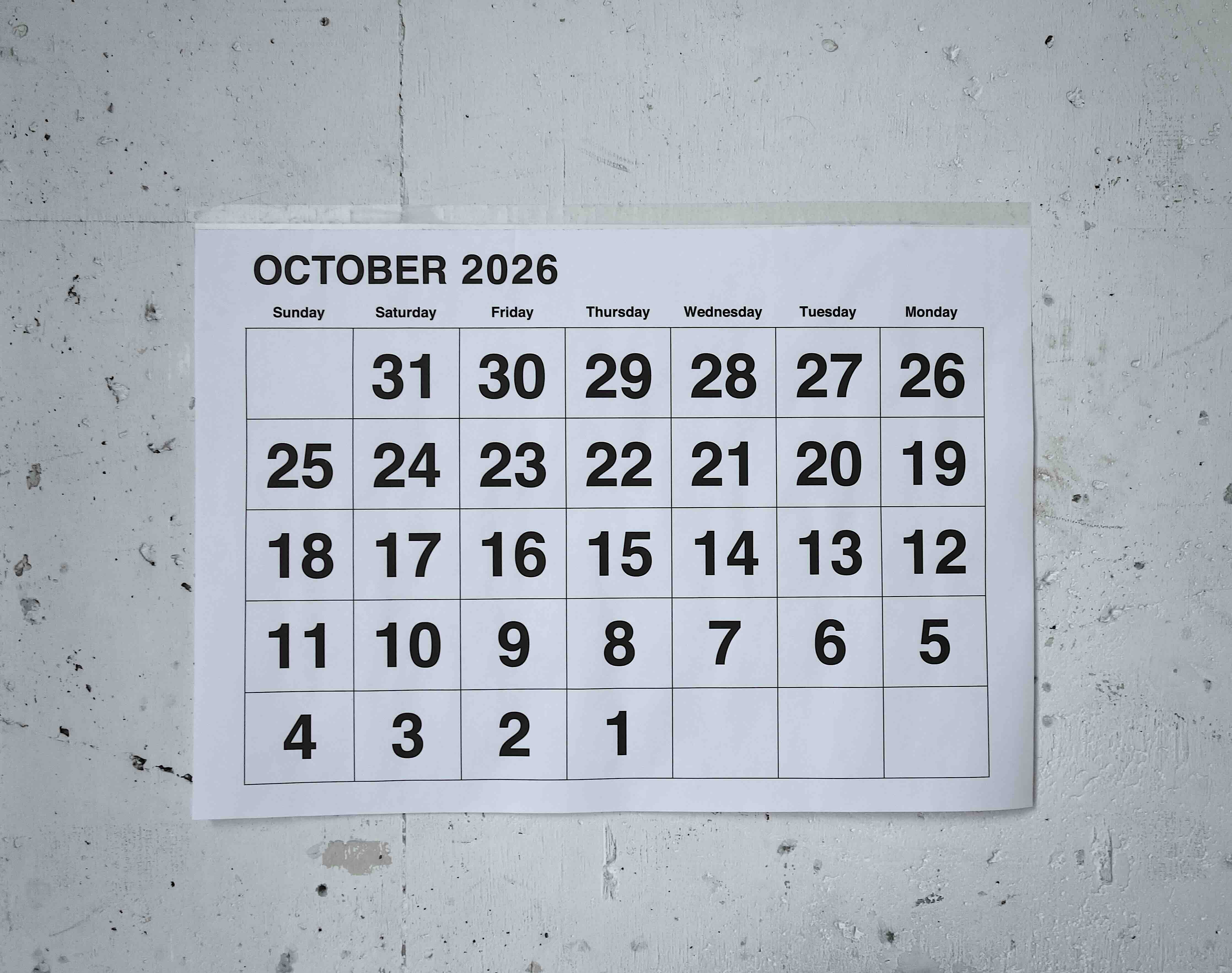
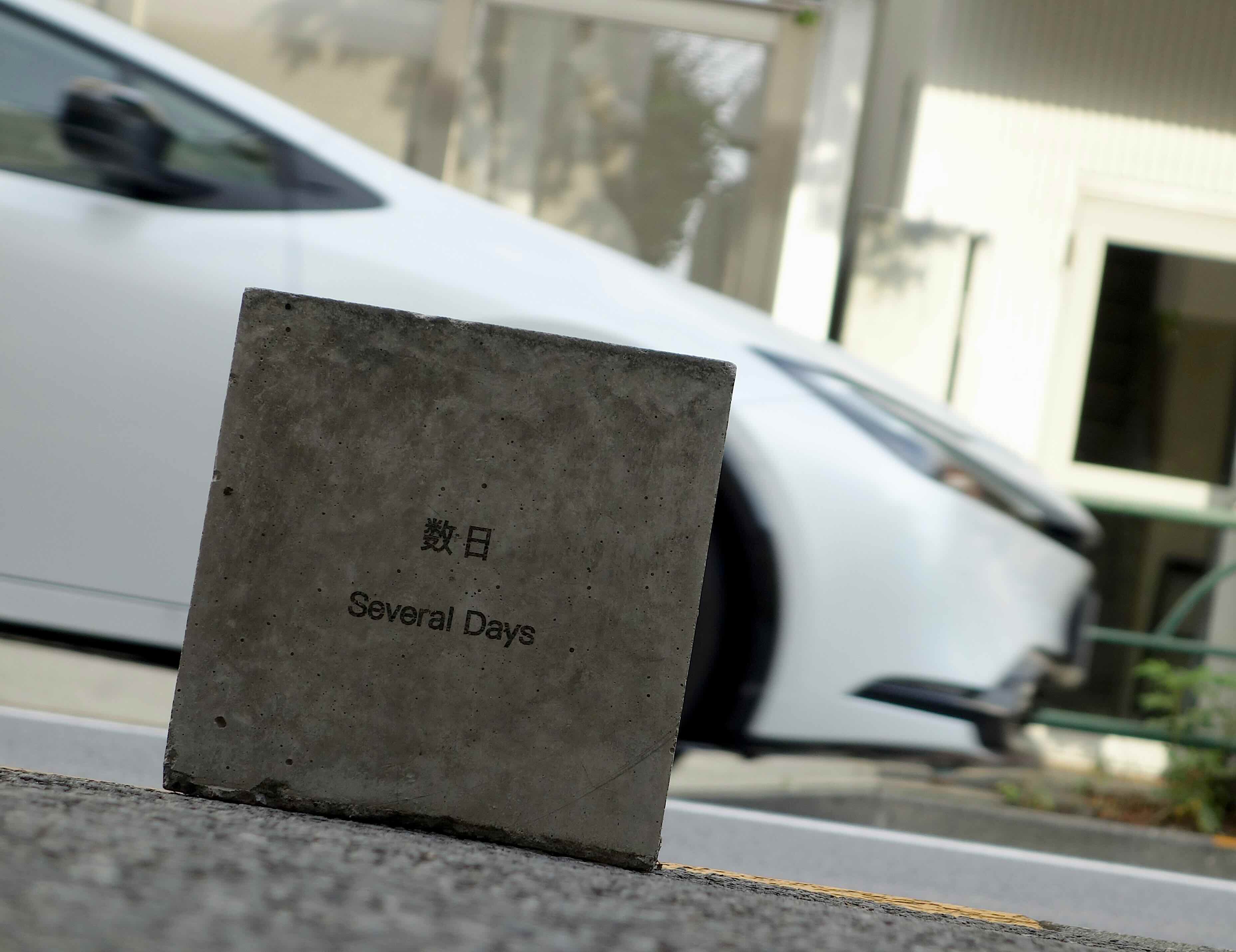
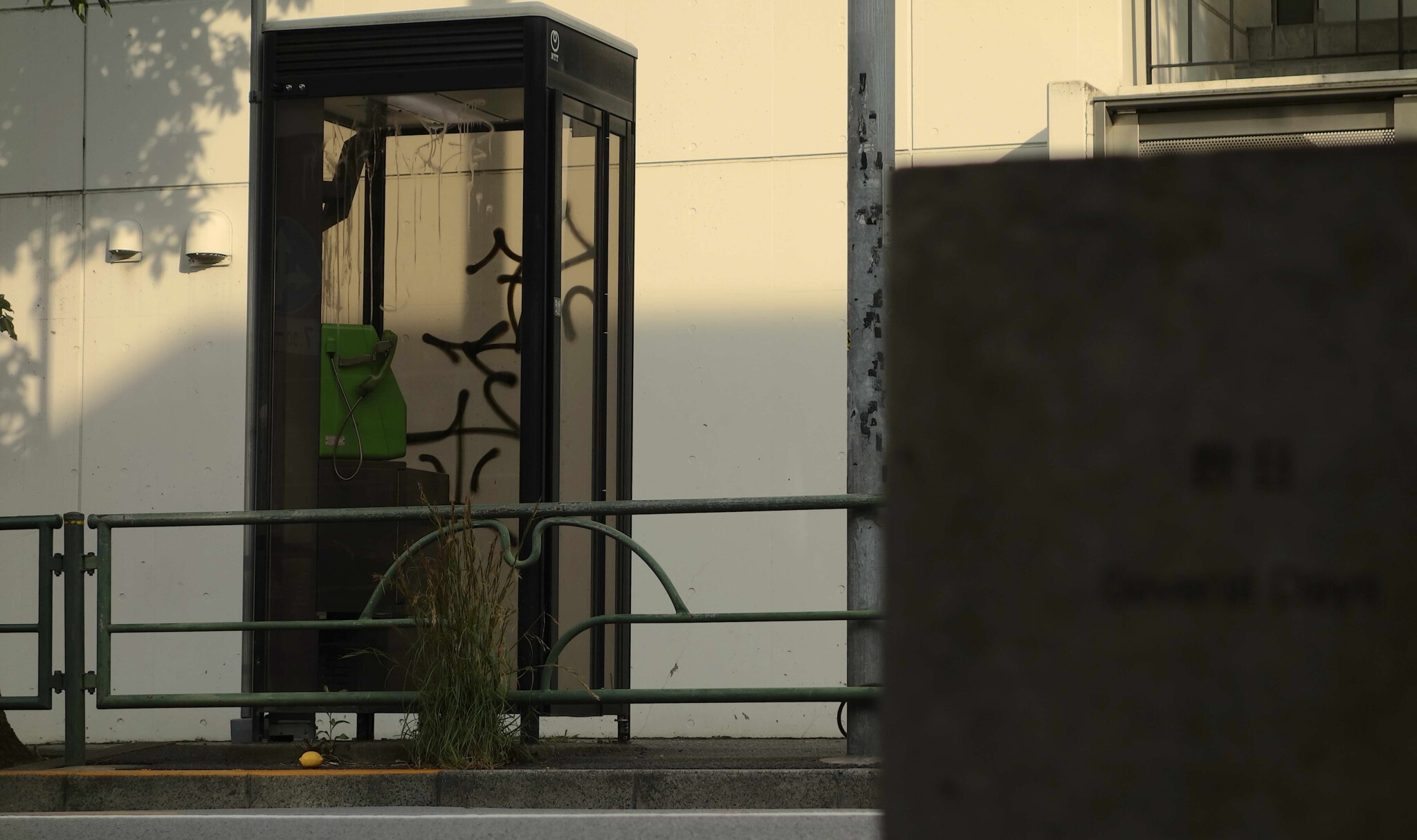
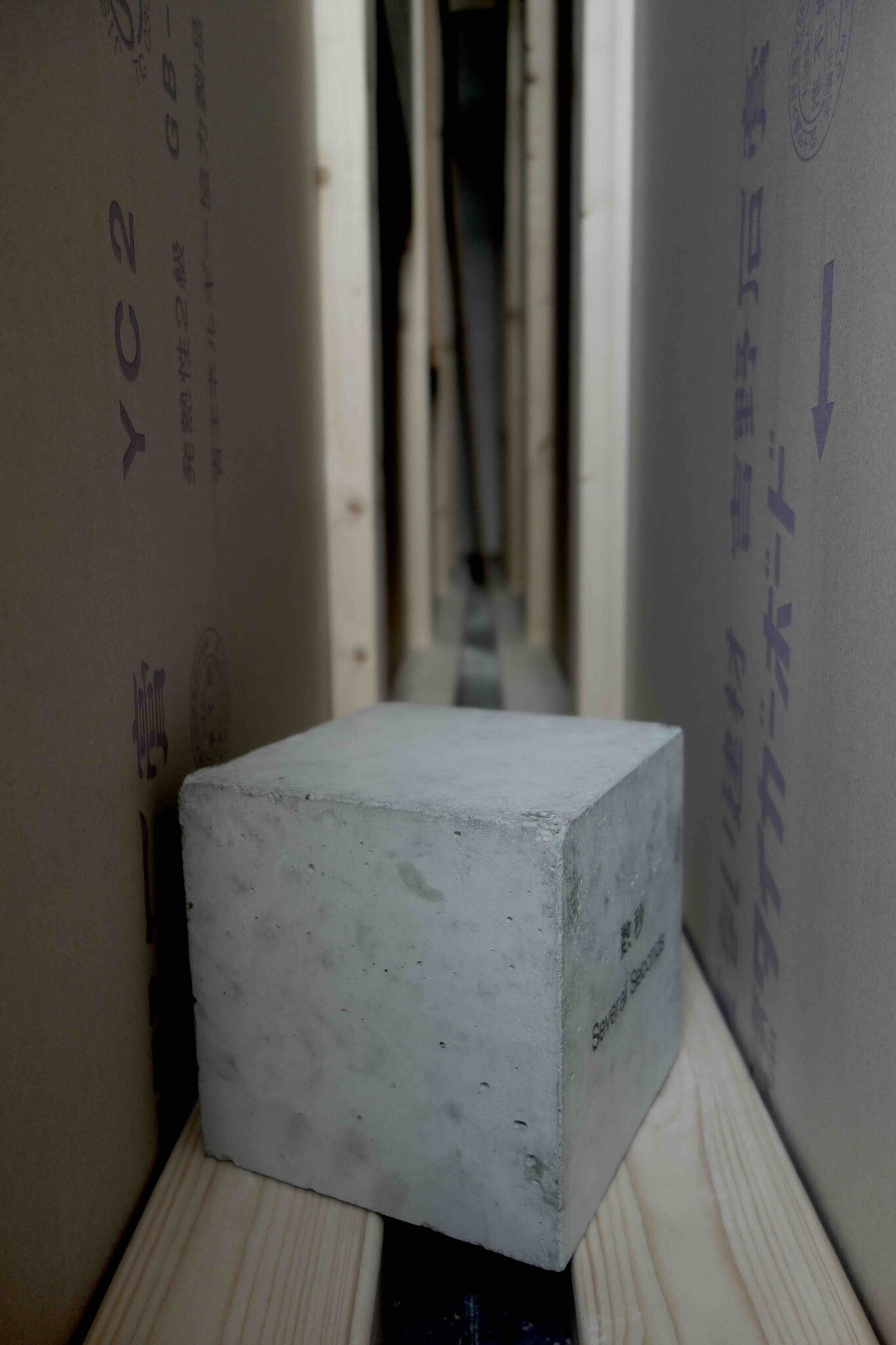
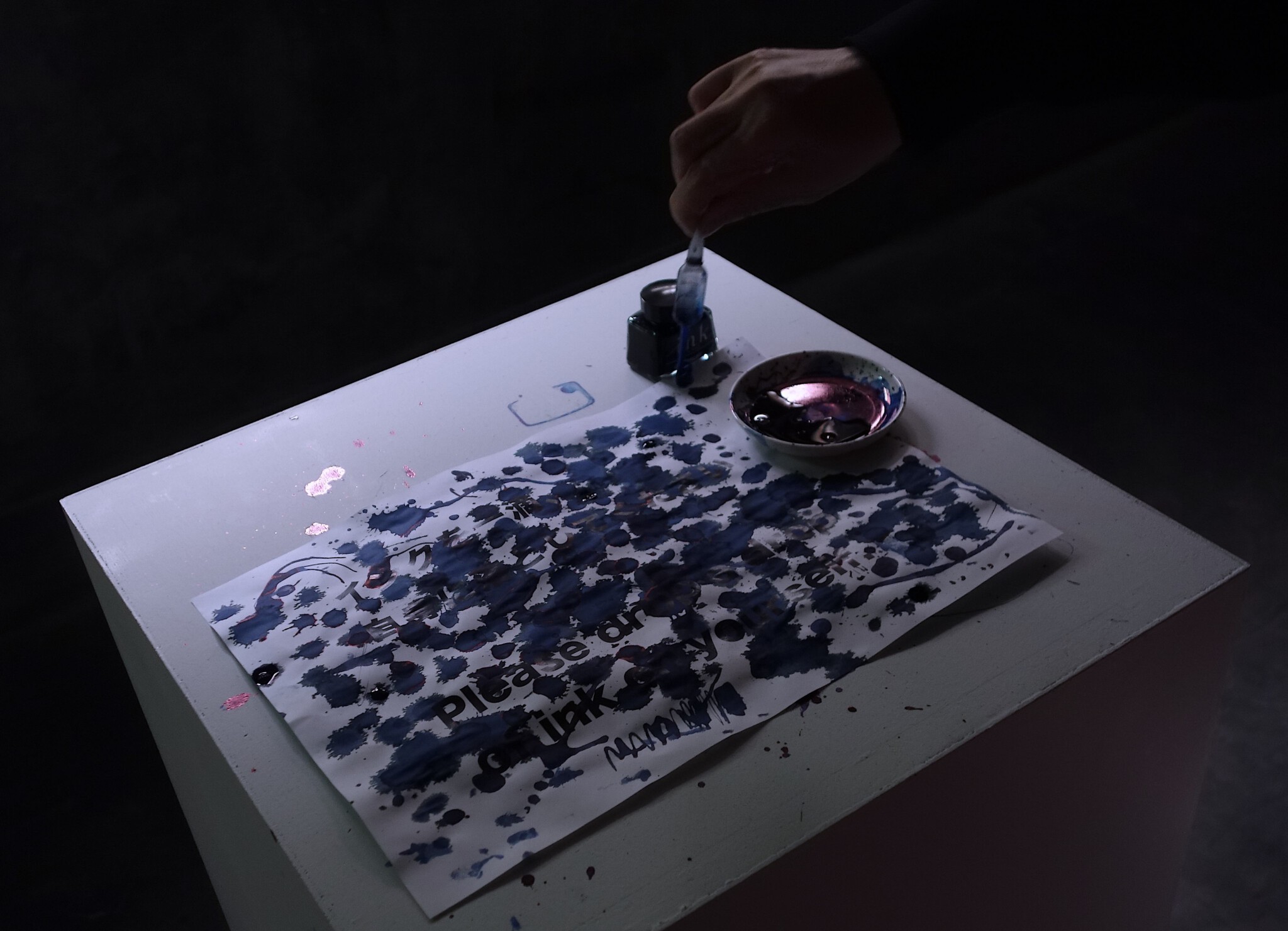
Hashimoto achieves an identical phenomenological shockwave through a purely minimalist reduction. By introducing the artistic equation “Night – Time = Darkness” into the physical white cube, he pulls off a structural inversion. Probably you have noticed, that the attached photographs in this text adapt Hashimoto colorising concept (including the ‘minus’ aspect). Our hyper-regulated, daytime reality, where everything is measured, timetabled, and secure.
By subtracting ‘Time’, Hashimoto leaves us stranded in a primordial darkness.
Without the safety net of linear progression, the viewer steps over a psychological threshold. They enter a space where light is no longer a tool for navigation, but a glaring reminder of the void that frames human existence.
Tarkovsky’s Zone cannot be crossed in a straight line. It is peppered with invisible, lethal anomalies ―like the ‘Meat Grinder’― that shift and morph according to the psychological baggage of those who enter. The Zone respects no external hierarchy; it demands a deep, terrifying vulnerability from its travelers.
This is the exact spatial engine behind Hashimoto’s signature concept of FUKA (suspense and pressure).
Like the Stalker, Hashimoto achieves this through minimalist choreography, invisible boundaries, and behavioral instructions that trigger profound legal and ethical anxiety.
At the heart of the Zone sits ‘The Room,’ a desolate, water-logged sanctuary where a person’s innermost, unspoken desires are brought into the light ― a prospect so terrifying that the characters ultimately shrink away from its threshold. ‘The Room’ is a monument to the ultimate vacuum of human ambition.
Hashimoto’s dark philosophical soul finds its ultimate home in this absolute zero of the ego.
In “A Name is a Grave”, the AOYAMA MEGURO gallery is treated like an unadorned ossuary. By designating the space a ‘grave’, it becomes a place that simulates the irreversibility of death. Whether one laughs or not is up to the viewer.
Just as Tarkovsky uses the slow pan of his camera over submerged artifacts ― syringes, icons, coins ― to illustrate the slow, watery decay of human culture, Hashimoto uses performance art to highlight the hollow center of our societal constructs. Both creators demonstrate that when you strip away the comforting noise of civilization, the human being is left standing in a silent, cosmic clearing, forced to look straight into the dark. Or into Aoyama Cemetery.
私のお気に入りの映画監督の一人にアンドレイ・タルコフスキーがいる。とりわけ、ベルリンの映画館の巨大なスクリーンでニアリアルタイムに鑑賞し、感銘を受けた『ストーカー』(1979年)は特別な作品。そこで、橋本とタルコフスキーを結びつける、ある程度セミ・ポピュラーな比較分析を試みてみるのも適切だろうと考える。
タルコフスキーの『ストーカー』が持つ映画哲学は、橋本のアート実践に対する深遠な概念的鏡となっている。『ストーカー』における「ゾーン」は、通常の物理法則ではなく、システム的な負荷、暗黙のルール、そして心理的なサスペンスによって支配される境界領域であり、これはまさに橋本がギャラリー、美術館、アートフェアブース空間という「ホワイトキューブ」を構築する手法を反映している。
タルコフスキーのこの映画的傑作を、青山|目黒ギャラリーでの「夜で記す」/「名は墓」といった橋本の展覧会と対話させると、人間の条件、宇宙の無関心、そして死への道という3つの明確な哲学的接点が浮かび上がる。
映画の序盤、ストーカーは仲間たちが風景の奥深くへと旅立っていく際、彼らのために祈りを捧げる。
「……彼らが「情熱」と呼ぶものは、実際には何らかの感情的なエネルギーではなく、単に彼らの魂と外界との間の摩擦に過ぎないのだ。」
これはおそらく、橋本特有の概念である「負荷(フカ)」――サスペンス、リスク、そしてプレッシャー――を映画的に最も的確に定義した言葉だろう。橋本が法的な不安やリスク、あるいは空間的な暗闇を導入するとき、彼は意図的にこの「摩擦」を生み出している。芸術は物理的な対象物にあるのではなく、脆弱な人間の魂が、予測不能で人為的に構築された環境と衝突した際に生じる、不安定な精神的なエネルギーそのものなのである。
ストーカーは、その中心的な哲学的独白の中で、生命の本質、脆弱性、そして死についてこう思索を巡らせる。
「人は生まれたばかりの頃は、弱く、しなやかだ。死ぬ時には、硬く、無感覚になっている……硬さと強さは死の伴侶である。しなやかさと弱さは、存在の鮮やかさの表れなのだ。」
この二面性は、橋本の行動指針の核心にある。「You Can Cut Yourself」や「石を手にとり床に落としてください」といった作品において、橋本は参加者から社会的鎧――すなわち「硬さ」、肩書き、エゴ――を剥ぎ取る。鑑賞者を深い心理的脆弱性と服従の状態へと追い込むことで、彼は彼らを再びその「しなやかな弱さ」へと回帰させるのだ。橋本の作品を体験するということは、硬直した知的な防衛機制を捨て去り、自らの存在とやがて訪れる死という現実の前に「無力」なまま立ち尽くすことなのである。
「ゾーン」の静寂に包まれ、草木が生い茂った廃墟の中で一息ついている最中、作家とストーカーの間で、ある示唆に富むやり取りが交わされる。
ストーカー:ここには誰もいない……
作家:でも、僕たちはここにいるじゃないか!
ストーカー:まあ、3人くらいじゃ、1日でここを台無しにすることなんてできないだろう
作家:なぜできない? できるさ
橋本のリレーショナル・エステティクスは、まさにこの前提――すなわち、人間の存在は本質的に破壊的な力である――の上に築かれている。橋本は「会場は作品ではなく、観客を配置するために存在する」と信じている。宇宙的な虚無、あるいは空っぽのギャラリー空間は、人間がそこに入るまでは、無関心なまま原初の状態を保っている。観客がその枠内に足を踏み入れることで、自らの歴史、道徳的堕落、そして差し迫った死をその空間にもたらし、その環境を純粋な宇宙的抽象から、人間による結果が生み出される能動的な劇場へと変容させるのである。
橋本の、暗く哲学的な精神の深淵に横たわる「概念的なブラックホール」を理解することは、彼の建築が決して単なる空間的空虚の配置ではなく、存在論的な消去を推し進める能動的なエンジンであることを認識することに他ならない。 アンドレイ・タルコフスキーの『ストーカー』に登場する、変容し意志を持つかのような「ゾーン」の地形と並置してみると、橋本のインスタレーション『Night - Time = Darkness』には身の毛もよだつような類似性が浮かび上がる、が、日本の鑑賞者は、青山|目黒のギャラリーで、その意味を読み解こうと試みるのだ。これら二つの環境は、いずれも高度に形式化された心理的枠組みであり、そこでは人間の論理や安全、あるいは時間の推移といった通常の座標系が完全に崩壊し、人間の意識が持つ、剥き出しで恐怖に震える「生の素材」だけが取り残される。
『ストーカー』において、ゾーンへの侵入は、伝説的な映像的転換によって象徴されている。朽ち果てた工業地帯の、重苦しく錆びついたセピア色の世界が、不気味で鮮やか、そして青々とした緑の世界へと一変するのだ。この色彩の変化は安堵をもたらすものではなく、むしろ警告として受け止められる。その環境は生き生きとしているが、人間の生存にはまったく無関心である。
橋本は、純粋にミニマリスト的な削減を通じて、これと全く同じ現象学的衝撃波を生み出している。「夜-時間=闇」というアーティスティックな方程式を物理的なホワイトキューブに導入することで、彼は構造的な反転を成し遂げている。お気づきのことと思うが、本文に添付された写真は、橋本の色化のコンセプト(マイナスと含む)を取り入れたもの。すべてが計測され、スケジュール化され、安全が確保された、過度に規制された私たちの「昼間の現実」。
「時間」を差し引くことで、橋本は私たちを原初の闇の中に置き去りにする。
直線的な進行という安全網を失った鑑賞者は、心理的な境界線を越える。そこでは、光はもはや道しるべではなく、人間の存在を囲む虚無をまばゆいばかりに思い起こさせるものとなる。
タルコフスキーの「ゾーン」は、直線的に横断することはできない。そこには、「ミートグラインダー」のような、目に見えない致命的な異常現象が点在しており、それらはゾーンに足を踏み入れる人々の心理的負担に応じて変化し、形を変える。「ゾーン」は外部のヒエラルキーを一切認めず、旅人たちに深く、恐ろしいほどの無防備さを強いる。
これこそが、橋本の代名詞とも言える「負荷(サスペンスと圧迫感)」という概念の背後にある、まさにその空間的メカニズムである。
ストーカーのように橋本は、ミニマリスト的な演出、目に見えない境界線、そして深い法的・倫理的不安を引き起こす行動指示を通じて、これを実現している。
ゾーンの中心には「ザ・ルーム」がある。そこは荒涼として水浸しになった聖域であり、人の心の奥底に秘められた、口に出すことのできない欲望が明るみに出される場所だ――その見通しはあまりにも恐ろしいがゆえに、登場人物たちは結局、その入り口から身を引いてしまう。「ザ・ルーム」は、人間の野心の究極の虚無を象徴する記念碑である。
橋本の暗く哲学的な魂は、この自我の絶対零度において究極の居場所を見出す。「名は墓」において、青山目黒のギャラリーは、飾り気のない納骨堂のように扱われている。空間を「墓」と名付けることで、そこは死の不可逆性をシミュレートする空間となる。笑うか、笑えないか、鑑賞者次第。
タルコフスキーが、水没した遺物――注射器、イコン、硬貨――をカメラでゆっくりとパンして、人間文化の緩やかで水に溶けるような腐敗を描き出すのと同様に、橋本もまたパフォーマンス・アートを用いて、私たちの社会的構築物の空虚な核心を浮き彫りにする。両者の創作は、文明がもたらす安らぎの雑音を剥ぎ取れば、人間は静寂に包まれた宇宙の空き地に立ち尽くし、闇をまっすぐに見つめざるを得なくなることを示している。あるいは、青山霊園に目を向けてみるのもいいだろう。
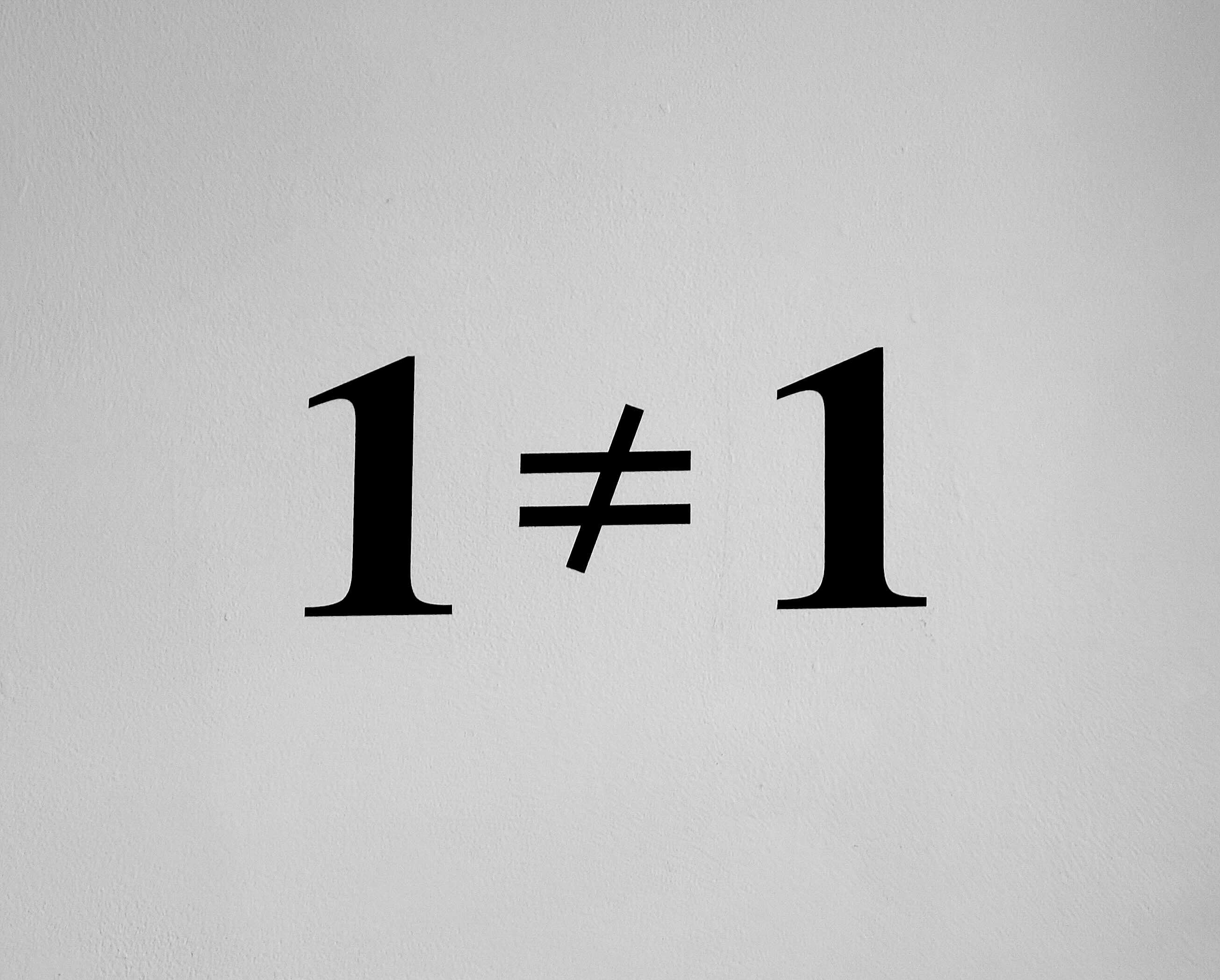
橋本さんは、自身の作品「1≠1」について、一読に値する示唆に富んだステートメントを青山|目黒ギャラリーのウェブサイトで公開しています。このテキストは日本語で書かれているため、作家の意向を尊重し、ドイツ語などの他言語には翻訳しないのが適切であると考えられます。
Hashimoto has published a thought-provoking statement worth reading about his work “1≠1” on the AOYAMA | MEGURO Gallery’s website. Since the text is in Japanese, it seems appropriate — in keeping with the artist’s wishes — not to translate it into another language, such as German.
1≠1
数学の前提とされる「1=1」は、同一性の確認ではなく、同一化の開始である。異なるものを同じものとして扱うための、最初の偽装である。左側の1と右側の1は、同じ形に見えても同じものではない。それらは別の順序で現れ、別の位置に立つ。同じ形が繰り返されているように見えるだけで、そこにはすでに別々の出現がある。
にもかかわらず、数学はそれらを同じものとして扱う。そのとき差異は消えるのではない。問われないものとして退けられる。「1≠1」は「1≒1」へ縮められ、さらに「1=1」として固定される。等号はここで、二つのものの関係を示すだけでなく、差異を問わないための形式として働きはじめる。
この形式は数学の内部だけで完結しない。社会もまた、異なるものの差異を抱えたまま、それを問わない形式を設けることで作動している。貨幣は価値の差異を、所有はものとの関係を、名前は変わり続けるものを、記録や評価は複数の出来事を、交換可能で管理可能な形へ変える。その意味で社会は、「1=1」を反復する装置と言えるだろう。
しかし、そこで成立する同一性は自然にあるものではない。位置、接触、変化、ずれ、偶然は消えない。それらは同一性の背後へ退けられ、隠された差異として残り続ける。「現実」や「事実」もまた、固定された虚構の内側で成立している。それが反復され、事実のように扱われるとき、その虚構性は隠される。
虚構の側に置かれてきた文芸や芸術などといったものは、虚構をつくりながら、社会が現実として隠した虚構性に触れる。現実から離れるのではなく、現実がどのようにつくられ、どのように同一化され、どのように差異を沈黙させてきたのかを、あらわにする。
等号は中立な記号ではなく、差異を沈黙させる最小の社会装置である。「1≠1」は、等号が閉じようとする場所から、数えることそのものを揺るがしはじめる。一つと呼ばれるものは、世界から切り離された単位ではない。数とは、流れに停止を与えたことにする名である。
橋本聡
https://aoyamameguro.com/exhibitions/hashimoto_2609
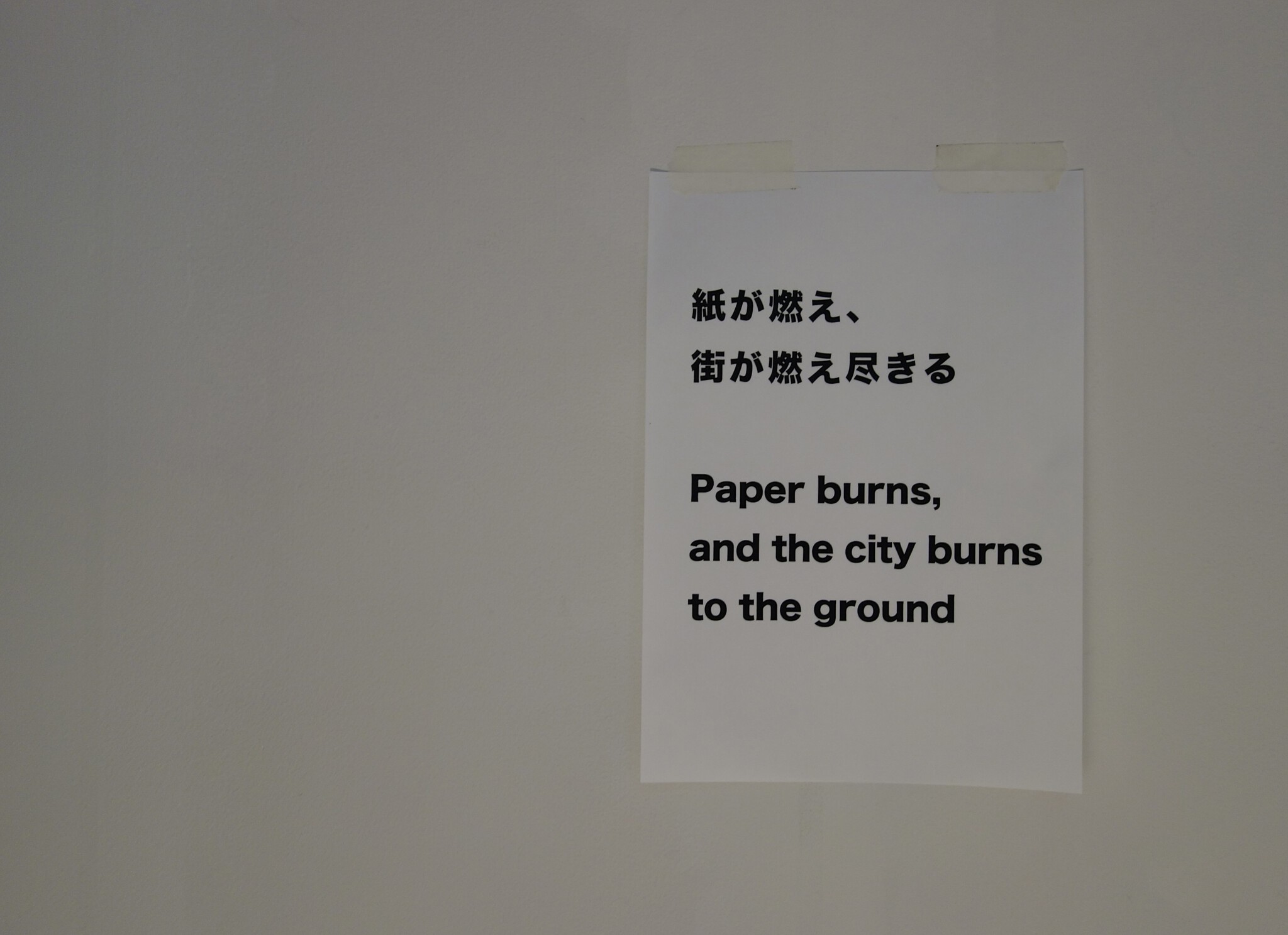
The artistic legacy of HASHIMOTO Satoshi ultimately crystallizes as a monumental, terrifying architecture of the liminal. His latest work, “Paper burns, and the city burns to the ground”, conjures up a semi-dreamlike nightmare as well as a subtle, Godzilla-esque Japanese mindset that wavers between wishful thinking and danger. There are quite a few Japanese people who, within their precarious consciousness, unconsciously transformed this paper (*kami*紙) into the Emperor (*Tenno*—also *kami*神). As we all know, Japan is half made up of hypocrites. In this spirit — and within this context specific to contemporary art — we therefore have no moral or ethical issue with slightly rewriting, and thus redefining, this statement by Hashimoto in a subtle way. “God is burning, and the city burns to the ground” (Kami ga moe, machi ga moetsukiru 神が燃え、街が燃え尽きる). By weaving together the spectral temporalities of Jacques Derrida’s hauntology and the severe bio-political mechanisms of Giorgio Agamben’s state of exception, Hashimoto does not merely produce art; he executes an ongoing ontological surgery upon the body of the spectator. In my opinion, this actual exhibition at AOYAMA | MEGURO named “Write with Night / A Name Is a Grave” stand as the zenith of his ongoing projects, a crucial point of absolute ‘Zero’ where institutional critique collapses into cosmic nihilism.
橋本聡の芸術的遺産は、究極的には「境界領域」という、記念碑的かつ恐ろしい建築物として結晶化する。彼の最新作「紙が燃え、街が燃え尽きる」は、半ば夢のような悪夢を喚起すると同時に、願望的思考と危険との間を揺れ動く、ゴジラ的な日本の精神性をも想起させる。危うい意識の中で、この「紙」を無意識のうちに「天皇(同じく神)」へとすり替えてしまった日本人は少なくない。周知の通り、日本という国は半分、偽善者で構成されているのだから。こうした精神に基づき、また現代アート特有の文脈に照らせば、橋本によるこの言明を微細な形で書き換え、それによって再定義することに、道徳的あるいは倫理的な問題は何ら生じないはずである。「神が燃え、街が燃え尽きる」。 ジャック・デリダの「ホーンタロジー」が持つ幽霊的な時間性と、ジョルジョ・アガンベンの「例外状態」が示す厳格な生物政治的メカニズムを織り交ぜることで、橋本は単に芸術作品を制作するにとどまらず、鑑賞者の身体に対して継続的な存在論的手術を施しているのだ。私見ではあるが、青山|目黒で開催された「夜で記す」/「名は墓」と題された本展は、彼の継続的なプロジェクトの頂点に位置するものであり、制度批判が宇宙的ニヒリズムへと崩れ落ちていく、絶対的な「ゼロ」の極めて重要な地点であると言える。
Hashimoto’s enduring contribution to contemporary global art is his blueprint for a new type of aesthetic trap — one where Derridean absence and Agambenian authority reinforce each other. In “A Name Is a Grave”, the evacuation of the physical art object does not leave the gallery empty. Instead, it charges the white cube with a suffocating, hauntological aura.
The viewer is dropped into an an-archeological zone where time is suspended, forced to navigate the space like a ghost haunted by its own impending mortality. Yet, this spectral freedom is instantly captured by the artist’s pseudo-legal contracts. The moment the viewer attempts to act within this void, they find themselves caught in a localized state of exception. They are stripped of their social titles (bios) and reduced to bare, biological life (Zoē / ζωή), completely exposed to the invisible, systemic pressures (FUKA / 負荷) engineered by the sovereign artist.
現代グローバル・アートに対する橋本の永続的な貢献は、デリダの「不在」とアガンベンの「権威」が互いに補強し合う、新たなタイプの「美的罠」の青写真である。『名は墓』において、物理的な芸術作品の排除は、ギャラリーを空っぽにするわけではない。むしろ、それは「ホワイトキューブ」に、息が詰まるような、ホーンタロジカルなオーラを帯びさせるのである。
鑑賞者は、時間が停止した「非考古学的」領域に放り込まれ、自らの死の迫り来ることに悩まされる幽霊のように、その空間をさまようことを余儀なくされる。しかし、この幽霊のような自由は、アーティストの疑似法的契約によって即座に拘束されてしまう。鑑賞者がこの虚無の中で行動しようと試みる瞬間、彼らは局所的な例外状態に閉じ込められていることに気づく。彼らは社会的地位(略歴)を剥奪され、裸の生物的生(Zoē / ζωή)へと還元され、主権者たるアーティストによって仕組まれた、目に見えない体系的な負荷に完全にさらされることになる。
By operating at this intense theoretical intersection, Hashimoto transcends the historical lineage of 1960s instruction-art pioneers. He does not offer democratic invitations to participate; he issues cold, administrative demands for submission.
Whether claiming the historical ghost of Leonardo da Vinci to auction off plots of heaven, or transforming a contemporary Tokyo gallery into an unvarnished mausoleum, Hashimoto functions as a necromancer of modern bureaucracy. He weaponizes the tools of our hyper-regulated, algorithmic state—contracts, waivers, borders, and definitions—only to expose their absolute emptiness when viewed against the backdrop of an indifferent, silent universe.
この強烈な理論的交差点において活動することで、橋本は1960年代の「インストラクション・アート」の先駆者たちの歴史的系譜を超越している。彼は民主的な参加の呼びかけを行うのではなく、服従を求める冷徹で行政的な要求を突きつけるのだ。
レオナルド・ダ・ヴィンチの歴史的亡霊を名乗り天国の区画を競売にかけるにせよ、現代の東京のギャラリーを飾り気のない霊廟へと変貌させるにせよ、橋本氏は現代の官僚制の降霊術師として機能している。彼は、契約、権利放棄、境界、定義といった、過度に規制されたアルゴリズム国家のツールを武器として用いるが、それは無関心で沈黙する宇宙を背景に眺めたときに、それらの絶対的な空虚さを暴き出すためである。
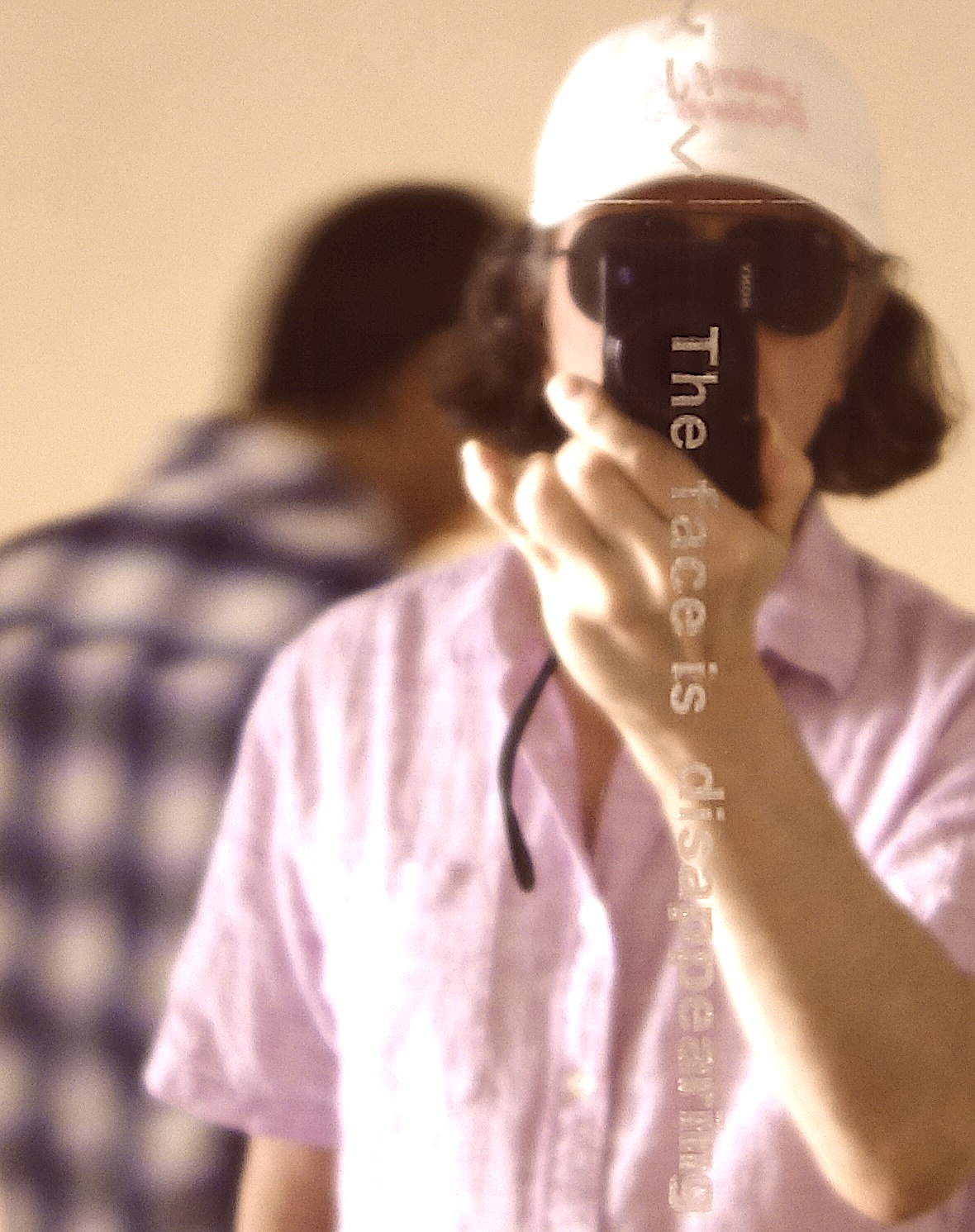
HASHIMOTO Satoshi’s art of defiance. Ultimately, his dark philosophical soul leaves us with no easy exits or comforting conclusions. His legacy is defined by a refusal to resolve the tension he generates. He leaves his audience permanently suspended within the clearing of his conceptual equation:
Night − Time = Darkness.
He drops us into a world stripped of human measurement and institutional safety nets. He forces us to stand inside the grave of our own making, look straight into the cosmic void, and confront the ultimate, terrifying question that echoes through every contract we sign and every boundary we cross: When the structures of civilization melt away and leave you naked before the absolute darkness, who is it that remains?
橋本聡の哲学的反抗の技法。結局のところ、彼の暗く哲学的な魂は、私たちに安易な逃げ道も、慰めとなる結論も与えてはくれない。彼の残した遺産とは、自ら生み出した緊張を解消することを拒み続けたことにある。彼は観客を、自身の概念的な方程式の「空白」の中に、永遠に宙吊りにしたままにしていく。
夜 − 時間 = 闇。
彼は私たちを、人間の尺度や制度的な安全網が剥ぎ取られた世界に放り込む。自ら作り出した墓の中に立ち、宇宙の虚無をまっすぐに見つめ、私たちが結ぶあらゆる契約や越えるあらゆる境界に響き渡る、究極の、そして恐ろしい問いに直面することを強いるのだ。「文明の構造が溶け去り、絶対的な闇の前に裸同然になったとき、そこに残るのは一体誰なのか?」
東京 Tokyo 3.10.26
亜 真里男 Mario A
See also:
Celebrated, outstanding, endogenous artist HASHIMOTO Satoshi @ AOYAMA MEGURO, Tokyo
HASHIMOTO Satoshi 橋本聡『なくなる』”Be Gone” @ 青山|目黒 AOYAMA | MEGURO
https://art-culture.world/reviews/celebrated-outstanding-artist-satoshi-hashimoto/
感激「CURATION⇄FAIR」東京の展覧会「美しさ、あいまいさ、時と場合に依る」@ kudan house
Profunda emoción「CURATION⇄FAIR」Tokyo ‘Exhibition: The beautiful, the ambiguous, and itself’ @ kudan house
https://art-culture.world/reviews/kudan-house-curation-fair/