2026年の3人目の館長は、北山浩士氏。かさばり、重く、扱いにくい8×10カメラの奴隷、右翼・バカ 杉本博司 @ 東京国立近代美術館 (aka 貧乏近美) The third director, taking office in 2026, is Mr. KITAYAMA Koji. SUGIMOTO Hiroshi — a right-wing fool and a slave to the bulky, heavy, and unwieldy 8x10 camera @ National Museum of Modern Art, Tokyo (aka the "broke" MOMAT).
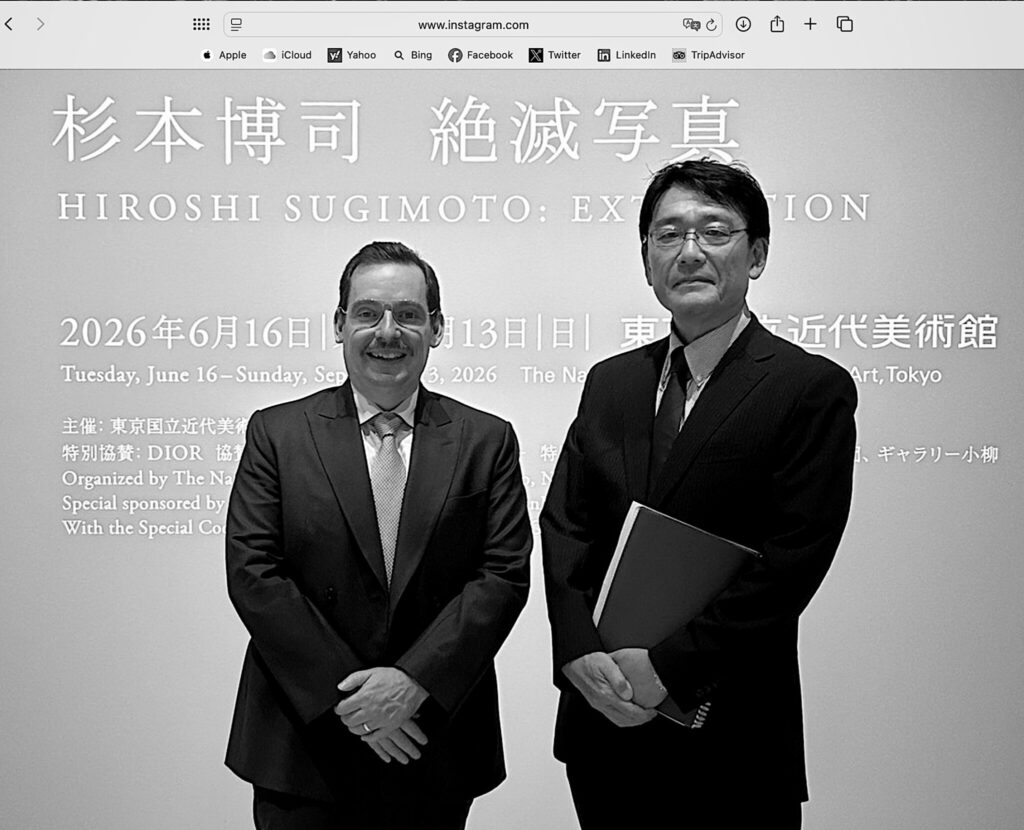
北山浩司様、東京国立近代美術館の館長にご就任されたことを心よりお祝い申し上げます。私は、この重要な職務に求められる専門知識、知的能力、アートシーンにおける世界的なネットワーク、そして圧倒的な存在感とカリスマ性を、あなたが備えていると確信しております。 上記のタイトルは、以下の記事をお読みいただくよう、皆様の関心を引くためのものです。
私は東京国立近代美術館小松弥生館長の即時解任を要求します!
I demand the Immediate Dismissal of the MOMAT (Museum Of Modern Art Tokyo) Director KOMATSU Yayoi!
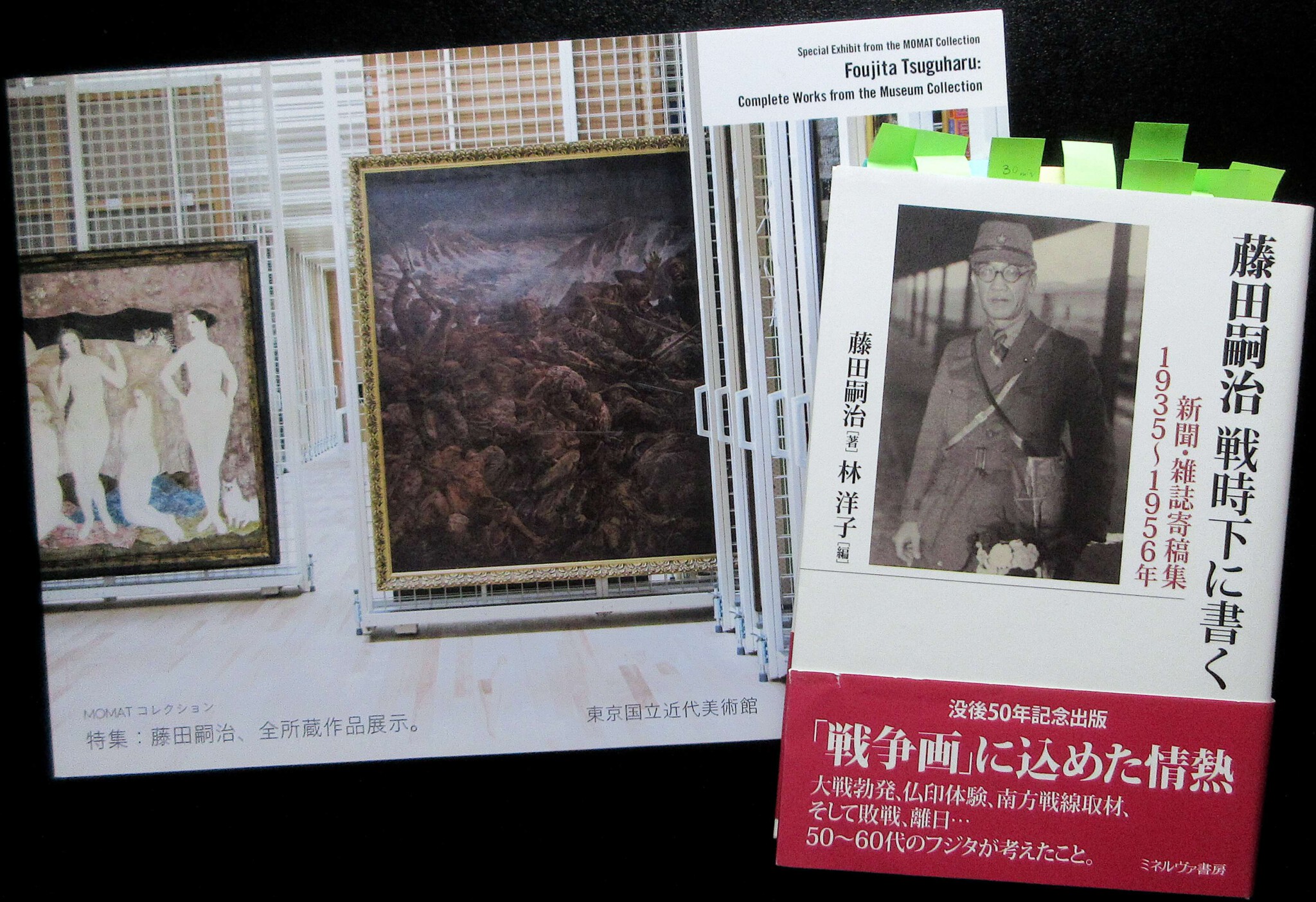
https://art-culture.world/art-world/momat-director-komatsu-yayoi-小松弥生館長/
にっぽんの公立美術館をめぐる「予言された死」の記録:にっぽん人がいかにして東京国立近代美術館を破壊したか
Chronicle of a death foretold regarding a Japanese public art museum: how the Japanese people destroyed their National Museum of Modern Art, Tokyo
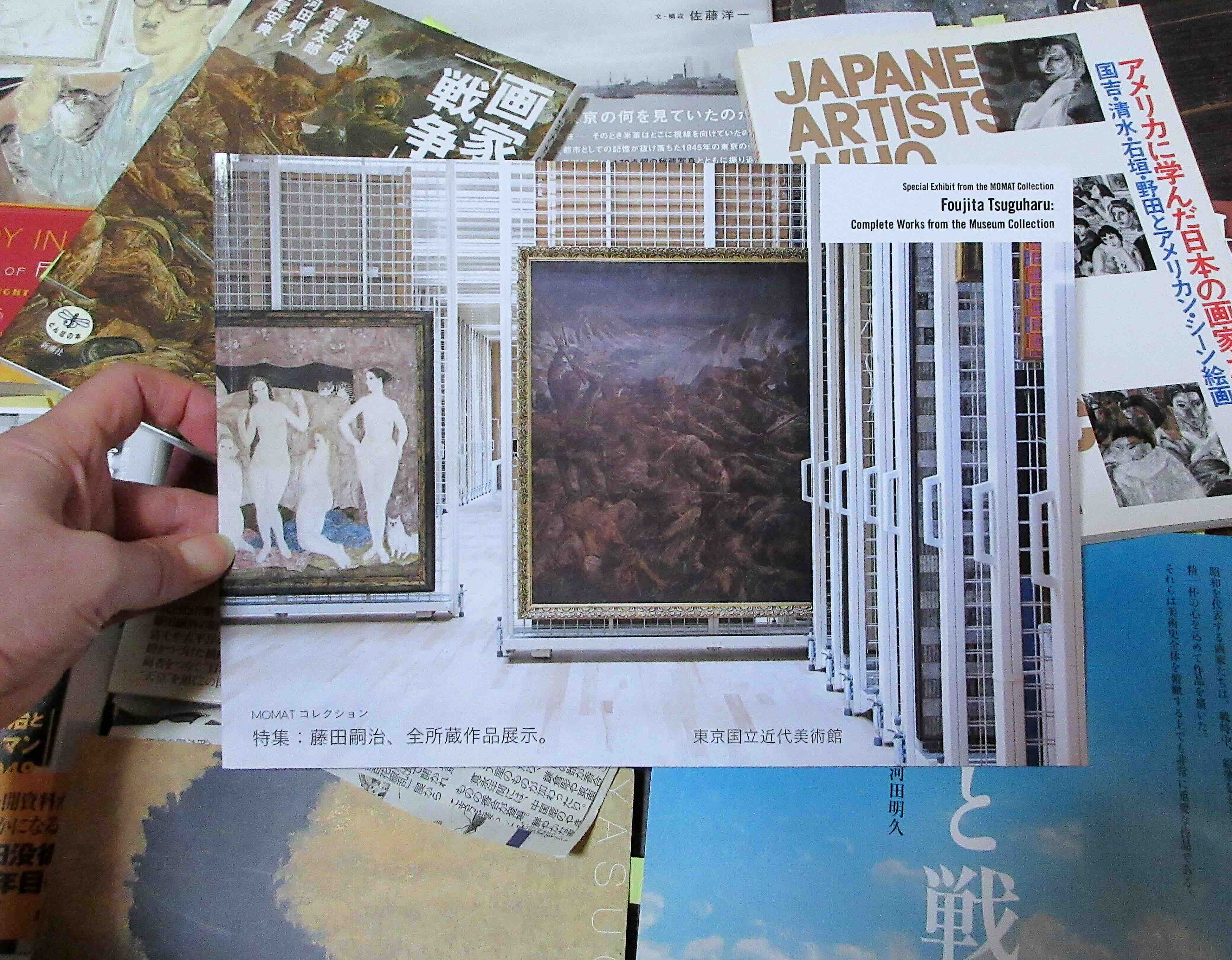
また、テート・モダン(ロンドン)、MoMA(ニューヨーク)、ナショナルギャラリー(ベルリン)、韓国の新しい美術館、ポンピドゥー・センター(パリ)について、ご自身の感想を一般の方々と共有していただけるよう、Instagramアカウントを開設していただければ幸いです。
残念ながら、現時点ではMOMATのウェブサイト上で北山浩司氏からの歓迎メッセージを見つけることができませんでした。
ART+CULTUREの熱心な読者の皆様を代表して、MOMATに関する同様のメッセージをここに掲載させていただきます。
どうか、共感に満ちた温かな愛情と、人々を鼓舞する精神を兼ね備え、一般の方々に十分なエネルギーを注いでくださいますようお願い申し上げます!
I would like to offer my heartfelt congratulations to Mr KITAJIMA Koji on his appointment as Director of the National Museum of Modern Art, Tokyo. I am convinced that you possess the specialist knowledge, intellectual capacity, global network within the art world, and overwhelming presence and charisma required for this important role. The title above is intended to draw your attention to the following articles.
なぜ東京国立近代美術館は村上隆「Ko²ちゃん (プロジェクトKo²) 」を購入しなければならないのか? それは私、亜 真里男がそう言ってるからだ。
Why should the National Museum of Modern Art, Tokyo purchase MURAKAMI Takashi’s “Miss Ko² (Project Ko²)”? Because I, Mario A, say so.
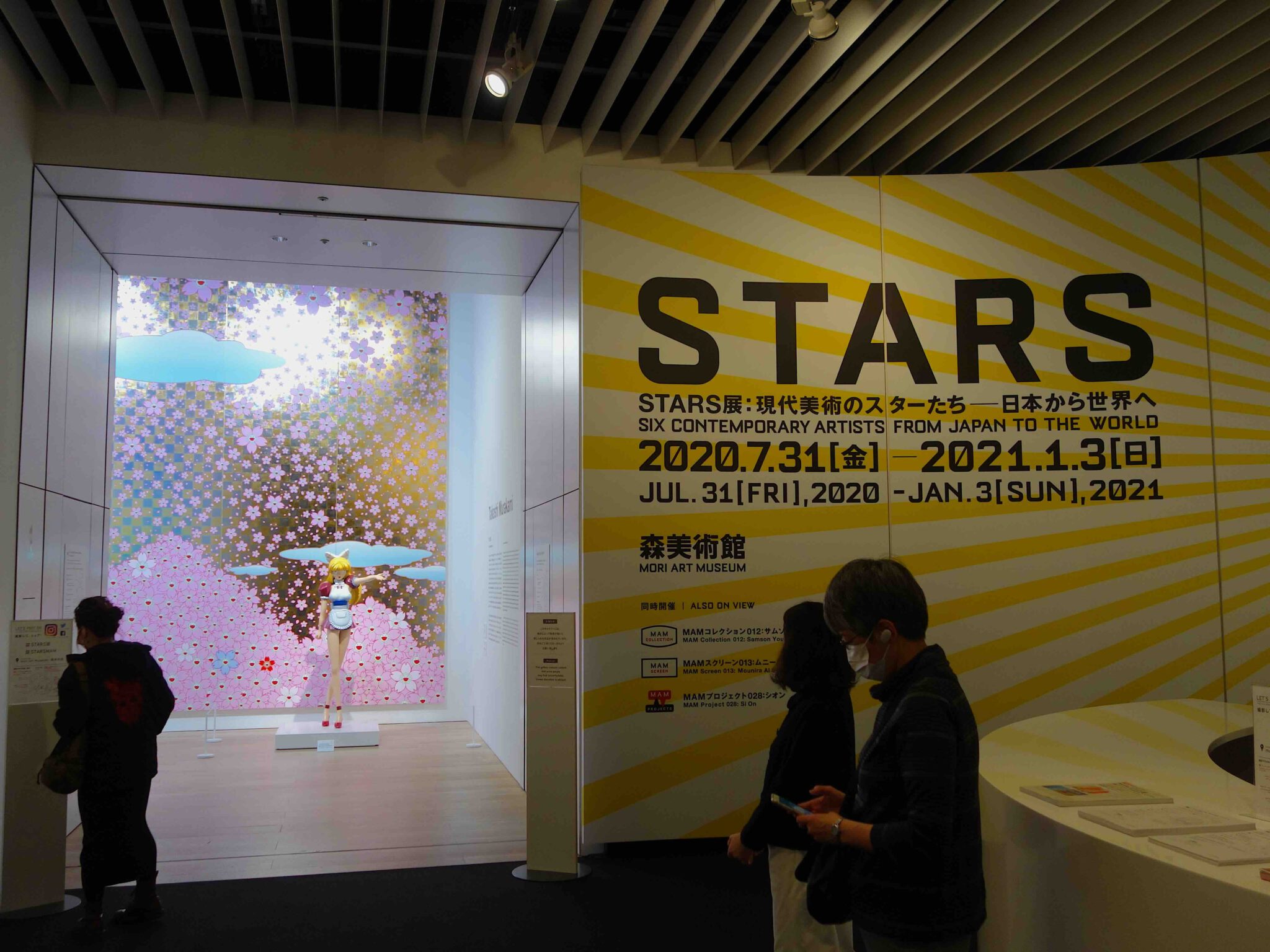
https://art-culture.world/art-world/national-museum-of-modern-art-tokyo-murakami-takashi-miss-ko/
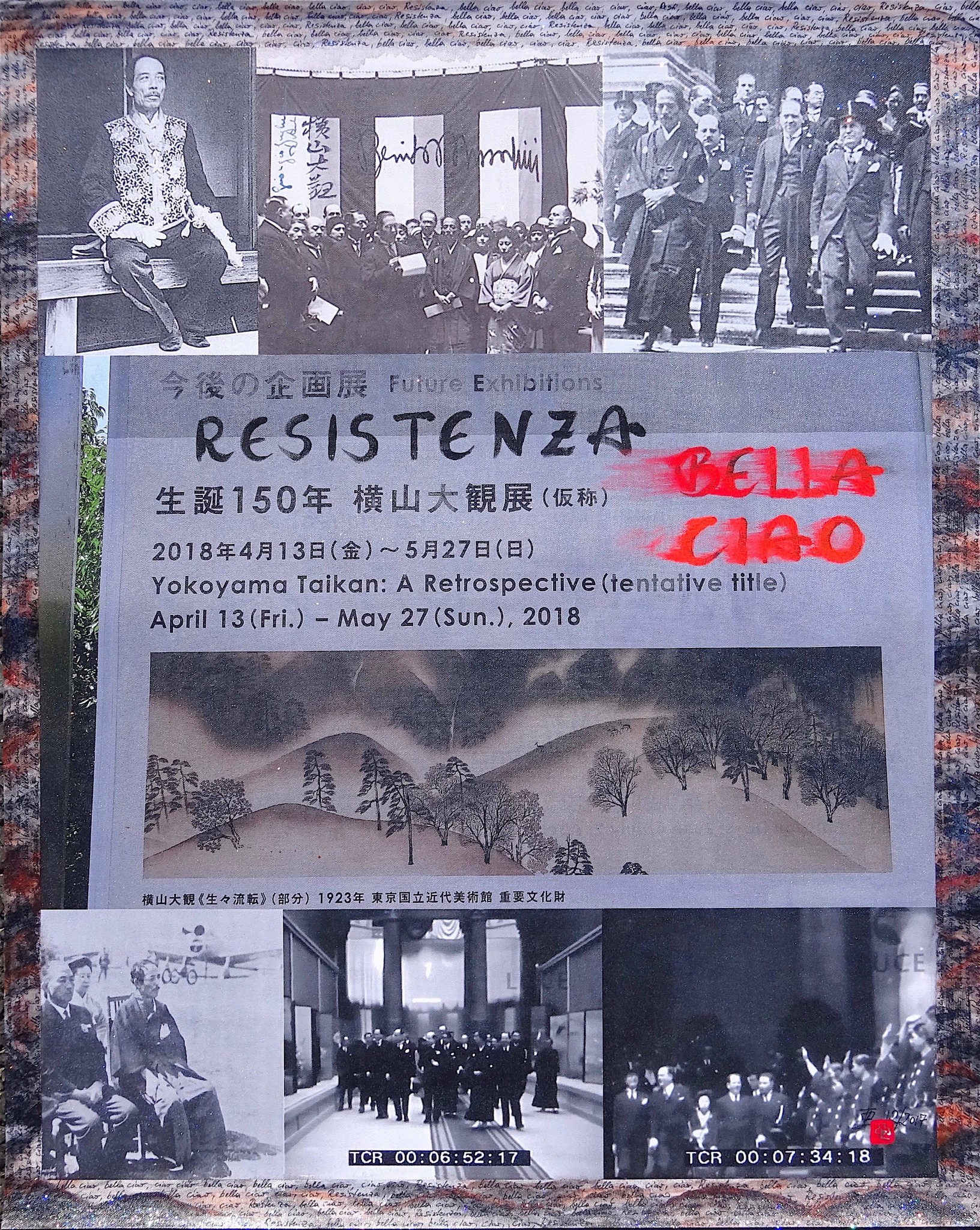
新作「横山大観・ピカソ・オットー・ディクス」 New Work “YOKOYAMA Taikan, PICASSO, Otto DIX”
https://art-culture.world/art-world/new-work-yokoyama-taikan-picasso-otto-dix/
I would also be delighted if you could set up an Instagram account to share your thoughts on Tate Modern (London), MoMA (New York), the National Gallery (Berlin), the new art museums in South Korea and the Centre Pompidou (Paris) with the general public.
Unfortunately, I have been unable to find a welcome message from Mr KITAJIMA Koji on the MOMAT website at this time.
On behalf of the dedicated readers of ART+CULTURE, I would like to publish similar messages regarding MOMAT here.
I do sincerely hope that you will continue to pour your energy into the general public, combining your warm, empathetic affection with a spirit that inspires people!
独立行政法人国立美術館 理事長 田中正之
国立美術館について
ご挨拶*(1)
独立行政法人国立美術館は、東京国立近代美術館、国立工芸館、京都国立近代美術館、国立映画アーカイブ、国立西洋美術館、国立国際美術館、国立新美術館、国立アートリサーチセンターの各施設・機関を設置・運営し、日本の美術振興に寄与する中心拠点として、美術や映画作品の調査研究、保存管理、展示・上映、教育普及、情報資料の収集と発信やアーカイブ化など、様々な活動に取り組んでいます。
それぞれの機関は、各施設のミッションやヴィジョンに基づいた収集活動を通して、美術と映画に関わる日本のナショナル・コレクションを充実させることで文化的遺産を後世へと伝えつつ、作家や作品についての調査・研究も進めています。収集や研究の成果を積極的に発信し、国際的なネットワーク構築にも努めています。また多様な鑑賞機会を提供しうる特色のある展示や上映を行うことで、国内外の方々に日本そして世界の美術や映画への理解を深め、親しんでいただくための事業を実施しています。
国立美術館にとどまらず、国内にある他の美術館とも連携することで、作品活用の促進や情報の集約と発信等を、国立アートリサーチセンターを中心に展開し、国内美術館のナショナルセンターとしての機能強化にも取り組んでいます。
日本の芸術文化の創造と発展を使命に、あらゆる人々に開かれた美術館を目指し、社会的課題の解決など美術館が果たすべき新たな役割にも向き合い、国立美術館としてなすべき充実した活動を展開してまいります。
https://www.artmuseums.go.jp/about/greeting
*(1) Google AIによる:
独立行政法人国立美術館の公式ウェブサイトに掲載されている、理事長 田中正之氏の「ご挨拶」には、具体的な執筆日や掲載日は明記されていません。
ただし、背景となる時期に関する情報は以下の通りです。
就任時期からの推測:田中正之氏は2026年(令和8年)4月1日付けで独立行政法人国立美術館の理事長に就任しています(任期:令和8年4月1日~令和13年3月31日)。
However, the information regarding the relevant timeframe is as follows:
Inferred from the date of appointment: Mr. Masayuki Tanaka assumed the position of President of the Independent Administrative Institution National Museum of Art on April 1, 2026 (term of office: April 1, 2026 – March 31, 2031).
掲載のタイミング:そのため、この「ご挨拶」の文章は、同氏が理事長に就任した2026年4月1日以降に作成・公開されたものと考えられます。
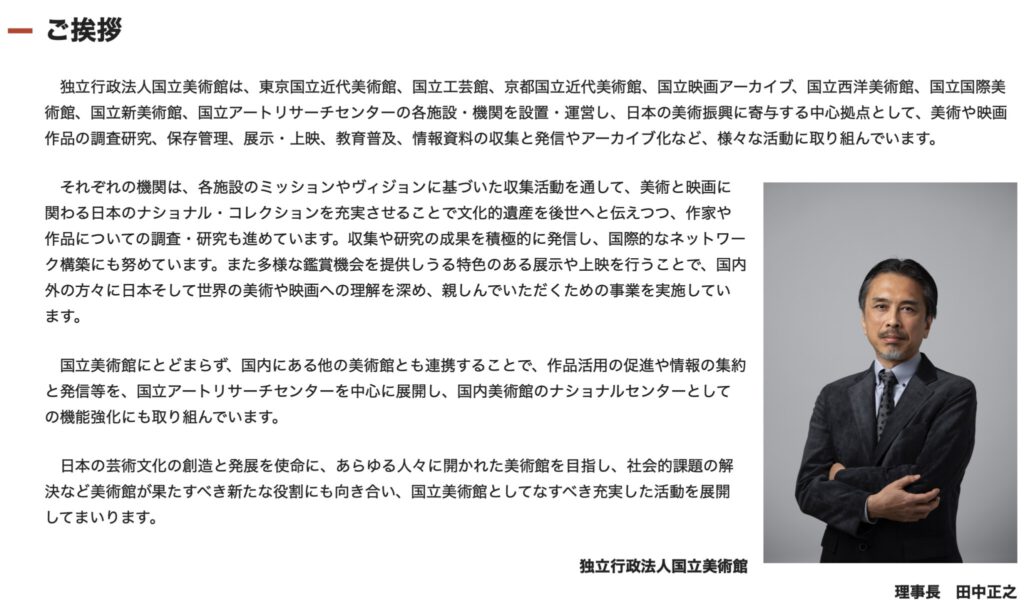
Greetings from the President
Through its member museums—the National Museums of Modern Art in Tokyo and Kyoto, the National Crafts Museum, the National Film Archive of Japan, the National Museum of Western Art, Tokyo, the National Museum of Art, Osaka, and the National Art Center, Tokyo—the Independent Administrative Institution National Museum of Art develops diverse activities to serve as the national hub for art promotion.
Each museum implements a variety of unique activities, including the collection, restoration, and preservation of artworks, the collection and exhibition of valuable materials, and educational activities to deepen the understanding and familiarize many people with art and film.
In addition to research into artists and their works, the member museums carry out different and distinctive activities such as exhibitions reflecting the characteristics of the respective museums; acquisition, restoration, and conservation of art works in an effort to serve as the national collection for future generations; collection and display of valuable materials; and art-education programs to provide opportunities for more people to appreciate art and movies.
In our efforts to improve our function, to aggregate and showcase at home and abroad information on Japanese collections through collaboration with art museums in Japan, and thus to make more effective use of art works, we are currently preparing to set up a National Center for Art Research (working name).
Amidst a rapidly changing societal landscape, the National Museum of Art will continue to communicate the immutable raison d’être of art and film through various activities.
On the mission of the creation and development of Japanese art and culture, we aim to be museums for everyone and strive to serve as the national art museums through fruitful activities that help build a society that embraces diverse values of art and culture.
Tanaka Masaaki, President, the Independent Administrative Institution National Museum of Art
https://www.artmuseums.go.jp/en/about/greeting
館長退任・就任のお知らせ
2026年 5月 1日
東京国立近代美術館は、現館長小松弥生が2026年4月30日をもって館長を退任し、2026年5月1日付で新たな館長に田中正之(たなか・まさゆき)が就任いたしましたので、お知らせいたします。
https://www.momat.go.jp/topics/562
館長就任のお知らせ
2026年 8月 7日
東京国立近代美術館は、現館長田中正之が2026年8月6日をもって館長を退任し、2026年8月7日付で新たな館長に北山浩士(きたやま・こうじ)が就任することになりましたので、ここにお知らせいたします。
https://www.momat.go.jp/topics/20260807
新館⾧就任のお知らせ
東京国立近代美術館は、2026年 8 月 7 日付で新たな館⾧に北山浩士(きたやま・こうじ)が就任することになりましたので、ここにお知らせいたします。
<略歴>
北山浩士(きたやま・こうじ)
平成5年文部省入省。
大臣官房総務課法令審議室、熊本県教育委員会社会教育課⾧、外務省在フランス日本国大使館一等書記官、文化庁⾧官官房国際課国際文化交流室⾧、文化庁文化財部記念物課世界文化遺産室⾧、文化庁⾧官官房国際課⾧、外務省国際連合教育科学文化機関日本政府代表部参事官などを歴任。
文部科学省大臣官房国際課⾧を経て、令和7年より文部科学省国際統括官。
https://www.momat.go.jp/wp-content/uploads/2026/08/pressrelease_director.pdf
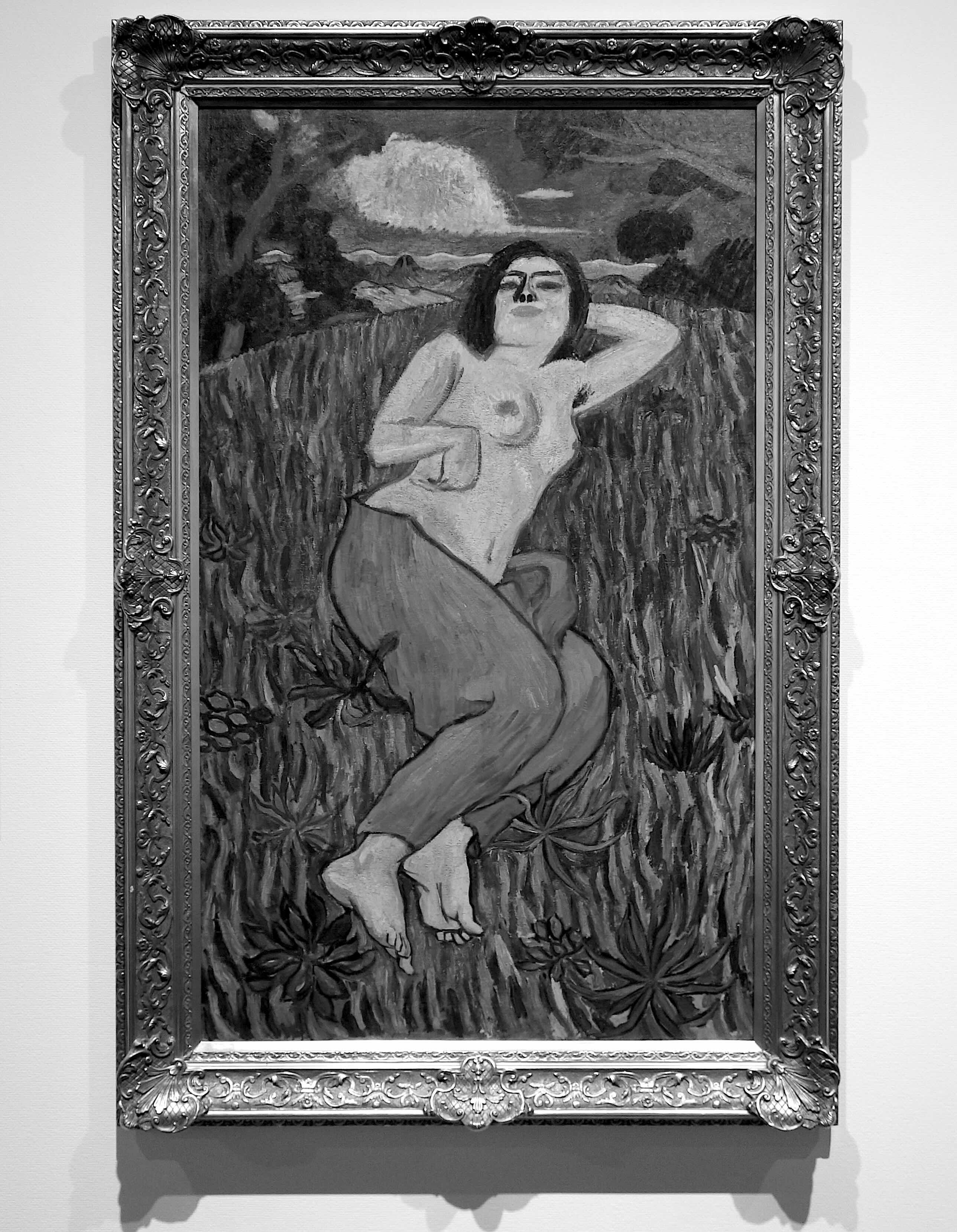
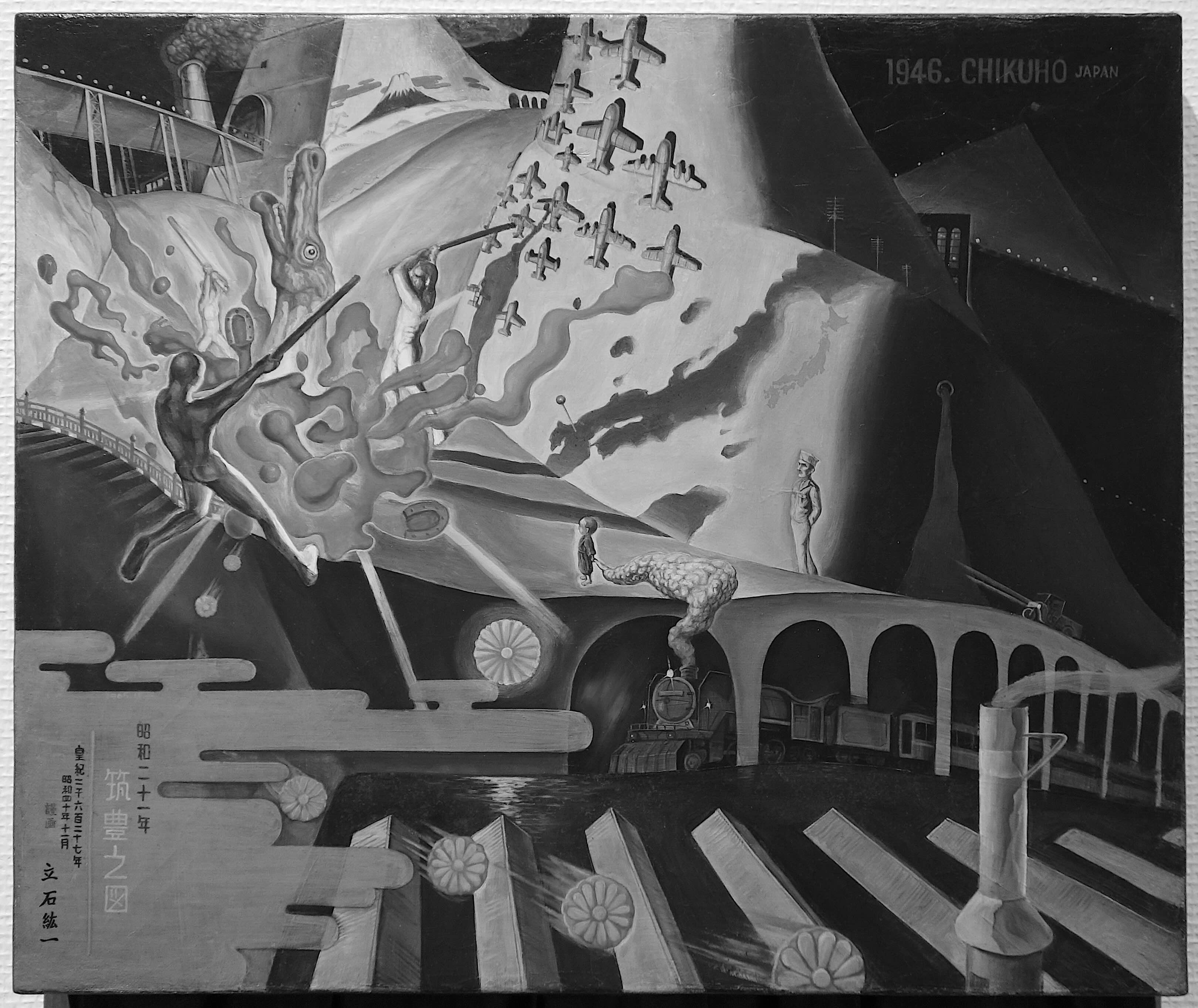
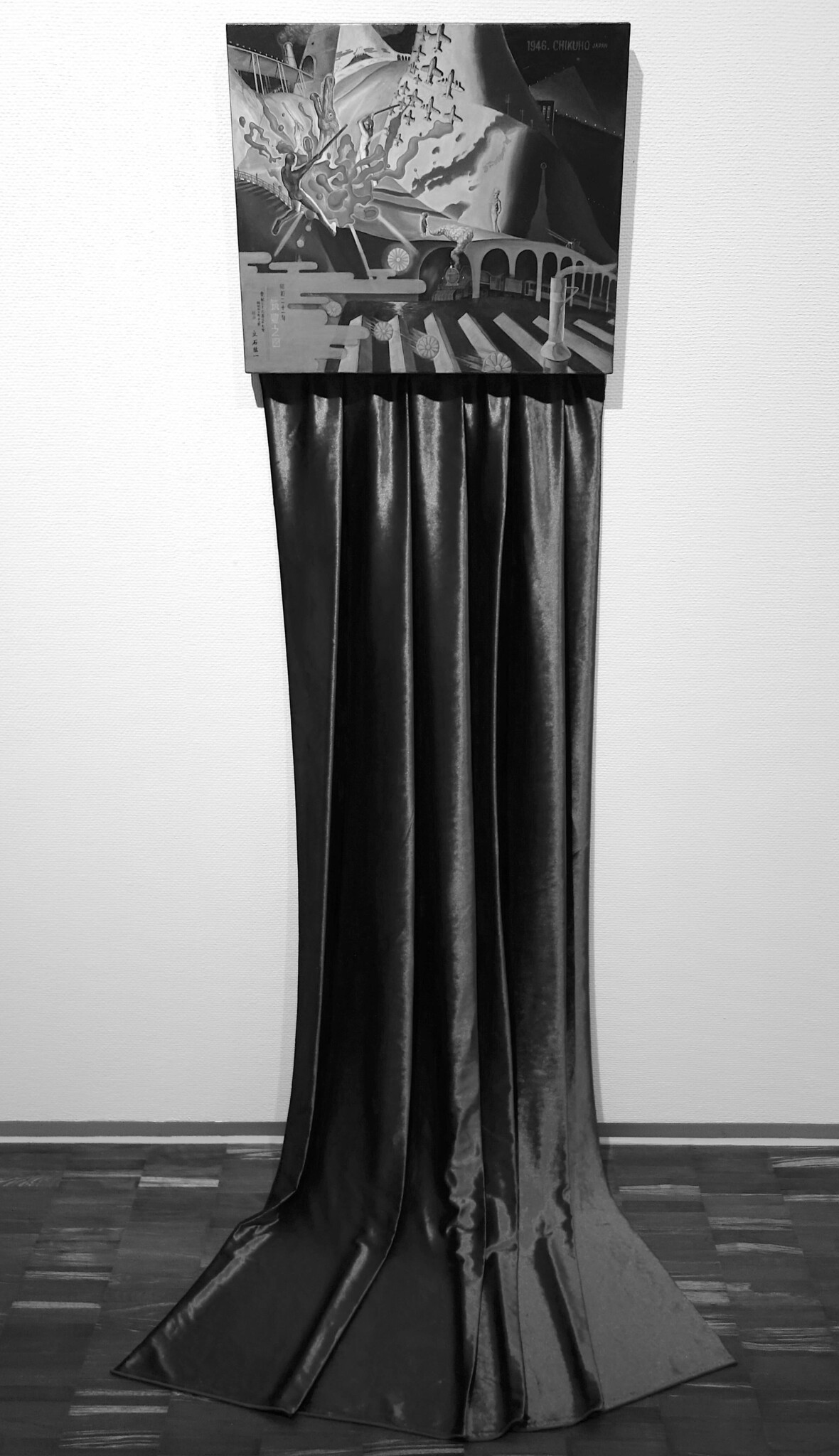
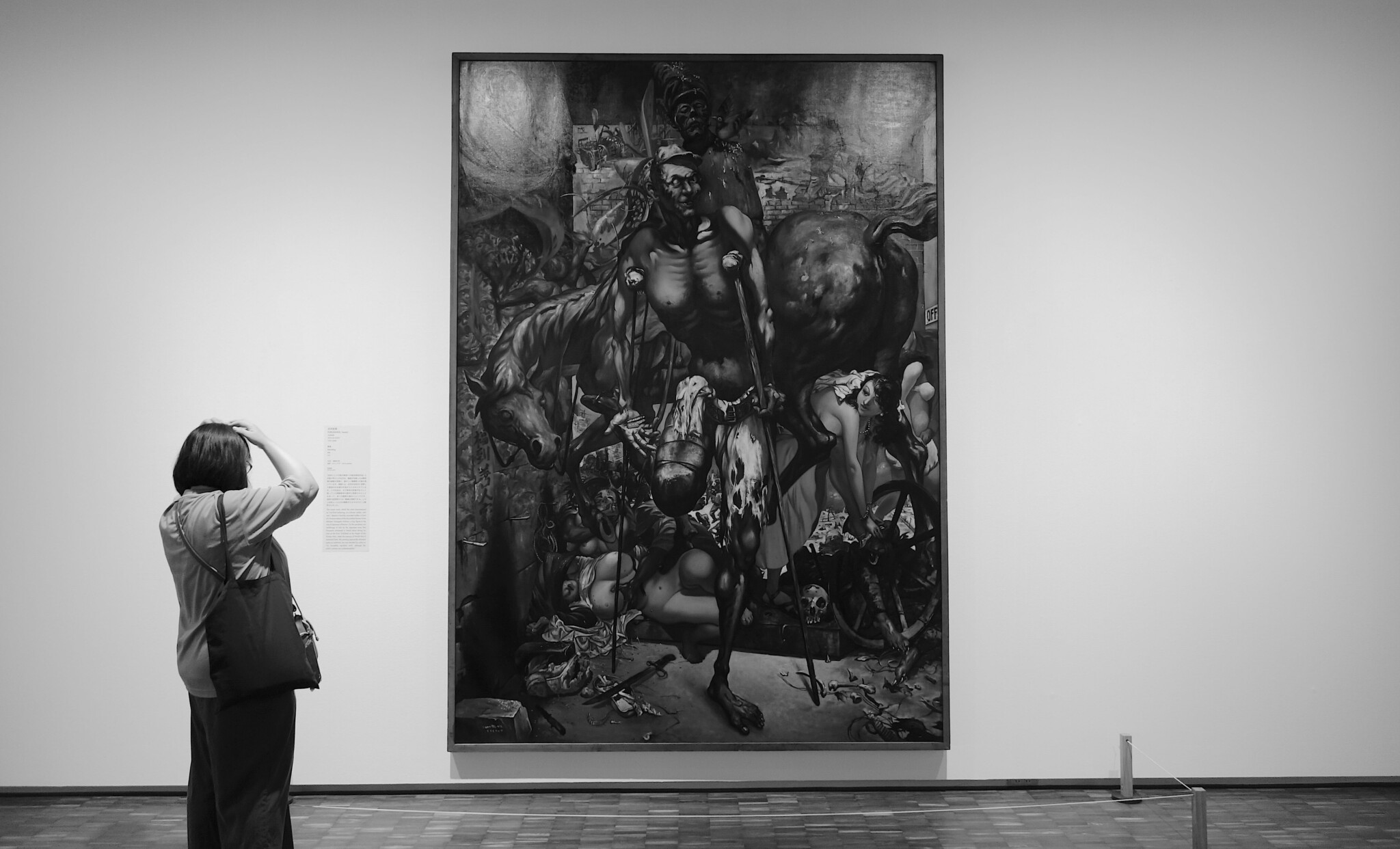
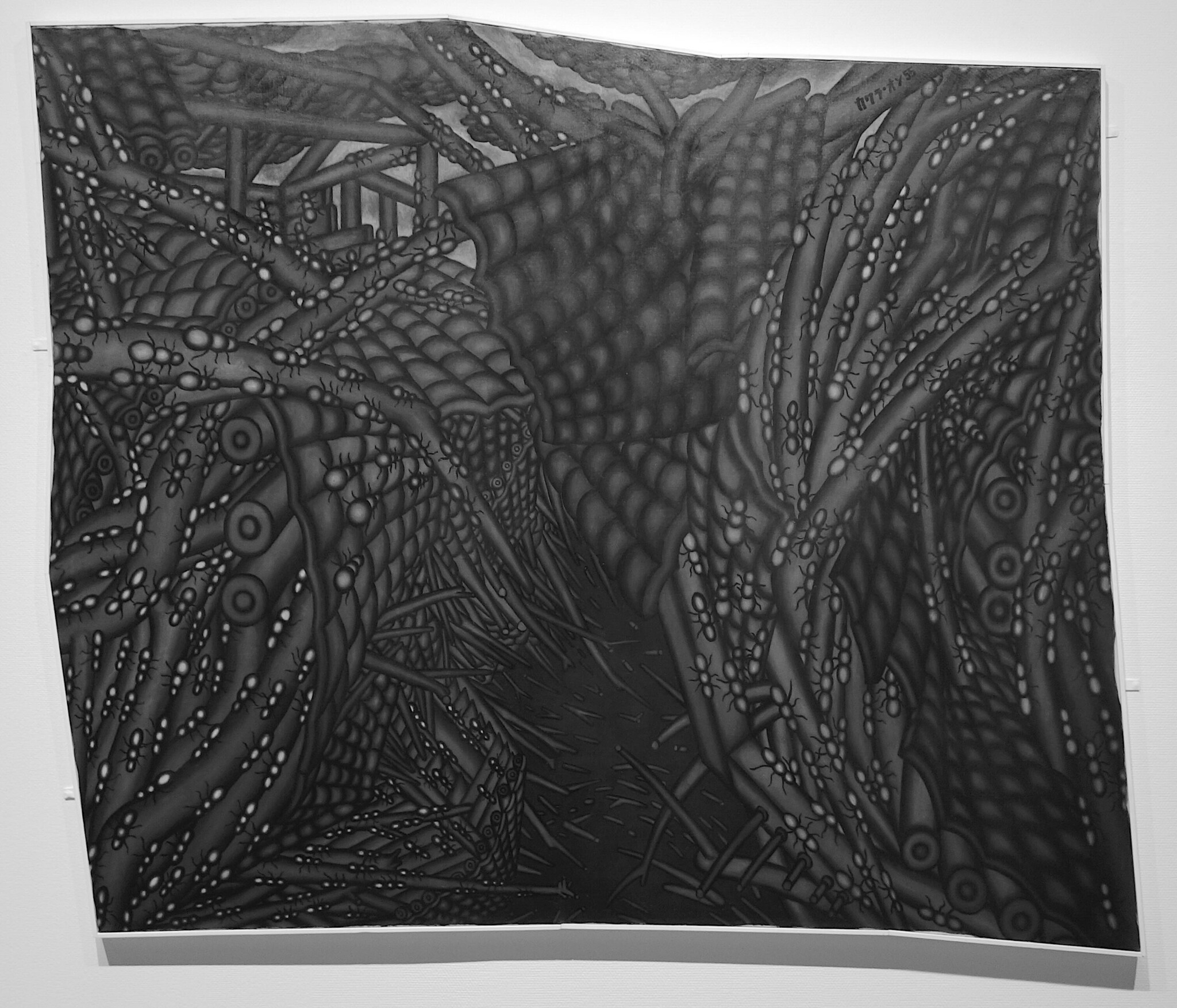
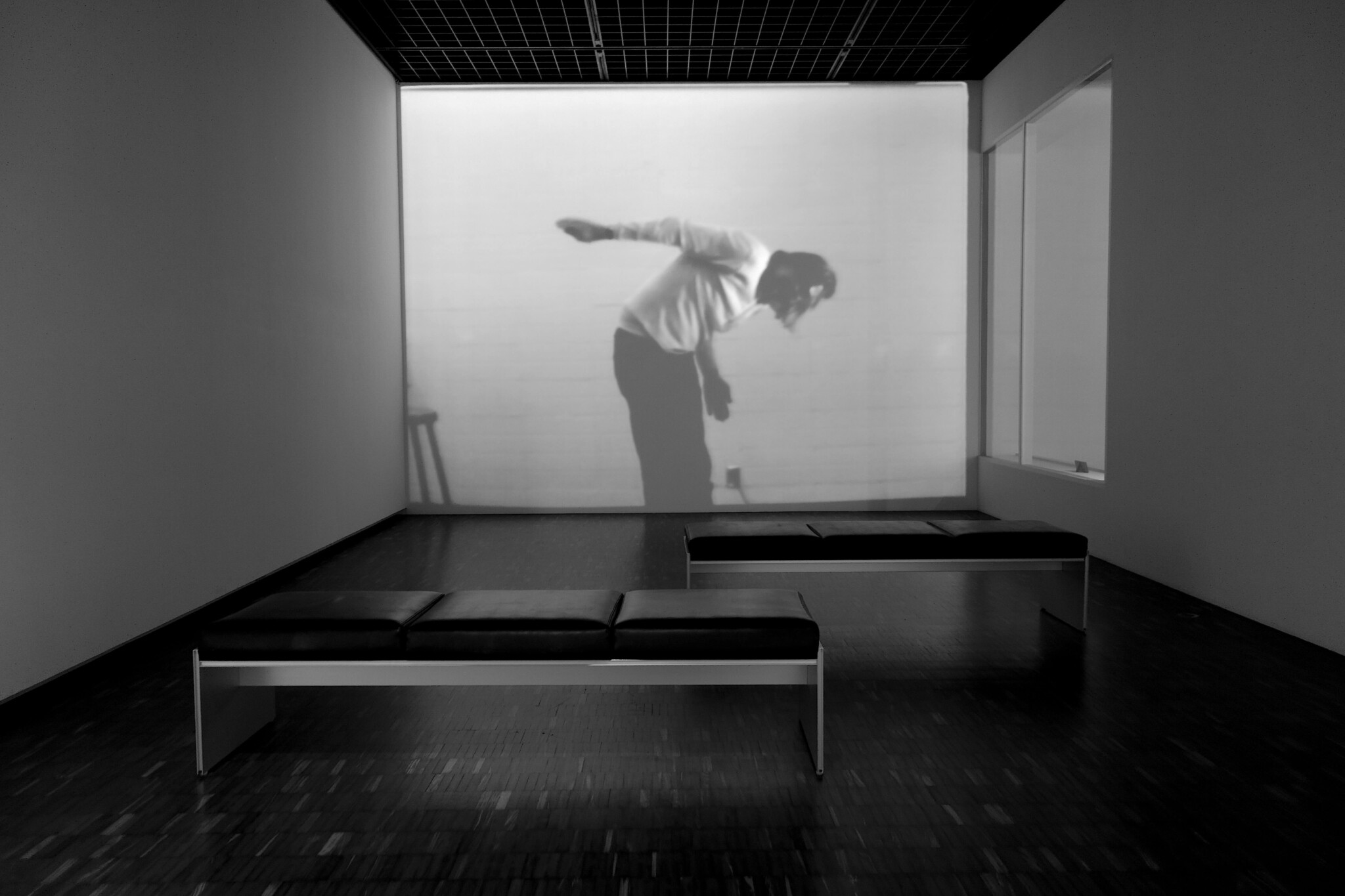
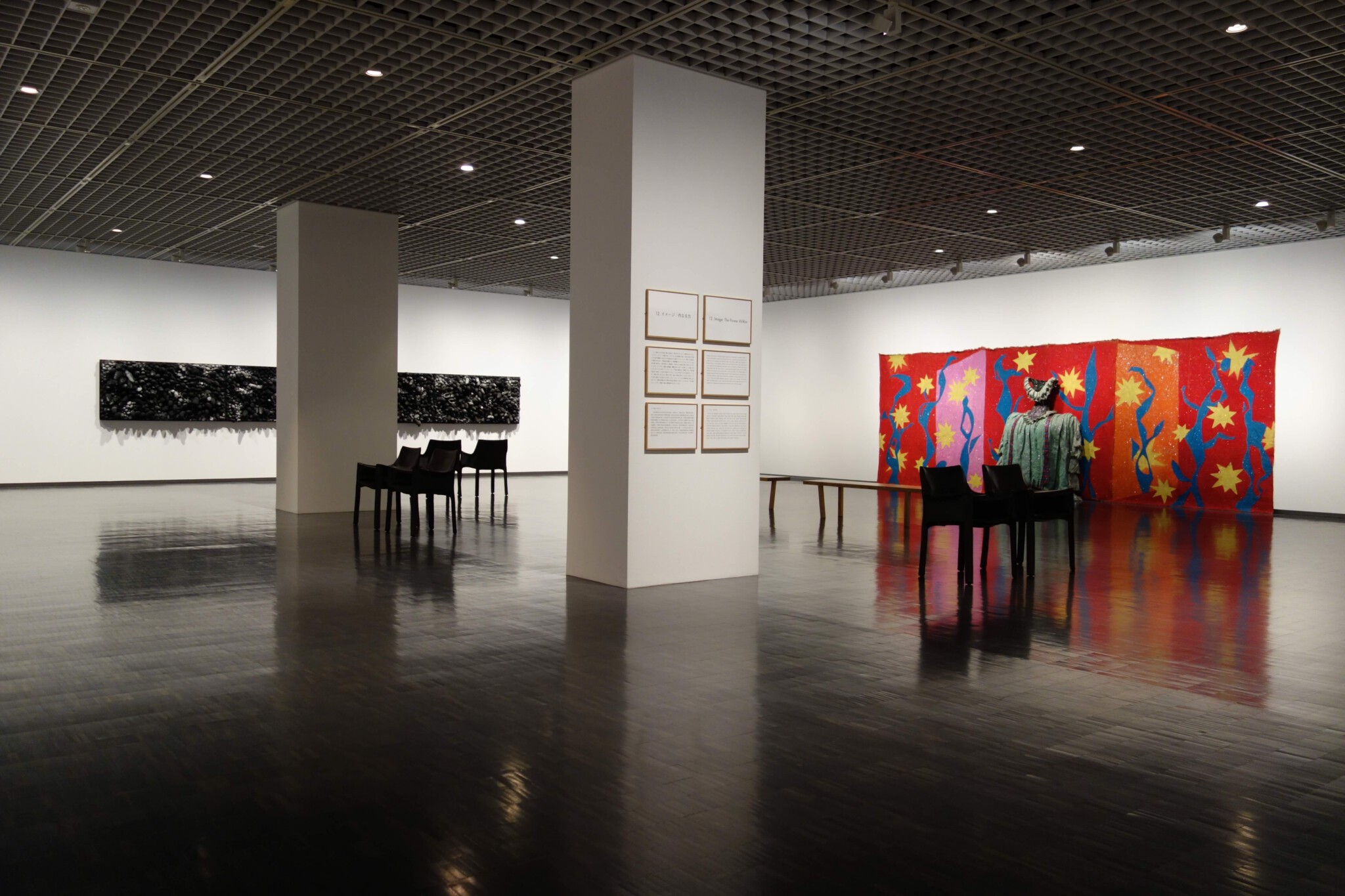
杉本展を訪れた際、MOMAT(東京国立近代美術館)の所蔵作品展も併せて鑑賞しました。以下に、特に私の心に響いた作品をいくつか紹介させていただきたいです。
また、納税者として、この機会を借りて、ある種の怒りと苛立ちを込めて強調しておきたいのですが、東京という国際大都市に位置するMOMAT(東京国立近代美術館)が、午後5時という早い時間に閉館してしまうのは、本当にあるまじきことです!法律だって変えられるはずなのですから!
Anyone visiting the Sugimoto exhibition also took a look at the MOMAT’s permanent collection. Listed below are some highlights that particularly resonated with me.
I, as a tax payer, would also like to take this opportunity to emphasize—with some anger and frustration—that the MOMAT, located in the metropolis of Tokyo, really should NOT be closing its doors as early as 5:00 PM! Laws can be changed!
2026/9/21 update
国立美術館6施設で観覧料金値上げへ 来月以降2倍から3倍に
2026年9月18日 20:52
文化・芸術・エンタメ
独立行政法人「国立美術館」は、運営する東京国立近代美術館や国立西洋美術館など6つの施設で、来月から、常設展などの観覧料金を今のおよそ2倍から3倍に順次、値上げすると発表しました。
観覧料金が値上げされるのは「国立美術館」が運営する
▽東京国立近代美術館、
▽国立工芸館、
▽国立西洋美術館、
▽京都国立近代美術館、
▽国立国際美術館、
▽国立映画アーカイブの6つの施設で、常設展など、それぞれが所蔵する作品の展示会や上映会が対象です。
値上げは来月から来年6月にかけて順次行われ、改定後、展示会は
▽国立映画アーカイブを除く5つの施設で一般が1000円、大学生が500円の一律料金に、
▽国立映画アーカイブで一般が500円、大学生が250円と、
いずれも今の料金のおよそ2倍から3倍になるということです。
18歳未満や65歳以上、それに障害がある人などの料金はこれまで通り無料で、企画展については別途、料金が設定されます。
値上げの理由について国立美術館は、展示内容の充実のほか、物価高騰などによる経費の増加に対応するためとしていて、この規模の値上げは国立美術館が独立行政法人として発足した2001年以降、初めてだということです。
国立美術館は「今後は所蔵する作品の展示などの充実や観覧環境の改善に取り組み、作品の保存と継承を確実に行っていく」としています。
https://news.web.nhk/newsweb/na/nd-20260918de51116
(end of update)
See also:
B like Baldessari, The Painter 概念とペインティング
https://art-culture.world/reviews/baldessari-the-painter/
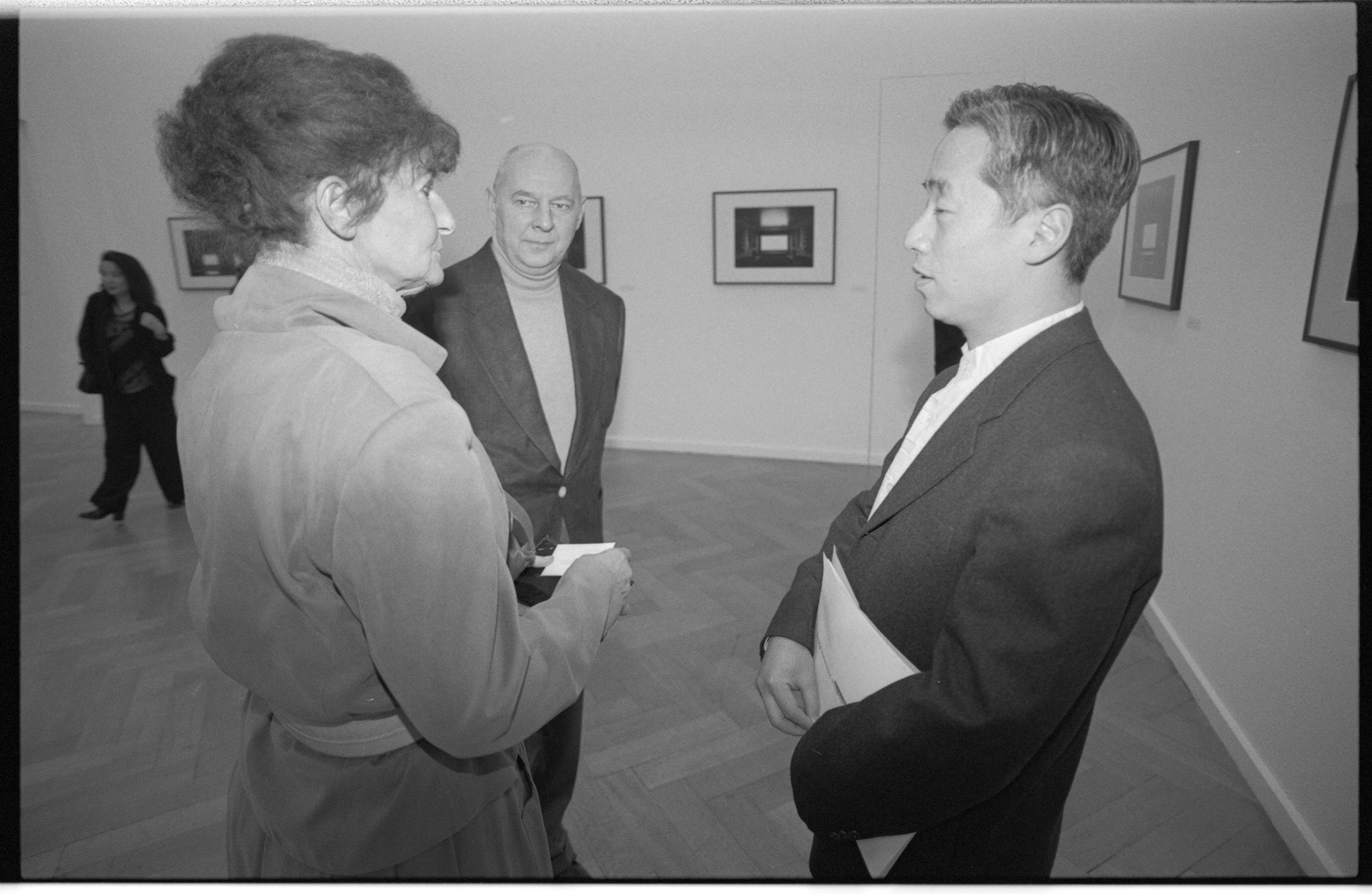
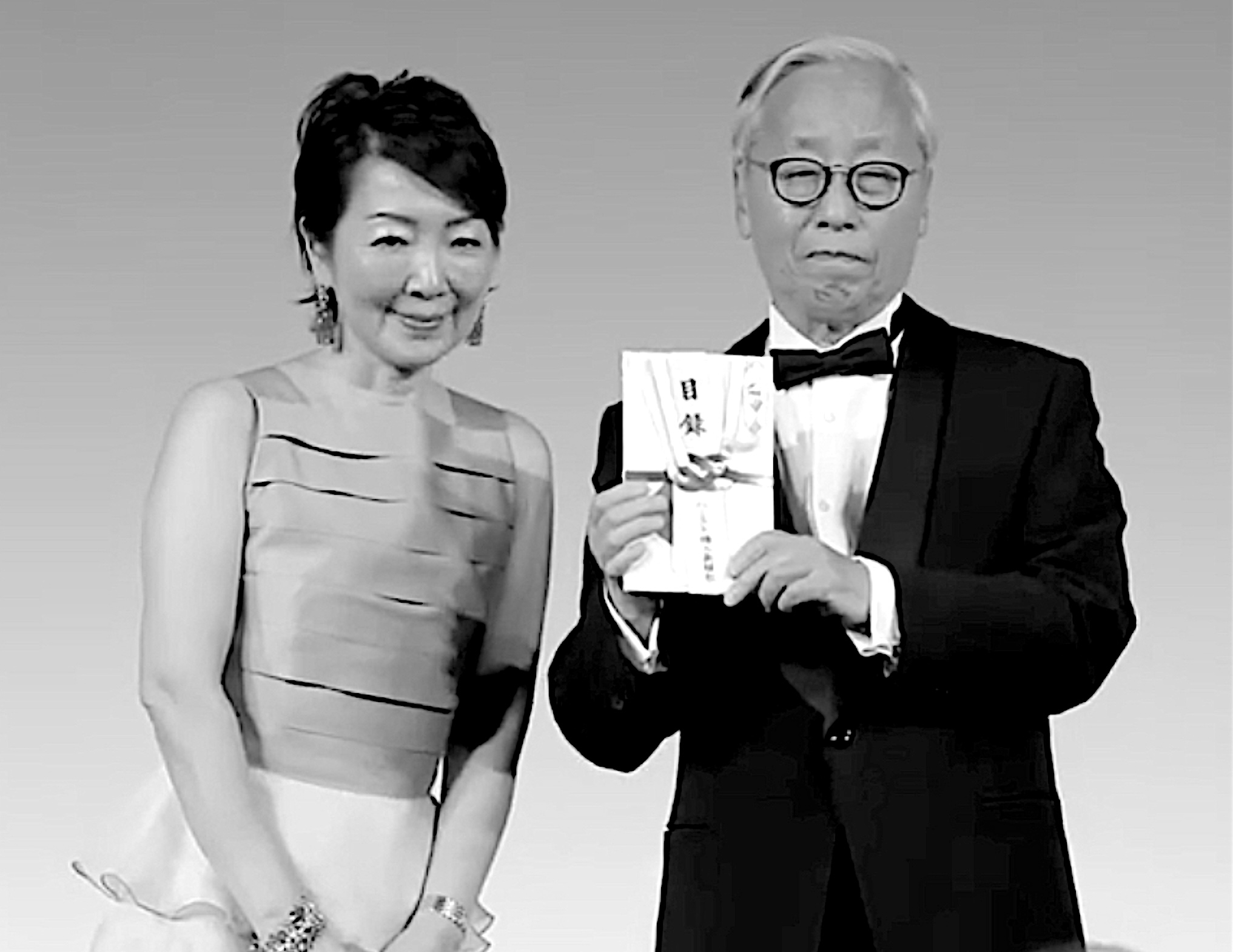
クリスティーズ香港のジョージナ・ヒルトン氏:杉本博司の東京オークション後、オークショニアとしての輝きを放つ
After SUGIMOTO Hiroshi’s auction in Tokyo, Georgina Hilton shines as brilliant auctioneer @ Christie’s Hong Kong
https://art-culture.world/art-world/georgina-hilton/
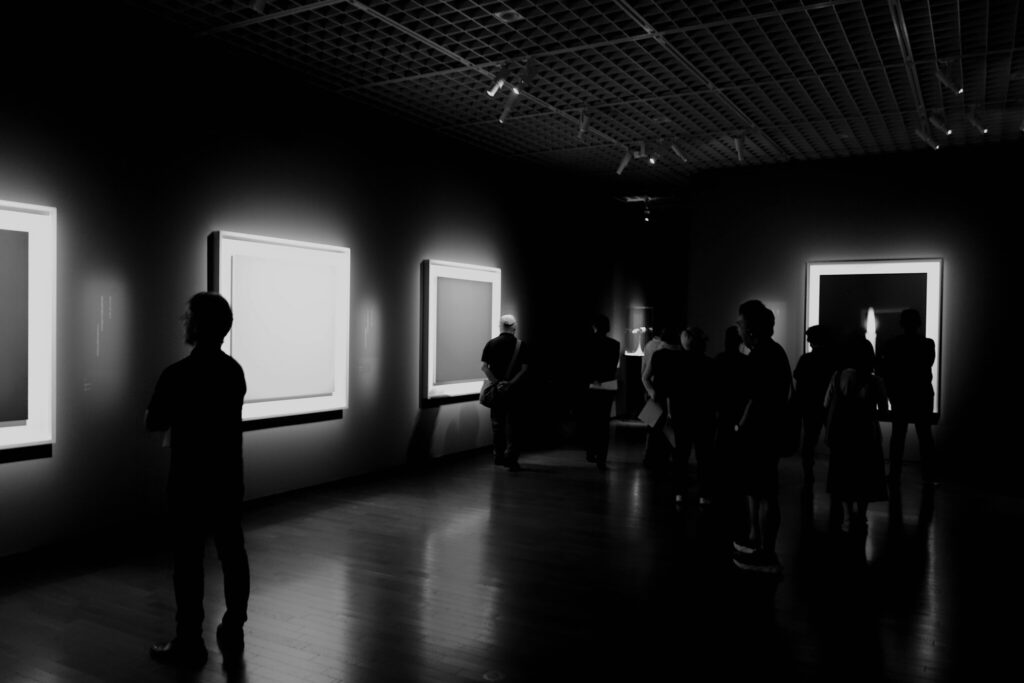
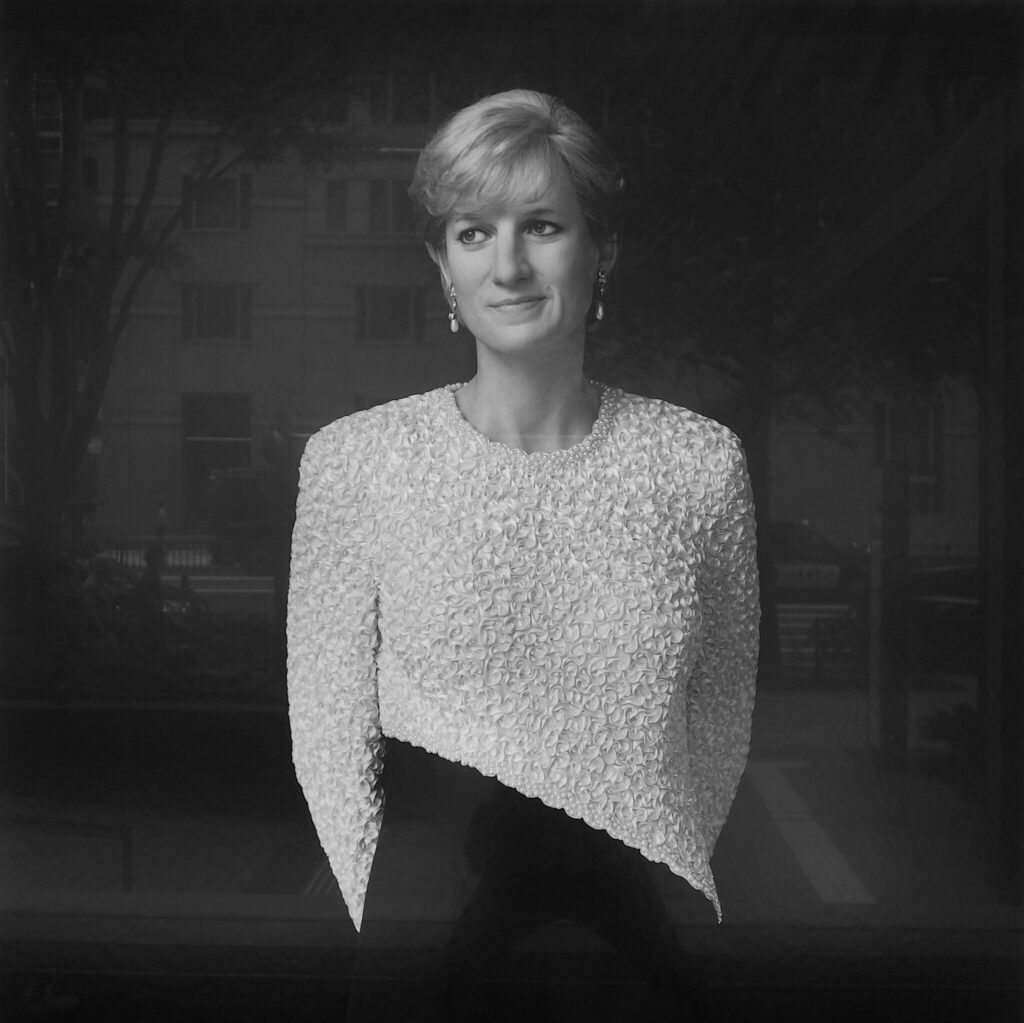
from:
PORTRAITS展 @ 東京丸の内の三井住友銀行東館:アートコレクター大林剛郎氏の素晴らしい活躍
Art Collector OBAYASHI Takeo
https://art-culture.world/reviews/obayashi-takeo-art-collection-大林剛郎/
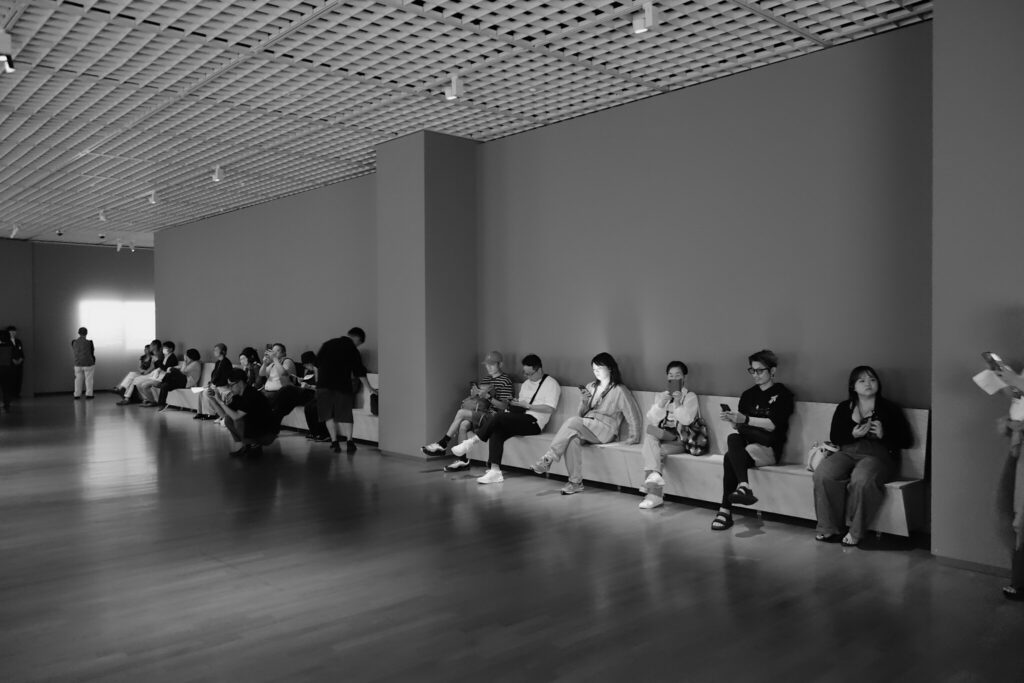
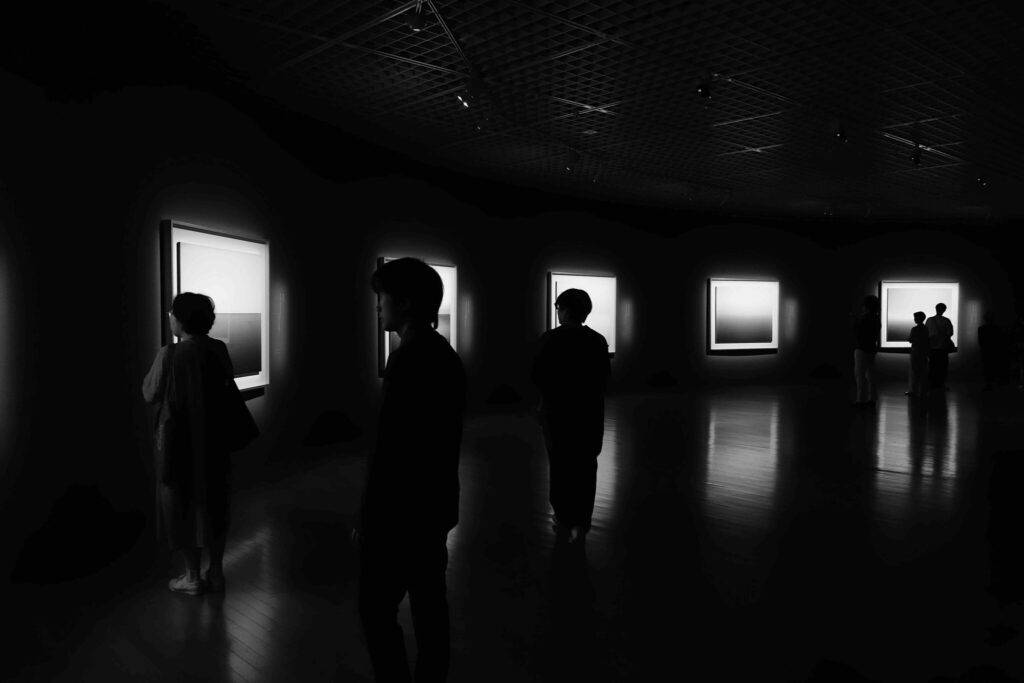
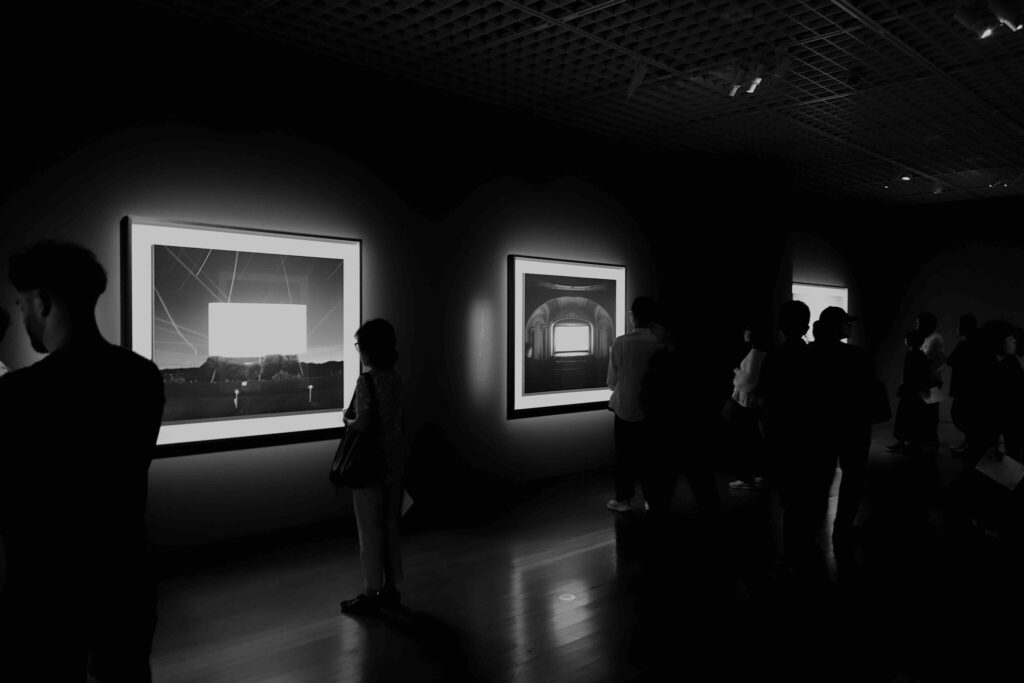
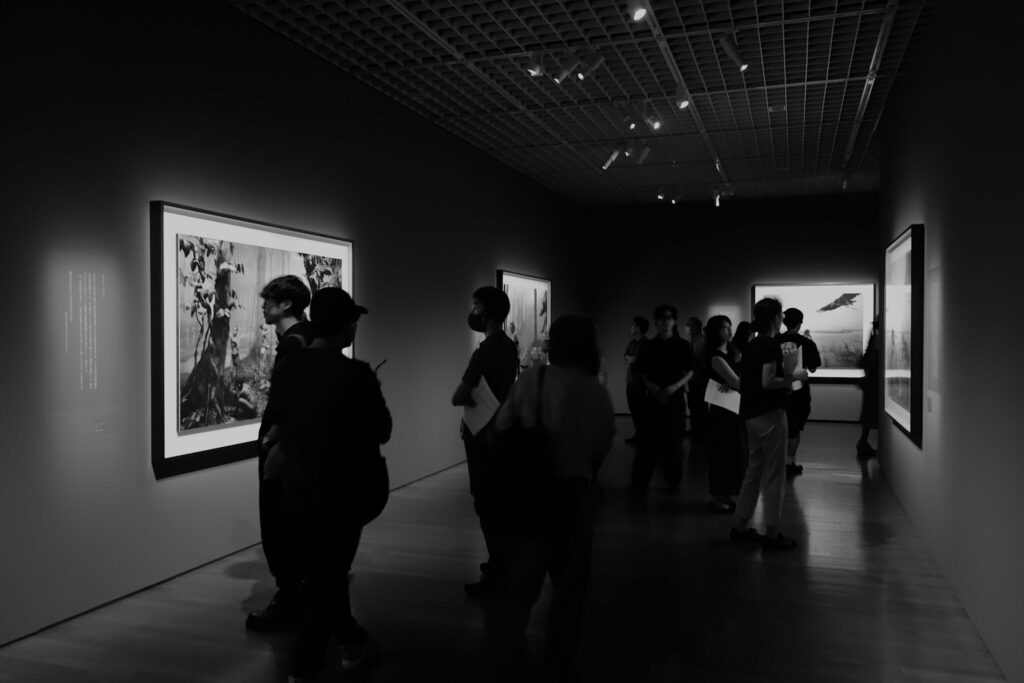
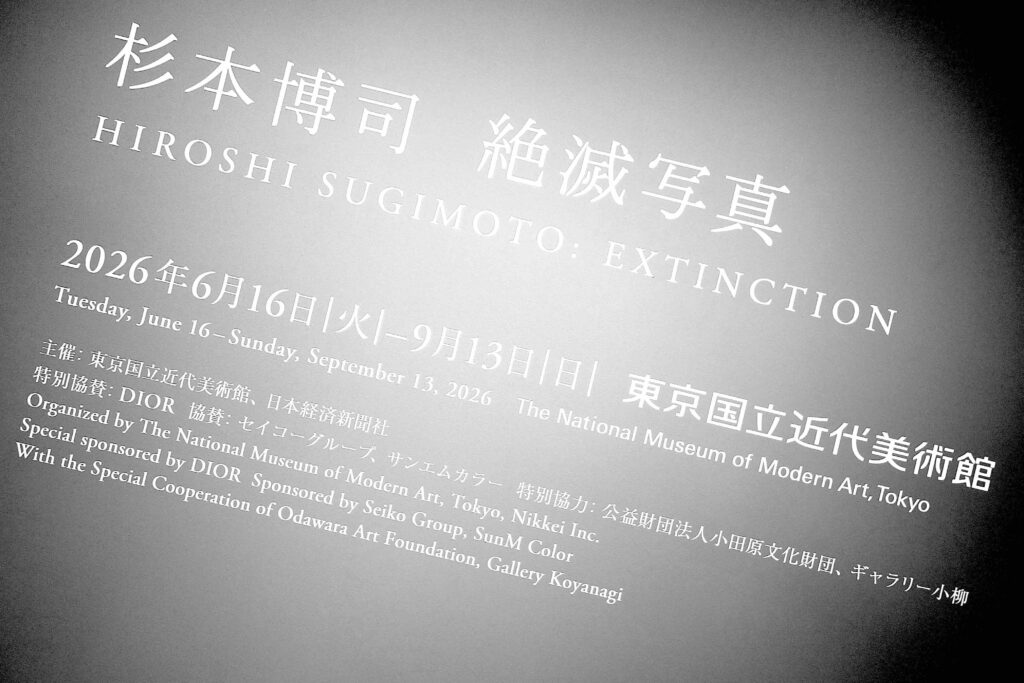
かさばり、重く、扱いにくい8×10カメラの奴隷、右翼・バカ 杉本博司 @ 東京国立近代美術館 (aka 貧乏近美) SUGIMOTO Hiroshi — a right-wing fool and a slave to the bulky, heavy, and unwieldy 8×10 camera @ National Museum of Modern Art, Tokyo (aka the “broke” MOMAT).
担当キュレーターにズボンを下ろされ、国内外・大勢の観衆の前で小さなイチモツをさらけ出す羽目になったことに気づかなかったという点に、杉本博司の愚かさが露呈している。
SUGIMOTO Hiroshi’s stupidity is revealed by his failure to notice the curator-in-charge pulling down his trousers, forcing him to expose his micropenis to the entire Japanese and non-Japanese public.
建築雑誌向けに平凡な建築写真を撮るこのコマーシャルフォトグラファーについてエンタメとしての価値のは、ジャーナリストや他のフォトグラファーを含め、誰もが彼の陰で笑っていることに彼自身が気づいていないという点だ。
The entertaining thing about this commercial photographer—who takes mediocre photos of architecture for architectural magazines—is that he fails to notice how everyone, including journalists and other photographers, is laughing behind his back.
物事をすべて白黒のメガネを通して見ざるを得ない杉本は、時折面白く見せようとしたがるが、自分がどれほど滑稽に見えるか気づいていない。彼の不自然で作り物の、歪んだ微笑みは、どうしても独創的で芸術的なものを生み出さなければならないという彼の無力さを如実に物語っている。というのも、周知の通り、杉本は、白黒写真しか撮れない、その重くて扱いにくい8×10カメラの奴隷だからだ。
Sugimoto, who has to see everything through black-and-white-tinted glasses, sometimes tries to come across as funny, but doesn’t realise how embarrassing he looks. His fake, forced, wry smile betrays his desperation to produce something that is absolutely original and artistic. Because, as we all know, Sugimoto is a slave to his clunky, unwieldy 8×10 camera, with which he can only take black-and-white photographs.
彼はすべてを厳密に水平・垂直に撮影しなければならず、そうでなければ彼のコンセプトは崩壊してしまう。もし傾いた線や広角レンズによる歪みが写り込んでしまったら、大変なことになる。神経質な気質の杉本氏は、そのセミ・ファシストイドな美意識ゆえに、それを決して許さないのだ。
He has to photograph everything perfectly horizontal and vertical; otherwise, his concept falls apart. Woe betide anyone who spots converging lines or wide-angle distortions. The neurotic Sugimoto simply won’t allow it, due to his semi-fascistoid aesthetic sensibilities.
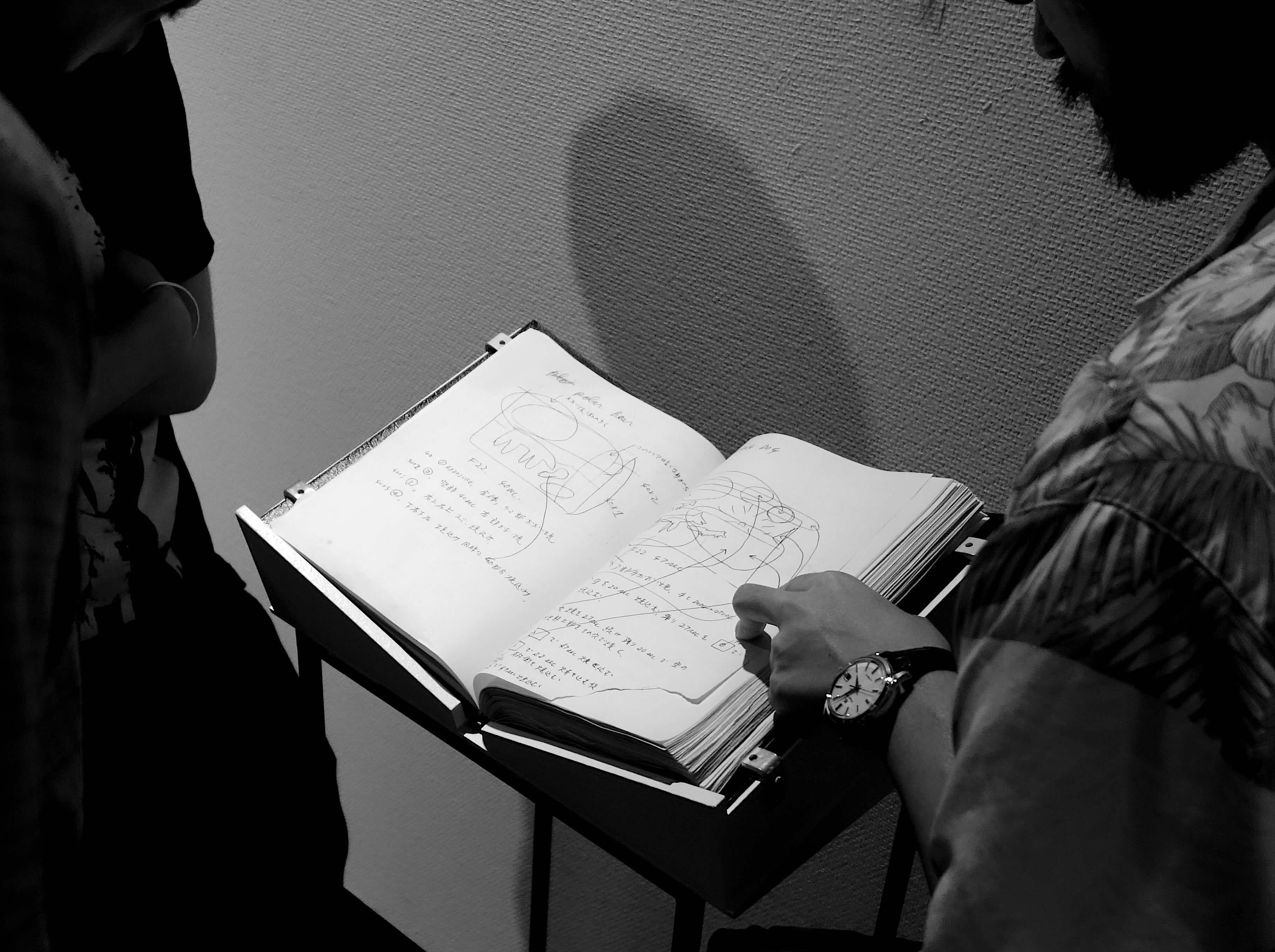
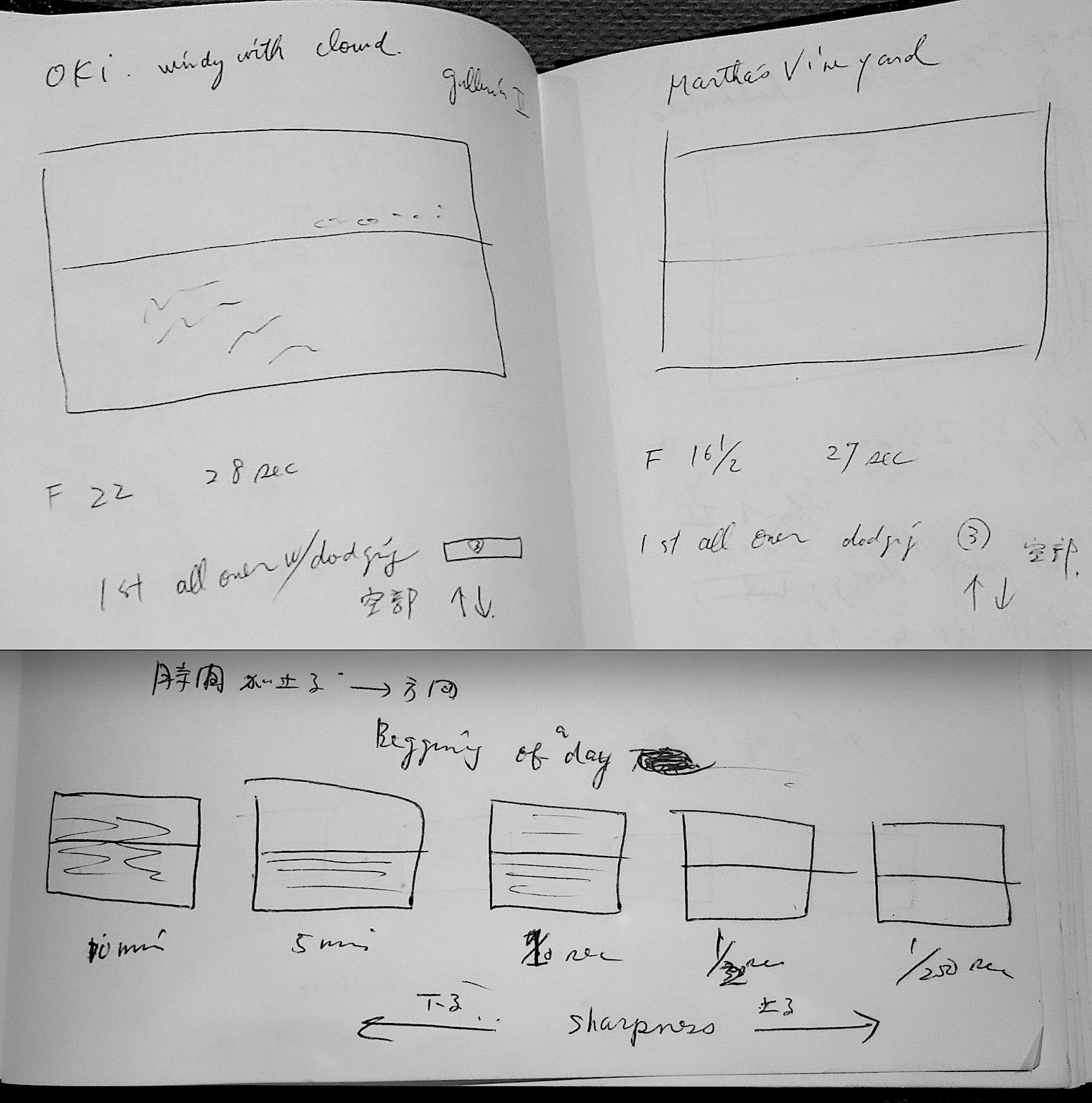
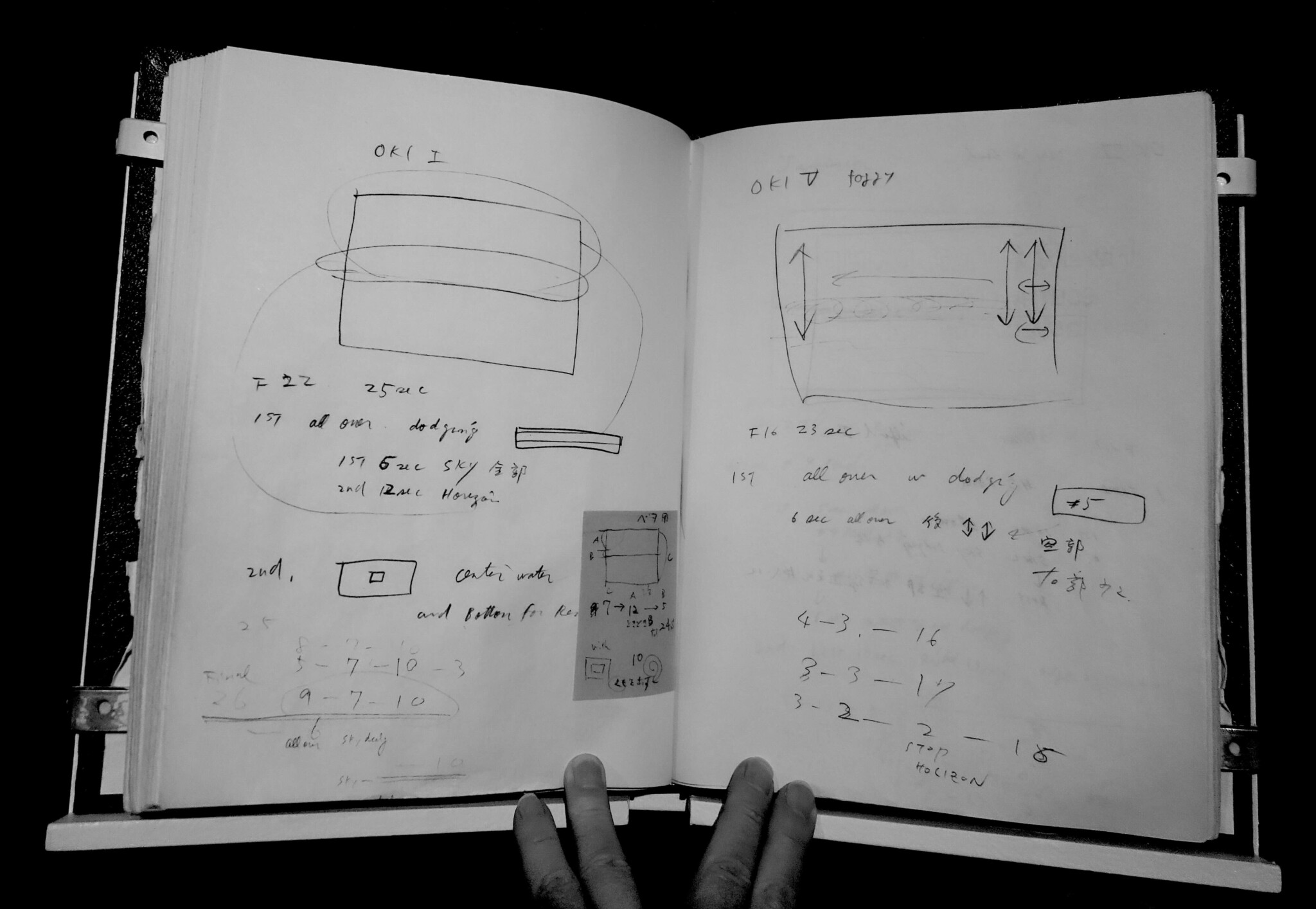
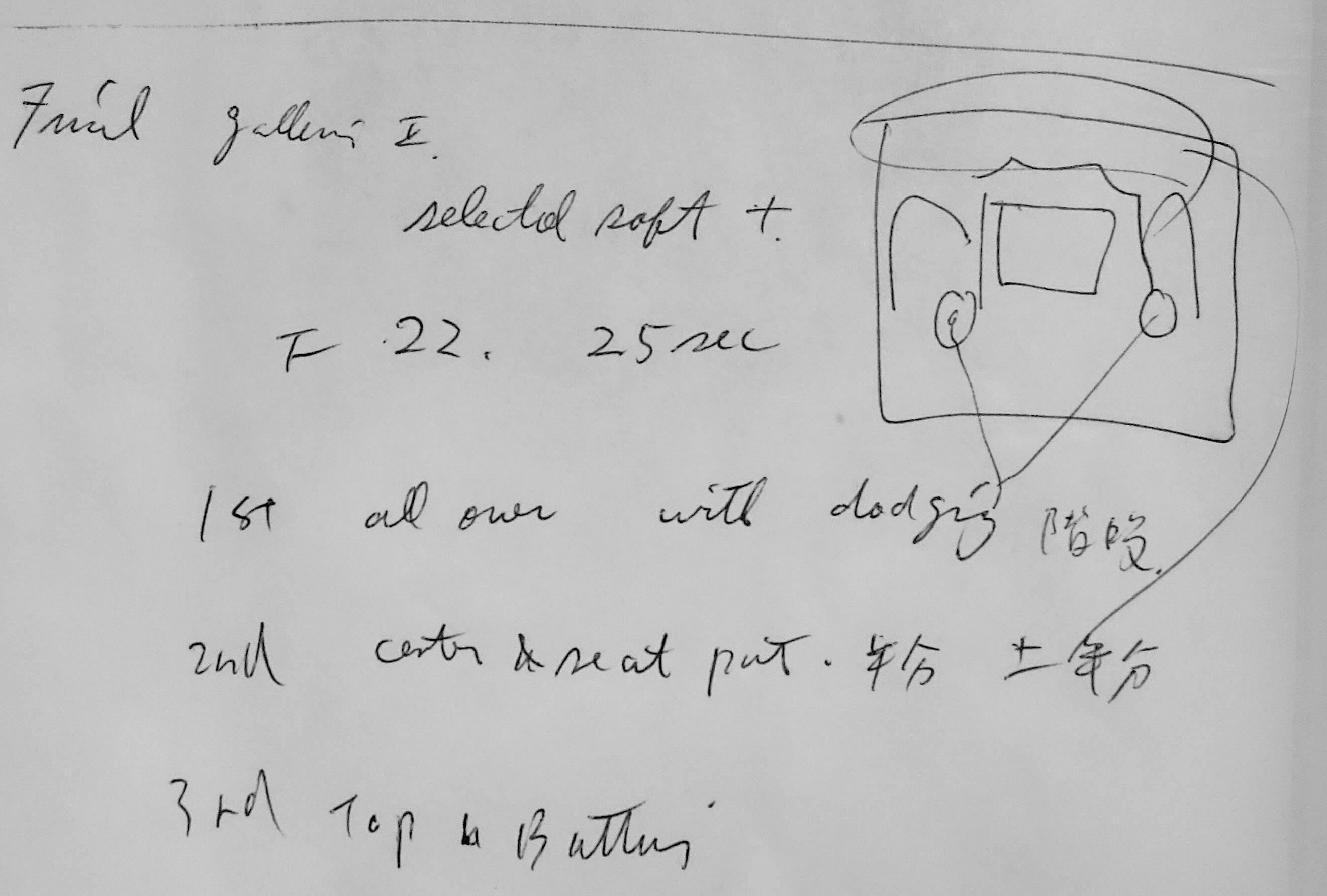
彼の「私的なメモ帳」や「プライベート・ノートブック」を見たとき、私は思わず大声で笑ってしまった。彼のメモには、ある種の愚かな単純さがにじみ出ていた。同じ写真は、キヤノン 85mm f1.2 L や、キヤノン EF 50mm f/1.0L USM 35mmフィルムカメラ用レンズ、あるいは、ライカ NOCTILUX-M 50mm f/1.0 やライカ Summilux-M 50mm f/1.4でも撮影できたはずだ。
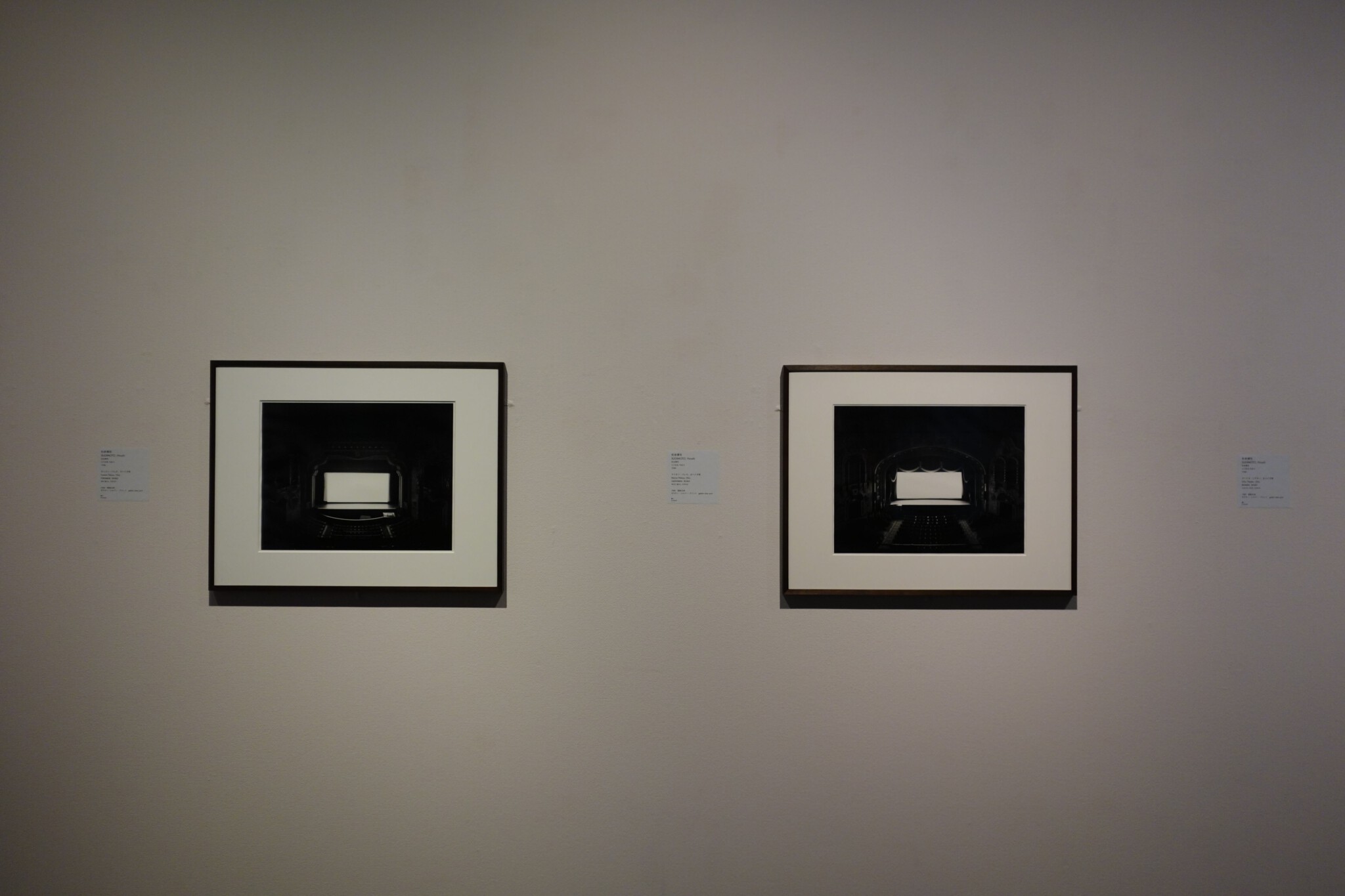
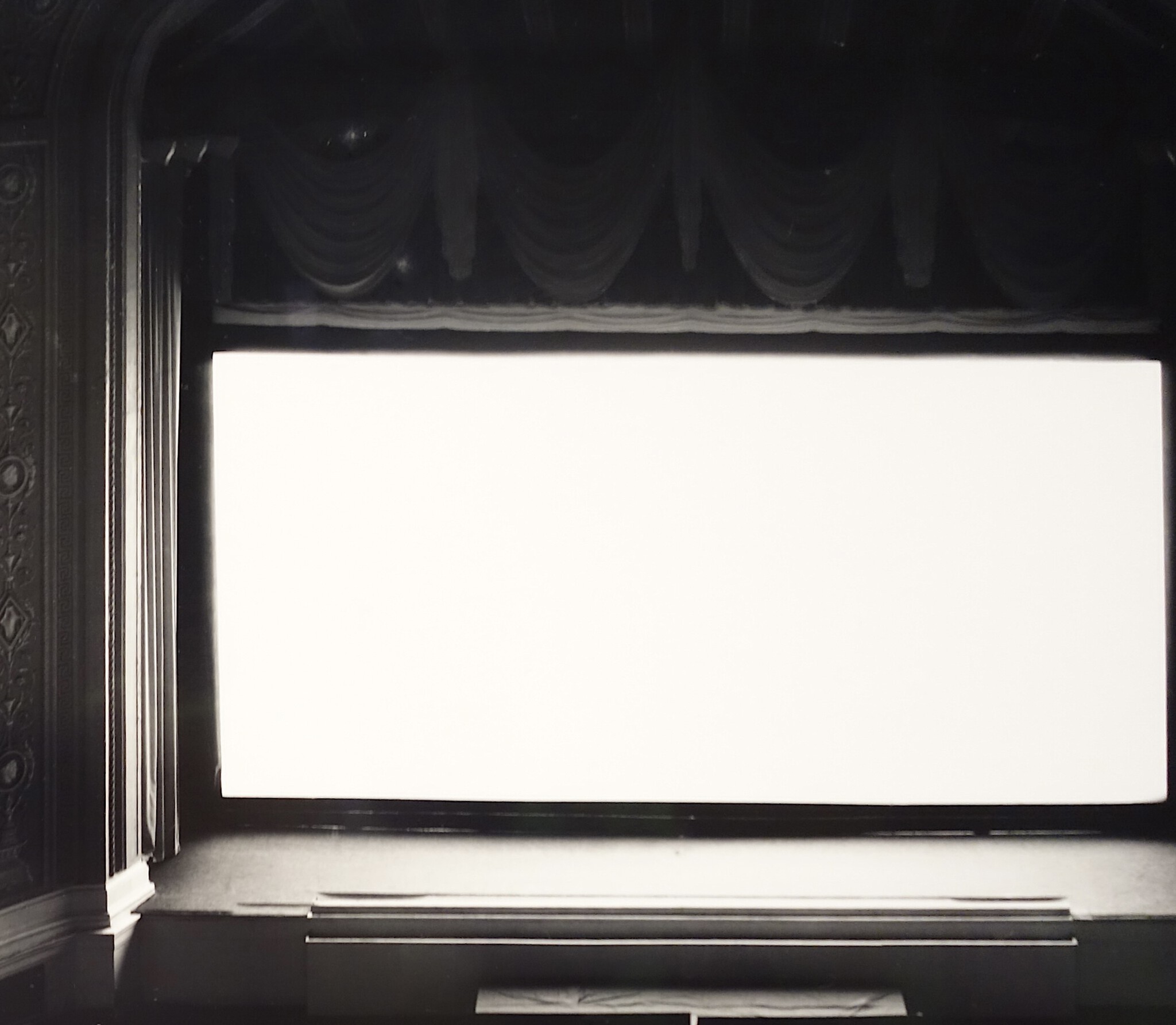
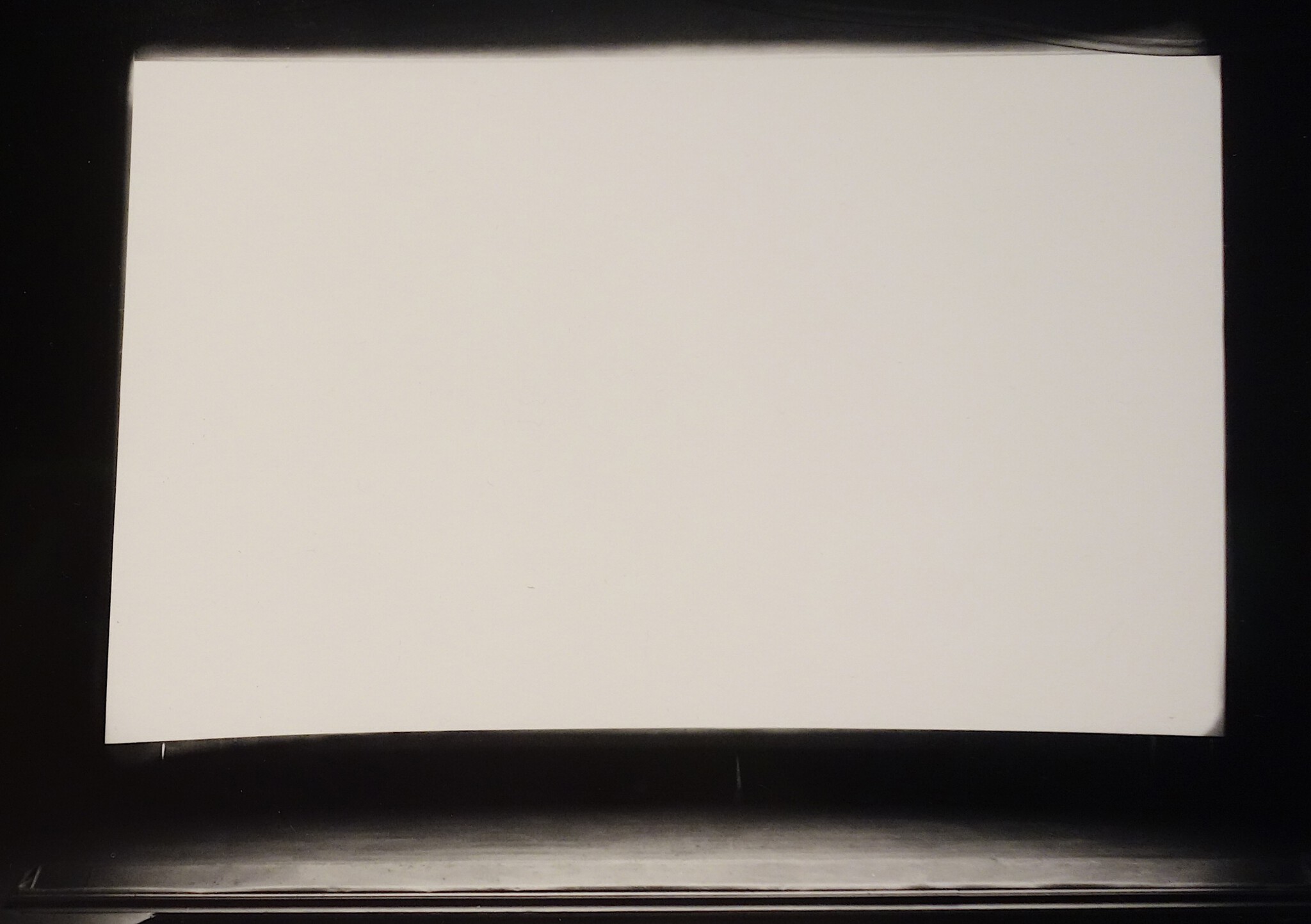
さらに、写真の細部を見ると、プリンター(杉本自身)の品質が悪いか、あるいは現像所の手抜きがあったことが解る。
When I saw his ‘private scribbles’ and ‘private notebooks’, I had to laugh out loud. His notes revealed a certain foolish naivety; he could just as easily have taken the same photos with a Canon 85 mm f/1.2 L or a Canon EF 50 mm f/1.0L USM 35-mm-camera lens, or with a LEICA NOCTILUX-M 50mm f/1.0 or a Leica Summilux-M 50mm f/1.4.
Furthermore, a closer look at the photos reveals that either the printer (SUGIMOTO himself) is poor quality or his lab has botched the job.
彼の写真に関する大言壮語には腹が立つ。これはすでに10年前のこと。このMOMAT「クラウネスク・ショー」が、2016年にTOPミュージアム(東京都写真美術館)で開催された「杉本博司 ロスト・ヒューマン」展の焼き直しであることは明らかだ。
バライタ紙・プリントは今も作られ続けており、写真も相変わらず存在し続けている。
杉本がその戯言で私を攻撃してくるのだから、私は反撃せざるを得ない。
杉本は時に不適切なセレン・トナーを使用しており、同じシリーズのプリントに統一性が欠けている。同一の作品群において、暖色系と寒色系のトーンが混在していることは、そのアマチュアっぽさを物語っている。彼がベルリンのハゼンカンプ社やショット社の助けを借りなければならないという事実は、すべてを物語っている。
His boastful statements about photography make me angry. This happened already 10 years ago. It is clear that this MOMAT-“clownesque show” is a rehash of his retrospective at the TOP Museum (Tokyo Photographic Art Museum) in 2016, under the title: “Hiroshi Sugimoto: Lost Human Genetic Archive”.
Baryta prints are still being produced; photography continues to exist just as it always has.
Because Sugimoto is aggressively attacking me with his drivel, I have to defend myself.
Sugimoto sometimes uses the wrong selenium toner; the prints from the same series are not consistent. The variation between warm and cool tones betrays an amateurish quality within the same, identical body of work. The fact that he has to call on the Berlin-based companies Hasenkamp and/or Schott for help speaks volumes.
ここで強調しておかなければならないのは、500部限定版の本に収められた彼の写真は、(独特のトーンを帯びた)オリジナル・プリントには及ばないということ。
And I must emphatically state here that his photograph books in the editions of 500 copies do not match the original prints (with their specific tonings).
「敬意と配慮」から、本日はART+CULTUREの読者の皆様に、「ゴシップのパンドラの箱」から話を持ち出すことは控えます。とはいえ、このコマーシャルフォトグラファーについて、彼がイレアナ・ゾンナベンドにギャラリーの貸し出しを依頼した経緯や、ニューヨークで日本の写真家・杉浦邦恵が参加した日本の「ソーシャルクラブ」がどのように機能していたか、
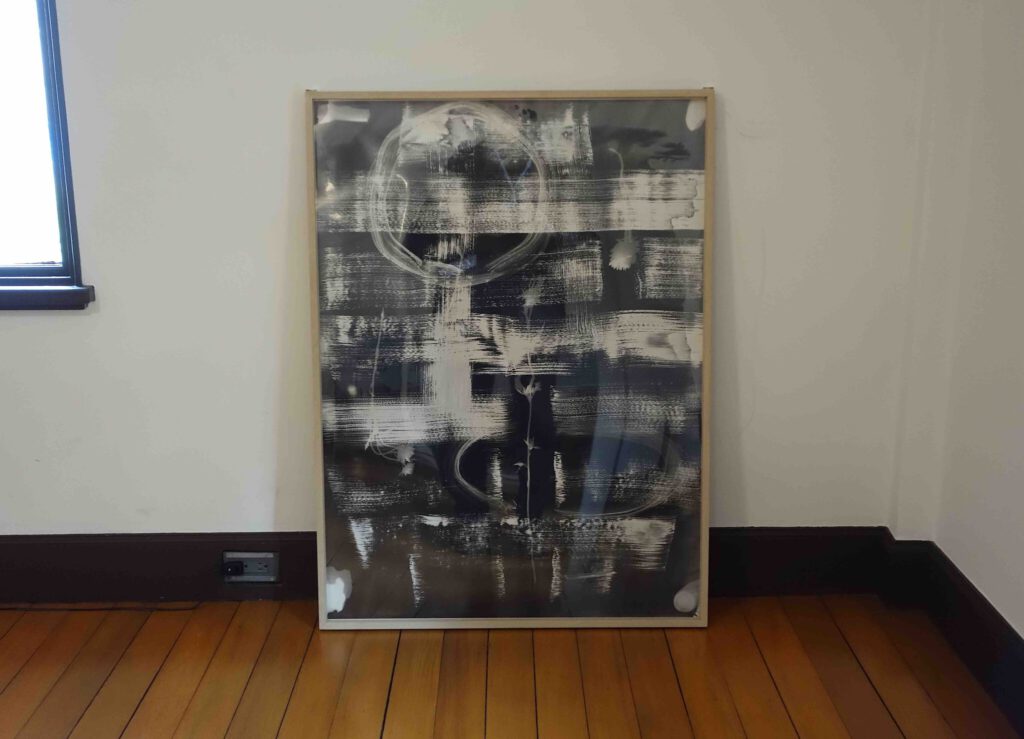
あるいはスイスのアート・バーゼルで、彼の妻でありギャラリーオーナーの小柳敦子(銀座小柳ビルのオーナー)が作ったおにぎりがどのような味だったか、あるいは伝説的なバー「トラウマリス」での杉本夫妻との、サロンのような雰囲気、あるいはヴェネツィアの日本館への参加が叶わなかったことなど、あるいは鈴木芳雄との関係性、あるいはとても裕福、超金持ちの父親の長男である、あるいは骨董品商としての彼の策略は、節税目的で神社を建立すること(「日本の骨董品・アンティークの取引の杉本コレクション」@ 杉本博司の小田原文化財団)、ご自由に想像してみてください。
Out of “respect and consideration”, I shall refrain today from sharing any gossip from the Pandora’s Box with my esteemed ART+CULTURE readers. You are, however, free to form your own opinions about this commercial photographer – such as how he asked Ileana Sonnabend for permission to rent her gallery, or how the Japanese ‘social club’ with the Japanese photographer Kunié Sugiura operated in New York, or what the Japanese Onigiri tasted like at Art Basel Switzerland, prepared by his gallery owner and wife, KOYANAGI Atsuko, owner of the Ginza Koyanagi Building, or what the salon-like atmosphere was like with the Sugimotos at the legendary Traumaris bar in Roppongi, or, regarding the fact that participation in the Japan Pavilion at Venice did not come to pass, or, his relationship with SUZUKI Yoshio, or, being the eldest son of a wealthy, super-rich father, or, his ploy as an antiques dealer was to have a Shinto shrine built for tax purposes (“Japanese antique dealing – SUGIMOTO COLLECTION” @ his (“Sugimoto Hiroshi”) Odawara Art Foundation).
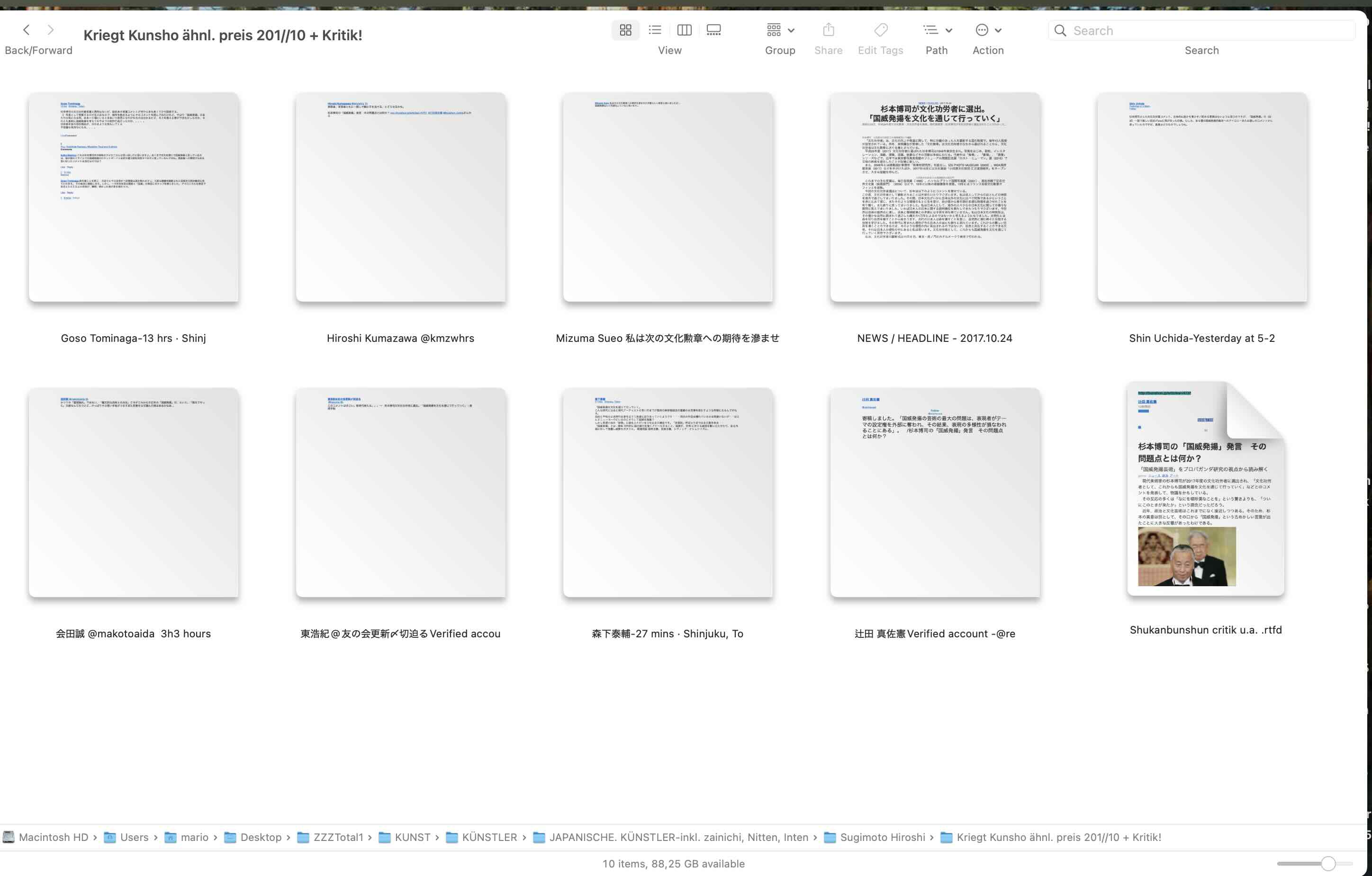
今日のテキストに触発され、私は手元の資料(24.10.- 8.11.2017)から一節を引用することにさせていただきます。それは、「啓蒙時代」の様相を鮮やかに映し出す、歴史的にも示唆に富んだ文書と言えるものではないでしょうか。
Today’s text prompts me to quote from my archive here—material from 24.10.- 8.11.2017 that, in turn, manifests itself as an illuminating historical document of the “Enlightenment era”.
A Original
Goso Tominaga
13 hrs · Shinjuku, Tokyo ·
杉本博司の文化功労賞受賞に異存はないが、彼自身の受賞コメントが何やらきな臭くて少々困惑する。
()写真として受賞するのが五人目なので、彼岸を眺めるようにそのコメントを読んでみたけれど、やはり「国威発揚」のあたりは気になる所。ああいう場にいるとああいう発言になりがちなのは分かるけど、そこを堪える事ができなかったのか、それとも真剣に国威発揚を考えての今までの制作行為だったのか、、、、。
功労者年金の存在理由が、分かるような気もしてくる
不思議な気持ちになる、、、。
LikeComment
6
You, Yoshihide Namasu, Masahiro Tsuji and 3 others
Comments
Seibo Nishino これは杉本博司氏の特有のアイロニカルな言い回しだと思いますよ。あくまで文化を通じて国威発揚と言っているのは、彼の国のミサイルでの国威発揚のロケットボーイとは訳の違う国を目指すべきだと言っているんですね。現政権への牽制でもある思い切ったコメントは流石なのでは?
Like · Reply ·
1 · 11 hrs
Remove
Goso Tominaga 森を壊ことを禁じ の辺りにその目指すべき態度は汲み取れますし、大変な業績を破断された芸能史の読み継ぎに見てとれます。 その執念に感服します。しかし、一万年先を見る態度と「国威」の発言にギャップを感じました。 アイロニカルな発言であるととらえる心の余裕が、瞬時、無かった我が身を恨みつつ。
Like · Reply ·
1 · 3 mins · Edited
A English automatic translation via deepl
Goso Tominaga
13 hrs · Shinjuku, Tokyo ·
I have no objection to Hiroshi Sugimoto receiving the Order of Cultural Merit, but his own acceptance speech strikes me as somewhat fishy and leaves me a little perplexed.
( ) As he is the fifth photographer to receive this honour, I tried reading his speech as if gazing at the other shore, but the part about ‘promoting national prestige’ still gives me pause. I realise that one tends to make such remarks when in that sort of setting, but I wonder whether he simply couldn’t resist the urge, or whether his creative work to date has genuinely been driven by a desire to ‘enhance national prestige’…
It almost makes me feel as though I can understand the rationale behind the ‘Pension for Persons of Cultural Merit’—it’s a rather strange feeling…
Like Comment
6
You, Yoshihide Namasu, Masahiro Tsuji and 3 others
Comments
Seibo Nishino: I think this is just one of Hiroshi Sugimoto’s characteristic ironic turns of phrase. When he talks about ‘promoting national prestige’ through culture, he’s essentially saying that we should aim for a country that’s fundamentally different from the ‘Rocket Boy’ who promotes national prestige through missiles. Isn’t this a bold comment—and a subtle rebuke to the current administration—that’s typical of him?
Like · Reply ·
1 · 11 hrs
Remove
Goso Tominaga: One can discern the attitude we should aspire to in the phrase ‘prohibiting the destruction of forests’, and it is evident in his efforts to continue the legacy of entertainment history, which has been severely disrupted. I am deeply impressed by his tenacity. However, I sensed a disconnect between his attitude of looking ten thousand years into the future and his remarks regarding ‘national prestige’. I regret that, for a moment, I lacked the mental flexibility to recognise this as an ironic statement.
Like · Reply ·
1 · 3 mins · Edited
B Original
Hiroshi Kumazawa @kmzwhrs 1h
1 hour ago
More
表現者、享受者ともに一読して胸に手を当てる、とどうなるかな。
杉本博司の「国威発揚」発言 その問題点とは何か? http://bunshun.jp/articles/-/4737 #辻田真佐憲 @bunshun_onlineさんから
B English automatic translation via deepl
Hiroshi Kumazawa @kmzwhrs 1h
1 hour ago
More
What would happen if both creators and audiences were to reflect on this after reading it?
Hiroshi Sugimoto’s ‘promotion of national prestige’ remarks: what are the issues here? http://bunshun.jp/articles/-/4737 From #Masakazu Tsujita @bunshun_online
C Original
Mizuma Sueo 私は次の文化勲章への期待を滲ませた可愛らしい発言と思いましたが…
国威発揚なんて死語化していると思います。
C English automatic translation via deepl
Mizuma Sueo: I thought it was a charming remark that hinted at his hopes for the next Order of Culture…
I think ‘promoting national prestige’ is a term that has fallen out of use.
D Original
NEWS / HEADLINE – 2017.10.24
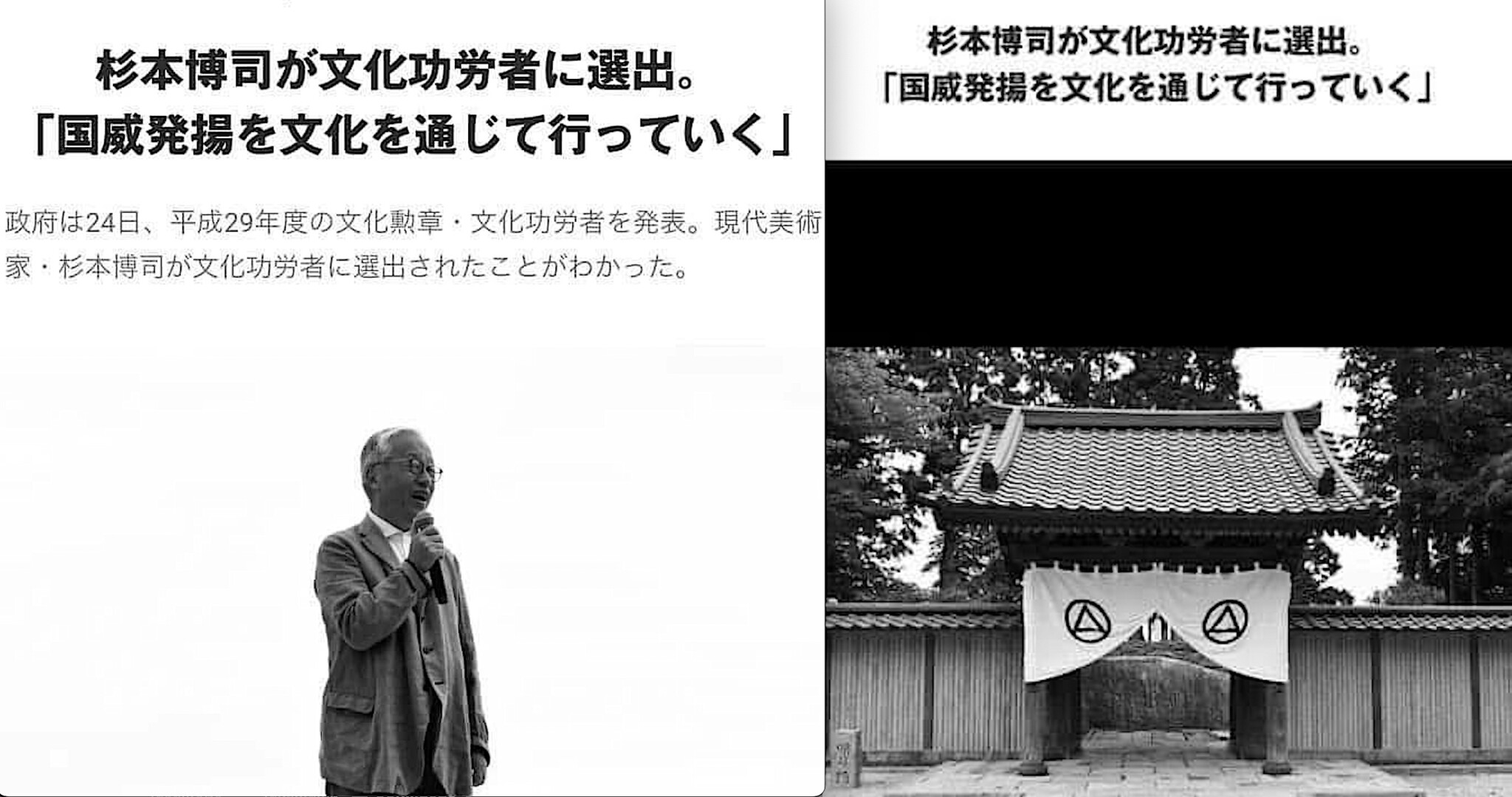
杉本博司が文化功労者に選出。
「国威発揚を文化を通じて行っていく」
政府は24日、平成29年度の文化勲章・文化功労者を発表。現代美術家・杉本博司が文化功労者に選出されたことがわかった。
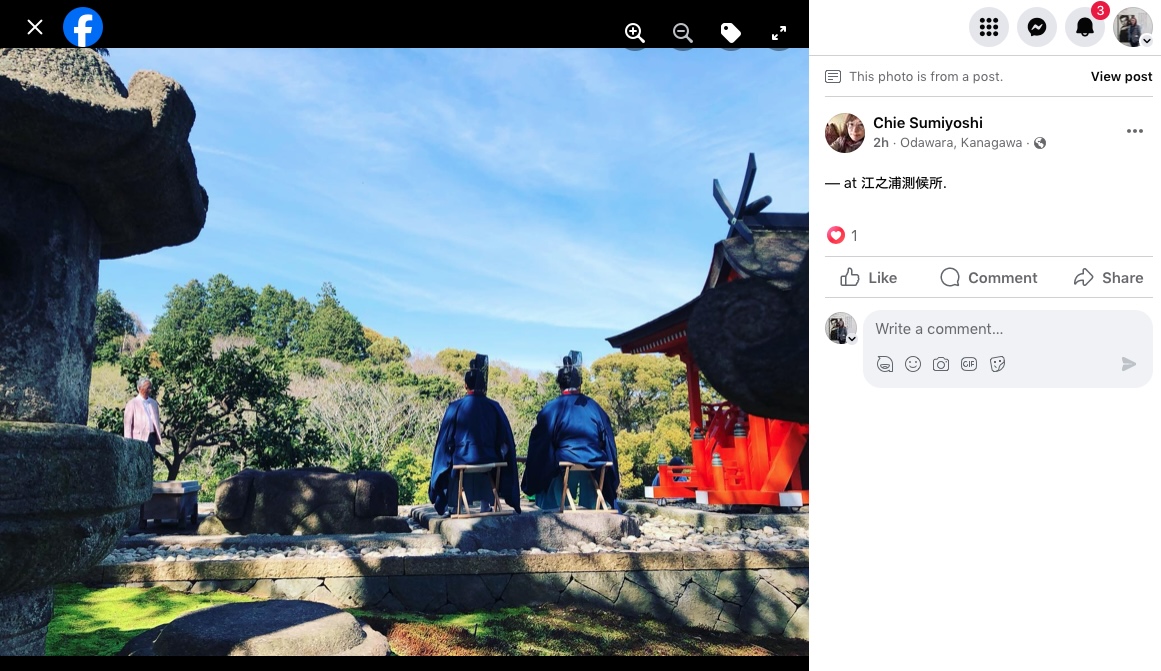
杉本博司 小田原文化財団 江之浦測候所にて撮影
「文化功労者」は、文化の向上や発達に関して、特に功績のあった人を顕彰する国の制度で、毎年15人程度が認定されている。昨年、草間彌生が受章した「文化勲章」は文化功労者のなかから選ばれることから、文化功労者は文化勲章に次ぐ名誉とされている。
平成29年度(2017)文化功労者に選ばれた杉本博司は1948年東京生まれ。写真をはじめ、彫刻、インスタレーション、演劇、建築、造園、執筆などその活動は多岐にわたる。代表作は「海景」、「劇場」、「建築」シリーズなどで、近年では東京都写真美術館のリニューアル開館記念展「ロスト・ヒューマン」展(2016)で文明の終焉を提示したことが記憶に新しい。
また、2008年には建築設計事務所「新素材研究所」を設立し、IZU PHOTO MUSEUM(2009)、MOA美術館改装(2017)などを手がけたほか、2017年10月には文化施設「小田原文化財団 江之浦測候所」をオープンさせ、大きな話題を呼んだ。
小田原文化財団 江之浦測候所の明月門
これまでの主な受賞は、毎日芸術賞(1998)、ハッセルブラッド国際写真賞(2001)、高松宮殿下記念世界文化賞(絵画部門)(2009)などで、10年には秋の紫綬褒章を受章。13年にはフランス芸術文化勲章オフィシエを叙勲。
今回の文化功労者選出について、杉本は以下のようにコメントを寄せている。
この度、文化功労者として顕彰されることは光栄のいたりでございます。私は成人してからのほとんどの時間を海外で過ごしてまいりました。その間、日本文化がいかに日本以外の文化に比べて特殊であるかということを身に沁みて感じ、またそのような環境のもとに生を受け、幼少期から青年期の多感な時期を過ごせたことを有り難く、また誇りに思ってまいりました。私は日本人として、海外の人々からの日本文化に関しての様々な質問に答えてまいりました。いわば日本人の日本に関する説明責任を果たしてきたつもりでございます。今世界は成長の臨界点に達し、成長と環境破壊との矛盾になす術を持ち得ていません。私は日本文化の特殊性は、その豊かな自然に囲まれて過ごした縄文の1万年によるのではないかと考えるようになりました。文明化とは森を切り自然を壊すことから始まります。古代の日本人は森を壊すことを禁じ、自然界に潜む神々と交信する技術を学びました。その時代に育まれた感性が今の日本人の血にも脈々と流れています。これからの難しい世界を導くことのできる力は、そのような感性の内に見出されるのではないか、自然と共生することのできる文明、それは日本人の感性の中にあると私は思います。文化功労者として、これからも国威発揚を文化を通じて行っていく所存でございます。
なお、文化功労者の顕彰式は11月6日、東京・虎ノ門のホテルオークラ東京で行われる。
D English automatic translation via deepl
NEWS / HEADLINE – 24 October 2017
Hiroshi Sugimoto selected as a Person of Cultural Merit.
‘Promoting national prestige through culture’
On 24 October, the government announced the recipients of the Order of Cultural Merit and the title of Person of Cultural Merit for Heisei 29. It was revealed that contemporary artist Hiroshi Sugimoto had been selected as a Person of Cultural Merit.
Hiroshi Sugimoto, photographed at the Enoura Meteorological Observatory, Odawara Cultural Foundation
The ‘Person of Cultural Merit’ is a national scheme that honours individuals who have made outstanding contributions to the advancement and development of culture; approximately 15 people are recognised each year. As the ‘Order of Culture’—which Yayoi Kusama received last year—is awarded to recipients selected from among the ‘Persons of Cultural Merit’, the latter is regarded as the second-highest honour after the Order of Culture.
Hiroshi Sugimoto, selected as a ‘Person of Cultural Merit’ for the Heisei 29 (2017) academic year, was born in Tokyo in 1948. His activities span a wide range of fields, including photography, sculpture, installation art, theatre, architecture, landscape architecture and writing. His representative works include the ‘Seascape’, ‘Theatre’ and ‘Architecture’ series; more recently, his presentation of the ‘end of civilisation’ in the exhibition ‘Lost Human’ (2016), held to mark the reopening of the Tokyo Metropolitan Museum of Photography, remains fresh in the public memory.
Furthermore, in 2008, he established the architectural design firm ‘New Materials Research Institute’, undertaking projects such as the IZU PHOTO MUSEUM (2009) and the refurbishment of the MOA Museum of Art (2017). In October 2017, he opened the cultural facility ‘Odawara Cultural Foundation: Enoura Meteorological Observatory’, which attracted considerable attention.
The Meigetsu Gate at the Odawara Cultural Foundation’s Enoura Meteorological Observatory
His major awards to date include the Mainichi Art Award (1998), the Hasselblad International Photography Award (2001) and the Prince Takamatsu Memorial World Culture Award (Painting Category) (2009); in 2010, he was awarded the Autumn Medal with Purple Ribbon. In 2013, he was appointed an Officer of the Order of Arts and Letters of France.
Regarding his selection as a Person of Cultural Merit, Sugimoto has commented as follows:
‘It is a tremendous honour to be recognised as a Person of Cultural Merit on this occasion. I have spent most of my adult life abroad. During that time, I have felt deeply how unique Japanese culture is compared to other cultures, and I have always felt grateful and proud to have been born into such an environment and to have spent my formative years—from childhood through to my youth—in it. As a Japanese citizen, I have answered various questions from people overseas regarding Japanese culture. I consider that I have, so to speak, fulfilled my responsibility as a Japanese person to explain Japan. The world has now reached a critical juncture in its development and is powerless to resolve the contradiction between growth and environmental destruction. I have come to believe that the uniqueness of Japanese culture stems from the 10,000 years of the Jōmon period, spent surrounded by a rich natural environment. Civilisation begins with the felling of forests and the destruction of nature. The ancient Japanese forbade the destruction of forests and learnt the art of communicating with the gods dwelling in the natural world. The sensibility nurtured during that era continues to flow unbroken through the veins of the Japanese people today. I believe that the power to guide us through the difficult world that lies ahead may be found within that sensibility; a civilisation capable of coexisting with nature—that, I believe, lies within the Japanese sensibility. As a Person of Cultural Merit, I intend to continue promoting the nation’s prestige through culture.
The awards ceremony for Persons of Cultural Merit will be held on 6 November at the Hotel Okura Tokyo in Toranomon, Tokyo.
E Original
Shin Uchida
Yesterday at 5:26pm ·
Twitter
·
杉本博司さんの文化功労賞コメント、全体的に誰かを脅かす/貶める要素はないように思うのですが、「国威発揚」の(ほぼ)一語で激しい反応がsnsに飛び交った印象。むしろ、ある種の国威発揚的動きへのアイロニーまたは諭しのコメントかと思っていたのですが、真意はどうなのでしょうね。
E English automatic translation via deepl
Shin Uchida
Yesterday at 5:26 pm ·
Twitter
·
Regarding Hiroshi Sugimoto’s comments on receiving the Order of Cultural Merit, whilst I don’t think there is anything in them that threatens or disparages anyone, I got the impression that the phrase ‘promoting national prestige’—or rather, almost that single phrase alone—sparked a flurry of intense reactions on social media. In fact, I had thought his comments were meant to be ironic or cautionary towards a certain kind of movement aimed at promoting national prestige, but I wonder what his true intentions actually were.
F Original
会田誠 @makotoaida 3h
3 hours ago
More
会田誠 Retweeted ウェブ版「美術手帖」
かつての「富国強兵」ではない、「縄文的な自然との共生」こそがこれからの日本の「国威発揚」だ、という、「敢えてやった」文脈なんだろうけど…やっぱりその悪い手垢がつきすぎた言葉をなぜ選んだ感はあるかなあ…
F English automatic translation via deepl
Makoto Aida @makotoaida 3h
3 hours ago
More
Makoto Aida Retweeted the web edition of ‘Bijutsu Techo’
I suppose the context here is that this was a ‘deliberate’ choice—suggesting that ‘coexistence with nature in the Jōmon spirit’, rather than the old ‘enrich the nation, strengthen the military’, is what will truly ‘project Japan’s national prestige’ in the future… but I can’t help feeling that they’ve chosen a phrase that’s become far too tainted by its past connotations…
G Original
東浩紀@友の会更新〆切迫る
Verified account
@hazuma 6h
6 hours ago
More
このコメントはすごい。新時代来たな。。。→ 杉本博司が文化功労者に選出。「国威発揚を文化を通じて行っていく」 – 美術手帖
G English automatic translation via deepl
Hiroki Azuma @Friends’ Association: Deadline approaching
Verified account
@hazuma 6h
6 hours ago
More
This comment is brilliant. A new era has dawned… → Hiroshi Sugimoto has been selected as a Person of Cultural Merit. ‘We will promote national prestige through culture’ – Bijutsu Techo
H Original
森下泰輔
27 mins · Shinjuku, Tokyo ·
「国威発揚を文化を通じて行っていく」
こんな時代になると現代アーティストの言い方までが戦前の美術報国会の重鎮のお言葉を思わすような有様になるんですねえ。
自由と平和のよき時代は音を立てて急速に走り去っていくようです・・・同氏の作品は優れているのは間違いないが・・ほとんどニューヨークにいるのにどうして国威を発揚?
しかし希望小池の「排除」に怒る人々がいるうちはまだ健全です。「非国民」呼ばわりまではまだ数年ある・・
「国威発揚」とは – 意味 対外的に国の威力を強くアピールすること。国家が、世界 に対する威信を奮い立たせたり、ある外国に対して発奮し威勢を示すこと。 関連用語 国粋主義、民族主義、シヴィック・ナショナリズム…
H English automatic translation via deepl
Taisuke Morishita
27 mins · Shinjuku, Tokyo ·
‘Promoting national prestige through culture’
It’s quite something that, in times like these, even the way contemporary artists express themselves has come to resemble the words of the leading figures of the pre-war Art for the Nation Society.
It seems the good old days of freedom and peace are rushing by with a clatter… There is no doubt that his work is excellent, but… given that he spends most of his time in New York, how exactly is he ‘promoting national prestige’?
However, as long as there are people angered by Hope Koike’s ‘exclusion’, things are still in a healthy state. It will be a few years yet before people start being labelled ‘traitors’…
‘Promoting national prestige’ – Meaning: To strongly project the nation’s power to the outside world. It refers to a nation bolstering its prestige on the world stage, or rallying and demonstrating its vigour towards a particular foreign country. Related terms: ultranationalism, nationalism, civic nationalism…
I Original
辻田 真佐憲
Verified account
@reichsneet
Follow
Follow @reichsneet
More
寄稿しました。「国威発揚の芸術の最大の問題は、表現者がテーマの設定権を外部に奪われ、その結果、表現の多様性が損なわれることにある」。 /杉本博司の「国威発揚」発言 その問題点とは何か?
I English automatic translation via deepl
Masanori Tsujita
Verified account
@reichsneet
Follow
Follow @reichsneet
More
I have contributed an article. ‘The greatest problem with art intended to promote national prestige is that artists are deprived of the right to set their own themes, and as a result, the diversity of expression is compromised.’ / Hiroshi Sugimoto’s remarks on ‘promoting national prestige’: what are the issues here?
J Original
http://bunshun.jp/articles/-/4737
辻田 真佐憲
12時間前
ツイート
いいね!319
22
30
杉本博司の「国威発揚」発言 その問題点とは何か?
「国威発揚芸術」をプロパガンダ研究の視点から読み解く
genre : ニュース, 政治, アート
現代美術家の杉本博司が2017年度の文化功労者に選出され、「文化功労者として、これからも国威発揚を文化を通じて行っていく」などとのコメントを発表して、物議をかもしている。
その反応の多くは「なにを頓珍漢なことを」という驚きよりも、「ついにこのときが来たか」という諦念だっただろう。
近年、政治と文化芸術はこれまでになく接近しつつある。そのため、杉本の真意は別として、その口から「国威発揚」という古めかしい言葉が出たことに大きな反響があったわけである。

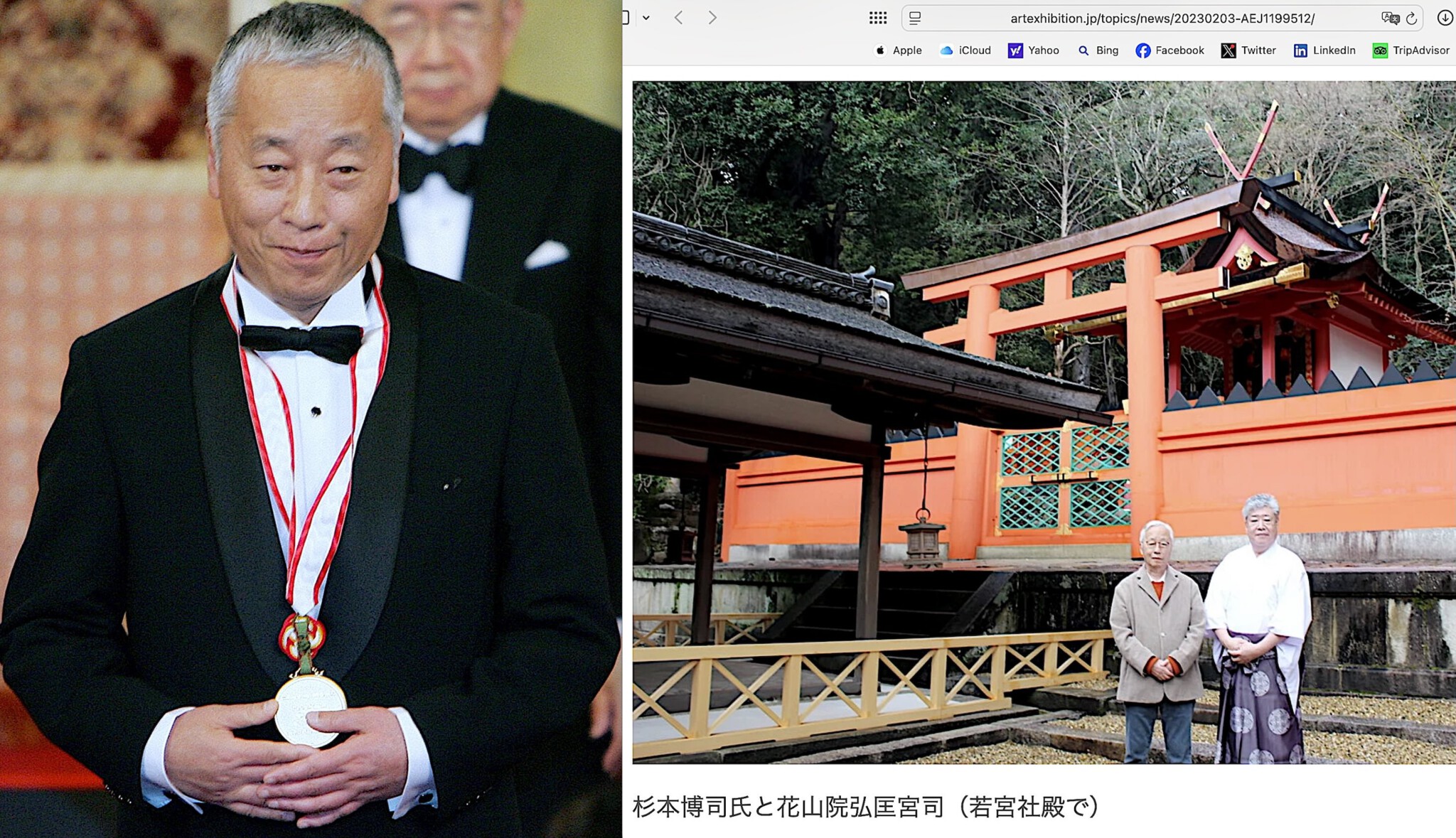
高松宮文化賞贈呈式での杉本博司 ©共同通信社
「国威発揚」の問題点とは?
国威発揚のなにが悪いのか。日本人が日本の国威を発揚するのは当然のことだ。今日では、こういう定型的な反論がすぐに出るだろう。
国威発揚の芸術の最大の問題は、表現者がテーマの設定権を外部に奪われ、その結果、表現の多様性が損なわれることにある。
表現者は、与えられたテーマで表現するだけではなく、テーマそのものを自分で設定し、ときに既存のテーマを懐疑し破壊する。
いいかえれば、決められたゲームのなかで高得点を競うのではなく、ゲームのルールそのものを疑い、変えてしまう。その自由さと自主性こそが、表現の多様性を担保している。
ところが国威発揚の芸術では、公的な機関がせり出して「つぎはこれだ」とテーマを設定してくる。表現者は、そこにほとんど介入できない。
そのため、いったん国威発揚に乗っかると、表現者の持ち前の自由さや自主性が損なわれてしまう。しかも政治権力は、予算や名誉や規制でがんじがらめにしてくるのだからたちが悪い。
「敵」認定と排除 ときに醜い密告合戦に発展さえする
いやなら従わなければいいのではないか、というかもしれない。
だが、国威発揚の芸術は、かならず「国威を発揚しない芸術」を用意し、抑圧する。ナチス・ドイツの退廃芸術、戦時下日本のジャズ、社会主義国のブルジョワ芸術などがそうだ。
両者は、ときどきの政治権力などによって恣意的に分断される。そのため、表現者は「敵」認定と排除に怯え、有力者や統制団体などの意向を忖度せざるをえない。
表現者同士のなにげない揉め事も、この環境では、ときに醜い密告合戦に発展したりする。こうして、国威発揚自体を疑うこと、否定することがますますむずかしくなっていく。

ヒトラーとスターリン ©文藝春秋
「親日芸術」対「反日芸術」の時代へ?
今後の日本では、「親日芸術」と「反日芸術」が対置されるかもしれない。すでに2016年度の文化庁芸術祭賞の審査過程で、文化庁の職員が「国を批判するような番組を賞に選ぶのはいかがなものか」との趣旨の発言を行っている。その事実を思い出してもらいたい。
こうした状況下で生み出される表現が、いかに退屈でつまらないか。それは同時代の証言が多数あるし、プロパガンダ作品の類を少しでも観賞してみれば、たちどころにわかるだろう。
口々に叫ばれる罵詈雑言は、ボットと変わらない
もちろん、国威発揚の時代にもうまく立ち回った表現者たちもいた。表向き国威発揚といっておけば、地位も収入も安泰というわけだ。
だが、それは泥をかぶるということでもある。政治権力は、予算や名誉などをアメに、そして取締りや規制をムチに、表現者に「忠誠心競争」を強いてくる。
日本の歴史を少しさかのぼれば、そうした痕跡をいくつも見出すことができる。たとえば、音楽雑誌『音楽文化』の1944年11月号を開いてみよう。ちょうど太平洋戦争末期で、政府が「鬼畜米英」キャンペーンを行いつつあった時期だ。
「結局アメリカは文明といふ衣裳にその身を蔽ふた野獣そのものの住む未開のジャングルなのだ」(山田耕筰)
「あゝ! ジャズ! 阿片的毒物! 之こそ敵米が精魂を傾けて布設した日本爆砕の地雷原なのだ!」(平井保善)
「敵アメリカ人を憎め! 敵アメリカ文化を呪へ! 敵アメリカ音楽を軽蔑せよ」(野呂信次郎)

山田耕筰 ©樋口進/文藝春秋
口々に叫ばれる罵詈雑言は、ボットと変わらない。そこに表現者特有の個性はまったく見られない。この没個性こそ、国威発揚の行き着くさきである。
ショスタコーヴィチのような芸当は果たして可能か?
もっとも、政治権力を過度に敵視する必要はない。由来、文化芸術は王侯貴族や国家機関に養われるなど、政治権力と相伴って発展してきた。それゆえ、政治権力を利用しつつ、利用されないこと、そうした距離感が求められる。
冒頭に引いた杉本の国威発揚発言も、ある種のアイロニーだとも指摘される。あるいはそうかもしれない。だが、国威発揚の引力はあなどれない。気をつけないと、あっという間に飲み込まれてしまう。
国威発揚という大義名分を掲げつつ、そこからうまく距離を取って付き合っていく。かつてショスタコーヴィチがそうしたように。そんな芸当が果して可能なのだろうか。
いずれにせよ、日本はそうしなければならない困難な状況に入りつつあるようである。
J English automatic translation via deepl
Hiroshi Sugimoto’s ‘Promotion of National Prestige’ Remarks: What Is the Issue Here?
Analysing ‘Art for the Promotion of National Prestige’ from the Perspective of Propaganda Studies
Genre: News, Politics, Art
Contemporary artist Hiroshi Sugimoto was selected as a Person of Cultural Merit for the 2017 fiscal year and has sparked controversy by issuing a statement saying, ‘As a Person of Cultural Merit, I will continue to promote national prestige through culture.’
Much of the reaction was likely less one of surprise—‘What utter nonsense!’—and more one of resignation: ‘Has this moment finally arrived?’
In recent years, politics and the arts have been drawing closer than ever before. Consequently, regardless of Sugimoto’s true intentions, the fact that such an archaic term as ‘promoting national prestige’ came from his lips caused a significant stir.
Hiroshi Sugimoto at the Takamatsunomiya Cultural Award presentation ceremony © Kyodo News
What is the problem with ‘promoting national prestige’?
What is wrong with promoting national prestige? It is only natural for the Japanese people to promote Japan’s national prestige. Today, such a standard rebuttal would likely be voiced immediately.
The greatest problem with art aimed at promoting national prestige lies in the fact that artists are deprived of the right to set their own themes, and as a result, the diversity of expression is compromised.
Artists do not merely express themselves through a given theme; they set the theme themselves, and at times, they question and subvert existing themes.
To put it another way, rather than competing for high scores within a predetermined game, they question and alter the rules of the game itself. It is precisely this freedom and autonomy that guarantee diversity of expression.
However, in art intended to promote national prestige, public bodies step in and dictate the theme, declaring, ‘This is what comes next.’ Artists have virtually no say in the matter.
Consequently, once they become embroiled in the promotion of national prestige, their inherent freedom and autonomy are compromised. What is more, political authorities tie them up in a tight knot with budgets, honours and regulations, which makes the situation particularly problematic.
Designation as ‘enemies’ and exclusion: this sometimes even escalates into ugly campaigns of denunciation.
One might argue that if they do not like it, they need only refuse to comply.
However, art intended to promote national prestige invariably creates a counterpart—‘art that does not promote national prestige’—and suppresses it. Examples include ‘degenerate art’ in Nazi Germany, jazz in wartime Japan, and bourgeois art in socialist countries.
The two are arbitrarily divided by the political powers of the day. Consequently, artists live in fear of being labelled ‘enemies’ and ostracised, and are forced to anticipate the wishes of those in power and regulatory bodies.
Even casual disputes amongst artists can, in this environment, sometimes escalate into ugly campaigns of denunciation. Thus, it becomes increasingly difficult to question or reject the very notion of promoting national prestige.
Hitler and Stalin © Bungeishunju
Towards an era of ‘pro-Japan art’ versus ‘anti-Japan art’?
In Japan, ‘pro-Japan art’ and ‘anti-Japan art’ may soon find themselves pitted against one another. Indeed, during the judging process for the Agency for Cultural Affairs’ Art Festival Awards in the 2016 financial year, an official from the Agency made remarks to the effect that ‘it is questionable whether programmes that criticise the state should be selected for awards’. I would ask you to bear this fact in mind.
Just how dull and uninspiring are the works produced under such circumstances? There is ample contemporary evidence of this, and anyone who takes the trouble to watch even a small sample of such propaganda works will realise this immediately.
The torrent of abuse shouted from all sides is no different from that of a bot.
Of course, there were also artists who managed to navigate the era of national prestige-building skilfully. As long as they paid lip service to boosting national prestige, their status and income were secure.
However, this also meant getting their hands dirty. Political authorities used the carrot of budgets and honours, and the stick of crackdowns and regulations, to force artists into a ‘competition for loyalty’.
If we look back a little in Japanese history, we can find numerous traces of this. For example, let us open the November 1944 issue of the music magazine *Onkyo Bunka* (Music Culture). This was right at the end of the Pacific War, a period when the government was conducting its ‘Beastly Americans and British’ campaign.
‘In the end, America is nothing but a savage jungle inhabited by beasts that have merely cloaked themselves in the garb of civilisation’ (Kosaku Yamada)
‘Ah! Jazz! An opium-like poison! This is indeed the minefield laid by the enemy Americans with all their heart and soul to shatter Japan!’ (Hoshen Hirai)
‘Hate the enemy Americans! Curse enemy American culture! Despise enemy American music!’ (Shinjiro Noro)

Kōsaku Yamada © Susumu Higuchi / Bungeishunjū
The torrent of abuse shouted in unison is no different from that of a bot. There is absolutely no trace of the individuality characteristic of an artist. This lack of individuality is precisely the end result of the pursuit of national prestige.
Is a feat like that of Shostakovich truly possible?
That said, there is no need to view political power with excessive hostility. Historically, culture and the arts have developed hand in hand with political power, having been patronised by royalty, the nobility and state institutions. Therefore, what is required is a sense of distance: utilising political power whilst ensuring one is not exploited by it.
It has also been pointed out that Sugimoto’s remark on promoting national prestige, quoted at the beginning, is a form of irony. Perhaps that is the case. However, the pull of promoting national prestige cannot be underestimated. If one is not careful, one can be swallowed up in the blink of an eye.
To uphold the noble cause of promoting national prestige whilst skilfully maintaining a distance from it—just as Shostakovich once did. Is such a feat truly possible?
In any case, it seems Japan is entering a difficult situation in which it must do just that.
――――
K Original
及川哲也
October 31 at 3:42pm ·
文春オンライン
·
彼の表現には、以前からある種の危険が潜んでいると感じていた。ついに、この発言か!だいたい、こんなモノを喜んで受賞する時点で”芸術”表現者としてはダメだ。
#辻田真佐憲
Akihide Tamura 小物感たっぷりなんの、主体性もなし😡
Like · Reply ·
1 · October 31 at 3:50pm
Remove

及川哲也 まったくおっしゃる通りです!おそらくオノレが何を以って評価されたのか、実はまるでわかっていない。言い換えれば、彼の作品の評価そのものが誤っている、とも言える。
Like · Reply · October 31 at 4:03pm
Remove

Torao Niimi 称賛する方々は?
彼の功績を多大評価しまったのでは?
都写美のリニューアルオープンに選んだのは何故だろう?
Like · Reply ·
1 · November 1 at 8:05am
K English automatic translation via deepl
Tetsuya Oikawa
31 October at 3.42 pm ·
Bunshun Online
·
I’ve long felt that there’s a certain danger lurking in his work. So this is the statement we’ve been waiting for! Frankly, anyone who’s happy to accept an award for something like this is a failure as an ‘artist’.
#Masanori Tsujita
Akihide Tamura He comes across as utterly petty and lacks any sense of independence 😡
Like · Reply ·
1 · 31 October at 3.50 pm
Remove

Tetsuya Oikawa You’re absolutely right! He probably has absolutely no idea what he was actually recognised for. In other words, one could say that the very assessment of his work is mistaken.
Like · Reply · 31 October at 4.03 pm
Remove

Torao Niimi What about those who praise him?
Have they perhaps overestimated his achievements?
I wonder why he was chosen for the reopening of the Tokyo Photographic Art Museum?
Like · Reply ·
1 · 1 November at 8.05 am
私のアーカイブから、杉本氏の右派保守的かつファシスト的な性格を反映しているその他の引用文。
Further quotes from my archive that reflect SUGIMOTO’s right-wing conservative, fascist nature.
安倍時代に「文化功労者」になり、「国威発揚」に励むと言った杉本博司について再度投稿します。「国威発揚に励む現代美術」って「現代の戦争画」のことです。マフィア化した美術関係者が内輪で「二度目の戦争画」を讃え合い、「国威発揚」に役立つ作家や作品を選び合い、「国威発揚」に寄与せず貢献しない作家や作品を排除する制度がとっくに完成しています。
2021年4月17日
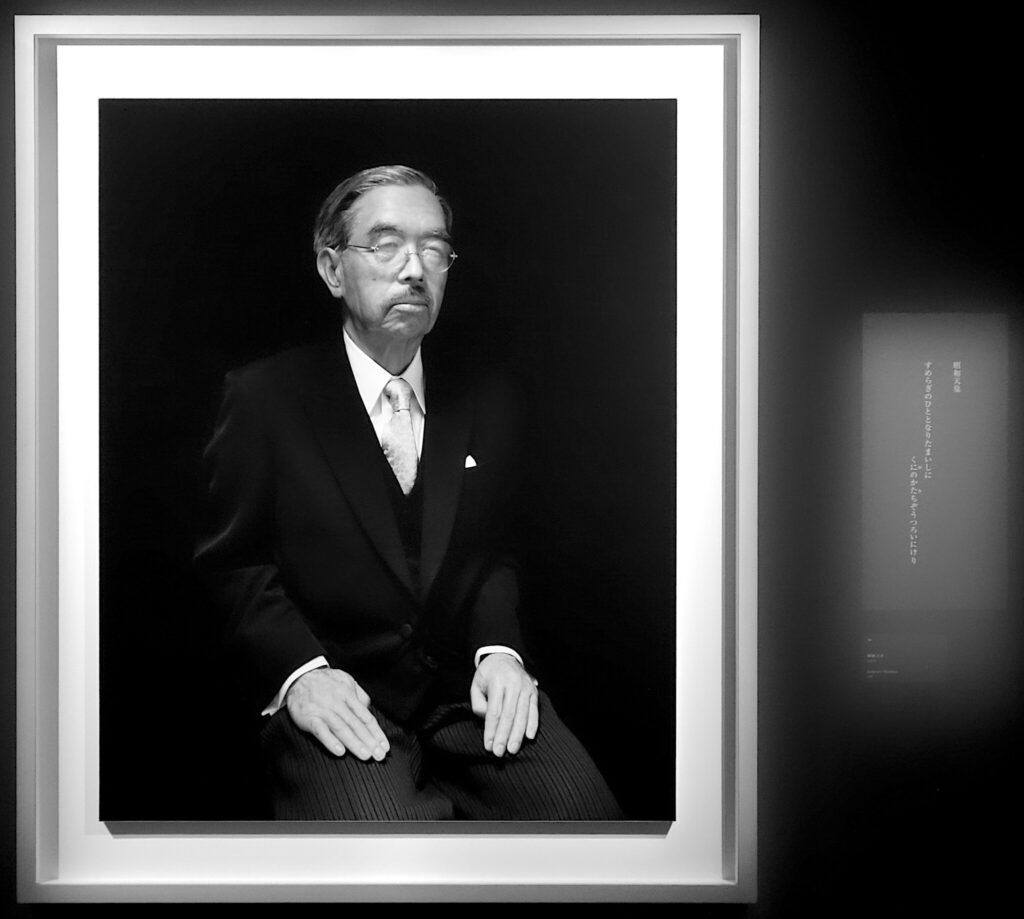
東京新聞夕刊一面に「アートで解く日本国憲法」という結構なお話が載っています。この本の元型は、1982年に小学館から出た『日本国憲法』です。ところが今回リバイバルしたこの『日本国憲法』、第一条天皇の見開きページに蝋人形の天皇裕仁の写真が載っているそうで、何とその写真が杉本博司ですって!この本、ぶち壊しですね。
前に書きましたが、文化功労者になった杉本博司は「国威発揚」に励むと言い、「縄文以来受け継がれてきた日本人の精神性」だけが行き詰まった現代日本社会の矛盾を打破出来ると言うバカ右翼です。
杉本博司が撮った裕仁の蝋人形写真を載せている時点で、この出版社の編集者は失格です。あるいはこの出版社は、あえて極右思想にイカれた杉本博司の写真を載せることで、天皇制にイカれた改憲別働隊 新9条論者に連動しているのでしょうか。
I am posting again about SUGIMOTO Hiroshi, who was named a ‘Person of Cultural Merit’ during the Abe era and who stated that he was ‘striving to promote national prestige’. ‘Contemporary art dedicated to promoting national prestige’ is another name for ‘Modern War Art’. A system has long since been established in which art world figures―who have become akin to a mafia―praise each other’s ‘second wave of war art’ amongst themselves, select artists and works that serve to ‘promote national prestige’, and exclude those who do not contribute to this cause.
17 April 2021
The front page of the evening edition of the Tokyo Shimbun features a rather interesting article entitled ‘Unravelling the Constitution of Japan through Art’. The original version of this book is *The Constitution of Japan*, published by Shogakukan in 1982. However, in this revived edition of *The Constitution of Japan*, it is said that the double-page spread on Article 1, concerning the Emperor, features a photograph of a wax figure of Emperor Hirohito (Emperor Showa) ―and, would you believe it, that photograph is actually of SUGIMOTO Hiroshi! This book is a complete shambles.
As I wrote previously, SUGIMOTO Hiroshi ―who was awarded the Order of Cultural Merit―is a foolish right-winger who claims to be dedicated to ‘promoting national prestige’ and asserts that only ‘the Japanese spirit passed down since the Jōmon period’ can resolve the contradictions of modern Japanese society, which he claims has reached an impasse.
The very fact that this book features a photograph of the wax figure of Emperor Hirohito taken by Sugimoto means the editors at this publishing house have failed miserably. Or perhaps this publisher is deliberately aligning itself with the ‘New Article 9’ advocates―a separate faction obsessed with amending the Constitution and fixated on the imperial system―by choosing to include a photograph by SUGIMOTO Hiroshi, who is himself obsessed with far-right ideology.
2017年10月26日
杉本博司が、文化功労者となって「国威発揚」に励むと言ったそうですが、腐った芸術商売人は金と権力にすり寄って、三流の商品芸術にメッキをしたがるんです。
津川雅彦と安倍晋三のもとで、縄文と皇国史観が接合されて、荒唐無稽なアナクロニズムが喧伝され、縄文学の権威の小林達雄までが権力にすり寄っていることは何度か書きました。杉本博司もコンプレックスの拠り所の、ありもしない日本の伝統としての縄文文明幻想に逃避しているのです。
杉本博司と一度会ったことがありますが、元々骨董屋の親爺で商売人です。文化功労者だの文化勲章だの叙勲だのは、金で買うか、政治屋の口利きで買いやすくするか、商売人の道具類です。いずれにしてもまともな芸術家は、糞の付いた金属板や紙切れを天皇から貰い、権威付けして喜ぶことなど恥ずべき奴隷のような愚行はしなかったのです。草間彌生が情けない本性をさらけ出して、キッチュな商品を権威付けて、かえって裏目に出たのもみっともないことをしたものです。
一部とは言えない在米在欧の在外日本人は、劣等感と個人主義への敵意の裏返しで、天皇だの日の丸だのにすがり、虚構としての「伝統」だの「文化」だのを過大に持ち出して、自分自身で確立できない自我と個人主義から逃れようとします。もともと思想や哲学を学ばない、多くの日本人芸術家とて同じことで、劣等感を誇大な日本礼賛に転化して、ありもしない虚構に逃避することになります。杉本博司も、その典型的な在外国家中毒病者だということですね。
『現代社会は矛盾を抱えて行き詰まり、打破できるのは縄文以来受け継がれてきた日本人の精神性だと訴える。「自然と共生することのできる文明、それは日本人の感性の中にあると思います』
26 October 2017
It is said that SUGIMOTO Hiroshi, having been awarded the Order of Cultural Merit, declared his commitment to ‘promoting national prestige’; yet corrupt art dealers are always fawning over money and power, eager to gild third-rate commercial art.
I have written on several occasions about how, under TSUGAWA Masahiko and ABE Shinzo, Jōmon culture and the imperialist view of history have been fused, resulting in the promotion of preposterous anachronisms, and how even KOBAYASHI Tatsuo, an authority on Jōmon studies, has been currying favour with those in power. SUGIMOTO Hiroshi, too, is taking refuge in the fantasy of Jōmon civilisation―a non-existent Japanese tradition―as a crutch for his insecurities.
I met SUGIMOTO Hiroshi once; he is, at heart, an old antique dealer and a businessman. Honours such as the Order of Cultural Merit or the Order of Culture are merely tools of the trade for him―either bought with money or made easier to obtain through the influence of politicians. In any case, a decent artist would never have committed such a shameful, slave-like folly as to accept a metal plate or scrap of paper smeared with excrement from the Emperor and rejoice in the authority it conferred. It was also a disgraceful act when KUSAMA Yayoi laid bare her pathetic true nature, attempting to lend authority to her kitsch merchandise, only for it to backfire.
A significant number of Japanese living in the US and Europe―and this is by no means a minority―cling to the Emperor and the Hinomaru as a reversal of their feelings of inferiority and hostility towards individualism; they exaggerate the importance of fictitious ‘tradition’ and ‘culture’ in an attempt to escape from a sense of self and individualism that they are unable to establish for themselves. The same is true of many Japanese artists, who have never studied ideology or philosophy; they transform their feelings of inferiority into exaggerated praise for Japan, thereby taking refuge in a non-existent fiction. SUGIMOTO Hiroshi, too, is a classic example of this ‘overseas national addiction’.
‘He argues that modern society is mired in contradictions and has reached an impasse, and that the only way to break through this is through the Japanese spirit that has been passed down since the Jōmon period. “I believe that a civilisation capable of coexisting with nature lies within the Japanese sensibility.”’
引用文の終わり。End of quotes.
結論として、杉本が写し出しているのは「生命のないもの」だけだと言える。そこには愛も、生きる喜びも、官能性も、(二人の子供がいるなのに)色鮮やかな子供たちの姿も感じられない。彼は、沖縄でデモを行う人々や、代々木公園でキスをする人々、あるいは居酒屋で大声で笑う人々を撮影することができないのだ。
杉本氏のダーク魂は、8×10というフォーマットによって破壊され、機能不全に陥っている。彼は24時間、たとえ寄生的なアート・コンセプトの文脈にあっても、どうすればさらに有名になれるかばかりを考えているのだ。
菊の天皇から文化勲章をもらう!
ご参考:
日本の文化を象徴する「菊」:アナルセックスと皇室の紋章、木村了子・アンディ・ウォーホル・トム・オブ・フィンランド
https://art-culture.world/cultural-essays/japanese-imperial-emblem-chrysanthemum/
彼の「詩/キャプション」や「作品リストを兼ねたチラシ」は、英語に翻訳されていない。東京国立近代美術館なのに!にっぽん人向けに日本語で書かれているだけ。これは意図的なものであり、彼がファシズムを内面化し、差別を行うことも厭わない姿勢であることを物語っている。
『日経新聞』への執着は、彼の資本主義的な、極めて好感の持てない性格を証明している。
杉本博司は質の悪い冗談だ。右翼の偽善者であり、愚か者だ。
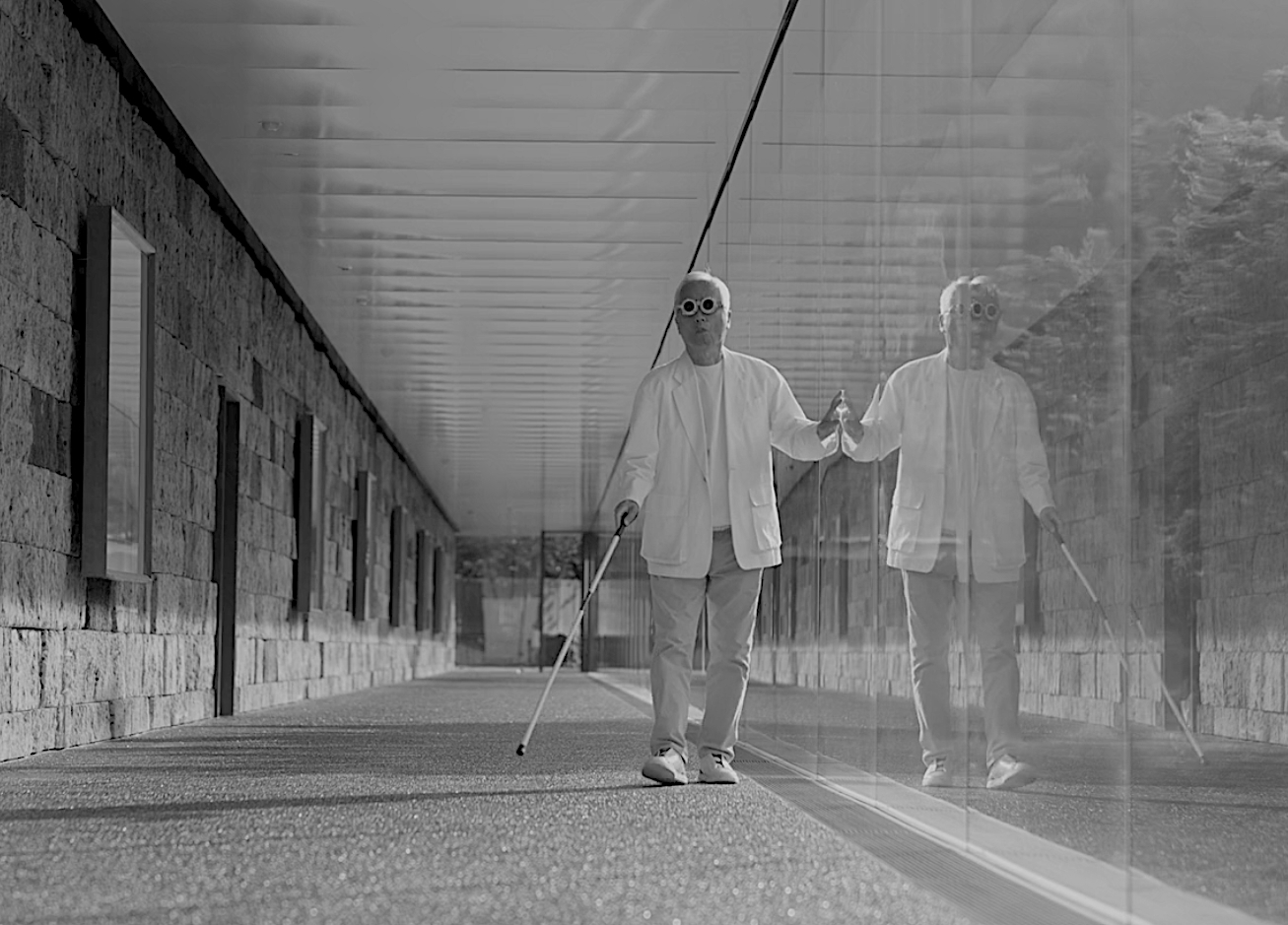
(CAMERA MAN BLUESの一コマより)
In conclusion, it can be said that Sugimoto projects only ‘lifeless’ images. One senses no love, no zest for life, no eroticism, no colourful children (despite having two). He is incapable of photographing people demonstrating in Okinawa, kissing in Yoyogi Park or laughing loudly in a Japanese pub (Izakaya).
Sugimoto’s soul has been destroyed by the 8×10 format; it is dark & dysfunctional. He spends 24 hours a day thinking: ‘How can I become even more famous, even within the parasitic context of art concepts?’
I want to get the Order of Culture from the Chrysanthemum Throne!
Check:
日本の文化を象徴する「菊」:アナルセックスと皇室の紋章
木村了子 KIMURA Ryoko ・アンディ・ウォーホル Andy WARHOL ・トム・オブ・フィンランド Tom of Finland
https://art-culture.world/cultural-essays/japanese-imperial-emblem-chrysanthemum/
His ‘poems / captions’ and his ‘list-of-works flyer’ have not been translated into English. It’s the National Museum of Modern Art, Tokyo! Only Japanese for Japanese people. This is deliberate and testifies to his internalised fascism and willingness to discriminate.
His fixation on the Nikkei Shimbun (Newspaper) proves his capitalist-minded, extremely unsympathetic character.
SUGIMOTO Hiroshi is a bad joke. A right-wing hypocrite, a dumb person.
Galapagos (my visit in the ’80s) – Kōenji, 9/11 令和 Reiwa 8
亜 真里男 Mario A
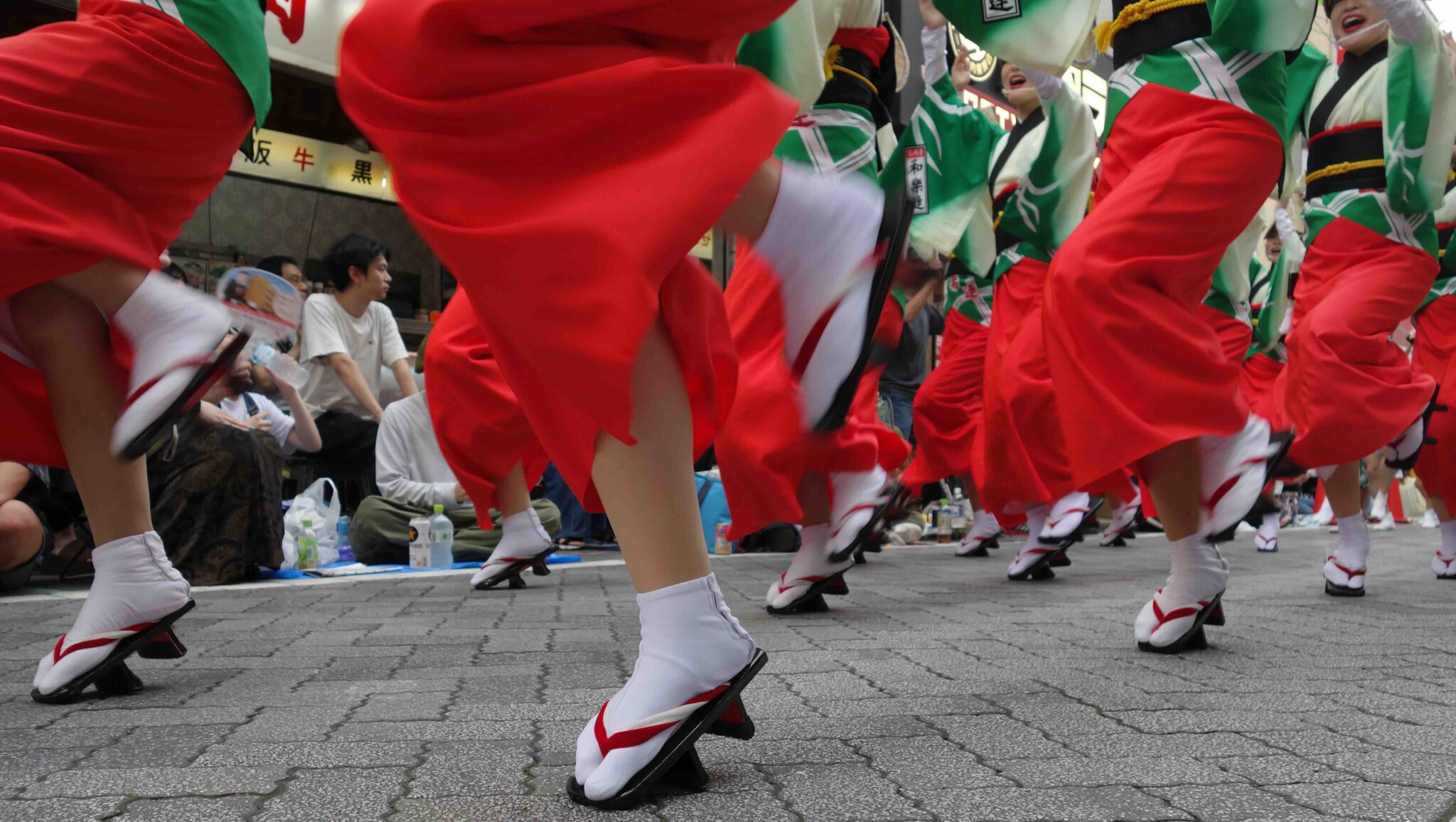
from:
愛 ラブ ザ・KOENJI! 高円寺 ❤️!
https://art-culture.world/jp-society/koenji/
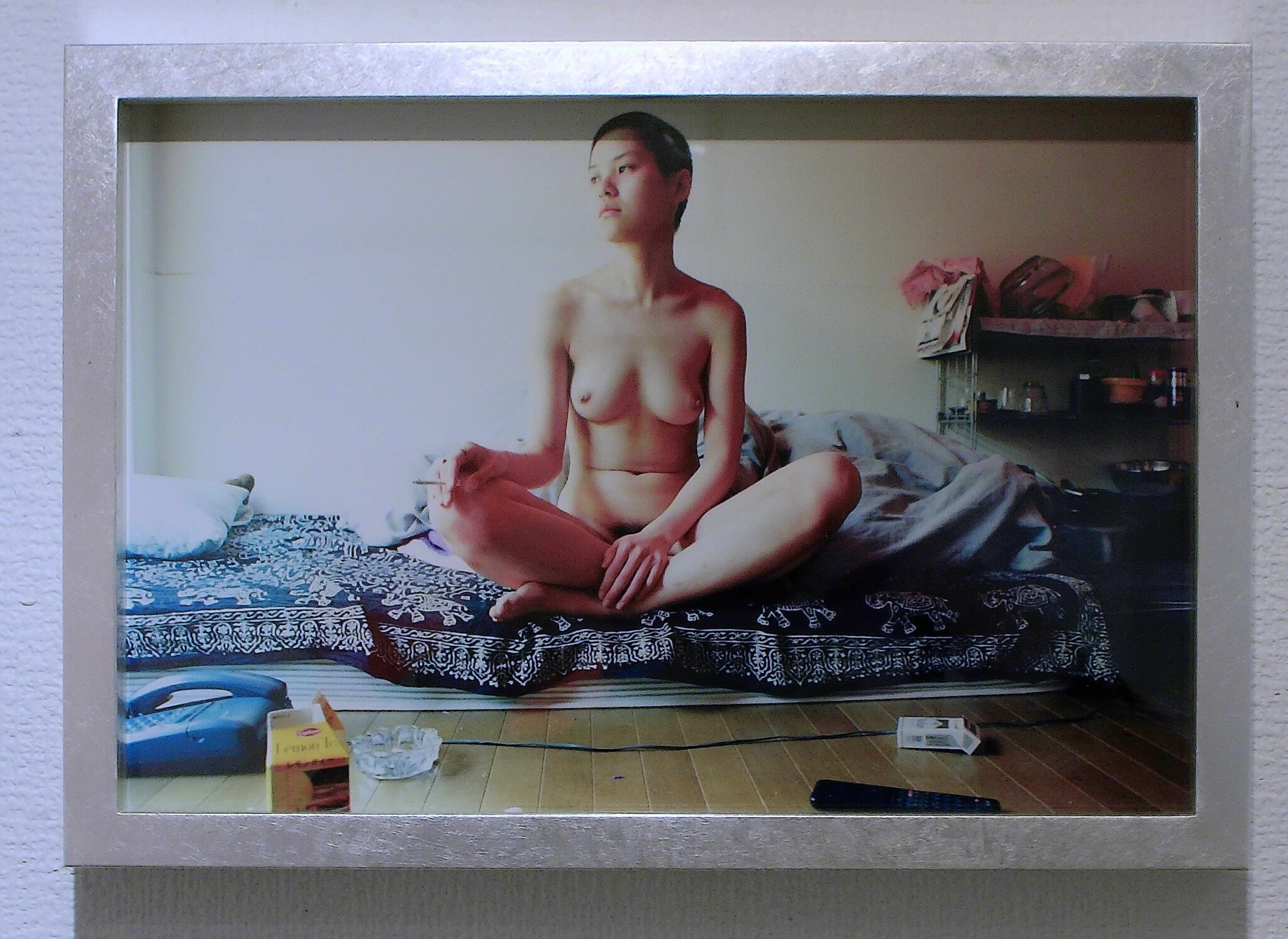
from:
とても好き、尊重している長島有里枝 @ 「I’m So Happy You Are Here」
NAGASHIMA Yurie — someone I deeply admire and respect @ “I’m So Happy You Are Here”
https://art-culture.world/reviews/happy-you-are-here-nagashima-yurie/