アーティストの役割について語るデイヴィッド・ホックニー (1937-2026) David Hockney (1937-2026) on the Purpose of Artists
All pictures and texts have to be understood in the context of “Creative Commons Attribution Noncommercial-NoDerivative Works.” ここに載せた画像やテクストは、すべて「好意によりクリエーティブ・コモン・センス」の文脈で、日本美術史の記録の為に発表致します。 Creative Commons Attribution Noncommercial-NoDerivative Works, photos: cccs courtesy creative common sense
The Guardian:
David Hockney, revolutionary British artist, dies aged 88
David Hockney, the iconic British painter who cast a revolutionary gaze across 20th-century art, has died aged 88.
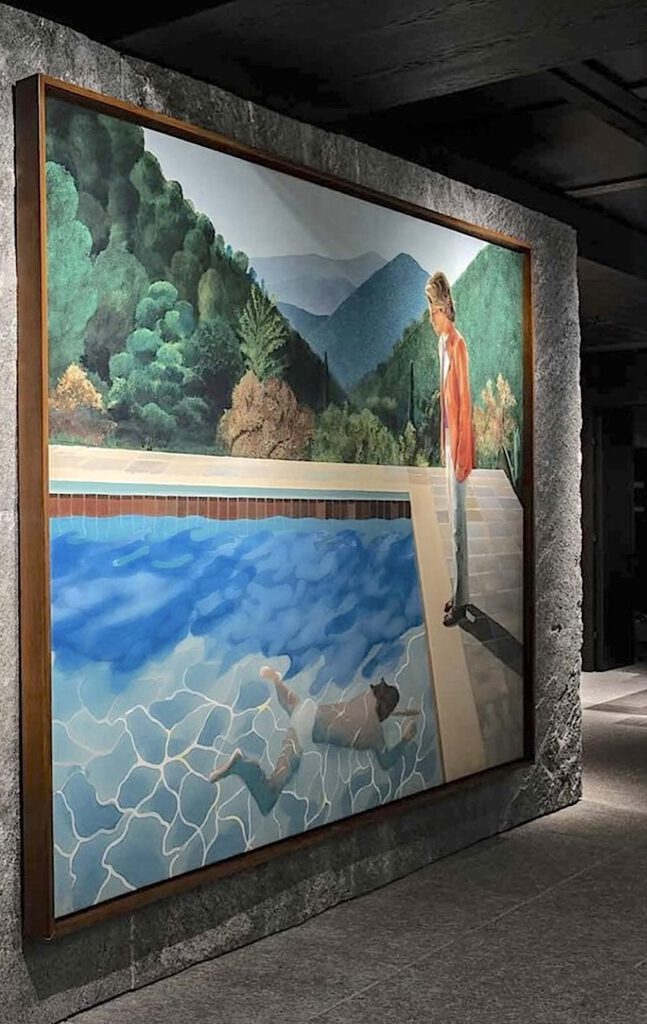
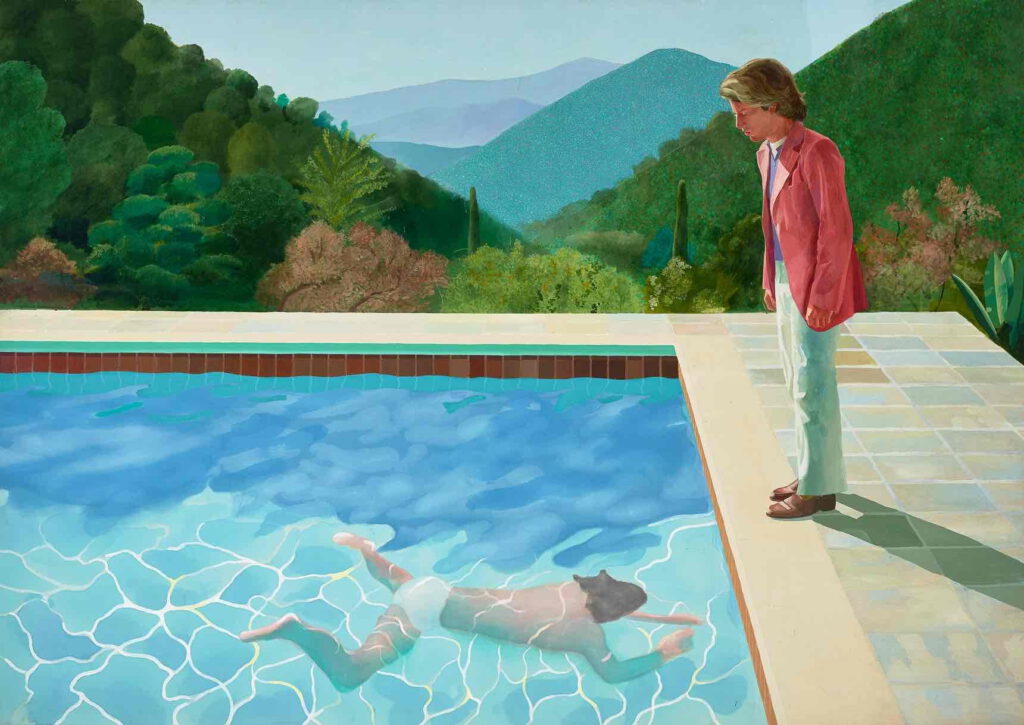
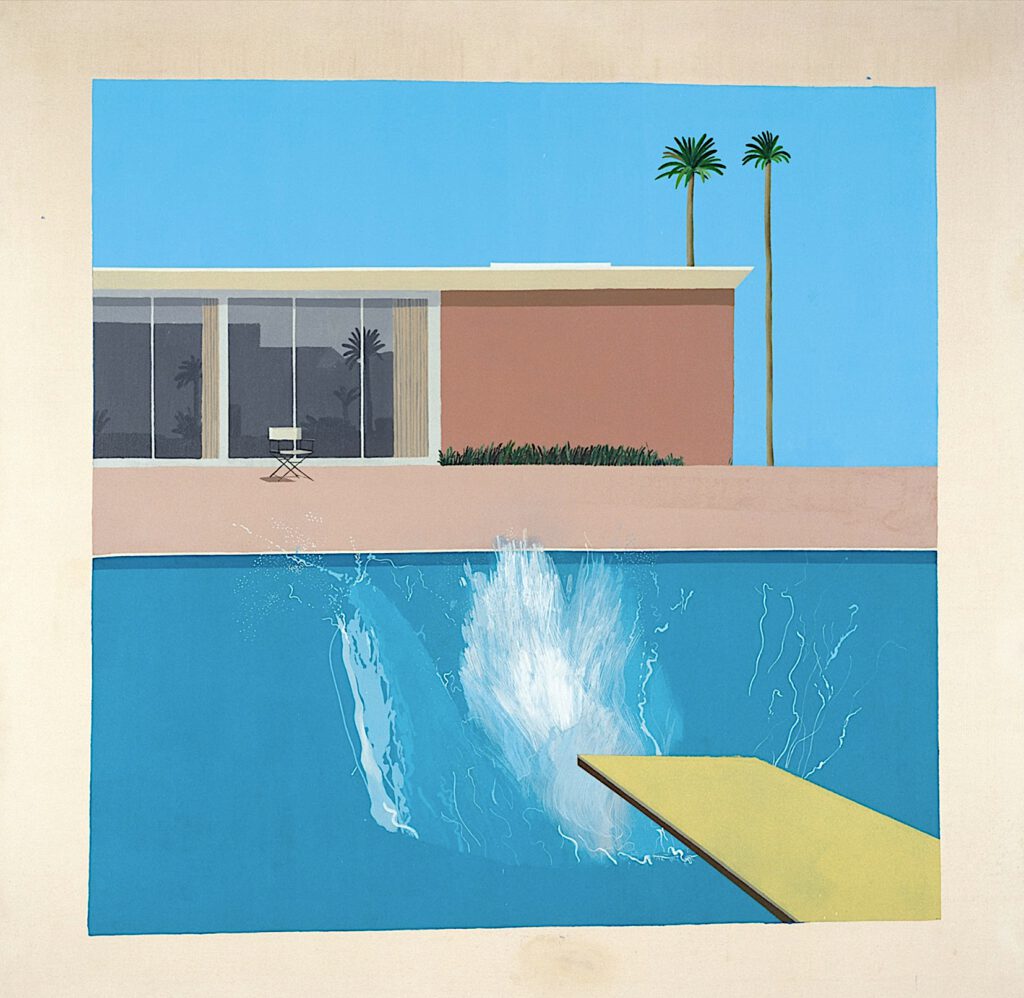
He made his name as a pop artist during the swinging 60s and was perhaps best known for his paintings of swimming pools that helped define the Los Angeles aesthetic. Works such as A Bigger Splash and Portrait of an Artist (Pool With Two Figures) depicted hedonistic scenes of love, lust and loss taking place below the city’s sun-soaked skies.
But Hockney’s six-decade career cannot be defined by a single era. He produced perspective-shifting portraits using photo-collage, experimented with abstract landscape painting and, in later life, investigated the possibilities of creating artworks out of emerging 3D technology.
Born in Bradford in 1937, Hockney was the fourth of five children in what he described as a “radical working-class family”. His parents encouraged their son’s early artistic promise. He studied art at Bradford College and sold his first painting – a portrait of his father – for £10 at the Yorkshire Artists Exhibition in 1957.
As a conscientious objector, he completed his two years of national service as a hospital orderly before enrolling at London’s Royal College of Art in 1959. He swiftly gained a reputation as a unique talent, albeit one with a rebellious streak. His refusal to paint a life drawing of a female model almost stopped him from graduating – pointedly, he submitted Life Drawing for a Diploma, which depicted a muscular male figure from an American physique magazine. Hockney also declined to write an essay required for the final examination, believing he should be assessed solely on his artworks. The RCA, aware of the talent it was fostering, bent its rules so it could award him the diploma.
It was the start of a career in which Hockney had no qualms about challenging conservative society. His 1961 painting We Two Boys Together Clinging, named after a Walt Whitman poem, was an early indicator of that. Works that followed, such as 1962’s Cleaning Teeth, Early Evening (10pm) W11, with its phallic Colgate tubes and chains, would depict gay life with an honesty and openness that was almost completely at odds with a Britain in which homosexuality remained a criminal offence until 1967.
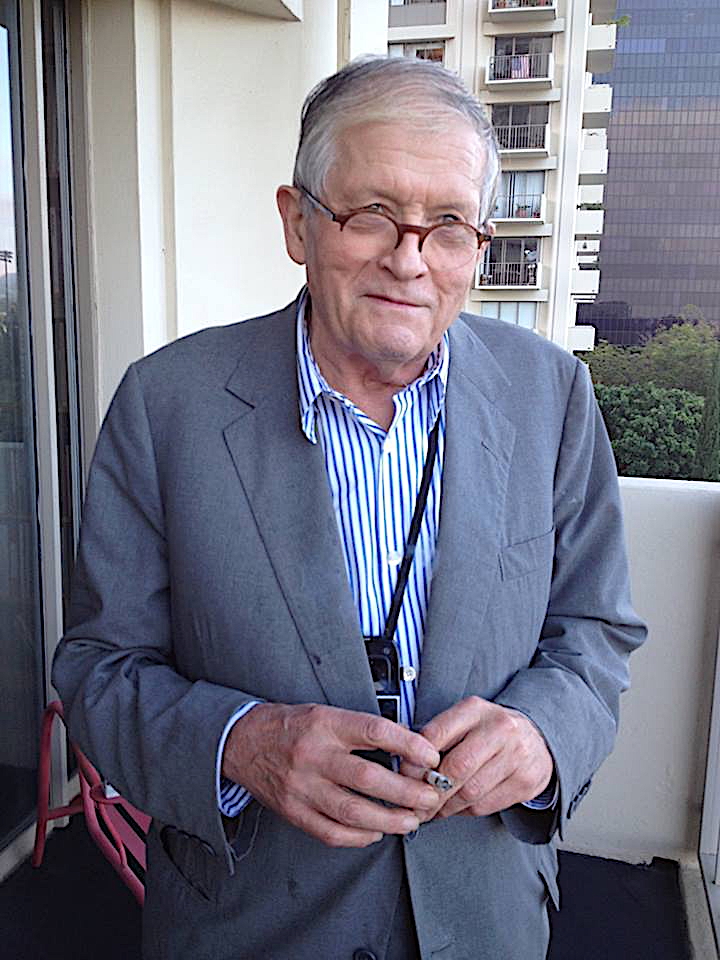
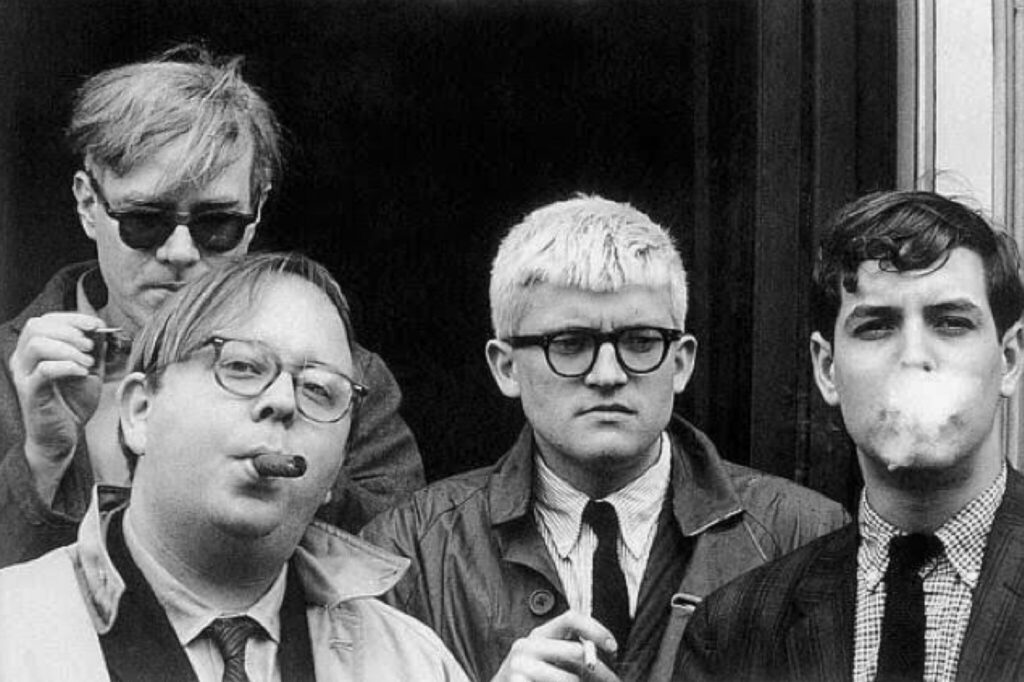
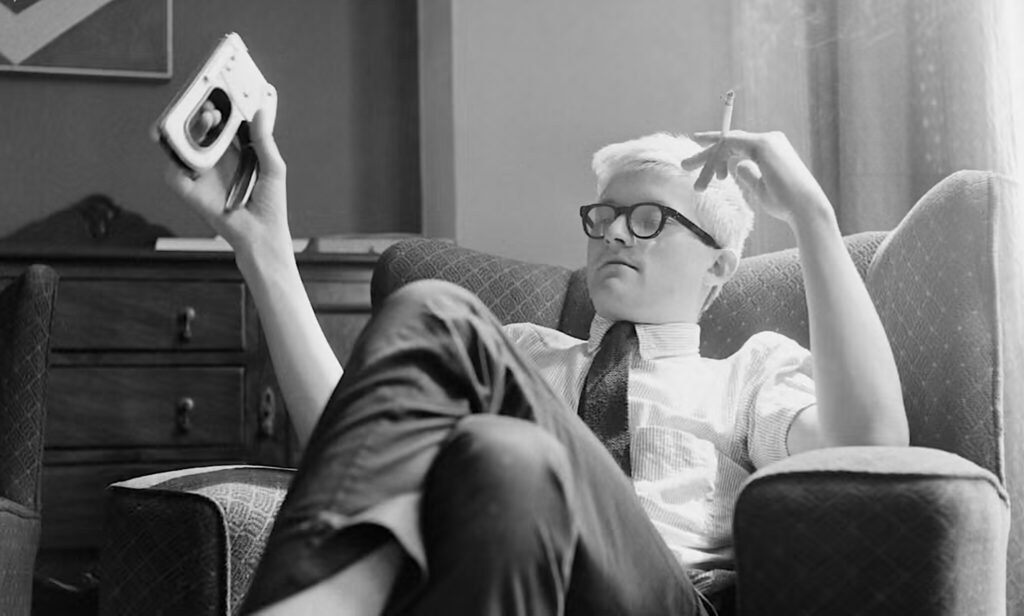
With his signature bleach-blond hair, round, thick-rimmed spectacles and cigarette dangling from his lip, Hockney became a figure on the 60s party circuit in London and the US. He partied with Andy Warhol, Ossie Clark and Dennis Hopper, earning himself a reputation as a playboy and a flâneur. Yet while he indulged in the pleasure-filled life of a drug-taking bohemian, he never lost sight of his strong Yorkshire work ethic. Even after a stroke in 2012, which temporarily impaired his speech, he continued working.
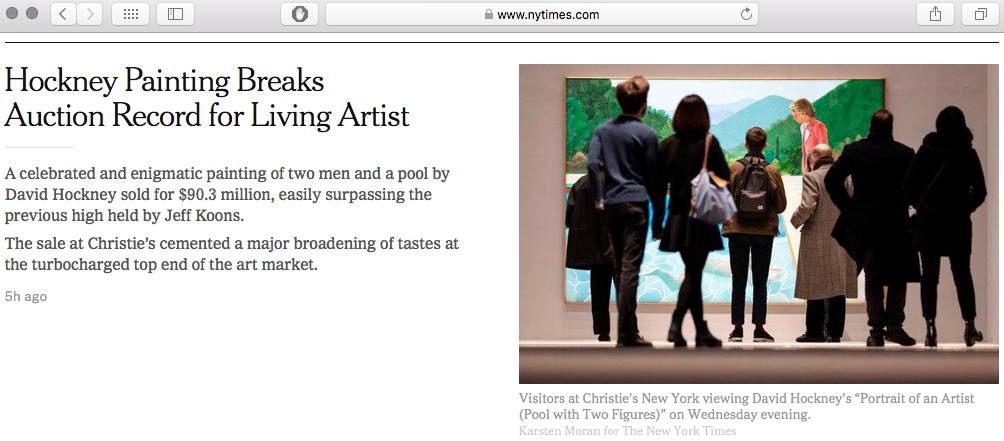
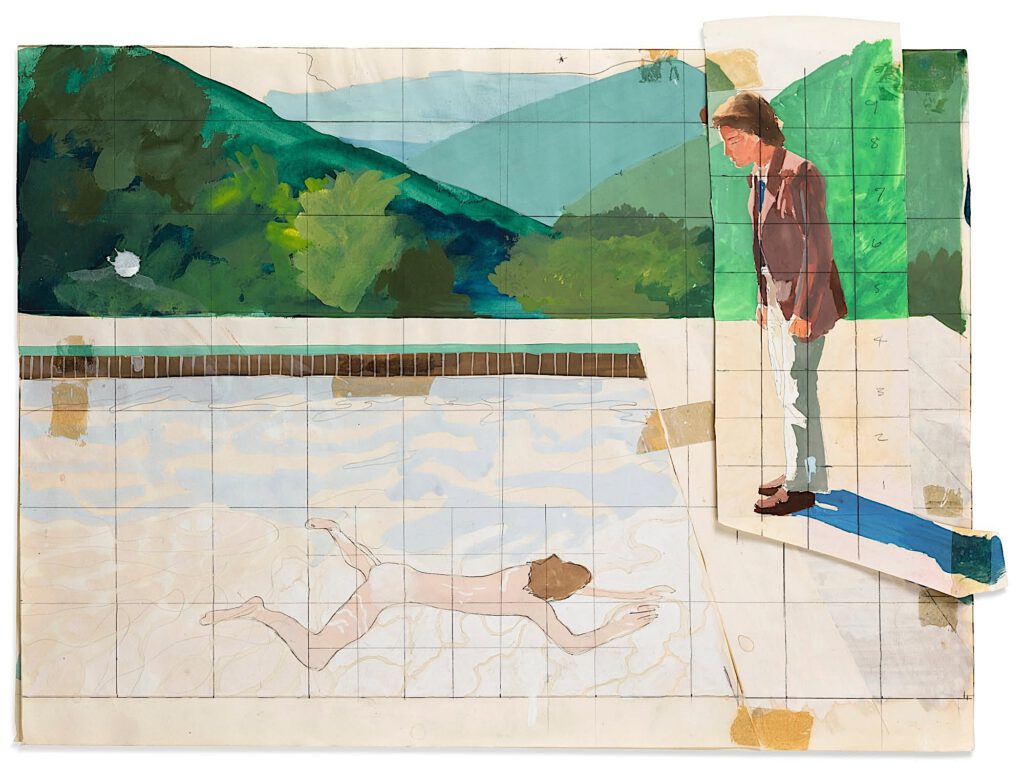
After moving to LA in the mid-60s, his more mature and restrained works garnered acclaim for their ability to transport deep and complex emotions on to the canvas. Man in Shower in Beverly Hills (1964) found the artist hitting his stride as he developed towards a more realist style. In November 2018, Hockney’s 1972 masterpiece, Portrait of an Artist (Pool With Two Figures), sold for $90.3m (£70.2m) at Christie’s, a world record for a living artist at the time. The work, inspired by Hockney’s breakup with his lover, enraptured critics, including the Guardian’s Jonathan Jones, who described it that same year as “a calm distillation of love and sorrow”.
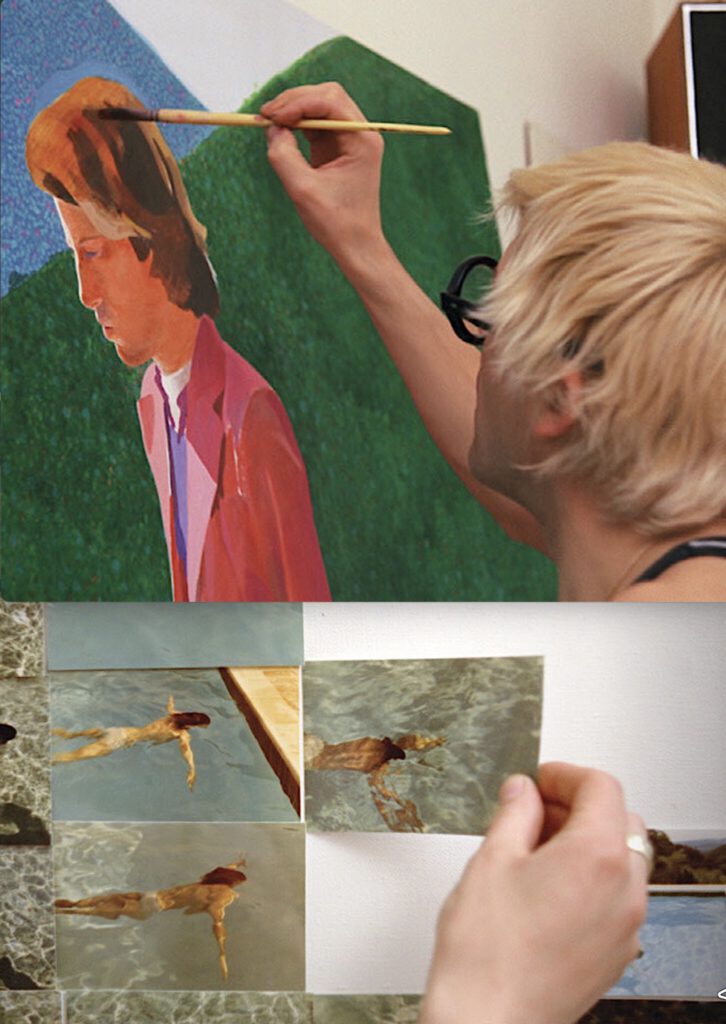
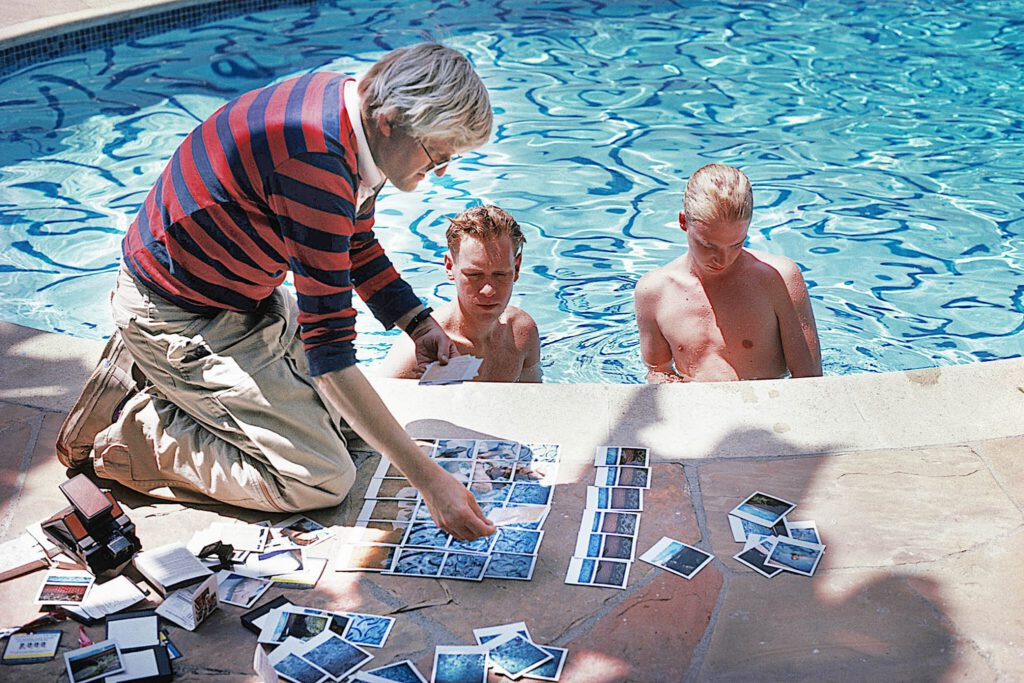
While working on one of his LA paintings, Hockney took a series of reference photographs on a Polaroid camera and accidentally stumbled on the next stage of his career: photocollage, or “joiners” as he would term them. Through assembling multiple photographs together, Hockney could explore his fascination with perspective. The portraits he created of his mother and the British art dealer John Kasmin exhibited a strong cubist influence that drew comparisons with his idol, Picasso.
In later years, Hockney experimented in many new areas including set and costume design for operas and ballets. Developing technology fascinated the artist: as his career evolved, his art made use of the photocopier, the fax machine, the printer and the iPad – the latter allowing him to create reams of digital paintings that he would excitedly email friends and acquaintances. But his technological interests always came back to one thing: “I’m really only interested in technology that is about pictures,” he told Interview magazine in 2013. “I’m interested in anything that makes a picture.”
An avid smoker all his life, Hockney maintained that cigarettes had been beneficial to his mental health. Writing in the Guardian in 2007 he called the UK’s imminent smoking ban “the most grotesque piece of social engineering”.
He had moved back to Yorkshire from Los Angeles in 2005, but in 2013 tragedy struck when his 23-year-old assistant Dominic Elliott was found dead at his Bridlington home. Elliott had been found to have consumed household drain cleaner after taking a range of recreational drugs including ecstasy and cocaine. A coroner ruled that Elliott had died as a result of misadventure. Hockney said that for a period he had considered giving up art altogether, as he was unable to draw in the wake of Elliott’s death.
Hockney is believed to have turned down a knighthood on several occasions and once declined an invitation to paint a portrait of the queen. His iconoclasm found its way into the 2001 book Secret Knowledge: Rediscovering the Lost Techniques of the Old Masters, in which he challenged much established thinking regarding how the great paintings of the past may have been created. It managed to both enrage and enrapture critics and art historians.
“Teaching people to draw is teaching people to look,” he told the Yorkshire Post in 2018. And his art undeniably had a profound effect on the way we viewed the 20th century – not that he would necessarily have seen it that way.
“I don’t reflect too much,” he told the Guardian’s Simon Hattenstone in 2015. “I live now. It’s always now.”
https://www.theguardian.com/artanddesign/2026/jun/12/artist-david-hockney-dies
デヴィッド・ホックニーの代表的なインタビューを添付させていただきますね。2014年のWall Street Journal、日本語への翻訳。
アーティストの役割について語るデヴィッド・ホックニー
77歳の英国人アーティスト、デヴィッド・ホックニーは、ほぼ耳が聞こえなくなり、かつてロンドンの「スウィンギング・シックスティーズ」のシーンに鮮烈なデビューを飾った頃のライフスタイルを維持することはできなくなっている。
それでもなお、彼には創作への衝動が湧き上がっている。
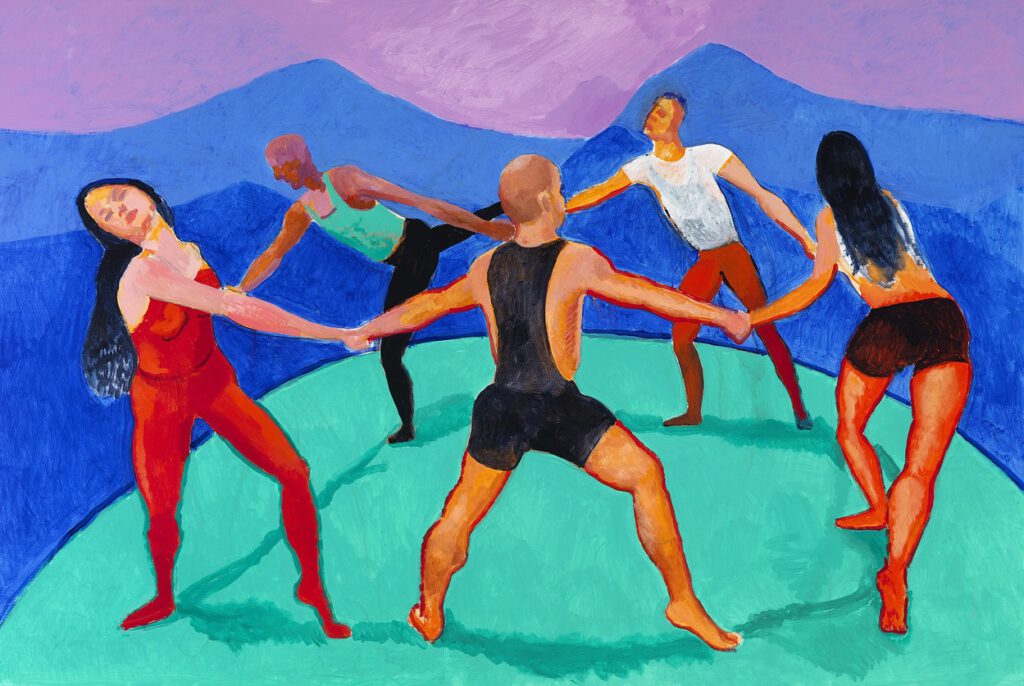
「描くことへの喜びと衝動は、4万年もの歴史を持つ太古の衝動だ」とホックニー氏は最近のインタビューで語った。これは、モダンダンサーを描いた新作絵画について言及したもので、フランスの巨匠アンリ・マティスの「ダンス」シリーズを基にしている。マティスの晩年の切り絵作品は現在、ニューヨーク近代美術館(MoMA)の展覧会で展示されている。
現在、ニューヨークのペース・ギャラリーで開催中の展覧会(1月10日まで)では、ホックニー氏のiPadで部分的に制作された17点の新作絵画と5点の写真ドローイングが展示されている。ペース・ギャラリーは価格の公表を控えているが、これは、大物アーティストでありながら、晩年の作品がコレクターからそれほど求められていない場合によく見られるギャラリーの戦略である。
ホックニー氏のオークション落札価格もこれを裏付けている。アートネットのデータによると、彼の最高額作品100点のうち、過去15年間に制作されたものはわずか6点に過ぎない。
53年に及ぶ自身のキャリアを振り返り、彼は、マティスとは異なり、1960年代から70年代にかけて描いたジェットセッターやプールを題材とした初期の絵画で最も記憶されることになるかもしれないと語った。
「そのことは承知しているが、あまり気にしていない」とホックニー氏は語った。「今やっていることは、正当な活動だと思う」
同氏は『ウォール・ストリート・ジャーナル』紙に対し、金髪の人々、偶像、そして社交としての絵画について語った。編集済みのインタビューは以下の通りである。
芸術家の目的とは何でしょうか?
人々に「見る」ことを促すことです。多くの人は、本当の意味で「見て」はいません。目の前の地面をざっと眺めることはあっても、それほど真剣には見ていないのです。
ゲルハルト・リヒターをはじめとする多くの著名な芸術家が、具象から抽象へと移行しているにもかかわらず、あなたは一貫して抽象芸術の制作を拒んできました。なぜですか?
最初の洞窟人が壁に何かを描いたとき、そこにはもう一人の人がいたのだと私は考えています。そして彼が壁に何かを描いた時、もう一人の人はうなり声を上げて言ったのです。「そんなもの見たことある!間違いない!」彼は自分の世界にある何かを描いたのです。それが原始人のやったことであり、絵を作るためには今もそうしなければならないのです。十戒の第二戒では「偶像を作ってはならない」とされていますが、私たちは作ってしまうのです。そのほとんどは、かなり退屈で、すぐに忘れ去られてしまうものだ。だが、中には素晴らしい作品もいくつかある。
これらの作品は、ロサンゼルスのアトリエで制作されたものですね。最近最も人気のある、ヨークシャーの自宅周辺の風景画とは、かなり趣が異なります。なぜこれほどまでにロサンゼルスに焦点を当てているのですか?
私はほとんど毎日制作に集中しているので、あまり家を出ないんだ。仮に外に出たとしても、どこへ行くというのか?今は耳が遠すぎて、外に出られないし。
そのせいで悲しくなっていましたが、受け入れるしかありません。補聴器に直接つながる特別な電話を使えば、それなりに聞こえるんです。
でも、大丈夫です。たくさん本を読んでいます。第一次世界大戦に関する本を5冊読みましたが、中でもマーガレット・マクミランの『平和を終わらせた戦争』が最高でした。
つまり、友達を描くことが社交の手段になっているんですね?
今は、絵を描くことが私の社交の場になっています。人々がここに来て、時には夕食まで一緒に過ごすこともあります。相手が近くにいれば、一対一で話す声は聞こえます。でも、レストランに行くには耳が不自由すぎて無理なんです。聴力が低下していくのは、じわじわとした過程でした。もっと悪くなるとは言われていましたが、この1年で状況は一気に悪化しました。私はとても静かな世界に生きています。BGMは好きじゃないし、昔からそうでした。静けさが必要なんです。
ニューヨークでは、自分のセクシュアリティを探求し、髪をプラチナブロンドに染めましたね。
ええ、だってブロンドの方が楽しいから! ずっとずっと楽しいの。当時まだ23歳くらいで、ニューヨークで出会った人たちが、私がゲイであることを自然に受け入れさせてくれたの。自分がゲイだということはずっと自覚していたわ。両親には公には言わなかったけど、彼氏をみんな家に連れて帰ったもの。結局、両親もそれを受け入れてくれたわ。
最近はニューヨークでどんなことを楽しんでいますか?
都会の喧騒は私にはちょっときつすぎるね。ホテルの部屋にこもって、本を読んだりタバコを吸ったりするのが好きなんだ。今じゃ、本当のボヘミアンな雰囲気なんてないよ。それにタバコ! どこで吸えばいいんだ? 社会的なプレッシャーのせいで、多くの人がやめてしまった。まあ、僕は耳が遠すぎて、そんなことできないけどね。
今でもお酒やタバコは楽しんでいますか?
お酒は20年も飲んでいません。もう飲めないんです。膵炎になりやすいので。カフェインもやめました。それ以来、膵炎にはなっていません。
タバコは62年間、毎日吸い続けています。11歳くらいで始め、18歳から本格的に吸い始めたのを覚えています。タバコが吸える限り、お酒は断っても構いません。
それに、ここではマリファナも吸えます。店に行って買ってくるだけです。お酒は飲まないので、時々夕方に少し吸います。
その状態で絵を描くことはない。ただ魅力的で、無害なものだ。「酔っ払った暴徒」なんてものはあっても、「ハイになった暴徒」なんてものは存在しない。
神を信じますか?
無神論者ではないが、組織化された宗教の支持者でもない。宗教を法律で規制することはできない。常にこの疑問がある。「死んだらどうなるのか?」と。
30歳の頃はあんなにエッジの効いたパーティー好きだったのに、今は落ち着いているのは変ですか?
実際に絵を描いている時は、また30歳に戻ったような気分になります。絵を描くのをやめて初めて、もうそうではないと気づくんです。
David Hockney on the Purpose of Artists
Nov. 25, 2014
http://www.wsj.com/articles/david-hockney-on-the-purpose-of-artists-1416947966
David Hockney’s California (1965): ‘it was all so sexy’
Not only did Los Angeles offer the artist endless sunshine and untapped subject matter when he flew in from Britain almost 60 years ago — it also presented him with an erotic freedom that had been forbidden in his native land
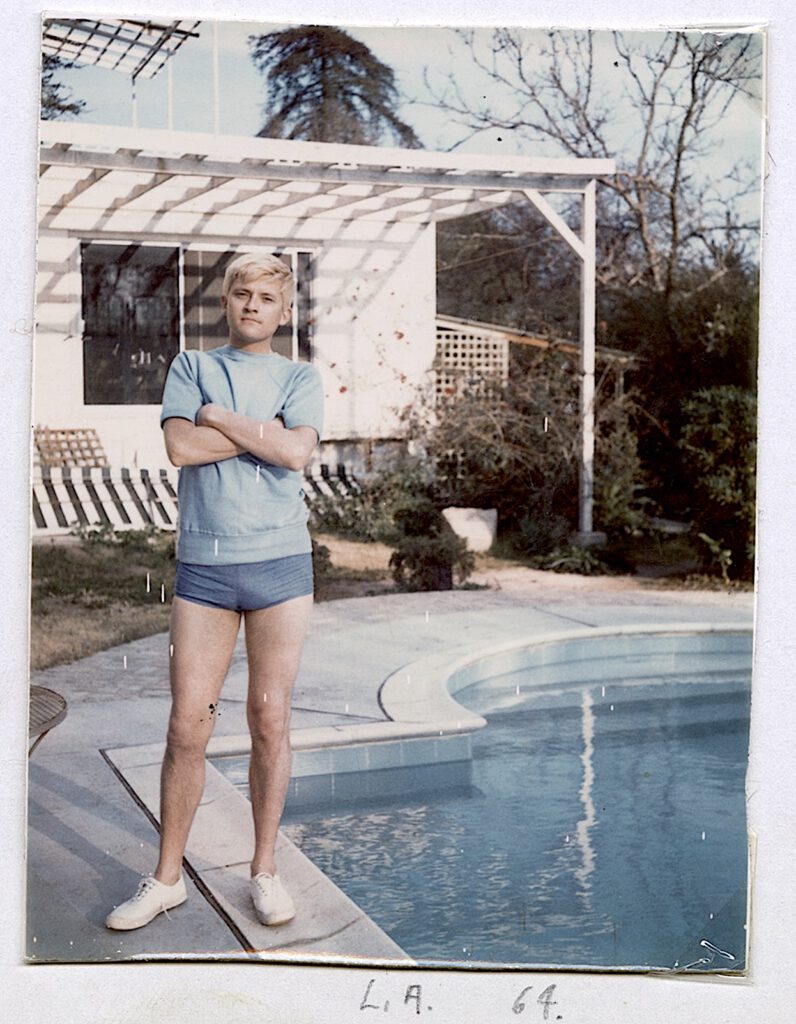
In 1964, David Hockney left London for California. Having graduated from the Royal College of Art in 1962, he had saved up enough money from selling his paintings to live in Los Angeles for a year. Upon arrival he fell in love with the city’s dazzling brightness: the hummingbirds hovering in the palm trees, the hot sun burning in the blue sky, the swimming pools the colour of Frank Sinatra’s eyes.
It occurred to Hockney that the affluent Los Angeles suburbs had rarely been represented in art. He resolved to become the Piranesi of Santa Monica and Beverly Hills. Where the 18th-century artist had drawn Rome as a Gothic fantasy for European travellers, Hockney painted Los Angeles as the ordinary person’s dream of utopia. Everything is perfect: white recliners on sun-baked terraces, lithe bodies floating in rectangular pools, ornamental trees rising from the brown earth next to light-hearted parodies of Le Corbusier and Frank Lloyd Wright.
California (1965), which is offered in the 20th/21st Century: London Evening Sale on 7 March 2024, is one such painting. Made on a brief trip back to the UK in the winter of 1965, it is a picture of colour and warmth. The hint of magic is in the melting together of bodies and water. It all feels a little light-headed, like a summer romance in the fierce heat.
Hockney’s early career had been shaped by the criminalisation of his sexuality. It was not until 1967 that homosexuality was legalised in the UK. The permissive atmosphere of California in the mid-1960s represented liberation to the young artist. On arriving in Los Angeles, Hockney was introduced to the literary and artistic gay scene by the gallery owner Nick Wilder, and he had no trouble fitting in, becoming great friends of the novelist Christopher Isherwood and the painter Don Bachardy. ‘I thought it was all so sexy,’ he recalled, ‘all these incredible boys. Everybody wore little white socks then, and it’s always sunny.’
Almost immediately, the careful tonal control that had typified Hockney’s English paintings gave way to brilliant purples, greens and yellows. He delineated his sexuality as firmly as any other object in his paintings, be it a glass table or a pot plant. The source material for California is an American fitness magazine known for its homoerotic imagery. As the novelist Edmund White commented, Hockney ‘took up gay subject matter before anyone else, and the amazing thing is that he got away with it’.
California forms part of Hockney’s first Swimming Pool series, made between 1964 and 1967, which also includes A Bigger Splash (1967). Much of the series was focused on the representation of moving water, something the artist found intellectually stimulating.
‘The idea of painting moving water in a very slow and careful manner was (and still is) very appealing to me,’ he has said. ‘It is a formal problem to represent water, to describe water, because it can be anything — it can be any colour, it’s movable, it has no set visual description.’
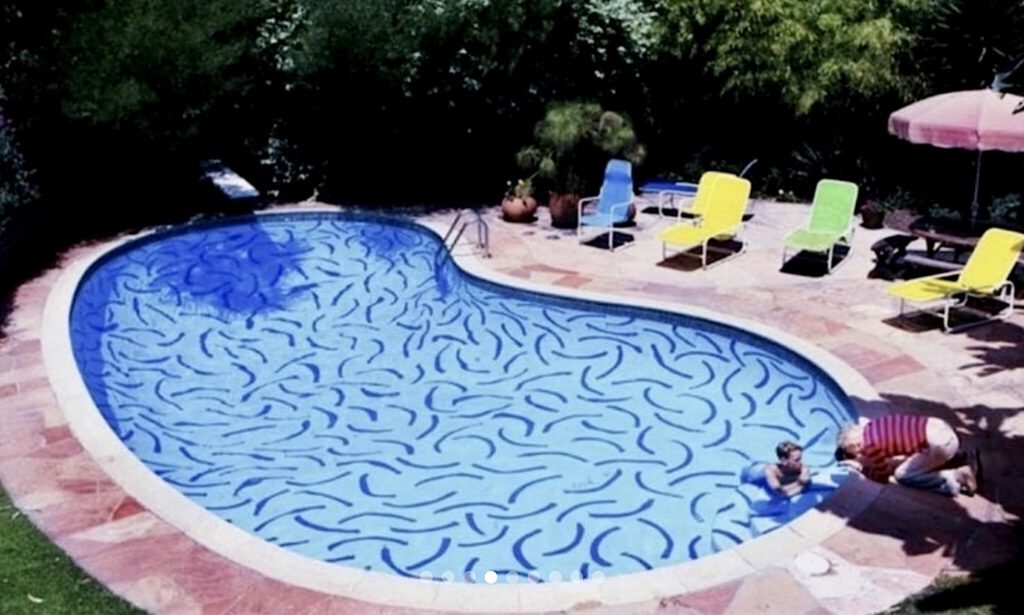
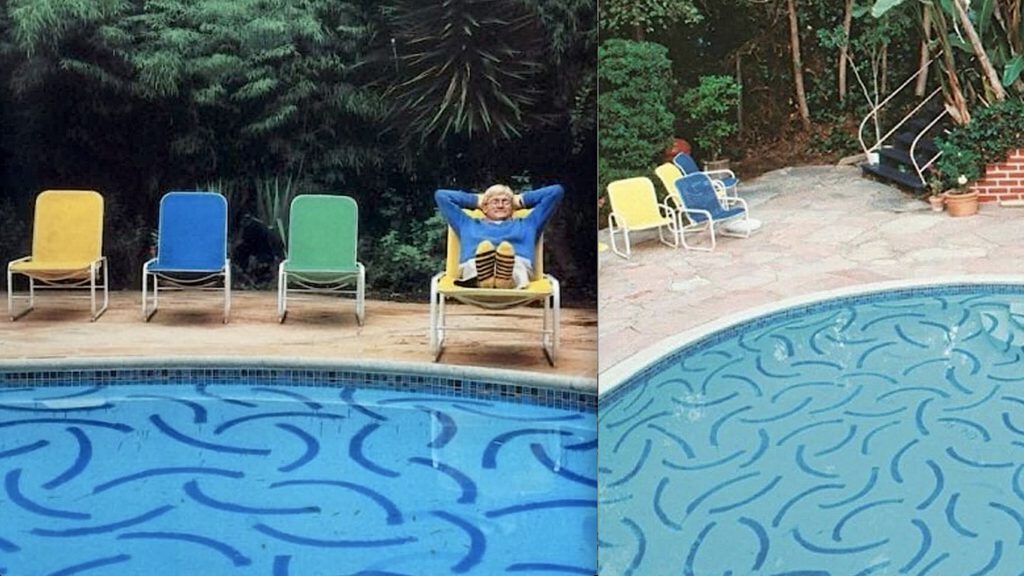
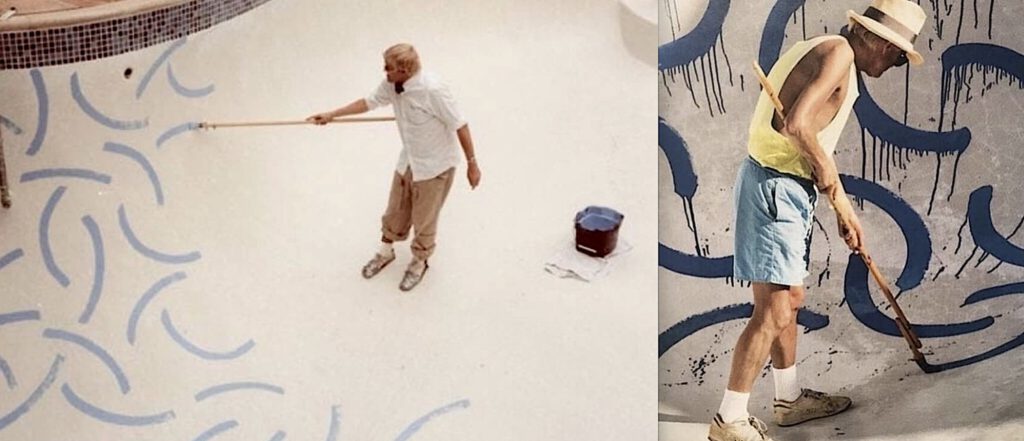
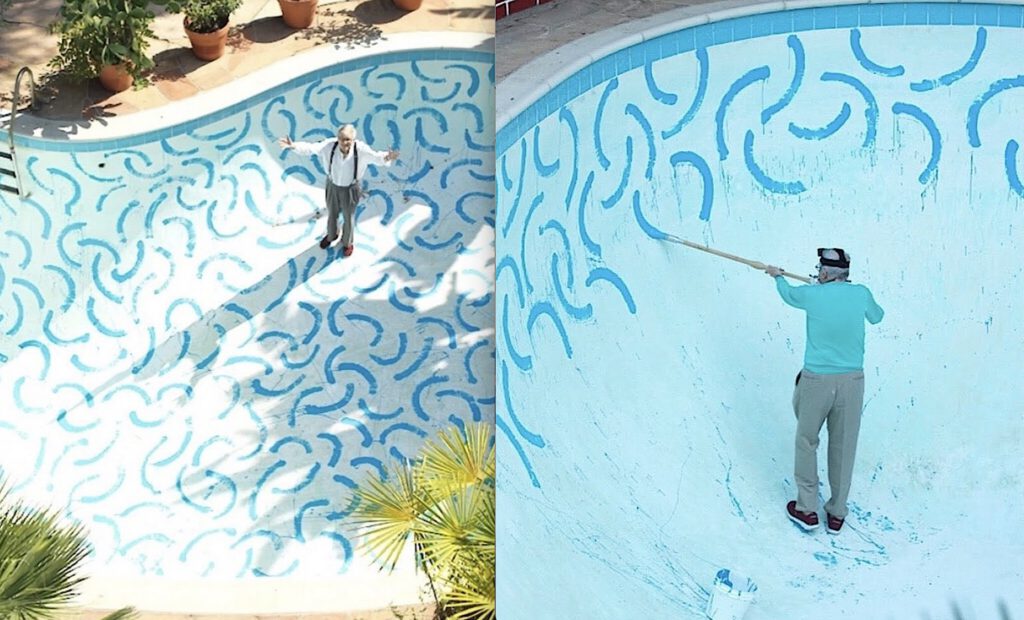
His solution was to approach it abstractly, painting wavy lines in a similar manner to Jean Dubuffet’s Hourloupe cycle. Those meandering blue swirls added to the heady atmosphere of sexual liberation — perhaps because the dark lines in a pool are usually straight, marking out the lanes for swimmers. Here they travel free, suggesting there is no need to follow the rules. When Hockney later bought a house with a swimming pool, he painted its base in a riot of blue swirls.
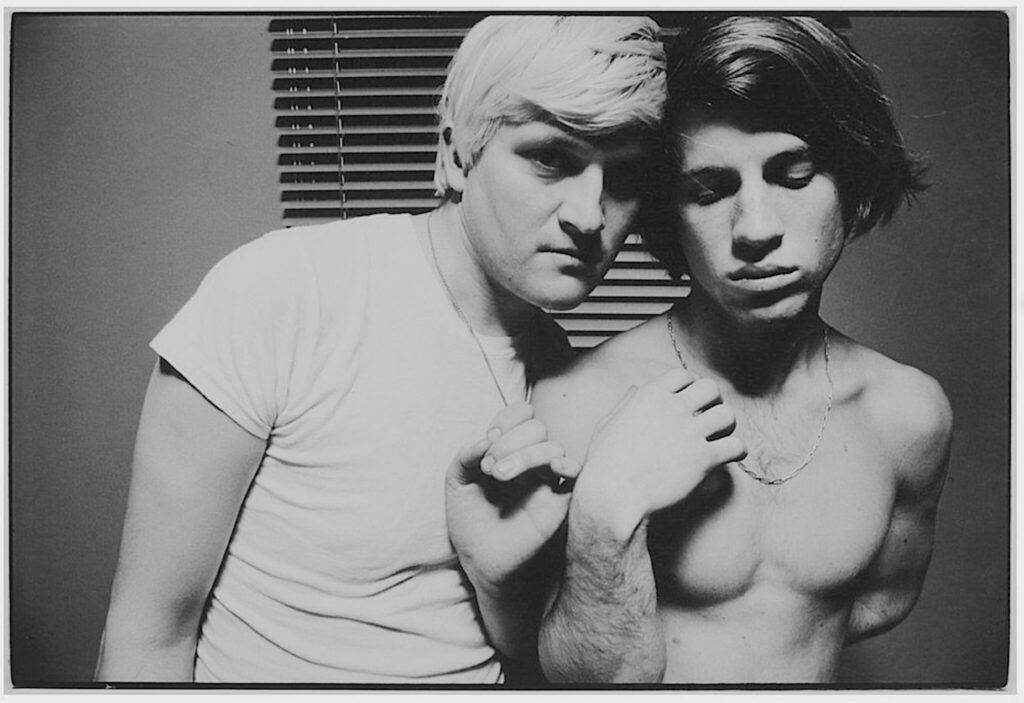
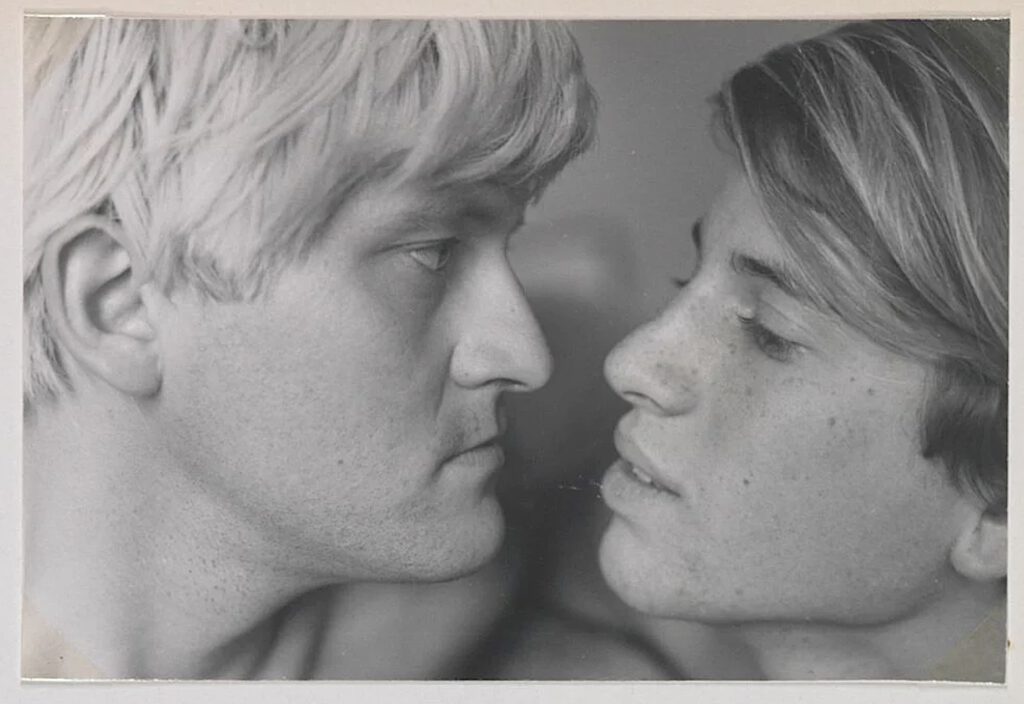
The artist returned to the subject of swimming pools in the early 1970s, during the break-up with his lover, Peter Schlesinger, and it was during this time that he painted the famous work Portrait of an Artist (Pool with Two Figures). The subject took centre stage again in 1978, in the collage series Paper Pools, depicting the printmaker Kenneth Tyler’s swimming pool in upstate New York.
In many ways, swimming has always felt more of a mood than a sport, and Hockney paints it as such. In those cool, glassy surfaces he captured an aspirational lifestyle, the red frame of California suggesting a window waiting to be climbed through. Hockney wedged his foot in the crack, and let everyone in.
https://www.christies.com/en/stories/david-hockney-california-1965
https://www.facebook.com/reel/1710421376660781
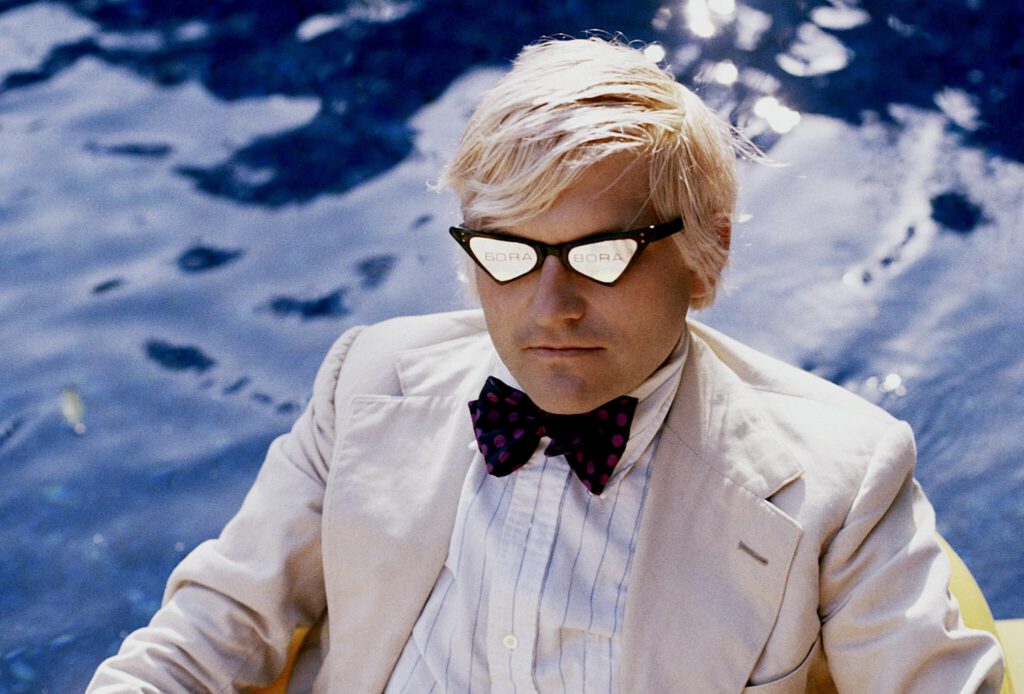
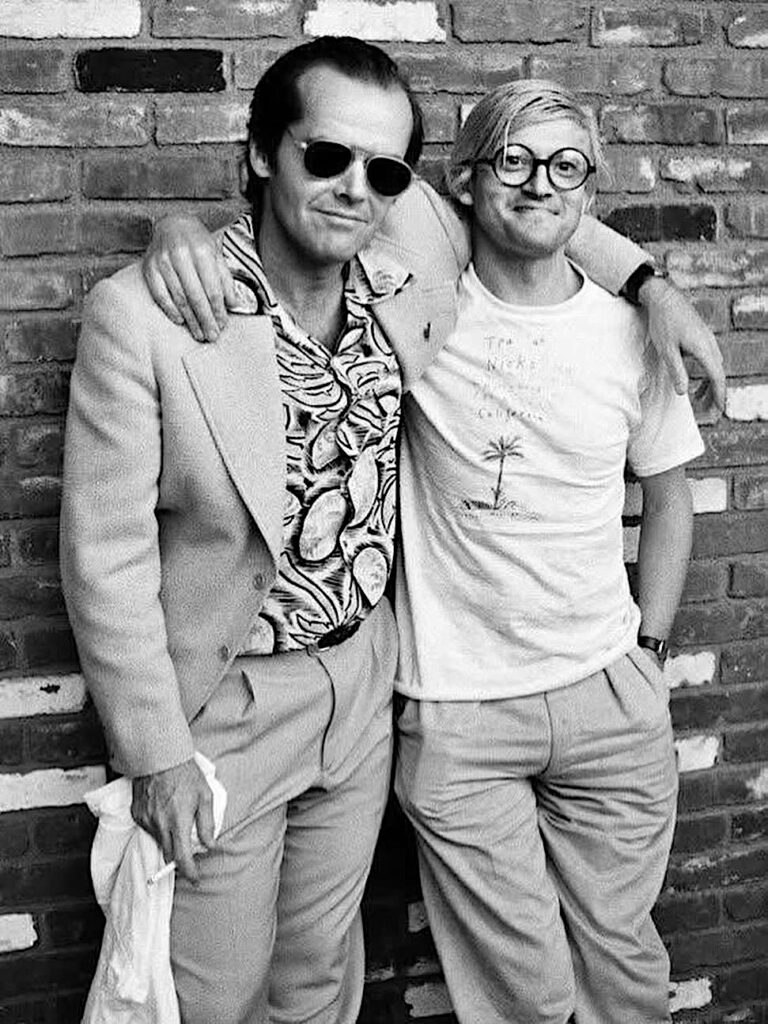
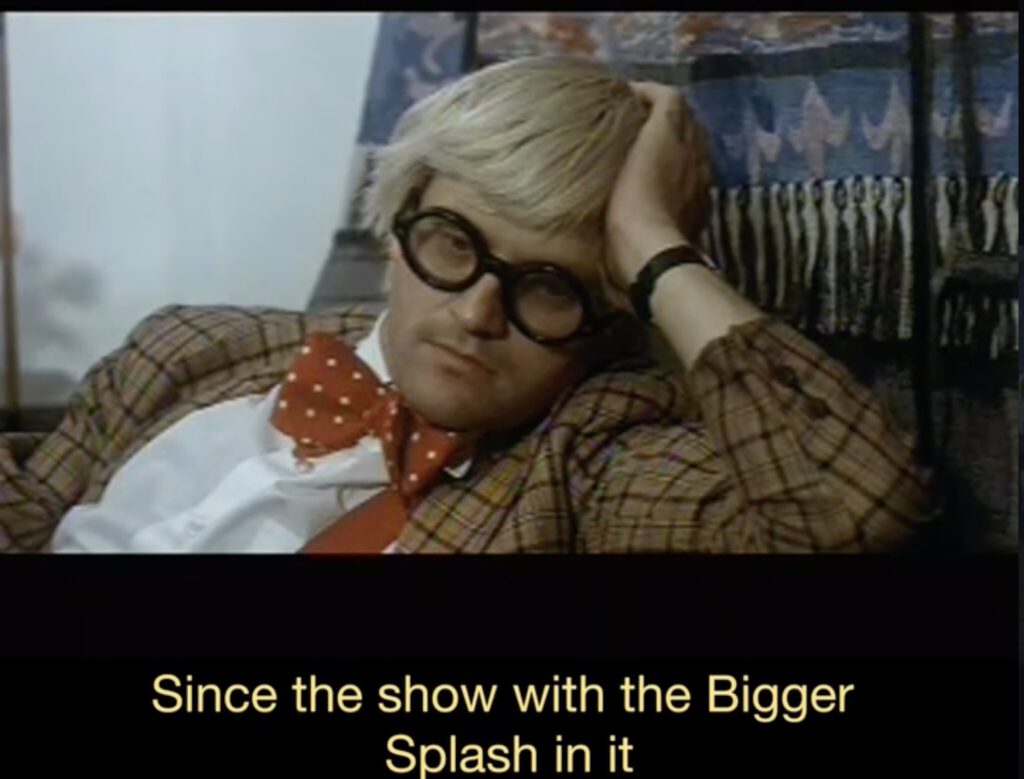
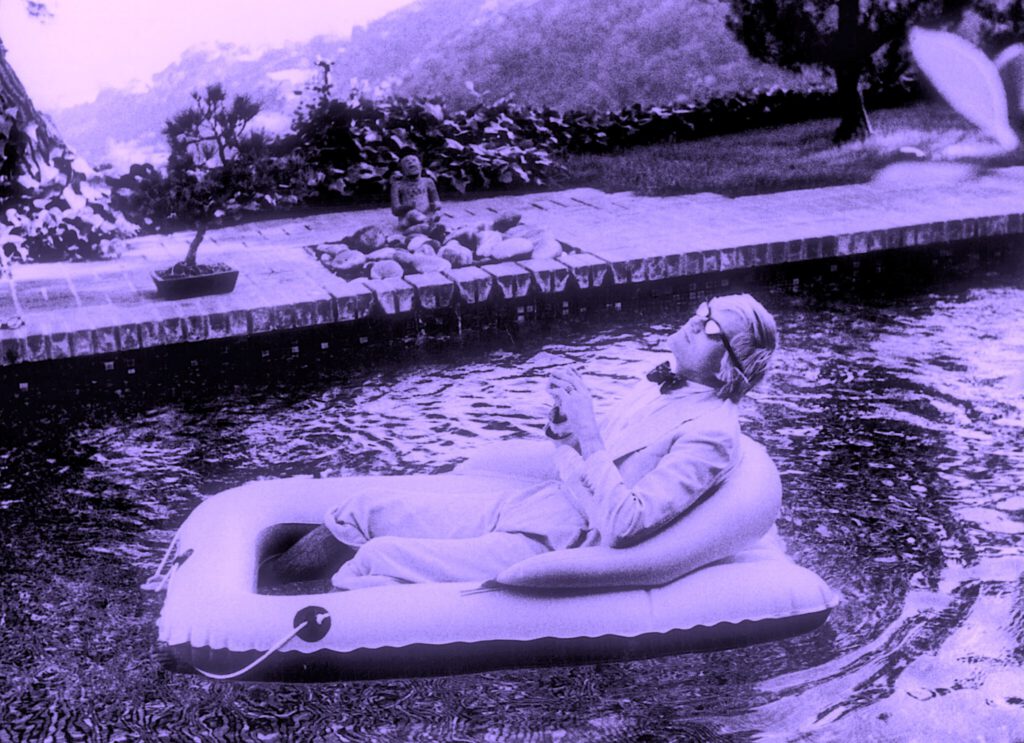
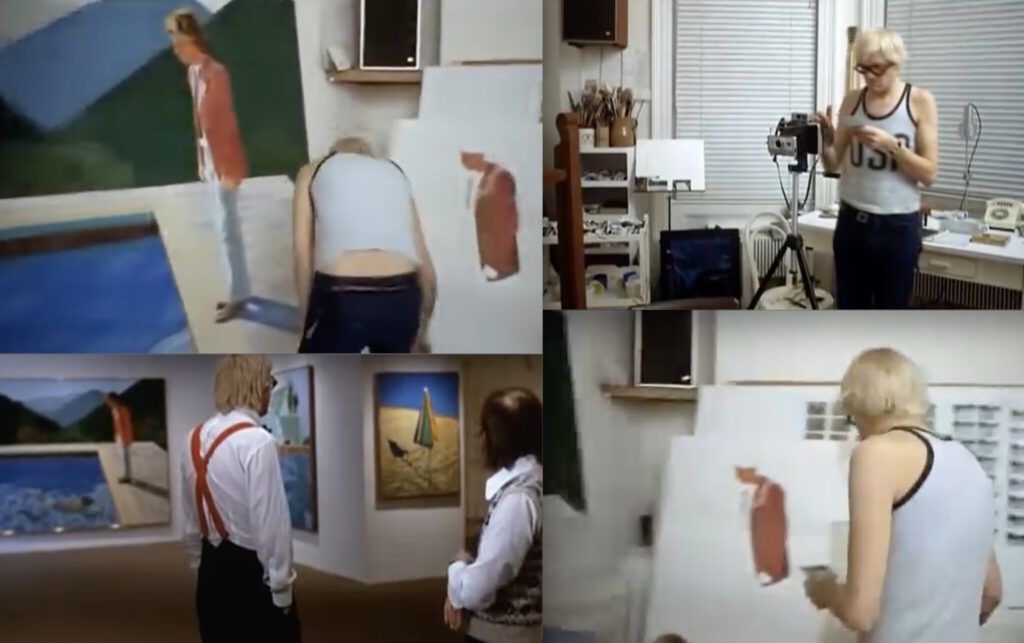
In 1973 #JackHazan and #DavidMingay made a film about #DavidHockney called #ABiggerSplash
It caught Hockney in the depths of a deep crisis after his lover Peter Schlesinger had left him.
And culminated in him finding inspiration and purpose again…
Mixing fact and fiction, one of the first films to deal candidly and openly with gayness, using stylised dreamlike elements…
It was ahead of its time and is totally awesome
This wonderful scene is a neat comment about the process of creation: sometimes it can take six months to reach a brief epiphany
And it captures the voice of the film
Shocked by the movie’s intimacy, Hockney wanted to buy the negative and destroy it — but was persuaded by his friends of its brilliance and thank God:
It’s an extraordinary document of a great artist at work, and a style of documentary that was ahead of its time
RIP to an absolute master, last of an era
https://www.instagram.com/p/DZiLPlssF14/